Dead or Weak Battery
A dead or weak battery is the most common cause of a car not starting. It’s essential to recognize the signs and understand the possible reasons behind battery issues. Here’s what you need to know about dead batteries and how to manage them.
Signs of a Dead Battery
- Dashboard Lights Dim or Off: If dashboard lights are dim or unlit, the battery may be weak.
- Slow Engine Crank: The engine may crank slower than usual when turning the key.
- Clicking Sound: A frequent clicking noise during ignition is a sign of a dead battery.
- Electrical Malfunctions: Failing headlights, radio, or power windows could indicate low battery power.
- Corrosion around Battery Terminals: This buildup often disrupts the connection and functionality.
Recognizing these signs early can help you take prompt action and avoid delays.
Causes of Battery Drain
- Leaving Lights or Devices On: Parking with headlights or interior lights on drains the battery.
- Extremely Cold Weather: Batteries lose capacity in freezing temperatures.
- Parasitic Drain: Electrical devices can draw power even when the car is off.
- Old Battery: Batteries lose efficiency as they age.
- Faulty Charging System: A malfunctioning alternator fails to recharge the battery properly.
Regular maintenance can minimize these risks and prolong your battery life.
How to Jump-Start Your Car
Jump-starting your car can revive a dead battery. Here’s a simple guide:
- Prepare Jumper Cables: Ensure you have jumper cables ready.
- Park Cars Close: Park the working car near the car not starting but avoid touching.
- Connect Cables Correctly:
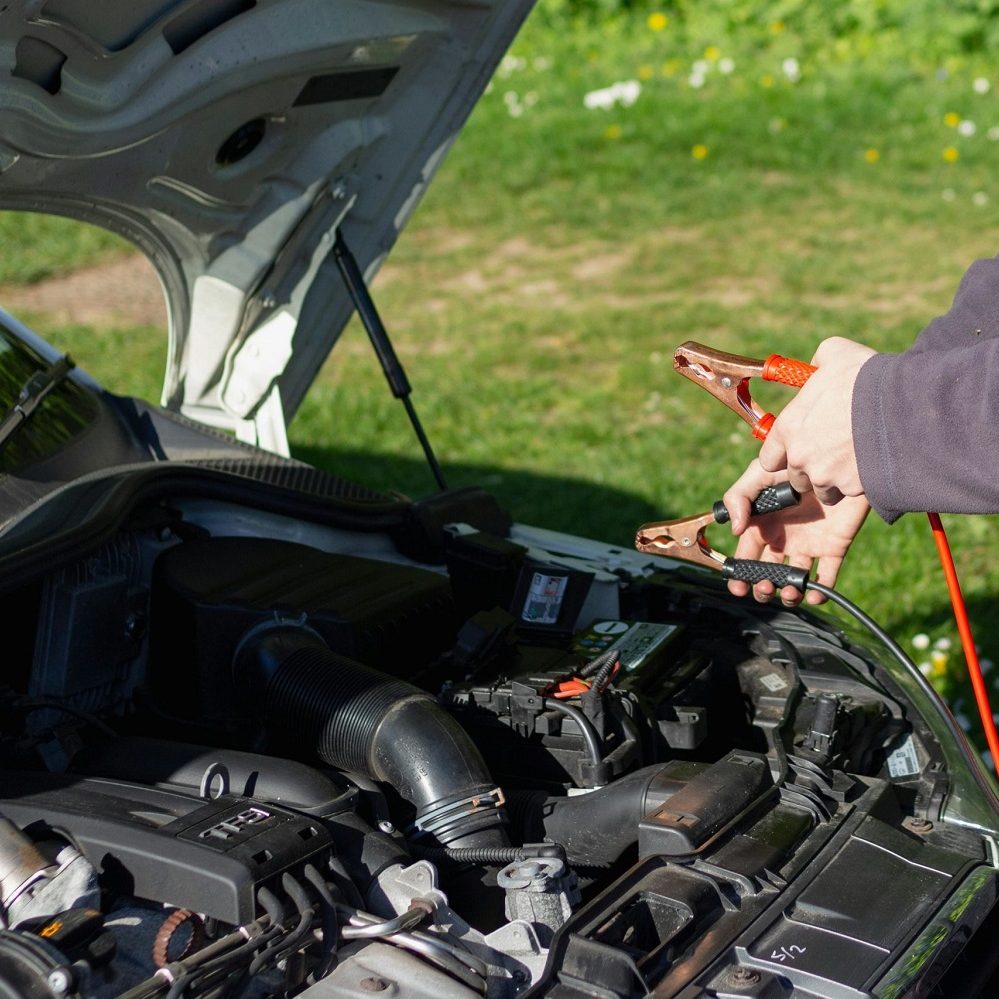
- Attach one red clip to the positive terminal (+) of the dead battery.
- Attach the other red clip to the positive terminal (+) of the working battery.
- Connect one black clip to the negative terminal (-) of the working battery.
- Attach the other black clip to an unpainted metal surface of the car not starting.
- Start the Working Car: Allow it to run for a couple of minutes.
- Start Your Car: Attempt to start the car with the dead battery.
- Disconnect Carefully: Remove the cables in the reverse order.
Getting your car to start is vital, but always follow safety precautions during a jump-start.
Faulty Starter
A car not starting can often be due to a faulty starter. The starter is a small motor connected to the battery, and it is responsible for turning the engine when you turn the key. If it fails, your car won’t start even if the battery is charged. Here’s what you need to know about faulty starters.
Symptoms of a Malfunctioning Starter
- Clicking Sound: You may hear a clicking noise when trying to start the car.
- Grinding Noise: A grinding sound can indicate worn-out parts in the starter.
- No Noise at All: Silence when you turn the key is often a sign of a faulty starter.
- Lights Work, But Engine Doesn’t Start: If the dashboard lights turn on, but the engine doesn’t start, it may be the starter.
- Visible Damage or Smoke: Physical damage or smoke from the starter can also signal a problem.
Recognizing these signs early can prevent more extensive damage to your vehicle.
Common Issues with Starters
- Worn-Out Parts: Over time, internal parts like gears and brushes can wear down or break.
- Electrical Problems: Loose connections or faulty wiring may prevent the starter from working.
- Old Starter Motor: Aging starters become less efficient and may eventually fail.
- Faulty Solenoid: The solenoid sends an electrical current to the starter motor — a failure here can stop operation.
- Overheating: Frequent use or extreme temperatures can cause the motor to overheat and malfunction.
Regular maintenance and inspection can help in identifying these issues beforehand.
Replacing or Repairing Your Starter
- Diagnose the Problem: Use a multimeter to check the starter’s voltage.
- Inspect Connections: Check for loose wires or corrosion near the starter.
- Repair Minor Issues: Fix loose wiring or clean corroded terminals.
- Replace the Starter Motor:
- Turn Off Power: Disconnect the battery to prevent electrical accidents.
- Unbolt the Starter: Remove the bolts and wires connecting the starter.
- Install New Starter: Attach the new starter, ensuring all connections are secure.
- Reconnect the Battery: Reconnect the power and test the new starter.
- Consult a Mechanic: Visit a professional if the problem persists.
Handling a faulty starter promptly ensures your car starts reliably, preventing unexpected delays in your plans.
Ignition System Problems
The ignition system is crucial for your car’s engine to start and function properly. Without it, the combustion process that powers your car cannot occur. Issues within the ignition system can prevent your car from starting as intended. Let’s explore the signs of ignition system failures and their common causes and solutions.
Signs of Ignition System Failures
To effectively address ignition system problems, you need to recognize their symptoms. Here are key signs:
- Difficulty Starting the Car: Your car may crank but fail to start.
- Frequent Stalling: The engine may stop running unexpectedly during operation.
- Engine Misfires: Irregular engine operation could indicate ignition system trouble.
- Dashboard Warning Light: The “Check Engine” light may illuminate for ignition issues.
- Reduced Power or Acceleration: A struggling ignition system hampers engine performance.
- Unusual Noises: Clicking, popping, or backfiring sounds may occur when starting the car.
Recognizing these signs early can help prevent further mechanical issues and additional expenses.
Common Causes and Solutions
Ignition system problems often stem from specific components. Here are common causes with practical solutions:
- Faulty Spark Plugs
- Cause: Worn or damaged spark plugs can fail to ignite the fuel-air mixture.
- Solution: Replace the spark plugs with the correct type for your car.
- Bad Ignition Coils
- Cause: Coils that produce inadequate voltage lead to ignition failure.
- Solution: Have the coils tested and replace any that are faulty.
- Damaged Ignition Switch
- Cause: Wear and tear or electrical issues in the switch disrupt the starting process.
- Solution: Replace the damaged ignition switch.
- Faulty Ignition Wires
- Cause: Frayed or corroded wires hinder electricity flow to spark plugs.
- Solution: Inspect and replace damaged ignition wires.
- Malfunctioning Distributor Cap
- Cause: A cracked or dirty distributor cap prevents proper transfer of voltage.
- Solution: Clean or replace the distributor cap if necessary.
- Weak Battery
- Cause: Reduced power supply affects the ignition process.
- Solution: Charge or replace the battery.
- Anti-Theft System Issues
- Cause: Faulty anti-theft system can disable the ignition system.
- Solution: Reset or repair the anti-theft system.
- Moisture or Dirt
- Cause: Contaminants or water in the ignition system affect its components.
- Solution: Clean the affected areas to restore functionality.
By addressing these issues promptly, you can ensure your ignition system operates reliably, preventing starting troubles and maintaining optimal vehicle performance.

Fuel Issues
Fuel issues play a significant role when your car isn’t starting. Problems related to fuel delivery can disrupt this process.
Lack of Fuel and Clogged Filters
- Empty Fuel Tank: A common reason for a car not starting is an empty fuel tank. Always ensure your gas tank has enough fuel.
- Clogged Fuel Filters: Blocked fuel filters prevent fuel from reaching the engine efficiently. Replace them regularly to avoid issues.
- Contaminated Fuel: Water or impurities in fuel can disrupt combustion. Use trusted fuel stations to prevent this.
Check your fuel gauge regularly. Maintain your fuel system to avoid starting issues.
Problems with the Fuel Pump
- Failed Fuel Pump: A faulty pump won’t deliver enough fuel to the engine. This can stop your car from starting.
- Worn-Out Pump: Over time, the fuel pump may wear down. Regular inspections can help detect and replace it on time.
- Electrical Issues: Loose connections or a blown relay can cause the fuel pump to malfunction. Checking these components can resolve problems.
- Overheating: Continuous driving on low fuel can overheat and damage the fuel pump.
If your car struggles to start, inspect the fuel system. Timely maintenance and replacements can avoid disruptions.
Alternator Malfunctions
The alternator is a crucial part of your car’s electrical system. It charges the battery and powers electrical components when the engine runs. If it malfunctions, your car may face starting issues or even shut down.
Symptoms of Alternator Failure
Recognizing alternator issues early can help you avoid being stranded. Here are the key symptoms:
- Dim or Flickering Lights: Headlights or dashboard lights may lose brightness or flicker.
- Battery Warning Light: The battery light on the dashboard may illuminate.
- Weak or Dead Battery: An alternator that doesn’t charge properly can cause your battery to weaken.
- Frequent Stalling: Your car may stall due to lack of power supply from the alternator.
- Burning Smell: Overheating alternators can emit a burning odor.
- Unusual Noises: Grinding or whining sounds may indicate worn parts inside the alternator.
- Electrical Malfunctions: Power windows, radio, or other electrical items may stop working.
If you notice these signs, inspect your alternator or have it checked immediately. Delayed action could worsen the problem.
How an Alternator Affects Car Starting
The alternator plays a direct role in starting your car. Here’s how it impacts the process:
- Battery Charging
- Function: The alternator charges the battery while the engine runs.
- Impact: Without a charged battery, starting the engine becomes difficult or impossible.
- Power Supply to Components
- Function: It powers essential electrical systems like the ignition and fuel injectors.
- Impact: A failing alternator might interrupt the power supply needed to start the car.
- Energy Conversion
- Function: Converts mechanical energy into electrical energy to operate systems.
- Impact: Insufficient energy generated leads to starting and operational issues.
- Battery Drain
- Problem: A malfunctioning alternator can create a constant drain on the battery.
- Solution: Regularly inspect the alternator and make repairs if it fails to charge effectively.
In summary, alternator malfunction is a common reason behind a car not starting. Early diagnosis and repair of alternator issues can prevent complete battery failure and unexpected breakdowns.
Electrical System Failures
Electrical system failures are another common reason why your car may not start. These issues disrupt the flow of electricity necessary for your vehicle’s components to operate properly. Identifying the root cause is essential to resolve the problem and prevent recurring breakdowns.
Blown Fuses or Wiring Issues
Blown fuses or faulty wiring can prevent electrical current from flowing to vital car systems. Here’s what to look out for:
- Non-Working Electrical Components: If your headlights, indicators, or other electronic systems fail, the issue could be a blown fuse.
- Burnt Smell or Melting: A burnt or melting smell indicates overheated or damaged wires or fuses.
- Visible Damage to Wires: Frayed or exposed wires can cause electrical interruptions.
- Intermittent Power Loss: Flickering lights or intermittent malfunction of electrical systems could point to wiring problems.
How to Fix:
- Inspect the fuse box for any blown fuses and replace them if necessary.
- Examine wiring connections for any wear, damage, or looseness, and repair or replace them.
- Use a multimeter to test electrical circuits for any disruption in the power supply.
- Seek professional help if the issue persists or requires expertise.
Diagnosing Electrical Problems
Diagnosing electrical system failures involves systematic inspection to find the issue:
- Check Battery Terminals:
- Ensure the terminals are clean and securely connected.
- Remove corrosion using a battery cleaning brush.
- Use a Multimeter:
- Test the battery voltage. A reading below 12.4 volts may indicate a weak battery.
- Check fuses and electrical devices for power continuity.
- Inspect the Wiring Harness:
- Look for frayed wires or broken connections.
- Replace damaged wiring to restore proper connections.
- Test Key Electrical Components:
- Inspect the alternator and starter for proper functioning.
- Make sure the ignition switch responds accurately.
- Look for Grounding Issues:
- Check for faulty ground connections that may disrupt the flow of electricity.
- Consult a Mechanic:
- Take your car to a professional for a detailed inspection if the problem remains unresolved.
Addressing electrical problems quickly ensures that your car starts reliably and prevents further damage to other components. Keeping your electrical system in good condition helps maintain safe and smooth vehicle operation.
Engine Issues
Engine problems can prevent your car from starting and lead to unexpected breakdowns. The engine is the heart of your car, and any malfunction can affect its ability to run efficiently.
- Lack of Compression: Engines need compression to transform fuel into power. Insufficient compression stops the engine from starting.
- Damaged Timing Belt or Chain: A broken or misaligned timing belt disrupts engine operation and prevents the car from starting.
- Fuel Delivery Problems: Lack of fuel injection into the engine can cause starting trouble.
- Overheating: An overheated engine may fail to restart. Check your car’s cooling system regularly.
- Engine Seizure: If your engine runs out of oil or overheats, it could seize completely.
- Clogged Air Filters: Dirty air filters can limit airflow, making combustion harder and preventing starting.
- Worn Spark Plugs: Old or damaged spark plugs result in poor ignition, causing difficulty in starting.
Knowing these problems helps you pinpoint the issue early.
How to Address Engine Failure
- Check the Oil Level: Low oil levels can lead to engine problems. Refill oil regularly to prevent engine damage.
- Inspect the Timing Belt or Chain: Replace a worn or broken timing belt to ensure smooth engine operation.
- Clean Air Filters: Replace clogged filters to improve airflow and engine performance.
- Test Spark Plugs:
- Remove and inspect spark plugs for wear or dirt.
- Change faulty spark plugs.
- Examine Compression Levels:
- Use a compression tester to check engine performance.
- Repair or replace parts causing low compression.
- Check for Fuel Flow:
- Ensure the fuel pump and injectors are working properly.
- Fix or replace damaged fuel components.
- Inspect for Overheating:
- Check the cooling system, including the radiator and thermostat.
- Replace damaged parts to avoid engine heat buildup.
- Seek Professional Help: Consult a trusted mechanic for severe engine issues.
Promptly addressing engine problems ensures your car starts reliably while extending its lifespan. Regular maintenance is essential to keep your engine in good condition and prevent future issues.
Timing Belt or Chain Problems
The timing belt or chain plays a critical role in how your engine functions. It ensures that the engine’s camshaft and crankshaft are synchronized, allowing the valves and pistons to work together properly. Timing belts are typically made of rubber, while timing chains are composed of metal links. Both are crucial for efficient engine operation.
A properly functioning timing belt or chain ensures:
- Precise engine timing for smooth operation.
- Proper combustion cycle and engine efficiency.
- Prevention of contact between pistons and valves, avoiding severe engine damage.
Importance of Timing Belt and Chain
Timing belts and chains are responsible for linking the engine’s crankshaft to the camshaft. This connection ensures the engine’s intake and exhaust valves open and close precisely. Without this synchronization, your engine cannot run effectively.
Key reasons they are important:
- Engine Timing: They keep the engine’s internals moving in harmony.
- Valve Protection: Prevent pistons from damaging the valves during operation.
- Efficiency: Enhance fuel combustion and overall performance.
- Durability: Timing chains last longer but require proper lubrication. Belts need periodic replacement.
- Essential Component: Failure of either results in engine malfunction, causing the car to shut down.
Maintaining these parts can prevent expensive breakdowns and extend your car’s lifespan.
Signs of Timing Belt or Chain Failure
Detecting timing belt or chain issues early can help prevent serious engine damage. Common signs include:
- Engine Misfires: Incorrect timing causes incomplete combustion.
- Ticking Noise: A worn or loose chain or belt creates a ticking sound during operation.
- Difficulty Starting: The engine may struggle to start due to improper timing.
- Engine Stops Suddenly: The car may stall if the belt or chain fails completely.
- Visible Damage: Inspect belts for cracks or fraying. Chains may show signs of wear.
- Oil Leak Near Timing Cover: A leak around the timing area may indicate a problem.
Timing components rarely fail instantly—they degrade over time. Pay attention to these signs to act quickly.
What to do if you notice these symptoms:
- Inspect Regularly: Check for visible wear or damage to the timing belt or chain.
- Follow Manufacturer Guidelines: Replace timing belts at recommended mileage intervals. Chains typically last longer.
- Replace with Quality Parts: Use manufacturer-approved or high-quality replacement components for reliability.
- Seek Professional Help: If unsure, consult a mechanic to assess the issue and replace the components.
By maintaining your timing belt or chain, you can help avoid engine failure and costly repairs. Regular checks are crucial for long-term engine health.
Leave a Reply