Introduction to Motorcycle Parking
The Significance of Proper Parking
Proper motorcycle parking is essential for several reasons. It ensures the safety of the bike, prevents damage, and promotes responsible riding habits. Unlike cars, motorcycles are more vulnerable when parked. A secure spot can prevent theft and accidental damage from passing vehicles or pedestrians. Understanding how to choose the perfect parking spot is vital for every motorcyclist.
Challenges of Parking a Motorcycle
Parking a motorcycle can present unique challenges compared to cars. Factors such as space constraints, road conditions, and local regulations often affect decisions. Riders must be mindful of their surroundings to avoid accidents or inconveniences. Understanding these challenges can help riders make better choices when looking for a parking spot.
Purpose of This Guide
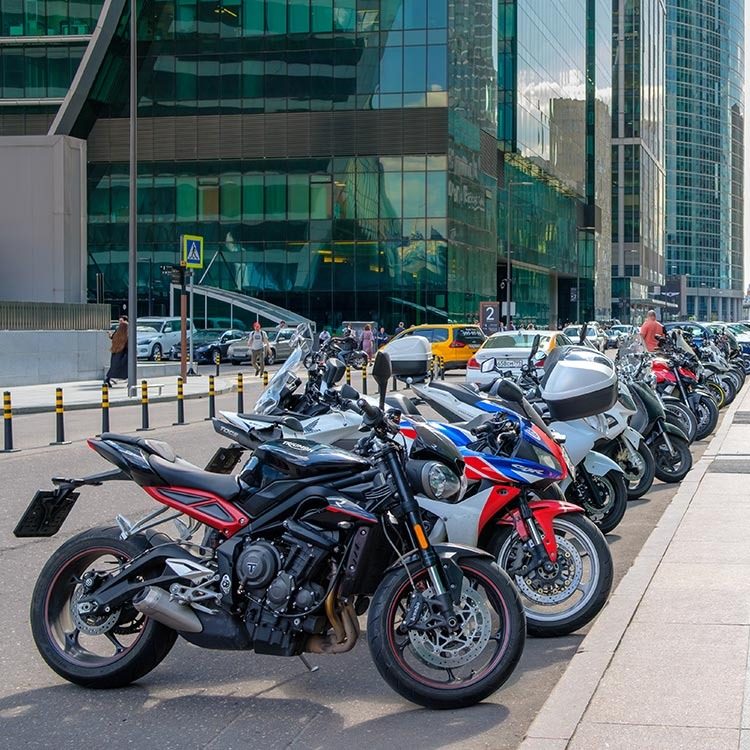
This guide aims to provide comprehensive tips on how to choose the perfect parking spot every time. It will cover essential factors to consider, recommended practices, and common pitfalls to avoid. By following these guidelines, riders can enhance their parking skills, ensuring their motorcycle remains secure and well-maintained.
Assessing Your Surroundings
Traffic Conditions
Before parking, evaluating traffic conditions is crucial. High-traffic areas might not be the best choice for parking, as they increase the risk of accidents or damage. Look for quieter zones where your motorcycle is less likely to be bumped into by passing vehicles. It’s also wise to consider visibility; avoid spots that could obstruct sightlines for other drivers.
Surface Quality
The quality of the parking surface can impact your motorcycle’s stability. Uneven surfaces can lead to tipping or instability when parked. Look for level ground that is firm and free from debris. Avoid soft or sandy surfaces where the bike might sink or become unstable. Ensuring a solid foundation for parking contributes to the overall safety of your motorcycle.
Weather Considerations
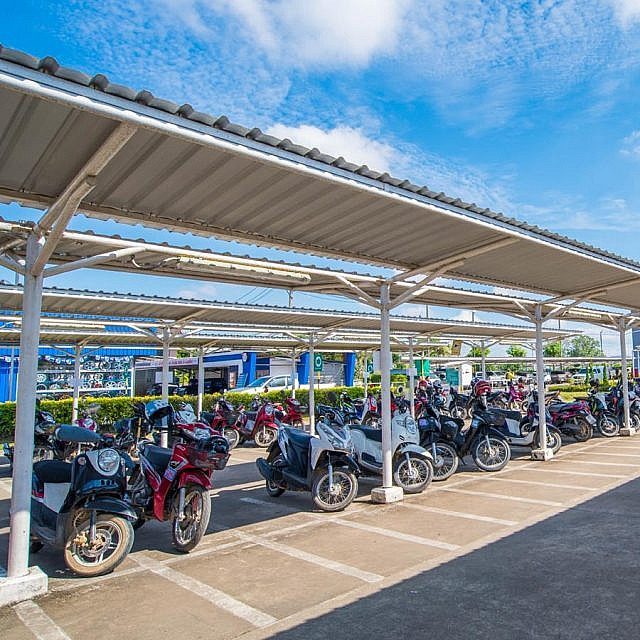
Weather conditions can significantly influence your parking choices. In rainy or snowy weather, you may want to find covered spots to protect your motorcycle from the elements. Exposure to harsh weather can damage your bike over time, leading to rust and corrosion. Additionally, be cautious of slippery surfaces during wet conditions, as they can pose a hazard when maneuvering the bike.
Understanding Local Regulations
Knowing the Laws
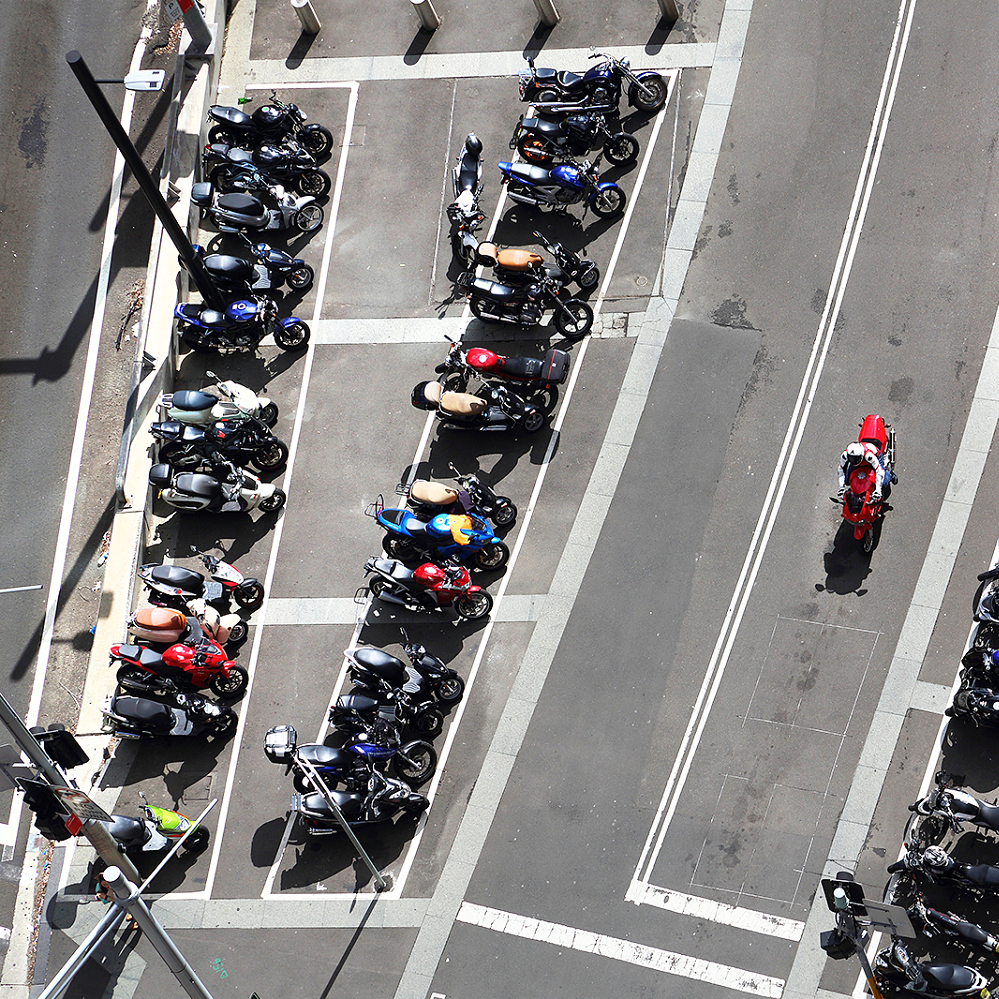
Understanding local parking regulations is crucial for avoiding fines or towing. Different cities have specific rules governing motorcycle parking. Research local ordinances to ensure compliance. Some jurisdictions may have designated motorcycle parking areas, which are ideal for securing your bike. Familiarizing yourself with the laws helps you avoid potential issues.
Parking Prohibitions
Be mindful of where parking is prohibited. Areas such as fire lanes, loading zones, or private properties are off-limits. Parking in these locations can lead to fines and the possibility of your motorcycle being towed. Always take note of signage indicating parking restrictions to avoid penalties.
Permit Requirements
Some cities require permits for motorcycle parking in specific areas. Check if you need a permit and be sure to display it prominently on your motorcycle. Neglecting to obtain necessary permits can result in fines, making it essential to follow all requirements.
Choosing the Right Spot
Proximity to Destinations
When selecting a parking spot, consider how close it is to your destination. A convenient spot reduces walking distance, making your trip more efficient. However, prioritize safety over convenience; ensure the chosen area is both secure and accessible. Carefully balancing convenience and security will enhance your overall experience.
Visibility to Others
Choosing a visible parking spot can deter theft and vandalism. Park in well-lit areas that are easily seen by passersby. The increased visibility reduces the likelihood of someone tampering with your motorcycle. When parked where others can see your bike, it increases the chances of someone intervening if any suspicious behavior occurs.
Avoiding Tight Spaces
Be cautious when parking in tight spaces. While it may be tempting to squeeze into a small opening, these spots can lead to accidental damage. Other vehicles may not see your motorcycle when exiting, increasing the risk of an accident. Instead, opt for more spacious areas that provide ample room for maneuvering.
Securing Your Motorcycle
Utilizing Locks and Chains
Regardless of where you park, taking security precautions is vital. Invest in high-quality locks and chains to secure your motorcycle. Locking your bike to a fixed object reduces the risk of theft. Choosing a sturdy lock that is resistant to tampering can add an extra layer of protection.
Using Alarm Systems
Consider installing an alarm system to increase security further. Many modern motorcycle alarms provide audible alerts if someone tries to tamper with the bike. These systems can deter thieves and provide peace of mind while parked. Adding an alarm increases safety, especially in areas known for motorcycle theft.
Covering Your Motorcycle
If you plan to leave your motorcycle parked for an extended period, consider using a motorcycle cover. Covers protect against the elements and can deter theft by concealing your bike from view. Choose a breathable cover that allows moisture to escape while providing protection from rain, dirt, and UV rays. A good cover ensures that your motorcycle remains in optimal condition.
Recognizing Common Pitfalls
Overlooking Sidewalk Rules
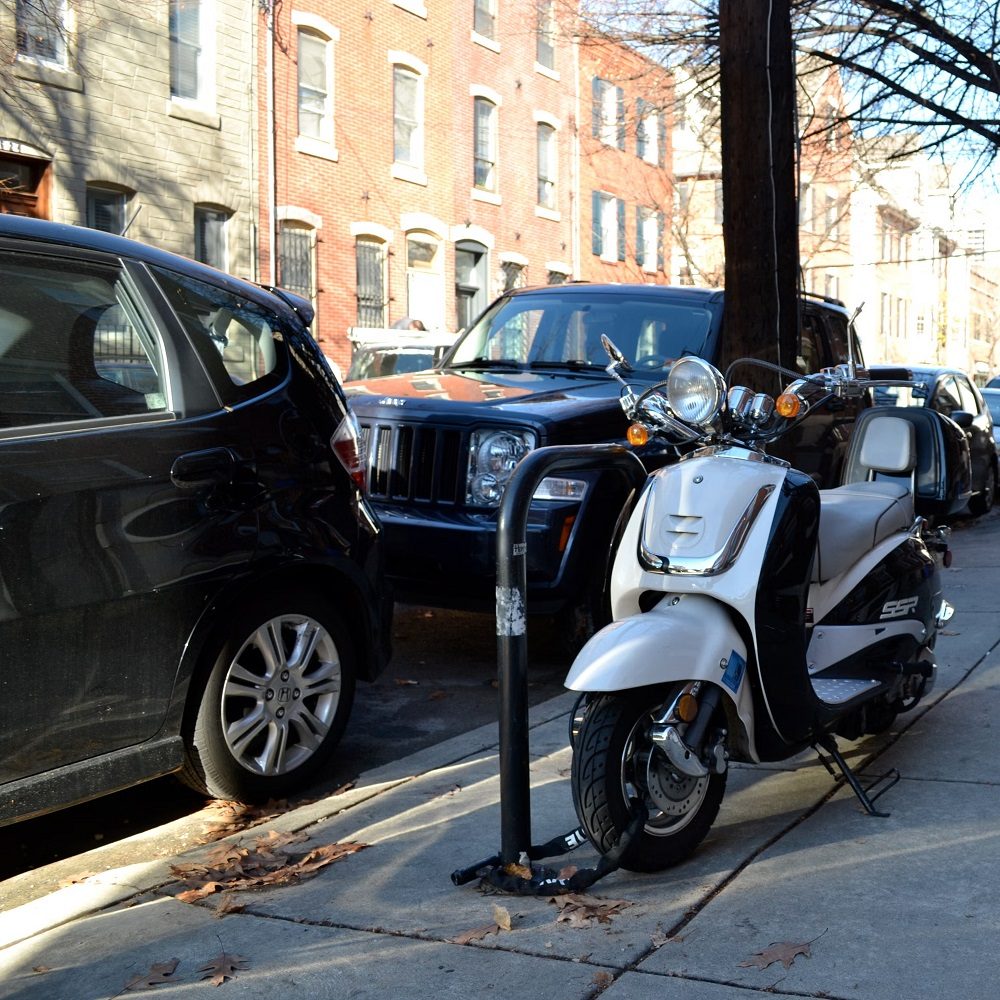
Motorcyclists should never park on sidewalks unless it is explicitly allowed. This action may obstruct pedestrian pathways, leading to fines or complaints. Always check local regulations related to sidewalk parking and abide by them. Respecting pedestrian spaces shows consideration for others while maintaining your riding reputation.
Ignoring Hazard Signs
Be vigilant about parking near hazard signs. Areas marked as no parking, fire lanes, or loading zones are typically illegal to park in. Ignoring these signs can result in fines and towing, leading to an inconvenient situation. Always look for signs and obey their directives to avoid such issues.
Underestimating Weather Conditions
It’s easy to underestimate weather conditions when parking. Rain can make surfaces slippery, and strong winds can affect stability. Before leaving your motorcycle, assess how weather conditions might change during your absence. Make strategic decisions based on weather forecasts to ensure the safety of your bike.
Preparing for Different Arrangements
Short-Term Parking
For short-term parking, convenience becomes a priority. Look for nearby spaces that allow quick access to your destination. Many cities have dedicated motorcycle parking areas that offer easy access. Prioritize visibility and safety even when parked for a short time.
Long-Term Parking
When intending to park for an extended period, consider more secure options. Look for well-lit areas or facilities with surveillance. If possible, park in a garage or a secure lot. These long-term strategies minimize risks associated with theft or damage.
Event-Specific Parking
For events, establish parking plans in advance. Some gatherings may include designated motorcycle parking areas. Arrive early to secure a spot that meets your safety criteria. Understanding event logistics allows for better decision-making regarding motorcycle parking.
Personal Experiences and Tips
Learning from Others
Engaging in conversations with fellow riders can uncover valuable insights about parking. Other motorcyclists often have personal experiences that guide parking decisions. Learning from these stories can help you navigate different environments more effectively. Sharing tips fosters a sense of community among riders.
Monitoring Your Motorcycle
If you have the opportunity, periodically check on your motorcycle while it’s parked. This practice offers peace of mind and allows for quick action if issues arise. Monitoring can help prevent potential theft or damage caused by surrounding traffic or other unpredictabilities.
Joining a Riding Community
Consider joining a local riding community. Engaging with other motorcycle enthusiasts can enhance your parking knowledge while offering a support network. Members often share favorite spots and local insights to empower each other. These networks allow for sharing experiences and collectively learning best practices.
FAQ:
- Is it safe to park my motorcycle on the street?
- Yes, it’s generally safe to park on the street if you choose a well-lit area and lock your motorcycle properly. However, be mindful of local laws and watch for potential hazards, such as heavy traffic, construction areas, or places where cars may park over your bike.
- How can I prevent my motorcycle from being stolen when parked?
- To reduce the risk of theft, always use high-quality locks and chains to secure your motorcycle to an immovable object. Additionally, consider using a motorcycle cover for added security and visibility, and park in areas with cameras or heavy foot traffic.
- Should I use the kickstand or a motorcycle parking stand?
- For short-term parking, using the kickstand is typically sufficient. However, for longer durations or in unstable conditions, a motorcycle parking stand can provide additional stability and prevent the bike from tipping over.
- How do I park my motorcycle in a garage or tight space?
- When parking in a garage or tight space, maneuver carefully, turning the handlebars to ensure the bike fits. You may also want to back the motorcycle in to provide more room for exiting and to protect it from potential hazards when the garage door opens.
- What are the best parking practices for riding groups?
- When parking with a group, adopt staggered formation to save space and enhance visibility. Make sure each bike is secure and use helmets or gear to mark your area if needed. Discuss parking strategies beforehand to ensure everyone knows the plan.
Conclusion: Mastering Motorcycle Parking
Prioritize Safety and Convenience
Mastering motorcycle parking is crucial for ensuring your bike’s safety and longevity. By prioritizing safety and convenience, you can protect your motorcycle from theft and damage. The principles outlined in this guide can enhance your parking skills and decision-making processes.
Build Your Knowledge
As riders continue to encounter new environments, knowledge becomes an essential asset. Understanding the dynamics of different parking locations enhances preparedness. With practice and a good understanding of local laws, you can navigate parking situations confidently.
Embrace the Journey
Ultimately, motorcycle riding is about the journey and the experiences that come with it. By incorporating best practices for motorcycle parking in urban areas, you can develop effective strategies that empower you to focus on the adventure ahead. With your motorcycle safely parked, you can enjoy your ride with peace of mind. Embrace the road and all its challenges, knowing you’re equipped with the skills to choose the perfect parking spot every time. Safe riding!
Leave a Reply