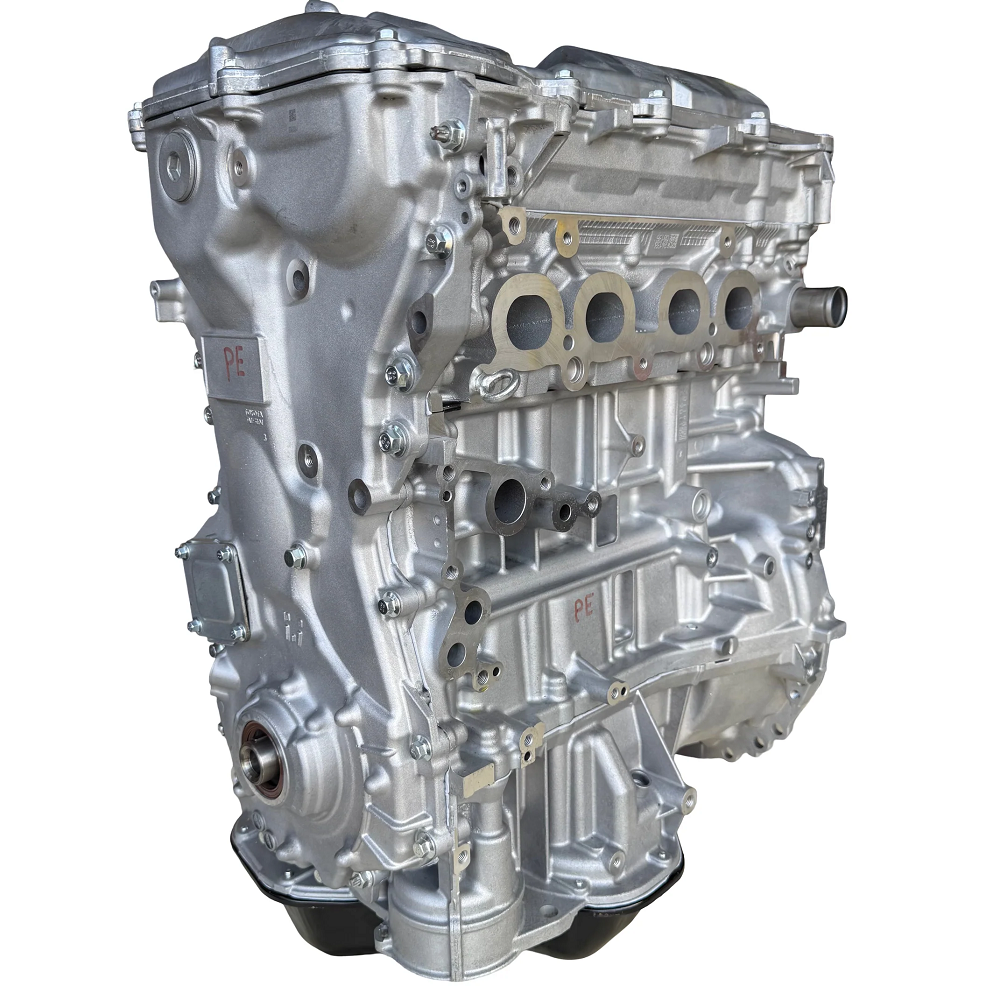
What is a 2.5L 4-Cylinder Engine?
A 2.5L 4-cylinder engine is a common engine configuration. The “2.5L” refers to the engine’s displacement, which is 2.5 liters. Engine displacement is the total volume of all cylinders inside the engine combined. This size signifies a balance between power and fuel efficiency, making it a popular choice for many vehicles.
Definition and Key Characteristics
A 4-cylinder engine has four pistons moving up and down within four separate cylinders. The 2.5L capacity means the engine can displace 2.5 liters of air and fuel in one cycle. These engines are typically configured in an inline layout, where the cylinders are arranged in a single row. They are compact, lightweight, and designed to provide a smooth and efficient performance.
Key characteristics of a 2.5L 4-cylinder engine include:
- Compact size, making it suitable for smaller engine bays.
- Moderate horsepower and torque figures, ideal for everyday driving.
- Generally fuel-efficient compared to larger engines.
- Lower emissions, contributing to environmentally-friendly driving.
How It Differs from Other Engine Types
A 2.5L 4-cylinder engine differs from other engine types in a few significant ways. Compared to 6- or 8-cylinder engines, it offers better fuel efficiency due to its smaller size and lower fuel consumption. Larger engines typically produce more power but are less fuel-efficient.
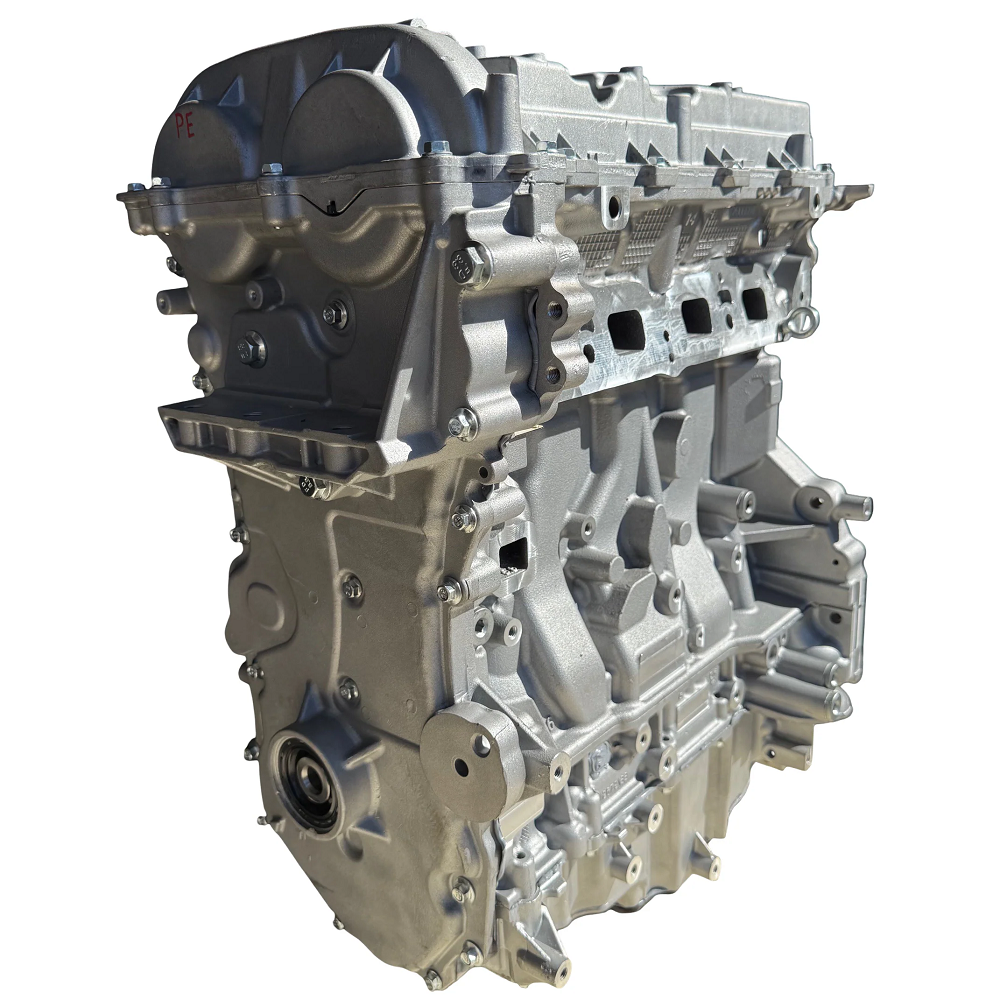
When compared to smaller 3-cylinder engines, the 2.5L 4-cylinder provides smoother operation and increased power output. It is less noisy and better suited for drivers seeking a balance between performance and efficiency.
Another distinction is its simpler design. Smaller engines like the 4-cylinder have fewer moving parts, leading to lower maintenance costs. Unlike V6 or V8 engines, a 4-cylinder occupies less space, which is beneficial for smaller vehicles.
In summary, a 2.5L 4-cylinder engine is a versatile option. It balances power and efficiency while offering reliability and manageable maintenance needs for vehicle owners.
Performance and Specifications
The performance and specifications of a 2.5L 4-cylinder engine determine its overall capability and utility. This section explores key metrics like horsepower, torque, fuel efficiency, and typical applications.
Horsepower and Torque
Horsepower and torque are critical indicators of an engine’s power. A 2.5L 4-cylinder engine often produces moderate horsepower, usually in the range of 170 to 200 horsepower. Torque, which measures rotational force, typically ranges from 170 to 200 lb-ft.
These values make the engine versatile and suitable for daily driving. While not as powerful as larger engines, the 2.5L 4-cylinder offers sufficient strength for most driving situations. It performs well in city traffic and open highways.
Fuel Efficiency and Economy
Fuel efficiency is one of the key advantages of a 2.5L 4-cylinder engine. This engine type often achieves 25 to 30 miles per gallon (mpg), depending on driving conditions and vehicle design.
Its smaller displacement contributes to lower fuel consumption and reduced running costs. This makes it a popular choice among drivers seeking a balance between performance and expense. Moreover, its efficiency helps reduce carbon emissions, supporting eco-friendly driving.
Common Applications in Vehicles
A 2.5L 4-cylinder engine is used in a wide range of vehicles. It is common in sedans, compact SUVs, and crossover models. Manufacturers prioritize it for its size and efficiency, especially in urban-friendly vehicles.
Best-suited for everyday use, this engine type meets the needs of families, commuters, and eco-conscious drivers. From compact cars to mid-size vehicles, it powers machines demanding reliability and efficiency without compromising on moderate performance.
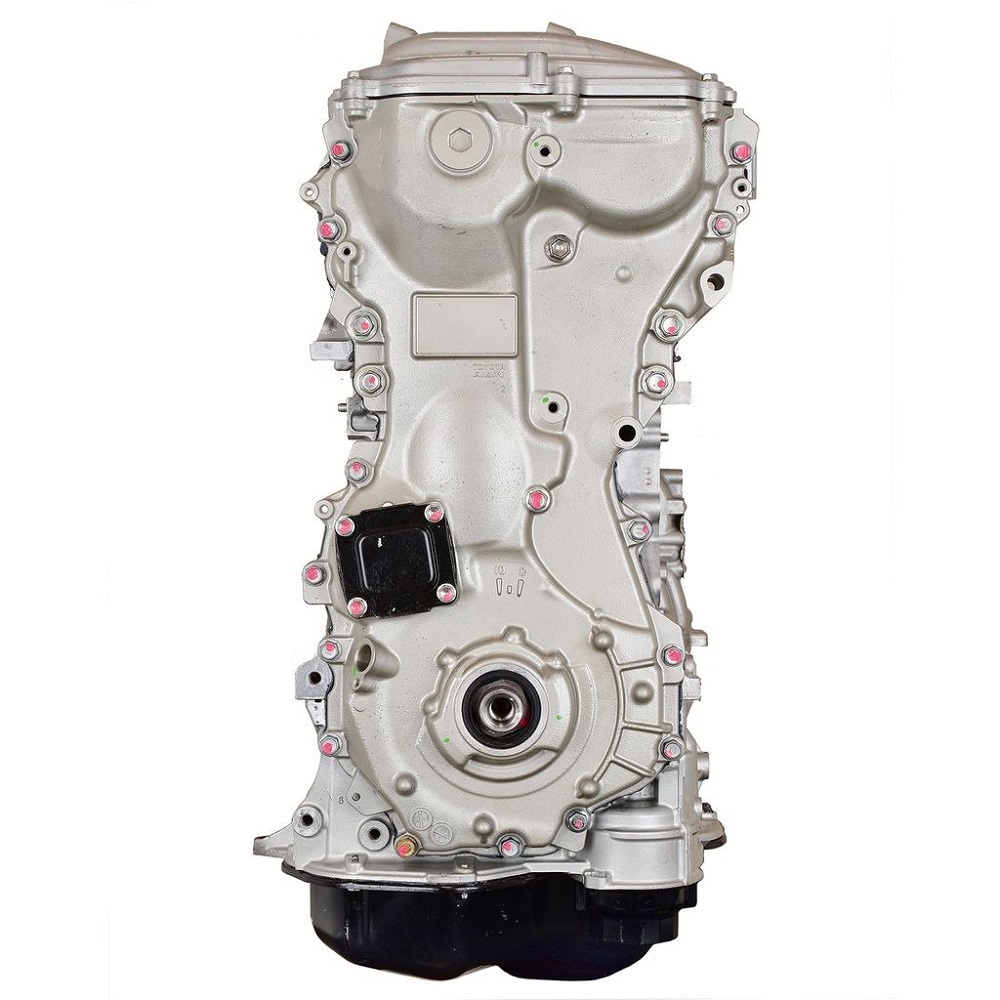
Benefits of a 2.5L 4-Cylinder Engine
A 2.5L 4-cylinder engine offers many advantages. It is compact, efficient, and versatile. Its design focuses on delivering reliability without sacrificing performance or fuel economy.
Reliability and Durability
The 2.5L 4-cylinder engine is known for its reliability. Its simpler structure ensures fewer moving parts. This leads to lower chances of mechanical failure. Routine maintenance keeps it running smoothly for many miles.
Durability is another strong trait of this engine type. It can handle various driving conditions, from city roads to highways. Modern engineering has improved its lifespan, making it last longer than many older engines.
Cost-Effectiveness
This engine type is cost-effective for multiple reasons. Its lower fuel consumption reduces expenses over time. Many 2.5L 4-cylinder engines achieve high miles per gallon ratings. This translates to significant savings for drivers.
Maintenance costs are also manageable. With fewer parts to replace, upkeep is easier and cheaper. Additionally, its compact design often results in lighter vehicles, which are more fuel-efficient and cheaper to operate overall.
Environmental Impact and Emissions
A 2.5L 4-cylinder engine is better for the environment. Its smaller displacement produces fewer emissions compared to larger engines. This contributes to eco-friendly driving and compliance with environmental regulations.
Its fuel efficiency further decreases carbon output. Some models even feature advanced technologies to enhance emission control. For eco-conscious drivers, this engine is a practical choice that balances performance and environmental care.
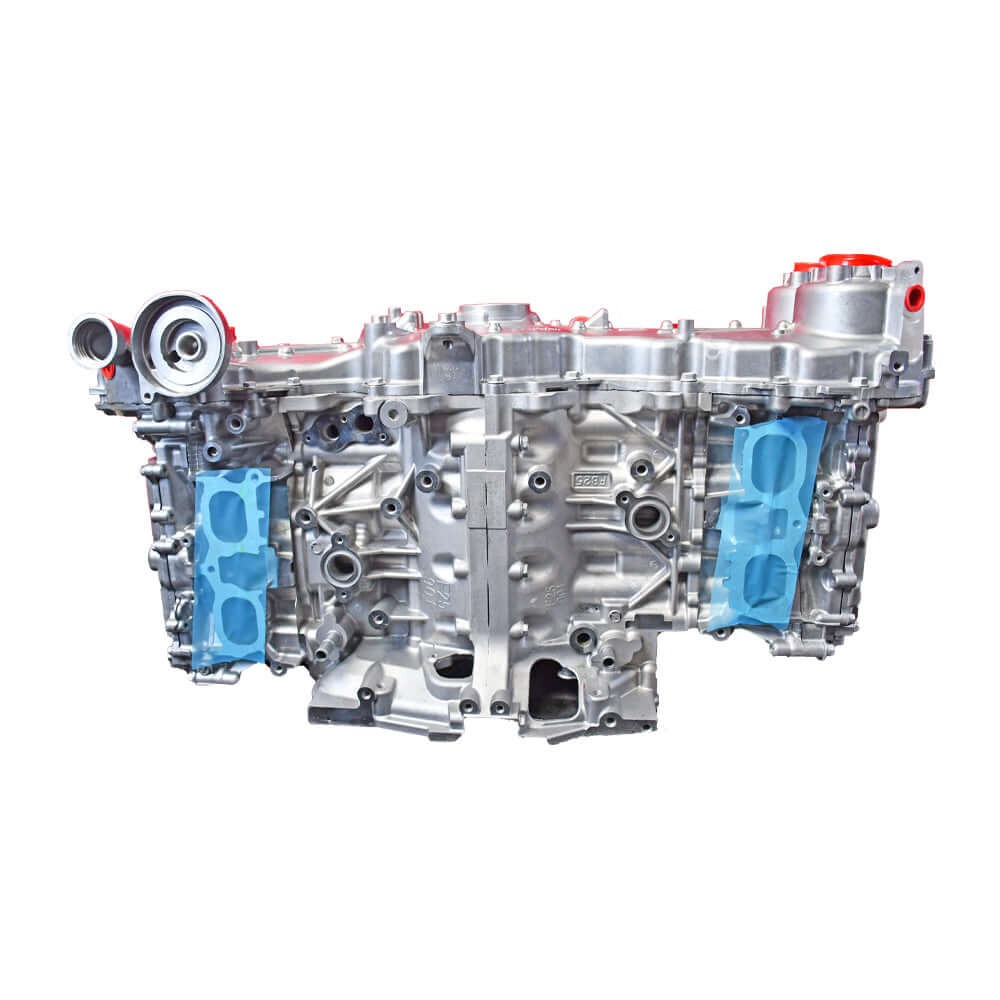
Common Issues and Maintenance Tips
A 2.5L 4-cylinder engine is reliable, but like all engines, it can have problems. Understanding these issues and following maintenance tips ensures the engine lasts longer and performs its best.
Known Problems and Solutions
Certain problems are more common with 2.5L 4-cylinder engines:
- Oil Consumption: Excessive oil consumption is a frequent issue. Regularly checking and replenishing oil levels helps.
- Timing Chain Wear: Over time, the timing chain may stretch or wear out. Replacing it on time prevents engine damage.
- Coolant Leaks: Leaks in the cooling system can lead to overheating. Inspect hoses and seals regularly.
- Engine Misfire: A misfiring engine may be caused by worn spark plugs or a malfunctioning ignition coil. Replacing faulty components quickly solves this.
- Carbon Buildup: Buildup on intake valves affects engine efficiency. Periodic cleaning restores proper function.
For each of these problems, identifying and addressing the cause early prevents bigger issues later. Follow the manufacturer’s guidelines for repair.
Regular Maintenance Practices
Regular maintenance keeps a 2.5L 4-cylinder engine efficient and reliable. Here are key practices:
- Oil Changes: Change engine oil every 5,000 to 7,500 miles, or as recommended by the manufacturer.
- Air Filter Replacement: Replace air filters every 15,000 to 30,000 miles for peak performance.
- Spark Plug Maintenance: Inspect spark plugs every 30,000 miles. Replace them if worn to avoid misfires.
- Coolant Check: Check and refill coolant levels regularly to prevent overheating.
- Timing Chain Inspection: Inspect the timing chain at regular intervals and replace it if needed.
- Scheduled Servicing: Follow vehicle servicing schedules, including checking belts, valves, and hoses.
Proactive care reduces the risk of engine failure. It also extends the lifespan of the car. Always use recommended parts and fluids for better results.
By identifying issues early and maintaining the engine properly, a 2.5L 4-cylinder engine remains dependable for years.
Popular Cars with 2.5L 4-Cylinder Engines
The 2.5L 4-cylinder engine is widely used in various car models. Car manufacturers favor it for its balance of efficiency and power. Below, we discuss some popular cars featuring this engine type.
Models Featuring This Engine
- Toyota Camry: The Toyota Camry is a well-known family sedan. Its 2.5L 4-cylinder engine delivers strong performance with impressive fuel efficiency. This makes it a great choice for daily commuters.
- Mazda CX-5: The Mazda CX-5 is a compact SUV equipped with this engine as a standard offering. Known for its sporty handling and smooth ride, the 2.5L engine provides a blend of power and efficiency.
- Subaru Outback: This popular crossover pairs rugged features with a reliable 2.5L 4-cylinder engine. It is perfect for both outdoor adventures and city driving.
- Nissan Altima: The Nissan Altima, a mid-size sedan, often features this engine in its lineup. It combines modern design with efficient and reliable performance.
- Chevrolet Malibu: This sedan is another vehicle equipped with a 2.5L 4-cylinder engine. It offers a smooth ride and excellent fuel economy, ideal for long-distance drives.
- Honda Accord: The Honda Accord also features this engine in certain variants. It excels in reliability and offers comfortable seating as well as efficient fuel consumption.
- Ford Escape: This compact SUV includes a 2.5L 4-cylinder engine in some of its base models. It is known for its practical design and fuel-efficient performance.
These models highlight the versatility of the 2.5L 4-cylinder engine. From sedans to SUVs, it powers vehicles that suit various lifestyles. Its popularity stems from its reliable design, efficiency, and ability to balance performance with fuel economy.

Comparing the 2.5L 4-Cylinder Engine to Other Engine Types
When considering engine options, comparing the 2.5L 4-cylinder engine to other types is essential. It helps determine its advantages and disadvantages compared to alternatives like 6-cylinder or turbocharged engines.
4-Cylinder vs. 6-Cylinder Engines
- Efficiency: A 2.5L 4-cylinder engine is more fuel-efficient than a 6-cylinder engine. Its smaller size and reduced fuel consumption result in lower running costs. In contrast, 6-cylinder engines consume more fuel, especially during city driving.
- Power and Performance: While a 4-cylinder engine produces moderate horsepower and torque, a 6-cylinder engine delivers higher power. This makes 6-cylinder engines better suited for heavy vehicles or those requiring rapid acceleration.
- Size and Weight: The compact size of a 4-cylinder engine makes it ideal for smaller vehicles. Its lightweight design also contributes to better handling and agility. Conversely, 6-cylinder engines are larger and heavier, which can affect vehicle weight distribution and efficiency.
- Maintenance and Costs: The 2.5L 4-cylinder engine has fewer parts, reducing maintenance complexity and costs. A 6-cylinder engine has more components, potentially leading to higher repair costs over time.
- Use Cases: The 2.5L 4-cylinder engine is excellent for city driving and compact to mid-size cars. On the other hand, a 6-cylinder engine is commonly found in SUVs, trucks, and performance-oriented vehicles that demand greater towing capacity and power.
In summary, a 2.5L 4-cylinder engine offers a balance of efficiency and moderate power. Meanwhile, 6-cylinder counterparts provide superior performance but with higher fuel and maintenance costs.
Turbocharged Options for 2.5L Engines
Turbocharging is a significant innovation for modern engines. It enhances the performance of a 2.5L 4-cylinder engines without increasing its size.
- Improved Power: Turbochargers force more air into the engine, boosting combustion and increasing horsepower and torque. This makes the 2.5L turbocharged engine comparable to some 6-cylinder engines in terms of power.
- Maintaining Efficiency: Despite the power boost, turbocharged 2.5L engines often retain decent fuel efficiency. This is due to their ability to offer higher performance while utilizing a smaller engine size.
- Cost Savings: Turbocharged 2.5L engines provide performance benefits without the increased fuel costs of larger engines. They are a cost-effective choice for drivers seeking more power without sacrificing fuel economy.
- Wider Applications: Turbocharging broadens the use of the 2.5L engine. It enables automakers to equip a wider range of vehicles, including performance cars and larger SUVs.
In conclusion, adding a turbocharger to a 2.5L 4-cylinder engines enhances its versatility. Drivers gain the benefits of better power while still enjoying fuel efficiency.

Tips for Choosing the Right Engine Size
Choosing the right engine size can greatly impact your driving experience and expenses. With options ranging from small engines to the 2.5L 4-cylinder engine or larger setups, consider factors like your lifestyle, driving habits, and budget.
Factors to Consider Based on Your Needs
- Vehicle Use:
- For city commutes, smaller engines like 4-cylinder ones, including the 2.5L, are better.
- For towing or heavy loads, opt for larger engines like 6-cylinder or V8.
- Fuel Economy:
- Smaller engines, like the 2.5L 4-cylinder, offer better mileage than larger ones.
- Prioritize fuel efficiency if you have long daily drives or aim for cost savings.
- Environment:
- If reducing your carbon footprint matters, choose a 2.5L 4-cylinder engine.
- It produces fewer emissions compared to larger engines.
- Driving Performance:
- For a balance of power and efficiency, a 2.5L engine fits most mid-size cars and SUVs.
- Consider turbocharged options for more power without significantly affecting efficiency.
- Budget:
- Smaller engines, like 2.5L 4-cylinder, are cost-effective in terms of maintenance and fuel.
- Compare initial costs and long-term savings when choosing an engine size.
Evaluate these factors against your lifestyle needs to determine the best fit for your vehicle.
Balancing Performance, Efficiency, and Cost
When choosing engine size, find a balance between performance, fuel efficiency, and cost:
- Performance Needs:
- For highway drives or hauling, prioritize engines with higher horsepower, like V6 or V8.
- Otherwise, the moderate power of a 2.5L 4-cylinder engine is sufficient.
- Fuel Savings:
- A 2.5L 4-cylinder is efficient, with 25-30 mpg in many cases.
- Larger engines, like 6-cylinders, use more fuel, increasing ownership costs.
- Maintenance Costs:
- A 2.5L 4-cylinder engine has fewer parts, resulting in lower maintenance costs.
- Larger engines may incur higher costs for repairs and spare parts.
- Future Needs:
- If you plan to upgrade your vehicle, consider an engine size that meets future demands.
- For example, a turbocharged 2.5L engine is versatile and suitable for diverse uses.
By evaluating these aspects, you can make an informed decision tailored to your particular needs. Always test drive vehicles to experience how different engine sizes perform on the road.
Leave a Reply