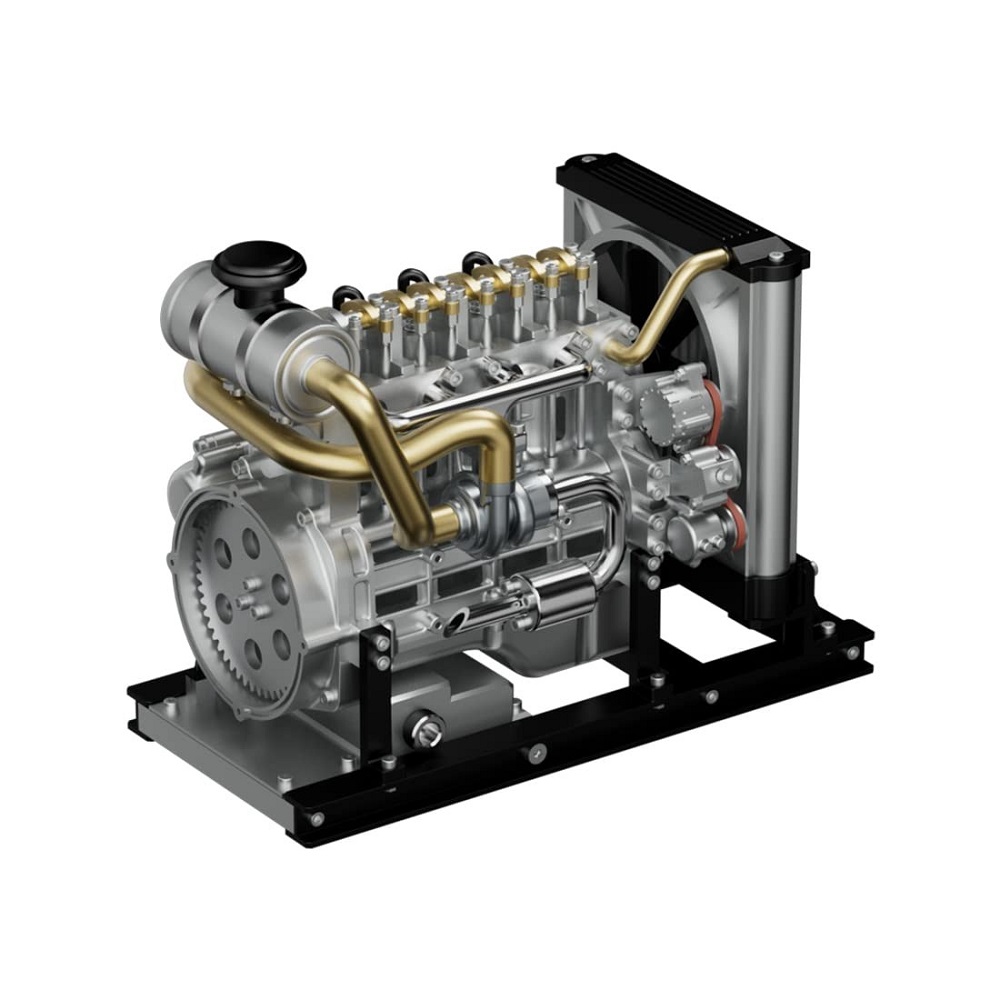
Introduction to Four Cylinder Engines
Four cylinder engines are among the most widely used engine types. Known for their balance between performance and efficiency, they power everything from automobiles to motorcycles and industrial equipment. This section explores what a four cylinder engine is and its historical development.
What is a Four Cylinder Engine?
A four cylinder engine has four separate cylinders. Each cylinder contains a piston which moves to generate power. These cylinders are typically arranged in a straight line or in a V-shape. The engine operates through a four-stroke cycle: intake, compression, combustion, and exhaust. The process converts fuel into energy, resulting in rotational motion to drive vehicles or machinery.
Four cylinder engines are compact and lightweight compared to larger engines. They are valued for their cost-effectiveness and easy maintenance. Due to these attributes, they are popular choices for small to mid-sized vehicles. Technological advancements continue to improve their efficiency and power.
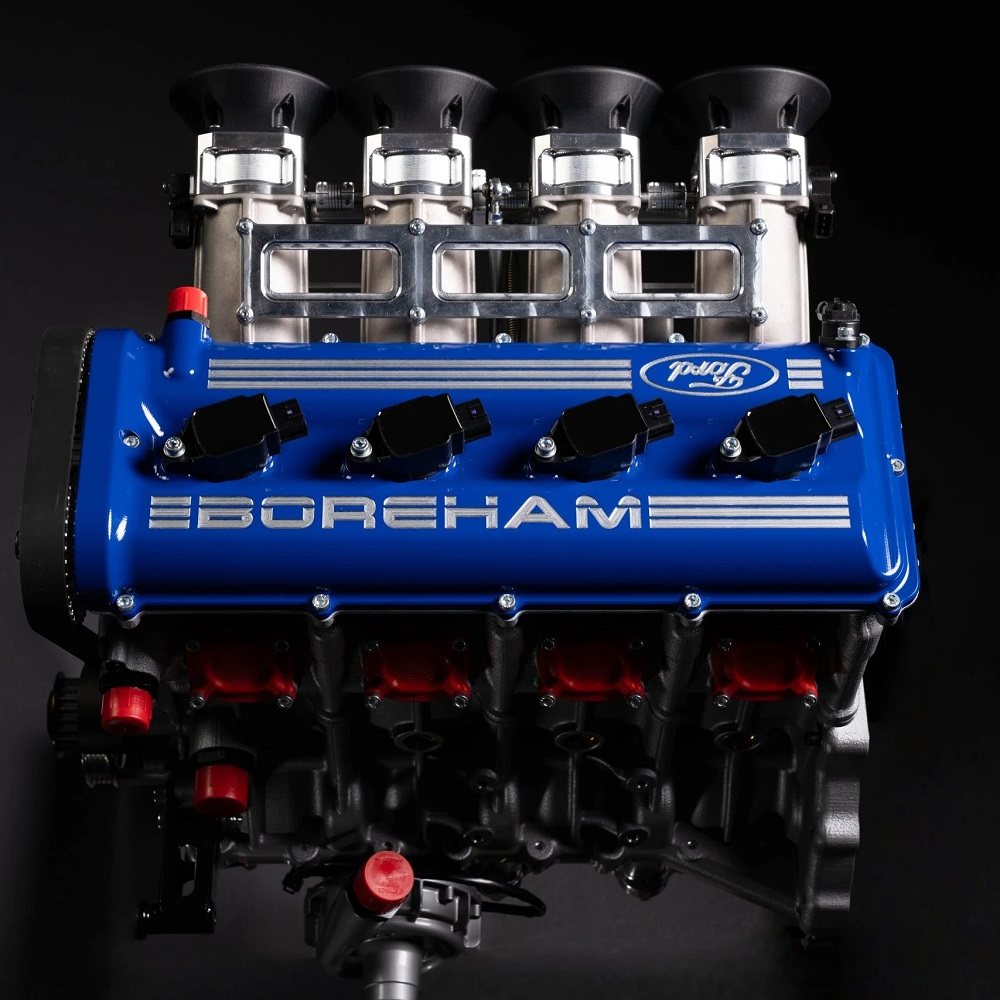
Historical Development of Four Cylinder Engines
The four cylinder engine emerged during the late 19th century. Early designs focused on functionality rather than efficiency. Gottlieb Daimler’s early four cylinder engine paved the way for new developments in internal combustion engines.
Mass production gained traction in the early 20th century, especially with Henry Ford’s Model T, which utilized a four cylinder engine. Over time, technological advancements refined engine designs and improved overall performance.
Today’s four cylinder engines showcase innovations such as turbocharging and electronic fuel injection. These features enhance horsepower, torque, and fuel efficiency. Despite being a century-old design, four cylinder engines remain a cornerstone of modern automotive engineering.
Key Components of Four Cylinder
Understanding the key components of a four cylinder engine is vital for grasping how it works. These components work together to ensure efficient power generation and smooth performance. Below, we delve into the major parts of a four cylinder engine.
Cylinders and Pistons
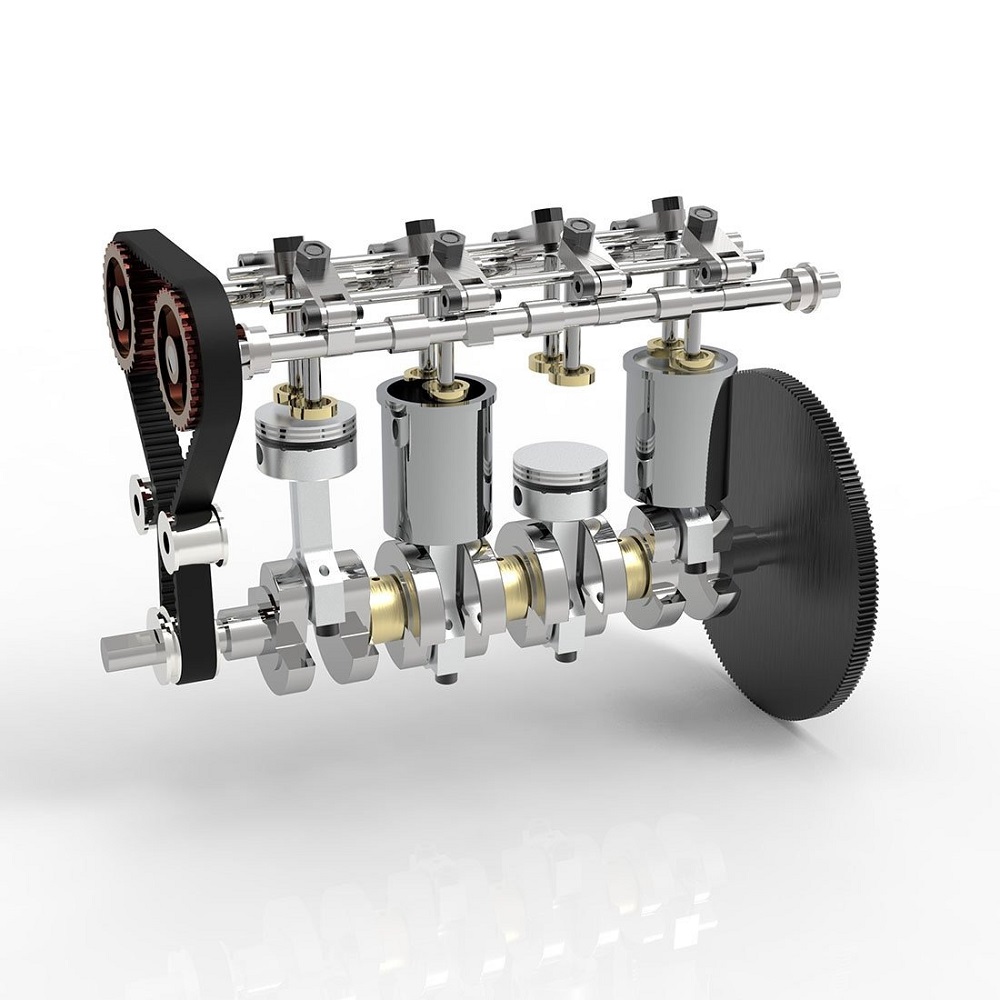
Cylinders are tubular chambers where pistons move up and down. Each piston operates within a cylinder. Pistons help convert fuel energy into mechanical energy. They compress air and fuel mixture during the combustion process. This movement drives the crankshaft, creating rotational power for the engine.
The number of cylinders directly affects engine capacity and power. Four cylinder engines are known for their balanced performance and efficiency. Pistons are made with durable materials to handle high temperatures and pressures.
Crankshaft and Connecting Rods
The crankshaft converts pistons’ vertical motion into rotational motion. It acts as the engine’s backbone. The connecting rods link pistons to the crankshaft, transferring motion.
Crankshafts have counterweights for balance and smooth operation. Connecting rods must be strong to endure the force generated during combustion. Precision in these parts is essential for reducing engine vibrations.
Fuel Injection System
The fuel injection system delivers fuel into the cylinders in precise amounts. This system ensures optimal combustion and efficiency.
Modern engines use electronic fuel injection for better control. Properly timed fuel delivery leads to improved performance and lower emissions. Regular maintenance of injectors helps keep the system in top condition.
Cooling and Lubrication System
The cooling system prevents overheating by regulating engine temperature. It uses coolant to absorb heat and circulate it away.
The lubrication system reduces friction between moving parts. It ensures smooth operation and prolongs engine life. Using high-quality oil improves engine performance and prevents wear.
These systems work together to maintain a reliable and efficient four cylinder engine. Regular checks and care ensure peak operation.
How Do Four Cylinder Engines Work?
Four cylinder engines are compact and efficient machines operating through a precise mechanism. Understanding their functionality requires exploring the four-stroke cycle and the internal combustion process.
Four-Stroke Cycle Explained
The four-stroke cycle is central to a four cylinder engine’s operation. It consists of four distinct phases:
- Intake Stroke: The intake valve opens, allowing the air-fuel mixture to enter the cylinder.
- Compression Stroke: The piston compresses the mixture as it moves upwards, increasing its density and energy potential.
- Combustion Stroke: A spark ignites the compressed mixture, creating an explosive energy that pushes the piston down.
- Exhaust Stroke: The exhaust valve opens, releasing burnt gases from the cylinder.
This cycle repeats for each cylinder, ensuring continuous energy generation. Synchronization of all strokes across four cylinders ensures smooth operation and efficient power delivery.
Internal Combustion Process
Internal combustion powers four cylinder engines. It happens within the closed chambers of the cylinders. The process begins when fuel mixes with air during the intake stroke. The spark plug creates a spark to ignite the mixture during the combustion stroke.
The explosion forces the piston downward, turning chemical energy into mechanical power. This motion drives the crankshaft, translating vertical movement into rotational force. The crankshaft connects to the vehicle’s transmission system, allowing the transfer of power to wheels or machinery.
Efficient combustion improves engine performance and minimizes waste gases. Regular maintenance ensures clean burning and smooth operation.
The four cylinder engine’s operation showcases its balance between simplicity and technological advancement. Its well-designed working principles make it reliable and popular across industries.
Advantages of Four Cylinder
Four cylinder engines offer numerous benefits, making them highly favored in various applications. Their design combines efficiency, compactness, and affordability. Let’s explore their key advantages in detail.
Efficiency and Performance
Four cylinder engines are celebrated for their excellent balance of power and fuel efficiency. They consume less fuel compared to larger engines, making them an eco-friendly choice for users. Modern advancements like turbocharging and direct fuel injection have boosted their performance capabilities even further. These technologies ensure optimal power output while minimizing waste and emissions. Four cylinder engines efficiently deliver ample power for daily needs without sacrificing fuel economy, making them ideal for both city commutes and highway driving. Their streamlined operation ensures reliable and consistent performance under various conditions.
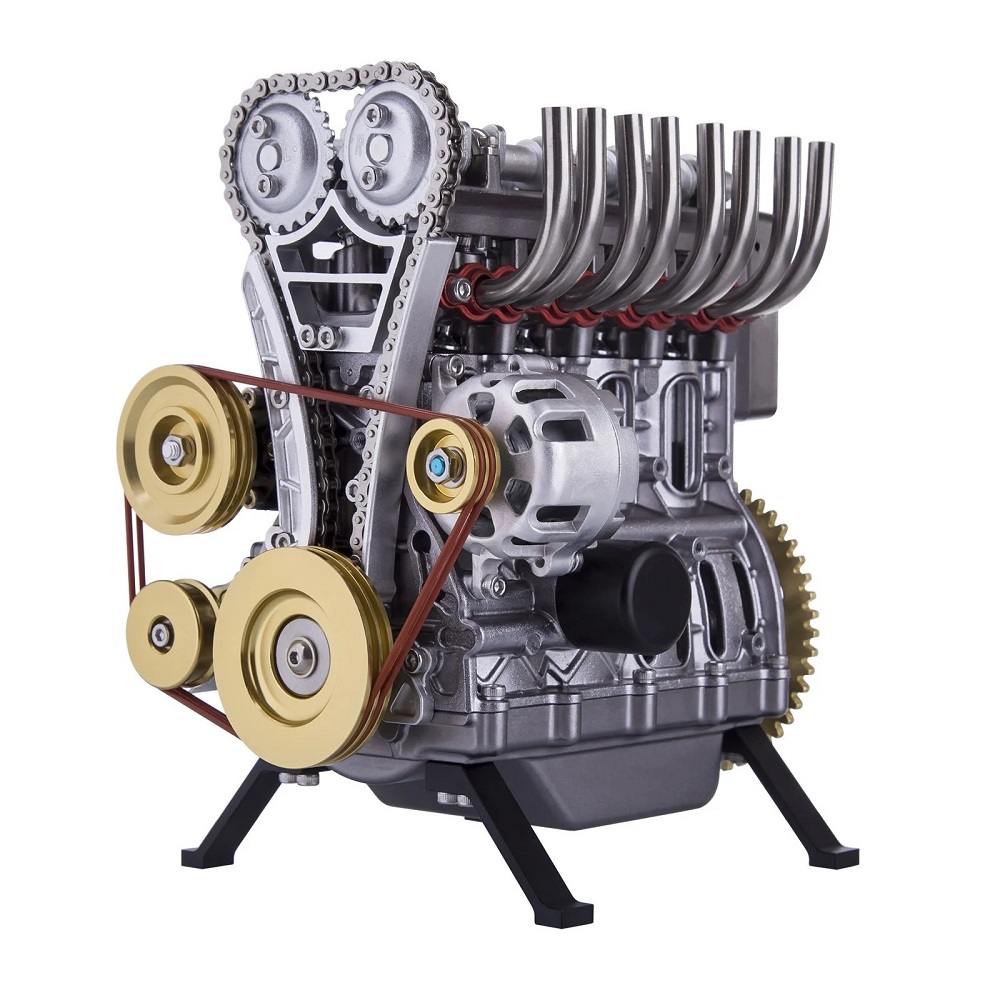
Compact Design and Lightweight
The compact size of four cylinder engines is one of their standout features. Their smaller design makes them lighter, contributing to easier vehicle handling and better maneuverability. Due to their lightweight nature, they enhance the overall fuel efficiency of the vehicle, as it requires less energy to move. The compactness of these engines allows manufacturers to maximize interior space and improve the aerodynamics of vehicles, creating efficient and comfortable designs. This quality makes them a preferred choice for smaller cars, motorcycles, and equipment where space constraints are critical.
Cost-Effectiveness
Four cylinder engines are notably cost-effective due to their simpler construction and widespread availability. Manufacturing these engines requires fewer materials and simpler technology, leading to lower production costs. This cost efficiency is passed on to consumers, making vehicles equipped with such engines more affordable. Additionally, their simplicity ensures easier maintenance and repair, reducing long-term ownership costs. With fewer components compared to larger engines, they tend to have a longer lifespan with proper care. For budget-conscious individuals and businesses, a four cylinder engine is an economical choice.
These advantages have solidified the position of four cylinder engines in the automotive and industrial markets. They strike a perfect balance between performance, efficiency, and affordability, continuing to be an engine of choice for many.
Common Applications of Four Cylinder
Four cylinder engines are highly versatile and widely used in various industries. Their balance of efficiency, performance, and compact design makes them suitable for many applications. Below, we explore their most common uses.
Automobiles
Four cylinder engines are a top choice for cars worldwide. Compact and fuel-efficient, they offer sufficient power for most driving needs. They are common in sedans, hatchbacks, and even SUVs. Modern four cylinder engines often include technologies like turbocharging. This enhances their performance, allowing them to compete with larger engines. They are great for daily commutes and long-distance drives, striking a balance between power and fuel economy.
Motorcycles
Motorcycles frequently use four cylinder engines due to their compact size and performance. These engines provide smooth acceleration and reliable power. They are favored for both daily rides and high-performance sports bikes. Their lightweight design also makes motorcycles easier to handle. Riders enjoy their agility and responsiveness on the road.
Industrial Equipment
Four cylinder engines are prominent in industrial sectors. They power equipment like generators, forklifts, and agricultural machines. These engines provide consistent and reliable performance in demanding environments. Their efficiency helps reduce operating costs while maintaining productivity. Their simple design ensures easy maintenance, crucial for industrial operations. Many industries rely on them for long-lasting and cost-effective solutions.
The adaptability of four cylinder engines makes them indispensable in numerous fields. Their effectiveness in automobiles, motorcycles, and industrial equipment highlights their significance in modern engineering.

Maintenance Tips for Four Cylinder
Proper maintenance ensures the longevity and efficiency of your four cylinder engine. Follow these tips to keep it running smoothly.
Regular Oil Checks and Changes
Oil is vital for reducing engine friction and wear. Check oil levels every month to prevent engine damage. Replace the oil according to the manufacturer’s recommended intervals. Use high-quality oil to optimize engine performance. Clean oil ensures smooth operation and protects engine components.
Inspecting Spark Plugs and Filters
Spark plugs ignite the fuel-air mixture for combustion. Check spark plugs every six months for damage or wear. Replace them if necessary to maintain engine efficiency. Inspect air and fuel filters regularly to prevent clogging. Dirty filters can reduce engine performance and increase fuel consumption. Clean or replace filters as recommended by the manufacturer.
Addressing Common Engine Issues
Identify and fix problems early to avoid costly repairs. Watch for warning signs like strange noises or loss of power. Check belts, hoses, and fittings for wear and leaks. Monitor engine temperature to prevent overheating. Regularly inspect the cooling system to ensure proper functioning. Use diagnostic tools to find and resolve complex issues.
Following these maintenance tips will keep your four cylinder engine reliable and efficient for years.
Innovations and Future of Four Cylinder
The future of four cylinder engines is shaped by advanced technologies and innovative materials. These developments aim to improve efficiency, power, and sustainability. Below, we discuss key innovations and what lies ahead for four cylinder engines.
Turbocharging and Hybrid Technology
Turbocharging has revolutionized four cylinder engine performance. It boosts power without increasing engine size. Modern turbochargers use exhaust gases to spin turbines. This process compresses air, enhancing combustion efficiency. Turbocharged four cylinder engines deliver higher horsepower and torque. They are widely found in sports cars and energy-conscious vehicles.
Hybrid technology integrates electric systems with traditional engines. Combining electric motors and four cylinder engines reduces fuel consumption. These engines switch between electric and fuel power based on driving conditions. Hybrid four cylinder setups achieve excellent mileage and lower emissions. Manufacturers prioritize making these systems more affordable and practical.
Both turbocharging and hybrid technologies ensure four cylinder engines meet modern performance needs. They adapt to stricter regulations and environmental concerns. Together, they pave the way for more powerful, efficient, and eco-friendly engines.
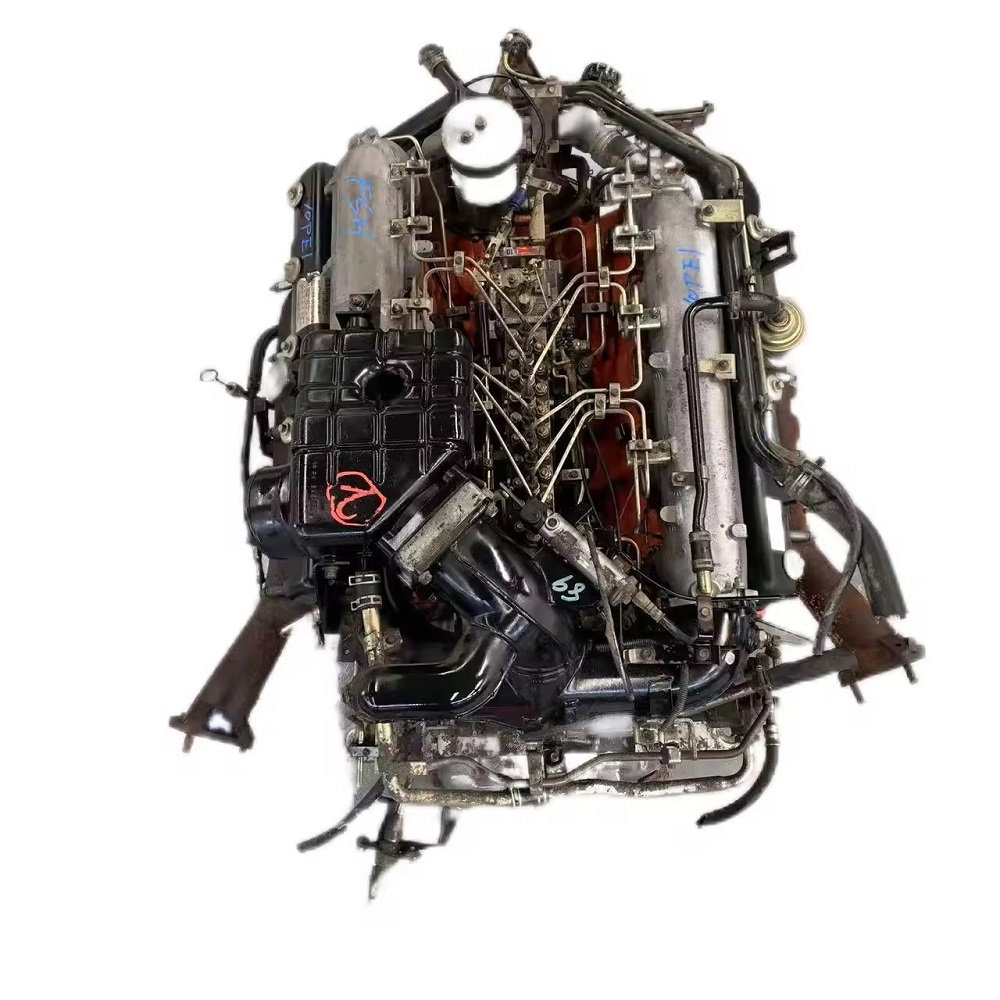
Advancements in Engine Materials and Design
Innovative materials enhance the durability and efficiency of four cylinder engines. Lightweight materials like aluminum and carbon composites reduce engine weight. Lower weight improves fuel efficiency and vehicle handling. Advanced alloys withstand higher temperatures and pressure, enhancing reliability.
Engine design is shifting towards smaller and more compact assemblies. Engineers optimize combustion chambers and streamline air pathways. This approach minimizes energy waste during the engine cycle. Sophisticated electronics and smarter control units further improve operational precision. These designs support better fuel management and lower emissions.
Advanced materials and design refinements are essential for pushing engine performance boundaries. The focus remains on creating engines that are cleaner, lighter, and more efficient.
Future advancements in turbocharging, hybrid integration, materials, and design promise exciting possibilities. These strides ensure four cylinder engine stay relevant in a rapidly changing automotive landscape.
The Versatile Four Cylinder Engine
A Balanced Choice for Drivers
In conclusion, four cylinder engine offer a versatile choice for a broad spectrum of drivers. Their blend of fuel efficiency, performance, and compact size makes them ideal for city living and everyday commutes. While they have some limitations compared to larger engines, their benefits cannot be overlooked.
Future Developments and Trends
As automotive technology progresses, four-cylinder engines will continue to evolve. Advances in fuel efficiency, power output, and emissions control will shape the future of engine design. The potential for hybrid applications and turbocharging promises even greater performance while maintaining lower environmental impacts.
Understanding the Four Cylinder Engine
Understanding the functionality of four cylinder engine equips consumers and enthusiasts to make informed choices. Whether selecting a family vehicle, a commuter car, or a performance-oriented model, the four-cylinder engine remains a notable option. With ongoing innovations, these engines are likely to remain at the forefront of automotive design for years to come. Embracing the benefits of four-cylinder engines allows drivers to enjoy a rewarding and sustainable driving experience.
Leave a Reply