What is an Engine Cylinder Misfire?
An engine cylinder misfire occurs when one or more engine cylinders fail to function properly. The engine needs a balanced performance from each cylinder for smooth operation. When a misfire happens, the engine cannot produce consistent power.
The misfire disrupts the combustion process inside the cylinder. This process requires a precise mixture of air, fuel, and spark. Any disturbance in this combination can cause the cylinder to misfire. Misfires often lead to noticeable vehicle performance issues.
You might experience misfires during acceleration or while idling. Misfires can feel like a sudden loss of power or a jerking motion. Other indicators include reduced fuel efficiency, increased emissions, or unusual engine vibrations.
Misfires can occur intermittently or continuously, depending on the cause. Addressing cylinder misfires promptly is critical. Ignoring them can lead to significant engine damage over time. Understanding the basics of how a misfire happens can help pinpoint the root issue quickly. This knowledge is the first step in maintaining a healthy engine and preventing further problems.
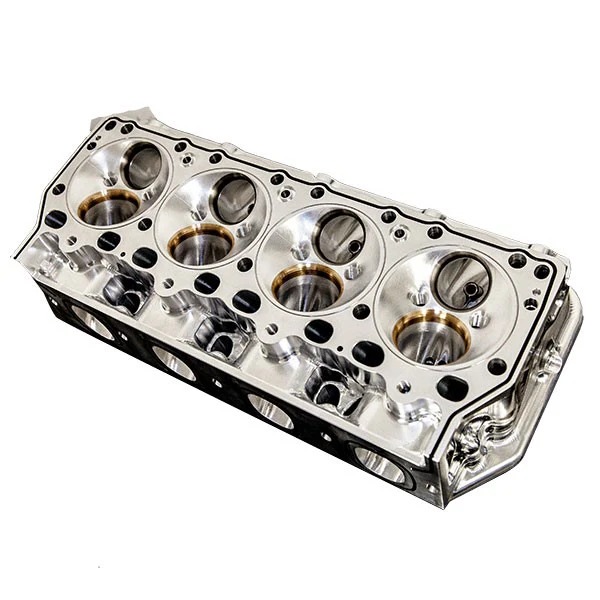
Common Symptoms of a Cylinder Misfire
Recognizing the symptoms of an engine cylinder misfire is essential for timely diagnosis and repair. Misfires can exhibit a range of noticeable signs that affect vehicle performance. Below are the common symptoms to look out for:
- Rough Idling: The engine feels uneven or shaky while the vehicle is idling. This happens due to inconsistent combustion in one or more cylinders.
- Loss of Power: You might notice reduced power or struggle during acceleration. This occurs because the engine isn’t running at full capacity.
- Poor Fuel Economy: A misfiring cylinder decreases engine efficiency, often leading to increased fuel consumption.
- Engine Vibrations: A misfire can cause strong vibrations that make the ride feel bumpy, especially at lower speeds.
- Check Engine Light: A misfire triggers the check engine light. This happens when the engine’s onboard diagnostic system detects the issue.
- Unusual Sounds: Misfiring engines may produce popping, coughing, or sputtering noises due to incomplete combustion.
- Increased Emissions: Inconsistent combustion can lead to higher levels of harmful emissions from the exhaust.
- Backfiring: You may hear loud bangs or explosions from the tailpipe caused by unburned fuel igniting in the exhaust system.
If you experience any of these symptoms, it’s important to address them promptly. Ignoring a cylinder misfire can lead to more severe engine problems, increased repair costs, and environmental concerns.
Primary Causes of Cylinder Misfire
Understanding the causes of engine cylinder misfire is crucial for proper diagnosis and repair. Misfires can result from various issues within your vehicle’s systems. Below are the primary causes to consider:
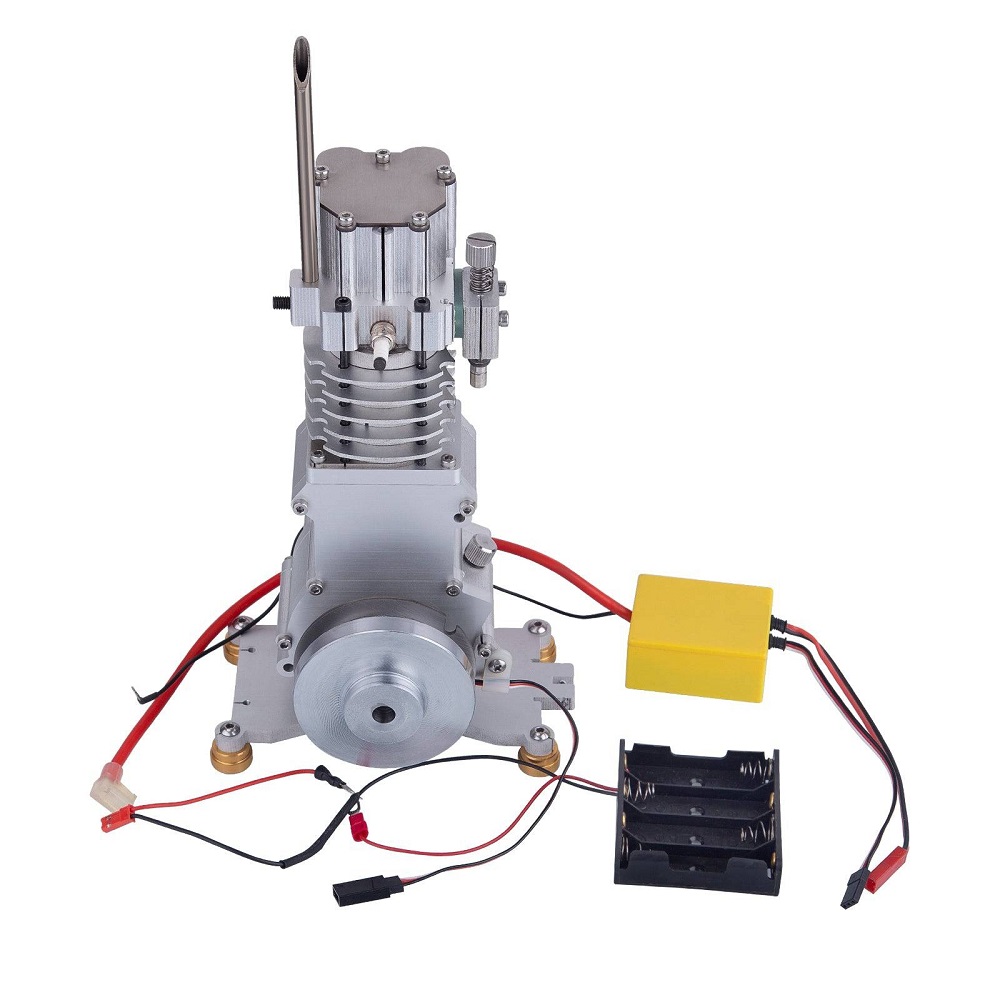
Ignition System Issues
The ignition system plays a key role in engine performance. Faults in this system can lead to cylinder misfire. Common issues include:
- Worn-out Spark Plugs: Spark plugs ignite the air-fuel mixture. If worn, misfires may occur.
- Faulty Ignition Coils: Ignition coils provide voltage to spark plugs. A damaged coil interrupts combustion.
- Broken Spark Plug Wires: These wires transfer electricity to the spark plugs. Damaged wires reduce power.
- Timing Errors: Incorrect ignition timing prevents proper combustion, causing misfires.
Fuel System Problems
The fuel system delivers fuel to the engine cylinders. Malfunctions in this system disrupt combustion. Consider the following:
- Clogged Fuel Injectors: Injectors spray fuel into cylinders. Blockages lead to uneven fuel delivery.
- Low Fuel Pressure: Insufficient fuel pressure prevents cylinders from receiving the correct fuel amount.
- Contaminated Fuel: Dirt or water in fuel affects combustion and increases misfiring chances.
Engine Mechanical Failures
Mechanical issues within the engine often lead to misfires. Be aware of the following problems:
- Worn Piston Rings: Piston rings seal combustion gases. Wear reduces compression, causing misfires.
- Damaged Valves: Intake or exhaust valves may fail to open or close, disrupting airflow.
- Head Gasket Leaks: A leaking gasket allows coolant or oil into cylinders, interrupting combustion.
- Engine Timing Problems: Faulty timing chains or belts result in improper valve operation.
Faulty Sensors and Electrical Components
Modern engines rely on sensors and electrical parts for optimal functioning. Sensor issues may lead to misfires:
- Bad Oxygen Sensor: This sensor measures exhaust gases. Incorrect readings lead to poor air-fuel mixture.
- Faulty Mass Airflow Sensor: It gauges air entering the engine. Errors disrupt combustion.
- Malfunctioning Crankshaft or Camshaft Sensor: These sensors control timing. Faults cause improper cylinder firing.
- Electrical Wiring Problems: Damaged wires can affect sensors or ignition components.
Addressing these causes quickly is essential to avoid prolonged engine issues. Routine maintenance helps prevent misfires and ensures smooth engine operation.
How to Diagnose a Cylinder Misfire
Diagnosing a cylinder misfire is key to fixing the issue quickly and effectively. Identifying the problem sooner helps avoid severe engine damage. Here’s how you can diagnose a misfire step by step:
- Check the Check Engine Light: If the check engine light is glowing, connect a diagnostic scanner. Read the error codes displayed, as they provide clues about the location and type of fault.
- Inspect Spark Plugs: Look for worn, damaged, or dirty spark plugs. Change them if they are faulty or old. Spark plugs play a vital role in ignition, and their failure is a common cause of misfires.
- Monitor Ignition Coils and Wires: Examine ignition coils and wires for signs of wear, cracks, or breaks. Use a multimeter to check if they are delivering sufficient voltage.
- Analyze Fuel Delivery System: Ensure fuel injectors are not clogged and spray fuel properly. Verify fuel pressure with a gauge and ensure the system is functioning well.
- Evaluate Sensors and Electrical Components: Check oxygen, crankshaft, and camshaft sensors. Look for any faulty electrical connections or damaged wiring affecting sensor performance.
- Check Engine Compression: Use a compression tester to measure cylinder pressure. Low pressure can indicate worn piston rings, damaged valves, or a leaking gasket.
- Inspect Timing Components: Analyze timing belts or chains for wear or misalignment. Perform timing adjustments if needed to ensure proper valve operations.
- Listen and Observe: Watch for unusual sounds, smoke, or smells from the engine. Note jerking, vibrations, or poor acceleration, as these are tell-tale signs of misfires.
Accurate diagnosis requires attention to details and proper tools like diagnostic scanners, compression testers, and multimeters. If unsure, consult with a trusted mechanic to avoid further complications. Regular maintenance minimizes the risk of cylinder misfires and keeps your engine running efficiently.
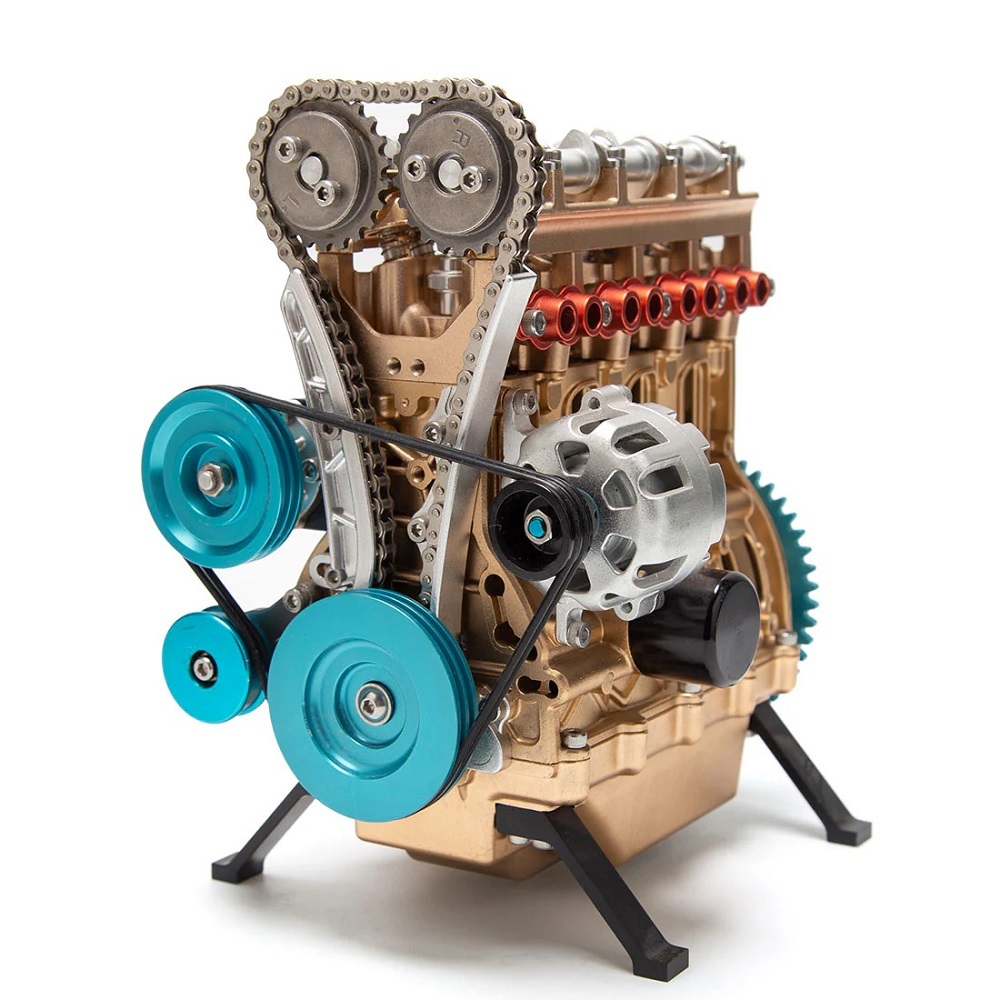
Potential Damage from Prolonged Misfires
Prolonged engine cylinder misfire can cause serious damage to your vehicle’s engine and systems. Addressing misfires quickly is essential for preventing further harm and costly repairs. Below are the potential damages caused by unresolved misfires:
- Damage to Engine Components: Continuous misfires put stress on pistons, valves, and cylinder head. These parts can wear out or break, leading to expensive repairs.
- Catalytic Converter Failure: Excess unburned fuel caused by misfires can overheat the catalytic converter, leading to breakdown. This vital component helps reduce harmful emissions, and replacing it can be expensive.
- Decreased Fuel Efficiency: Misfires disrupt proper combustion, causing the engine to consume more fuel. Over time, this inefficiency can significantly increase fuel costs.
- Higher Emissions: Faulty combustion due to misfires leads to more harmful exhaust emissions. This can result in the vehicle failing emissions tests and contributes to environmental pollution.
- Increased Stress on Other Engine Parts: Misfires force the engine to work harder, increasing wear and tear on other components. Overloaded parts are more likely to fail prematurely.
- Complete Engine Failure: If misfires are ignored for too long, they can ultimately lead to engine failure. Replacing an engine is costly and time-consuming.
Misfires should never be overlooked, no matter how minor they seem. Regular maintenance and prompt repairs can help avoid these damages. Ensuring your engine runs smoothly protects both your vehicle and your wallet.
How to Fix a Cylinder Misfire
Fixing a cylinder misfire requires identifying and addressing the underlying cause. Follow these steps:
- Replace Faulty Spark Plugs: Worn-out spark plugs are a common misfire cause. Replace any that appear damaged.
- Check Ignition Coils: Test ignition coils using a multimeter. Replace faulty coils to restore proper spark generation.
- Inspect Spark Plug Wires: Look for cracks or damage in the spark plug wires. Replace if necessary.
- Clean or Replace Fuel Injectors: Clogged injectors disrupt fuel delivery. Use a cleaning solution or replace the injectors.
- Maintain Correct Fuel Pressure: Check the fuel pump and pressure regulator. Ensure fuel supply meets engine demands.
- Replace the Air Filter: A dirty air filter can restrict airflow. Replace it to maintain combustion balance.
- Repair Engine Damage: Fix worn piston rings, damaged valves, or leaking head gaskets. These need immediate attention.
- Update or Replace Faulty Sensors: Malfunctioning sensors, like oxygen or mass airflow sensors, require replacement for accurate readings.
- Fix Electrical Problems: Check wires and connections. Repair or replace damaged components causing miscommunications.
- Adjust Engine Timing: Ensure timing belts or chains align properly. Fix misalignment to prevent misfires.
- Consult a Mechanic: If unsure, visit a mechanic for a thorough diagnosis and repair.
- Test After Fixes: Turn on the engine and see if issues persist. A smooth engine indicates repairs worked.
Addressing a cylinder misfire ensures better performance, increased fuel efficiency, and longer engine life. Take immediate action to fix any cylinder misfire issue as soon as it arises.
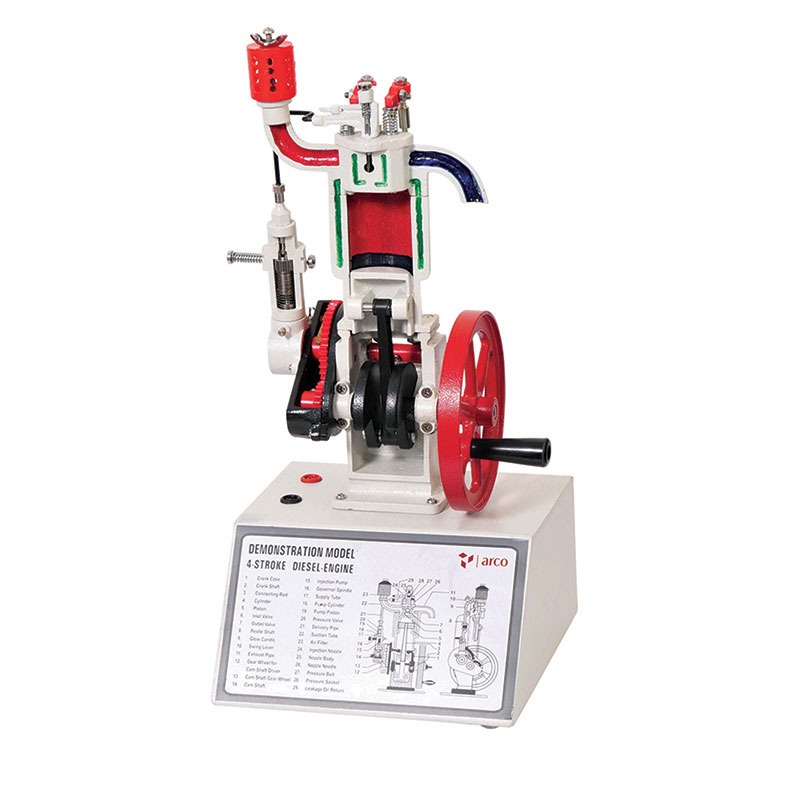
Tips to Prevent Engine Cylinder Misfires
Preventing engine cylinder misfires can save you time and money on repairs. Follow these tips:
- Follow a Regular Maintenance Schedule: Service your vehicle as per the manufacturer’s recommendations to avoid potential issues.
- Inspect and Replace Spark Plugs: Regularly check your spark plugs for wear or damage. Replace them as needed to ensure proper ignition.
- Check Ignition System: Ensure ignition coils and wires are in good condition to deliver consistent voltage.
- Use Clean and Quality Fuel: Avoid contaminated or poor-quality fuel. Fill up at reputable gas stations.
- Service the Fuel System: Clean fuel injectors regularly and check fuel pump and pressure for optimal performance.
- Replace Air Filters: Dirty air filters reduce airflow. Replace them as needed to maintain efficient combustion.
- Monitor Sensor Functionality: Check oxygen and mass airflow sensors periodically. Replace any malfunctioning sensors promptly.
- Keep Engine Timing in Check: Maintain proper alignment of timing belts or chains. Misalignment leads to misfires.
- Fix Leaks Immediately: Repair leaking head gaskets, intake manifolds, or valves to prevent misfires.
- Warm Up the Engine: Allow your car to warm up before driving, especially in cold weather.
- Monitor Engine Performance: Pay attention to unusual noises, vibrations, or the “Check Engine” light.
- Avoid Overloading the Engine: Do not push the engine too hard, especially on steep hills or with heavy loads.
Taking these steps ensures smoother combustion and reduces the risk of misfires. Consistent care protects your engine and boosts its lifespan.
Understanding the Cost of Ignoring Misfires
Financial Impacts
Ignoring engine misfires can lead to significant financial repercussions. As misfires worsen, they can cause damage to critical engine components, such as catalytic converters and valve assemblies. These parts are costly to replace and can lead to pricey repairs. Moreover, a misfiring engine often results in decreased fuel efficiency, which directly impacts the owner’s wallet over time. Regularly addressing misfires through proper maintenance and timely repairs can save money in the long run by preventing more extensive damage.
Environmental Considerations
Beyond financial implications, unresolved engine misfires can contribute to increased emissions. When combustion does not occur correctly, unburned fuel and harmful pollutants can enter the atmosphere. This negative environmental impact can contribute to air quality issues and climate change. Moreover, vehicles emitting excessive pollutants may not pass emissions tests during inspections, leading to further complications. By ensuring that your engine runs smoothly and efficiently, you’ll contribute to a cleaner environment and comply with local regulations.
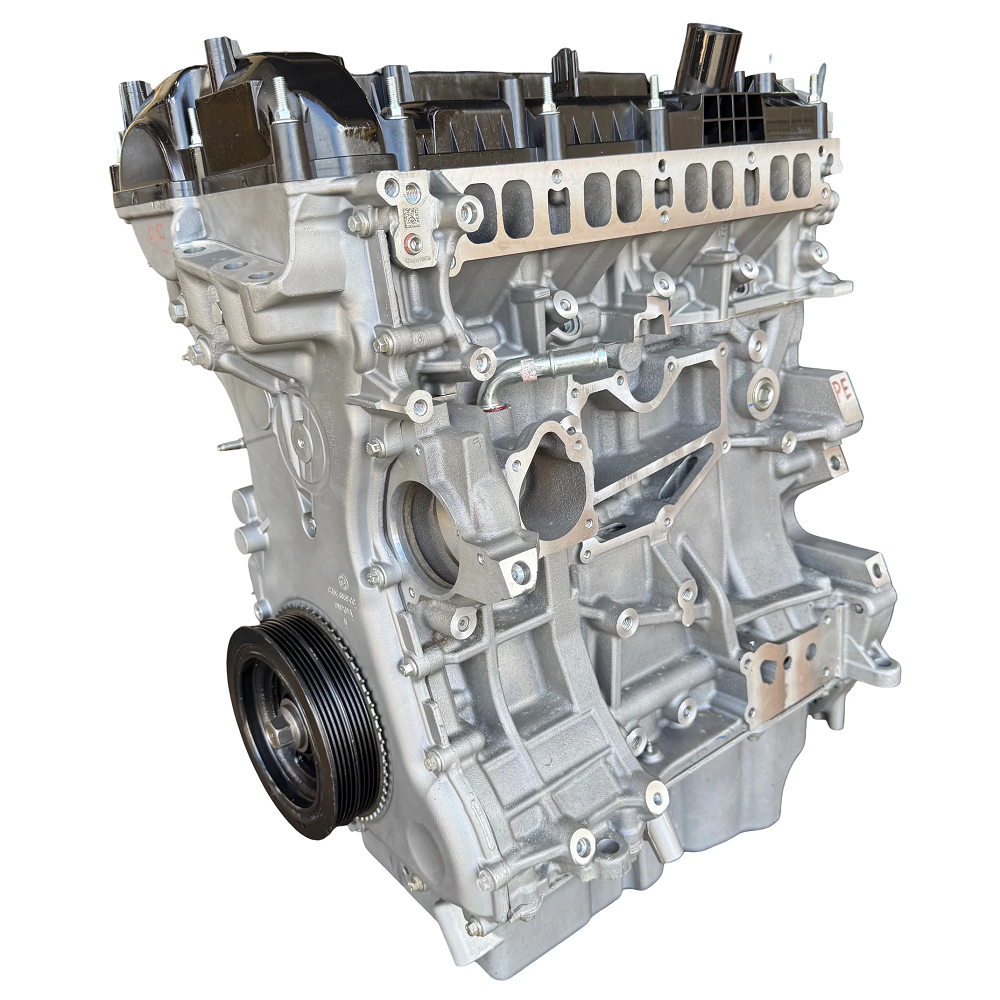
The Importance of Education
Education plays a crucial role in preventing misfires and maintaining engine health. Owners should familiarize themselves with the basic components and functions of their engines. Understanding how each part interacts in the combustion process can help identify early warning signs of potential misfires. Many car enthusiasts benefit from workshops and online resources focused on automotive care. By becoming educated about the mechanics of your vehicle, you can take proactive steps to ensure its longevity while enhancing your driving experience. Whether through online courses, local community college classes, or mechanic service centers, learning about your vehicle empowers you to take action and make informed decisions.
By understanding the financial, environmental, and educational aspects of engine cylinder misfire, drivers can take proactive steps to maintain their vehicles and enjoy a smoother, more efficient ride.
Leave a Reply