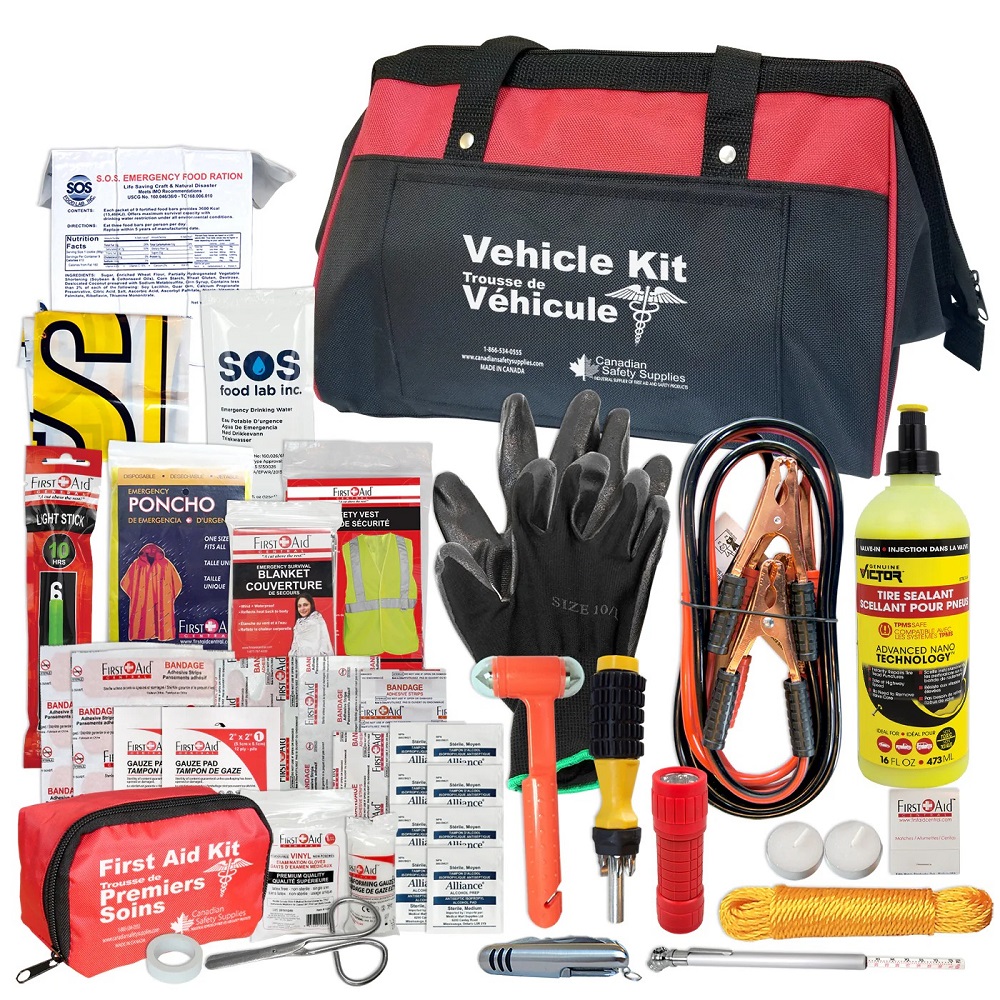
Importance of Having a Car Emergency Kit
A car emergency kit is crucial for every driver. It prepares you for unexpected situations on the road. Emergencies can happen at any time, from breakdowns to severe weather conditions. Having the right tools and supplies can help ensure your safety and that of your passengers.
Why It’s Crucial
- Ensures Safety During Breakdowns – Vehicles can break down anywhere. A car emergency kit helps you handle such situations safely.
- Assists in Medical Emergencies – First aid supplies in the kit can handle minor injuries.
- Prepares for Weather Hazards – Items like blankets and snow brushes can assist during severe weather conditions.
- Reduces Dependence on Others – With a well-equipped kit, you can handle most situations independently.
- May Save Lives – Quick access to essential tools and supplies can prevent further harm.
Remember, preparing ahead can make a huge difference during emergencies. A comprehensive car emergency kit provides peace of mind and practicality.
Basic Items Every Emergency Kit Should Include
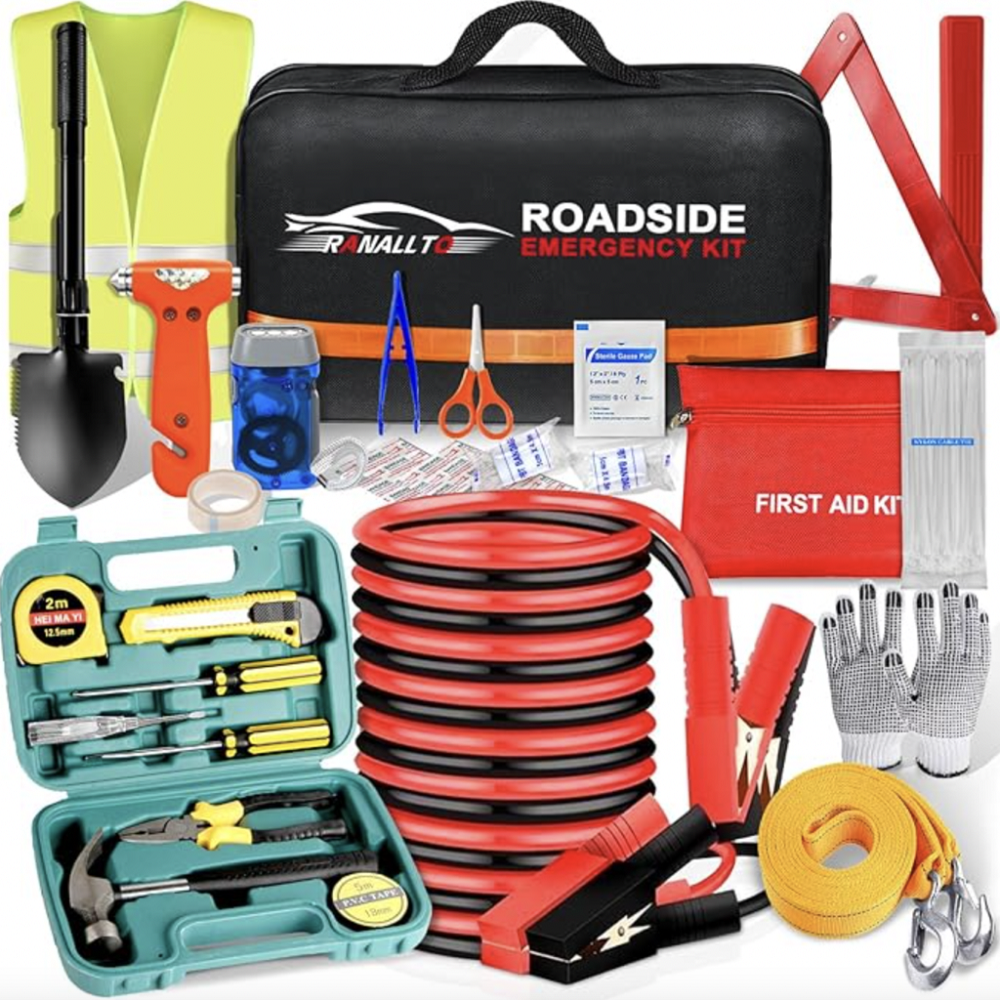
A complete car emergency kit includes essential supplies for various situations. Here are the items every driver needs to prepare for emergencies on the road.
Safety and Survival Essentials
- Flashlight and Extra Batteries – Helps during a nighttime breakdown or bad weather.
- Reflective Safety Triangles – Alerts other drivers of your presence on the road.
- Blanket or Sleeping Bag – Keeps you warm in cold weather emergencies.
- Water and Non-Perishable Foods – Sustains you during prolonged situations.
- Whistle – Useful for signaling for help in emergencies.
- Power Bank or Portable Charger – Ensures your phone stays charged for communication.
Tools and Equipment for Car Maintenance
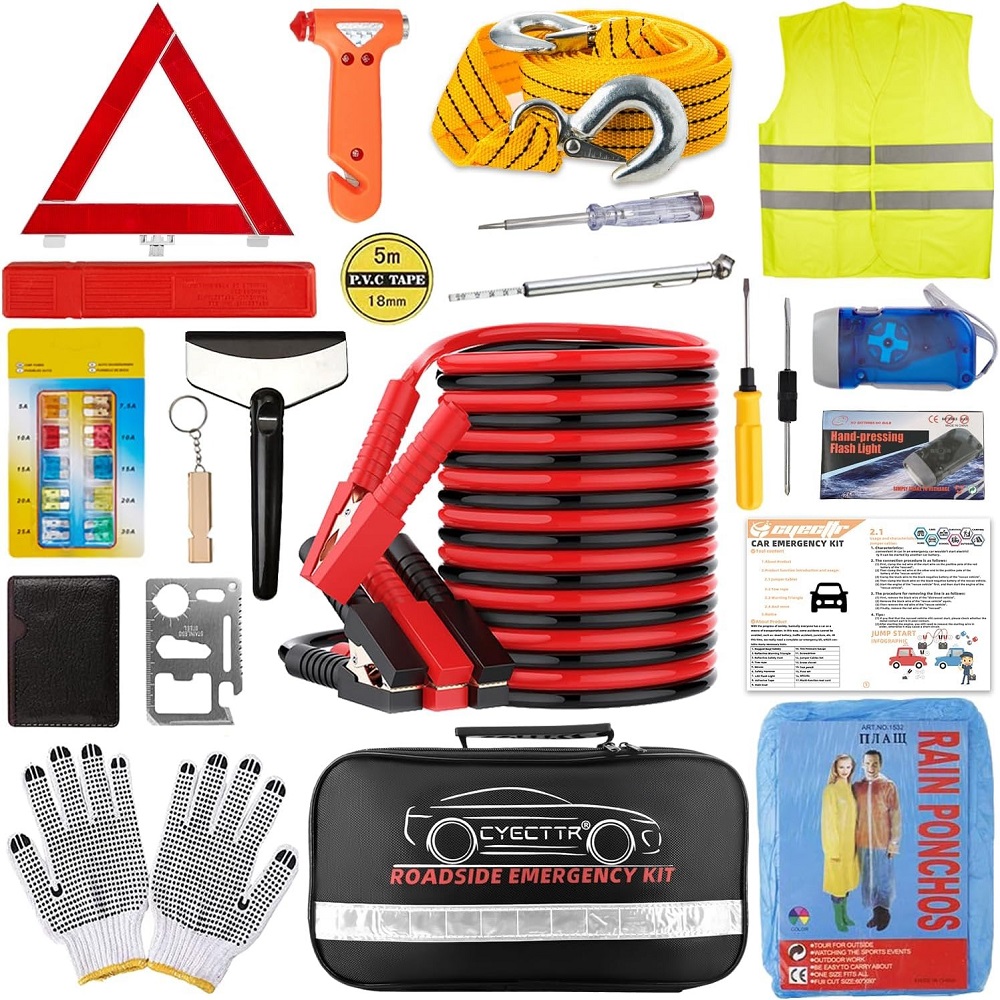
- Jumper Cables – Essential for starting a vehicle with a dead battery.
- Tire Repair Kit and Inflator – For fixing and inflating flat tires quickly.
- Multi-Tool or Pocket Knife – Useful for minor repairs and adjustments.
- Work Gloves – Protects your hands during maintenance tasks.
- Duct Tape – Temporary fixes for cracked hoses or loose car parts.
- Tow Rope or Strap – Helps when your vehicle needs towing.
First Aid Supplies
- Bandages of Various Sizes – To address cuts and wounds.
- Antiseptic Cream and Wipes – Helps prevent infections in minor injuries.
- Pain Relievers – Useful for headaches or mild pain.
- Scissors and Tweezers – For practical purposes and emergency needs.
- Thermometer – Tracks body temperature during illness.
- Emergency Contact Information – Helps medical professionals reach the right people quickly.
Having these basic items in your car emergency kit can keep you safe. You’ll be better prepared for anything that comes your way while driving.
Seasonal Additions for Your Emergency Kit
Seasonal changes greatly impact road conditions and emergencies you might encounter. Adapting your car emergency kit for specific seasons ensures you’re prepared year-round.
Winter Essentials
- Ice Scraper and Snow Brush – Keep windows and mirrors clear during snowfall.
- Thermal Blanket – Provides extra warmth in freezing weather.
- Hand Warmers – Keeps your hands warm during cold breakdowns.
- Sand or Cat Litter – Provides traction for tires in icy conditions.
- Antifreeze and Windshield De-Icer – Prevents engine damage and clears frost on glass.
Summer Essentials
- Sunscreen – Protects skin during roadside waits under the sun.
- Extra Water Bottles – Hydrates you during hot weather emergencies.
- Cooling Towel – Helps you cool down in summer heat.
- Car Window Shades – Reduces heat inside the car during breaks.
- Bug Spray – Keeps insects at bay during roadside emergencies.
Rainy Weather Essentials
- Rain Poncho or Waterproof Jacket – Keeps you dry while dealing with car issues.
- Waterproof Flashlight – Ensures reliable light during rain.
- Absorbent Towels – Cleans up water accumulation inside the car.
Extreme Weather Precautions
Adapt your kit based on travel destinations and severe weather forecasts. This improves handling unexpected emergency scenarios effectively.
Adding seasonal items to your car emergency kit ensures safety during changing conditions. Review and update your kit each season for maximum preparedness.
How to Organize and Store Your Emergency Kit
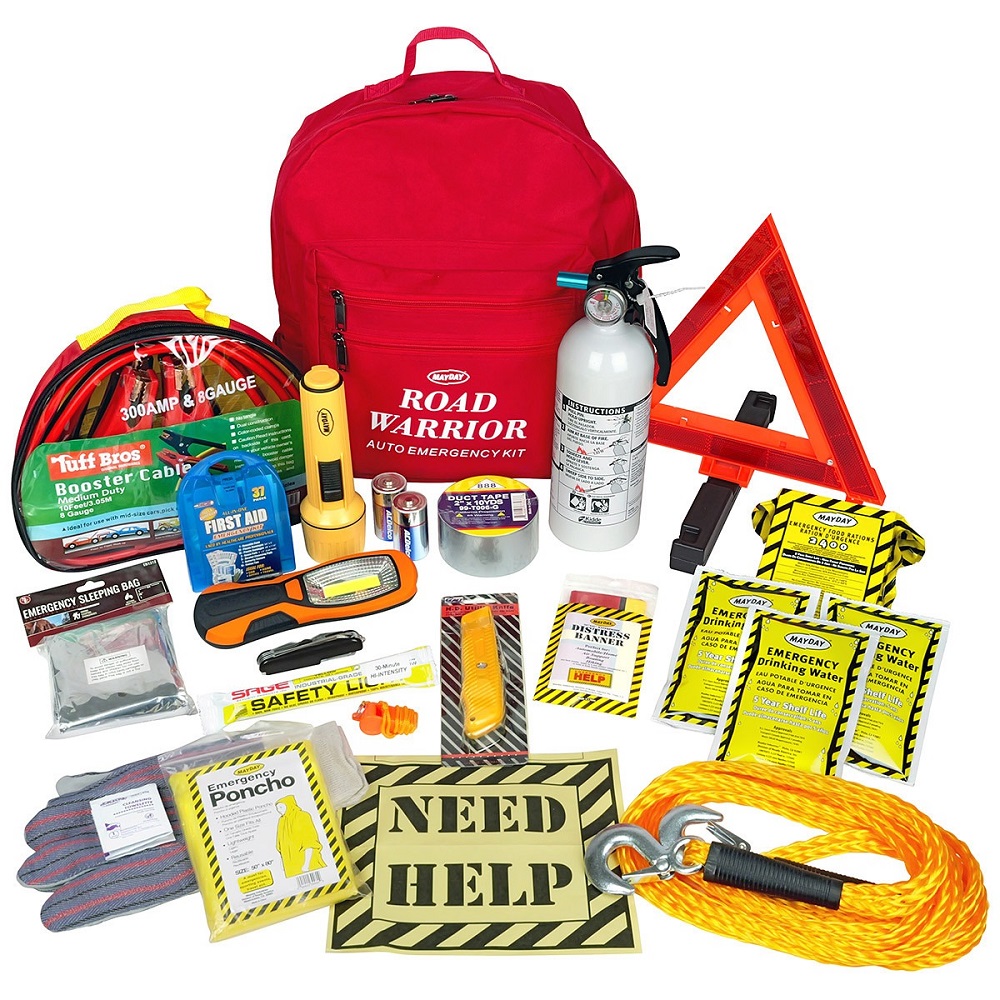
Organizing and storing your car emergency kit properly is vital for quick access during emergencies. A well-prepared kit ensures you use items efficiently when needed. Follow these tips to keep your emergency supplies in order.
Choose a Reliable Storage Container
- Durable Box or Bag – Select a sturdy container that protects items from damage.
- Portable and Lightweight – Ensure the container is easy to lift and move.
- Waterproof Material – Prevent supplies from getting wet during rainy conditions.
- Dividers or Compartments – Arrange items neatly for quick access.
Strategic Placement in Your Car
- Trunk Area – Store the kit where it is least disruptive but easy to reach.
- Under Seats – Use under-seat space for small, essential items.
- Glove Box Essentials – Keep quick-access items like a flashlight and whistle here.
- Avoid Overcrowding – Ensure your cargo area remains organized and accessible.
Label and Checklist
- Clear Inventory List – List all items in the container for easy tracking.
- Label Compartments – Label sections to locate tools and various supplies faster.
- Emergency Contacts List – Include this information prominently on the kit for quick access.
Regular Inspection and Maintenance
- Monthly Checks – Inspect contents to ensure items are intact and functional.
- Replace Expired Supplies – Check expiry dates for items like food, medication, and batteries.
- Seasonal Updates – Update the kit based on weather changes.
Organizing and storing your car emergency kit efficiently saves time and reduces stress during emergencies. Place the kit strategically and keep it well-maintained to stay prepared in all situations.
Tips for Maintaining and Updating Your Kit
Proper maintenance and regular updates are essential for a reliable car emergency kit. Keeping your kit functional ensures you’re prepared for unexpected situations. Here are practical tips to maintain and update your kit effectively:
Inspect Contents Regularly
- Monthly Checks – Inspect all items to ensure they are in working condition.
- Verify Expiry Dates – Replace expired supplies such as medication, food, and batteries.
- Check Tools – Ensure tools like jumper cables or tire repair kits are in usable condition.
Replace Damaged Items
- Swap Out Worn Items – Replace worn-out blankets, gloves, and other deteriorated items.
- Update Safety Equipment – Ensure flashlights and reflective triangles work properly.
- Replenish Consumables – Restock food, water, and medical supplies as they get used.
Adapt to Seasonal Changes
- Winter Updates – Add snow brushes and antifreeze for colder months.
- Summer Supplies – Include sunscreen, extra water, and cooling towels.
- Rainy Season Essentials – Verify waterproof items like ponchos and flashlights.
Improve Organization
- Label Items Clearly – Use labels for easy identification of supplies.
- Keep Checklist Updated – Maintain an inventory list of all kit contents.
- Declutter – Avoid overcrowding the storage container to locate items quickly.
Quick Emergency Preparedness
- Add Emergency Contacts – Include up-to-date contact information in the kit.
- Install Location Apps – Ensure apps for navigation and emergency help are accessible on your phone.
Regularly maintaining and updating your car emergency kit ensures readiness and boosts safety. Stay proactive to handle unexpected scenarios effectively.
Ready-Made Kits vs DIY Kits
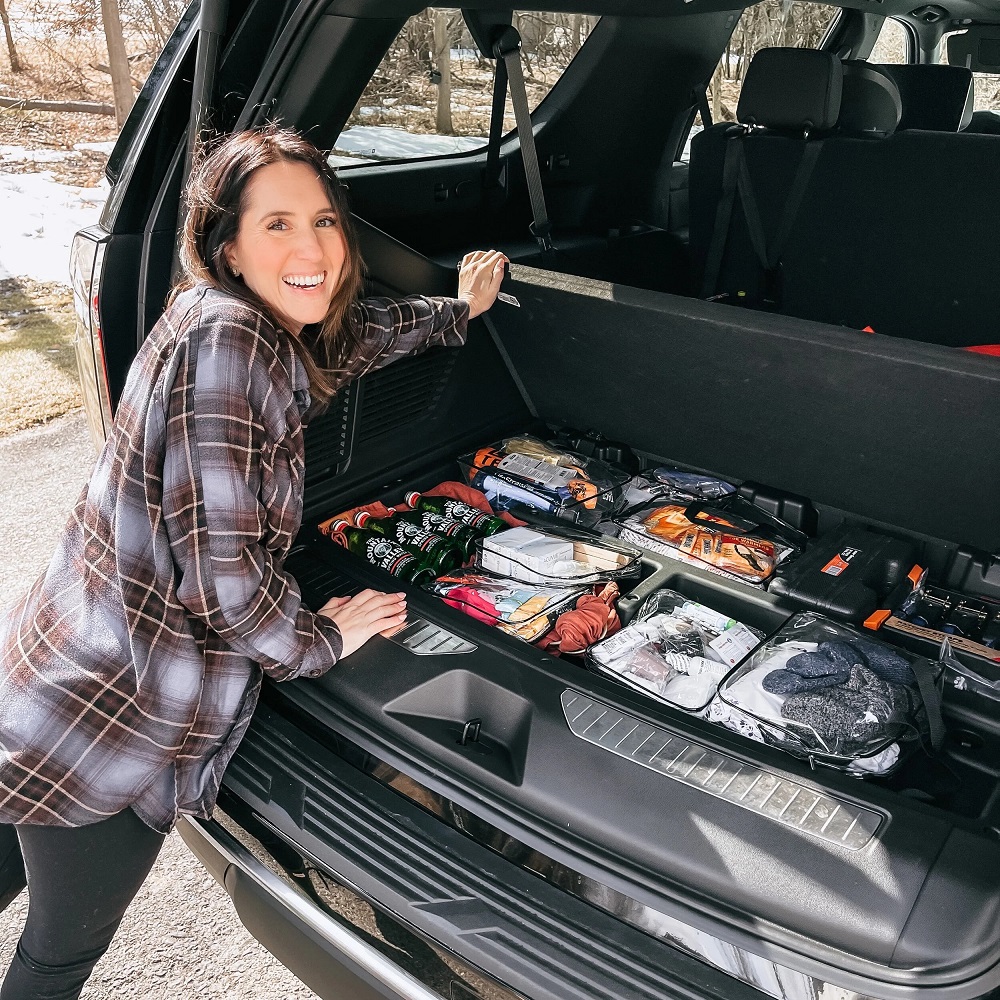
When choosing a car emergency kit, drivers often face a choice: ready-made kits or DIY kits. Both options have advantages depending on your needs, budget, and preferences.
Ready-Made Kits
Ready-made kits are pre-assembled emergency kits sold by manufacturers. They come equipped with essential supplies for emergencies and require minimal effort.
- Convenience – Ready-made kits save time. All necessary items are packaged together.
- Expert Selection – Manufacturers select items based on common emergencies, ensuring practicality.
- Compact Design – These kits are often well-organized for easy storage and access.
- Ideal for Beginners – Great for those who may not know what to include in an emergency kit.
- Package Options – Kits are available in various sizes, catering to different needs.
DIY Kits
Creating a DIY kit involves gathering and organizing supplies personally. This approach is more customizable.
- Customizable Contents – Tailor the kit to your specific needs and local conditions.
- Cost Control – Choose items based on your budget and avoid unnecessary purchases.
- Flexibility – Select durable items and skip those you don’t need.
- Personalization – Add unique items, like prescription medications or personal safety tools.
- Learning Opportunity – Preparing the kit teaches you valuable emergency skills.
Choosing the Right Option
Consider these factors when deciding between ready-made kits and DIY kits:
- Time and Effort – Ready-made kits save time. DIY kits require careful planning.
- Budget – DIY kits often cost less but may lack professional-grade tools.
- Knowledge Level – Ready-made kits suit beginners. DIY kits are better for experienced individuals.
- Specific Needs – Customize DIY kits for allergies, medications, or regional weather hazards.
Both options have their strengths. Ready-made kits offer ease and quick solutions. DIY kits provide flexibility and personalization. Choose the one that matches your needs for optimal emergency preparedness.
Understanding the Essentials of Car Emergency Kits
Basic Components of Every Kit
A well-functioning car emergency kit should contain certain fundamental elements that cater to diverse situations. Basic items include first aid supplies, a flashlight, batteries, and jumper cables, as previously discussed. However, there are additional essentials that every driver should consider adding to their kits. Tow ropes can assist in pulling a stuck vehicle to safety, while duct tape can provide temporary fixes for various mechanical issues. A multi-tool can solve many problems from tightening loose screws to opening stubborn packages. The broader your toolkit, the better equipped you’ll be to deal with unexpected challenges.
Seasonal Adaptations for Your Kit
Different seasons require different items for your car emergency kit. During winter, for example, it’s advisable to include items like tire chains, a bag of sand or cat litter for traction, and extra blankets for warmth if you become stranded. In contrast, summer may call for sunshade visors, more water to keep hydrated, and insect repellent if traveling through nature areas. Even in spring and fall, unique challenges such as heavy rainfall or falling leaves can call for adaptations. Keeping your kit seasonally adjusted allows you to be prepared for the conditions that are most likely to affect you.
Expanding Your Knowledge on Vehicle Maintenance
Understanding Basic Vehicle Functions
In addition to maintaining an emergency kit, understanding basic vehicle functions can be incredibly beneficial. Familiarize yourself with how to check engine oil, coolant levels, and tire pressure. Knowledge of your vehicle’s settings enables you to perform simple checks that can prevent breakdowns. Furthermore, understanding how to change a tire or jump-start a battery can be invaluable during roadside emergencies. Learning these skills can provide additional confidence in your ability to manage unfortunate situations effectively.
Educational Resources
Many resources are available to help enhance your understanding of motorcycle maintenance and repair. Local workshops often provide courses on basic car care, while online platforms offer instructional videos and tutorials. Engaging with automotive forums allows discussions with other enthusiasts who share their experiences and tips. Reading service manuals specific to your vehicle model can also deepen your knowledge. The more you educate yourself, the better equipped you will be to handle emergencies and the overall condition of your vehicle.
The Psychological Aspect of Emergency Preparedness
Building Confidence While Driving
Having a well-stocked car emergency kit contributes positively to the psychological aspect of driving. The knowledge that you are prepared for emergencies fosters confidence behind the wheel. This sense of preparedness allows you to focus on the road and enjoy your driving experience. Confidence in your ability to manage unexpected situations reduces anxiety and cultivates a positive mindset while traveling. Embrace this aspect of preparedness not only for safety but also for the joy of driving.
Reducing Stress Levels
In the unfortunate event of a breakdown or emergency, having an emergency kit can significantly reduce stress. Instead of panicking when faced with a challenging situation, you can rely on the supplies you have prepared. The presence of essential tools and materials makes you feel empowered. Knowing you have what you need at hand allows you to approach the situation logically and calmly. This ability to manage stress effectively improves your overall driving experience and can lead to clearer decision-making in tough situations.
Conclusion: The Road to Preparedness and Safety
Committing to Road Safety
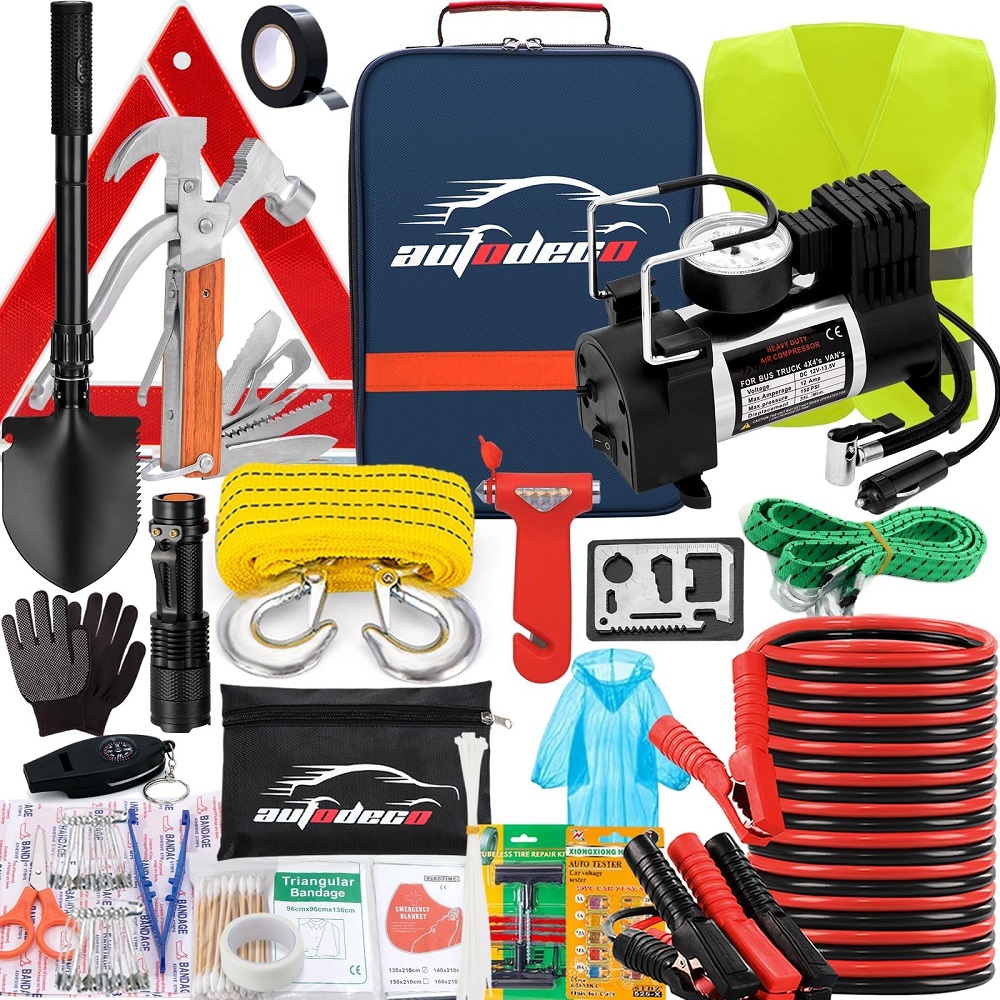
Ultimately, the preparation and maintenance of a car emergency kit contribute to road safety. Committing to being prepared extends beyond having a kit; it encompasses a mindset that prioritizes safety and responsibility. Taking time to assess your needs and customize your kit can make a significant difference in emergency situations. It is essential not only for your safety but also for the well-being of your passengers and fellow road users.
Building a Community of Prepared Drivers
Encouraging others to prepare their own emergency kits fosters a culture of safety on the road. Share your knowledge with family and friends, emphasizing the importance of preparedness. Recommend forming groups where local drivers can share information and resources related to road safety. Building this community enhances awareness and gives individuals the confidence to travel safely, knowing they have the support of fellow drivers.
Enjoying the Journey with Peace of Mind
As you hit the road, remember that the journey should be as enjoyable as the destination. With a well-prepared emergency kit, you can focus on experiencing the excitement of your travels rather than worrying about what might go wrong. Each ride brings the opportunity for exploration and adventure. Take pride in the steps you have taken toward preparedness, and enjoy the peace of mind that comes from being ready for anything.
Explore the Open Road with Confidence
In closing, embrace the thrill of the open road and the beauty of your journey, knowing you are equipped to handle any situation. With an emergency kit tailored to your needs, basic vehicle knowledge, and a supportive community around you, you’re ready to take on any adventure or challenge. So ride confidently, knowing your safety and the safety of your passengers is your top priority. Enjoy the freedom of the road and all the unique experiences it has to offer!
Leave a Reply