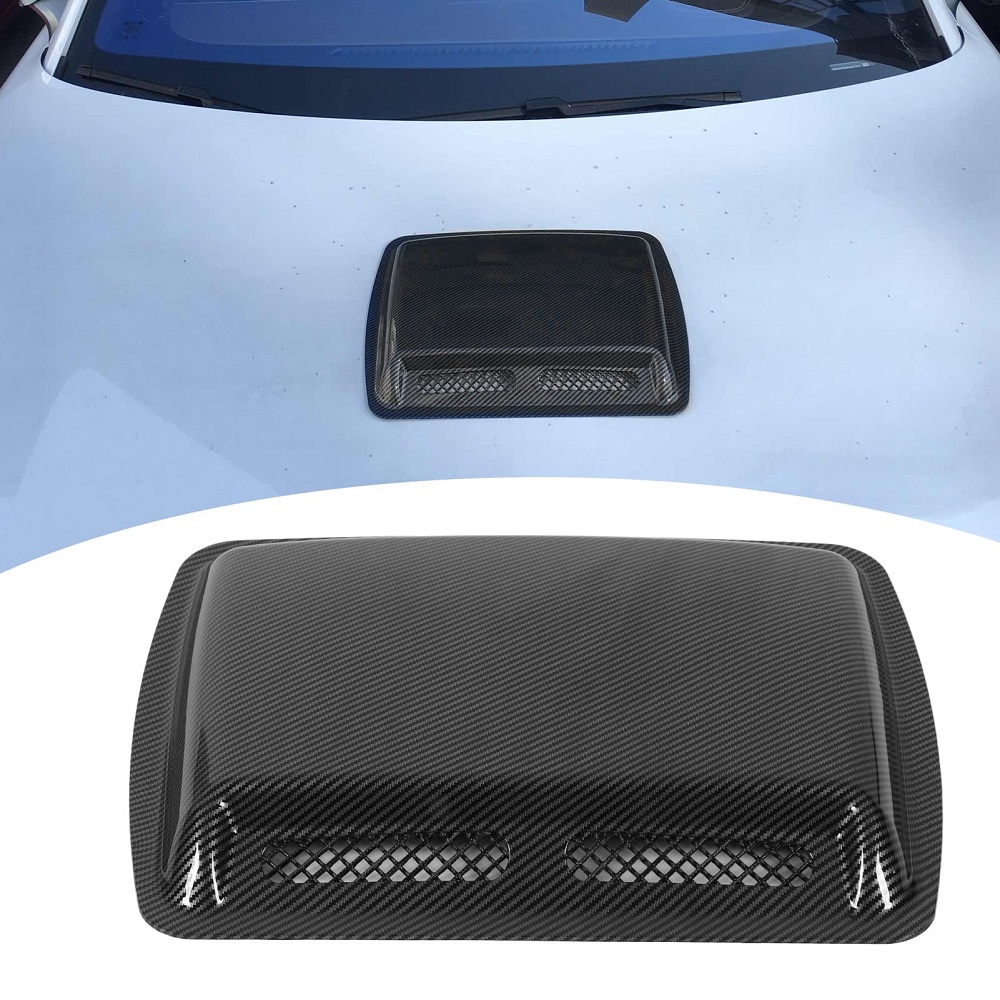
What is a Car Hood?
The car hood is the top exterior part of your vehicle’s engine bay. It protects the engine and other critical internal parts from damage, dirt, and weather. Functionally, it serves as a barrier but also supports vehicle aerodynamics and gives the car its signature look. Car hoods vary by design, material, and purpose depending on the type of vehicle.
Purpose and Functionality of a Car Hood
The car hood’s primary role is to shield the engine compartment. It prevents debris and moisture from entering and affecting engine performance. Hoods also aid cooling by directing airflow to components like radiators. Beyond protection, they contribute to vehicle design, affecting aesthetics and performance. Car hoods also allow mechanics easy access to the engine during maintenance or repairs.
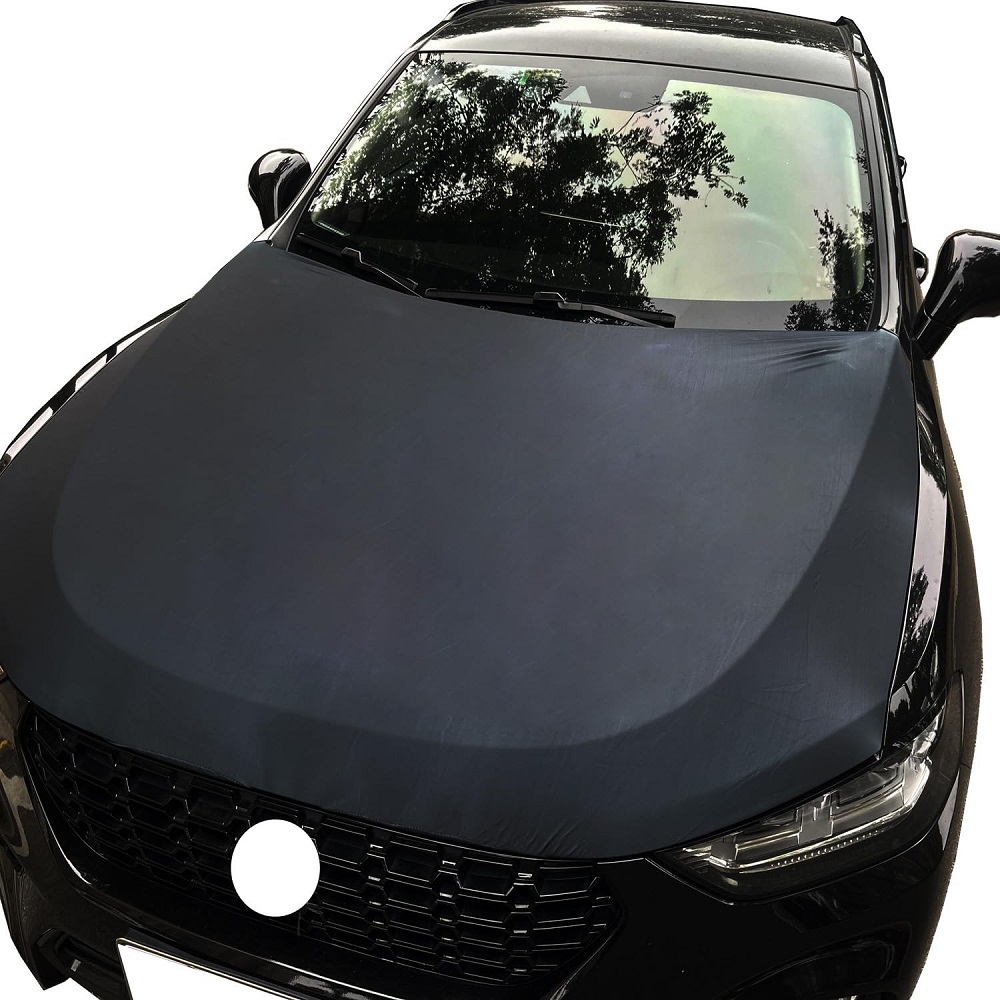
Materials Commonly Used in Car Hood Manufacturing
Car hood use materials chosen for their durability and weight. Steel is the most common material due to its strength and affordability. Aluminum hoods are lighter, improving fuel efficiency, and are popular in modern vehicles. Carbon fiber is used in high-performance cars because it’s light and strong, though more expensive. Fiberglass serves as another lightweight option, found in specialty or aftermarket hoods. Each material has unique characteristics, suited for varying needs.
Types of Car Hoods
Car hoods come in various styles and designs to fit different needs and preferences. They enhance functionality, aesthetics, and performance based on the vehicle’s use and owner’s requirements.
Standard Hoods
Standard car hoods are the most common and practical for everyday vehicles. These hoods are typically composed of strong and affordable materials like steel or aluminum. They are designed to provide reliable protection for the engine compartment against moisture, debris, and weather elements. Standard hoods are often minimalistic in design, focusing on durability rather than aesthetics. They are easy to produce, repair, and replace, making them a cost-effective option for most car owners.
Performance and Lightweight Hoods
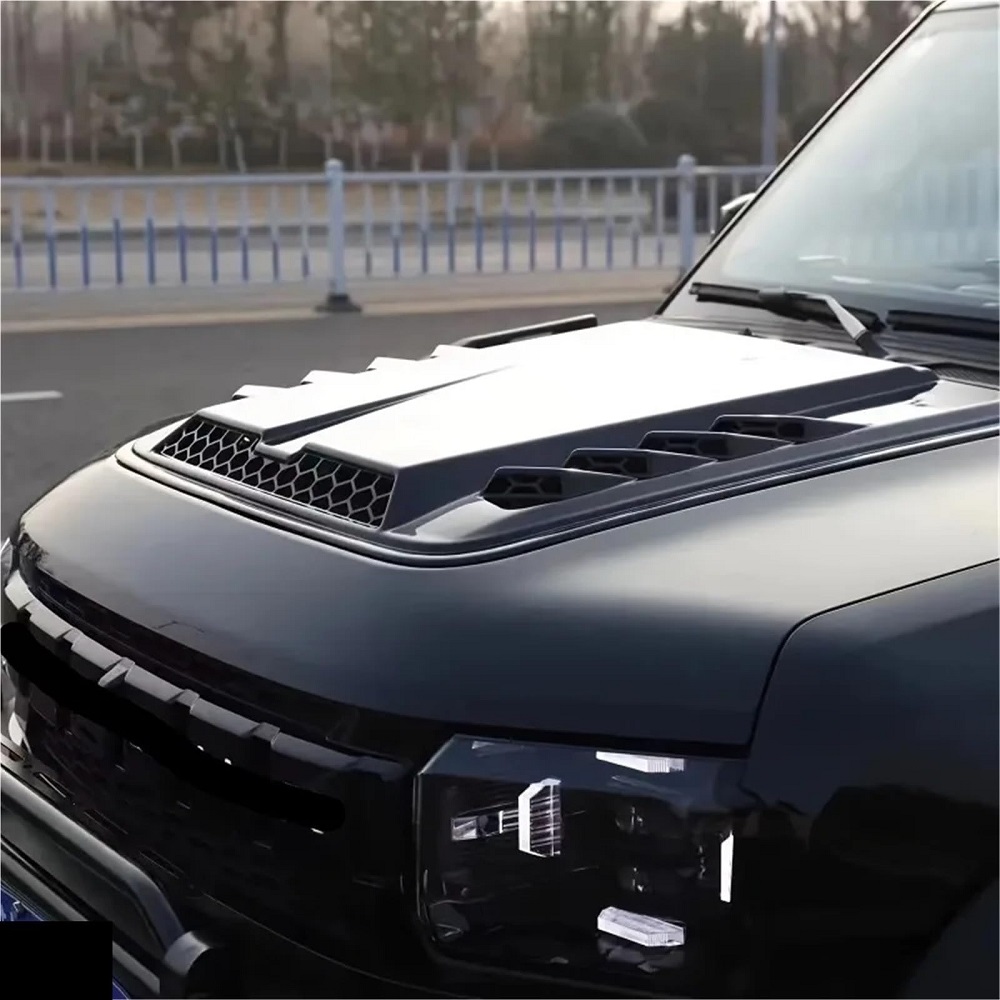
Performance and lightweight hoods are tailored for high-performance or racing vehicles. These hoods are usually made of materials like carbon fiber, fiberglass, or lightweight aluminum. Carbon fiber hoods reduce overall weight, improving aerodynamics and enhancing speed. Fiberglass offers both lightweight properties and cost efficiency, making it common for aftermarket upgrades. These hoods often have unique designs, such as vents or scoops, specifically to enhance airflow to the engine, aiding cooling and performance. They are ideal for drivers seeking efficiency and performance benefits.
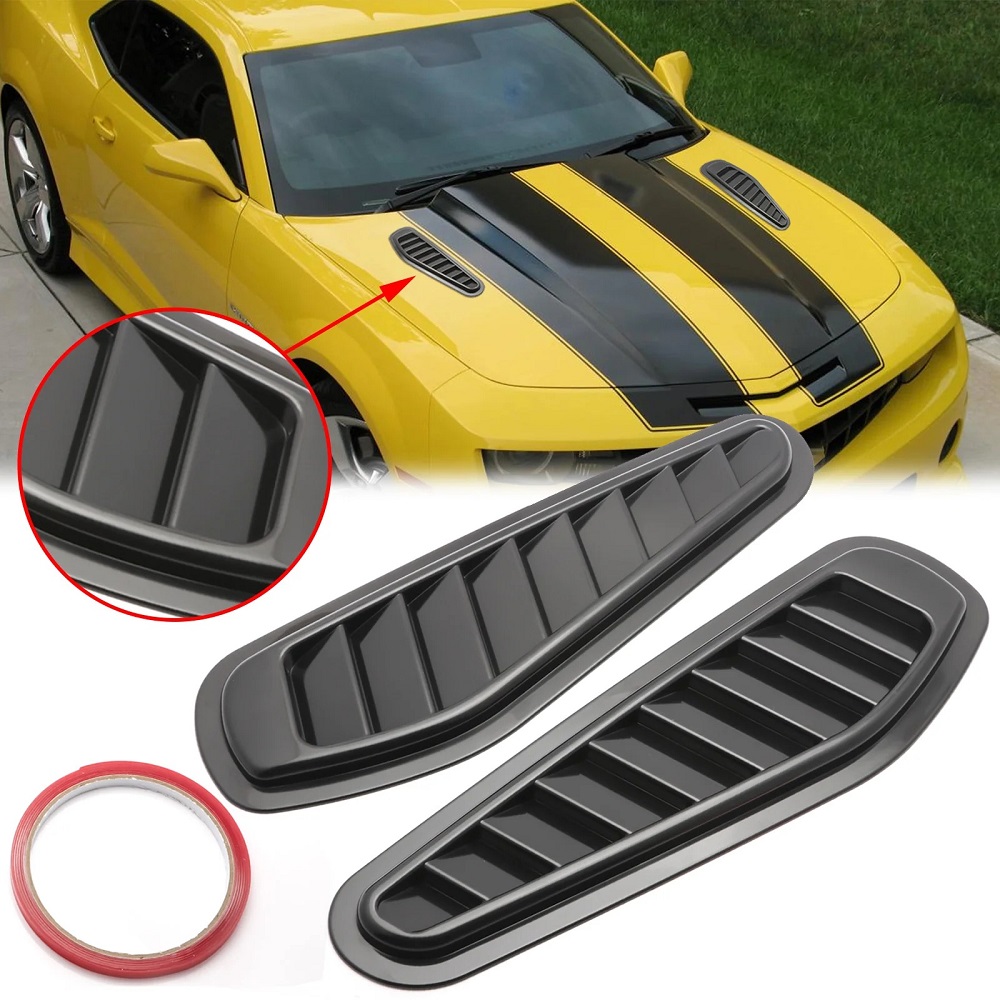
Specialty Hoods (e.g., Ventilated or Scooped Hoods)
Specialty hoods feature advanced designs intended for specific functionalities or aesthetic appeal. Ventilated hoods help with heat dissipation by allowing better airflow within the engine bay. Scooped hoods, often seen in sports cars, direct air to the engine, aiding cooling while boosting performance output. Specialty hoods are made from varied materials like aluminum, carbon fiber, or composites, depending on the intent. These hoods add an extra layer of style, making them popular among car enthusiasts seeking a custom look.
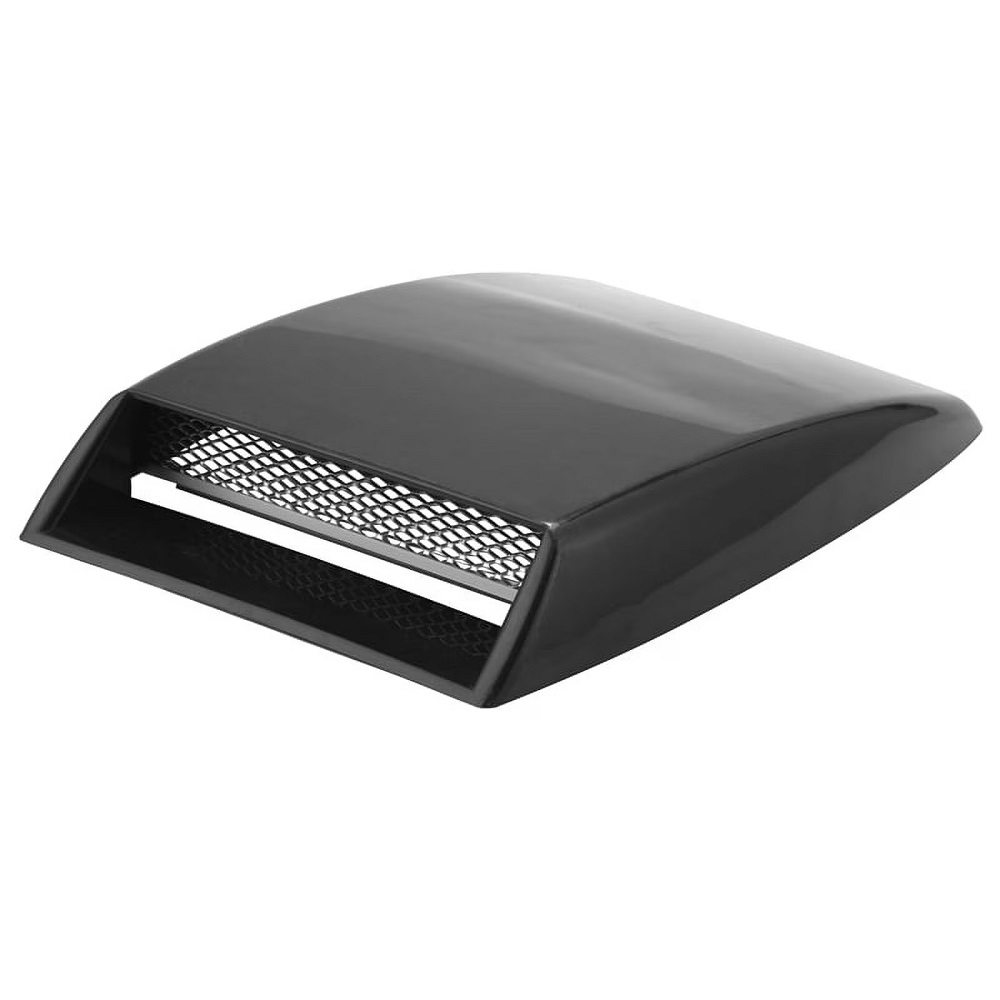
How to Maintain Your Hood
Proper maintenance of your car hood extends its life and sustains its appearance. By following simple care practices, you can prevent damage and keep it looking new. Regular maintenance also ensures the hood functions as intended, protecting your engine.
Preventing Rust and Corrosion
Rust and corrosion develop when the hood is exposed to moisture and chemicals over time. To prevent this:
- Apply a protective wax or sealant to create a barrier against moisture.
- Regularly inspect the hood for chips or scratches in the paint. These can expose bare metal to rust.
- Address cuts or other damages immediately with touch-up paint to avoid rust spreading.
- Avoid parking near sprinklers or salty roads, as water and salt accelerate corrosion.
- Wash your hood regularly to remove dirt, road grime, and chemicals that can promote corrosion.
Cleaning and Polishing Tips
Cleaning and polishing keep your car hood shiny and dirt-free. Follow these tips:
- Use a car-safe soap and soft sponge for gentle cleaning.
- Dry the hood with a microfiber cloth to prevent water spots.
- Polish the hood using a car-specific polish to enhance its finish.
- Apply wax after polishing for added protection against dirt and UV rays.
- Avoid abrasive cleaners or brushes that may scratch the surface.
Consistency is key to maintaining the hood’s original look.
Repairing Minor Scratches and Dents
Minor scratches and dents can affect the hood’s appearance but are often easy to repair. Follow these steps:
- Clean the damaged area thoroughly before starting repairs.
- Use touch-up paint or scratch remover for small scratches.
- Fill dents using a dent repair kit or by consulting a professional if needed.
- After repairs, apply a protective sealant to prevent further damage.
- Address issues promptly to avoid worsening damage.
Regular attention to your car hood prevents minor problems from escalating and maintains its integrity.
Common Hood Problems
Despite being a sturdy component of your vehicle, car hoods may face various issues over time. Identifying and addressing these problems early is vital for the safety and functionality of your car. Below are common car hood problems that you may encounter along with their possible causes and solutions.
Misalignment Issues
Misaligned car hoods are a frequent problem caused by wear, collisions, or improper adjustments:
- Causes:
- Accidents or minor collisions.
- Loose or bent hinges and latches.
- Normal wear and tear over time.
- Signs of Misalignment:
- Hood doesn’t close or latch properly.
- Uneven gaps around the hood.
- Noise from the hood while driving.
- Solutions:
- Check for any visible damages to hinges or latches.
- Tighten loose bolts or replace bent hinges.
- Visit a professional for realignment if necessary.
Signs of Wear and Damage
Car hood wear and visible damage can compromise both aesthetics and functionality. Common signs include:
- Chipping Paint:
- Caused by debris, weather exposure, or improper cleaning.
- Address with touch-up paint or a professional repaint.
- Rust Formation:
- Rust occurs when metal is exposed to moisture.
- Regular cleaning and waxing can prevent rust formation.
- Dents and Cracks:
- Often due to impact from objects or accidents.
- Small dents can be fixed using dent repair kits.
- Serious damage may require hood replacement.
Troubleshooting Hood Latch Issues
Hood latch problems can affect your car’s safety and the engine’s protection. These issues include:
- Stuck Hood Latches:
- Accumulated dirt and debris can jam the latch.
- Clean the latch and apply lubrication to resolve the issue.
- Loose Latches:
- Repeated use can loosen the latch over time.
- Tighten loose components or replace as needed.
- Faulty Release Cables:
- Broken or frayed cables prevent the latch from releasing the hood.
- Replace damaged cables promptly.
Regularly inspecting your car hood and addressing issues quickly can prevent costly repairs. It ensures your vehicle’s safety and keeps it in top condition.
Upgrading Your Car Hood
Upgrading your car hood can enhance your vehicle’s appearance and improve its functionality. Many car owners opt for upgrades to boost performance, improve aesthetics, or increase durability. A well-selected replacement hood can also add value to your vehicle. Below are the primary aspects of car hood upgrades to help you make an informed decision.
Why Upgrade Your Hood?
There are several reasons why you might want to upgrade your car hood:
- To improve performance: High-performance hoods, such as ventilated or scooped designs, provide better airflow. This enhances engine cooling and improves efficiency, especially for racing or sports cars.
- To enhance appearance: Custom hoods can greatly improve the exterior look of your car. Stylish designs and finishes can set your vehicle apart from others.
- Replace damaged hoods: A hood upgrade is an excellent opportunity to replace old or damaged hoods.
- Increase fuel efficiency: Lightweight materials like aluminum or carbon fiber reduce the car’s overall weight, improving fuel economy.
- Resale value: A new or custom hood can potentially increase your car’s market value during resale.
Material and Design Options for Replacement Hoods
When upgrading your car hood, the material and design are key factors to consider:
- Common materials:
- Steel: Durable, affordable, and widely used in standard cars.
- Aluminum: Lighter than steel, increases fuel efficiency, suitable for everyday vehicles.
- Carbon Fiber: Lightweight, strong, and ideal for performance cars, although pricey.
- Fiberglass: Lightweight and cost-effective, often used in aftermarket or custom hoods.
- Design options:
- Ventilated hoods: Enhance airflow and engine cooling with additional vents.
- Scooped hoods: Allow direct airflow to boost engine performance.
- Custom designs: Tailored hood styles for unique aesthetics, using a variety of finishes and patterns.
Choose hood materials and designs based on your driving style and requirements.
Cost and Installation Considerations
Hood upgrades come with both material and labor costs. Here are key considerations:
- Material costs: Premium materials like carbon fiber cost more than steel or aluminum.
- Labor and installation: Professional installation is recommended for proper alignment and safety.
- Additional costs: Include finishing, such as painting or applying protective coatings.
- Budget planning: Determine whether the upgrade aligns with your budget priorities.
Before upgrading, compare options and gather quotes from reputable manufacturers or service centers. Understand all costs involved, including potential shipping fees for custom orders. With proper planning, a car hood upgrade can improve your vehicle in both form and function.
Importance of a Functional Hood Latch System
The hood latch system is vital for securing your car’s hood. It ensures the hood stays firmly closed, protecting internal components from external elements and preventing accidents. Understanding its role and maintaining its functionality is crucial for your car’s safety.
How the Hood Latch Works
The hood latch works by locking the hood in place. It includes key components:
- Latch Mechanism: Locks the hood securely.
- Release Cable: Connects the latch to the interior lever.
- Interior Lever: Allows the driver to release the latch.
When you pull the lever inside your car, the release cable disengages the latch. This lets you lift the hood for maintenance access. A secondary catch provides extra security, preventing unintended opening while driving.
Safety Concerns with a Faulty Hood Latch
Faulty hood latches can lead to dangerous situations. Here are common concerns:
- Accidental Hood Opening: A worn latch may fail, letting the hood open while driving.
- Reduced Engine Protection: A loose hood exposes the engine to debris and weather.
- Restricted Access: Faulty cables can prevent hood opening during emergencies.
To avoid these issues:
- Inspect the latch for rust, dirt, or wear regularly.
- Lubricate moving parts to prevent sticking.
- Replace damaged cables or worn latch components promptly.
A functional hood latch system safeguards your engine and enhances road safety.
Legal and Safety Considerations
Understanding the legal and safety considerations tied to car hoods is vital. These aspects ensure both compliance with regulations and the safety of all road users.
Laws and Regulations Related to Car Hoods
Driving with a malfunctioning or modified car hood may violate local laws. Key regulations include:
- Safety standards compliance: Hoods should meet manufacturing standards to ensure durability and crash safety.
- No obstruction to visibility: The hood should not block the driver’s view or hinder visibility.
- Vehicle inspections: Some regions require regular inspections to confirm the hood’s functionality.
- Noise emission rules: Aftermarket specialty hoods shouldn’t increase noise beyond legal limits.
- Materials and modifications: Using unsuitable materials or making illegal modifications violates the law.
It is essential to familiarize yourself with regional regulations when considering hood modifications.
Ensuring Safety in Emergencies
A functional car hood is critical during emergencies. Follow these tips to prioritize safety:
- Inspect the latch: Regularly check the hood latch system for damage and proper function.
- Clear the hood area: Make sure no items are obstructing the hood’s closure.
- Check the hood’s stability: Confirm it closes securely before driving.
- Avoid excessive weight: Do not place heavy loads on the hood to avoid damage during emergencies.
- Respond to warning signs: Repair damaged or noisy hoods immediately.
A properly maintained hood ensures easier access to your engine during roadside emergencies. Always check your vehicle before every trip to avoid unexpected issues.
Tips for Buying a Replacement or Custom Car Hood
Choosing the right car hood, whether for replacement or customization, requires careful consideration. A high-quality hood can enhance your vehicle’s appearance, performance, and durability. Here’s a guide to making an informed decision.
Things to Consider Before Purchasing
When planning to buy a replacement or custom car hood, keep these factors in mind:
- Material:
- Steel: Durable and affordable, ideal for standard vehicles.
- Aluminum: Lightweight and improves fuel efficiency.
- Carbon Fiber: Lightweight and durable, excellent for performance cars.
- Fiberglass: Cost-effective and versatile, popular for custom designs.
- Compatibility:
- Ensure the hood fits your car’s make and model without modifications.
- Check measurements and manufacturer specifications before purchasing.
- Purpose:
- Decide if you need a hood for better performance, aesthetics, or as a simple replacement.
- Performance hoods improve cooling and aerodynamics, ideal for racing or high-speed driving.
- Budget:
- Compare prices between materials, brands, and designs.
- Consider the total cost, including shipping and installation.
- Regulations:
- Ensure the hood complies with vehicle safety and road regulations.
- Avoid materials or modifications that may cause legal issues.
- Resale Value:
- Custom hoods can add value to your car if installed properly and professionally finished.
By evaluating these factors, you can choose a hood that meets your functional and aesthetic needs.
Popular Brands and Manufacturers
Some reputable manufacturers and brands offer high-quality replacement or custom car hoods. Here are popular choices:
- OEM Brands:
- Original Equipment Manufacturer (OEM) hoods are perfect for maintaining your car’s authenticity.
- Popular in vehicles needing direct replacements that fit perfectly without modification.
- Aftermarket Brands:
- Aftermarket brands like VIS Racing and Seibon specialize in custom designs.
- They offer unique styles, ventilated hoods, and lightweight materials like carbon fiber.
- Performance Brands:
- Brands like Anderson Composites focus on performance-focused parts.
- Their hoods cater to enthusiasts looking for speed and aerodynamics.
- Affordable Options:
- Consider companies like Duraflex for cost-effective yet stylish fiberglass hoods.
- These are great for drivers on a budget seeking good performance.
- Luxury Customizers:
- Companies like Vorsteiner provide high-end luxury hoods.
- Their designs are often tailored to premium and exotic cars.
Researching manufacturer reviews and exploring their catalogs can help you find the ideal option. Working with trusted professionals ensures quality products that match your needs and budget.
Leave a Reply