Introduction to Motorcycle Brakes
The Importance of Braking Systems
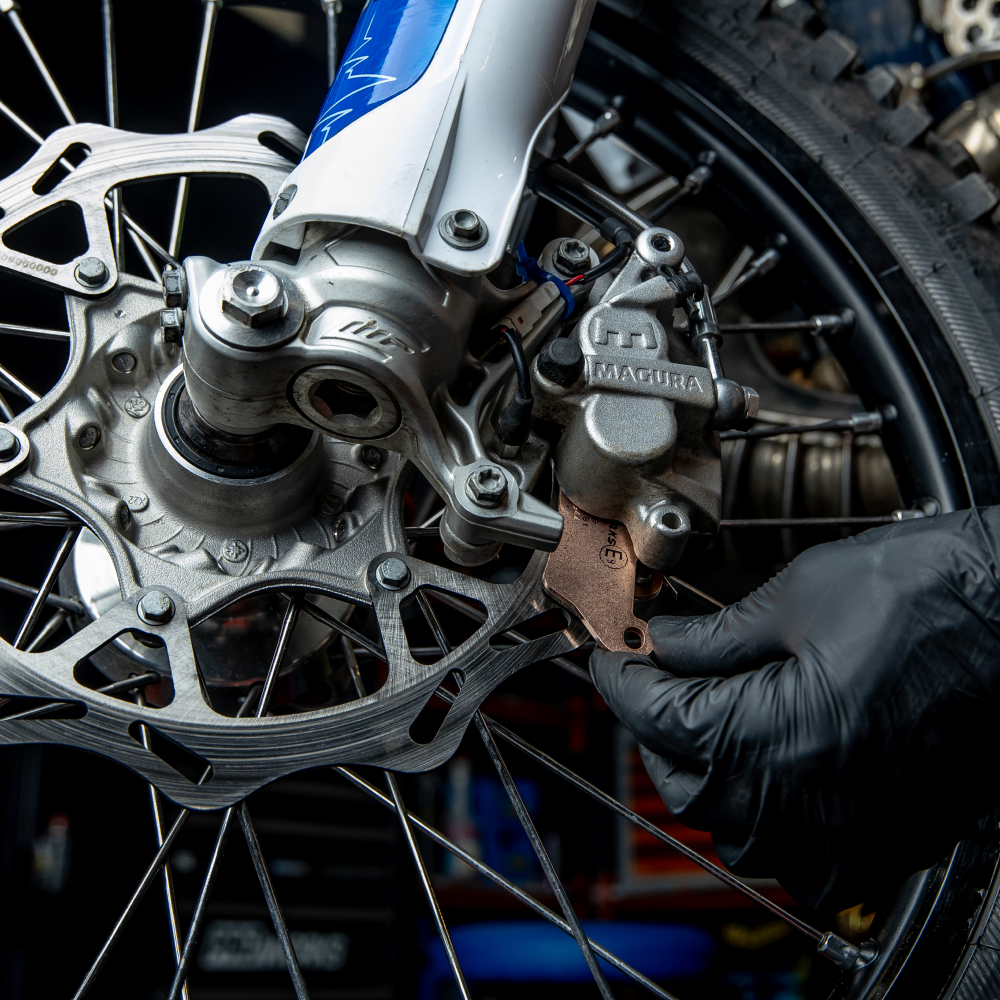
When it comes to motorcycle safety, the braking system is one of the most critical components. Reliable brakes ensure that riders can stop safely and effectively, avoiding accidents and potential injuries. Motorcycle brakes consist of several parts, including brake pads, discs, and calipers, all working together to provide efficient stopping power. A well-maintained braking system enhances control and boosts rider confidence on the road. Understanding how to care for and maintain motorcycle brakes can significantly impact your overall riding experience.
Understanding How Brakes Work
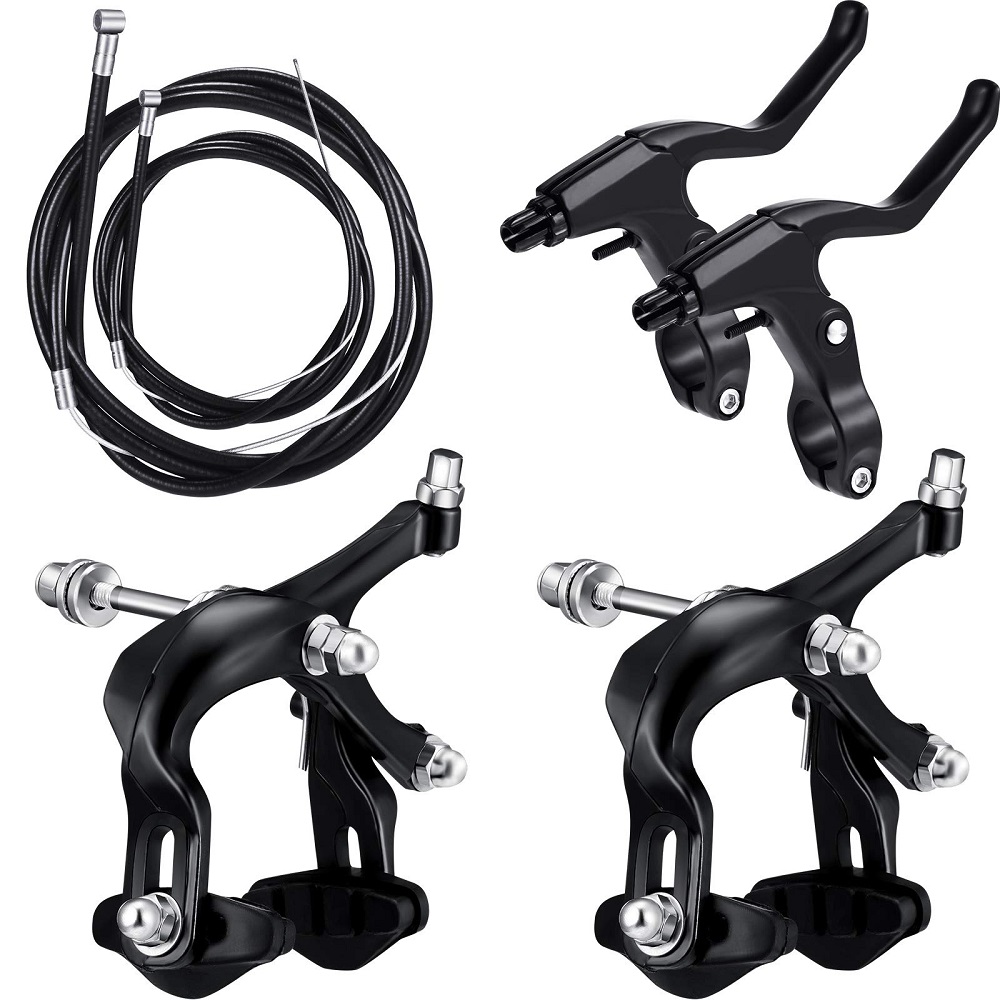
Before delving into maintenance, it is essential to understand the mechanics of motorcycle brakes. Most motorcycles use either disc brakes or drum brakes. Disc brakes are more common due to their superior stopping power and heat dissipation. Brake pads clamp down on a rotating disc, creating friction that slows down the wheel. On the other hand, drum brakes function by expanding brake shoes against a spinning drum. While drum brakes are often found on older models, more advanced motorcycles have shifted toward disc braking systems. Knowing how your motorcycle’s brakes operate is the first step in effective maintenance.
Common Misconceptions About Brakes
Many riders may have misconceptions about motorcycle brakes. Some believe that brakes only need attention when they fail, leading to serious safety concerns. Others think that all brakes work the same way, irrespective of the model or design. The truth is that each type of brake system requires specific care and regular inspections. Understanding the unique needs of your motorcycle’s brakes can help you avoid issues and enhance safety. It’s crucial for riders to educate themselves about their braking systems and prioritize maintenance to ensure optimal performance.
Types of Motorcycle Brakes
Disc Brakes
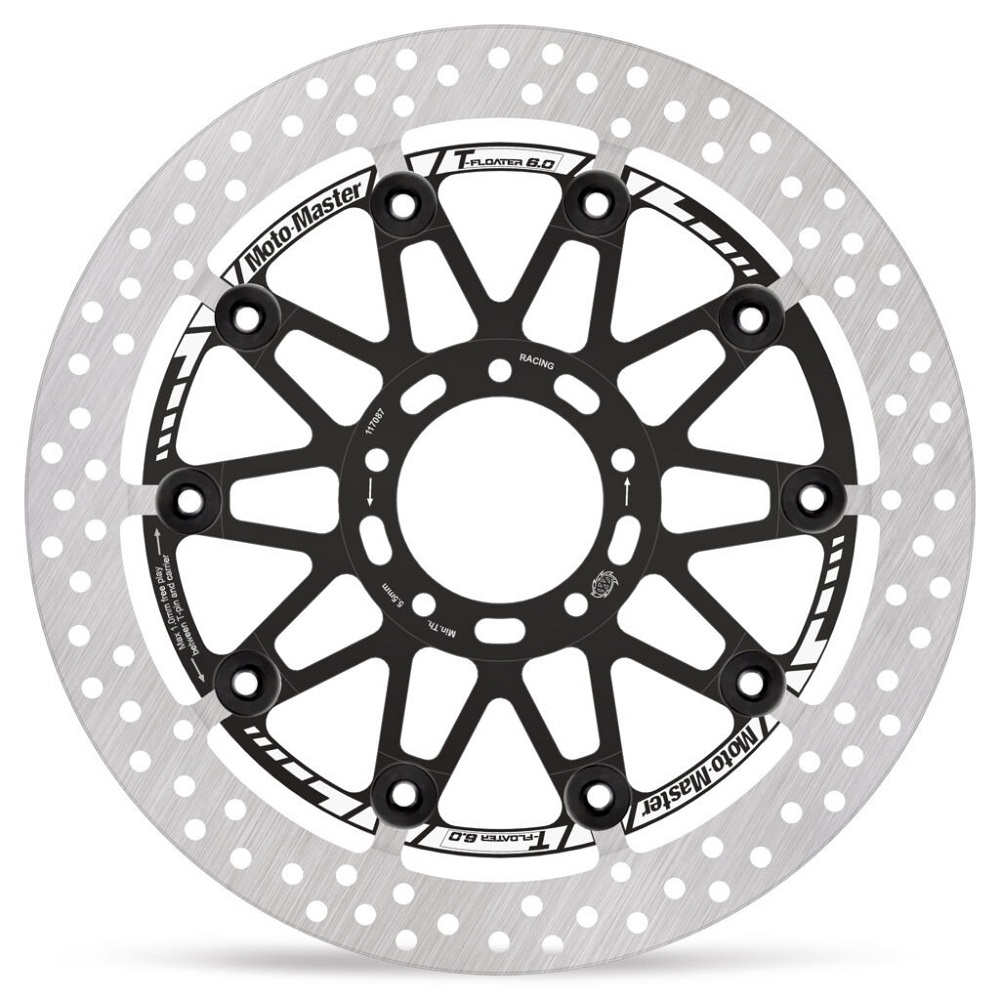
Disc brakes are the most popular choice for modern motorcycles. They are known for their durable construction and effective stopping power. Most motorcycles feature hydraulic disc brakes that provide a consistent brake response. The structure of a disc brake allows for better heat dissipation, minimizing brake fade during heavy use. Riders often appreciate the reliability and performance that disc brakes offer, making them an essential component for safe riding.
Drum Brakes
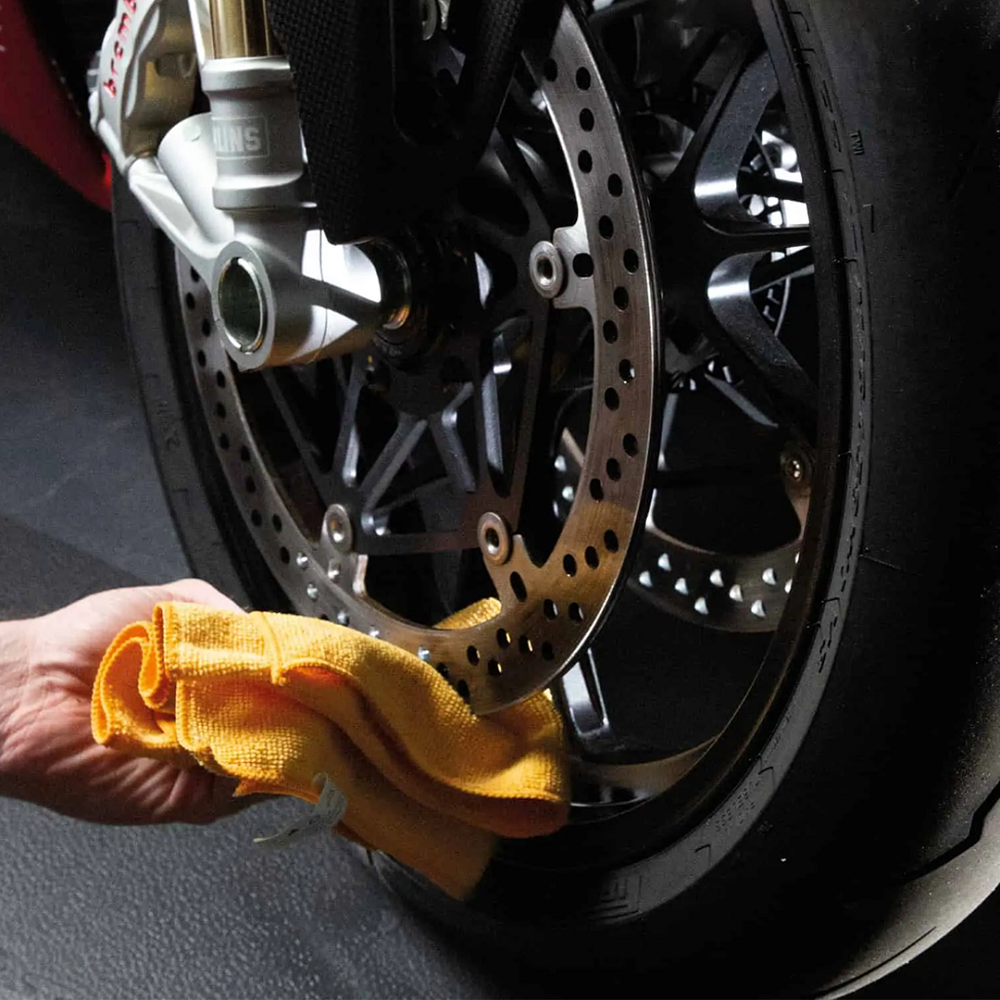
Drum brakes, while less common in modern motorcycles, still appear on some models, particularly older or more budget-friendly bikes. This type of braking system consists of a brake shoe that presses against the inner surface of a drum to create friction. Drum brakes are simple and effective but can suffer from overheating during prolonged use. Riders should understand how to maintain drum brakes, especially if they own a motorcycle equipped with this older technology.
Combined Brake Systems
Some motorcycles feature combined brake systems, which integrate both front and rear brakes for enhanced stopping power. These systems help distribute braking forces more evenly, improving stability and control. A combined system may automatically engage both the front and rear brakes when one is applied, providing a smoother ride for less experienced riders. Understanding how your motorcycle utilizes a combined brake system is essential for effective operation and maintenance.
Routine Maintenance for Motorcycle Brake
Regular Inspection
Regular inspection of your motorcycle brakes should be a top priority for every rider. Inspect the brake pads for wear and ensure they are within recommended thickness. Many manufacturers suggest checking brake pads approximately every 3,000 miles, but specific riding conditions may require more frequent checks. Additionally, inspect the brake discs for any signs of warping or damage. A well-maintained brake system is crucial for optimal performance and rider safety.
Cleaning Brake Components
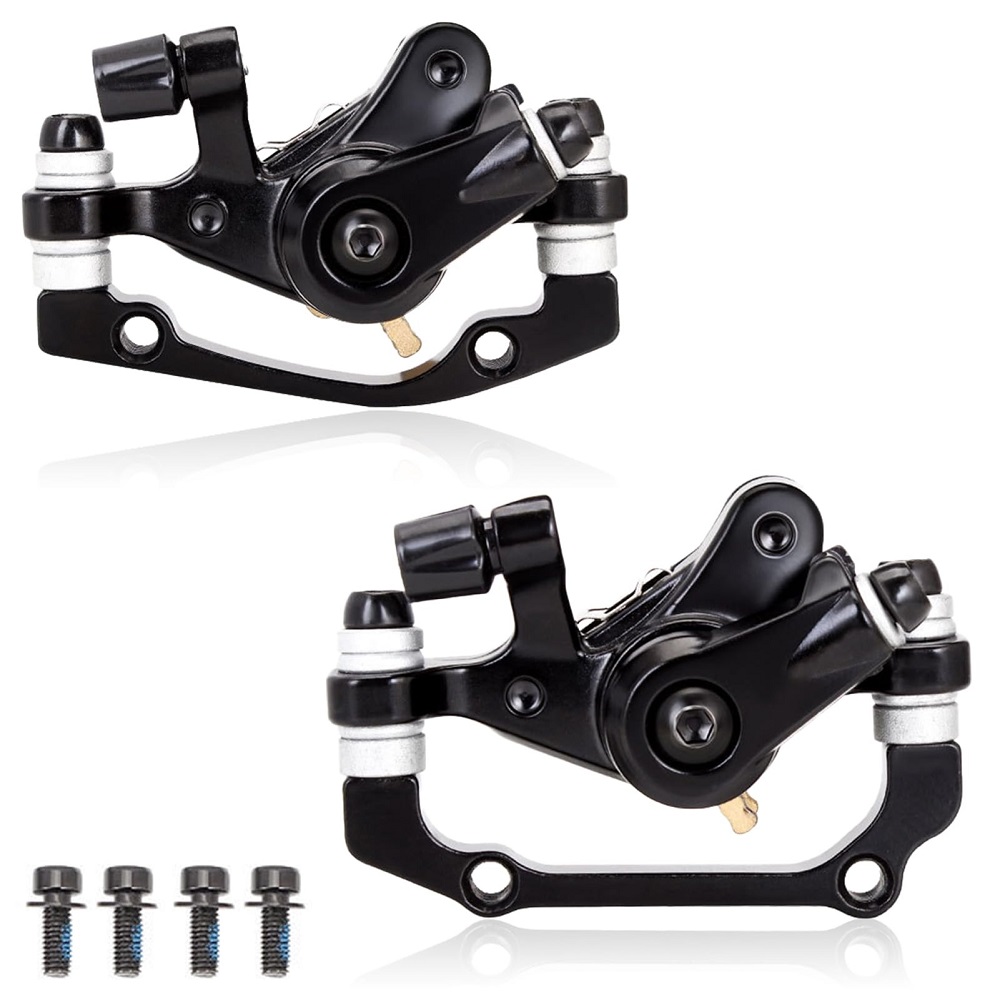
Keeping brake components clean is essential for efficient operation. Dust, dirt, and grime can accumulate on brake pads and rotors, potentially leading to decreased performance. During routine maintenance, take the time to clean the braking surfaces using appropriate brake cleaner and a soft cloth. Ensure that no residue remains, as this could influence braking efficiency. Regular cleaning will extend the life of the brake components while enhancing stopping power.
Fluid Checks
Brake fluid is critical to the functioning of hydraulic brake systems. Over time, brake fluid can absorb moisture, resulting in decreased performance and the potential for corrosion in brake components. It’s essential to check the fluid level and condition regularly. Most manufacturers recommend changing brake fluid every two years, but this may vary based on riding conditions and usage. Keeping the brake fluid fresh and at the proper level ensures reliable braking performance.
Signs of Brake Problems
Warning Lights and Indicators
Modern motorcycles often feature dashboard indicators that alert riders to potential brake issues. Pay attention to any warning lights related to the brake system. If these lights illuminate, it may indicate low brake fluid, worn pads, or malfunctioning components. Ignoring warning lights can lead to serious safety risks, so take immediate action when they appear.
Unusual Sounds
Paying attention to unusual sounds when applying the brakes is important for identifying potential problems. Squeaking, grinding, or rattling noises when braking can signal worn brake pads or damaged discs. These sounds should not be ignored, as they often precede significant brake failure. If you notice any strange noises, have your braking system inspected by a qualified mechanic as soon as possible.
Reduced Responsiveness
If you find that your brakes feel spongy or are less responsive than usual, it may indicate an issue that requires attention. A spongy brake lever can be a sign of air in the brake lines or low brake fluid. On the other hand, a brake system that feels too firm could indicate issues with brake pads or discs. No matter the symptom, assessing the responsiveness of your brakes regularly is crucial for safe riding.
Safety Considerations
Proper Brake Usage
Understanding how to use your brakes effectively is essential for maintaining safety on the road. Apply brakes smoothly and progressively rather than abruptly to avoid skidding or losing control. This technique not only enhances safety but also contributes to the longevity of your brake components. Practice using both front and rear brakes together for more balanced stopping power and improved performance.
Rider Training
Taking a motorcycle safety course can provide invaluable training related to braking techniques and overall motorcycle operation. Courses often cover essential safety tips and maintenance practices, ensuring you are knowledgeable about your bike’s performance. Improving your skills helps you become a safer and more responsible rider on the road. Investing time in training pays off in increased confidence and a greater understanding of braking dynamics.
Riding Gear for Enhanced Protection
While maintaining your motorcycle brakes is vital, don’t forget about your personal safety gear. Always wear appropriate protective equipment while riding. This includes a DOT-approved helmet, gloves, jackets, pants, and boots designed for motorcyclists. Proper gear can provide an additional layer of safety in the event of an accident, shielding your body from injuries while you enjoy the ride.
The Future of Motorcycle Brake
Technological Advancements
The field of motorcycle braking technology is constantly evolving. Innovations such as anti-lock braking systems (ABS) are becoming increasingly common in newer models. ABS helps prevent wheel lock-up during hard braking, improving stability and control. As technology progresses, more advanced brake systems will likely become available, further enhancing safety for riders. Staying informed about these advancements can help you make better choices when selecting or upgrading your motorcycle braking system.
Eco-Friendly Options
With an increased focus on sustainability, manufacturers are exploring eco-friendly materials and practices for motorcycle brake components. As awareness of environmental issues grows, the demand for sustainable solutions will rise. The future may see brake pads made from renewable or recycled materials, reducing their impact on the environment. Embracing these developments can contribute to a more sustainable approach to motorcycling.
Community and Support
As the cycling community continues to grow, sharing knowledge and experiences related to motorcycle brakes and overall safety will be crucial. Connecting with more experienced riders can provide valuable insights into maintenance and safety practices. Online forums, local riding clubs, and social media groups offer platforms to discuss tips, ask questions, and share experiences. Supporting each other in this way fosters a culture of safety and shared responsibility within the biking community.
FAQ:
- What maintenance tasks should I perform on my motorcycle brakes?
- Regular maintenance tasks include checking brake fluid levels, inspecting brake pads for wear, cleaning the brake calipers, and replacing brake lines as needed. It’s also important to ensure that the brake rotors are free of contaminants and not warped.
- How often should I replace my motorcycle brake pads?
- Motorcycle brake pads should be replaced based on their wear and the manufacturer’s recommendations, typically every 5,000 to 15,000 miles. However, frequent inspections are necessary, as riding style and conditions (such as city vs. highway riding) can affect their lifespan.
- What type of brake fluid should I use for my motorcycle?
- The type of brake fluid required will vary by motorcycle model, but most commonly, motorcycles use either DOT 3, DOT 4, or DOT 5 brake fluid. Always refer to your motorcycle’s owner manual for the correct type and specifications.
- Is it important to bleed the brakes?
- Yes, bleeding the brakes is essential for removing air bubbles from the brake lines, which can lead to reduced braking performance. It should be done periodically, especially after replacing brake lines or pads, or if you notice a spongy brake lever.
- What safety tips should I follow regarding motorcycle brakes?
- Safety tips include regularly checking your brake components, using both front and rear brakes for effective stopping, avoiding over-reliance on one brake, and practicing emergency braking techniques in safe conditions. Make sure your brakes are in optimal condition before long rides or after extended periods of inactivity.
Conclusion: Prioritize Maintenance and Safety
Emphasizing Safety in Riding
In conclusion, motorcycle brakes are essential components that directly impact rider safety. Regular maintenance is not just a best practice; it can prevent accidents and improve overall performance. Riders should prioritize checking their brakes, understanding how they work, and addressing any issues promptly. Proper brake care enhances safety and boosts confidence, allowing for a more enjoyable riding experience.
Making Informed Choices
Choosing the right braking systems and understanding their maintenance is vital for every motorcyclist. Informed riders are better equipped to make decisions that contribute to their safety. Monitoring brake performance, being aware of signs of wear, and taking proactive measures can make a significant difference in ensuring a smooth ride. By staying engaged with your motorcycle’s braking system, you can enjoy the road ahead with peace of mind.
The Joy of Riding with Safety
Ultimately, the joy of motorcycle riding comes from the freedom and excitement of the open road. Coupling that passion with a strong commitment to safety creates the best riding experience. As you prepare for your next adventure, remember to check your brakes for signs you need new motorcycle brake pads, wear your protective gear, and ride responsibly. Embracing this approach allows you to fully appreciate the thrill of motorcycling while ensuring your safety and the safety of others on the road. Happy riding!
Leave a Reply