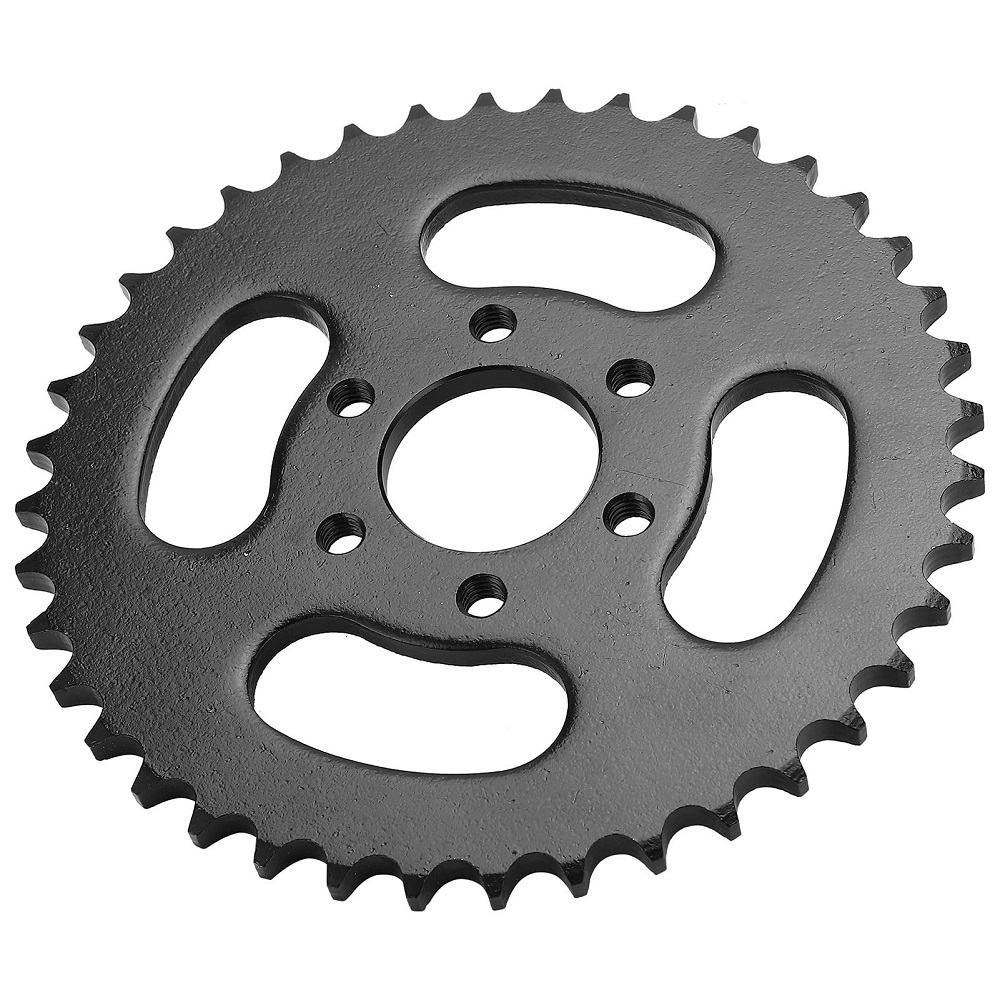
If you’re a motorcycle enthusiast, you know that every component of your bike plays a crucial role in its performance. One of the most important parts is the motorcycle sprocket. Often overlooked, the sprocket affects acceleration, top speed, and overall handling. Choosing the right sprocket for your motorcycle can greatly impact your riding experience. In this article, we will explore the different types of motorcycle sprockets, how to choose the best one for your bike, and tips for installation and maintenance.
Understanding Motorcycle Sprockets
What is a Motorcycle Sprocket?
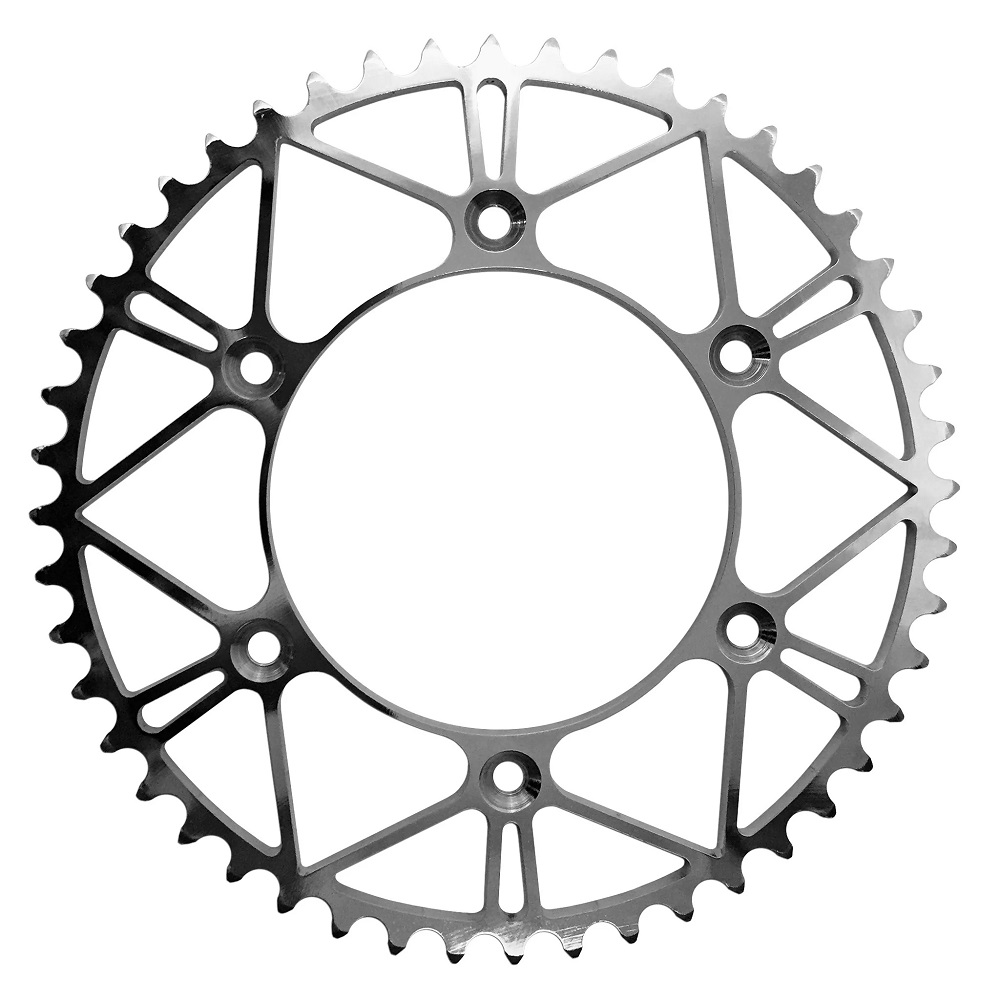
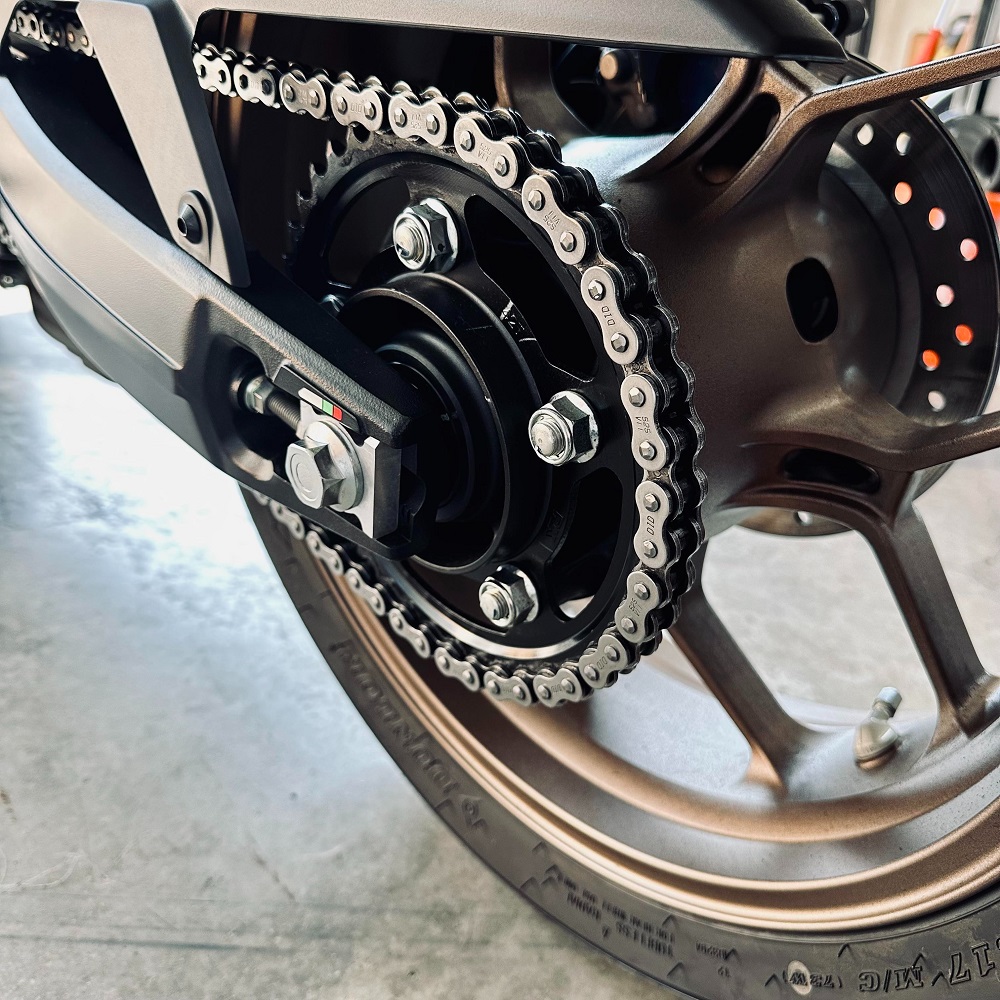
A motorcycle sprocket is a circular metal disc with teeth around its edge. It connects to the chain and helps transfer power from the engine to the wheels. Motorcycles typically have two sprockets: one at the rear wheel and one on the transmission output shaft. The interaction between these sized sprockets and the motorcycle chain creates the necessary power transfer for movement.
Types of Sprockets
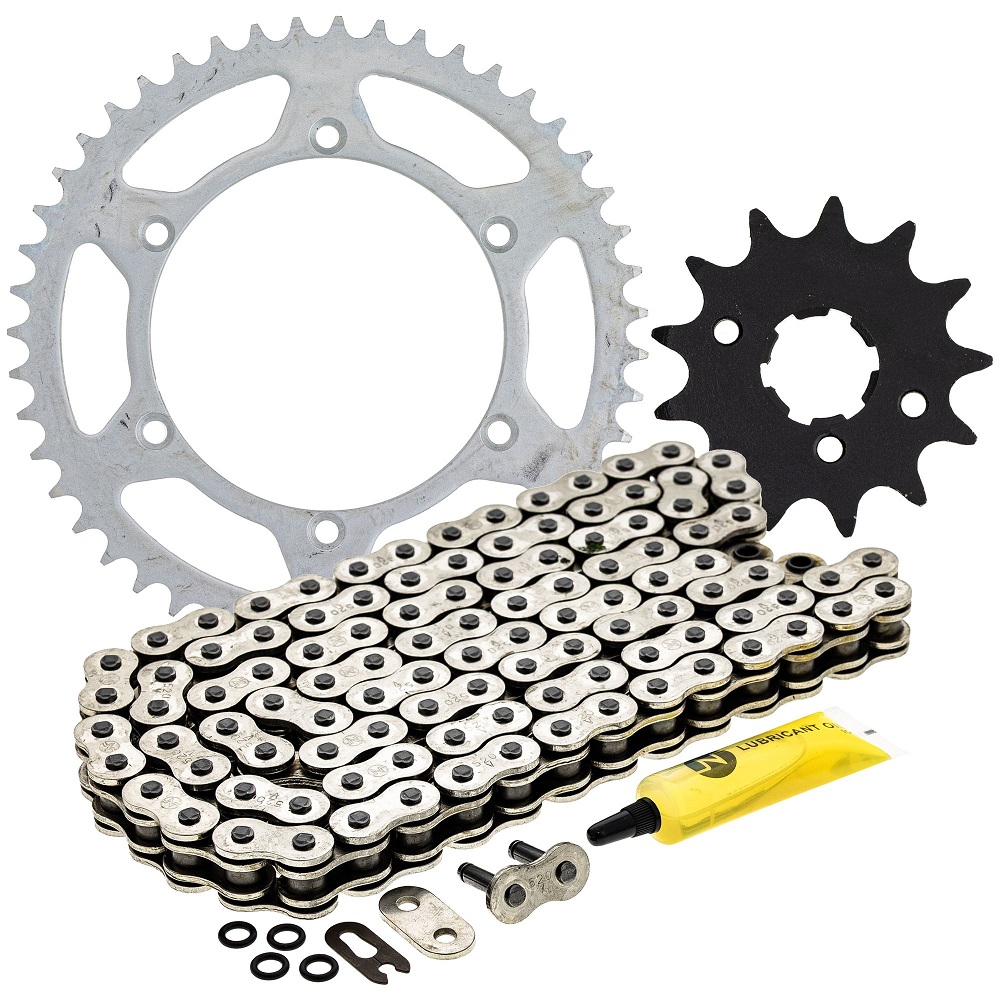
There are two main types of sprockets: front sprockets and rear sprockets. The front sprocket is typically smaller and attached to the engine’s output shaft. The rear sprocket is larger and attached to the rear wheel assembly. These two sprockets work together to create the gear ratio that influences the bike’s performance.
The Role of Gear Ratios
Gear ratios determine how many rotations the rear wheel makes for each rotation of the engine. Changing the size of the front or rear sprocket alters the gear ratio. A larger rear sprocket results in quicker acceleration but can decrease top speed. Conversely, a smaller rear sprocket provides higher speeds but may sacrifice acceleration. Understanding these dynamics helps you make informed decisions about which sprockets best suit your riding style.
Factors to Consider When Choosing a Sprocket
Compatibility with Your Motorcycle
Before selecting a sprocket, ensure it is compatible with your motorcycle model. Each bike has specific sprocket sizes and tooth counts that fit its design. Always consult your owner’s manual or a trusted motorcycle mechanic to determine the appropriate sprocket sizes for your bike. Compatibility is crucial to ensure proper function and avoid potential damage.
Material Composition
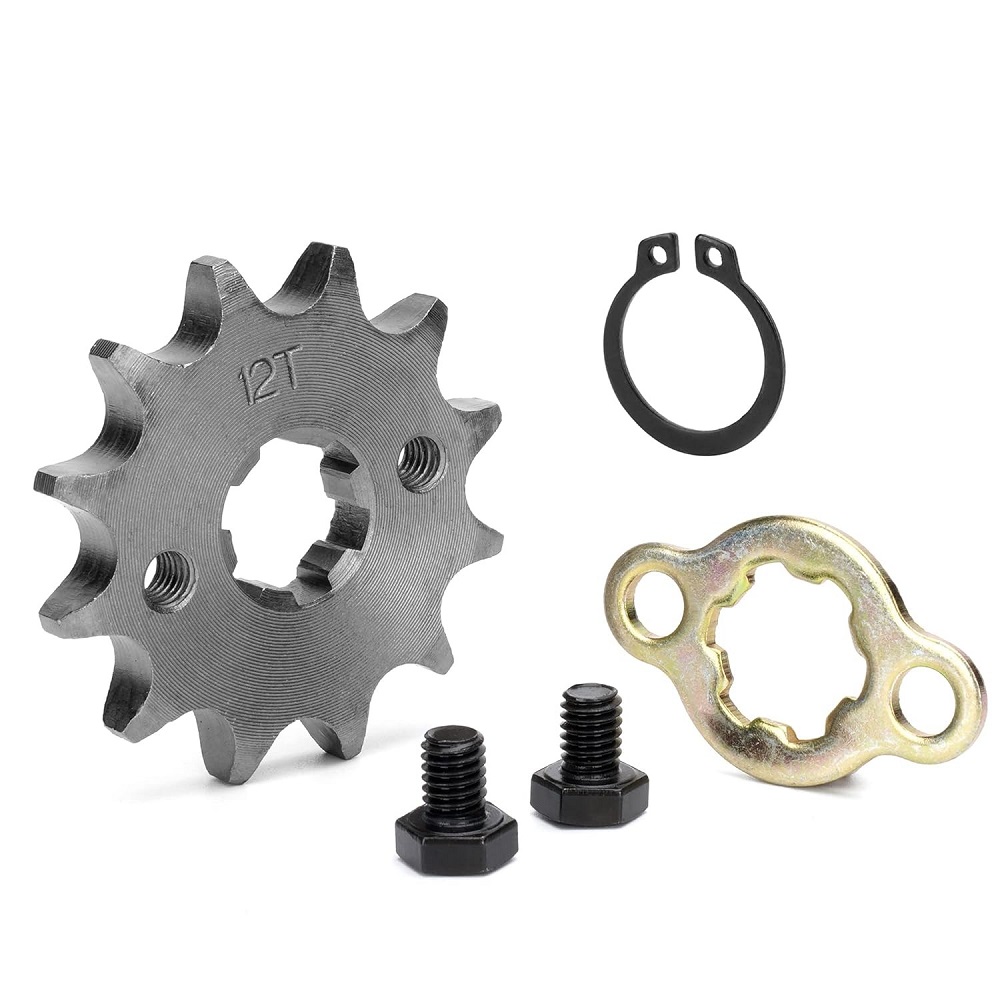
Motorcycle sprockets are made from various materials, including steel, aluminum, and titanium. Steel sprockets are durable and long-lasting but can be heavier. Aluminum sprockets are lightweight and provide better acceleration but may wear out faster. Titanium sprockets are extremely lightweight and strong but often come at a higher price. The material you choose should align with your riding needs and performance goals.
Tooth Count
The number of teeth on a sprocket significantly influences performance. A sprocket with more teeth increases torque but reduces top speed, while a sprocket with fewer teeth allows higher speeds but may decrease torque. Consider your riding style when deciding on tooth count. If you prefer quicker acceleration—ideal for street riding—opt for a sprocket with more teeth. If you want to achieve higher speeds, choose a sprocket with fewer teeth.
Calculating Gear Ratios
Understanding Gear Ratio Calculations
To determine the right sprocket size for your motorcycle, you need to calculate the gear ratio. The gear ratio is calculated by dividing the number of teeth on the rear sprocket by the number of teeth on the front sprocket. For example, if your rear sprocket has 50 teeth and the front has 15, the gear ratio is 50 ÷ 15 = 3.33. This means the rear wheel rotates 3.33 times for every rotation of the front sprocket.
Importance of Gear Ratio
Understanding gear ratios helps you tailor your bike’s performance to suit your needs. A lower ratio provides faster acceleration, while a higher ratio allows for greater speeds. Think about the type of riding you do (commuting, racing, or off-road) when selecting your ideal gear ratio. Tailoring the gear ratio to your riding preferences will enhance the overall experience and performance of your motorcycle.
Calculating Adjustments
If you’re considering changing sprocket sizes, recalculate the new gear ratio. If you install a new rear sprocket with 55 teeth while keeping the front at 15, the new ratio becomes 55 ÷ 15 = 3.67. Adjusting sprocket sizes alters your bike’s performance characteristics, which is crucial for achieving the desired riding experience.
Installation of the Motorcycle Sprocket
Tools Required for Installation
Installing a sprocket typically requires a few basic tools. Commonly needed tools include a socket wrench, a chain tool, and a torque wrench. Depending on your motorcycle model, you may also need additional tools. Refer to your bike’s service manual for specific requirements related to your sprocket installation. Having the necessary tools on hand will streamline the process.
Steps for Installation
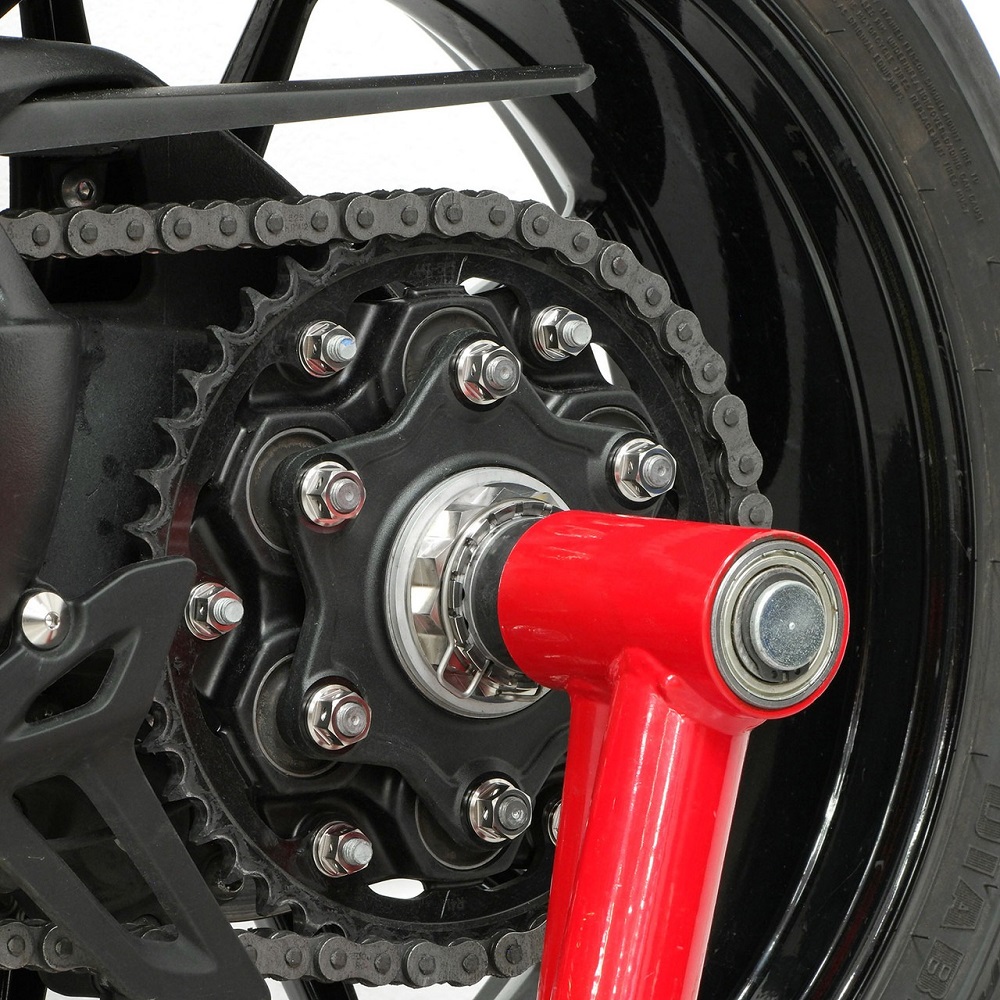
- Secure the Motorcycle: Use a motorcycle stand to lift the bike and keep it stable during installation.
- Remove the Chain: Use a chain tool to detach the chain from the rear sprocket. Take your time to avoid stripping any pins.
- Unscrew the Old Sprocket: Using a socket wrench, remove the bolts securing the old sprocket to the rear wheel hub. Ensure you keep these bolts in a safe place for reinstallation.
- Install the New Sprocket: Align the new sprocket with the mounting holes. Securely fasten the bolts while following the manufacturer’s torque specifications.
- Reconnect the Chain: Reattach the chain, ensuring it is properly seated on the new sprocket. Ensure everything is aligned before tightening.
- Check for Alignment: Spin the rear wheel to ensure everything moves smoothly and that the chain is properly tensioned.
Post-Installation Checks
After installation, conduct a thorough check to ensure all parts are secure. Take the motorcycle for a short test ride to feel the difference and check for any unusual noises. If everything feels and sounds correct, you are good to go. If you notice any issues, double-check all bolts and chain adjustments.
Maintaining Your Motorcycle Sprocket
Regular Inspection
Regularly inspect your motorcycle sprocket for signs of wear or damage. Common indicators include visible corrosion, excessive tooth wear, or chain misalignment. Regular inspections help identify problems early and prolong the life of your sprocket. Checking your sprocket will also ensure optimal performance during rides.
Cleaning Techniques
Keeping your sprockets clean is crucial for their longevity. A clean sprocket reduces friction and allows for smoother performance. Use a soft brush and a cleaner designed for motorcycles to eliminate dirt and grime. After cleaning, make sure to dry the sprocket thoroughly before riding. Clear debris ensures optimal function and helps maintain the integrity of the sprocket.
Chain Maintenance
A well-maintained chain contributes to the lifespan and performance of your sprockets. Regularly clean and lubricate the chain to minimize wear. A properly maintained chain ensures that the load is evenly distributed across the sprockets, preventing premature wear. This routine maintenance practice will enhance both performance and safety during your rides.
Upgrading Your Sprocket System
Determining the Need for an Upgrade
Upgrading your sprocket system can improve motorcycle performance in many cases. If you frequently find yourself wishing for better acceleration or speed, consider evaluating your current sprocket setup. Increasing the number of teeth on the rear sprocket can improve acceleration, while decreasing teeth may enhance top speed. Assessing your riding style can help you determine whether an upgrade is necessary.
Selecting High-Performance Options
If you decide to upgrade, consider investing in high-performance sprockets. Many aftermarket manufacturers offer lightweight and durable options that enhance performance and longevity. These sprockets may also feature special treatments to reduce wear and tear. Researching reputable brands will provide you with quality components that complement your motorcycle.
Professional Consultation
If you’re unsure about the best sprocket options for your bike or your specific needs, a consultation with a motorcycle mechanic may be helpful. Mechanics can assess your motorcycle and riding style, making recommendations tailored to your needs. Their expertise can guide you in making the right choice, ensuring you achieve the desired performance improvements.
Exploring the Community of Motorcycle Enthusiasts
Connecting with Fellow Riders
Participating in motorcycle groups and forums can enhance your knowledge and experience. Engaging with fellow riders allows you to share tips, ideas, and best practices related to sprocket choices and installations. The support of a community can also provide inspiration for your riding journey.
Participating in Rallies and Events
Attending motorcycle rallies and events is an excellent way to meet other enthusiasts. These gatherings provide opportunities to learn about the latest trends, products, and modifications. Meeting others who share your passion can foster connections and friendships that enhance your riding experience.
Sharing Experiences
Many motorcycle riders enjoy sharing their stories and experiences online. Documenting your upgrades, modifications, and ride experiences can be both rewarding and educational for others. Contributing to online discussions can enhance not just your own learning but also that of the broader motorcycling community.
FAQ:
- How do I choose the right sprocket size for my motorcycle?
- To choose the right sprocket size, consider your riding style and goals. Larger rear sprockets (more teeth) improve acceleration but reduce top speed, while smaller rear sprockets provide higher speeds but slower acceleration. It’s essential to balance these factors based on your riding needs.
- What materials are motorcycle sprockets made from?
- Motorcycle sprockets are typically made from steel, aluminum, or chromoly. Steel sprockets are durable and cost-effective, while aluminum sprockets are lighter and offer better performance but wear out faster. Chromoly combines lightweight and strength but is often more expensive.
- How often should I replace my motorcycle sprockets?
- Sprocket replacement depends on usage and maintenance but is typically recommended every 15,000 to 20,000 miles. Inspect them regularly for wear and signs of damage, such as hooked teeth or uneven wear, and replace when necessary to prevent chain damage.
- What is a front vs. rear sprocket, and how do they affect performance?
- The front sprocket is smaller and connected to the engine, while the rear sprocket is larger and connected to the wheel. Changing the size of either affects gear ratios: a larger rear sprocket provides better acceleration, while a smaller front sprocket can increase top speed.
- Can I mix and match sprockets from different brands?
- While it may be possible to mix sprockets from different brands, it’s generally best to use components that are compatible and recommended for your specific motorcycle model. This ensures proper fit, performance, and longevity of your drivetrain system.
Conclusion: Choose Your Sprocket Wisely
In conclusion, choosing the right motorcycle sprocket is vital for optimizing performance and enhancing your riding experience. By understanding the importance of compatibility, material, tooth count, and maintenance, you can make informed decisions about your sprocket choices. Whether you’re a seasoned rider or a newcomer, the right sprocket can make a significant difference.
Embrace the Ride
Investing time and thought into your motorcycle’s sprocket system allows for an enjoyable and fulfilling riding experience. Embrace the journey as you explore new roads and challenges. Your motorcycle is more than just a mode of transportation; it is a gateway to adventure and connection.
Engage with the Community
Connecting with fellow motorcycle enthusiasts and experts helps expand your knowledge and understanding of all things related to motorcycle performance. Sharing experiences, learning from others, and participating in discussions creates a supportive community that enriches your passion for riding.
Enjoy the Freedom of Riding
Ultimately, the joy of riding lies in the freedom it brings. Choosing the right sprocket and following motorcycle sprocket maintenance tips enhances this experience, allowing you to enjoy every moment on the road. So, gear up and look forward to the next adventure on your motorcycle, knowing you have made informed choices that contribute to your safety and enjoyment.
Leave a Reply