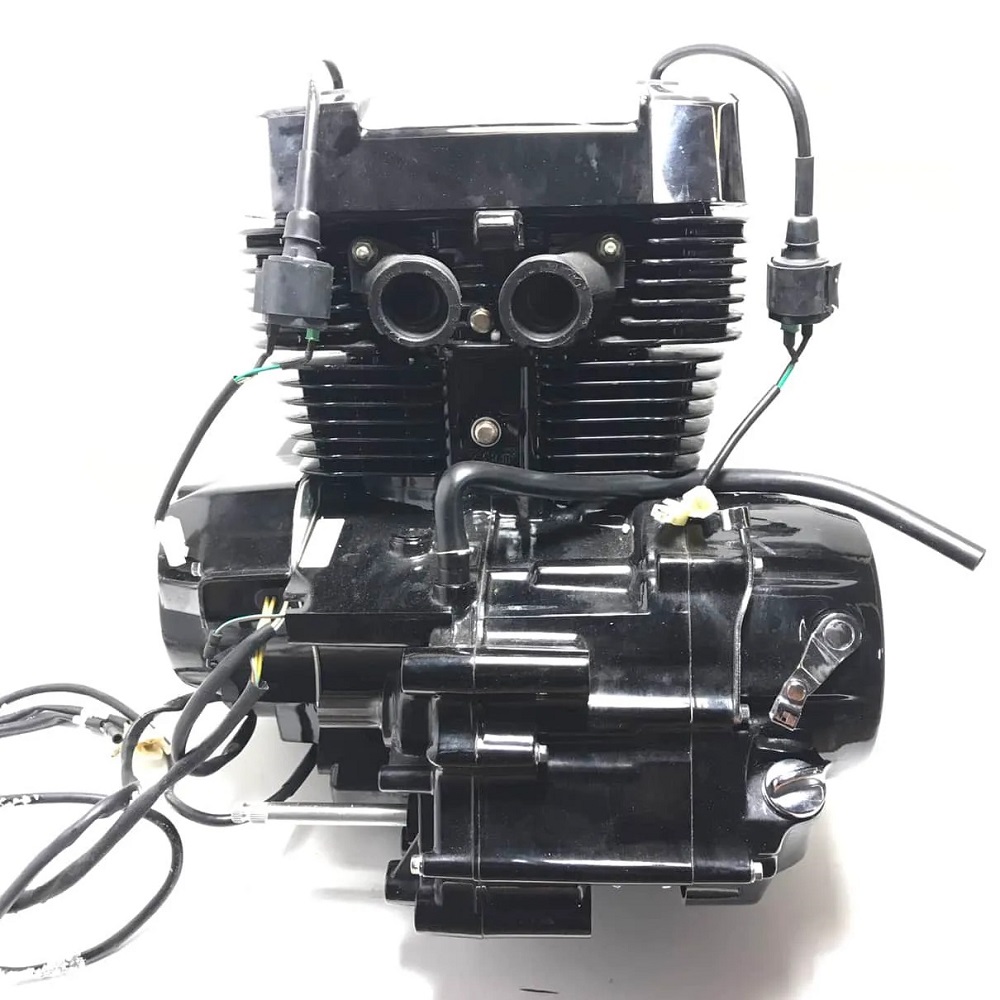
Introduction to Two Cylinder Engines
Two cylinder engine is commonly used in various machines, vehicles, and equipment. They are known for their balance between power and compact size. These engines offer efficiency and are suitable for multiple applications, from motorcycles to lawn equipment.
What is a Two Cylinder Engine?
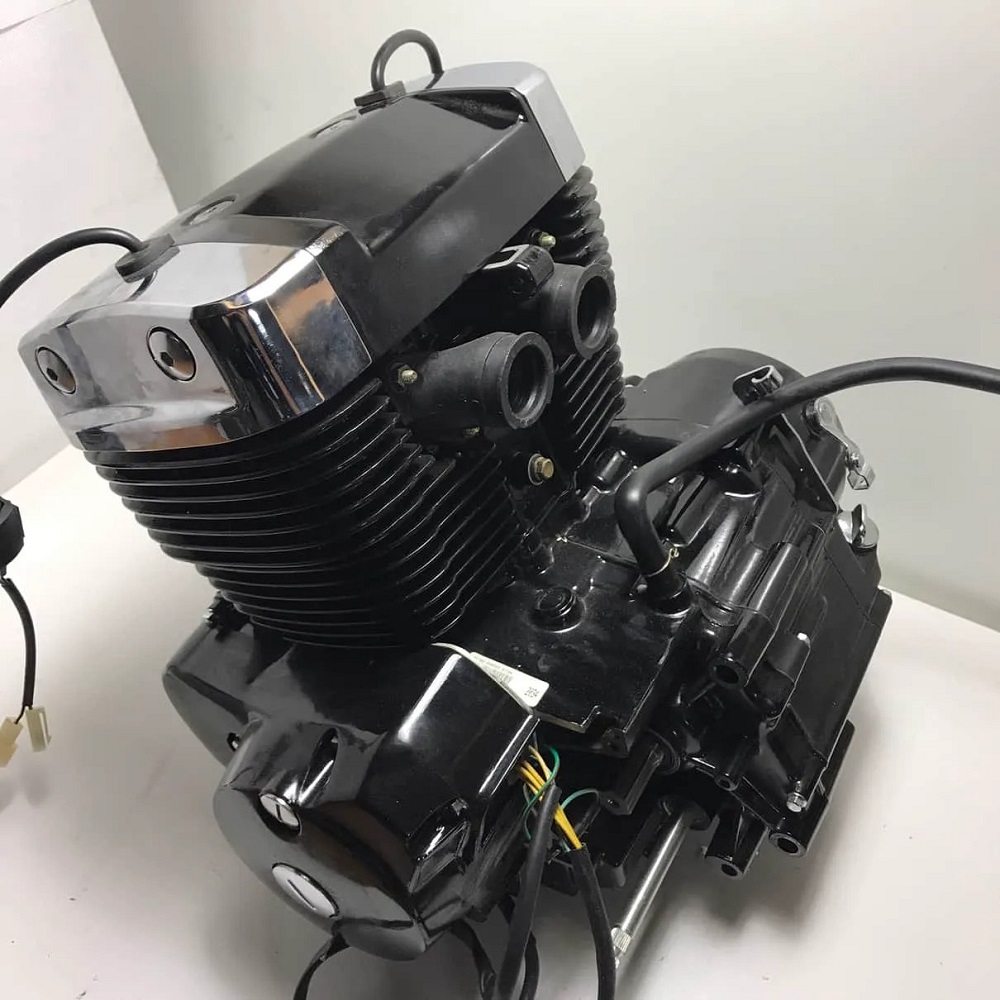
A two cylinder engine is a type of internal combustion engine. It uses two cylinders to generate power. Each cylinder houses a piston that moves up and down during operation. The movement of these pistons creates the force needed to drive the engine.
Two cylinder engines are smaller compared to larger multi-cylinder engines. However, they provide a good balance of performance and simplicity. They are widely favored for their compact design and reliability.
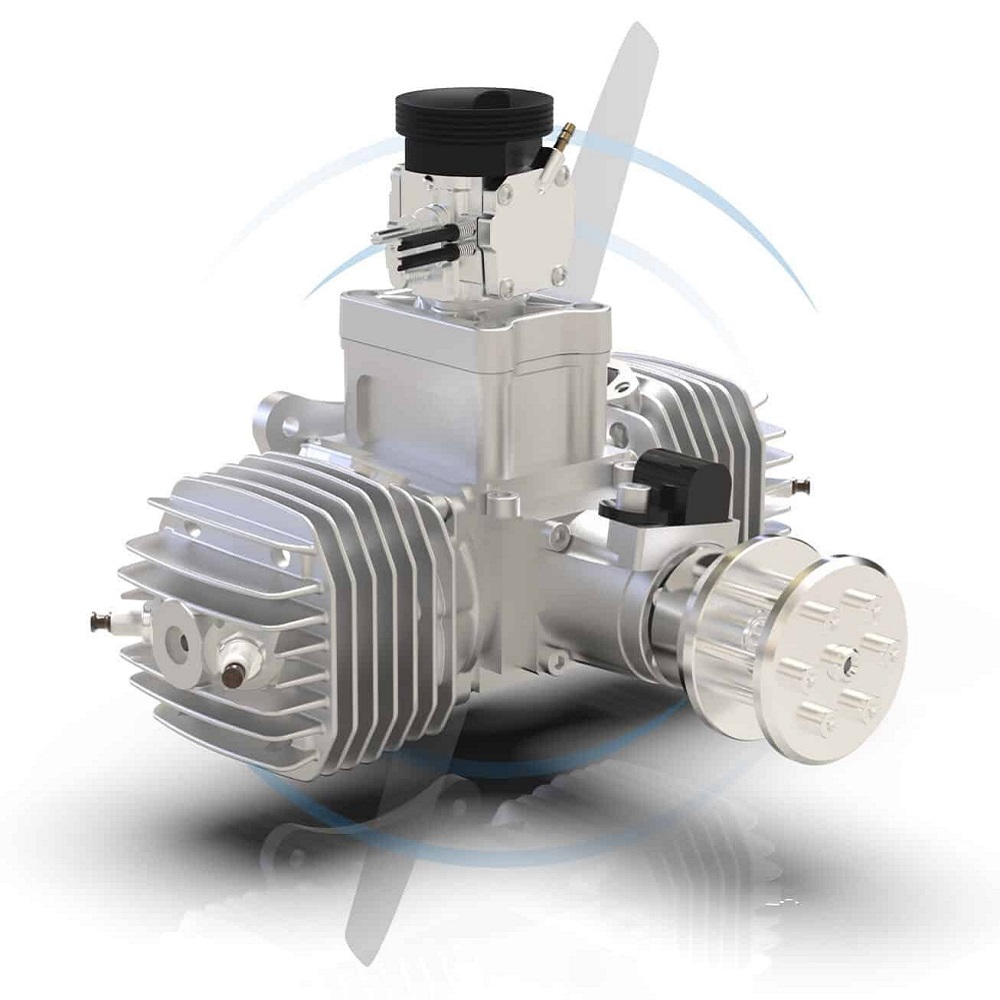
Differences Between Single and Multi-Cylinder Engines
Single cylinder engines have only one cylinder and piston. They are often used in smaller machines, like lawn mowers or chainsaws. While single cylinder engines are simple, they may lack smooth performance.
Multi-cylinder engines, including two cylinder engines, have more cylinders working together. Two cylinder engines provide a smoother operation compared to single cylinder engines. They are more powerful and suitable for larger applications.
In contrast, engines with more than two cylinders, like four or six cylinders, offer superior power and performance. However, they are more complex and take up more space.
Components of a Two Cylinder
A two cylinder engine contains several vital components. Each part plays a specific role in its operation. Understanding these components helps explain how the engine works effectively.
Key Internal Parts
The internal parts of a two cylinder engine include the following:
- Cylinders and Pistons:
- The engine has two cylinders, each housing a piston.
- Pistons move up and down inside the cylinders to create power.
- Valves:
- Intake and exhaust valves allow air-fuel mixture to enter and exit.
- They control the engine’s breathing process.
- Spark Plugs:
- Spark plugs ignite the air-fuel mixture.
- They create the combustion required to generate power.
- Connecting Rods:
- Connecting rods link the pistons to the crankshaft.
- They transfer the pistons’ motion to the crankshaft.
- Camshaft:
- The camshaft controls the opening and closing of the valves.
- It synchronizes with piston movement for smooth operation.
- Cooling and Lubrication System:
- The cooling system prevents overheating.
- The lubrication system reduces friction between moving parts.
Role of the Crankshaft and Pistons
The crankshaft and pistons are critical in a two cylinder engine:
- Pistons:
- Pistons perform a reciprocating motion inside the cylinders.
- This motion generates the force that drives the crankshaft.
- Crankshaft:
- The crankshaft converts the pistons’ reciprocating motion into rotational motion.
- It delivers this rotational power to the engine’s output system.
Together, the pistons and crankshaft are crucial for generating and transferring engine power efficiently. Their synchronized operation ensures smooth engine performance.
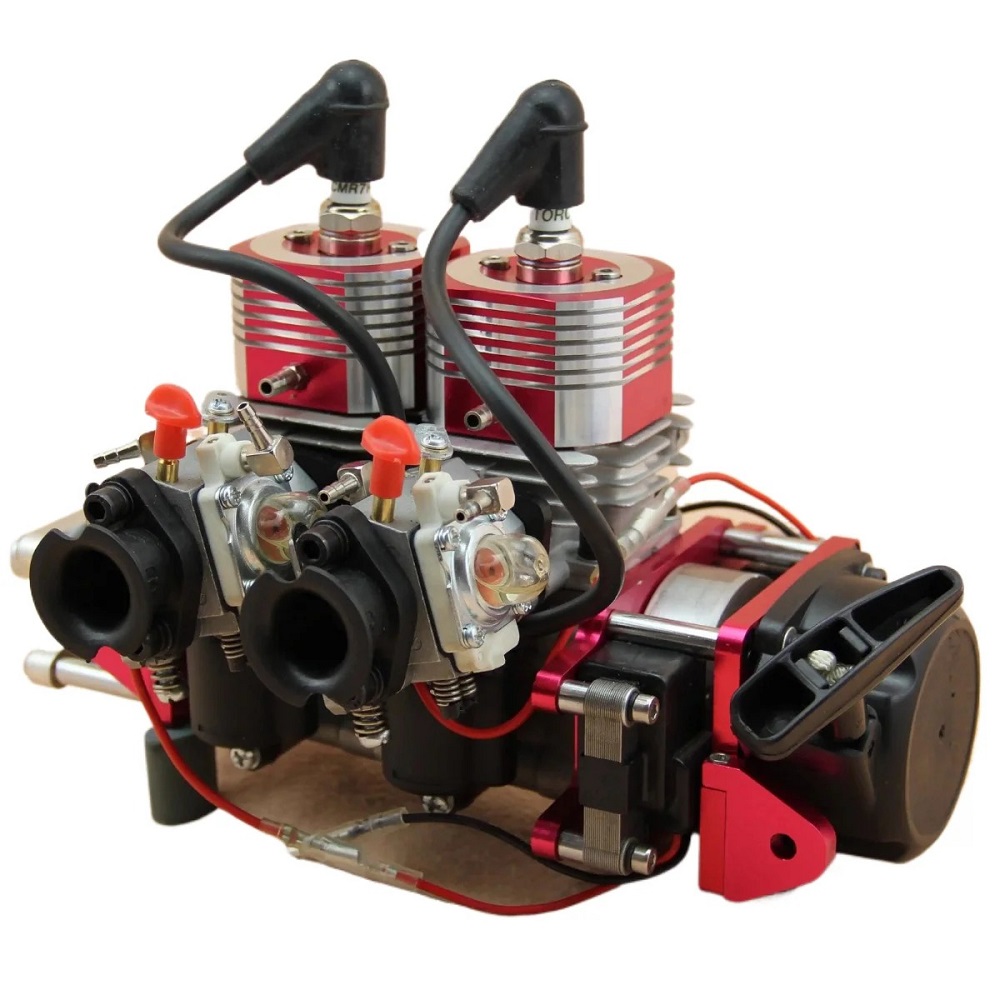
Working Mechanism of Two Cylinder
Understanding the working of two cylinder engine is crucial for appreciating their efficiency and performance. These engines operate through a series of well-coordinated processes that ensure seamless power generation.
Combustion Process in Two Cylinder Engines
The combustion process is the heart of a two cylinder engine. It begins when the air-fuel mixture enters the cylinders.
- Air-Fuel Mixture Entry:
- The intake valves open to allow the mixture inside.
- The air-fuel mixture is prepared by the carburetor or fuel injectors.
- Compression Phase:
- Pistons move upward to compress the air-fuel mixture tightly.
- Compression enhances the effectiveness of the combustion.
- Ignition:
- Spark plugs ignite the compressed mixture.
- This ignition results in a controlled explosion inside the cylinders.
- Power Stroke:
- The explosion pushes the pistons downward forcefully.
- This movement generates mechanical energy used by the engine.
- Exhaust Phase:
- Exhaust valves open to release the burnt gases.
- The engine prepares for the next cycle.
Power Generation and Distribution
The power created in the combustion process drives the engine’s operation effectively. The two cylinders work alternately to ensure smooth and continuous power generation.
Key Steps in Power Distribution:
- Pistons and Crankshaft Connection:
- Pistons transfer energy to the crankshaft.
- The crankshaft’s motion becomes rotational for use in the engine.
- Power Smoothing:
- Two cylinders fire alternately to reduce vibration.
- This results in steadier and smoother operation compared to single cylinder engines.
- Energy Transfer to Output Systems:
- The rotational motion reaches the gearbox or drive components.
- These systems utilize the power to operate the machine or vehicle.
In conclusion, two cylinder engines are efficient due to their synchronized combustion process and power distribution system. Their design balances simplicity and functionality, making them ideal for varied applications.
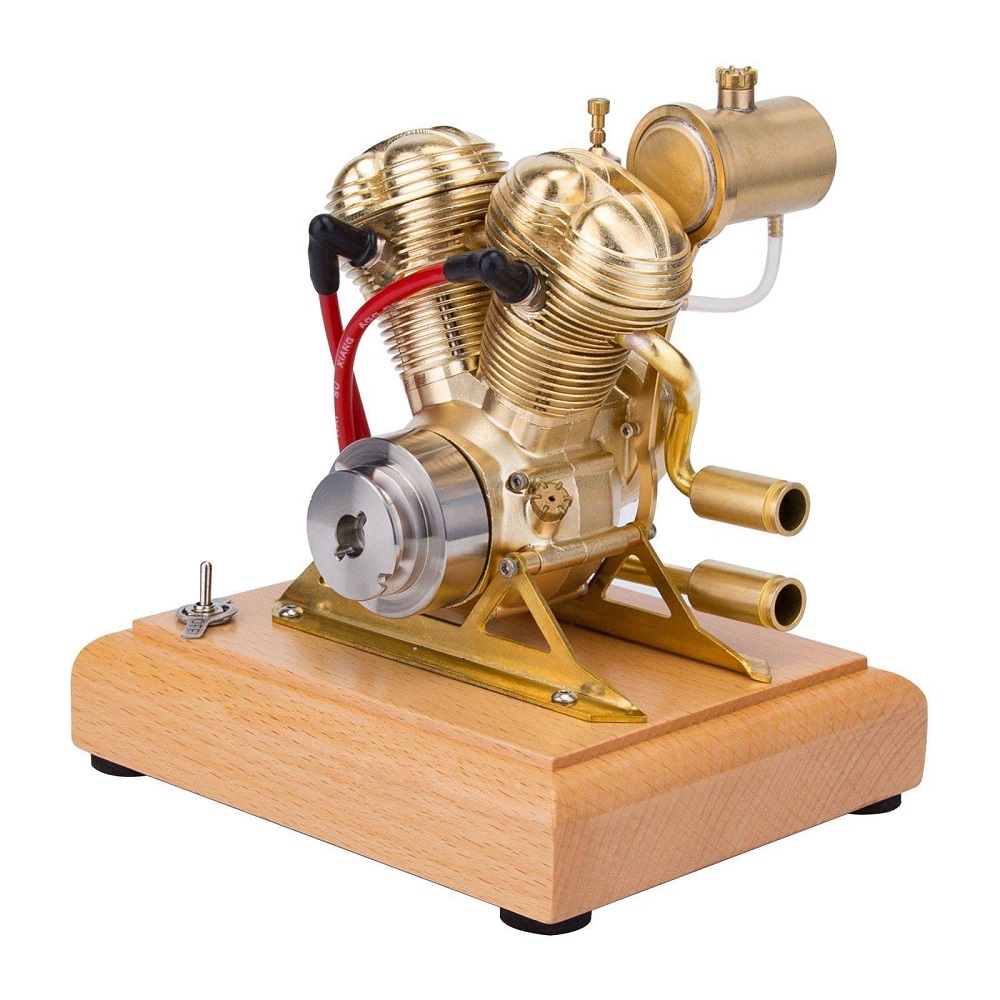
Advantages of Two Cylinder
Two cylinder engines come with several advantages that set them apart from other engine types. These benefits make them popular in various applications and contribute to their efficiency and reliability.
Compact Design and Efficiency
- Compact Structure:
- Two cylinder engines have a smaller size compared to multi-cylinder engines.
- Their design is lightweight, making them ideal for compact machinery.
- Space Saving:
- These engines occupy less space, allowing more room for other components.
- Their compactness makes them suitable for small vehicles and equipment.
- Fuel Efficiency:
- Two cylinder engines consume less fuel than larger engines.
- This fuel efficiency translates to lower running costs.
- Smooth Operation:
- The alternating firing of cylinders ensures balanced power delivery.
- It reduces vibrations, providing a smoother experience compared to single cylinder engines.
Cost and Maintenance Benefits
- Affordable Production Costs:
- Two cylinder engines require fewer components than multi-cylinder engines.
- This simplicity makes them more affordable to produce.
- Lower Maintenance Requirements:
- They are easier to maintain due to fewer parts.
- Simple design reduces the risk of complex breakdowns.
- Replacement Part Availability:
- Parts for two cylinder engines are more widely available.
- Replacement and repairs are quicker and more cost-effective.
- Durability and Reliability:
- Compact engines generally last longer with proper care.
- Their reliability is ideal for frequent use in smaller applications.
In summary, two cylinder engines combine compact design, efficiency, affordability, and ease of maintenance. These benefits make them a practical choice for a wide range of devices and machines.
Common Applications of Two Cylinder
Two cylinder engines are versatile and used widely in various machines. Their compact size and reliable performance make them ideal for different fields. Below are the most common applications of these engines.
Motorcycles and Scooters
- Motorcycles:
- Two cylinder engines are common in motorcycles.
- They provide a balance of power and efficiency, ideal for city and highway rides.
- The compact design fits perfectly into motorcycle frames.
- They offer smooth operation with reduced vibration compared to single-cylinder engines.
- Scooters:
- Scooters often use smaller two cylinder engines.
- These engines give enough power for urban commuting.
- They are fuel-efficient, cutting costs for daily rides.
- Lightweight engines make scooters easy to control and maneuver.
Lawn Equipment and Small Machinery
- Lawn Mowers:
- Two cylinder engines power many riding lawn mowers.
- They provide consistent and smooth power for cutting grass.
- The engines are durable and last long with proper maintenance.
- Chainsaws and Trimmers:
- Smaller two cylinder engines are used in chainsaws and trimmers.
- Their compact size and efficiency improve ease of use.
- They ensure reliability during long hours of operation.
- Portable Generators:
- Two cylinder engines power portable generators for electricity.
- These engines are compact and easy to transport.
- They deliver enough power for household or outdoor work.
- Other Machinery:
- Used in small tractors and construction equipment.
- Ideal for tasks that need moderate power in compact machines.
The versatility of two cylinder engines makes them essential in both vehicles and tools. Their blend of power, compactness, and efficiency ensures they remain a popular choice for various applications.
Challenges with Two Cylinder
Two cylinder engines are efficient, but they do have limitations. Users may encounter specific challenges when using these engines. Understanding these can help in making informed choices.
Limitations in Power Output
- Lower Power Compared to Larger Engines:
- Two cylinder engines generate less power than multi-cylinder options.
- This makes them unsuitable for high-performance or heavy-duty machines.
- Restricted Applications:
- Their limited power output reduces their capability for large-scale or industrial uses.
- They are more suitable for small to medium applications.
- Compromised Speed:
- Certain vehicles with two cylinder engines may lack top-end speed.
- This constraint can affect vehicle performance on highways.
Vibration and Stability Issues
- More Vibration than Multi-Cylinder Engines:
- Two cylinder engines vibrate more compared to engines with higher cylinder counts.
- This is because there are fewer firing events per revolution.
- Impact on Ride Comfort:
- Increased vibrations can make rides less comfortable for drivers and passengers.
- For machinery, it may reduce precision or cause user fatigue.
- Potential Wear and Tear:
- Vibration can lead to faster wear on joints, seals, and other engine components.
- This may increase the need for maintenance over time.
Despite these challenges, two cylinder engines remain popular for their compact design and affordability. Manufacturers continuously work on innovations to minimize these limitations and enhance their performance.
Innovations in Two Cylinder Technology
Two cylinder engines have evolved significantly with technological advancements. These innovations have improved their performance, efficiency, and environmental impact.
Modern Enhancements and Modifications
- Improved Fuel Injection Systems:
- New fuel injectors provide better accuracy and efficiency.
- They enhance combustion and reduce fuel consumption.
- Advanced Cooling Systems:
- Enhanced cooling methods prevent engine overheating.
- Compact radiators and liquid cooling increase reliability.
- Enhanced Ignition Technology:
- Modern spark plugs provide faster and stable ignitions.
- They increase power output and performance consistency.
- Lightweight Materials:
- Aluminum and composite materials reduce engine weight.
- This improves efficiency and portability.
- Digital Monitoring Systems:
- Sensors monitor engine performance in real time.
- Digital systems alert users to maintenance needs.
- Noise and Vibration Reduction:
- Better damping mechanisms reduce engine vibrations.
- This ensures smoother operation and user comfort.
Sustainability and Environmental Considerations
- Lower Emissions:
- Innovations limit emissions through cleaner combustion processes.
- These systems comply with stricter environmental regulations.
- Hybrid Integration:
- Some two cylinder engines integrate hybrid technology.
- Electric components reduce fuel dependency and emissions.
- Biofuel Compatibility:
- Modifications allow the use of biofuels.
- This makes the engines eco-friendlier and versatile.
- Recyclable Components:
- Manufacturers use recyclable and sustainable materials.
- This minimizes environmental impact during production.
- Improved Energy Efficiency:
- Power optimization reduces energy waste.
- These engines achieve better performance with less fuel.
Innovations like these ensure that two cylinder engines keep up with modern demands and sustainability goals. Future developments will likely focus further on environmental impact and efficiency.
Community Engagement and Riding Events
Joining Riding Groups
Becoming part of riding communities can enrich your experience as a motorcycle enthusiast. Many towns host riding clubs specifically for different types of bikes, including those with two cylinder engines. Joining these groups encourages camaraderie among fellow riders who share similar interests. Regular group rides can provide valuable insights, enhance your skills, and offer an exhilarating social experience, all while enjoying the open road.
Attending Motorcycle Shows and Rallies
Participating in motorcycle shows and rallies is another way to immerse yourself in the motorcycle culture. These events offer opportunities to see a wide array of bikes, including the latest models and custom builds. They often include workshops, demonstrations, and exhibits that focus on safety, maintenance, and performance modifications. Engaging with experts and other enthusiasts at these events is a great way to learn and build lasting connections within the motorcycle community.
The Joy of Discovering New Destinations
Exploring on Two Wheels
Owning a motorcycle with a two cylinder engine opens up opportunities to explore new destinations. The thrill of the ride allows you to discover stunning landscapes, winding roads, and hidden gems that are often missed in cars. Whether you’re riding through mountains, along coastal highways, or through picturesque towns, each journey is filled with adventure. Riding encourages you to connect with the world around you in a way that few other activities can.
Planning Road Trips
Planning motorcycle road trips can be one of the most rewarding experiences for riders. With a two-cylinder motorcycle, you can pack light and hit the road with ease. Consider creating a checklist of destinations, stops, and accommodations for your journey. Engaging in long rides not only cultivates a love for adventure but also allows for personal growth. Each trip creates memories that can last a lifetime, all forged through the thrill of the ride.
In conclusion, a two cylinder motorcycle is more than just a means of transportation; it embodies freedom, adventure, and a community of passionate riders. The advantages this type of engine offers, coupled with the ability to customize and connect with fellow enthusiasts, makes it a unique choice for motorcycling enthusiasts. By embracing this remarkable machine, riders can explore new horizons while highlighting their individual style and passion for the open road. Enjoy the ride!
Leave a Reply