What is a Twin Cylinder Engine?
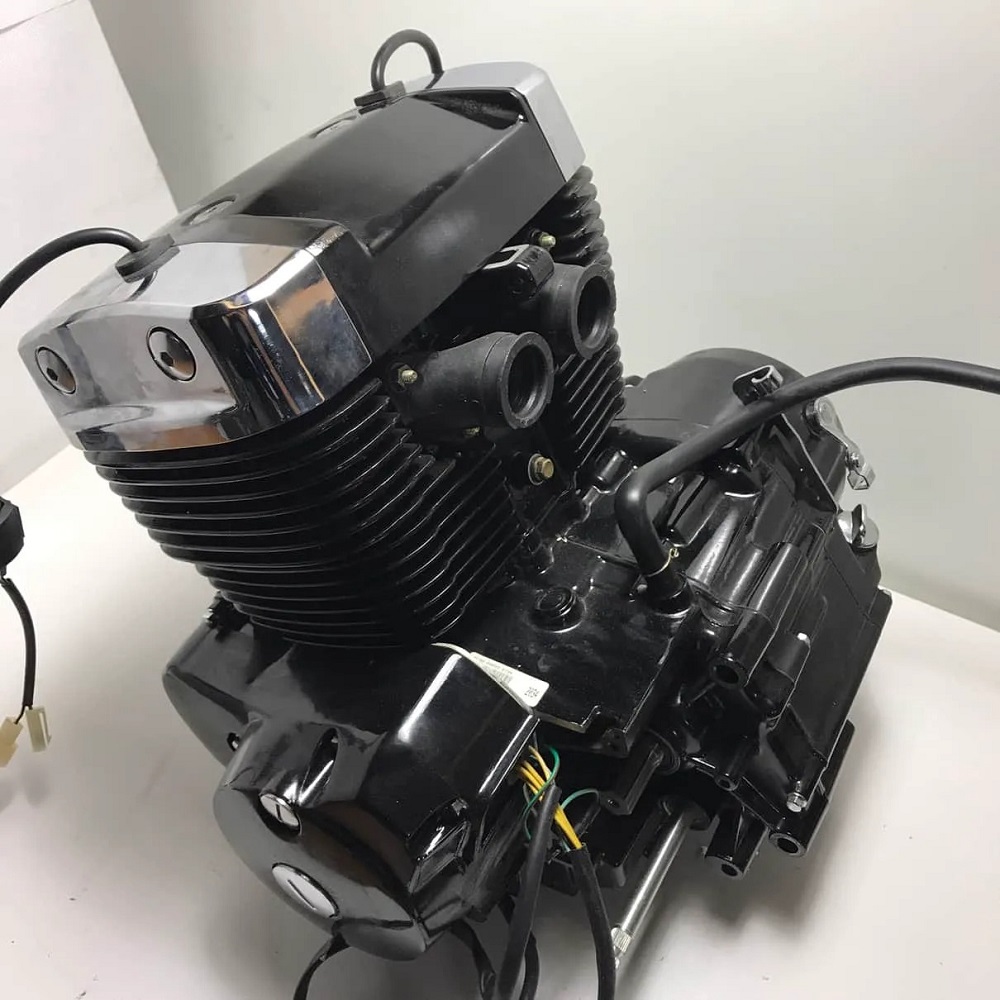
A twin cylinder engine is a type of internal combustion engine. It has two cylinders that work together to generate power. These cylinders are a fundamental part of the engine, housing the piston and facilitating combustion.
In a twin cylinder engine, the cylinders can be arranged in different configurations. Some common types include parallel twin, V-twin, and flat twin engines. Each arrangement affects the engine’s performance, power output, and compactness.
The two cylinders in the engine fire in a sequence. This ensures smoother power delivery compared to single cylinder engines. Twin cylinder engines are often used in motorcycles, small cars, and light machinery.
This engine type is favored for its balance and efficiency. It provides better power-to-weight ratio compared to single cylinder designs. Twin cylinder engines are also known for their distinctive sound. This contributes to their popularity in motorcycles and performance-oriented vehicles.
How Twin Cylinder Engines Work
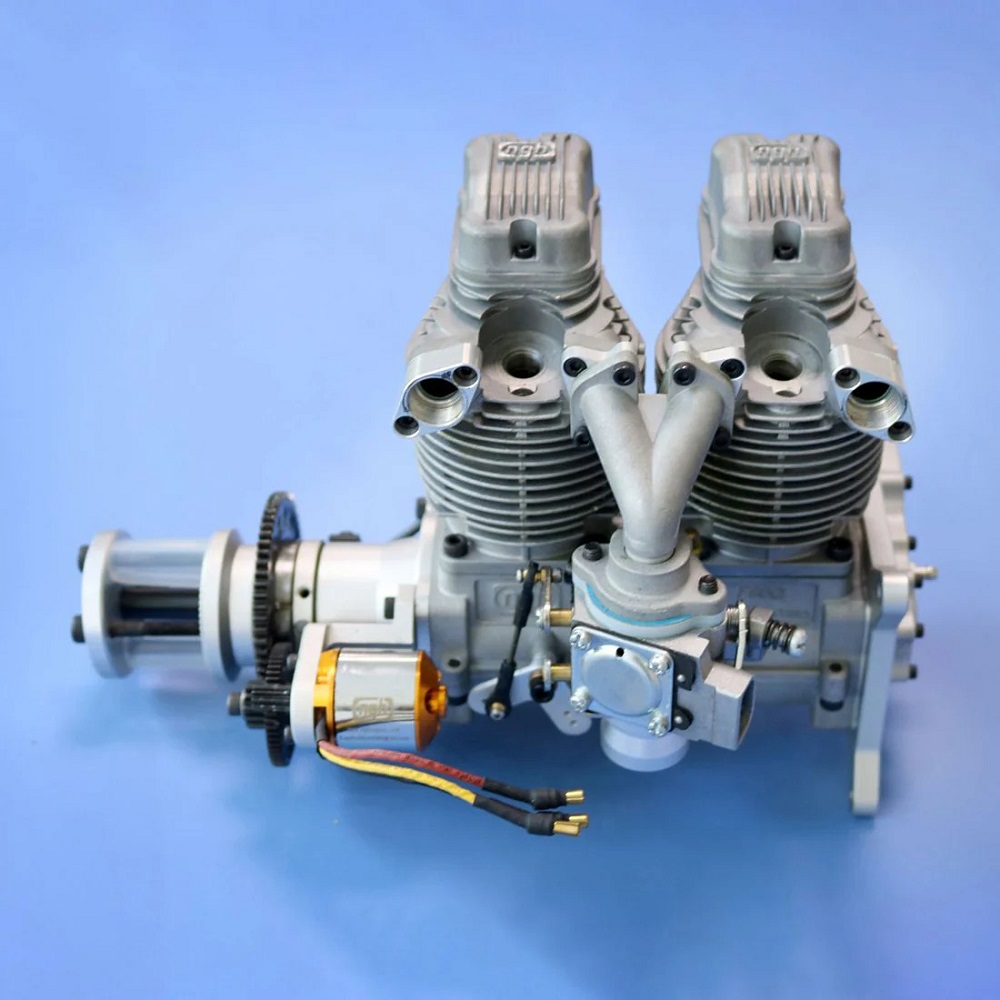
A twin cylinder engine operates by burning fuel in its two cylinders. The combustion process turns fuel into energy. This energy moves the pistons inside the cylinders. The pistons’ movement generates the kinetic energy required for the vehicle to run.
The two cylinders in the engine work together in a specific firing order. One piston moves up while the other moves down, ensuring smooth operation. This alternating motion helps reduce vibration and provides balanced power delivery.
Combustion Cycle in Twin Cylinder Engines
The engine follows a four-stroke combustion cycle. The cycle includes:
- Intake Stroke: Air and fuel enter the cylinders as the pistons move down.
- Compression Stroke: The pistons move up, compressing the air-fuel mixture.
- Power Stroke: The spark plug ignites the mixture, pushing the pistons down.
- Exhaust Stroke: Waste gases exit as the pistons move up again.
This cycle repeats rapidly, producing the engine’s power. The synchronization of both cylinders ensures better power delivery and efficiency.
Configuration and Firing Order
The arrangement of the cylinders affects how the engine works. The common configurations include:
- Parallel Twin: Cylinders sit side by side and share a crankshaft.
- V-Twin: Cylinders are placed in a “V” shape.
- Flat Twin: Cylinders lie flat, each opposite the other.
The firing order varies depending on the configuration. This contributes to the smoothness and distinctive sound of the engine. Understanding how twin cylinder engines work highlights their efficiency and popularity across various applications.
Key Components of Twin Cylinder
Twin cylinder engines consist of several key components that enable smooth and efficient operation. Understanding these parts is essential to grasp how these engines work.
Cylinders
The cylinders are the core of the engine. They house the pistons, where fuel combustion occurs. In twin cylinder engines, there are two cylinders, which are either parallel, V-shaped, or flat depending on the design.
Pistons
The pistons are crucial components that move up and down inside the cylinders. This movement converts the energy from combustion into mechanical power. In twin cylinder engines, two pistons work in coordination for balanced and smooth power delivery.
Crankshaft
The crankshaft connects to the pistons via connecting rods. It transforms the pistons’ linear motion into rotational motion to drive the wheels or machinery. Proper crankshaft balance ensures reduced vibrations in twin cylinder engines.
Spark Plugs
Spark plugs ignite the air-fuel mixture inside the cylinders. This ignition initiates the combustion process. Twin cylinder engines require two spark plugs, one for each cylinder, ensuring consistent and efficient combustion.
Valves
Intake and exhaust valves manage the flow of air, fuel, and waste gases in the cylinders. The intake valves let air and fuel enter during the intake stroke, while exhaust valves allow waste gases to exit during the exhaust stroke.
Cooling System
Twin cylinder engines feature cooling systems to regulate engine temperature. These systems may use air or liquid cooling. Maintaining optimal temperatures prevents overheating and ensures engine durability.
Lubrication System
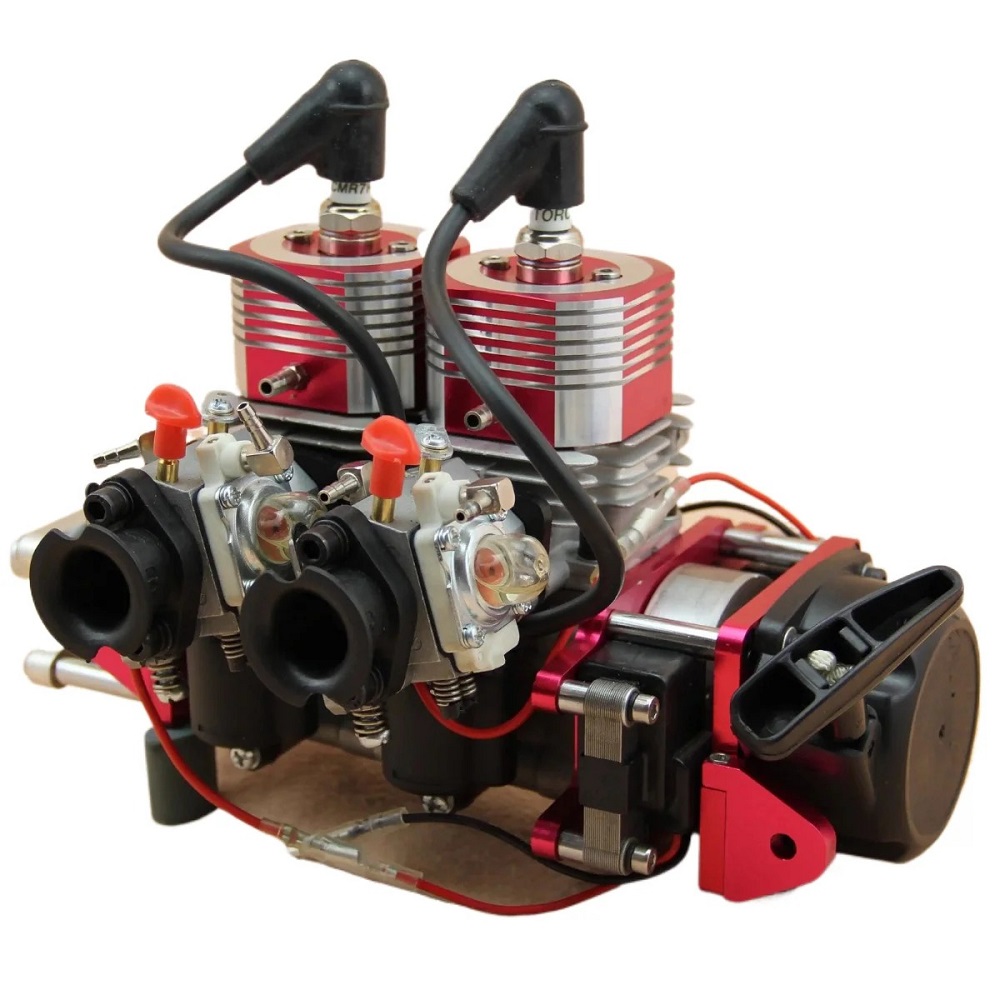
The lubrication system minimizes friction between moving parts. It helps protect components like pistons, crankshaft, and valves. Proper lubrication is vital for the engine’s performance and longevity.
Timing Mechanism
The timing mechanism coordinates the opening and closing of valves and the firing of spark plugs. Accurate timing ensures efficient combustion and smooth operation.
Fuel Injection/Carburetor
The fuel injection system or carburetor delivers the right mix of air and fuel to the cylinders. Twin cylinder engines rely on precise fuel delivery for optimal performance.
These components form the backbone of twin cylinder engines. Together, they ensure these engines operate effectively and provide reliable power across various applications.
Advantages of Twin Cylinder
Twin cylinder engines offer several benefits that make them stand out. These advantages contribute to their popularity in motorcycles, cars, and machinery.
Smooth Power Delivery
With two cylinders firing alternately, twin cylinder engines provide smooth and consistent power. This reduces vibrations and ensures a comfortable ride.
Better Power-to-Weight Ratio
Twin cylinder engines deliver more power without being too heavy. Their compact size enhances vehicle performance and efficiency.
Enhanced Efficiency
These engines use fuel more effectively compared to single cylinder designs. The two cylinders work together for improved combustion.
Distinctive Sound
Twin cylinder engines produce a unique and appealing sound. This sound quality is cherished by motorcycle enthusiasts and car lovers.
Versatility Across Applications
Their balance, power, and compactness make them suitable for various applications. They are ideal for motorcycles, small cars, and light equipment.
Reduced Vibration
The dual-cylinder setup ensures stable engine operation. This reduces the strain on components and enhances durability.
Increased Longevity
The balanced operation reduces wear and tear on engine parts. This extends the engine’s lifespan.
Performance in Compact Designs
These engines fit well in smaller vehicles while providing impressive power. This makes them practical for tight spaces.
Twin cylinder engines combine smoothness, efficiency, and reliability. These qualities make them a preferred choice in numerous industries.
Common Applications of Twin Cylinder
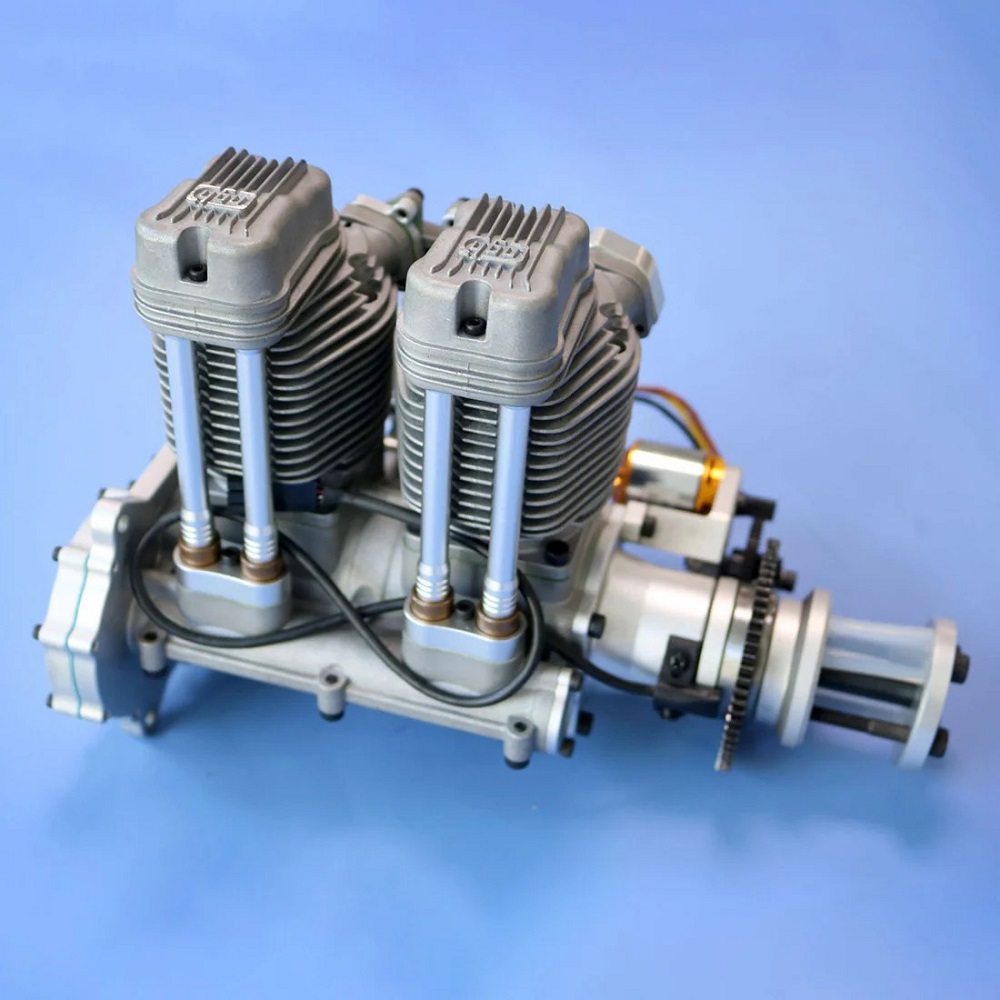
Twin cylinder engines are versatile and serve various industries due to their efficiency and compact design. Their balanced operation, smooth power delivery, and superior performance make them suitable for diverse applications. Here are some of the common usages of twin cylinder engines:
Motorcycles
Motorcycles are one of the most popular applications for twin cylinder engines. These engines provide smoother performance, better power delivery, and an appealing sound. They are widely used in touring bikes, sports bikes, and cruisers. Their lightweight design improves maneuverability, making them a favorite among riders.
Small Cars
Twin cylinder engines are often used in compact cars. They offer an excellent power-to-weight ratio and fuel efficiency. This makes them ideal for city driving and small vehicles. Their design fits well into limited engine spaces, without compromising performance or efficiency.
Light Machinery
Twin cylinder engines power many light machinery applications. They are commonly used in lawn mowers, small tractors, and portable generators. Their ability to deliver consistent power makes them a reliable choice for such equipment.
ATVs and Utility Vehicles
All-terrain vehicles (ATVs) benefit from the durability and power of twin cylinder engines. They are ideal for rough terrain and heavy-duty utility tasks. The reduced vibration and steady power output ensure comfort and durability.
Marine Engines
Some smaller boats utilize twin cylinder engines for propulsion. They provide sufficient power for recreational boating and small-scale fishing. The efficiency of these engines ensures an exciting yet economical experience on the water.
Agricultural Equipment
Twin cylinder engines are prevalent in farming tools like tillers, pumps, and small harvesters. They offer durability and efficiency, suited for heavy use in agricultural environments.
Snowmobiles
These engines also power snowmobiles for winter sports and utility purposes. Their compact design and performance allow users to navigate snowy terrain effectively.
In summary, twin cylinder engines bring power and versatility to a range of applications. From recreational vehicles to essential machinery, their advantages make them a reliable choice for numerous industries.
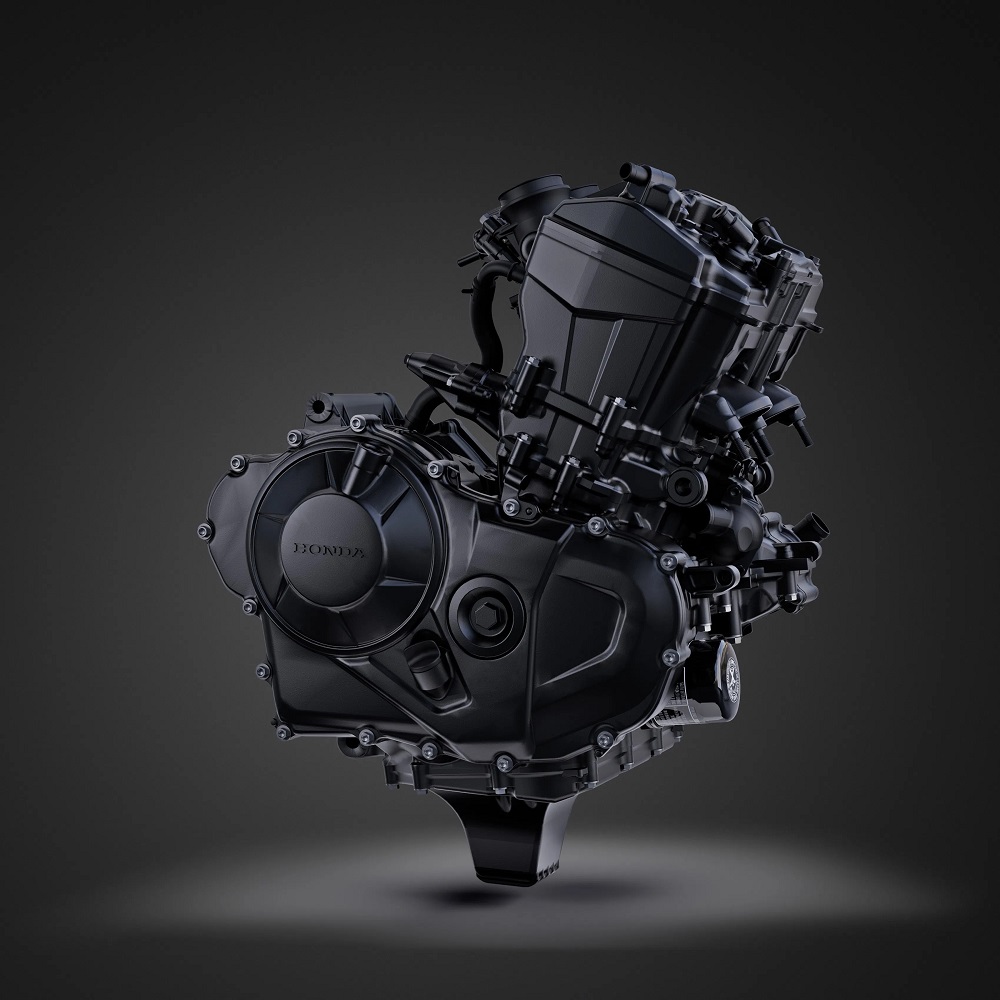
Comparison Between Single and Twin Cylinder
When comparing single and twin cylinder engines, each type has its unique advantages and disadvantages. These differences influence performance, efficiency, and application. Here’s a clear breakdown of how these two engine types compare:
Power Output
- Twin Cylinder Engine: Produces more power as it combines the output of two cylinders.
- Single Cylinder Engine: Generates less power, suitable for low-demand applications like smaller motorcycles or tools.
Smoothness
- Twin Cylinder Engine: Offers smoother operation due to its balanced firing order.
- Single Cylinder Engine: Experiences more vibrations due to just one cylinder firing, leading to less smooth operation.
Maintenance Requirements
- Twin Cylinder Engine: Requires more maintenance as it has additional components like a second cylinder.
- Single Cylinder Engine: Easier and cheaper to maintain, given its simpler design.
Weight and Size
- Twin Cylinder Engine: Heavier and bulkier, often used in larger vehicles.
- Single Cylinder Engine: Lightweight and compact, ideal for space-restricted designs.
Fuel Efficiency
- Twin Cylinder Engine: Efficient combustion results in better performance but consumes slightly more fuel.
- Single Cylinder Engine: Offers higher fuel efficiency due to lower fuel demand.
Cost
- Twin Cylinder Engine: More expensive to produce and repair due to added components.
- Single Cylinder Engine: Less costly to manufacture and maintain.
Applications
- Twin Cylinder Engine: Used in motorcycles, small cars, light machinery, and performance vehicles.
- Single Cylinder Engine: Found in scooters, smaller bikes, lawnmowers, and low-power equipment.
Both engine types have their strengths and limitations. Choose based on specific requirements and applications. Twin cylinder engines suit a need for power and smoothness, whereas single cylinders are compact and cost-efficient options.
Maintenance Tips for Twin Cylinder
Maintaining a twin cylinder engine is crucial for performance and longevity. Regular upkeep ensures optimal operation.
- Change Oil Frequently:
- Replace engine oil as per manufacturer recommendations.
- Use high-quality oil for better lubrication.
- Clean oil reduces friction and prevents wear.
- Check and Replace Spark Plugs:
- Inspect spark plugs for signs of wear or deposits.
- Replace old spark plugs to maintain consistent ignition.
- Clean Air Filters:
- Regularly clean or replace air filters.
- Dirty filters reduce airflow and engine efficiency.
- Inspect Cooling System:
- Ensure proper functioning of air or liquid cooling systems.
- Check for leaks and clean radiators or fins.
- Align Timing Mechanism:
- Verify the timing of valves and spark plug signals.
- Incorrect timing can hamper combustion and performance.
- Lubricate Moving Parts:
- Use suitable lubricants for pistons, crankshaft, and valves.
- Proper lubrication avoids excessive wear on critical components.
- Inspect Fuel System:
- Clean fuel injectors or carburetors regularly.
- Ensure the air-fuel mix is optimal for combustion.
- Tighten Belts and Bolts:
- Check belts, bolts, and fasteners for looseness.
- Loose parts may cause noise and affect operation.
- Monitor Engine Temperature:
- Avoid overheating by maintaining cooling systems.
- Overheating can cause severe damage to engine parts.
- Conduct Regular Inspections:
- Schedule routine maintenance checks with professionals.
- Identify potential issues early to avoid costly repairs.
Regular maintenance prevents engine breakdowns and ensures efficiency. A well-maintained twin cylinder engine performs reliably and lasts longer.
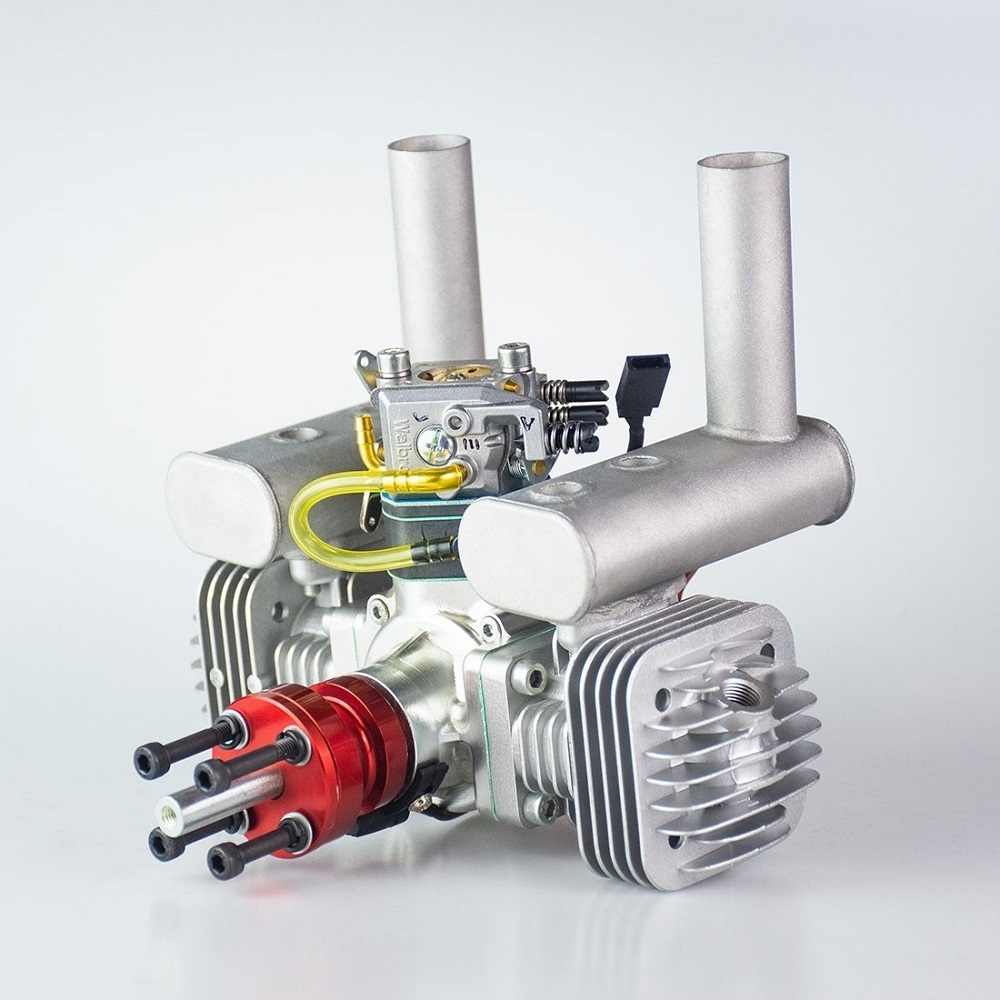
Popular Models and Brands Featuring Twin Cylinder
Twin cylinder engines are a feature of many renowned brands, especially in the motorcycle and automotive industry. Here are some popular models and brands that prominently use twin cylinder engines:
Harley-Davidson
Harley-Davidson is iconic for its V-twin engines.
- Sportster Series: Known for its powerful performance and reliability.
- Softail Range: Offers classic designs paired with modern V-twin technology.
Yamaha
Yamaha offers several models with twin cylinder engines, focusing on high performance and efficiency.
- MT Series: The MT-07 and MT-09 are known for their responsiveness and power.
- Tenere 700: A popular adventure bike equipped with a reliable twin cylinder engine.
Ducati
Ducati is celebrated for its high-performance motorcycles, many of which feature twin cylinder engines.
- Panigale V2: A superbike equipped with a 955cc twin cylinder engine.
- Scrambler Series: Combines retro styling with modern twin cylinder engine performance.
Kawasaki
Kawasaki is renowned for combining durability and innovation in its twin cylinder motorcycles.
- Ninja 400 and Ninja 650: Popular models for sportbike enthusiasts.
- Versys Series: Designed for both touring and adventure with twin cylinder engines.
BMW Motorrad
BMW emphasizes performance and engineering excellence in their twin cylinder motorcycle models.
- R1250GS: A premium adventure bike with a boxer twin cylinder engine.
- F 850 GS Adventure: Perfect for rugged, off-road riding with a robust parallel twin engine.
Royal Enfield
Royal Enfield has embraced twin cylinder engines in its modern lineup.
- Interceptor 650: A retro-styled roadster with a smooth-twin cylinder engine.
- Continental GT 650: Features a sporty design paired with powerful twin cylinder performance.
Honda
Honda excels at creating reliable motorcycles powered by twin cylinder engines.
- Rebel 500: A cruiser that balances classic design and efficiency.
- Africa Twin: A dual-sport motorcycle designed for adventure bikers.
Other Noteworthy Brands
- Indian Motorcycles: Known for V-twin engines in models like the Indian Scout.
- Suzuki: Offers the SV650, a well-respected model with twin cylinder power.
- KTM: Famous for the 790 Duke and 890 Adventure motorcycles.
These models showcase the versatility and efficiency of twin cylinder engines in various applications. Regardless of your need, whether for cruising, adventure, or high-speed thrills, a twin cylinder engine often stands among the top choices for its performance and reliability.
Leave a Reply