What Does the Battery Light Indicate?
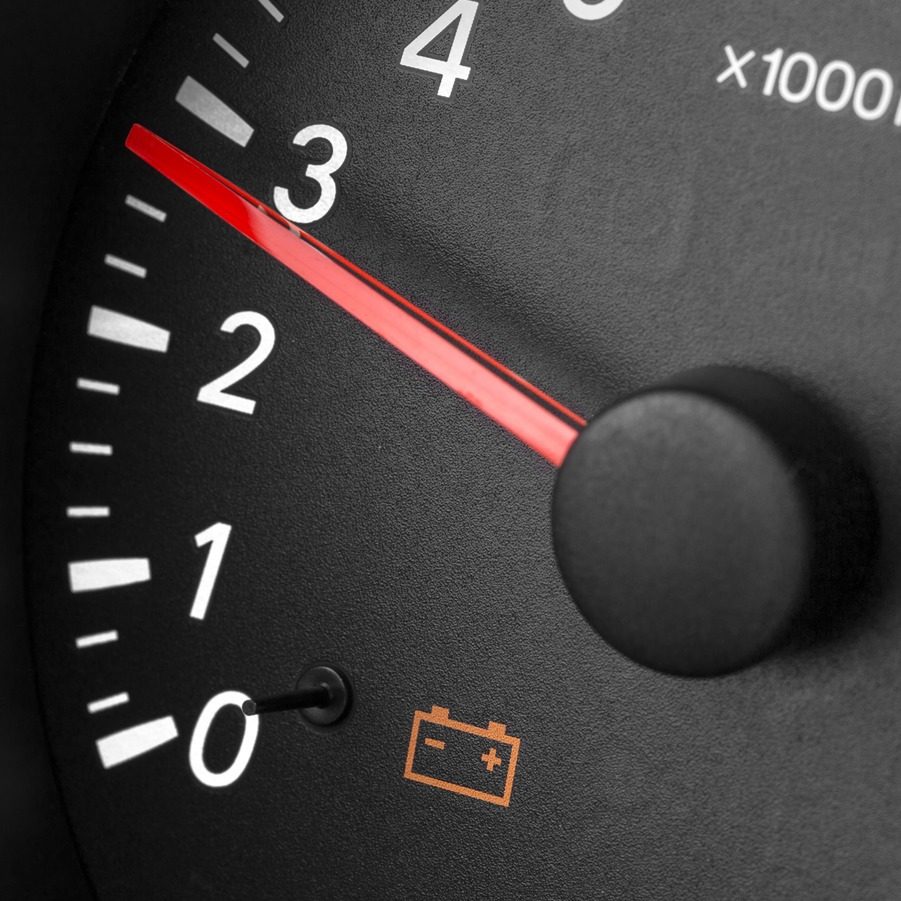
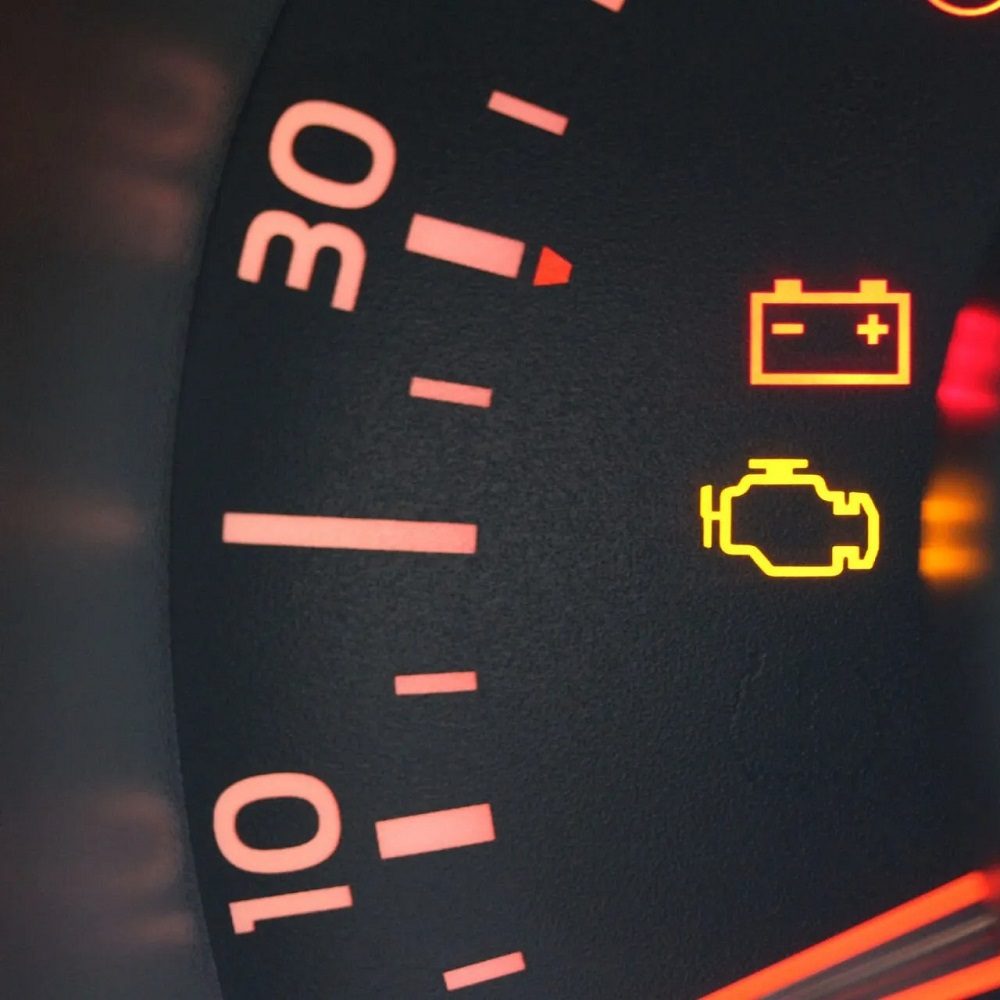
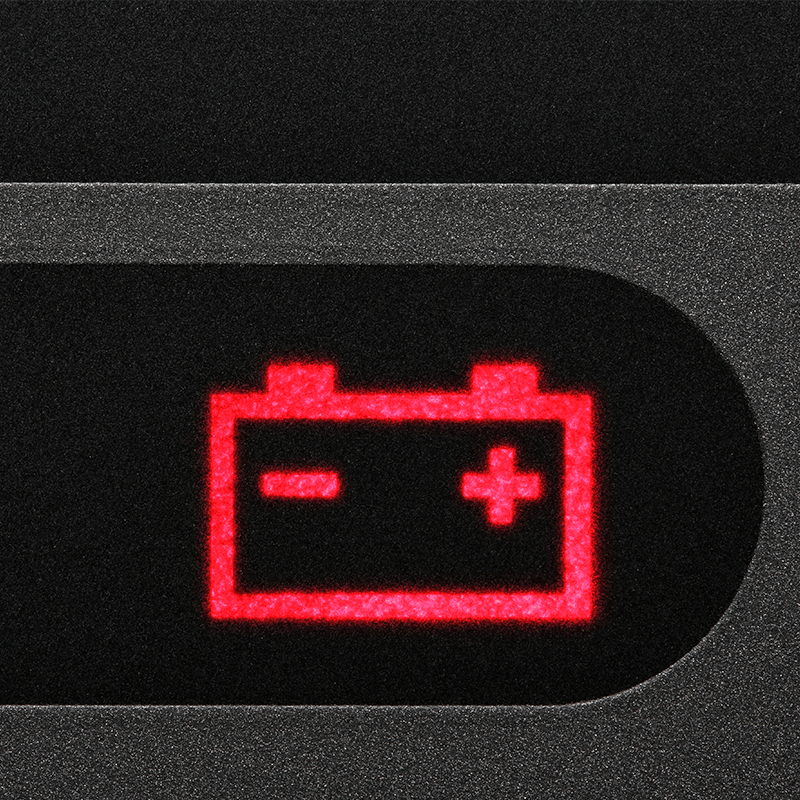
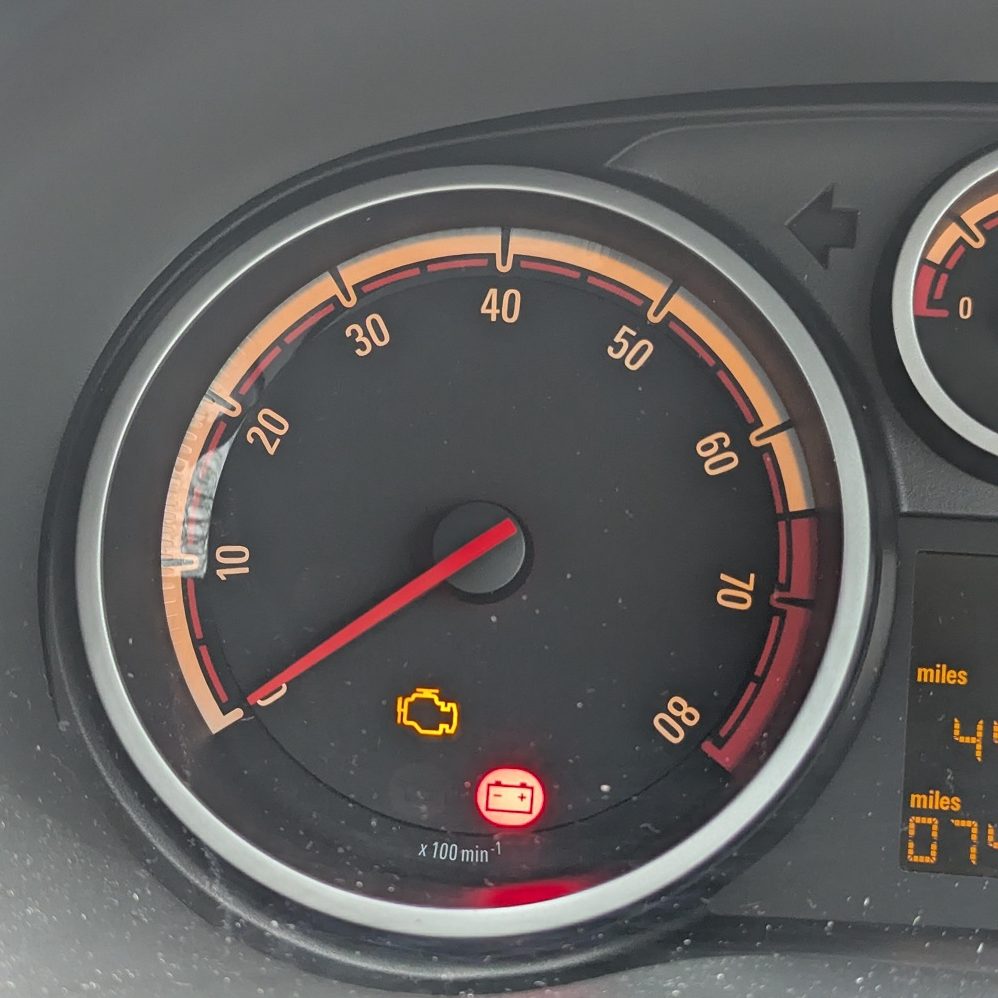
When the battery light turns on in your car, it serves as a warning signal. This light alerts you to a potential issue with your vehicle’s charging system. It does not always mean that the battery itself is faulty. Instead, it indicates that the car’s electrical system is not operating as it should.
The light illuminates when there is a problem preventing the battery from charging properly. If left unchecked, this problem could lead to a drained battery. Eventually, this may result in your car not starting or stopping while you drive. Paying attention to this light can help you avoid breakdowns.
Common Causes for the Light Turning On
Several common issues can cause the battery light to turn on. Here are the most frequent reasons:
- Failing Alternator: The alternator keeps the battery charged while the engine is running. If it fails, the battery will not recharge.
- Weak or Dead Battery: A worn-out or malfunctioning battery can trigger the light as it struggles to hold a charge.
- Loose or Corroded Connections: Poor connections or corrosion at the battery terminals or cables can interrupt the flow of power.
- Belt Problems: The alternator belt, which drives the alternator, may be loose, broken, or worn out. This can lead to a lack of charging.
- Faulty Alternator Components: Internal components of the alternator, such as diodes, could fail and cause the light to activate.
- Bad Voltage Regulator: The voltage regulator manages electrical output. Malfunctions can result in too much or too little power being delivered.
These are the most likely culprits when the battery light comes on. Diagnosing and fixing the issue quickly is essential to avoid further complications.
How to Diagnose a Battery Light Issue
When your car’s battery light turns on, diagnosing the problem becomes a top priority. Identifying the root cause early can prevent further damage and save you money. In this section, we’ll walk through the tools you may need and step-by-step guidance for diagnosing the issue.
Tools You May Need
To diagnose why the battery light is on in your car, you’ll need some basic tools and equipment:
- Multimeter: Measures voltage and checks the battery’s and alternator’s health.
- Battery Tester: Specifically designed to measure battery charge and capacity.
- Wrench or Socket Set: Used to check and tighten battery connections.
- Gloves and Safety Gear: Protects your hands and eyes while working with electrical components.
- Flashlight: Helps you inspect hard-to-reach areas and the alternator belt.
- Clean Cloth and Baking Soda: Useful for cleaning corroded battery terminals.
Having these tools on hand will make the process smoother and save time.
Step-by-Step Guide for Diagnosis
Follow these steps to diagnose the issue causing the battery light on in car to activate:
- Inspect the Battery Light: Check if the light stays on after starting the car. This indicates a charging issue.
- Turn Off Accessories: Switch off accessories like lights and the radio to reduce battery strain.
- Check Battery Terminals: Look for loose connections, corrosion, or buildup on battery terminals. Clean them if necessary.
- Test Battery Voltage: Use a multimeter to check the battery voltage. A healthy battery should read around 12.6 volts when off and 13.7 to 14.7 volts when the engine is running.
- Inspect the Alternator Belt: Look for wear, tear, or looseness on the alternator belt. A damaged belt can prevent proper battery charging.
- Test the Alternator: Use a multimeter to measure alternator output. A faulty alternator may show a reading below 13 volts or higher than 15 volts.
- Examine the Voltage Regulator: If the alternator reading is abnormal, the voltage regulator may not be functioning properly.
- Listen for Sounds: Strange noises from the alternator or belt could indicate mechanical issues.
- Check Fuses and Wiring: Inspect all relevant fuses and wiring for issues that could disrupt the power flow.
By following these steps, you should identify the cause of the battery light on in car issue. If the problem persists, consider seeking professional help to avoid further complications.
Common Reasons for Battery Light Activation
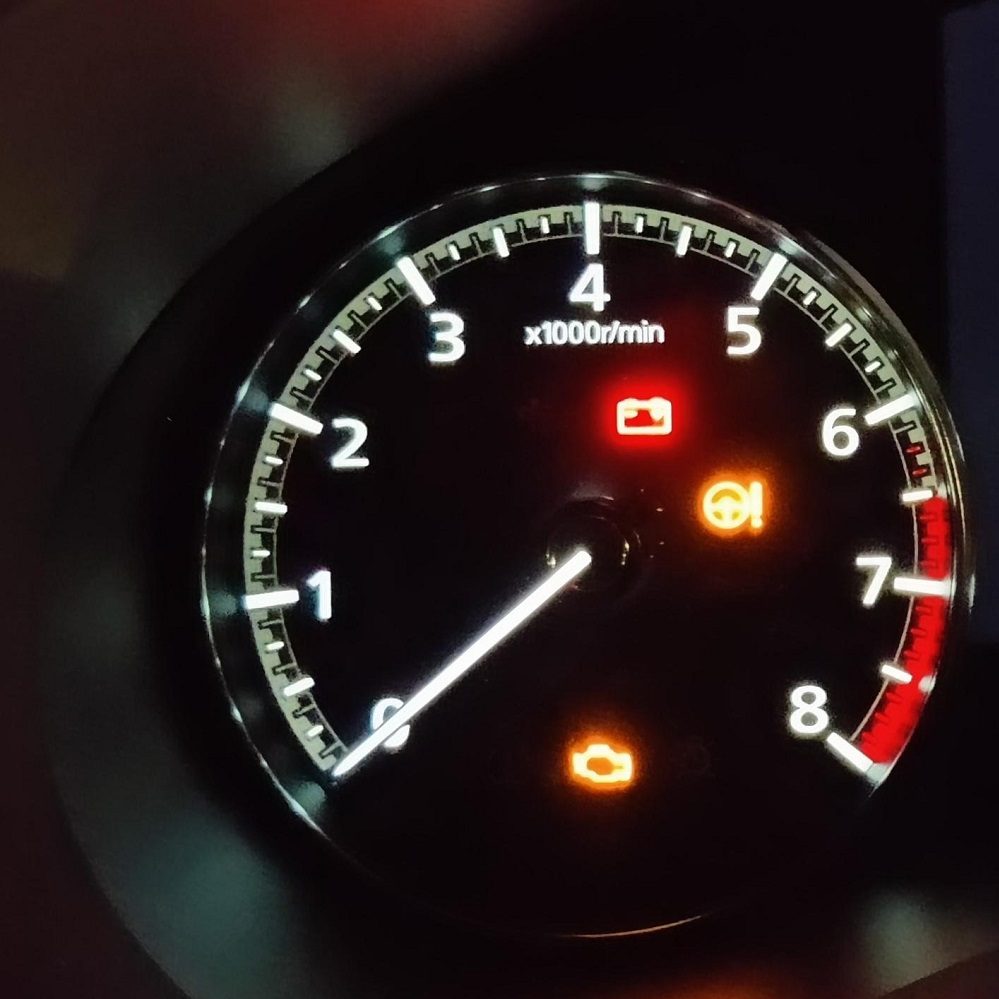
The battery light on your car’s dashboard is more than just a warning light. It signals issues with your vehicle’s electrical system or charging components. Ignoring the light could lead to a drained battery and more serious complications. Below are some common reasons why this light might illuminate:
Battery Issues
One major reason for the battery light turning on is a problem with the battery itself. Here are potential issues related to the battery:
- Weak Battery: Over time, batteries lose their ability to hold a charge. A weak or failing battery can trigger the light.
- Dead Battery: A completely drained battery will not provide the power your car needs, causing the warning light to activate.
- Damaged Battery: Physical damage or internal issues within the battery can disrupt its performance.
Keeping your battery in good condition helps avoid such problems. Regular checks and maintenance are essential.
Alternator Problems
The alternator is a crucial part of your car’s charging system. It charges your battery and powers electrical components when the engine is running. Common alternator issues include:
- Alternator Failure: If the alternator fails, the battery won’t recharge properly, causing the light to activate.
- Faulty Diodes: Internal diodes within the alternator might fail, disrupting the power flow.
- Bad Voltage Regulator: The voltage regulator controls the amount of electrical charge. Malfunctions can result in overcharging or undercharging.
Regular inspection of the alternator and its parts can help avoid these issues.
Loose or Corroded Connections
Good electrical connections are essential for the charging system to work properly. Problems with connections include:
- Loose Battery Terminals: Loose terminals can interrupt the flow of power, triggering the battery light.
- Corroded Connections: Corrosion at the terminals disrupts the electrical circuit, causing charging issues.
To prevent these problems, clean the battery terminals regularly and ensure they are tightly connected.
By understanding these common causes, you can take proactive steps to address issues early. This can save you from more costly repairs and unexpected breakdowns.
Immediate Steps to Take When the Battery Light is On
When your car’s battery light suddenly illuminates, it’s essential to act quickly and carefully. These immediate steps can help you prevent further damage and ensure safety.
Safe Driving Practices
- Stay Calm and Focused: Keep calm to avoid making hasty driving decisions.
- Avoid Using Accessories: Turn off unnecessary electrical components like air conditioning, radio, or heated seats.
- Minimize Engine Load: Avoid rapid acceleration or hard braking to reduce stress on the engine.
- Head to a Repair Shop: Safely drive to a nearby mechanic before the car loses power entirely.
- Keep Emergency Lights Ready: Be prepared to use hazard lights if your car loses power.
- Avoid Turning the Engine Off: Turning off the engine may prevent you from restarting the car due to a drained battery.
Temporary Fixes
While driving, these temporary measures may help sustain power until you reach a mechanic:
- Clean Battery Terminals: If safe to do so and you have the tools, clean corroded terminals quickly.
- Check Alternator Belt Tension: Ensure the alternator belt is intact and properly tightened.
- Monitor Dashboard Lights: Keep an eye on other warning lights to assess worsening conditions.
- Drive at a Steady Speed: Consistent driving reduces the chances of further depleting the battery.
- Carry a Jump Starter: A portable jump starter can help you restart the car if it dies.
By following these immediate steps, you can ensure your safety and minimize potential damage. However, these are temporary measures, and a professional diagnosis will still be necessary.
When to Seek Professional Help
If your car’s battery light stays on despite your efforts, it’s time to consult a mechanic. Professional help can ensure the issue is diagnosed and fixed correctly. Delaying could lead to severe damage or expensive repairs.
Signs You Should Visit a Mechanic
- Battery Light Stays On Continuously: If the light remains on after simple checks, expert intervention is needed.
- Unusual Sounds: Whining or grinding noises from the alternator require immediate attention.
- Dim or Flickering Lights: Inconsistent lighting signals electrical system issues beyond your expertise.
- Recurrent Starting Issues: A car that struggles to start may have deep battery or alternator problems.
- Burning Smell: A burning odor near the battery could indicate overheating or melting components.
- Frequent Stalling: If the car often stalls, it may not receive enough power from the alternator.
These warning signs suggest deeper problems with your car’s electrical or charging system. Ignoring them may worsen the situation.
How Mechanics Diagnose the Issue
When you visit a mechanic, they follow specific steps to determine the problem:
- Visual Inspection: They check the battery and connections for damage, corrosion, or loose terminals.
- Test the Battery: A professional-grade tester measures battery voltage, capacity, and health.
- Inspect the Alternator: Mechanics use diagnostic tools to confirm the alternator is working
- Voltage Regulator Check: The voltage regulator is tested to ensure proper power delivery.
- Examine Cables and Fuses: Mechanics inspect all electrical wiring and fuses for damage or wear.
- Monitor Charging System: Advanced diagnostics help track the performance of the charging system.
- Load Testing: They simulate real-life conditions to verify the battery and alternator stability.
Seeking a mechanic ensures the problem is handled with expertise. This prevents further complications or frequent breakdowns.
Preventing Battery Light Problems in the Future
Preventing the battery light from activating involves regular maintenance and careful attention to electrical systems. Being proactive helps avoid unexpected breakdowns and costly repairs. Below are essential measures you can take to keep your car’s electrical system healthy.
Regular Maintenance Tips
- Inspect Your Battery: Check the battery’s condition every month. Look for corrosion, damage, or loose terminals.
- Clean Battery Terminals: Use baking soda and a clean cloth to remove dirt and corrosion.
- Test Battery Health: Periodically test the battery using a multimeter or battery tester to ensure it holds a charge.
- Check Alternator Belt: Inspect the alternator belt for wear or looseness. Replace it if damaged.
- Keep Battery Secure: Ensure the battery is securely fastened to avoid vibrations that may cause damage.
- Drive Regularly: Driving regularly ensures the alternator charges the battery properly.
- Check Voltage Levels: Use tools to monitor battery voltage regularly. Address unusual readings quickly.
- Schedule Routine Maintenance: Visit a mechanic for annual inspections of the electrical system.
By performing regular checks, you’ll reduce the chances of battery light issues arising.
Checking Electrical Components
- Inspect Wiring: Examine all cables and wiring for wear, fraying, or damage. Replace if necessary.
- Replace Faulty Fuses: Blown fuses can disrupt power flow. Replace them during routine checks.
- Monitor Alternator: Have a mechanic inspect the alternator’s performance during routine maintenance.
- Test Voltage Regulator: Ensure the voltage regulator is functioning correctly to prevent overcharging.
- Examine Connectors: Look at connectors for corrosion or looseness. Proper connections ensure a steady power flow.
- Avoid Overloading the Electrical System: Limit the simultaneous use of high-power accessories to protect the system.
Taking these steps ensures your car’s electrical components work efficiently. Early identification of issues prolongs the life of your car’s battery and other parts.
Cost of Repairs for Battery-Related Problems
When your battery light on in car, repairs might be necessary. Understanding potential costs can help you budget and plan for fixes.
Battery Replacement Costs
A failing battery is a common reason for the battery light turning on. If testing confirms the battery is weak or dead, replacement might be needed. Here’s what you can expect:
- Cost of Battery: A new car battery typically costs between $50 and $200, depending on the type and brand.
- Labor Charges: Professionals may charge $20 to $50 for installation.
- Total Expense: The combined cost ranges from $70 to $250 in most cases.
- Warranty Impact: Some batteries come with warranties, reducing costs if they fail prematurely.
It’s important to choose a quality battery to ensure better performance and longevity.
Alternator Fix or Replacement Costs
A faulty alternator is another major cause of the battery light turning on. Repairing or replacing an alternator can be costlier than battery replacement. Here’s a breakdown:
- Repair Costs: Minor fixes, such as replacing diodes or addressing wiring issues, range from $100 to $300.
- Replacement Costs: Replacing the entire alternator typically costs between $300 and $800.
- Labor Charges: Mechanics usually charge $100 to $200 for alternator replacements.
- Quality Differences: New alternators cost more, whereas remanufactured ones may be slightly cheaper.
Promptly addressing alternator issues prevents further damage and higher repair bills.
Understanding these costs helps you prepare for necessary repairs. Regular maintenance can reduce the chance of expensive breakdowns in the future.
Leave a Reply