What is a 6 Cylinder Engine?
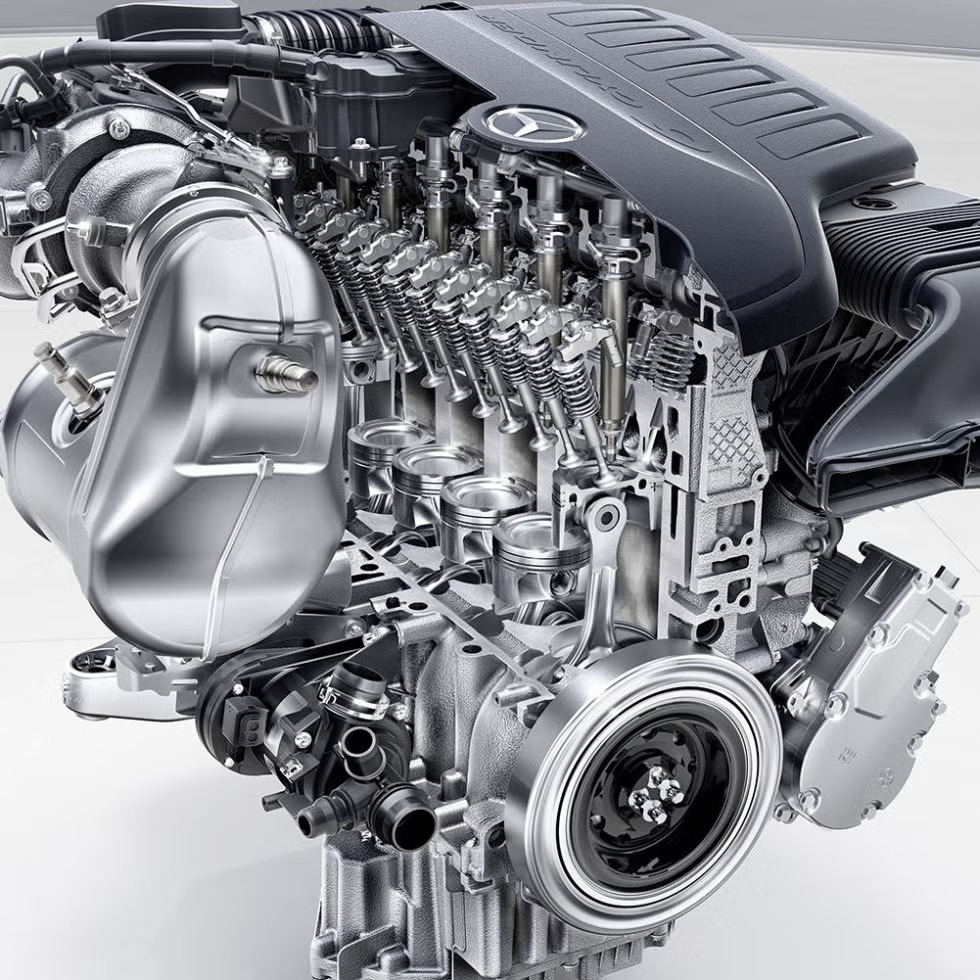
A 6 cylinder engine is a common type of internal combustion engine. It has six cylinders, which are chambers where fuel and air are mixed and combustion occurs. The cylinders contribute to the engine’s power and efficiency.
Overview of engine cylinders
Engine cylinders are the heart of any internal combustion engine. Each cylinder performs intake, compression, combustion, and exhaust cycles. They are aligned in specific patterns depending on the engine design. For 6 cylinder engines, this creates smooth operation and balanced power delivery. The cylinders may be arranged inline or in a V shape, influencing engine size and function.
How a 6 cylinder engine works
A 6 cylinder engine works by converting fuel into mechanical energy. Each cylinder fires in a sequence, ensuring continuous power. Combustion occurs when fuel and air mix inside the cylinder and are ignited by a spark plug. The explosions push pistons within the cylinders, creating motion. This motion drives the crankshaft, which powers the vehicle. The 6 cylinder setup ensures steady and consistent performance due to balanced firing intervals.
Types of 6 Cylinder Engines
Six cylinder engines come in different configurations. These designs impact engine performance and application.
Inline 6 cylinder engine
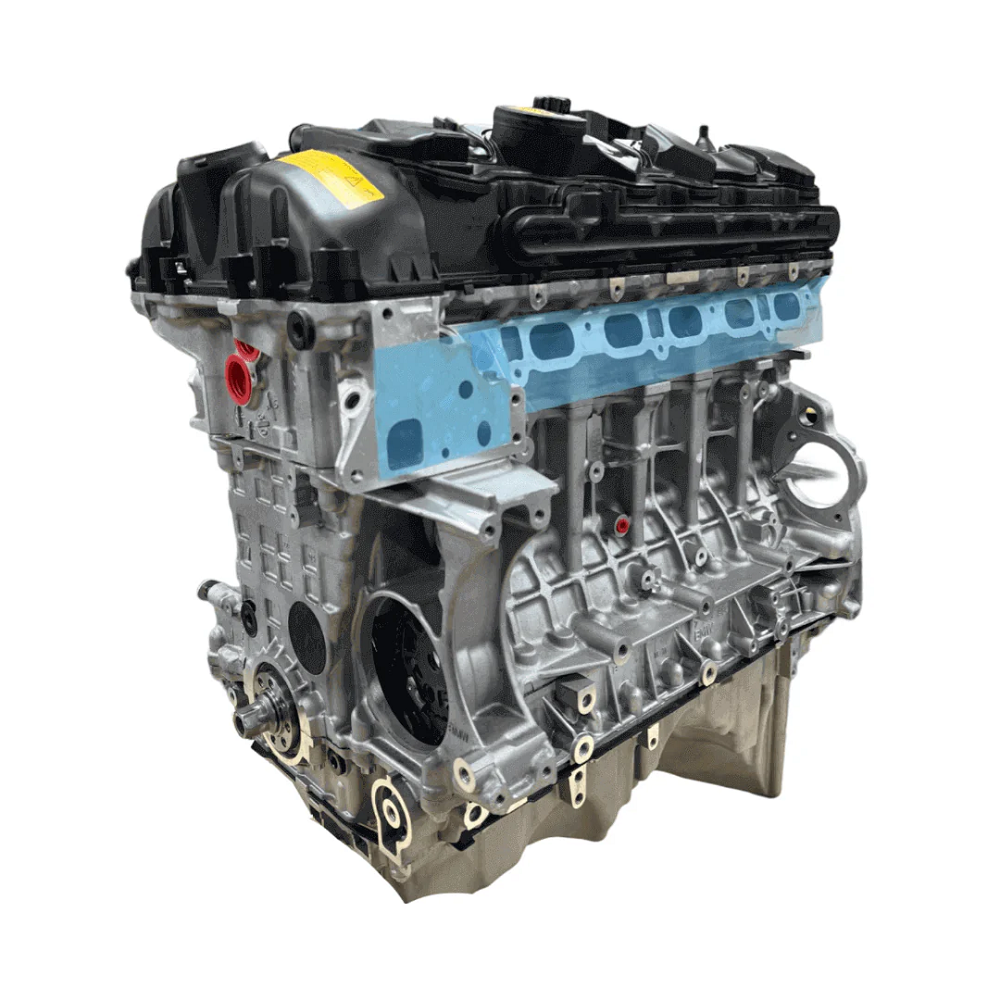
An inline 6 cylinder engine has six cylinders aligned in a straight line. This layout is known for its smooth operation. The evenly spaced cylinders reduce vibrations. It also delivers consistent power.
Inline 6 engines are popular in older cars and performance vehicles. They are longer in size than V6 engines. However, they fit well in larger engine bays. This design offers better balance compared to other setups.
V6 engine
The V6 engine is one of the most widely used configurations. Its cylinders are arranged in two banks. These two banks form a “V” shape, hence the name.
V6 engines are compact and lighter than inline engines. Their smaller size makes them ideal for modern cars. They fit well in tight engine spaces.
The V6 design provides good power while maintaining efficiency. Manufacturers prefer V6 engines for cars, SUVs, and trucks. Many sports cars also use this setup for performance.
Both inline 6 and V6 engines deliver advantages. The choice depends on the vehicle’s requirements and design preferences.
Advantages of a 6 Cylinder
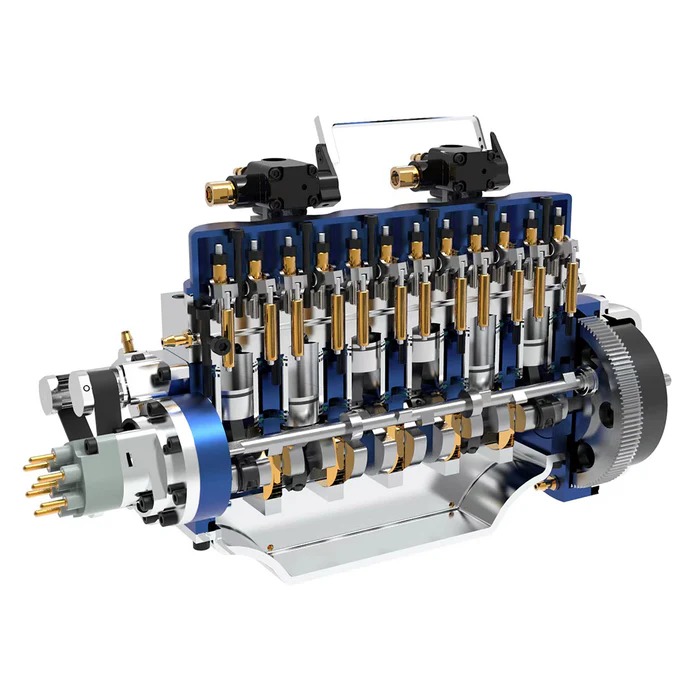
Six cylinder engines offer a unique balance between power, efficiency, and smoothness, making them an excellent choice for many vehicles. They have several advantages that appeal to car manufacturers and drivers alike.
Performance benefits
6 cylinder engines provide higher power output compared to 4 cylinder engines. They generate robust acceleration and exceptional performance. The evenly spaced cylinder firing ensures smoother operation with fewer vibrations. This setup guarantees a more refined driving experience. Additionally, 6 cylinder engines handle higher speeds and loads better, which is why they are often found in performance and luxury vehicles.
Fuel efficiency compared to other engines
6 cylinder engines strike a balance between power and fuel efficiency. While they consume more fuel than 4 cylinder engines, they are more efficient than 8 cylinder engines in terms of mileage. Technological advancements, such as direct injection and variable valve timing, have further improved their fuel economy. Modern 6 cylinder engines are designed to minimize fuel consumption without compromising on power.
Balancing power and smoothness
One of the key advantages of a 6 cylinder engine is its ability to balance power and smoothness. The even firing order and cylinder arrangement reduce engine noise and vibrations. This results in a quieter and more comfortable ride, even at high speeds. The smooth performance makes them suitable for long-distance travel and urban commuting.
Overall, 6 cylinder engines offer a versatile and efficient combination of power, performance, and reliability. These qualities make them a preferred choice for a wide range of vehicles, from family sedans to performance cars and SUVs.
Common Applications of 6 Cylinder
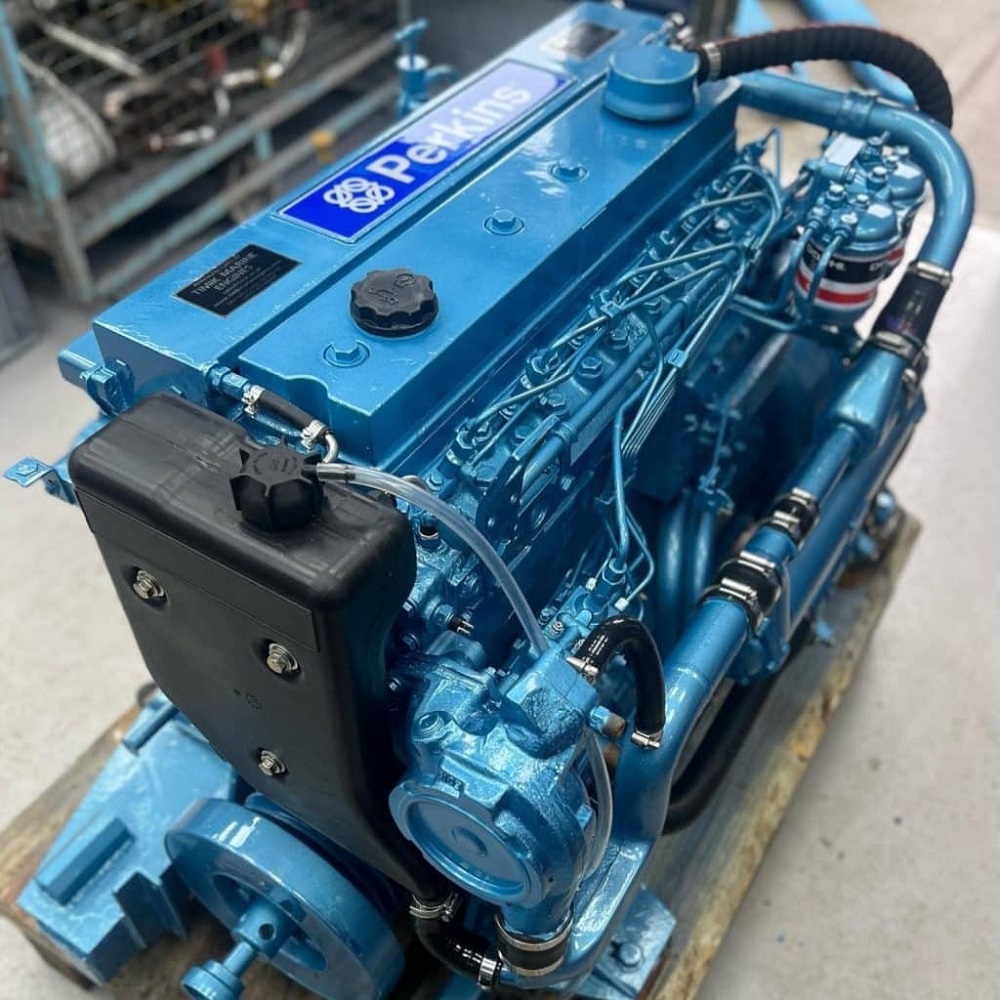
6 cylinder engines are widely used in various vehicles due to their balance of power and efficiency. Here, we explore their most common applications to better understand where they shine.
Passenger vehicles
Many passenger cars use 6 cylinder engines for their combination of power and efficiency. They are a popular choice for sedans and mid-sized vehicles. These engines offer smooth performance and sufficient power for daily use and occasional long trips. They are reliable, providing drivers with the acceleration and refined performance they need for urban and highway driving. Modern advancements ensure that 6 cylinder engines minimize fuel consumption while delivering excellent performance.
Sports cars
Sports cars often rely on 6 cylinder engines for performance and speed. The engine’s ability to handle higher speeds and produce more power makes it ideal for these vehicles. Inline 6 and V6 configurations are especially preferred for their compact designs and exceptional output. Turbocharged variants of the 6 cylinder engine are common in sports cars, delivering enhanced power and acceleration for a thrilling driving experience.
SUVs and trucks
SUVs and trucks benefit significantly from 6 cylinder engines. These engines provide the torque and power needed to haul heavy loads and tow equipment. For SUVs, 6 cylinder engines ensure a perfect balance of power and smoothness, making them suited for off-road adventures and long-distance family trips. In trucks, the engines are designed to handle rugged terrain and demanding workloads while offering better fuel efficiency compared to larger, 8 cylinder engines. Many manufacturers use 6 cylinder engines in SUVs and trucks for their durability and ability to perform in tough conditions.
Whether for daily commutes, high-speed adventures, or heavy-duty tasks, 6 cylinder engines prove to be versatile and powerful. Their various configurations, such as inline and V-shaped designs, enable them to meet the diverse demands of different vehicles, making them a preferred choice across the automotive industry.
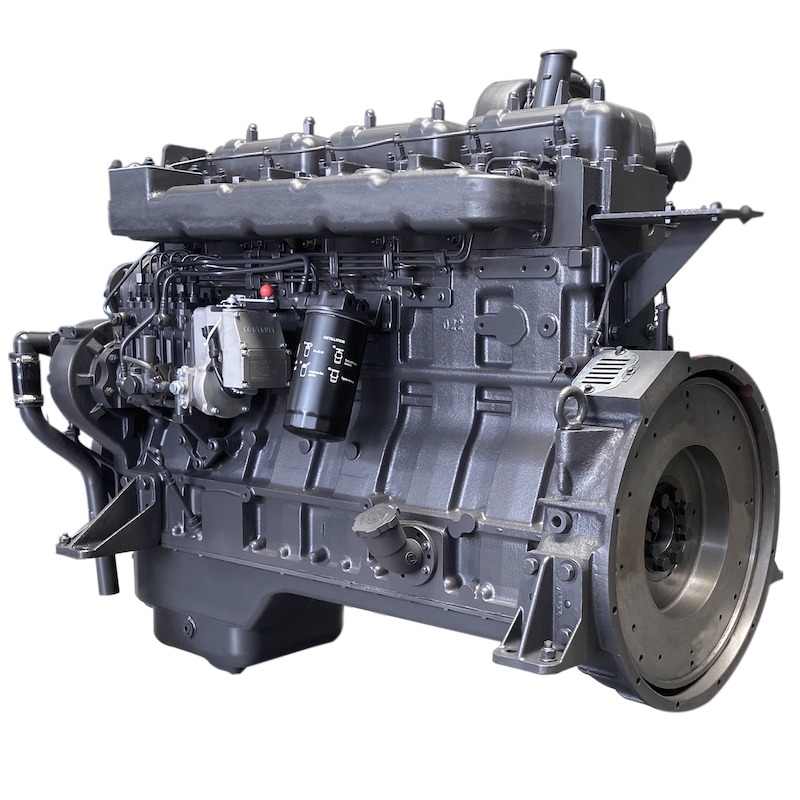
Comparison: 4 Cylinder vs 6 Cylinder vs 8 Cylinder Engines
When choosing a vehicle, engine configuration greatly affects performance, costs, and fuel efficiency. Comparing 4 cylinder, 6 cylinder, and 8 cylinder engines helps understand their unique traits.
Power and performance differences
- 4 Cylinder Engines:
- Offer less power compared to 6 or 8 cylinder engines.
- Ideal for small cars and city driving.
- Provide sufficient acceleration but lack high-speed performance.
- 6 Cylinder Engines:
- Deliver a balance of power and smoothness.
- Suitable for midsize cars, SUVs, and sports vehicles.
- Handle high speeds and heavy loads better than 4 cylinders.
- 8 Cylinder Engines:
- Offer maximum power and torque.
- Designed for high-performance vehicles and heavy-duty trucks.
- Ideal for towing and racing applications.
Overall, the 6 cylinder engine stands out for its versatile performance, making it suitable for various driving needs.
Cost and fuel efficiency considerations
- 4 Cylinder Engines:
- Most fuel-efficient option among the three.
- Lower manufacturing and maintenance costs.
- Suited for budget-conscious buyers.
- 6 Cylinder Engines:
- Moderate fuel efficiency compared to 4 and 8 cylinder engines.
- More expensive than 4 cylinders but cheaper than 8 cylinders.
- Balances efficiency and power, ideal for family and intermediate vehicles.
- 8 Cylinder Engines:
- Consume the most fuel due to large size and power.
- Have higher purchase and maintenance costs.
- Preferred for tasks requiring extra power, such as towing heavy loads.
The engine selection depends on your needs, preferences, and budget. A 6 cylinder engine is often the ideal choice for those seeking both performance and reasonable costs.
Maintenance and Care Tips for a 6 Cylinder
Proper maintenance is key to the performance and longevity of a 6 cylinder engine. Regular care ensures reliability, efficiency, and minimal repair costs. Follow these essential maintenance tips to keep your engine in optimal condition.
Regular oil changes and servicing
- Change the oil regularly: Fresh oil lubricates engine components and prevents wear. Follow the manufacturer’s recommended oil change intervals. Use the correct oil type and grade for your 6 cylinder engine.
- Replace the oil filter: Change the filter during each oil change. This prevents debris from contaminating new oil.
- Inspect fluids periodically: Check the coolant, brake fluid, and transmission fluid levels and top them if needed. Monitor for fluid leaks to avoid engine issues.
Proper oil maintenance prevents engine overheating and improves fuel efficiency. Regular checks and replacements also ensure smooth engine operation.
Inspecting belts and hoses
- Examine engine belts: Check for signs of cracks, fraying, or loose tension. Damaged belts can cause engine malfunction.
- Monitor hoses for wear: Inspect coolant and vacuum hoses for cracks, leaks, and bulges. Replace worn-out hoses promptly.
- Inspect connections: Ensure all hoses and belts are securely connected to prevent disconnections during use.
Maintaining belts and hoses reduces the risk of engine overheating and ensures proper operation. Always follow the car’s maintenance schedule.
Addressing potential issues promptly
- Pay attention to warning lights: Review and address engine warning lights as soon as they appear on your dashboard.
- Check for strange noises: Unusual engine sounds, like knocking or squealing, may signal underlying problems.
- Fix small issues early: Repair minor faults quickly to avoid expensive damage or unsafe driving conditions.
- Schedule diagnostic checkups: Visit a trusted mechanic regularly to identify potential problems before they worsen.
Addressing engine issues promptly improves safety and prevents costly breakdowns. Stay proactive to prolong the life of your 6 cylinder engine.
By following these maintenance tips, you can ensure your 6 cylinder engine continues to run smoothly and efficiently for years to come.
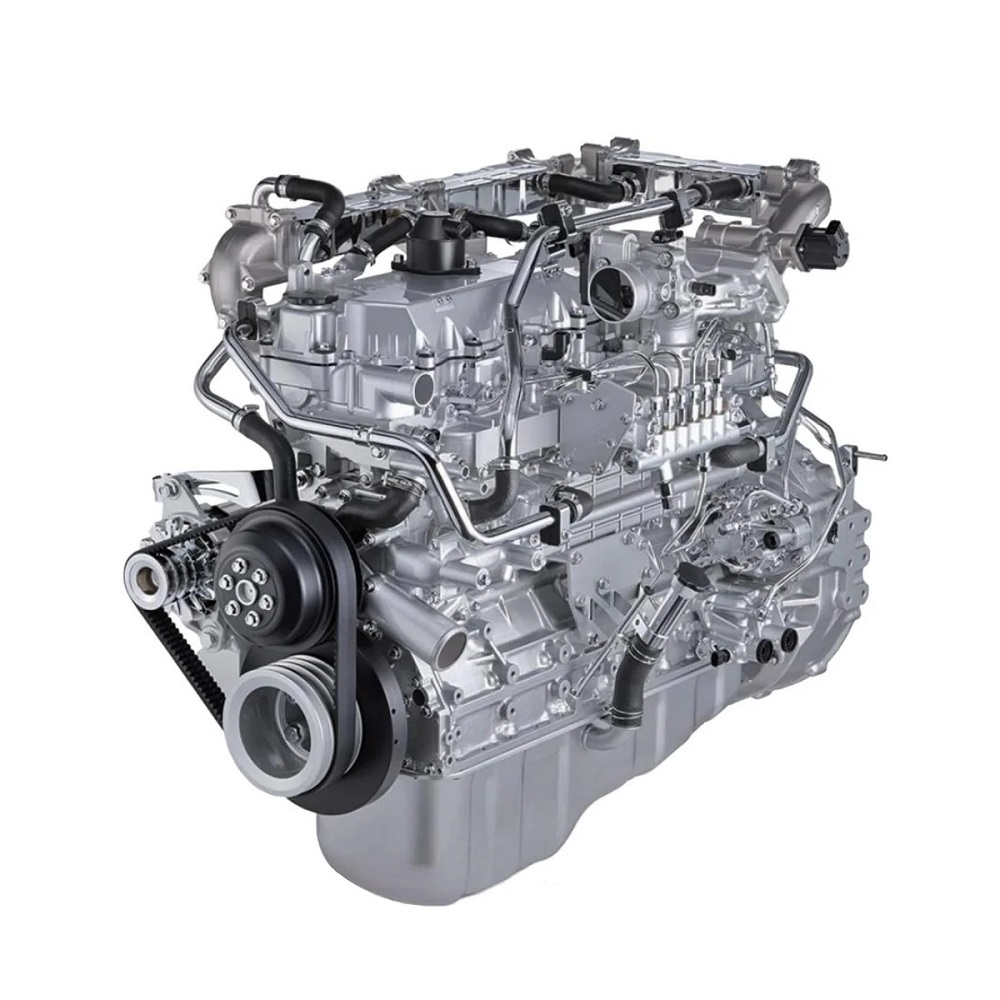
Innovations and Future of 6 Cylinder
The automotive industry is always evolving. Innovations continue to make the 6 cylinder engine more reliable, efficient, and eco-friendly. These advancements push the limits of technology while balancing performance, efficiency, and sustainability.
Eco-friendly advancements
Reducing environmental impact is a key goal for modern engines. New technologies help 6 cylinder engines burn fuel more cleanly and efficiently. Here are some advancements:
- Hybrid integration: Manufacturers combine 6 cylinder engines with electric motors. This reduces emissions and increases fuel efficiency.
- Cylinder deactivation: Some 6 cylinder engines shut off unneeded cylinders. This feature improves fuel economy during low-demand driving.
- Lightweight materials: Using advanced lightweight metals reduces engine weight. This improves fuel efficiency and lowers the carbon footprint.
- Alternate fuels: Research on biofuels and hydrogen aims to power 6 cylinder engines with greener alternatives.
- Emission control systems: Technologies like catalytic converters and advanced exhaust systems cut harmful emissions significantly.
These advancements make 6 cylinder engines environmentally friendly while maintaining their performance.
Turbocharged 6 cylinder engines
Turbocharging enhances the power output of 6 cylinder engines. It boosts performance without requiring larger engines. Here’s what makes turbocharging important:
- Higher power: Turbochargers force more air into the cylinders, leading to better combustion and increased horsepower.
- Improved efficiency: Turbocharged engines achieve better fuel efficiency by extracting extra power from less fuel.
- Compact design: Turbocharged 6 cylinder engines provide power similar to 8 cylinders but remain smaller and lighter.
- Wider applications: Many performance cars, SUVs, and sports cars use turbocharged 6 cylinder engines for their agility and efficiency.
- Enhanced driving experience: Turbochargers deliver quicker acceleration and smoother power delivery.
Turbocharging continues to redefine 6 cylinder engines, combining fuel efficiency with high performance.
The future of 6 cylinder engines is marked by innovation. Manufacturers focus on reducing environmental impact while enhancing power and efficiency. These advancements ensure 6 cylinder engines remain relevant and competitive in the evolving automotive market.
Frequently Asked Questions about 6 Cylinder Engines
Are 6 cylinder engines better than 4 cylinders?
The choice between a 6 cylinder and a 4 cylinder engine depends on your needs. A 6 cylinder engine offers more power and smoother operation. It is ideal for high-speed driving and heavier vehicles. In contrast, a 4 cylinder engine consumes less fuel and costs less to maintain. It works well for small cars and city driving. If you prefer a balance of power, smoothness, and moderate fuel efficiency, a 6 cylinder engine may suit you better.
How long does a 6 cylinder engine typically last?
A well-maintained 6 cylinder engine can last up to 200,000 miles or more. Regular oil changes and servicing are vital for extending its life. Ensure timely inspections of belts, hoses, and fluid levels. Addressing small problems early can prevent major damage. The engine’s lifespan also depends on driving habits and conditions. Gentle driving and avoiding excessive strain on the engine can help it last longer. Proper care ensures a reliable and long-lasting 6 cylinder engine.
Conclusion
Recap of Key Benefits
In conclusion, 6-cylinder engines remain a strong choice in motorcycles due to their power, comfort, and versatility. They excel in performance metrics, providing strong acceleration while maintaining adequate fuel economy. The balance of mechanical simplicity, ease of maintenance, and ample customization options makes them appealing choices in the motorcycle market.
Embrace the Adventure
Owning a 6-cylinder motorcycle is not merely about transportation; it represents an embracing of adventure and exploration. Each ride becomes a chance to discover new routes and create lasting memories. The connection formed with the motorcycle deepens as you experience its performance, handling, and unique features on long rides or quick trips around town.
The Ongoing Journey
As the motorcycle industry continues to innovate, 6-cylinder models will adapt to meet the changing needs of consumers. Riders will have the opportunity to enjoy thrilling experiences while making responsible choices regarding their riding habits. Embrace the journey that comes with owning a gas motorcycle, and allow yourself to explore the excitement of motorcycling. With the right 6-cylinder motorcycle, the road ahead is filled with possibilities, and each adventure promises to be extraordinary.
Leave a Reply