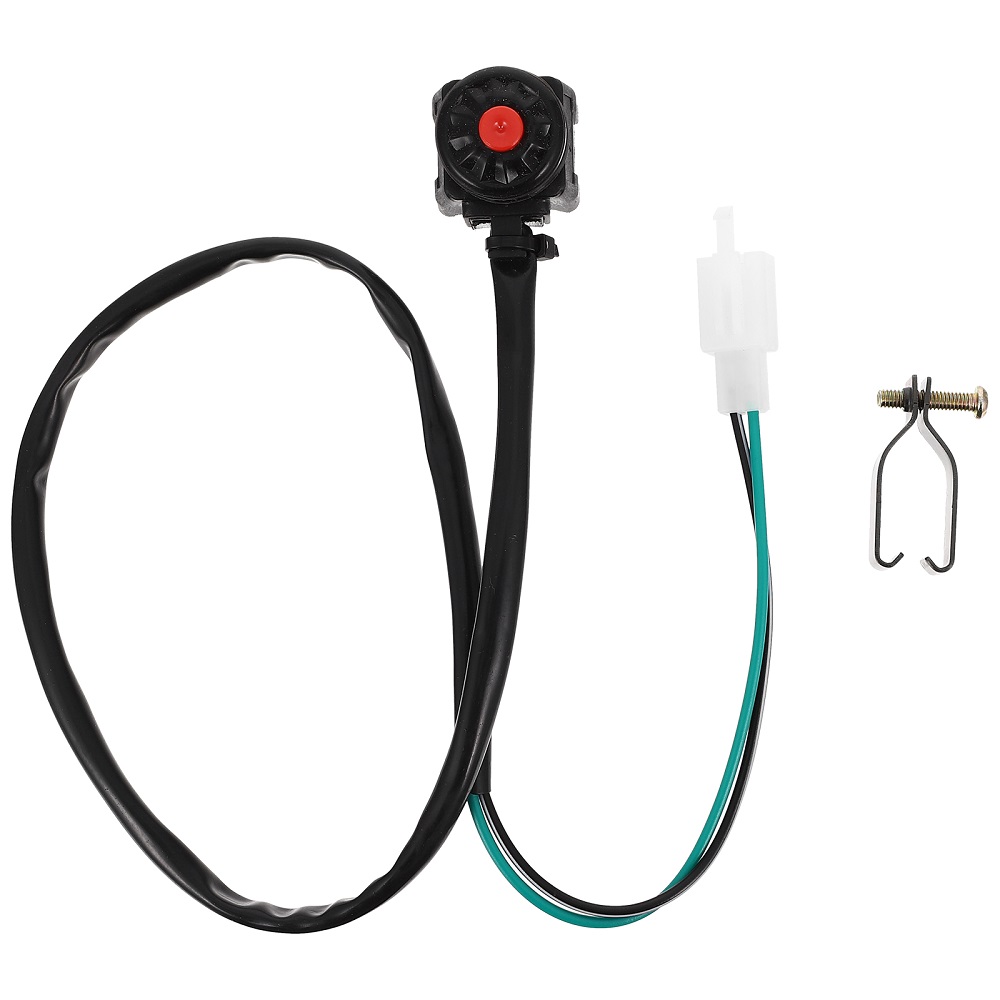
Motorcycle safety is paramount for riders of all levels. Among the many safety features found on modern motorcycles, the kill switch plays a crucial role. Often overlooked, this small component can be a lifesaver in critical situations. Understanding the function and importance of the motorcycle kill switch is essential for every rider. In this article, we will explore the reasons why the motorcycle kill switch is vital, how it works, and tips for using it effectively.
Understanding the Kill Switch
What is a Kill Switch?
The kill switch, also known as an engine cut-off switch, is a safety feature on motorcycles. It is designed to stop the engine quickly in case of an emergency. The switch is usually located on the right handlebar, within easy reach of the rider’s thumb. Its primary purpose is to provide a quick means to shut off the engine without fiddling with the ignition key.
How the Kill Switch Works
When engaged, the kill switch interrupts the electrical flow to the engine, effectively stalling it. This action halts the motor’s operation, allowing the rider to stop safely and quickly. Unlike turning off the ignition, which may take a few seconds, activating the kill switch is virtually instantaneous. This immediacy is crucial during emergencies where every second counts.
Differences from the Ignition Switch
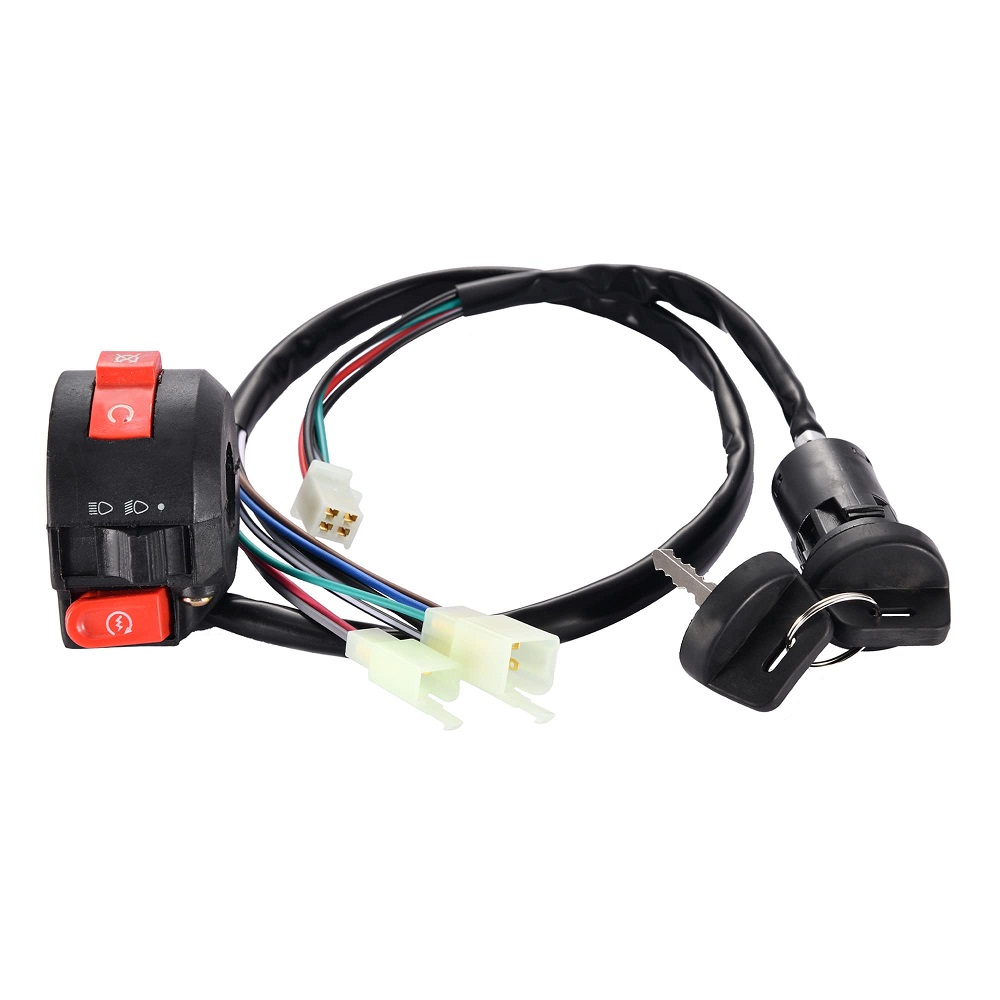
While the kill switch and ignition switch are related, they serve different purposes. The ignition switch controls the motorcycle’s electrical system and allows the engine to start. In contrast, the kill switch specifically stops the engine from running. Understanding this distinction is important for effectively using both components.
The Importance of the Kill Switch
Emergency Situations
One of the primary advantages of the kill switch is its ability to provide immediate assistance in emergencies. If a rider experiences a sudden mechanical failure, loss of control, or unexpected situation, activating the kill switch allows for quick engine shut-off. This rapid response can prevent accidents and injuries by bringing the motorcycle to a stop without delay.
Preventing Accidental Starts
The kill switch provides additional safety features by preventing accidental engine starts. If your motorcycle is in gear and the throttle is engaged, the kill switch can stop the engine from firing up unintentionally. This function is particularly beneficial when performing maintenance or when the motorcycle is parked. It can prevent dangerous situations that could result from a sudden start.
Enhancing Rider Control
Riders benefit from having greater control over their motorcycle when equipped with a kill switch. In situations where quick decision-making is required, the kill switch empowers riders to respond immediately. This functionality enhances overall confidence, as riders know they have a fail-safe mechanism for emergencies.
Installation and Location of the Kill Switch
Standard Placement
On most motorcycles, the kill switch is located on the right handlebar, easily reachable with the rider’s thumb. This positioning allows for quick access, ensuring that the rider can engage the switch without having to shift their grip. Familiarizing yourself with the switch’s location is essential for effective use.
Installation Process
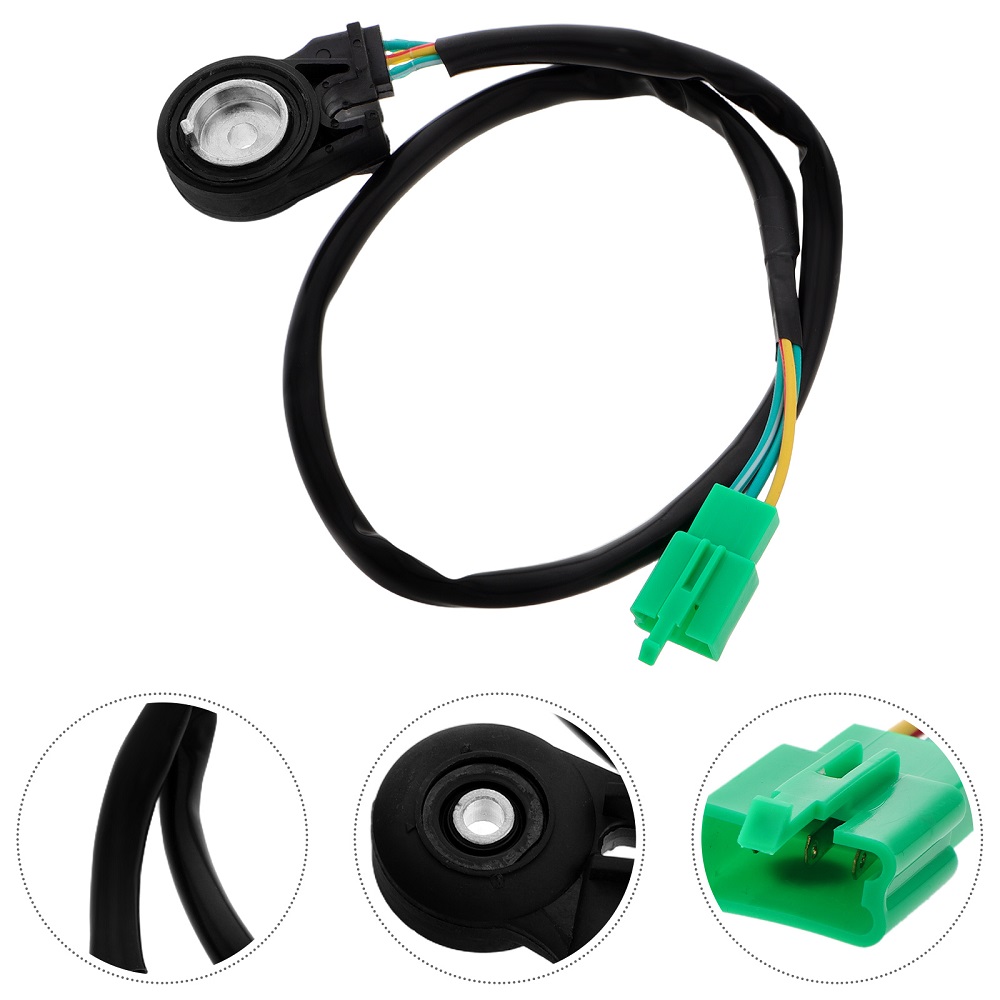
The installation of a kill switch is typically done at the factory, ensuring reliability and safety. However, for those interested in customizing their motorcycles, aftermarket kill switches are available. When installing an aftermarket switch, refer to the manufacturer’s instructions closely. Proper installation is vital for ensuring functionality and safety.
Wiring Considerations
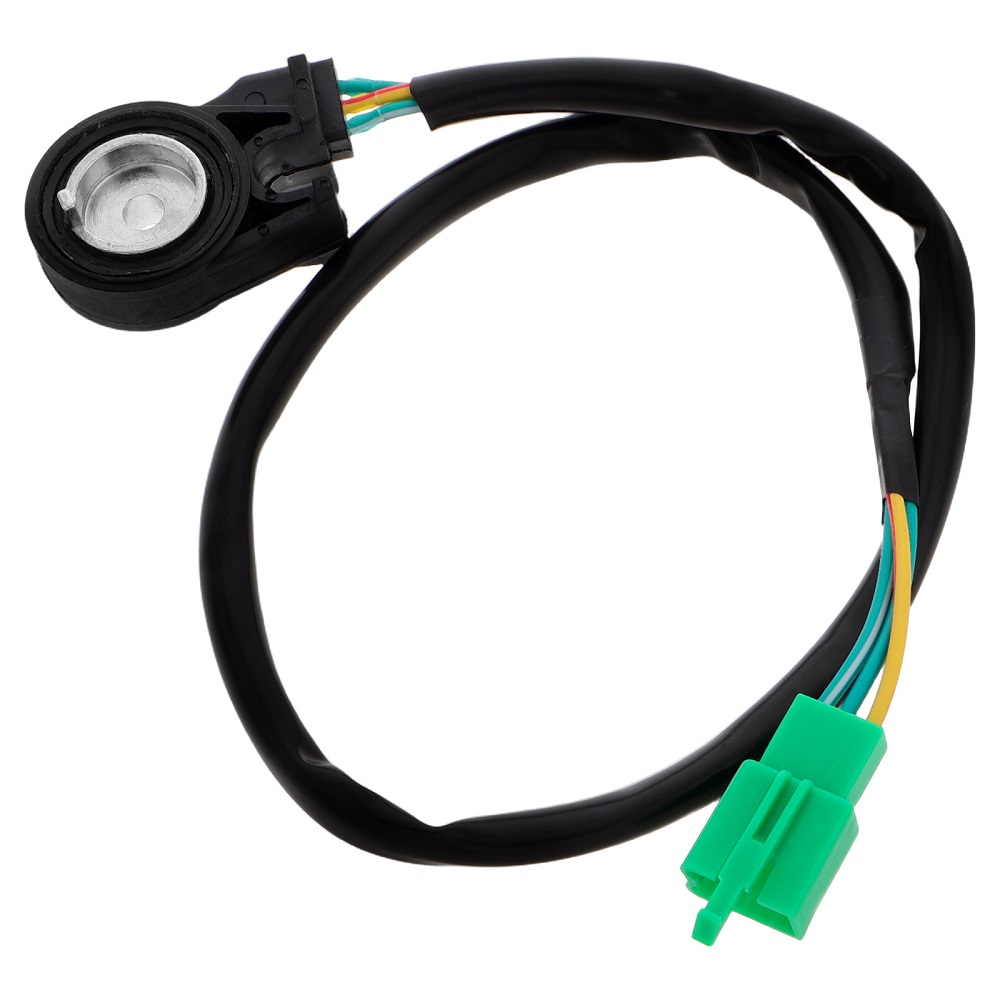
When installing or modifying a kill switch, pay attention to the wiring. Ensure that all connections are secure and that there are no frayed or damaged wires. Proper wiring ensures that the kill switch operates effectively. If you are unsure about the installation, consult a professional mechanic to ensure safety.
Using the Kill Switch Effectively
Activating the Kill Switch
Riders should know how to use the kill switch before heading out on the road. To activate the switch, simply push it to the “off” position. This action will stop the engine immediately and prevent it from running. Practice using the switch in a safe, controlled environment so that it becomes second nature.
Situational Awareness
While the kill switch is a powerful safety tool, riders must remain aware of their surroundings. Do not rely solely on the kill switch during emergencies and ensure effective riding techniques are in practice. Situational awareness helps prevent accidents in the first place, and the kill switch can act as a complement to safe riding habits.
Incorporating It into Your Routine
Make it a habit to use the kill switch when stopping the motorcycle. It is a good practice to engage the switch each time you come to a stop, particularly if you are traveling in high-traffic areas. Incorporating the use of the kill switch into your routine reinforces its necessity and enhances your safety mindset.
Common Misconceptions
The Kill Switch is for Emergencies Only
A common misconception about the kill switch is that it is only meant for emergencies. While it is indeed a crucial safety feature during critical situations, it should also be used regularly when stopping your bike. Using it to turn off the engine in a controlled manner can help prevent wear and tear on the ignition system.
The Kill Switch Will Prevent All Problems
While the kill switch is effective for stopping the engine, it does not prevent all problems. Riders should prioritize regular maintenance to prevent mechanical issues. Understanding that the kill switch is a part of a more comprehensive safety strategy will lead to better riding practices overall.
Overreliance on the Kill Switch
Some riders may become overly reliant on the kill switch, believing it will save them in every situation. However, it is essential to maintain effective riding techniques and situational awareness. The kill switch should be viewed as an additional tool in your safety arsenal, not a substitute for good judgment and skill.
Troubleshooting the Kill Switch
Identifying Problems
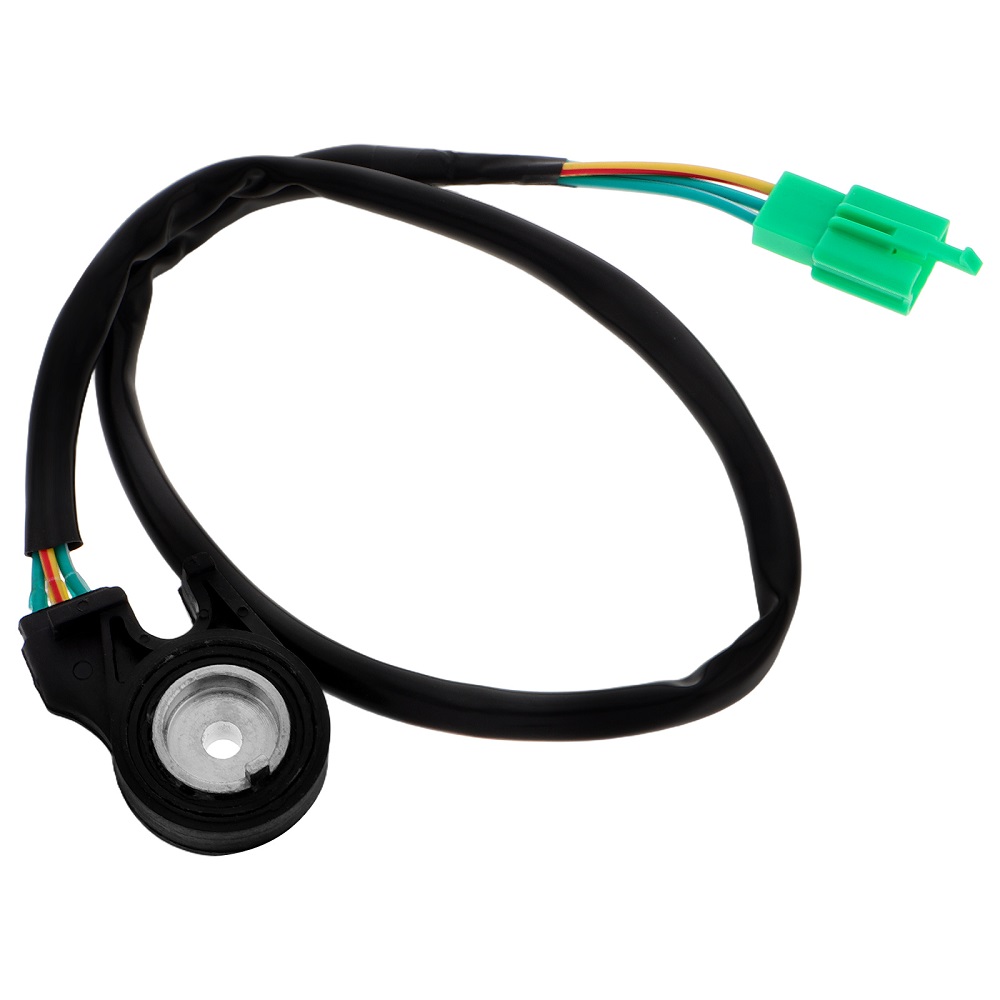
If you experience issues with the kill switch, it is essential to troubleshoot. Common problems can include the motor not turning off correctly or issues with the wiring. If the switch is not functioning, inspect the connections and wires. A loose connection could disable its function.
Seeking Professional Help
If troubleshooting does not resolve the issues, it may be time to seek professional assistance. A mechanic can help diagnose the problem and make necessary repairs. Attempting to fix electrical issues without expertise can lead to further complications and safety risks. Consulting a professional ensures that your motorcycle remains safe to ride.
Regular Maintenance Check
Incorporate checks of the kill switch into your regular maintenance routine. Inspecting the switch ensures it remains in good working order. Pay attention to how it feels when pressed; it should engage smoothly without sticking. Ensuring the kill switch remains functional provides additional peace of mind when riding.
The Broader Safety Aspect
Comprehensive Safety Gear
While having a kill switch is important, it should not be the only safety measure in place. Riders must wear proper safety gear, including helmets, jackets, gloves, and boots. Each piece of safety equipment plays a role in protecting the rider in the event of a fall or accident. Prioritize safety by opting for quality gear from trusted manufacturers.
Riding Education and Training
Consider enrolling in a motorcycle safety course to improve your riding skills and knowledge. Professional training can help riders become more adept at handling their motorcycles in various situations, including emergencies. Understanding proper techniques can be invaluable, even with the presence of the kill switch.
Building a Safety Mindset
Developing a safety mindset involves understanding the importance of thorough preparation. This includes pre-ride inspections, wearing gear, and knowing how to respond in emergencies. As part of this mindset, using the kill switch should be first nature. By integrating safety practices into your routine, you will be better equipped to handle unexpected situations.
FAQ:
- How does a kill switch work?
- The kill switch interrupts the electrical circuit from the ignition system to the engine, effectively cutting off power and shutting down the engine. This provides a quick way to stop the bike when needed.
- Why is a kill switch important for motorcycle safety?
- The kill switch is essential for rider safety, as it allows for immediate engine shutdown in emergencies, such as a loss of control or when a rider needs to stop unexpectedly. This can help prevent accidents and injuries.
- Where is the kill switch located on a motorcycle?
- The kill switch is typically located on the right-hand handlebar, alongside the throttle and brake controls. Its position ensures that the rider can easily access it while maintaining control of the motorcycle.
- How do I use the kill switch?
- To use the kill switch, simply press the switch (often labeled “OFF” or “KILL”) to shut off the engine. To restart, turn the switch back to the “ON” position and use the ignition key or button as normal.
- What should I do if my kill switch is not working?
- If the kill switch is not functioning properly, it is essential to have it inspected or repaired by a qualified technician. A malfunctioning kill switch can pose a significant safety risk, so do not use the motorcycle until the issue is resolved.
Conclusion: The Critical Role of the Kill Switch
In conclusion, the motorcycle kill switch is a crucial component of rider safety. It provides an immediate way to stop the engine, offering essential protection during emergencies. Understanding how to use the kill switch, coupled with regular maintenance and safety practices, enhances the overall riding experience.
Investing time in learning about the features and benefits of the kill switch will ensure you are prepared for the unexpected. As you ride, always remember that safety is the priority. Embrace all the protective elements available to you, including the kill switch, while enjoying the freedom of motorcycling.
Adventure awaits with every ride, and with the right knowledge and tools, including understanding the importance of the motorcycle kill switch for safety, you can embark on those journeys with confidence. Utilize the kill switch effectively and make it a part of your riding habits. Riding will be an enjoyable and safe experience with practice and mindfulness!
Leave a Reply