Introduction: Understanding the Basics of Motorcycle Suspension
The suspension system on a motorcycle is crucial for providing comfort, stability, and performance while riding. Among its vital components are the motorcycle shocks, which absorb bumps and shocks from the road. As such, upgrading your motorcycle shocks can significantly enhance your overall riding experience. Proper suspension setup can lead to improved handling, better tire contact, and a more enjoyable ride. In this article, we will explore how motorcycle shocks work, why upgrading is beneficial, and tips for selecting and installing new shocks.
The Function of Motorcycle Shocks
How Shocks Work
Motorcycle shocks, also known as dampers, are designed to absorb and dissipate the energy generated by the rider’s weight and external road conditions. They use a series of springs and dampers to control the vertical movement of the motorcycle. When you hit a bump, the shock compresses, absorbing the impact and ensuring that the wheel maintains contact with the ground. This contact is crucial as it affects steering, braking, and overall control. Understanding this basic function is important when considering upgrades to your suspension system.
Types of Motorcycle Shocks
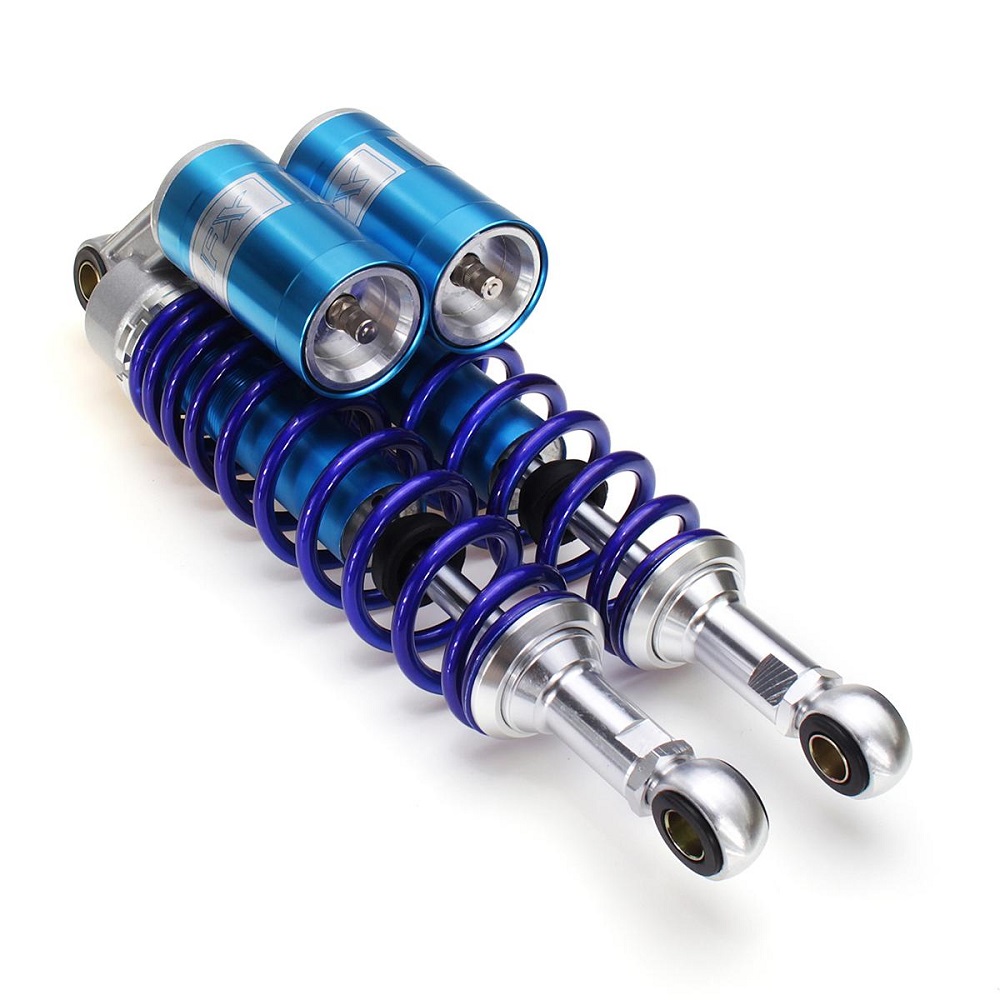
There are different types of motorcycle shocks, each designed for specific riding styles and conditions. The three primary types are twin shocks, mono-shocks, and air shocks. Twin shocks consist of two separate units, often found in cruiser bikes. Mono-shocks are single units typically found on sportbikes, providing more advanced handling capabilities. Air shocks allow for adjustable settings based on the rider’s weight and preferences, making them versatile. Knowing the type of shock on your motorcycle will help you make informed decisions when considering upgrades.
The Importance of Upgrading Shocks
Improved Ride Comfort
One of the most immediate benefits of upgrading your motorcycle shocks is improved ride comfort. Factory-installed shocks may not provide the level of comfort desired for all riders, especially on long journeys. More advanced aftermarket shocks are designed to handle various weight loads, road surfaces, and riding styles. With better shock absorbers, riders can enjoy a smoother experience, reducing fatigue during long rides. Enhanced comfort leads to a more enjoyable journey, making it easier to cover long distances.
Enhanced Handling and Stability
Upgraded motorcycle shocks also improve handling and stability, especially during tight turns or on uneven surfaces. Quality shocks can effectively respond to road imperfections, keeping the tires in contact with the ground. This results in better traction and control, enabling smoother cornering and braking. Riders will find that their motorcycle feels more predictable and easier to maneuver, enhancing overall safety. This improvement is especially crucial for sport riders who require precision in their handling dynamics.

Evaluating Your Current Shocks
Signs of Wear and Tear
Before upgrading, it’s vital to assess the condition of your current shocks. Common signs of wear include leaking fluid, excessive bouncing, and difficulty compressing the shocks by hand. If you notice any of these issues, it may be time for an upgrade. Additionally, if you find yourself bottoming out frequently on rough roads, it indicates that the shocks might not be providing adequate support. Evaluating the performance of your existing shocks will inform your decision to invest in new ones.
Riding Style Considerations
Understanding your riding style is essential when evaluating shocks. Whether you are a casual cruiser, a long-distance tourer, or a spirited sport rider, your needs will vary. Casual riders may prioritize comfort and ease, while sport riders focus on responsiveness and performance. Knowing how you ride will help you choose the right shocks that cater to your specific needs. Take the time to reflect on your riding habits and the type of terrain you frequent before committing to upgrades.
Choosing the Right Shocks
Researching Options
With a variety of motorcycle shocks available on the market, researching your options is critical. Look into reputable brands known for quality shock absorbers. Online reviews and forums can provide valuable insights from other riders about their experiences with specific products. Pay attention to factors like performance, durability, and warranty details. Gathering information will help you make informed choices based on your riding habits and budget.
Considering Adjustability
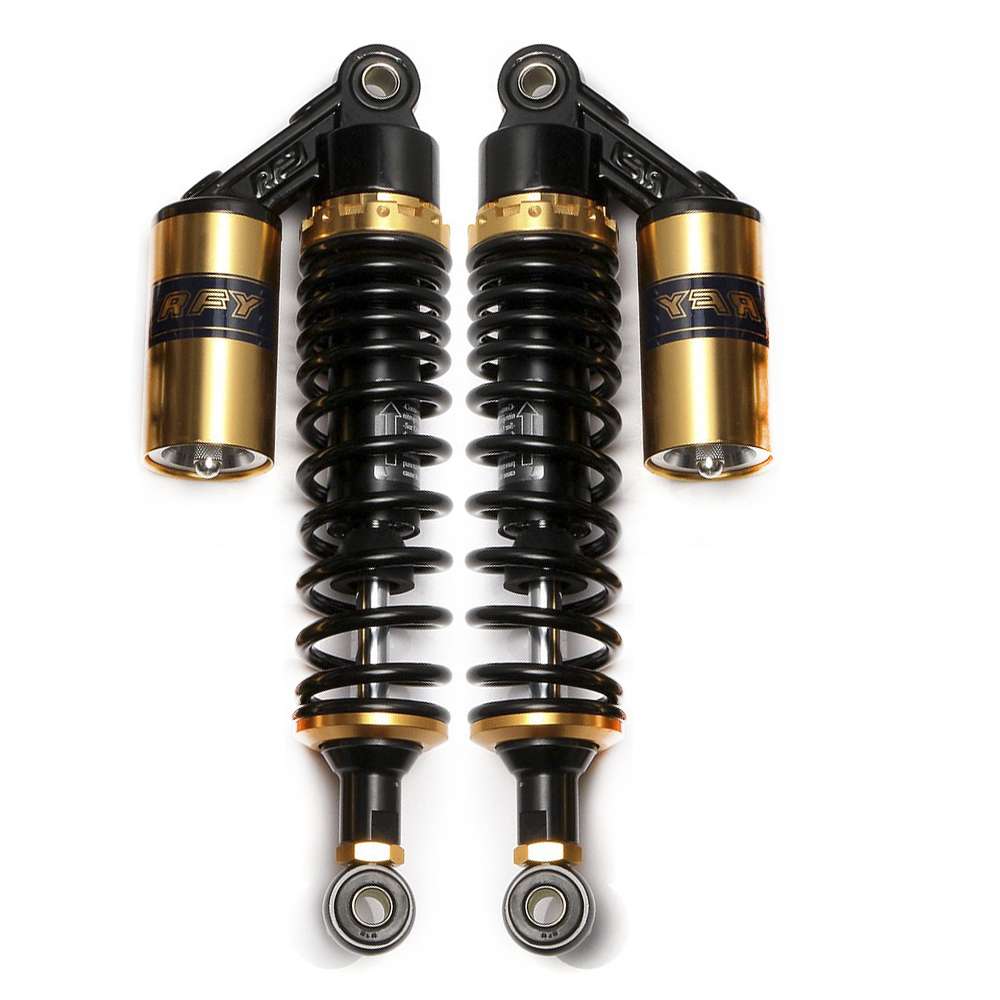
When selecting new shocks, consider whether you want a fixed or adjustable setup. Adjustable shocks allow for fine-tuning based on load requirements and personal preferences. This feature can be especially beneficial if you often carry a passenger or cargo. The ability to modify preload or damping settings can mesh well with varying riding conditions. This versatility ensures that your shocks perform optimally, no matter the situation, making them a worthwhile investment.
Installation Tips for Motorcycle Shocks
Preparing for Installation
Once you have selected your new shocks, it’s important to prepare for installation. Gather all necessary tools, including socket wrenches, screwdrivers, and torque wrenches. Ensure you have a clean workspace to keep track of components and small parts. Before beginning installation, consult the service manual for your motorcycle to familiarize yourself with the procedure. Proper preparation reduces the risk of errors and ensures a smooth installation process.
Step-by-Step Installation Process
- Secure the Motorcycle: Begin by securely positioning your motorcycle on a level surface. Use a motorcycle stand or jack to lift the bike for easy access to the shocks.
- Remove Existing Shocks: Locate the mounting bolts for the existing shocks. Use the appropriate tools to remove the bolts, ensuring you keep track of any washers or spacers.
- Install New Shocks: Align the new shocks with the mounting points and insert the bolts. Tighten the bolts according to the torque specifications outlined in the motorcycle’s service manual. Ensuring that the bolts are properly secured is essential for safety.
- Test the Suspension: Once the new shocks are installed, check the suspension by gently compressing the shocks to ensure they function correctly. Look for any signs of abnormal movement or noise.
- Final Inspection: Inspect all connections and bolts to ensure everything is secure. Reinstall any components or panels that were removed during the process.
Maintenance of Motorcycle Shocks
Regular Inspections
Maintaining your motorcycle shocks is essential for optimizing performance. Regular inspections should be part of your maintenance routine. Look for any signs of wear, leaks, or damage during these inspections. Check for dirt buildup and clean the shock bodies and seals with appropriate solutions. Keeping your shocks in good condition helps extend their lifespan and ensures consistent performance.
Replacing Fluid
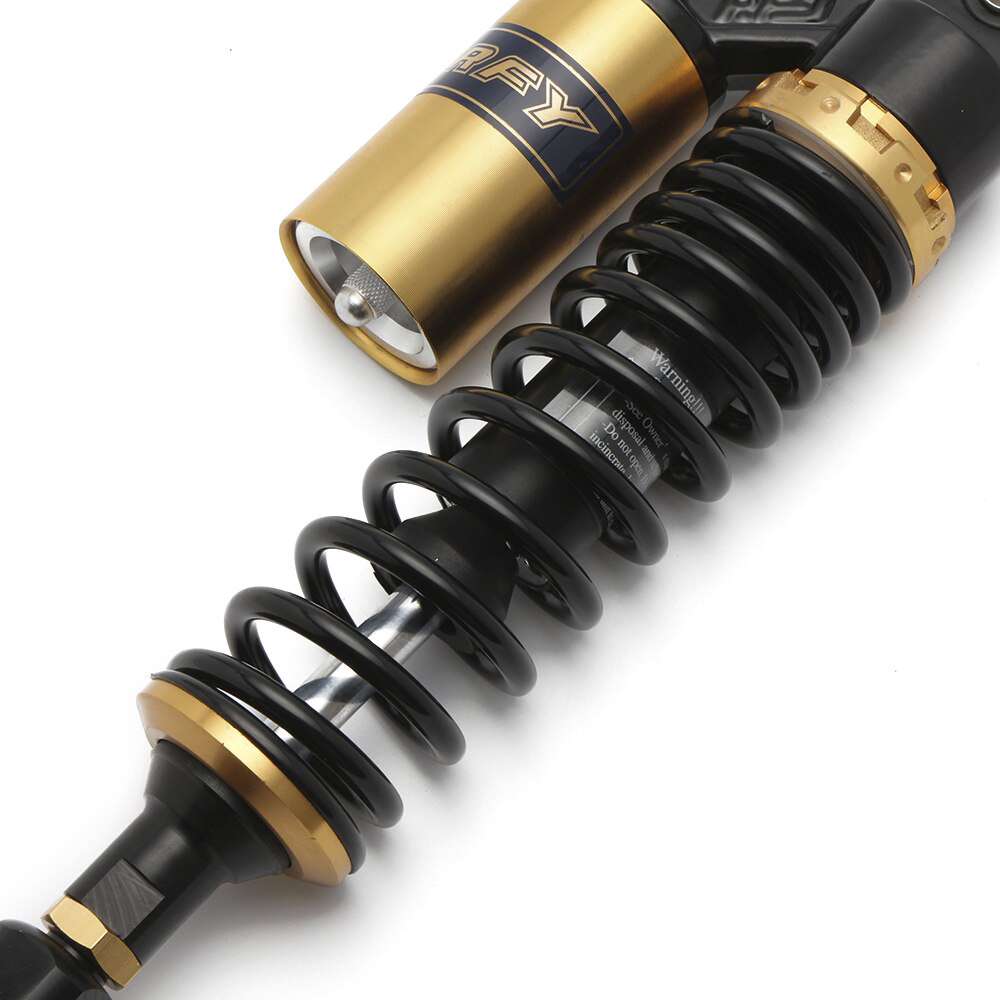
Many shocks require periodic maintenance involving oil changes, especially those with internal damping systems. The manufacturer’s guidelines will provide intervals for fluid changes, which should not be overlooked. Replacing the fluid keeps the damping system functioning effectively and prevents premature wear. Proper maintenance ensures reliability and enhances your riding experience.
Understanding Shock Settings
Preload Adjustments
Most modern motorcycle shocks feature adjustable preload settings. This adjustment allows riders to customize the stiffness of the shocks based on their weight and riding style. By increasing preload, the bike raises when loaded, preventing bottoming out. On the other hand, decreasing preload can improve comfort for lighter riders. Understanding how to adjust preload properly can make a substantial difference in how your motorcycle handles under different conditions.
Compression and Rebound Settings
In addition to preload, compression and rebound settings are crucial for shock performance. Compression refers to how the shock manages speed when compressing during impacts, while rebound controls how quickly the shock returns to its original position after compression. Adjusting these settings can personalize the ride, providing a smoother or more responsive experience based on your preferences. Familiarizing yourself with how these adjustments work will allow you to fine-tune your setup for optimal performance.
Community and Resources
Engaging with Fellow Riders
Joining motorcycle groups or forums can provide valuable information and support related to suspension upgrades. Experienced riders often share their experiences and tips, helping you make informed choices. Engaging in discussions or attending local meetups can also deepen your understanding of motorcycle shocks and their effects on handling. Building connections with other riders can lead to helpful advice and even collaborative projects.
Accessing Online Tutorials
Many resources are available online for riders interested in upgrading their shock systems. Video tutorials and how-to guides provide step-by-step instructions for both novices and experienced mechanics. These resources can significantly reduce the learning curve associated with shock installation and maintenance. Watching others perform shock upgrades can lead to insights that enhance your own process. Don’t hesitate to invest time in research; the knowledge will benefit your riding experience.
FAQ:
- When should I consider upgrading my motorcycle shocks?
- Consider upgrading your shocks if you experience uncomfortable rides, bottoming out on bumps, or if your stock shocks are worn out. Additionally, if you frequently ride in different conditions (e.g., off-road or carrying a passenger), upgrading can improve performance.
- What types of motorcycle shocks are available?
- Common types include standard OEM shocks, adjustable shocks, and aftermarket shocks. Adjustable shocks offer settings for compression and rebound damping, while aftermarket options often provide enhanced performance and customization for specific riding styles.
- How do I choose the right shocks for my motorcycle?
- Choose shocks that are compatible with your motorcycle’s make and model. Consider factors such as your riding style (sport, touring, off-road), your weight, and the type of terrain you frequently ride on. Research customer reviews and manufacturer recommendations for informed decisions.
- What are the signs that my motorcycle shocks need replacing?
- Signs include excessive bouncing, fluid leaking from the shocks, difficulty maintaining control in turns, and an overall rough ride. If you notice these symptoms, it may be time to inspect or replace your shocks.
- Can I install motorcycle shocks myself, or should I seek professional help?
- While some experienced riders may be able to install shocks themselves, it is generally recommended to seek professional help, especially for complex installations. Proper installation is crucial for safety and performance, and a professional technician will ensure that the shocks are correctly calibrated.
Conclusion: Elevating Your Riding Experience
In conclusion, upgrading your motorcycle shocks can significantly enhance your overall riding experience. The best motorcycle shocks for comfort not only improve your ride quality but also enhance handling and stability, allowing for more enjoyable rides. When considering an upgrade, evaluating your current shocks, researching options, and considering your riding style are critical steps. Proper installation and maintenance also play crucial roles in maximizing the benefits of upgraded shocks. By engaging with the motorcycle community and accessing available resources, you can gain insights that further elevate your riding journey. Invest in quality shocks, including the best motorcycle shocks for comfort, stay informed, and enjoy the ride as you elevate your motorcycle experience to new heights. Your bike deserves it, and so do you!
Leave a Reply