What is Coolant and Why is it Important?
Coolant is a liquid that helps regulate your engine’s temperature. It prevents the engine from overheating and freezing. Typically, coolant is a mix of water and antifreeze. It circulates through the engine, absorbing excess heat. The importance of coolant cannot be overstated. It protects the engine from extreme temperatures. During hot weather, coolant ensures the engine stays cool. In freezing conditions, it prevents the engine block from cracking. Besides temperature control, coolant also reduces friction and protects against rust. An engine without proper coolant may overheat or freeze. These conditions can cause serious damage like warped cylinders or cracked engine blocks. Regularly check coolant level can save you from costly repairs.
Maintaining the right coolant level ensures your car runs smoothly and efficiently. Engine performance relies on proper temperature regulation. Low coolant levels can lead to reduced efficiency and potential breakdowns.
Using the correct type of coolant is also crucial. Different vehicles need specific types of coolant to operate correctly. Consult your vehicle’s manual or a trusted mechanic to choose the right coolant.
In summary, coolant is vital for engine health and performance. Regular checks and maintenance are essential to avoid engine damage. Always ensure you use the correct type of coolant for your vehicle.
Signs Your Coolant Level May Be Low
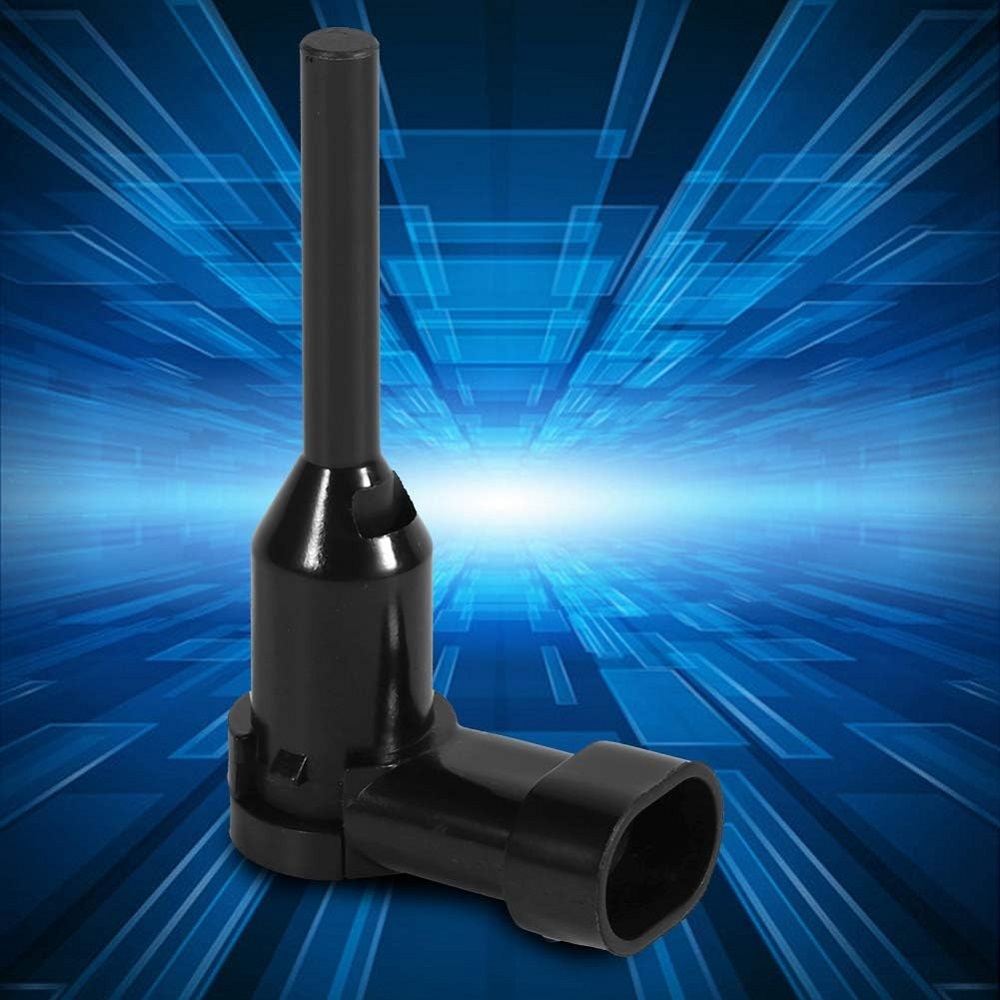
Identifying a low coolant level early can help prevent severe engine damage. There are common signs to watch for:
- Temperature Gauge Rising: A rising temperature gauge often indicates low coolant. If your engine overheats, it may lead to major issues.
- Dashboard Warning: Modern vehicles have warning lights for coolant temperature. If this light illuminates, check your coolant level immediately.
- Visible Coolant Leaks: Pools of coolant under your car suggest a leak. Antifreeze is usually green, orange, or pink in color.
- Heater Stops Working: A low coolant level can affect your heater’s performance. If your heater blows cold air, it may signal a problem.
- Unusual Engine Smells: Overheating engines can cause coolant to burn. This creates a sweet, chemical smell.
- Steam from the Hood: Engine overheating often produces steam. This is a sign of insufficient coolant.
Recognizing these symptoms helps protect your vehicle from expensive repairs. If you suspect low coolant, check the level promptly and refill if needed. Regular coolant checks are vital for smooth engine operation.
Tools Needed to Check Coolant Level
Before checking your car’s coolant level, gather the necessary tools. Having the right tools ensures a safe and accurate process. Here’s what you will need:
- Flashlight: Helps you easily see the coolant level, especially in dim lighting.
- Clean Cloth or Rag: Useful for cleaning the area around the coolant reservoir and removing spills.
- Gloves: Protects your hands from possible contact with hot surfaces or chemicals.
- Coolant (if needed): Keep the appropriate coolant type for your vehicle on hand for refilling.
- Safety Glasses: Protect your eyes from splashes while handling coolant.
- Owner’s Manual: Ensure you refer to the manual for your vehicle’s specific coolant requirements.
These tools will make checking your coolant level safe and simple. Proper preparation ensures efficient and hassle-free maintenance.
Step-by-Step Guide to Checking Your Coolant Level
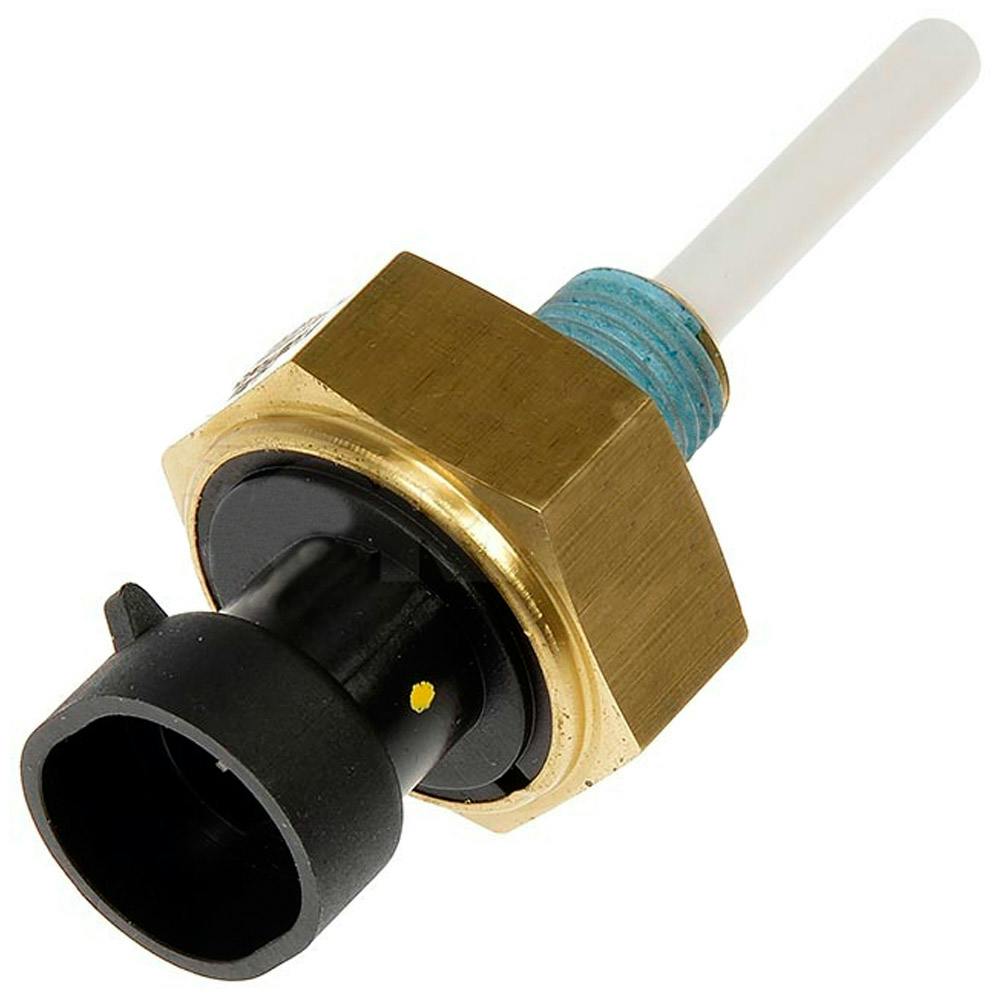
Regular coolant checks are vital to prevent engine damage. Follow these simple steps to check your coolant level safely.
Locating the Coolant Reservoir
- Open the Hood: Safely prop open your vehicle’s hood using the hood latch or support rod.
- Find the Reservoir: Look for the coolant reservoir, usually a plastic container near the engine.
- Check the Manual: Refer to your owner’s manual if you’re unsure of the reservoir’s location.
- Identify the Coolant: Confirm the reservoir holds coolant, which is often brightly colored.
Understanding the Coolant Markings
- Locate Markings: Check for “MIN” and “MAX” lines on the reservoir.
- Assess the Level: Ensure the coolant is between the “MIN” and “MAX” markings.
- Engine Cold: Always check the coolant level when the engine is cold.
- Monitor Levels: Consistently low coolant levels may indicate a leak or other issue.
How to Safely Remove the Coolant Reservoir Cap
- Turn Off Engine: Make sure the engine is fully turned off and completely cooled down.
- Wear Safety Gear: Use gloves and safety glasses to protect from spills and splashes.
- Remove Cap Slowly: Twist the reservoir cap gently to release pressure.
- Avoid Contact: Never touch the coolant directly – it contains chemicals that can irritate skin.
By following these steps, you can safely check the coolant level and ensure your engine stays in good condition. Regular checks reduce the risk of overheating and costly repairs. Always use proper tools and adhere to safety guidelines during the process.
What to Do if the Coolant Level Is Low
If your coolant level is low, act quickly to avoid engine damage. Low coolant can lead to overheating or freezing. Here are the steps to follow:
- Stop and Allow the Engine to Cool: Turn off the engine and let it cool completely before handling the coolant reservoir.
- Inspect the Coolant Reservoir: Check for visible damage or leaks in the reservoir.
- Refill with Coolant: Add the correct type of coolant to the recommended level, as per the “MAX” and “MIN” markings.
- Check for Leaks: Monitor the area under your car for any leaks after refilling.
If the coolant level continues to drop rapidly, consult a mechanic immediately. Persistent issues could indicate bigger problems, like a damaged radiator or head gasket.
How to Choose the Right Coolant for Your Vehicle
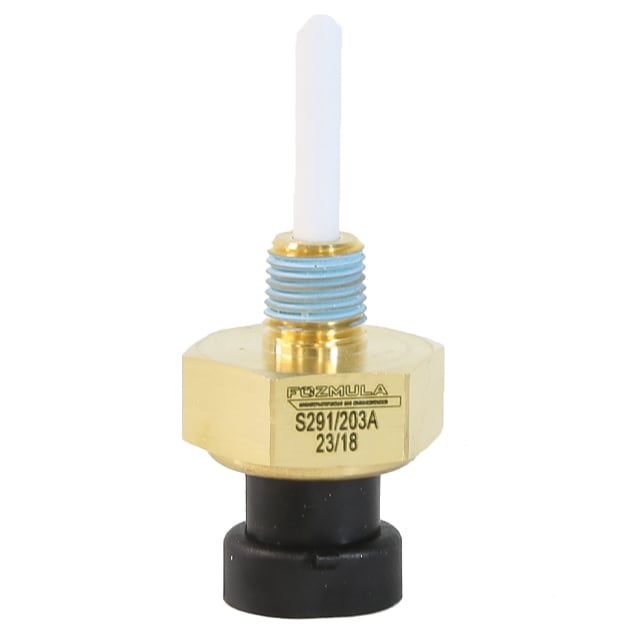
Not all coolants are the same. Using the wrong one may harm your engine. Follow these tips to choose the right coolant for your car:
- Check the Owner’s Manual: Find the recommended coolant type specified by your vehicle manufacturer.
- Understand Coolant Colors: Coolants come in various colors like green, orange, pink, and blue. The color might indicate different chemical compositions. Always choose compatible coolant.
- Know the Types:
- Inorganic Additive Technology (IAT): Common in older vehicles.
- Organic Acid Technology (OAT): Used in newer vehicles.
- Hybrid Organic Acid Technology (HOAT): A mix of IAT and OAT used in many modern cars.
- Consult a Mechanic: Ask for professional advice if you’re unsure about which type to use.
Mixing Coolant with Water: When is it Necessary?
Certain situations call for mixing coolant with water. Follow these guidelines:
- Check Manufacturer’s Recommendations: Some coolants need mixing, while others are ready-to-use.
- Use Distilled Water: Avoid tap water as it contains minerals that can damage your engine.
- Maintain a 50:50 Ratio: Mix coolant and distilled water equally, unless instructed otherwise by the vehicle’s manual.
- Emergency Situations: In emergencies, you can use water alone temporarily. Refill with proper coolant as soon as possible.
Mix coolant with water when necessary, but ensure you’re following proper guidelines. This helps maintain your vehicle’s performance and prevents long-term damage.
Common Mistakes to Avoid When Checking Coolant Level
Checking your car’s coolant level is simple, but mistakes can lead to costly damage. Here are common errors to avoid:
- Not Waiting for the Engine to Cool Down: Always let the engine cool completely. Open the coolant reservoir only after the engine is cold to avoid burns from pressurized hot coolant.
- Using the Wrong Coolant: Different cars require specific types of coolant. Verify the correct type in your vehicle’s owner’s manual.
- Overfilling the Reservoir: Adding too much coolant can cause pressure buildup and even lead to leaks. Fill only between the “MIN” and “MAX” lines on the reservoir.
- Not Inspecting for Leaks: Ensure there are no leaks before adding more coolant. Look underneath the car for signs of fluid puddles.
- Using Tap Water Instead of Distilled Water: If mixing coolant with water, use distilled water to avoid mineral buildup in the engine.
- Ignoring Proper Safety Equipment: Always wear gloves, safety goggles, and use a cloth to handle the reservoir cap. These precautions protect you from harmful splashes and hot surfaces.
- Neglecting Regular Checks: Skipping regular coolant level inspections might lead to sudden engine overheating. Perform frequent coolant checks for optimal engine performance.
- Opening the Radiator Cap Instead of the Reservoir Cap: Never open the radiator cap directly to inspect coolant. Use the coolant reservoir instead.
Avoid these mistakes for safe and effective coolant level maintenance. Proper care ensures your engine stays in peak condition and avoids damage.
How Often Should You Check Your Coolant Level?
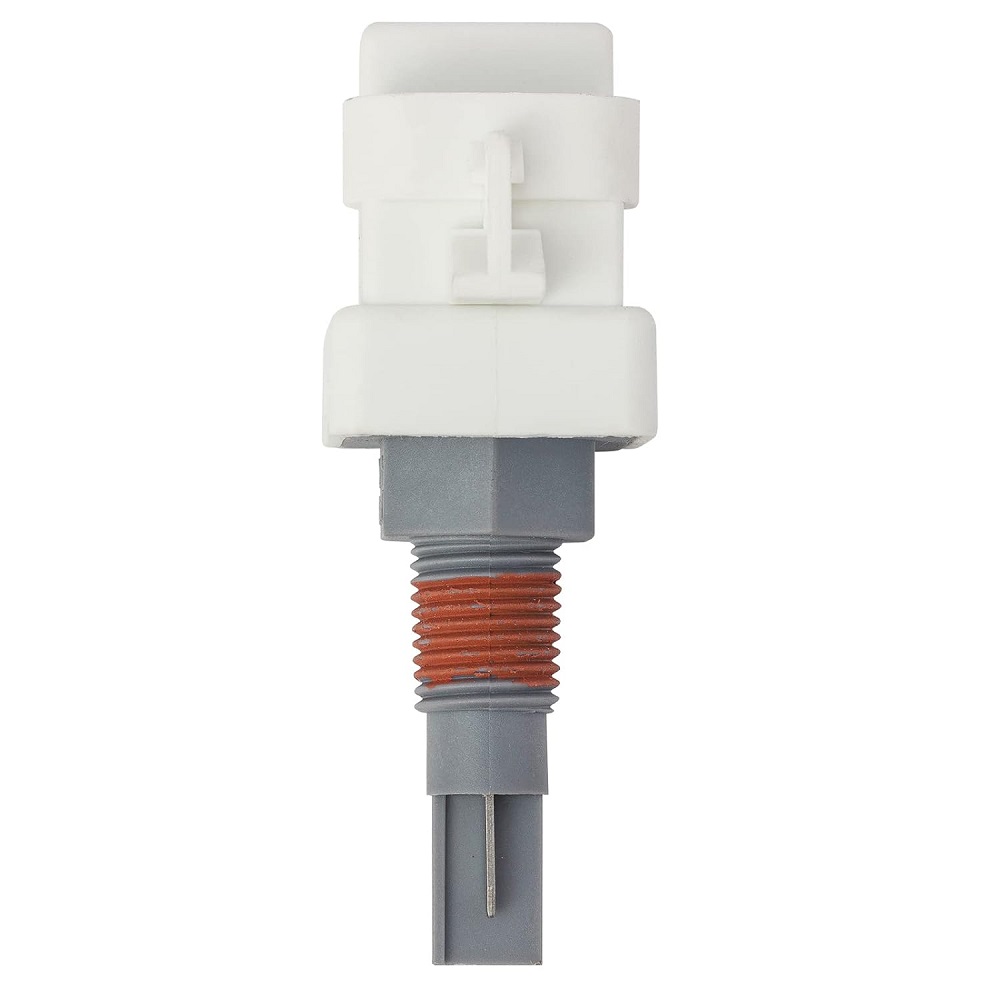
Regularly checking your coolant level is essential for maintaining a healthy engine. Coolant ensures your engine stays at an optimal temperature, preventing overheating or freezing. To avoid potential engine damage, follow these guidelines for checking your coolant level:
- Monthly Checks: Inspect your coolant level at least once a month. This helps detect issues early.
- Before Long Trips: Always check the coolant level before embarking on long journeys. This reduces the risk of engine overheating.
- Seasonal Changes: Inspect the coolant before winter or summer. Extreme temperatures can affect coolant performance.
- After Longer Storage Periods: If your car has been idle for weeks, check the coolant before driving.
Routine checks ensure that any changes in coolant levels are noticed. Keeping an eye on the coolant level allows you to address leaks or other issues promptly. Use your owner’s manual for vehicle-specific guidelines.
Ignoring coolant checks can result in engine wear and tear over time. By establishing a regular checking habit, you can maintain your car’s efficiency and save on costly repairs. Consistency is key to keeping your engine running smoothly.
When to Seek Professional Help
While you can perform routine coolant checks yourself, some situations require a mechanic’s expertise. Knowing when to consult a professional helps prevent further engine damage.
- Repeated Low Coolant Levels: If your coolant levels drop frequently, consult a mechanic. This could indicate a leak or a more serious issue.
- Unusual Noises from the Engine: Strange sounds, like hissing or knocking, may signal serious engine or coolant problems.
- Overheating Despite Refilling Coolant: If the engine overheats even after adding coolant, seek professional advice immediately.
- Visible Leaks Under the Car: Dripping or pooling coolant under your vehicle warrants inspection by an expert.
- Mixed Labeled Fluids: If you suspect mixed coolants, let a mechanic flush and replace the fluid.
- Check Engine Light Stays On: A persistent engine warning light might indicate coolant system issues.
- Changes in Exhaust Color: White, sweet-smelling smoke from the exhaust can point to coolant burning off.
Ignoring these signs can lead to costly repairs, like fixing a cracked engine block or a blown head gasket. Professionals have specialized tools to diagnose and rectify issues quickly and correctly. When care doesn’t resolve the problem, always seek a qualified mechanic for assistance.
Common Myths about Coolant
Myth 1: Coolant Never Needs Replacement
One common misconception is that coolant never needs replacing. In truth, coolant degrades over time and loses its protective properties. Regularly replacing it helps ensure that the engine remains protected from corrosion and overheating. Understanding this fact encourages proper maintenance.
Myth 2: All Coolants Are the Same
Not all coolants are created equal. Different formulations and additives provide varying levels of protection. Using the wrong type of coolant can be detrimental to your engine. It is essential to follow manufacturer guidelines and use the recommended coolant to avoid complications.
Myth 3: Low Coolant is Not a Serious Issue
Some may think that low coolant levels are not a serious concern. However, running a vehicle with low coolant can lead to severe engine damage. Overheating can cause warped heads and blown gaskets, resulting in expensive repairs. Keeping an eye on coolant levels is vital for long-term health and performance.
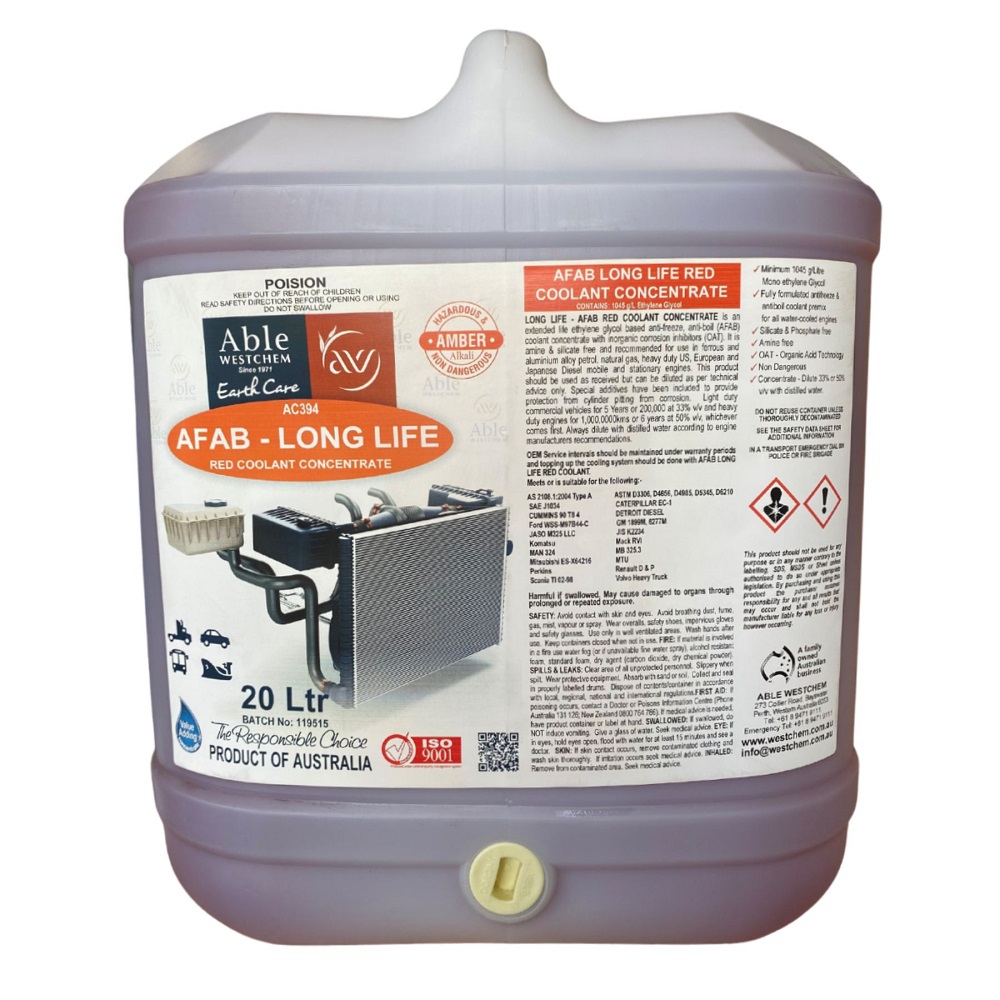
Conclusion: Staying Proactive with Coolant Care
Understanding the Importance
Checking and maintaining coolant levels is a simple yet essential task for vehicle care. It prevents overheating and protects the engine from damage. Knowing how to check the coolant level can help you stay ahead of potential problems. A proactive approach to coolant maintenance ensures that you enjoy a reliable and smooth riding experience.
Building Good Habits
Make it a habit to inspect your coolant level regularly. Establish a routine to keep track of your vehicle’s fluids. Regular checks not only provide peace of mind but also contribute to the overall health of your engine. By staying proactive, you can minimize the risk of unexpected breakdowns.
Enjoying Your Rides
With proper coolant maintenance, you can enjoy every ride with confidence. Knowing that your engine is well-cared for allows you to focus on the experience of driving. So, take the time to check coolant level, and embrace the joy of the road, ensuring that your vehicle remains in top shape throughout your journeys.
Leave a Reply