What is an Engine Cylinder Misfire?
An engine cylinder misfire happens when a cylinder fails to complete its combustion process. This incomplete combustion can disrupt the engine’s performance. Misfires are often felt as jerking, shaking, or a lack of power while driving.
Inside each cylinder, a mixture of fuel and air burns to create power. When the mixture doesn’t ignite properly, the cylinder misfires. This can impact your car’s ability to accelerate and operate smoothly. A single misfire may not harm your engine, but repeated misfires might lead to bigger problems over time.
Misfires can occur in one cylinder or multiple cylinders. The problem might arise from issues in the ignition, fuel delivery, or even mechanical faults in the engine. Identifying a misfire early is important to avoid long-term engine damage and costly repairs.
If your car starts running rough or showing reduced performance, it could be a misfire. Be attentive to symptoms like rough idling, poor fuel economy, or the “check engine” light. These signs often indicate that a misfire is occurring. Understanding what an engine cylinder misfire is can help you address the issue early and ensure your car continues to run smoothly.
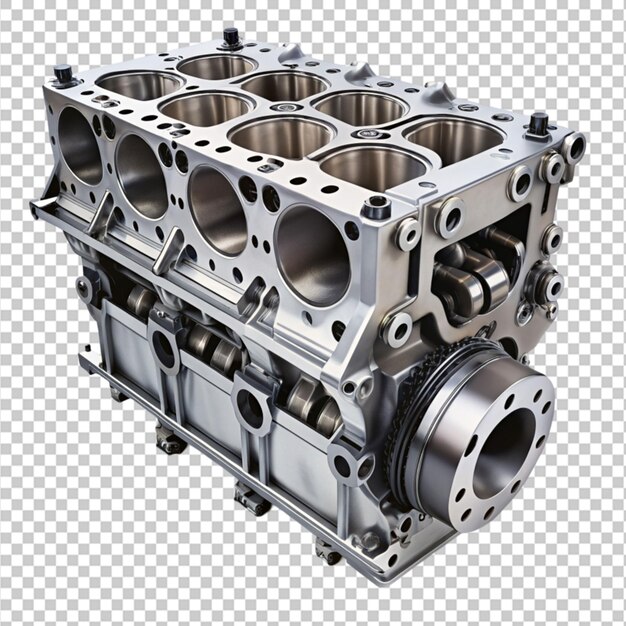
Common Symptoms of Cylinder Misfire
Recognizing the symptoms of an engine cylinder misfire early is crucial. It helps you address potential problems before they cause severe damage. Below are the common indicators:
1. Engine Jerking or Shaking
One of the noticeable symptoms is jerking or shaking. This often happens during acceleration, but it can also occur when idling. A misfire disrupts the engine’s smooth operation, creating an uneven motion.
2. Poor Engine Performance
A misfiring cylinder can reduce power. You may notice slower acceleration and difficulty maintaining speed. This occurs because the incomplete combustion fails to generate the needed energy.
3. Rough Idling
If your car vibrates or idles roughly when stopping or in park, this could indicate a misfire. An irregular fuel-air mix in the cylinder leads to inconsistent operation at low speeds.
4. Decreased Fuel Economy
Misfires lead to inefficient fuel combustion, which increases fuel consumption. You might find yourself refueling more often than usual.
5. Engine Check Light Activation
The “check engine” light often illuminates during a misfire. It can detect problems through your car’s onboard diagnostic system. Pay attention to this warning and have it checked immediately.
6. Strange Exhaust Smell or Smoke
A misfire might cause unburned fuel to exit through the exhaust. This could result in an unusual smell or increased smoke. Dark or excessive smoke should be taken seriously.
7. Popping or Knocking Noises
Unusual noises from the engine are another clear sign. Popping, backfiring, or knocking sounds can indicate a failing combustion process.
Monitoring these symptoms allows you to act quickly. Addressing a misfire early can prevent further engine damage and costly repairs. Always prioritize regular maintenance and inspections to keep your engine in optimal condition.
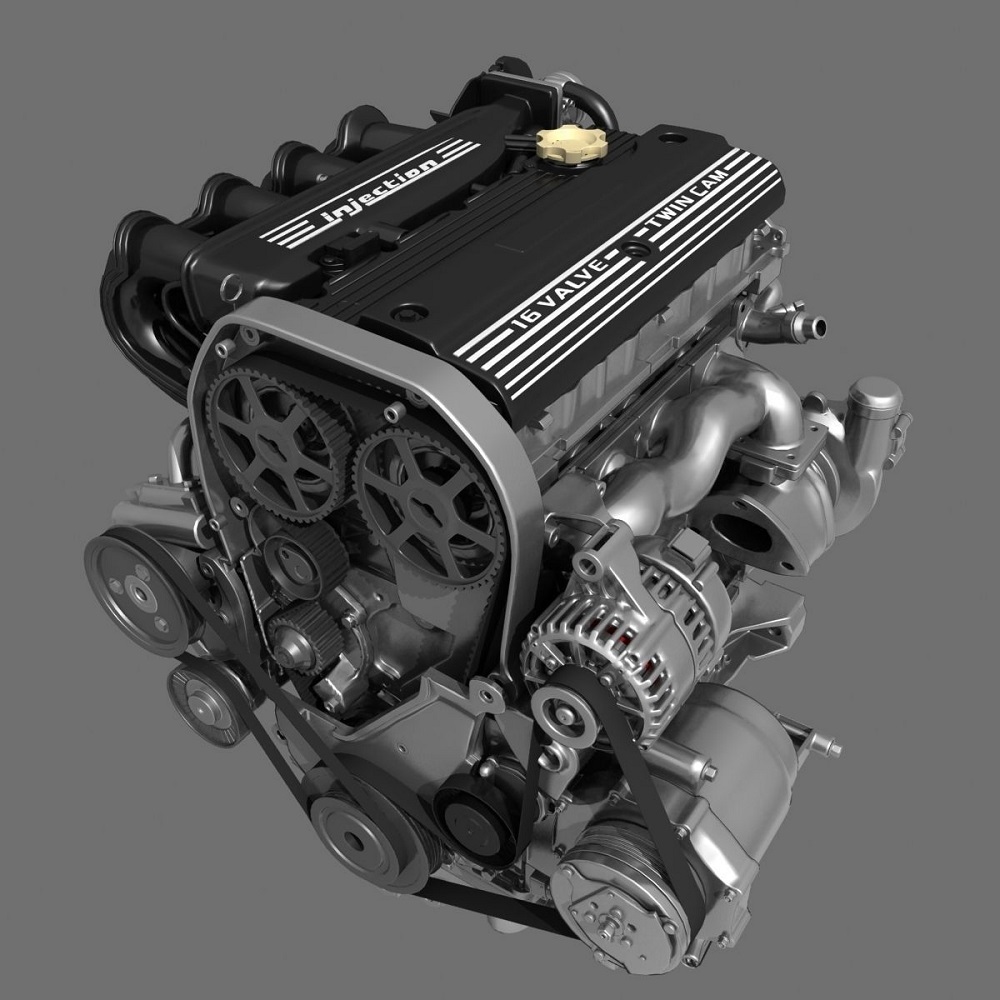
Primary Causes of Engine Cylinder Misfire
Understanding why engine cylinder misfires occur can help address them effectively. Misfires are caused by several key factors tied to engine components. Here are the primary causes you need to know:
Ignition System Issues
The ignition system ignites the fuel-air mix inside the cylinder. Problems here are a common cause of misfires.
- Faulty Spark Plugs: Worn-out or damaged spark plugs fail to ignite the fuel properly.
- Damaged Ignition Coil: A bad ignition coil can disrupt the electricity needed for the spark plug.
- Worn Ignition Wires: Old wires may fail to deliver enough current to the spark plug.
Regular inspection of the ignition system can help ensure proper combustion.
Fuel Delivery Problems
The fuel system delivers a precise amount of fuel to the engine. A problem here can cause misfires.
- Clogged Fuel Injectors: Dirt inside fuel injectors can block the fuel flow.
- Weak Fuel Pump: A failing pump can lower the pressure needed for proper fuel delivery.
- Dirty Fuel Filter: A clogged filter can limit the fuel reaching the engine.
- Incorrect Fuel Mix: An imbalance in the air-fuel ratio disrupts combustion.
Maintaining a clean fuel system is vital for smooth engine performance.
Mechanical Faults
Mechanical engine issues can also cause misfires. These faults are generally more serious and require immediate attention.
- Damaged Pistons or Rings: Worn pistons or rings reduce compression and disrupt combustion.
- Leaking Valves: Faulty valves can cause improper sealing in the cylinder.
- Blown Head Gasket: This leads to a loss of compression and may introduce coolant into the cylinder.
- Timing Chain/Belt Problems: Incorrect timing of engine components impacts combustion.
Detecting mechanical issues early can prevent long-term engine damage.
Knowing these primary causes helps diagnose a misfire and avoid expensive repairs in the future.
Diagnosing Engine Misfire
Diagnosing an engine cylinder misfire is crucial for timely repairs and avoiding further engine damage. Accurate diagnosis helps identify the specific cause of the misfire and ensures proper solutions are applied.
Recognizing Symptoms First
- Pay Attention to Engine Performance: Start by noting jerking or shaking during driving or idling.
- Watch for Warning Lights: Look for the “check engine” light on your dashboard.
- Inspect Fuel Economy: Notice if you’re refueling more frequently than normal.
Conducting a Physical Inspection
- Check Spark Plugs and Wires: Inspect for wear, cracks, or burns.
- Examine Fuel Injectors: Look for dirt or blockages.
- Inspect the Engine Components: Identify visible damages in pistons, rings, or valves.
Using Diagnostic Tools
- OBD Scanner: Use an Onboard Diagnostics scanner to read error codes.
- Compression Tester: Test cylinder compression to detect mechanical issues.
- Fuel Pressure Gauge: Measure fuel flow and pressure.
Listening to Engine Sounds
- Identify Unusual Noises: Monitor for knocking, backfiring, or popping.
- Determine Noise Location: Pinpoint whether the sound comes from the cylinders.
Professional Diagnosis
For complex issues, visit an experienced mechanic. They might use advanced tools like electronic scopes or infrared thermometers for deeper analysis.
Understanding the right techniques for diagnosing misfires ensures accurate problem identification. Regular engine checks make this process easier and faster.
Tools and Techniques for Identifying Misfire Causes
Effectively identifying engine cylinder misfire causes requires the right tools and techniques. Proper diagnosis ensures efficient repairs and prevents further damage to the engine.
OBD Scanner
An Onboard Diagnostic (OBD) scanner is an essential tool. It reads error codes from your vehicle’s computer system. These codes help pinpoint problems causing the misfire. For example, codes can indicate faulty spark plugs, ignition coil issues, or fuel delivery problems.
Compression Tester
A compression tester measures each cylinder’s compression levels. Low compression in a cylinder often points to mechanical problems. Common causes include worn piston rings, damaged valves, or a blown head gasket.
Fuel Pressure Gauge
The fuel pressure gauge assesses the amount of pressure in the fuel system. Low pressure indicates problems, such as weak fuel pumps, clogged fuel filters, or dirty fuel injectors.
Timing Light
A timing light ensures the ignition system works in sync with the engine. It measures the ignition timing and can reveal issues like a skipped timing belt or improper ignition sequence.
Visual Inspection
A thorough inspection can reveal visible damage. Check spark plugs, ignition wires, and coils for wear or burning. Examine the fuel injectors for dirt or blockages. Inspect engine components like pistons or valves for physical damage.
Listening and Observation
Listen for unusual engine sounds, such as popping, knocking, or irregular noises. Observe symptoms like rough idling, jerking, or reduced acceleration to identify the potential issues.
Professional Tools
Complex problems may require advanced tools. Mechanics sometimes use electronic scopes for deeper analysis or infrared thermometers to detect heat inconsistencies.
Having the right tools and techniques aids in diagnosing engine cylinder misfires accurately. Regular maintenance helps in early detection and prevention of potential misfire issues.
How to Fix an Engine Misfire
Fixing an engine cylinder misfire requires identifying and addressing the specific cause. These steps can help:
1. Replace Faulty Spark Plugs
Faulty spark plugs are a common cause. Replace worn-out or damaged plugs to restore proper ignition.
2. Inspect and Replace Ignition Components
Examine the ignition coil and wires for damage. Replace them if they fail to function properly.
3. Clean or Replace Fuel Injectors
Clogged fuel injectors can disrupt fuel flow. Use a fuel injector cleaner or replace them as needed.
4. Check and Replace the Fuel Pump
A weak or failing fuel pump affects fuel delivery. Replace it if the pressure is too low.
5. Replace the Fuel Filter
A dirty fuel filter restricts fuel flow. Install a new filter to ensure proper fuel supply.
6. Adjust the Air-Fuel Mixture
Ensure the correct air-fuel ratio for efficient combustion. Consult the vehicle manual or a professional.
7. Repair Mechanical Issues
Address severe problems, like damaged pistons or valves, promptly. Replace or repair faulty parts.
8. Recalibrate Timing System
Incorrect timing disrupts the engine’s operations. Adjust the timing belt or chain as needed.
9. Use an OBD Scanner for Codes
Scan for error codes regularly. Follow the codes to pinpoint and resolve the exact issue.
10. Seek Professional Help
If you cannot resolve the issue, visit a certified mechanic. They have advanced tools for detailed diagnosis and repairs.
Fixing engine cylinder misfires quickly keeps your car running efficiently. Don’t delay repairs to avoid costly damage later.
Preventing Future Cylinder Misfires
Preventing engine cylinder misfires starts with regular maintenance and attention to your car’s performance. Address potential issues before they worsen to ensure smooth engine operation.
1. Regular Maintenance
- Check spark plugs: Inspect and replace them according to your vehicle’s maintenance schedule.
- Inspect ignition system: Check ignition coils, wires, and other components periodically.
- Replace air and fuel filters: Keep them clean to ensure proper air and fuel flow.
2. Use High-Quality Fuel
- Poor-quality fuel can clog injectors and create an improper air-fuel mixture.
- Always opt for high-quality fuel to keep your engine clean and efficient.
3. Keep the Fuel System Clean
- Use fuel injector cleaners as per the manufacturer’s recommendations.
- Regularly inspect the fuel pump and pressure levels.
- Maintain clean fuel lines to prevent blockages.
4. Address Repairs Immediately
- If you notice a misfire, fix it promptly to avoid further damage.
- Pay attention to the “check engine” light for early warning signs.
5. Avoid Cold Starts
- Let the engine warm up before driving, especially in cold weather.
- Rapid acceleration before the engine warms up can cause misfires.
6. Monitor Engine Timing
- Ensure the timing belt or chain is working correctly.
- Regularly check timing alignment for smooth combustion.
7. Keep Sensors in Optimal Condition
- Inspect and clean engine sensors like oxygen sensors and MAP/MAF sensors.
- Faulty sensors lead to incorrect air-fuel mixture readings.
8. Maintain a Proper Driving Habit
- Avoid rapid acceleration or sudden stops, which can strain engine parts.
- Drive steadily to reduce wear and tear on your engine components.
9. Perform Periodic Diagnostics
- Use an OBD scanner to detect issues early.
- Professional diagnostic checks can uncover minor problems before they escalate.
Taking proactive measures to prevent engine cylinder misfires helps reduce repair costs and prolong engine life. A well-maintained engine ensures smooth and efficient driving.
When to Seek Professional Help
Addressing an engine cylinder misfire promptly is crucial. However, some situations require professional assistance. Below are clear instances where visiting a mechanic is the best decision.
Persistent Misfire Issues
- If misfires continue despite replacing parts like spark plugs or fuel filters, seek expert help.
- Persistent engine issues might indicate complex mechanical faults or hidden underlying problems.
Difficulty Pinpointing the Cause
- If you cannot identify the misfire’s source after using an OBD scanner or inspecting components.
- Advanced diagnostic tools may be required to uncover the root cause.
Major Mechanical Problems
- Issues like a blown head gasket, damaged pistons, or valve leaks need professional repair.
- Specialized tools and skills are necessary for repairing such intricate engine damages.
Unusual Engine Noises
- Knocking, backfiring, or loud popping sounds from the engine should not be ignored.
- A professional can precisely detect and resolve noise-related concerns.
Overheating or Coolant Leaks
- If the engine overheats or you notice coolant pooling under your car.
- These symptoms could point to severe problems like a head gasket failure.
Complexity of Timing Adjustments
- If timing chain or belt adjustments don’t fix the problem, visit a certified mechanic.
- Any misalignment in timing can further damage the engine if not corrected accurately.
Faulty Sensors or Electrical Issues
- When malfunctioning sensors or electrical issues are suspected as the misfire’s cause.
- Technicians use advanced tools to diagnose and repair these intricate problems.
“Check Engine” Light Stays On
- If the “check engine” light doesn’t turn off after repairs, consult a professional.
- The mechanic can decode error messages and verify proper functioning after repairs.
Repeated Failed Emissions Test
- Continued failure in emissions testing may indicate recurring combustion issues.
- Professionals have equipment to assess and rectify emissions-related problems.
Severe Performance Loss
- When your vehicle struggles with acceleration, power, or maintaining speed consistently.
- This may suggest extensive wear and tear on important engine components.
Avoid Worsening Damage
- Delayed diagnosis and repairs could mean costly repairs later on.
- Seeking timely professional help can prevent further engine damage.
Hiring a qualified mechanic ensures accurate diagnosis and effective repairs. Professional care keeps your engine in its best condition for longer. Act promptly when in doubt to protect your vehicle’s performance and longevity.
Leave a Reply