Why Flushing Your Coolant System is Important
Flushing your coolant system is vital to maintain your vehicle’s performance. It helps remove old coolant, dirt, and debris from the system. How to flush coolant system? Over time, coolant degrades and loses its effectiveness, leading to overheating issues. Contaminants can also cause clogs and corrosion in the radiator and engine.
Old coolant can form deposits inside your system, reducing its efficiency. These deposits may damage the radiator and other components. Flushing ensures your engine stays at the optimal temperature during operation. It prevents overheating or freezing, which can lead to expensive repairs.
Regular flushing also extends the lifespan of your vehicle. By removing rust and sludge, your cooling system remains clean and functional for longer. It ensures your engine runs smoothly, improving fuel efficiency and reducing the risk of breakdowns.
A well-maintained coolant system protects your car’s internal components. This includes the water pump, radiator, and thermostat, among others. Neglecting this maintenance can lead to costly replacements or repairs. Clean coolant also enhances your vehicle’s overall performance and longevity.
Investing time in flushing your coolant system can save you money in the long run. It minimizes wear and tear on your engine, ensuring reliable operation. Proper maintenance also keeps you safer on the road by preventing sudden engine failures. Always flush your coolant system according to your vehicle’s maintenance schedule.
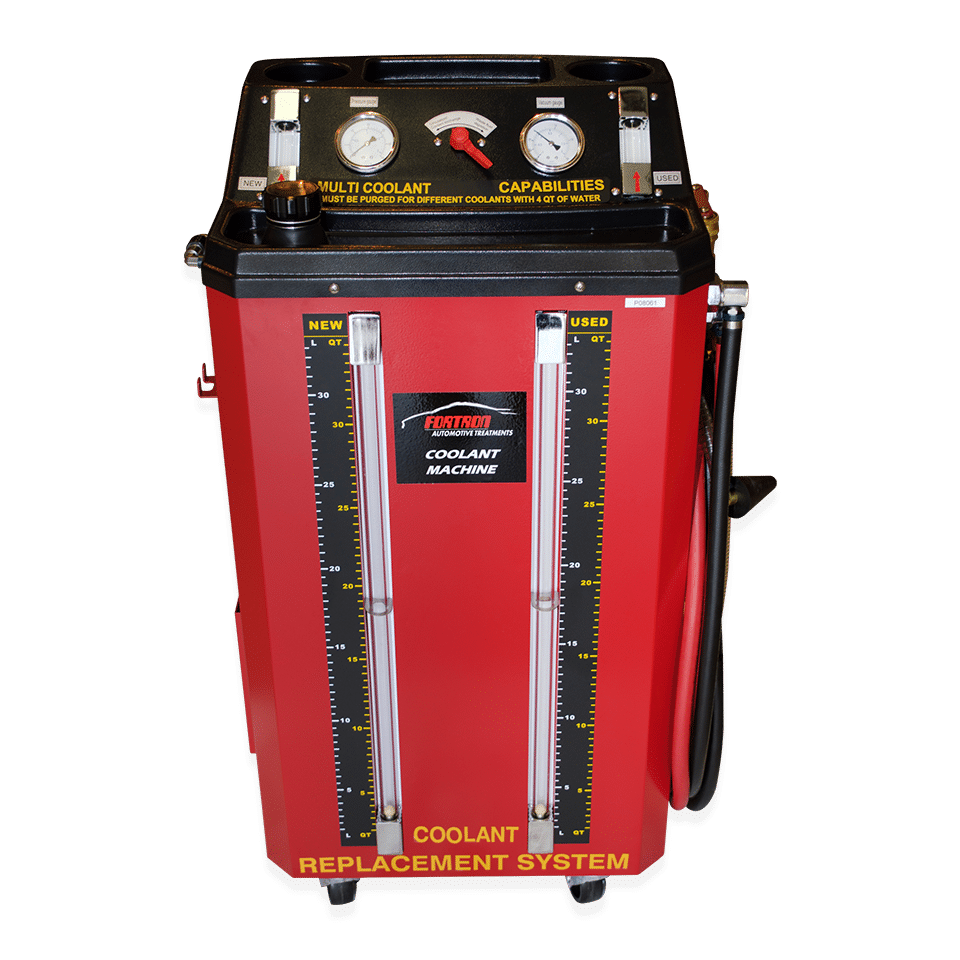
Signs That Indicate Your Coolant System Needs Flushing
Flushing your coolant system is an important part of vehicle maintenance. Recognizing the signs that your coolant system needs attention can prevent costly repairs.
Overheating Engine
An overheating engine is a clear sign of coolant issues. The coolant regulates engine temperature. If the system is dirty or clogged, it struggles to perform this task effectively. Frequent overheating may mean the coolant has degraded or debris is blocking the system.
Discolored or Dirty Coolant
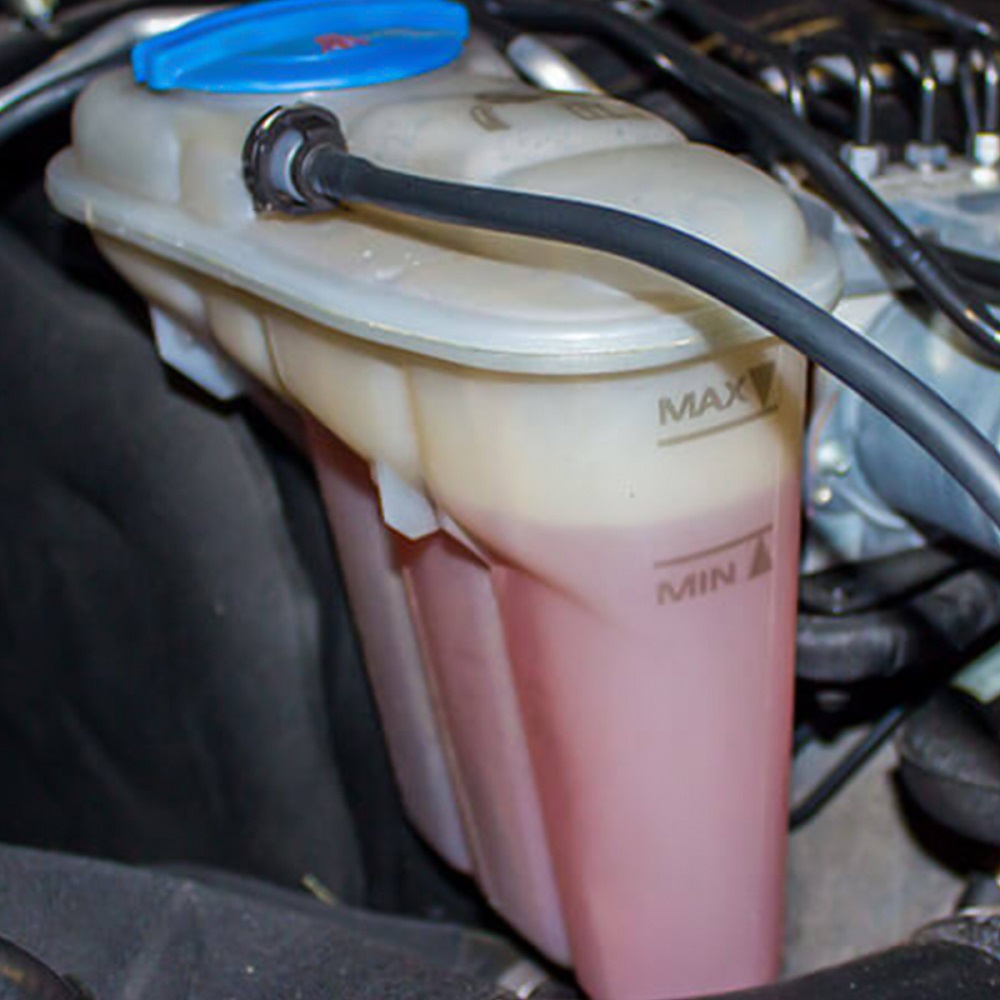
Check the color of your coolant. Fresh coolant is usually bright green, yellow, or pink. If it’s brown or murky, contaminants like rust and sludge could be present. Discolored coolant indicates it’s time for a flush.
Low Coolant Levels
Regularly inspect the coolant reservoir. Low levels may indicate leaks or evaporation. Ignoring this issue can lead to overheating or mechanical damage. Always top off coolant as needed.
Unusual Engine Smells
A sweet or burning smell coming from your engine may suggest coolant leaks. These odors occur when coolant escapes and burns on hot components. A flush can help identify and fix leaks, ensuring optimal engine function.
Radiator Corrosion or Damage
Inspect your radiator for signs of wear or corrosion. Rust or debris buildup reduces cooling efficiency. Flushing removes contaminants and prevents further damage.
Poor Heater Performance
If your car’s heater isn’t warming the cabin, the coolant system might be clogged. The heater uses warm fluid from the engine. Flushing ensures proper heat transfer.
Steam or Smoke from the Engine
Steam or smoke indicates overheating. This problem arises when the coolant system fails. Addressing this immediately can prevent severe engine damage.
Scheduled Maintenance Time
Follow your vehicle’s maintenance schedule for flushing. Manufacturers provide guidelines based on your car’s age and mileage. Regular flushing keeps your cooling system efficient.
Knowing these signs helps maintain a healthy coolant system. Addressing issues early ensures smooth engine performance and avoids costly repairs.
Tools and Supplies You’ll Need
Having the right tools and supplies ensures a smooth coolant system flush process. Before starting, gather everything you’ll need to complete the task properly.
- Safety Gear: Use gloves and safety glasses to protect your skin and eyes from contact with coolant, which can be harmful.
- Drain Pan: A container to collect old coolant during draining. Ensure it is durable and leak-proof.
- Water Hose: Needed for flushing the system with clean water. Ensure it has sufficient pressure.
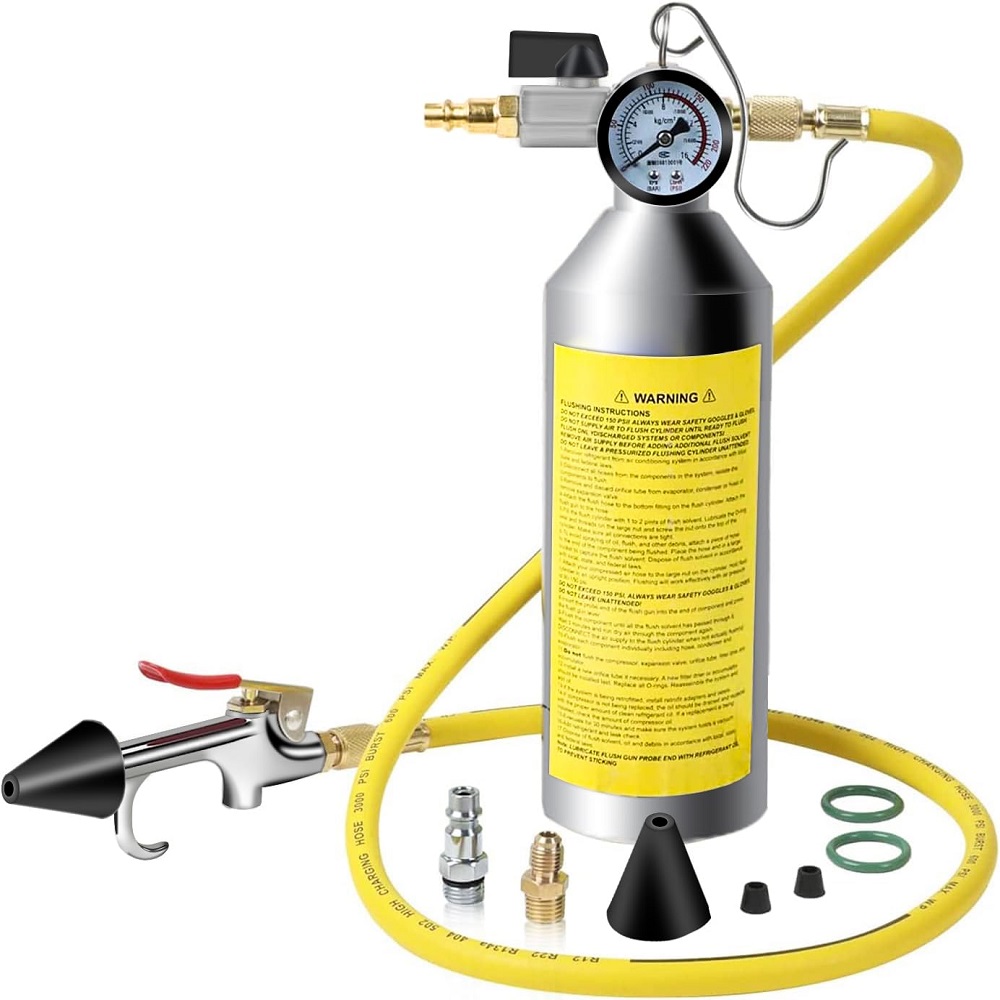
- Coolant Flush Solution: The cleaning solution helps to remove stubborn contaminants from the system.
- New Coolant: Choose the right type for your vehicle, as outlined in your owner’s manual.
- Wrench or Pliers: Necessary for loosening clamps, drain plugs, or hoses during the flush process.
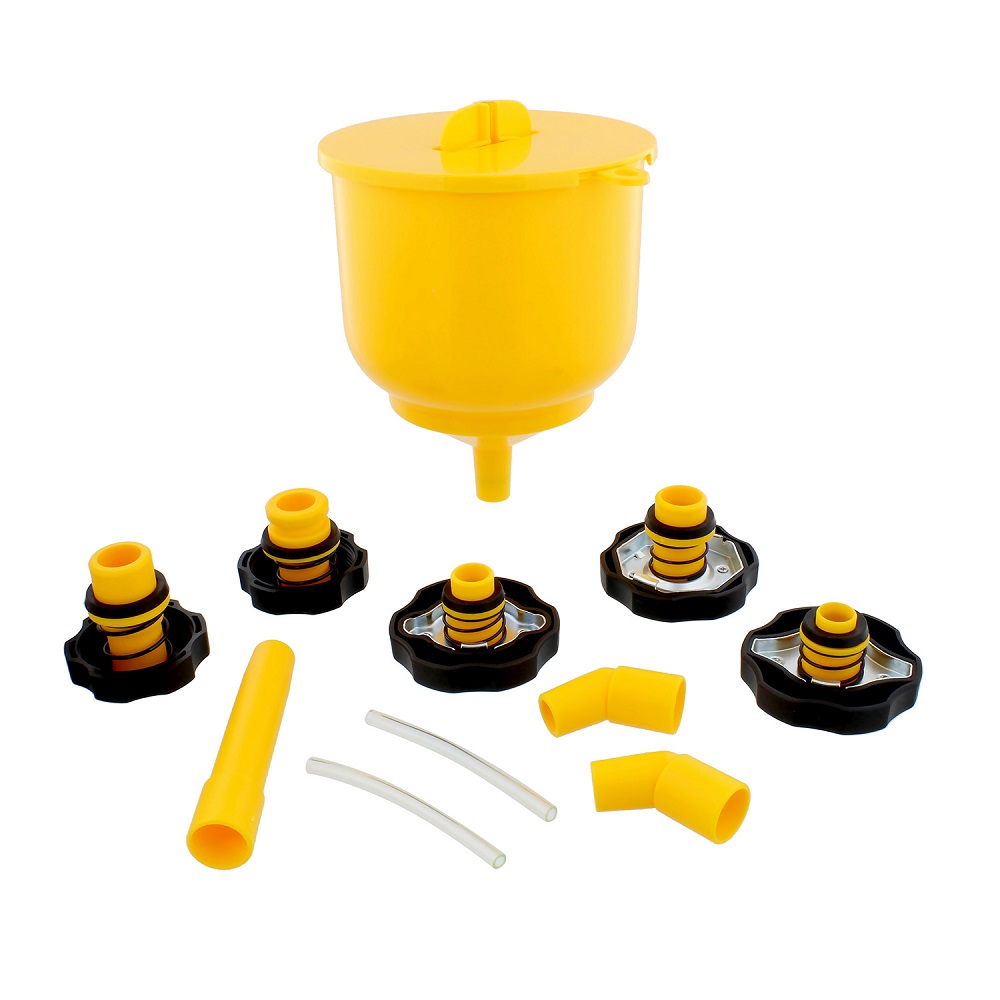
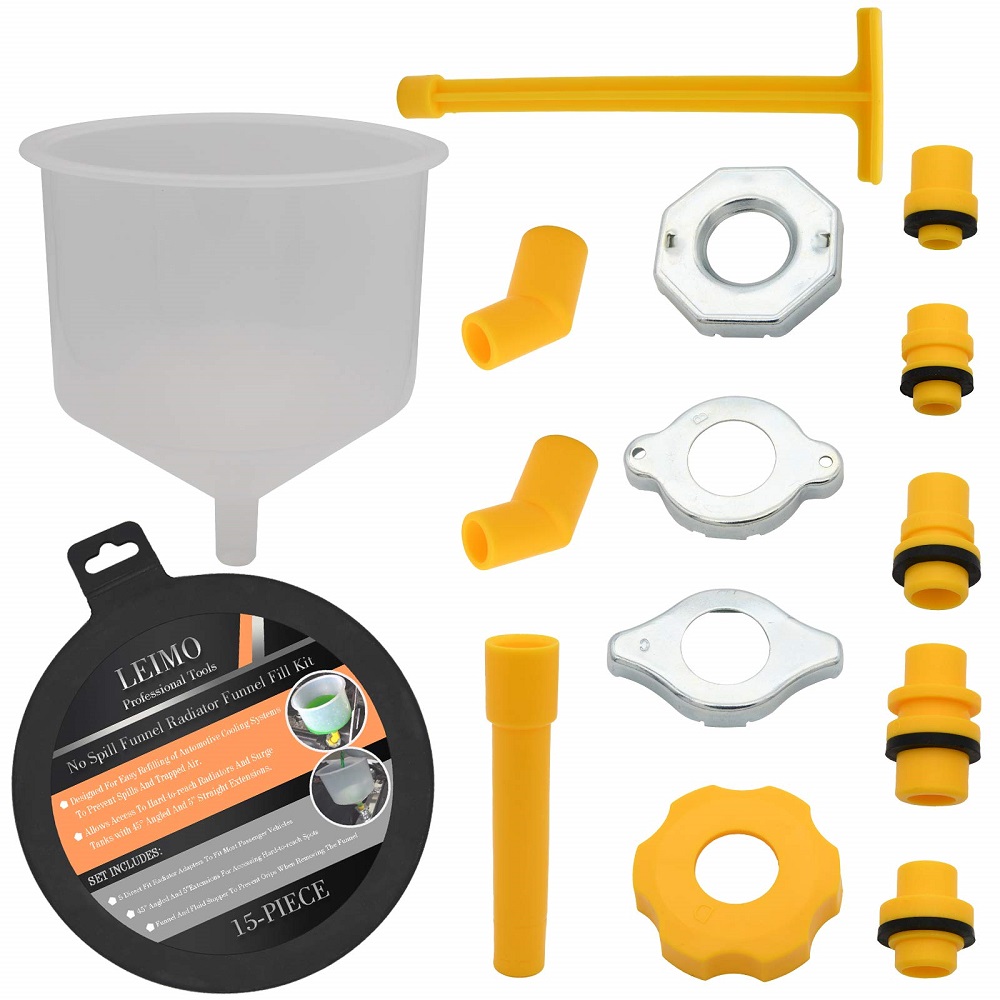
- Funnel: Use a funnel for easy and mess-free pouring when refilling with new coolant.
- Owner’s Manual or Guide: Provides specific instructions related to your vehicle’s make and model.
- Towels or Rags: Useful for cleaning spills and wiping hands while working.
- Jack and Jack Stands (if needed): If your vehicle’s drain plug is hard to reach, lifting the car can provide easier access.
Having these tools prepared ensures you can complete the task efficiently. Proper supplies also prevent accidental damage to your vehicle during the coolant flush process.
Steps to Safely Flush Your Coolant System
Flushing your coolant system is crucial for vehicle maintenance. Follow these steps to ensure safety and effectiveness.
Preparing Your Vehicle
- Park in a Safe Area: Choose a level surface and ensure your car is cool.
- Wear Safety Gear: Use gloves and safety glasses to avoid exposure to harmful coolant.
- Lift the Vehicle (if needed): Use a jack and stands, if accessing the drain plug is difficult.
- Gather Tools and Supplies: Ensure you have a drain pan, wrench, funnel, water hose, and new coolant ready.
- Consult Your Owner’s Manual: Check instructions specific to your vehicle for accurate preparation.
Draining the Old Coolant
- Locate the Drain Plug: Find it underneath the radiator or consult your owner’s manual.
- Place a Drain Pan: Position it to collect the old coolant without spilling.
- Remove the Drain Plug: Use a wrench or pliers carefully to avoid damage.
- Drain the Coolant: Let the coolant flow completely into the pan.
- Dispose Properly: Take the old coolant to a recycling center.
Flushing the System with Water or Cleaner
- Attach the Water Hose: Insert it into the radiator opening.
- Run Water Through the System: Turn the hose on to flush out dirt and old coolant.
- Add Coolant Flush Solution (Optional): Pour it into the radiator for deeper cleaning.
- Repeat the Process: Continue flushing until clean water flows out.
- Reattach All Parts: Secure the drain plug tightly.
Refilling with New Coolant
- Mix Coolant: Use the correct water-to-antifreeze ratio, typically 50:50.
- Add the Coolant: Pour it into the radiator using a funnel to prevent spills.
- Fill the Reservoir: Refill the overflow reservoir to the proper level.
- Remove Air Pockets: Run the engine to eliminate trapped air in the system.
- Check for Leaks: Ensure connections are secure, and there’s no dripping coolant.
- Inspect Coolant Levels: Verify levels with the marks in the reservoir.
By following these steps, your coolant system will operate efficiently and safely. Always refer to your vehicle’s manual and maintenance schedule to ensure you do the flush correctly.
Recommended Coolant Types for Different Vehicles
Choosing the right coolant type is crucial for vehicle performance and engine health. Different vehicles require specific coolants to function effectively.
- Inorganic Acid Technology (IAT) Coolants:
- Found in older vehicles manufactured before the mid-1990s.
- Typically green in color.
- Requires frequent replacement, usually every two years.
- Organic Acid Technology (OAT) Coolants:
- Used in modern cars from the mid-1990s onward.
- Available in colors like orange, red, or dark green.
- Have a longer lifespan, typically lasting up to five years.
- Hybrid Organic Acid Technology (HOAT) Coolants:
- Combine properties of IAT and OAT coolants.
- Commonly yellow, blue, or pink in color.
- Designed for vehicles from specific manufacturers, like Chrysler or Ford.
- Require replacement every five years or longer.
- Phosphate-Free Coolants:
- Popular in European vehicles.
- Help reduce scaling and deposits in cooling systems.
- Typically last five years.
- Silicate-Free Coolants:
- Preferred for Asian vehicles.
- Offer better protection against corrosion and extend component life.
How to Choose the Right Coolant
To select the correct coolant, check your owner’s manual. Use the manufacturer’s recommendations for coolant type and change intervals. Using the wrong coolant can damage your engine parts, leading to costly repairs.
Mixing Coolant Types
Avoid mixing different coolant types. Incompatible coolants can lead to sludge formation and reduced efficiency. Only mix coolants if specified by the manufacturer.
Choosing the right type of coolant ensures efficient vehicle performance and prevents engine damage. Regularly replace or flush your coolant for smooth operation.
Tips for Maintaining Your Coolant System
Proper maintenance of your coolant system keeps your vehicle running smoothly. Follow these tips:
- Regularly Check Coolant Levels:
- Ensure the coolant reservoir is filled to the recommended level.
- Check levels every few weeks or as specified in your manual.
- Inspect Coolant Quality:
- Look for discoloration, such as brown or murky appearance.
- Replace coolant if it is dirty, rusty, or contaminated.
- Monitor Engine Temperature:
- Pay attention to your vehicle’s temperature gauge.
- If it shows overheating, inspect the coolant and system immediately.
- Check for Leaks:
- Inspect hoses and connections for any signs of leaks or damages.
- Address leaks quickly to avoid further problems.
- Follow the Manufacturer’s Maintenance Schedule:
- Refer to your owner’s manual for coolant replacement intervals.
- Schedule routine flushes based on the recommended mileage or time.
- Use the Correct Coolant Type:
- Choose the specified coolant for your specific make and model.
- Mixing incompatible coolants can harm your engine.
- Keep Radiator and Reservoir Clean:
- Check for debris or deposits that can clog the system.
- Clean these components during routine maintenance.
- Watch for Unusual Smells:
- Smells like burning or sweetness may signal leaks.
- Investigate and resolve the issue swiftly.
- Test the System for Proper Performance:
- Periodically test the cooling system for efficiency.
- Ensure there are no blockages impeding coolant flow.
- Store Coolant Properly:
- Use a clean, closed container to store coolant.
- Keep it away from children or pets as it is toxic.
By following these maintenance tips, you’ll prevent costly repairs and ensure optimal performance. Healthy coolant keeps your engine running efficiently and extends your vehicle’s lifespan.
Common Mistakes to Avoid When Flushing Your Coolant System
Flushing your coolant system is essential for maintaining your vehicle’s performance. However, mistakes can cause more harm than good. Avoid these common errors to ensure a safe and effective process.
- Not Cooling the Engine Before Starting:
- Always let your engine cool completely. Flushing a hot engine can cause burns or cracks.
- Skipping Safety Precautions:
- Always wear gloves and safety glasses. Coolant is toxic and can cause skin irritation.
- Using the Wrong Type of Coolant:
- Consult your owner’s manual for the correct coolant type. Using the wrong one can damage your engine.
- Incorrect Coolant Mixture:
- Mix coolant and water as recommended, usually in a 50:50 ratio. Incorrect ratios reduce performance.
- Ignoring Air Pockets in the System:
- Remove trapped air by running the engine after refilling. Air pockets can cause overheating.
- Not Flushing Thoroughly:
- Ensure you flush until clean water flows out. Incomplete flushing leaves old particles behind.
- Forgetting to Check for Leaks:
- Inspect hoses and connections after flushing. Unaddressed leaks can lead to future problems.
- Improper Disposal of Old Coolant:
- Old coolant is hazardous. Always dispose of it at a recycling center.
- Skipping Regular Maintenance:
- Follow the manufacturer’s schedule for flushing. Delays can cause clogs and damage to components.
- Over-Tightening or Loosening Drain Plugs:
- Tighten drain plugs just right. Over-tightening or leaving them loose can cause leaks or damage.
Avoiding these mistakes ensures your coolant system operates efficiently. Proper maintenance also extends your engine’s life and keeps your car running smoothly.
How Often Should You Flush Your Coolant System
Regular maintenance is crucial to keep your coolant system in good condition. Flushing your coolant system at the right time ensures optimal performance and prevents costly repairs.
Manufacturer’s Recommendations
Follow your vehicle manufacturer’s guidelines for flushing intervals. These are listed in your owner’s manual. Typically, most vehicles require a coolant flush every 30,000 to 50,000 miles. However, some modern coolants last longer, up to 100,000 miles.
Factors Affecting Flushing Frequency
- Vehicle Type: Older cars may need more frequent flushes compared to newer models.
- Usage Conditions: Harsh weather or frequent towing may increase the need for flushing.
- Coolant Type: Some coolants, like Organic Acid Technology (OAT), last longer, requiring fewer flushes.
- Driving Habits: Aggressive driving can lead to quicker coolant degradation.
Annual Inspections
It is a good habit to inspect your coolant system yearly. Check the coolant level and quality. Look for discoloration or signs of rust. If your coolant appears dirty or murky, it’s time for a flush.
Check for Warning Signs
Pay attention to overheating, leaks, or unusual engine smells. These could indicate it’s time for a flush. Always address any signs promptly to avoid more severe issues.
Climate Considerations
In colder climates, flushing before winter can prevent freezing issues. In hotter regions, ensure your coolant is effective against overheating. Tailor your flushing schedule based on your local environment.
Importance of Staying on Schedule
Adhering to your flushing schedule prevents clogs and corrosion. It also extends the life of your engine components. Skipping this maintenance can lead to expensive repairs and poor vehicle performance.
Timely flushing keeps your coolant system efficient and your car running smoothly. Always prioritize regular checks and follow recommended intervals.
Leave a Reply