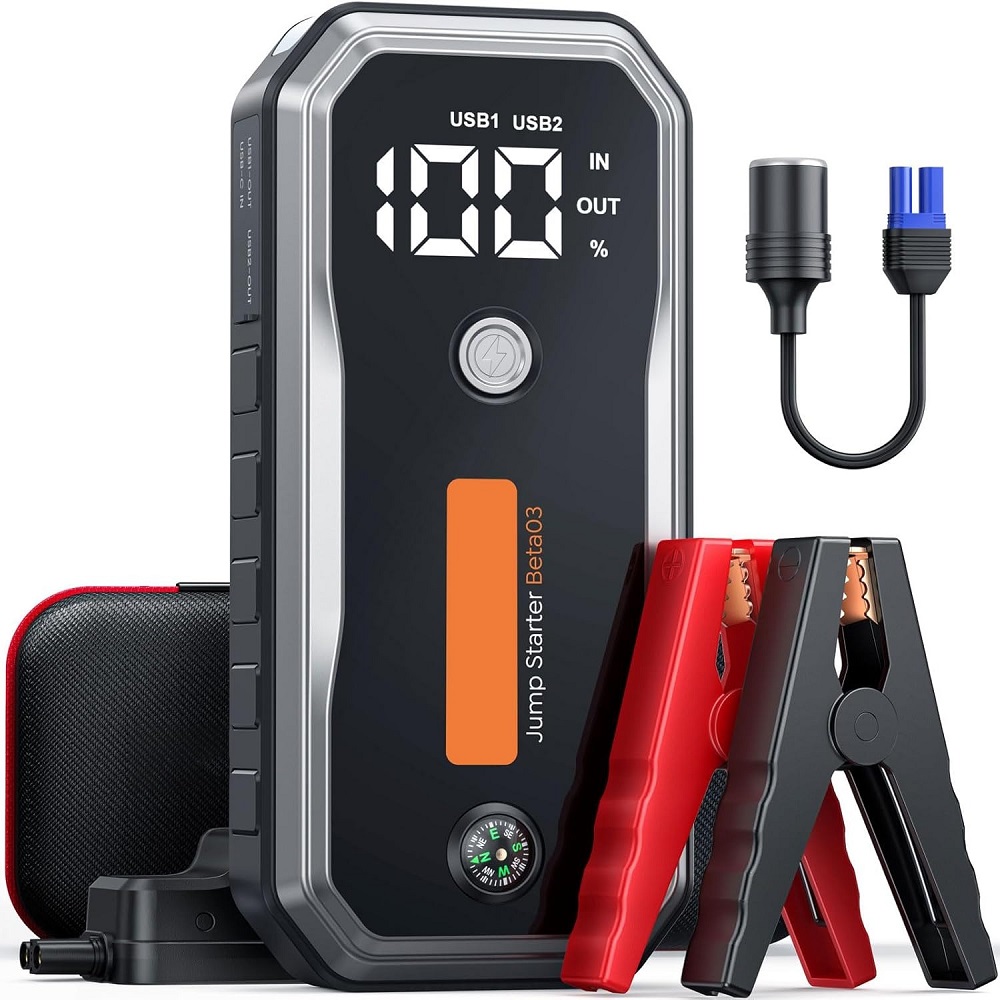
Why Knowing How to Jump Start a Car is Important
Knowing how to jump start car is an essential skill for drivers. A car battery can lose power unexpectedly, leaving you stranded. When you understand the jump-start process, you can quickly restore your vehicle’s functionality. This knowledge also reduces dependency on others during emergencies. Additionally, handling the process improperly can damage your car. Awareness of the steps ensures safety and efficiency.
Common Reasons for a Dead Battery
Car batteries can drain for several reasons. One of the most common causes is leaving headlights or interior lights on for long periods. Extreme weather conditions, such as cold winters or hot summers, can also harm batteries. Short driving trips without time to recharge the battery can contribute to power loss. Finally, an aging or faulty battery may naturally lose strength over time, leading to unexpected failures.
Situations Where Jump Starting a Car is Necessary
There are specific situations where jump starting becomes vital. For instance, if your car won’t start at home or in a parking lot, it might have a dead battery. If your battery drains during a road trip in a remote area, jump starting might be the quickest solution. Jump starting is also helpful when towing assistance is unavailable or would take too long to arrive. Understanding these scenarios allows you to act promptly and confidently.
Essential Tools Needed to Jump Start a Car
Having the right tools ensures a smooth and safe jump-start process. Proper equipment prevents damage and saves time. Below are the two most common tools you’ll need.
Jumper Cables: Choosing the Right Type
Jumper cables are a must-have for jump starting a car. Choose cables with heavy-duty clamps and thick wires. Look for a length of at least 10 feet to reach between cars easily. Ensure the cables match your vehicle’s battery type and voltage. Buying high-quality cables reduces the risk of electrical issues. Always check the insulation for durability to prevent wear and tear.
Alternatives to Jumper Cables: Portable Jump Starters
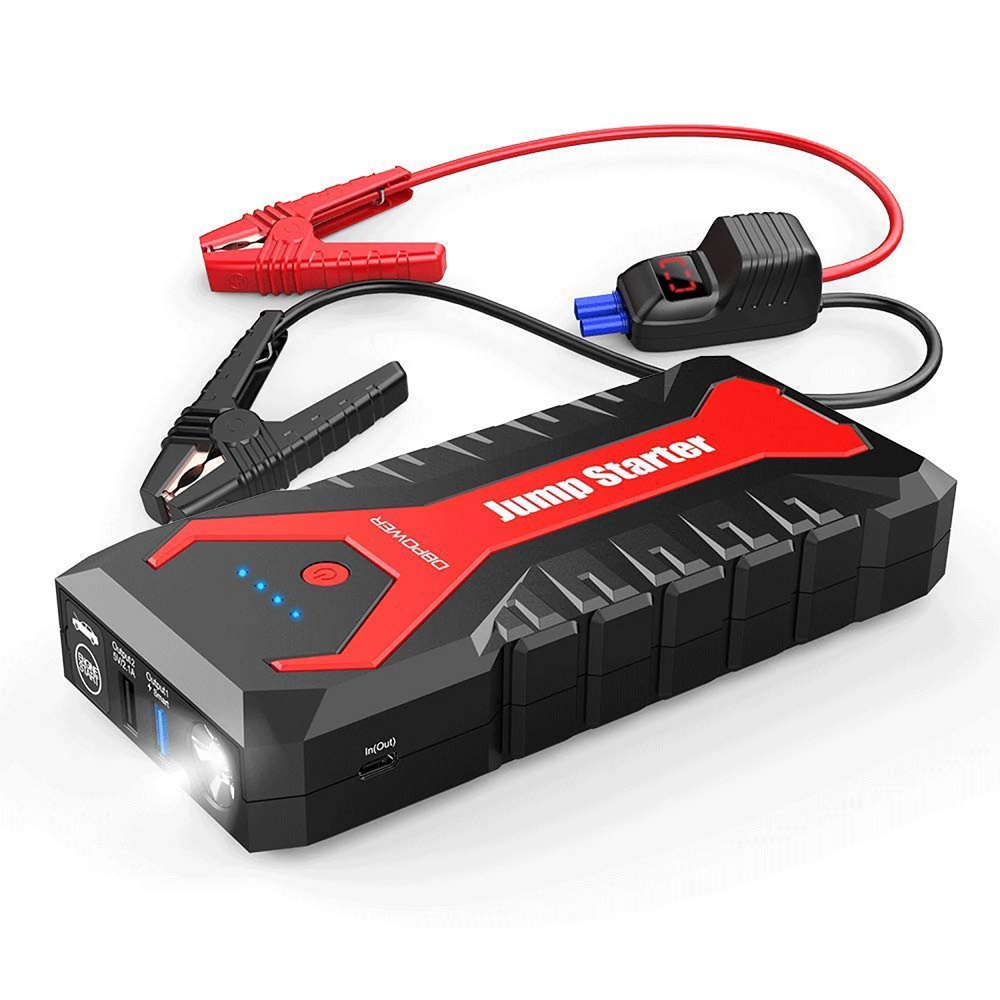
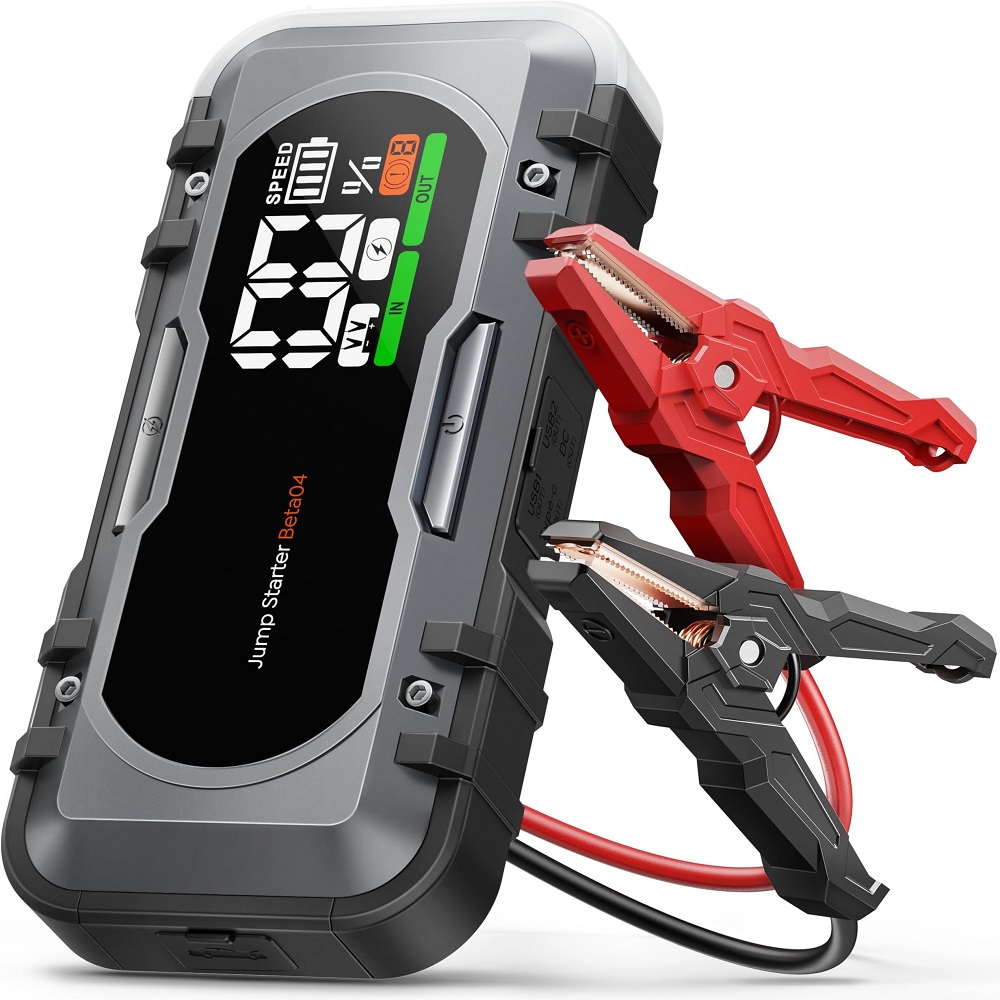
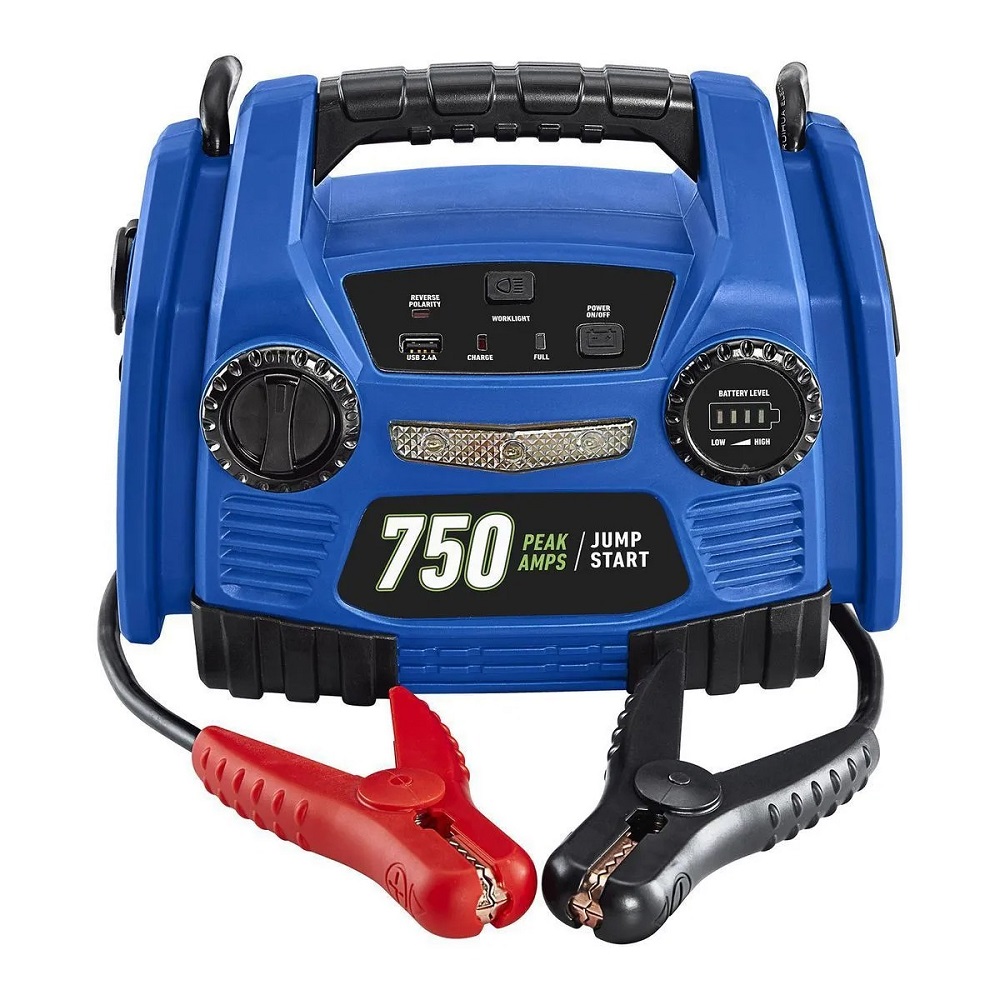
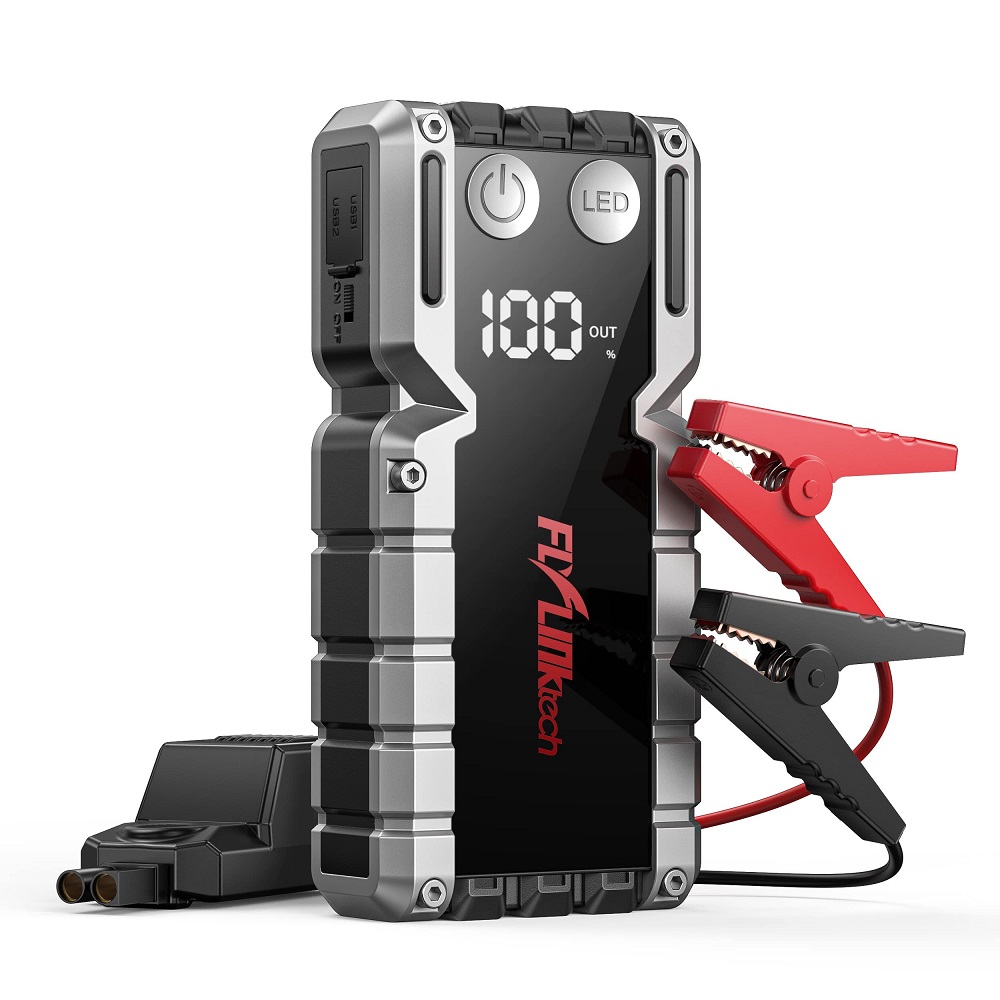
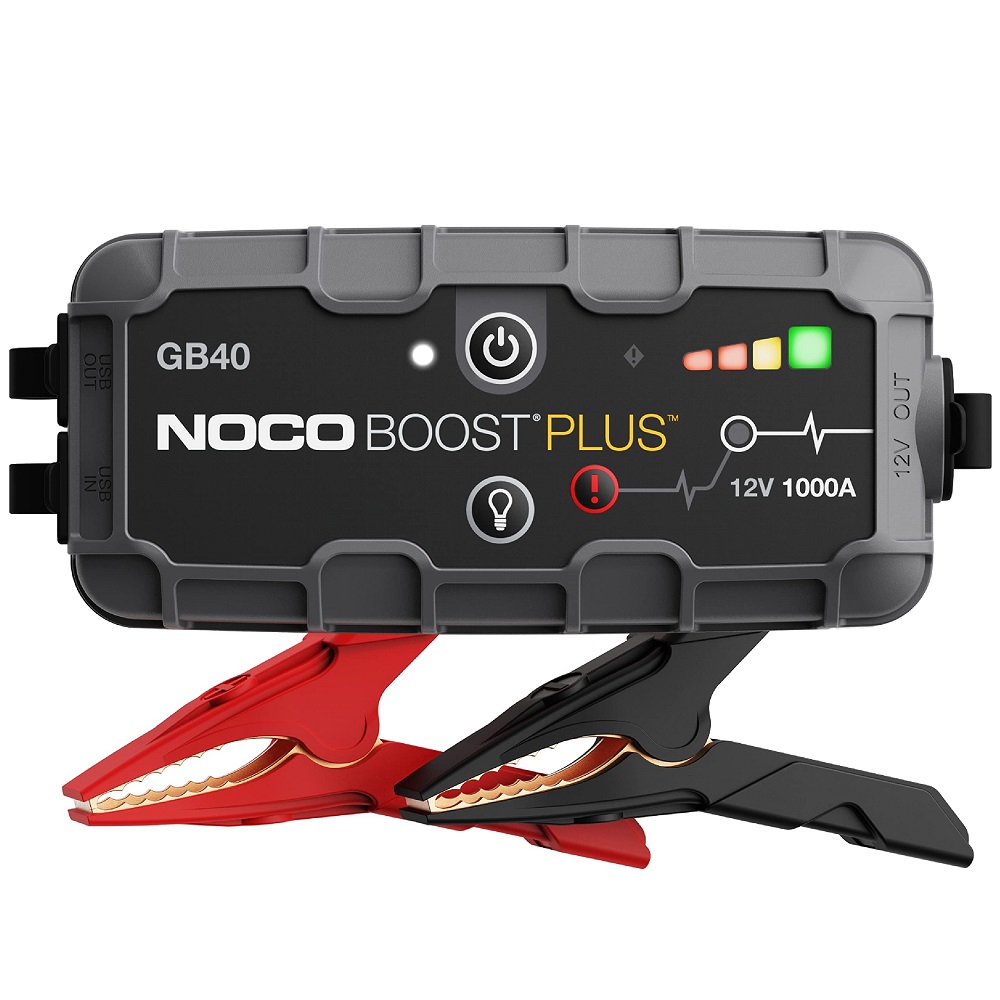
Portable jump starters are a great backup option. These devices don’t require another vehicle for the jump. They’re compact and easy to store in your car trunk. Many models work with a range of battery types and sizes. Choose a jump starter with enough amps for your engine and vehicle. Frequent travelers benefit from having this portable solution handy at all times.
Step-by-Step Guide to Jump Starting a Car
Jump starting a car requires careful attention to detail for safety and effectiveness. Follow these steps to ensure a trouble-free process.
Preparing the Cars and Ensuring Safety
- Park both cars close, but avoid contact.
- Turn off each car’s engines.
- Engage parking brakes for safety.
- Gather your jumper cables or portable jump starter.
- Inspect cables for damage. Do not use defective ones.
- Remove any metal jewelry to prevent electrical risks.
- Check both batteries for cracks or leaks.
Connecting the Jumper Cables Correctly
- Attach one red clamp to the dead battery’s positive terminal.
- Attach the other red clamp to the positive terminal of the working battery.
- Connect one black clamp to the working battery’s negative terminal.
- Attach the remaining black clamp to an unpainted metal surface on the car with the dead battery. Avoid connecting it to the negative terminal of the dead battery.
- Ensure all connections are secure and clamps do not touch each other.
Starting the Engine: What to Do and Avoid
- Start the engine of the car with the working battery.
- Let it run for a few minutes.
- Start the car with the dead battery.
- If it doesn’t start, wait another few minutes and try again.
- Avoid revving the engine excessively.
- Do not touch the cables while in use.
Disconnecting the Jumper Cables Properly
- Remove the black clamp from the metal surface of the dead car first.
- Then, remove the black clamp from the working battery’s negative terminal.
- Detach the red clamp from the working battery’s positive terminal.
- Finally, remove the red clamp from the dead battery’s positive terminal.
- Store the cables safely.
Following these steps helps ensure the process is safe and effective. Proper technique prevents risks, like electrical damage or personal injury.
Important Safety Precautions
Jump starting a car can be risky if safety guidelines aren’t followed. Prioritizing safety ensures the process is efficient and prevents harm to your vehicle and yourself. Below are critical precautions to follow during a jump-start.
Avoiding Electrical Damage
- Inspect the jumper cables for wear, cracks, or exposed wires before using them.
- Ensure clamps are clean and free of corrosion for a solid connection.
- Avoid touching the clamps together while connected to batteries.
- Only attach the black negative clamp to an unpainted metal surface, not the dead battery.
- Confirm batteries are not damaged, leaking, or swollen before starting.
- Do not exceed recommended voltage levels for your car battery.
- Remove cables carefully to prevent short circuits or sparks.
Preventing Personal Injury While Jump Starting
- Wear gloves to protect your hands from battery acid or sparks.
- Remove metal jewelry to decrease the risk of electrical shock.
- Keep the area around the batteries clear of flammable items.
- Stand to the side while starting the engine to avoid direct exposure.
- Follow proper sequence when connecting and disconnecting jumper cables.
- Keep children and pets away during the jump-start process.
- Ensure your parking brakes are engaged to prevent accidental movement.
By following these precautions, you can jump start your car safely and avoid unnecessary risks.
Troubleshooting Common Issues
Even with proper steps, jump starting may not always work. Identifying the problem is crucial. Below are common issues and how to address them.
What to Do if the Car Still Won’t Start
- Check the cable connections: Ensure all clamps are secure and properly connected to the terminals.
- Wait longer: Allow the running car to charge the dead battery for at least five more minutes.
- Inspect the cables: Look for damage or corrosion on the clamps or wires that may prevent proper current flow.
- Restart the process: Turn off both cars and repeat the jump start steps from the beginning.
- Test the portable jump starter: If using one, verify it is fully charged and compatible with your car.
- Listen for sounds: If you hear clicking, the battery might have some power, but not enough.
- Call for help: If nothing works, seek assistance from a professional or roadside service.
Diagnosing Battery or Alternator Problems
- Test the battery voltage: Use a multimeter to ensure the battery holds sufficient charge. A reading below 12.4 volts indicates an issue.
- Check for battery age: Batteries older than 3-5 years may struggle to hold a charge.
- Inspect for physical damage: Swelling, cracks, or leaks suggest the battery needs immediate replacement.
- Examine alternator function: A failing alternator can’t recharge the battery. Look for dim lights or flickering gauges.
- Listen for alternator noises: A grinding or whining sound can indicate alternator failure.
- Test with tools: Use an alternator tester or visit a mechanic for a professional diagnosis.
- Avoid further damage: Avoid repeatedly trying to jump start if issues persist. This may cause additional harm to the car’s electrical systems.
Carefully troubleshooting these issues ensures you can identify the culprit and take appropriate action.
Maintaining Your Car Battery to Avoid Future Issues
Taking care of your car battery extends its life and prevents unexpected failures. Simple maintenance routines and timely replacements ensure your vehicle stays reliable. Below, we discuss key steps for proper battery care and signs indicating replacement needs.
Regular Battery Care and Maintenance Tips
- Clean the terminals regularly: Dirt and corrosion can hinder the battery’s performance. Use a brush to remove buildup.
- Inspect for leaks or damage: Check the battery casing for cracks, swelling, or leakage, which could indicate problems.
- Tighten connections: Ensure terminal clamps are secure to maintain strong electrical connections.
- Park in moderate temperatures: Use a garage to shield the battery from extreme heat or cold.
- Drive longer trips: Short drives don’t recharge the battery adequately. Longer trips help maintain charge levels.
- Turn off electronics: Avoid leaving lights or devices running when the engine is off.
- Test the battery voltage: Use a multimeter to monitor the charge. A reading below 12.4 volts suggests a recharge or issue.
- Invest in a trickle charger: If you don’t drive often, a trickle charger helps maintain the battery’s charge.
Signs It Might Be Time to Replace Your Battery
- Slow engine start: If the engine cranks slower than usual, the battery may be failing.
- Dimming lights: Weak headlights or interior lights are a common sign of a dying battery.
- Dashboard warning light: Most cars have a battery warning indicator that signals issues.
- Battery age: Batteries older than 3-5 years often struggle to hold a charge.
- Corrosion buildup: Excessive corrosion on terminals may indicate internal damage.
- Unusual smells: A rotten egg odor suggests the battery is leaking sulfuric acid.
- Frequent jump starts needed: If jump-starting is a regular necessity, consider a replacement.
- Physical damage visible: Swelling, cracks, or leaking fluid mean the battery is unsafe to use.
By maintaining your car battery and recognizing these warning signs early, you can avoid inconvenient breakdowns and ensure a smoother driving experience.
Alternative Solutions When Jump Starting Doesn’t Work
Sometimes, jump starting a car doesn’t fix the problem. In such cases, other solutions are necessary. Below are two reliable alternatives to consider when jump-starts fail.
Calling Roadside Assistance
- Contact a roadside service provider: Call a professional assistance service for immediate help.
- Explain the situation: Inform them about the issue and your car’s symptoms.
- Follow their guidance: Some services may give instructions while help is on the way.
- Check membership benefits: Auto clubs like AAA often provide free roadside assistance for members.
- Expect professional tools: Roadside technicians carry advanced tools to diagnose and fix battery issues.
- Towing as a last resort: If the battery can’t be fixed, they’ll tow your car to a repair shop.
Promptly calling roadside assistance ensures expert handling of your car without further damage or delays.
Using Emergency Battery Replacements
- Purchase a replacement battery: Some services or stores deliver batteries directly to your location.
- Select the right type: Ensure the replacement matches your car’s battery specifications.
- Install with care: Follow instructions or get help from the delivery service for on-site installation.
- Use a mobile repair service: Many repair companies offer replacement and installation at your location.
- Recycle the old battery: Properly dispose of the dead battery to comply with environmental regulations.
Emergency battery replacement is a practical option when immediate action is required and roadside help is unavailable.
By using these solutions, you can get back on the road quickly even when jump-starting fails.
Alternative Solutions for Dead Batteries
Using a Battery Charger
Having a battery charger on hand is a great alternative to relying on jump-starting. These chargers allow you to charge your battery overnight, ensuring it’s ready for use the next day. Chargers come in various sizes and capabilities, from small trickle chargers to more powerful options. Investing in a quality charger adds convenience and peace of mind.
Portable Jump Starters
Portable jump starters are compact and easy to use, making them a great investment for car owners. They eliminate the need for another vehicle, allowing you to jump start your car with just one device. Many portable jump starters also come with built-in USB ports, which can charge other devices. This versatility makes them incredibly useful during emergencies.
Seeking Professional Help
If jump starting or charging the battery does not resolve the issue, seeking professional help is advisable. A mechanic can diagnose the problem accurately, whether it’s the battery, alternator, or electrical system. Professional assistance ensures that you get the right solution for your vehicle’s needs.
Conclusion: Jump Starting with Confidence
Mastering the Skill
In conclusion, knowing how to jump start car is an invaluable skill for every driver. This process not only helps you quickly resolve dead battery issues but also empowers you to assist others. Understanding the correct steps ensures safety and efficiency during the jump-starting process.
Importance of Preparation
Preparation and awareness are key to successful jump starting. Ensure you have the necessary tools on hand and familiarize yourself with the vehicle’s battery system. Being well-prepared can make a considerable difference when faced with a dead battery situation.
Embrace the Road Ahead
With this knowledge at your fingertips, you can confidently face the possibility of a dead battery. By knowing how to jump start a car safely and effectively, you can navigate any road ahead. Remember to prioritize safety and remain calm during the process. Happy driving!
Leave a Reply