Signs Your Car Battery Is Failing
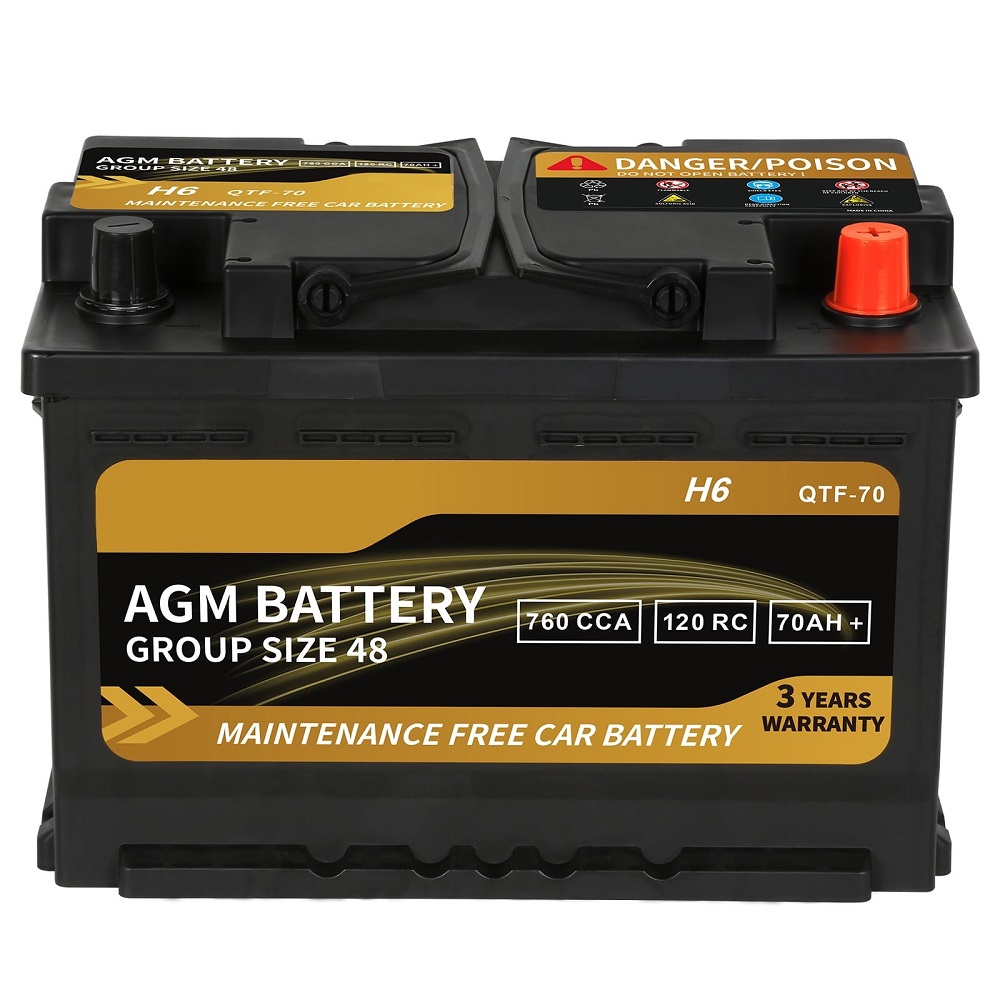
Your car battery plays a crucial role in powering your vehicle’s electrical components and starting the engine. Over time, it can lose its effectiveness and exhibit warning signs. Recognizing these signs early can save you from unexpected breakdowns.
Slow engine cranking
When your car battery weakens, the engine may take longer to start. This slow cranking is one of the first signs of battery failure. It happens because the battery struggles to provide enough power to turn the engine. If you notice this consistently, it’s time to check your battery.
Dim headlights and electrical issues
Faulty car batteries often cause dim or flickering headlights. Electrical systems like radio or power windows might also perform poorly. These problems occur because a failing battery cannot provide stable power to the car’s electrical components.
Frequent need for jump starts
If your car frequently requires jump starts, your battery is likely nearing its end. This indicates the battery can no longer hold a charge properly. Repeated jump starts can strain your vehicle’s electrical system and worsen the issue.
Factors Affecting Car Battery Lifespan
Understanding what impacts a car battery’s lifespan can help you maintain its performance. Several factors determine how long your battery will last. Below are the key elements to consider.
Driving habits and frequency
Your driving habits directly influence your car battery’s lifespan. Frequent short trips prevent the battery from fully charging. The alternator doesn’t get enough time to recharge the battery during short drives. Irregular or infrequent use of the car also affects battery health. Batteries discharge slowly when cars sit idle for long periods. Regular and longer drives help the battery stay charged and healthy.
Climate and temperature conditions
Weather conditions play a significant role in battery life. Extreme heat causes the battery fluid to evaporate, reducing its efficiency and lifespan. Cold weather slows down the battery’s chemical reactions and increases the power required for engine starting. Batteries in moderate climates generally last longer than those in extremely hot or cold areas. Use a battery suitable for your local weather to optimize performance.
Quality and type of battery
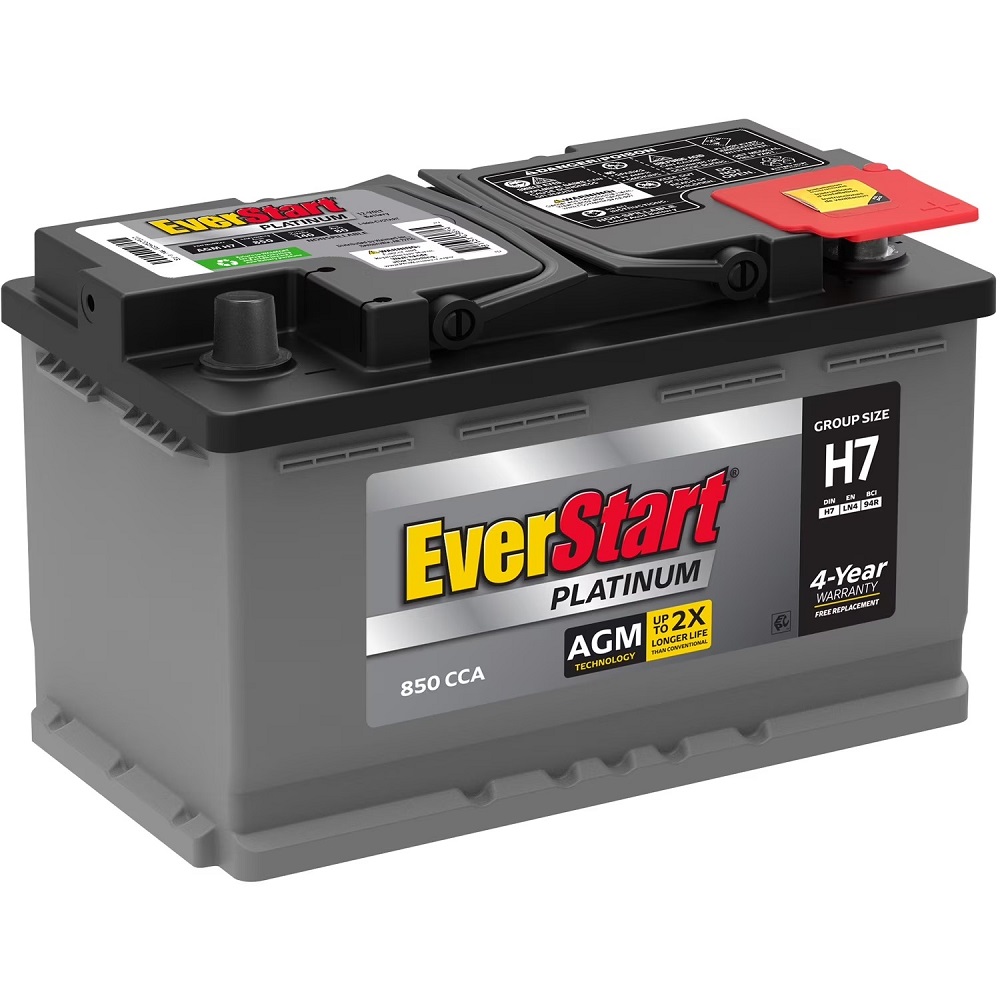
Not all batteries are created equal. High-quality batteries typically last longer and perform better. Cheap batteries often have lower durability and shorter lifespans. The battery type, such as lead-acid, absorbent glass mat (AGM), or lithium-ion, also affects longevity. Premium batteries may offer more cycles and better resistance to harsh conditions. Always choose a battery that matches your car’s specifications for optimal results.
Average Lifespan of a Car Battery
Understanding how long a car battery lasts helps in planning replacements and reducing inconveniences. Various factors can influence its lifespan, but general estimates are available for most types of batteries.
Typical range of car battery longevity
Car batteries typically last between three and five years. This range depends on usage and environmental conditions. Batteries in harsh climates may fail sooner due to extreme heat or cold. Poor maintenance like neglected cleaning or infrequent checks can also reduce lifespan. Regular care and ideal conditions help batteries reach their highest longevity.
Standard batteries deliver basic performance but usually have shorter lifespans. They are more affordable and suitable for typical driving needs. Premium batteries, such as AGM or lithium-ion types, last longer and offer superior performance. They handle extreme temperatures better and recover faster after deep discharges. Although they cost more upfront, premium options often prove more economical over time. Selecting the right battery for your vehicle and needs ensures optimal durability.
How to Test Your Car Battery
Testing your car battery regularly ensures optimal performance and helps prevent unexpected failures. Testing methods are simple and accessible. Here’s how to do it.
Using a multimeter
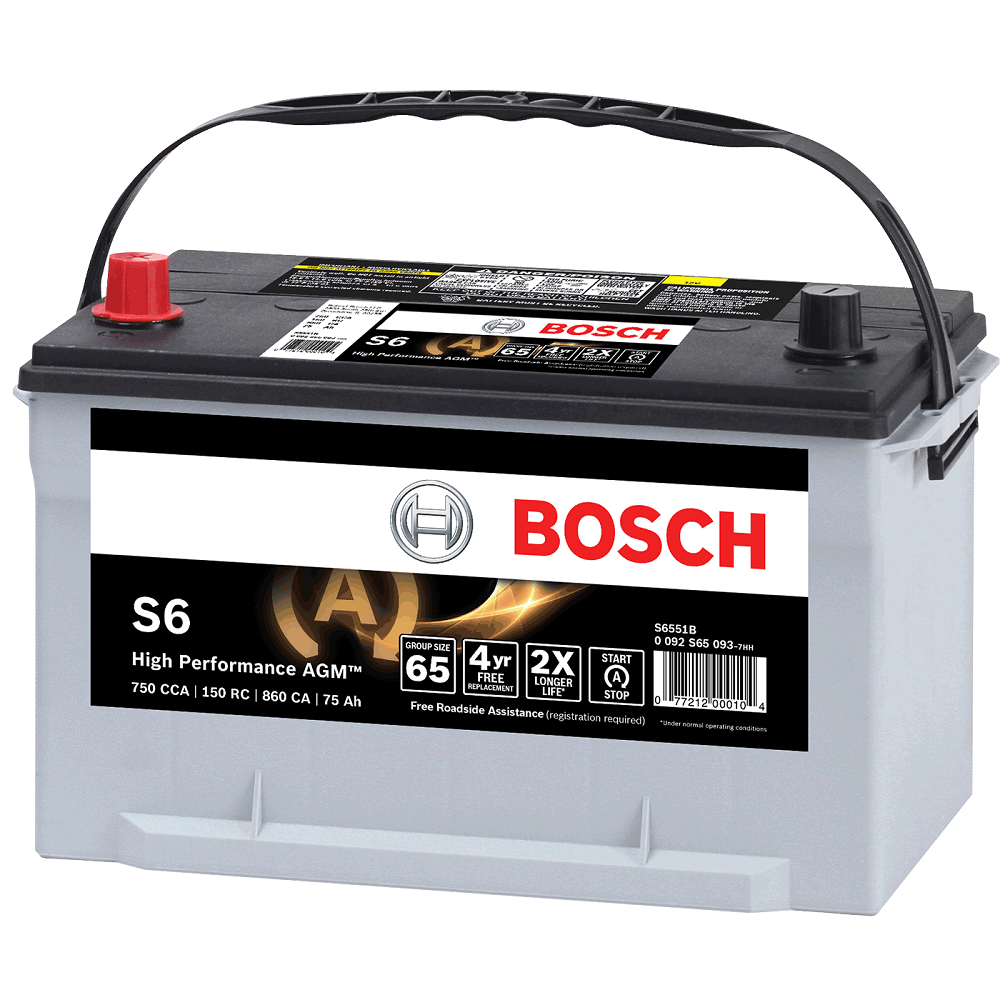
A multimeter is an affordable tool for testing your car battery at home. Follow these steps:
- Set the multimeter to measure DC voltage.
- Turn off your vehicle and open the hood.
- Connect the multimeter probes to the battery terminals. The red probe goes to the positive (+) terminal, and the black probe to the negative (-) terminal.
- Check the reading. A healthy battery should read between 12.4V and 12.7V. If the voltage is below 12.4V, the battery may need charging or replacement.
- For additional accuracy, perform a test under load. Turn on the headlights and check for voltage drop. A significant drop may indicate a weak battery.
Testing with a multimeter is quick and helps you monitor the battery’s health effectively.
Professional testing at service centers
If you’re unsure about home testing, visit a service center. Professionals use advanced tools to test batteries accurately. These tools measure the battery’s capacity, load performance, and overall health. Regular checks by experts ensure you get precise readings and proper maintenance advice.
Professional testing also helps identify hidden issues, like corrosion or internal damage. Many auto shops provide free battery testing as a part of routine servicing. Service centers are a reliable option if the battery shows erratic behavior.
By regularly testing your battery through these methods, you can avoid sudden failures and extend its life.
Tips to Extend Your Car Battery Life
Keeping your car battery in good shape can save costs and prevent inconvenient breakdowns. Here are some effective tips to extend its life:
Regular maintenance and inspection
- Clean the battery terminals: Remove dirt and corrosion regularly to ensure a proper connection. Corrosion can reduce performance and life expectancy.
- Check electrolyte levels: For non-maintenance-free batteries, ensure electrolyte levels are adequate. Top up only with distilled water if needed.
- Test voltage: Use a multimeter to check voltage periodically. Low voltage can indicate potential problems.
- Inspect for physical damage: Look for cracks, leaks, or swelling. Replace the battery immediately if damaged.
- Tighten connections: Loose or weak connections can cause issues. Make sure terminals are secure.
Avoiding short trips and excessive idling
- Go for longer drives: Short trips don’t give the alternator enough time to charge the battery. Drive at least 15–20 minutes regularly.
- Minimize idling: Idling wastes fuel and drains the battery. Turn off the engine if stopping for more than a minute.
- Use battery-powered accessories sparingly: Limit use of headlights, radio, or air conditioning when the engine isn’t running.
Proper storage during long inactivity periods
- Use a trickle charger: Attach a trickle charger to maintain the battery’s charge during inactivity.
- Store in a cool, dry place: Protect the battery from extreme temperatures that can cause damage.
- Disconnect the battery: If the car won’t be used for weeks, disconnect it to prevent slow discharge.
- Start the car occasionally: Even during long storage, start the car every two weeks to keep the battery charged.
By following these tips, you can maximize the lifespan of your car battery and avoid unexpected issues.
When to Replace Your Car Battery
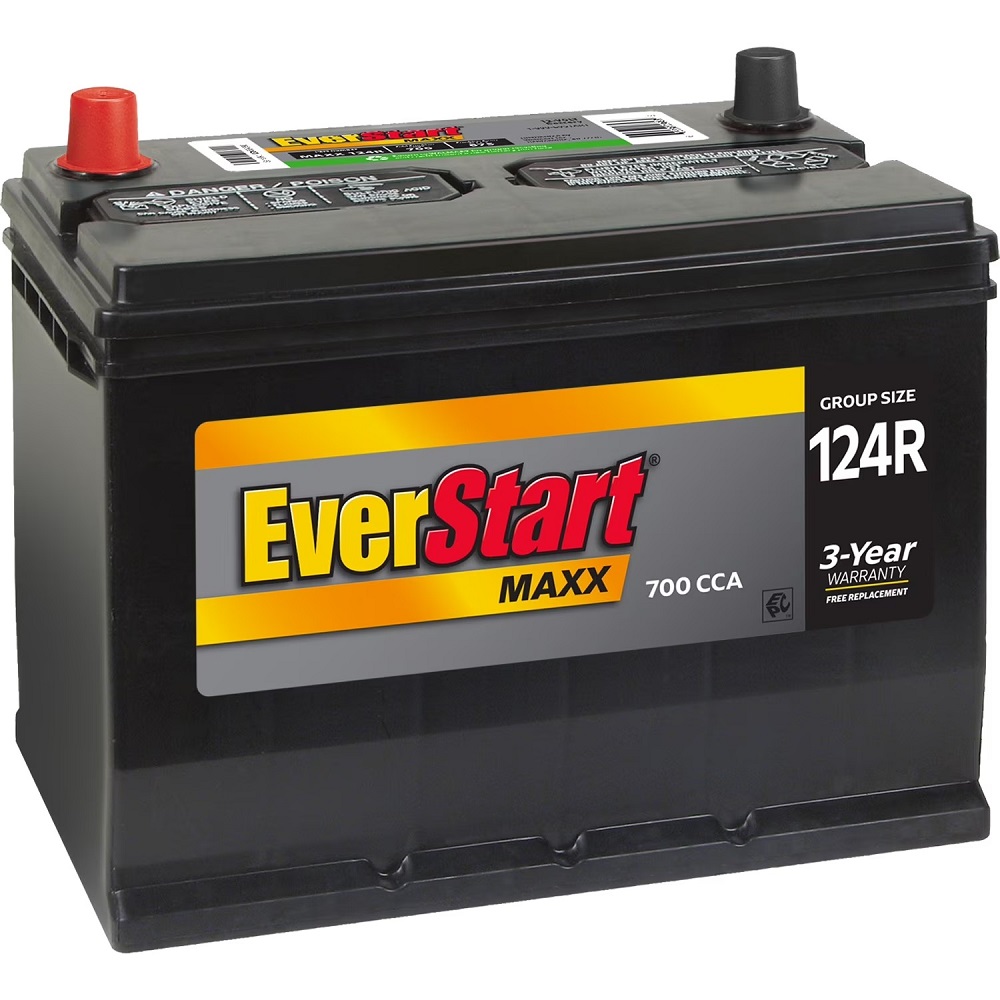
Knowing when to replace your car battery is crucial for avoiding unexpected breakdowns and ensuring reliable vehicle performance. Batteries can fail suddenly or show signs of wear over time. Below are essential points to help you decide when replacement is necessary.
Recognizing critical warning signs
- Slow engine starts: If your engine cranks slowly, it’s often a sign of a weak battery.
- Frequent jump starts: A battery needing constant jump starts likely can’t hold a charge properly.
- Battery age: Most batteries last three to five years. Older batteries are more prone to failure.
- Corrosion or damage: Leaks, cracks, or heavy corrosion on terminals indicate replacement is needed.
- Electrical issues: Flickering lights or malfunctioning electronics might signal a failing battery.
- Unusual smells: A rotten egg smell suggests battery acid leakage, requiring immediate attention.
Paying attention to these warning signs can prevent sudden problems and help you take timely action.
Guidelines for timely replacement
- Test the battery regularly: Use a multimeter or visit a service center to monitor its health.
- Replace proactively: If the battery is nearing three to five years, replace it before failure.
- Consider driving habits: Short trips or infrequent use may age the battery faster.
- Account for climate: Extreme heat or cold can shorten the lifespan, so plan replacements accordingly.
- Inspect during servicing: Ask professionals to check battery condition during routine visits.
- Avoid pushing limits: Don’t wait for total failure; replace as soon as consistent issues occur.
Replacing your car battery timely ensures smooth vehicle operation and minimizes the chances of breakdowns.
Choosing the Right Replacement Battery
When replacing your car battery, choosing the right one ensures optimal performance and longevity. Different factors should be considered based on your vehicle’s needs and preferences.
Factors to consider: size, type, and brand
- Size and fit: Batteries come in various sizes. Choose one that fits your car’s battery tray snugly to prevent vibrations and ensure proper installation. Verify the group size using your owner’s manual or consult a professional.
- Battery type: Consider the type of battery suitable for your vehicle. Common options include lead-acid, AGM (Absorbent Glass Mat), and lithium-ion. AGM batteries handle extreme conditions better, while standard lead-acid options are more economical.
- Cold cranking amps (CCA): CCA determines how well a battery performs in cold weather. Ensure the chosen battery meets your climate needs.
- Brand reliability: Opt for well-regarded brands with a history of quality and durability. Trusted brands often provide better performance and warranties.
- Maintenance-free vs. traditional: Maintenance-free batteries don’t require regular electrolyte checks. Traditional batteries need occasional monitoring of fluid levels.
Understanding warranties and guarantees
- Warranty length: A longer warranty reflects confidence in the battery’s lifespan and durability. Compare warranties among brands.
- Free replacement period: Most warranties include a free replacement period, which covers early battery failures.
- Performance guarantees: Ensure the battery includes claims for performance under normal traffic and weather conditions.
- Pro-rated coverage: Some warranties offer partial refunds or discounts on replacement batteries during later periods.
- Terms and exclusions: Read warranty terms carefully to understand what issues are covered and excluded.
By considering size, type, brand, and warranty, you can select the best battery replacement for your vehicle’s needs.
The Environmental Impact of Batteries
Understanding Battery Disposal
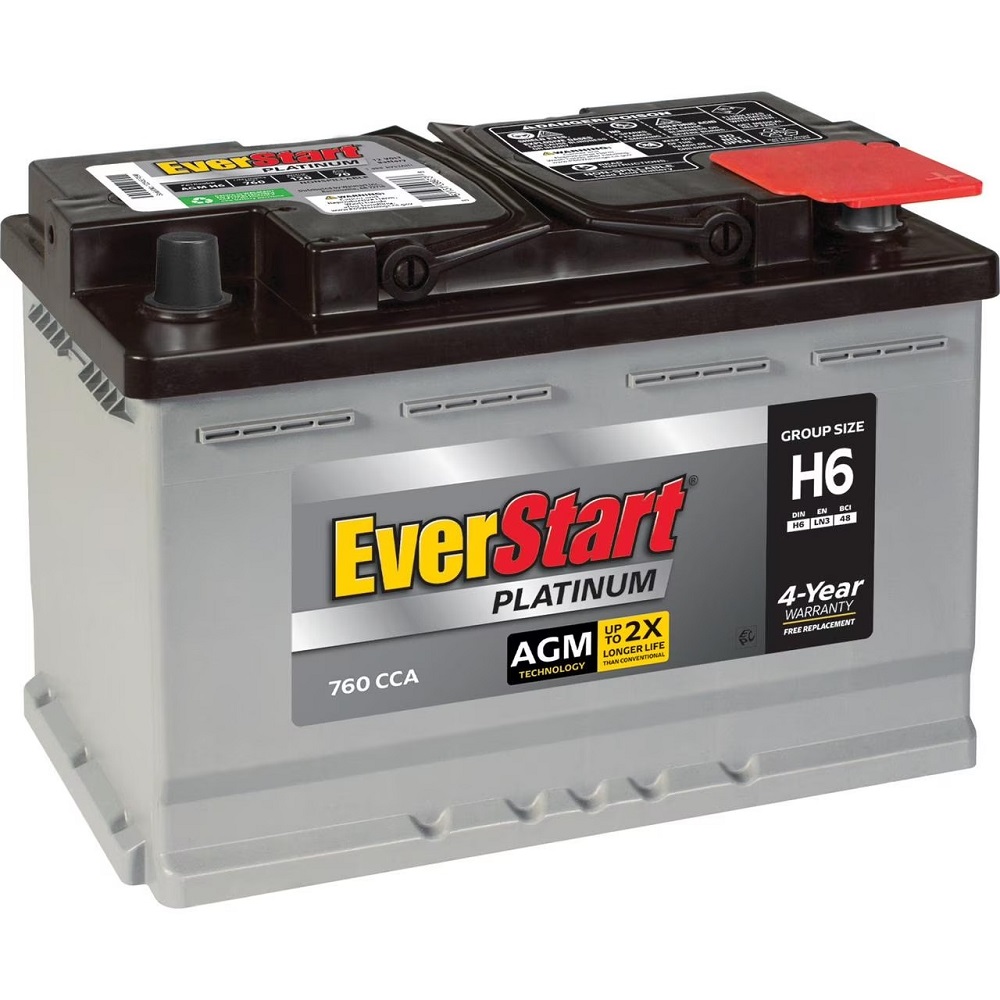
Proper disposal of car batteries is essential for environmental protection. Lead-acid batteries contain hazardous materials that can leak into the environment if not disposed of correctly. Many regions have regulations regarding how to recycle or dispose of batteries, and it’s important to follow these guidelines to minimize environmental harm.
Recycling Programs
Many auto parts stores and service stations offer battery recycling programs, making it easier for consumers to dispose of used batteries responsibly. Recycling not only protects the environment but also allows valuable materials to be reclaimed and reused. It is an effective way to support sustainability in the automotive industry.
Considering Eco-Friendly Options
As awareness of environmental issues grows, many manufacturers are focusing on eco-friendly battery options. Some modern batteries use fewer toxic materials in their production and are designed for easier recycling. Exploring these options helps reduce the overall environmental impact of your vehicles.
Preparing for Battery Replacement
Understanding Replacement Timing
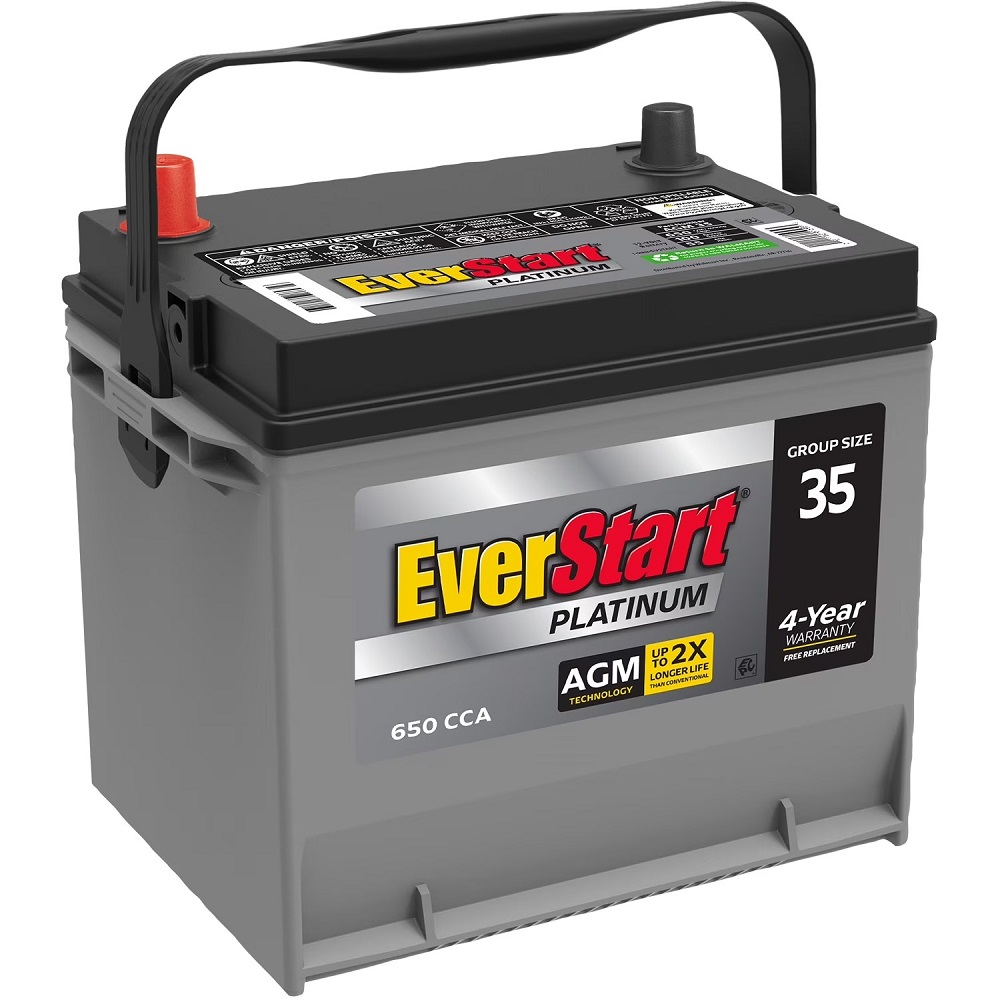
Knowing when to replace your car battery is crucial for continued performance and reliability. Factors such as age, performance issues, and environmental conditions should all be considered. Regularly assessing your battery’s health can help you avoid unexpected failures.
Signs of Battery Degradation
Be vigilant for warning signs that indicate battery degradation. Signs may include slow engine starts, dimming headlights, or an illuminated battery warning light on your dashboard. Addressing these early can save you from being stranded and can help you better plan for battery replacement.
Taking Preventative Action
Being proactive about battery maintenance and replacement can prevent issues down the line. Schedule regular inspections, especially before seasonal changes. Having a professional examine your battery’s condition can provide peace of mind and ensure your vehicle remains roadworthy.
Conclusion: Knowledge is Empowering
Prioritizing Battery Care
In conclusion, understanding your car battery’s lifespan, maintenance needs, and technological advancements is vital for every vehicle owner. By prioritizing battery care, you ensure safe and reliable transportation for yourself and passengers.
Enjoying the Benefits
A well-maintained battery translates to fewer worries on the road. With a little attention and knowledge, you can maximize your battery’s performance and longevity. Embrace the benefits of proactive care and enjoy the peace of mind it brings while driving.
Stay Informed and Prepared
As technology evolves, staying informed about your vehicle’s needs and advancements in battery technology prepares you for a better driving experience. Knowledge empowers you as a driver, ensuring every journey is smooth and trouble-free.
Embrace Every Ride
With a properly maintained battery and a commitment to care, embrace every ride with confidence. Every trip becomes a chance to explore, experience, and enjoy the freedom that comes with driving. So keep your battery in top shape, and relish each moment on the road!
Leave a Reply