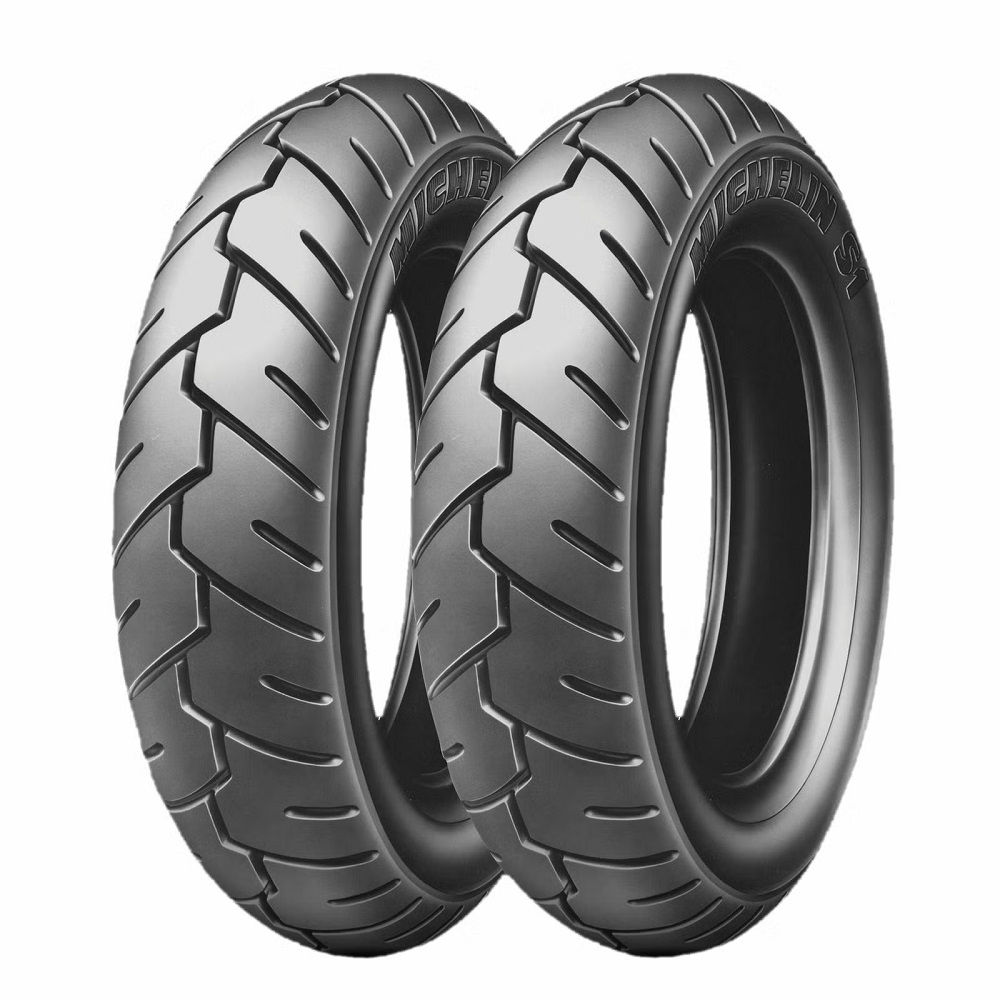
Importance of Breaking In Motorcycle Tires
How to break in motorcycle tires? Breaking in new motorcycle tires is a crucial step for safe riding. Fresh tires have a glossy surface. This comes from release agents used during manufacturing. These agents can cause the tires to have less grip than normal. We need to wear them off to ensure reliable traction.
Proper break-in allows the tires to ‘mate’ with the road. It helps establish the tire’s optimal road contact. Think of it as a ‘getting to know you’ phase for your bike and the road.
Breaking in tires also lets you get used to how they handle. New tires might react differently than your old set. They could be quicker in turns or provide a different level of feedback. By gradually increasing your riding intensity, you learn how they perform safely.
When you don’t break in motorcycle tires, you risk the performance and your safety. Abrupt maneuvers on new tires can lead to accidents. This is something serious riders always avoid.
Remember, every tire type might require a different break-in method. Always check with the manufacturer’s guidelines for the best results. We’ll cover the break-in steps later in this guide. First, let’s prepare your tires for that crucial first ride.
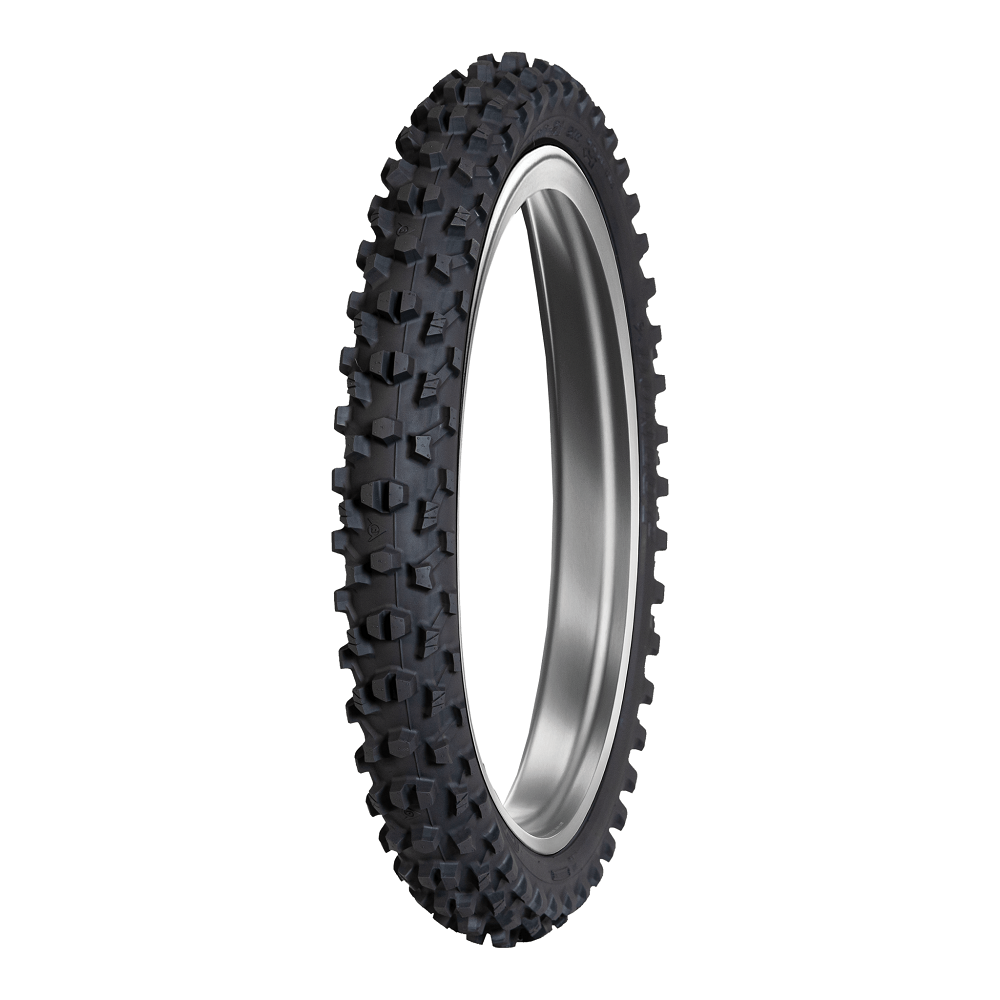
Initial Inspection Before the Break-In Process
Before you start breaking in your motorcycle tires, perform an initial inspection. This step is essential. It ensures there are no defects or issues that could impact your safety. Here’s what to do:
- Check for Debris: Look for stones, nails, or other sharp objects stuck in the tires. Remove them carefully.
- Examine for Damage: Look over the surface for cuts, bulges, or irregularities.
- Confirm Tire Pressure: Use a reliable gauge to check the tire pressure. Adjust it to the manufacturer’s recommendations.
- Inspect Wheel Balance: Ensure the wheels are properly balanced. An unbalanced wheel can cause vibrations.
- Look at the Manufacturing Date: Tires degrade over time. Make sure your tires aren’t old stock.
- Read Tire Labels: Understand the load and speed ratings. Check for any special directional markings.
This inspection is a key first step in learning how to break in motorcycle tires. It lays the groundwork for a smooth and safe break-in process. Never skip it, thinking it’s just a formality. It could save your life.
The Science Behind Tire Break-In
Understanding the science behind tire break-in helps riders appreciate its importance. New motorcycle tires have a shiny surface when they come out of the factory. This gloss is not just for looks; it’s due to the release agents used during tire production. These agents help tires come out of their molds. But, they also reduce traction when the tire first hits the road.
As you ride, the friction between the tires and the road surface gradually wears off this slippery layer. This process allows the rubber to roughen slightly, increasing its grip on the street. It’s similar to wearing in a new pair of shoes. At first, they might be stiff and slippery. But over time, they mold to your feet and the soles gain traction.
Breaking in tires also refers to the tires conforming to the shape of the road. Each road has a unique texture, and tires need to adjust to this texture for maximum grip. During the break-in period, riders should avoid sudden accelerations, hard braking, and sharp turns. These intense maneuvers can prevent tires from breaking in evenly, leading to less stability.
By gradually increasing the speed and lean angles, the entire tread area gets exposed to different forces. This ensures that the whole tire surface breaks in uniformly. It’s important not just for safety, but for the longevity and performance of your tires. Skipping this step can lead to early wear or even tire failure under high-stress riding conditions.
The science of tire break-in is a blend of chemistry and physics working together to ensure riders’ safety. By following the correct break-in procedures, you ensure a more responsive and reliable riding experience. So, take the time to break in your motorcycle tires properly. Your bike’s performance – and your safety – depend on it.
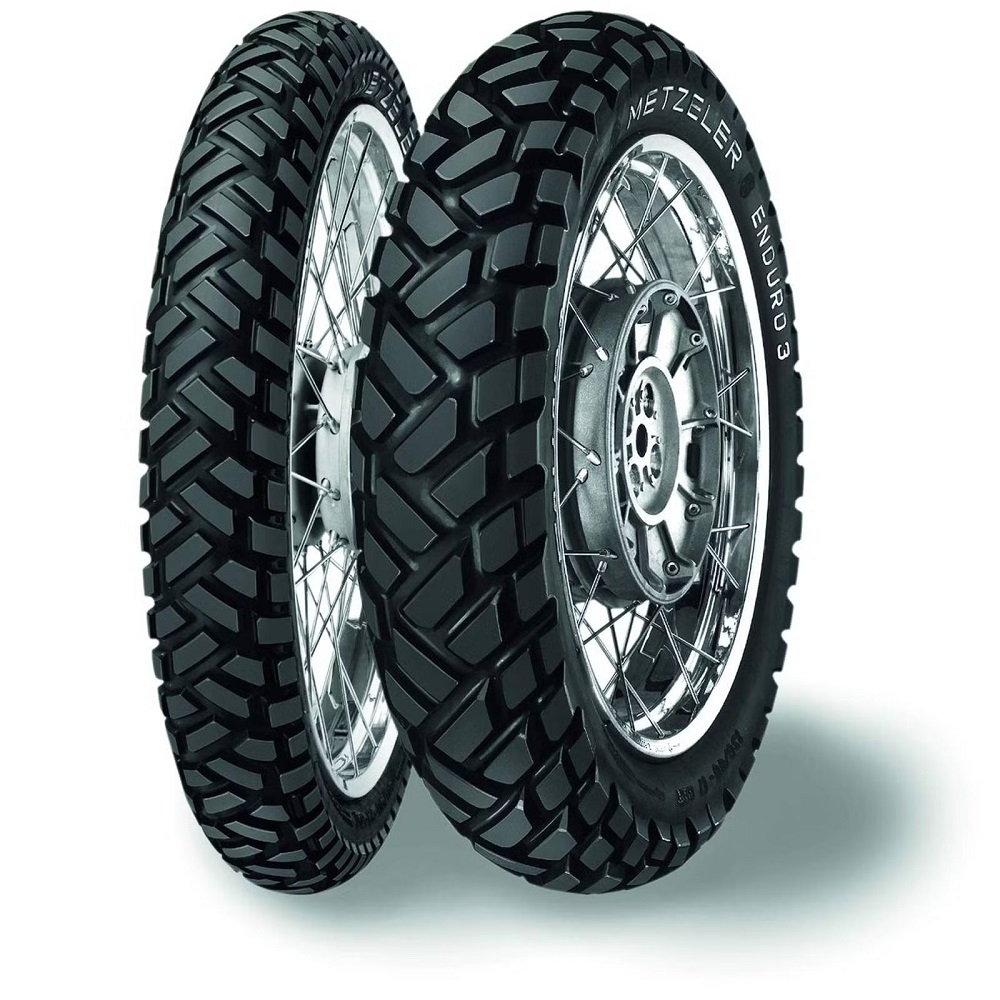
Step-by-Step Guide to Breaking In Your Tires
Now that we’ve covered the importance and the science behind breaking in new motorcycle tires, let’s dive into the step-by-step process. Following these steps will help ensure that you break in your tires safely and effectively.
- Start With Gentle Riding: Begin with a relaxed riding style. Avoid aggressive acceleration, hard braking, and sharp turns. This allows the tires to gradually adjust to the road.
- Take It Slow: For the first 100 miles or so, keep your speed low. This is the range most manufacturers suggest for breaking in new tires.
- Gradual Turns: Make turns gently. Increase the angle of your leans slowly as you clock more miles. It helps the tires to wear evenly.
- Vary Your Roads: If possible, ride on different types of roads. This variety helps your tires get used to various textures and conditions.
- Monitor Tire Pressure: Check your tire pressure regularly during the break-in period. Proper inflation is key to even wear and optimal performance.
- Increase Intensity Gradually: As you put on more miles, you can slowly start to ride more assertively. But remember to do this gradually to ensure a uniform break-in.
- Inspection After Rides: Post-ride, inspect your tires for wear patterns, debris, or any issues. Early detection can prevent long-term problems.
By adhering to this guide on how to break in motorcycle tires, you’ll not only ride safer but also extend the life of your tires. It’s a critical process that shouldn’t be overlooked for any rider’s safety and motorcycle maintenance.
Common Mistakes to Avoid During Tire Break-In
While working on how to break in motorcycle tires, riders often make errors that can compromise safety and tire performance. Here are common pitfalls you should sidestep:
- Ignoring Manufacturer’s Instructions: Every tire is different, and so are the break-in recommendations. Skipping the guidelines can lead to poor tire break-in.
- Riding Too Aggressively: Pushing the bike hard with new tires is risky. It can cause uneven wear or a dangerous loss of traction.
- Not Inspecting Tires Regularly: Regular checks for pressure and damage are vital. Neglecting this can result in unexpected tire failures.
- Sticking to One Road Type: Mixing up your routes exposes the tires to different conditions, helping them break in better.
- Maintaining High Speeds: Staying within low to moderate speed limits during the initial miles is critical for a uniform tire break-in.
- Deferring Wheel Balancing: An unbalanced wheel can degrade new tires faster. Check and correct it before hitting the road.
By avoiding these mistakes during your tire break-in period, you secure a safer ride and extend your tires’ lifespan.
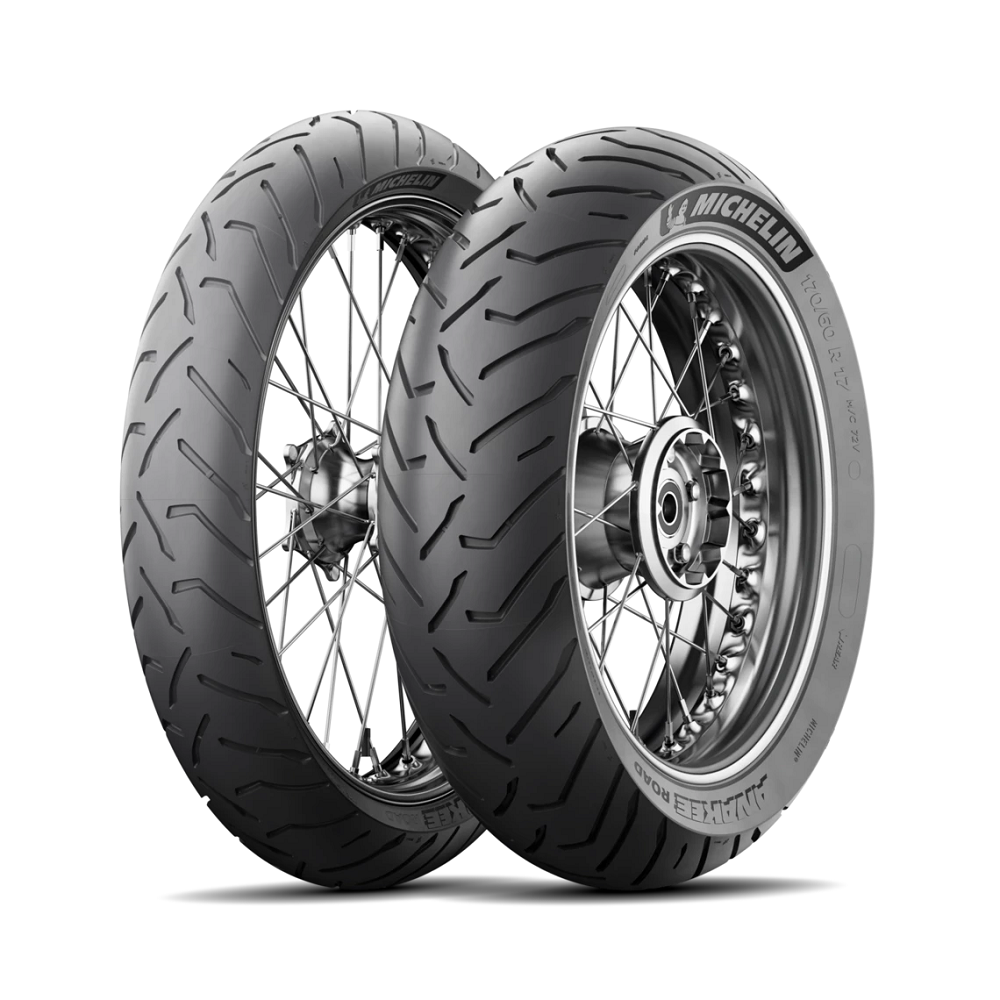
How Long Should You Break In Your New Tires?
The break-in period for motorcycle tires varies. Most manufacturers suggest a break-in distance of about 100 miles. During this time, your tires shed the slippery release agents from their surfaces. They also mold to the road’s texture, ensuring a better grip. Here’s a simple breakdown of the break-in duration advice:
- First 100 Miles: Ride at reduced speeds. Avoid sudden accelerations and hard stops. Do not take sharp turns.
- Next 100 Miles: Begin to gently increase speed and lean angles. Still, keep maneuvers smooth and gradual.
- After 200 Miles: Your tires should feel more responsive now. It’s safe to ride normally, but still be attentive.
Remember, the exact break-in mileage may differ based on tire type and manufacturer guidelines. It’s important to read the manual that comes with your tires. Moreover, the way you ride during the break-in period can affect its length. Smooth, varied riding can shorten it. Aggressive riding can extend it, or worse, harm your tires.
Monitor your tires’ condition throughout the initial miles. Look for any signs that might suggest issues. Regular checks help you spot early wear or damage. You’ll ride safer and get the most out of your new tires this way.
Breaking in new motorcycle tires correctly is a commitment to safety. The patience you show during these first few hundred miles can greatly impact your riding experience. Always follow recommended break-in practices. They’re there to ensure you enjoy a secure and thrilling ride on the road.
Safety Tips and Best Practices
Ensuring a safe and proper tire break-in requires more than following the basic steps outlined earlier. Here are additional safety tips and best practices to consider when breaking in your motorcycle tires:
- Ride in Dry Conditions: Aim to break in your tires on dry roads. Wet roads reduce traction, making it challenging to wear off the release agents safely.
- Avoid Peak Traffic: Try to ride when traffic is lighter. This gives you more control and helps prevent the need for sudden stops and starts.
- Use Gradual Acceleration: Increase speed slowly. Sudden surges can strain new tires before they are properly broken in.
- Check Tire Temperature: Tires should not be too hot or cold. If they feel too warm, take a break to let them cool down.
- Follow a Consistent Pattern: Use the same break-in patterns. Consistency helps the tires adapt to road conditions evenly.
- Stay Alert: Always stay focused on the road. Pay attention to how your motorcycle handles with the new tires.
- Readjust Suspension if Necessary: Some bikes may need suspension adjustments for new tires. Consult your bike’s manual or a professional.
- Wear the Right Gear: Always wear protective gear. Proper gear can save you in case of any tire-related mishaps during break-in.
By adhering to these safety measures and best practices, you are not just breaking in your tires effectively, but also prioritizing your well-being. Combine these tips with the earlier steps to ensure a successful break-in period that paves the way for many safe rides ahead.
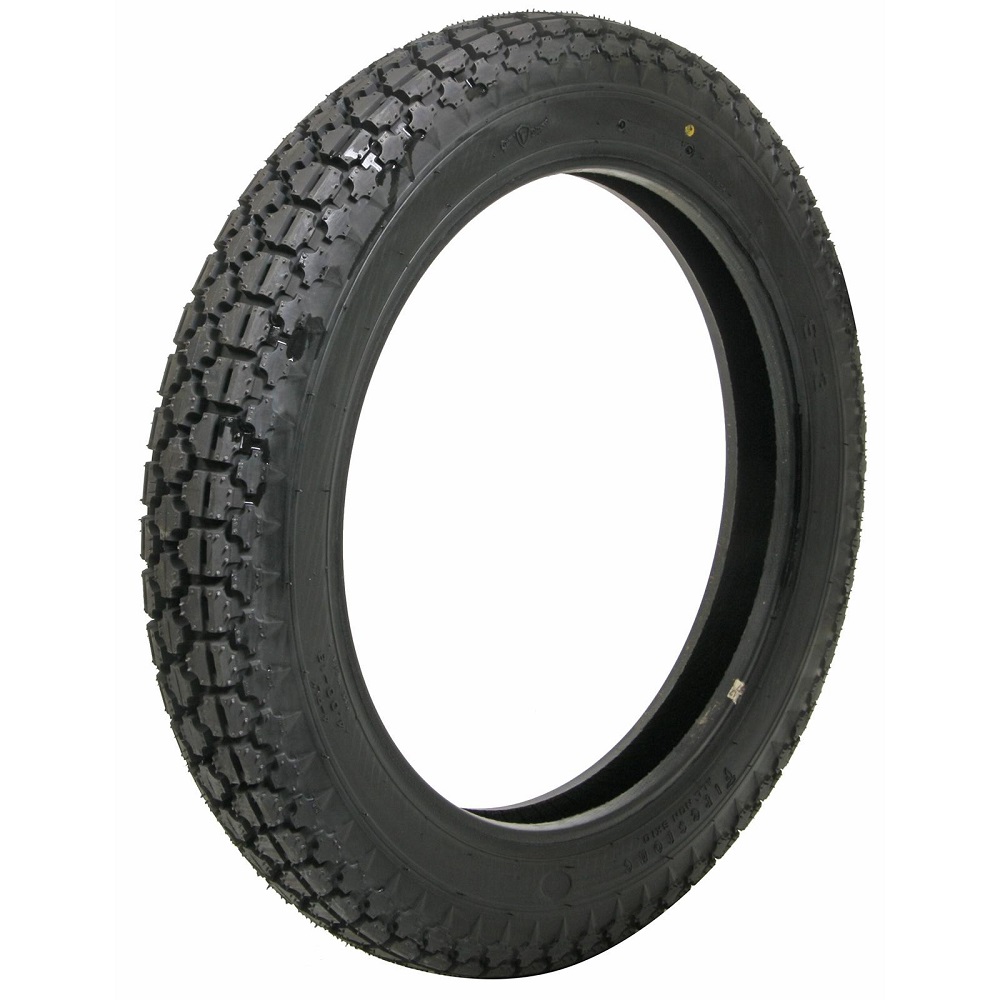
When to Check Tire Pressure and Maintenance During Break-In
Keeping an eye on tire pressure is critical during the break-in period. Check pressure before each ride. This ensures your tires have the right amount of air. Correct pressure helps with even wear and extends tire life. Use a reliable gauge for accurate readings. Follow the manufacturer’s recommended pressure levels.
Don’t forget about overall tire maintenance. Look for signs of wear after each ride. Check for any small cuts or objects stuck in the tread. Make sure there is no visible damage. Tires should appear to wear out evenly. If something seems off, take your bike to a professional.
During the first 100 miles, perform these checks more often. This is when tires are most vulnerable. Good habits set during this time will benefit you later. As you reach the end of the break-in, you can check less frequently. However, good maintenance always includes regular inspections.
In summary, check your tire pressure before every ride. Do full tire maintenance checks often during the initial miles. As you ride more, you can reduce the frequency. But never ignore these checks, as they are key to a safe and smooth ride.
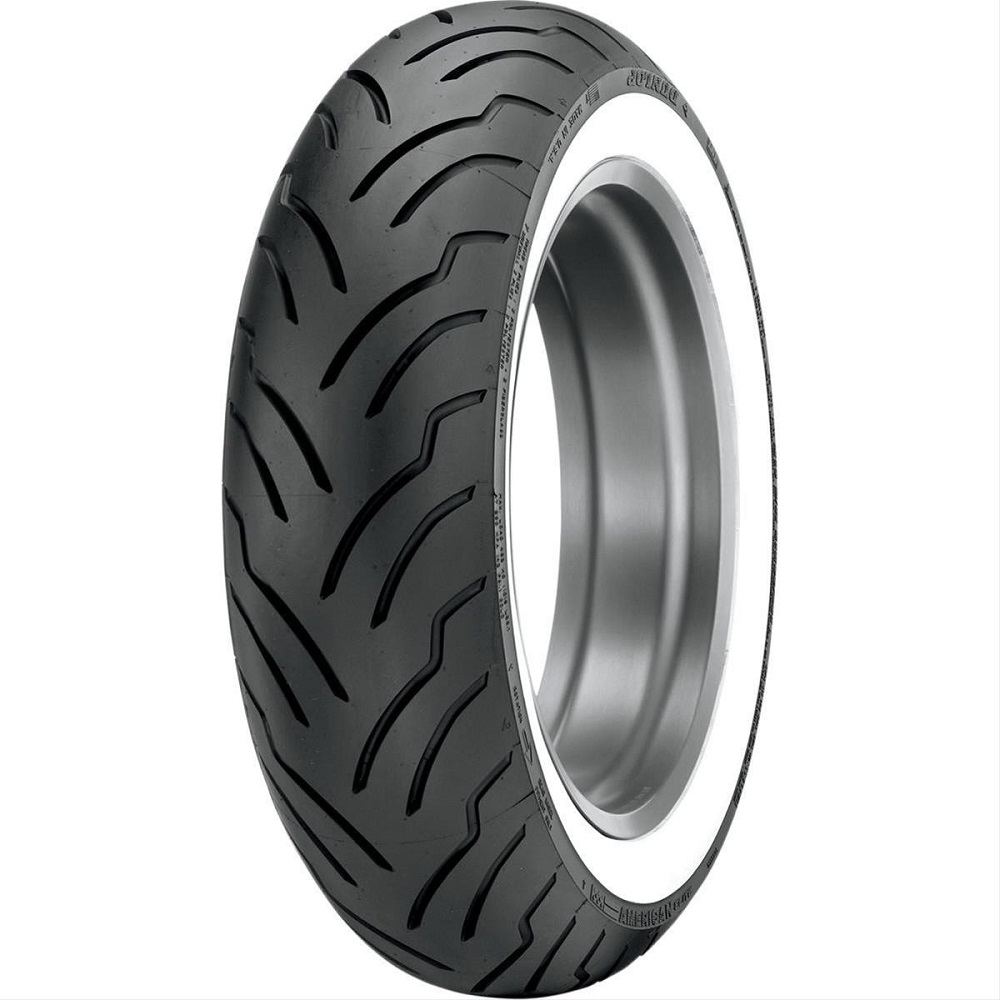
Prioritize Tire Care for Safety
The Importance of Breaking in Motorcycle Tires
In summary, breaking in motorcycle tires, especially the 180/55-ZR18 model, is imperative for optimal performance and safety. By following the discussed tips, including gradual acceleration, steady turns, and regular inspections, you will enhance your riding experience significantly. Keep in mind that the investment in quality tires and their proper care is essential for both safety and enjoyment.
Embrace the Joy of Riding
Understanding how to maintain and care for your tires allows you to focus on the thrill of the ride. Each journey becomes more enjoyable, allowing you to explore new horizons. Embrace the open road with confidence and safety in mind, knowing your motorcycle is ready for any adventure.
Continuously Learn and Adapt
Keep in mind that motorcycle riding is a continuous learning experience. As you acquire new knowledge about tire care and maintenance, apply it to improve your experience. Remain aware of advancements in tire technology and practices that can further enhance your riding safety and enjoyment.
Prepare for New Adventures
Equipped with this knowledge, you can confidently embark on new riding adventures. Your tires will be well-prepared to perform at their best, allowing you to discover the beauty of the road. Prioritize safety, care, and style as you enjoy every ride that lies ahead!
Leave a Reply