Introduction
The Importance of Battery Maintenance
For motorcycle enthusiasts, the battery is a critical component. It powers the ignition system and provides electricity to various bike features. Without a healthy battery, your motorcycle may not start, leaving you stranded. Proper battery maintenance is vital for ensuring that your motorcycle functions reliably. One effective solution for maintaining motorcycle batteries is the use of a trickle charger.
Understanding Trickle Chargers
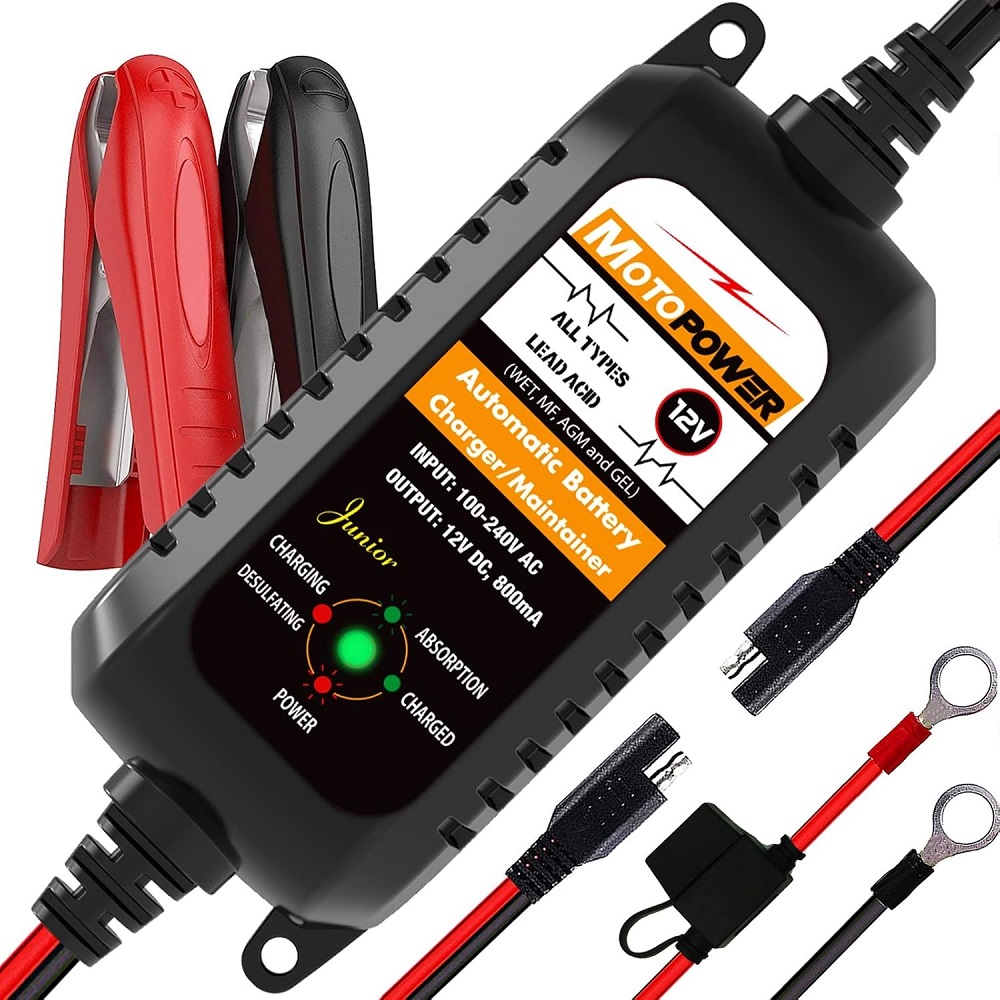
A trickle charger is designed to deliver a low, steady voltage to a battery. This method helps to maintain a full charge without overloading it. Trickle chargers are particularly useful for motorcycles that sit unused for extended periods. They are simple to use and can extend the life of your battery by keeping it in optimal condition. Regular use of a trickle charger can save you from costly battery replacements and the inconvenience of dead batteries.
Purpose of This Article
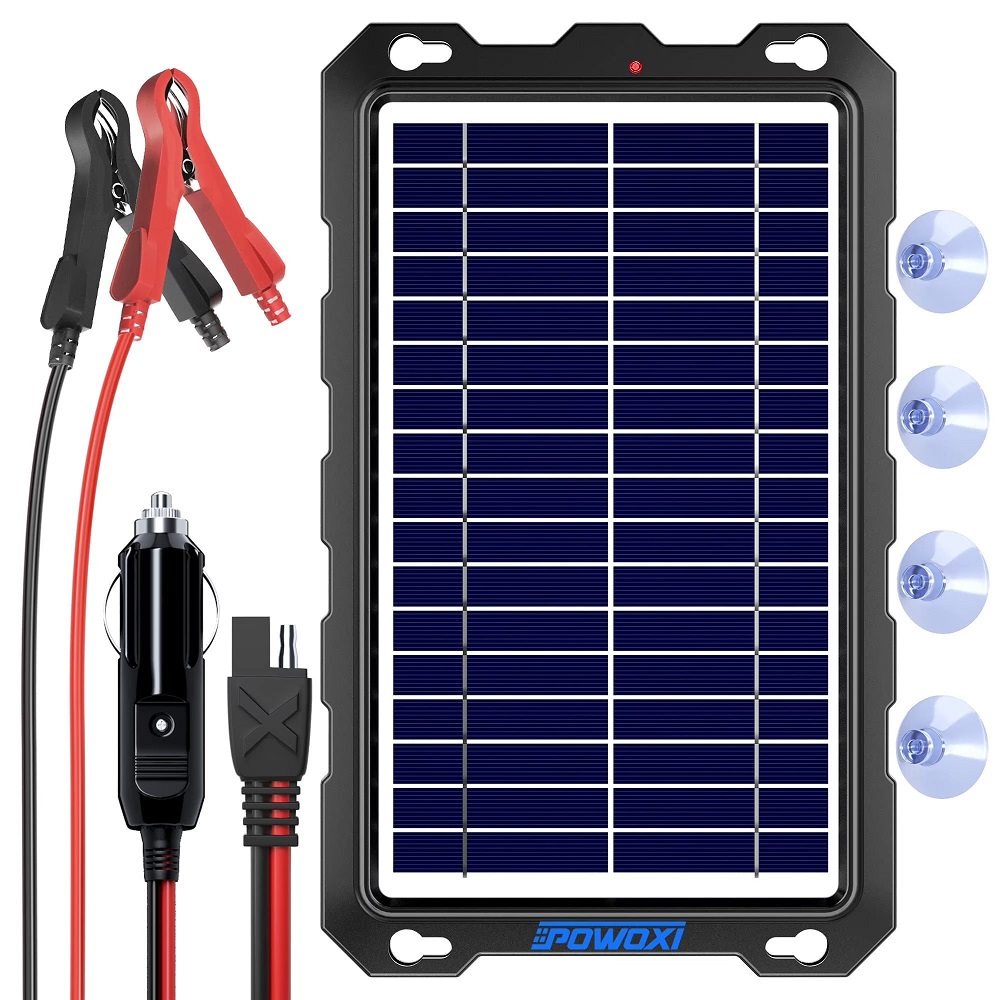
This article explores the benefits of using a trickle charger for motorcycle batteries. We will also cover how to choose the right model and tips for effective use. Understanding how to maintain your battery with a trickle charger can enhance your riding experience and ensure your motorcycle is always ready to hit the road.
How Trickle Chargers Work
The Charging Process
Trickle chargers work by providing a low-level charge that replaces the energy the battery loses over time. They run at a slower rate than standard chargers, preventing damage or overcharging. The consistent flow of power helps maintain the battery’s capacity and health.
Types of Trickle Chargers
There are several types of trickle chargers on the market. Some are basic models that simply supply a constant voltage. Others feature more advanced technology, such as microprocessors. These models adjust the voltage and current based on battery condition, optimizing the charging process. Choosing the right type for your needs is essential for effective maintenance.
Compatibility with Different Batteries
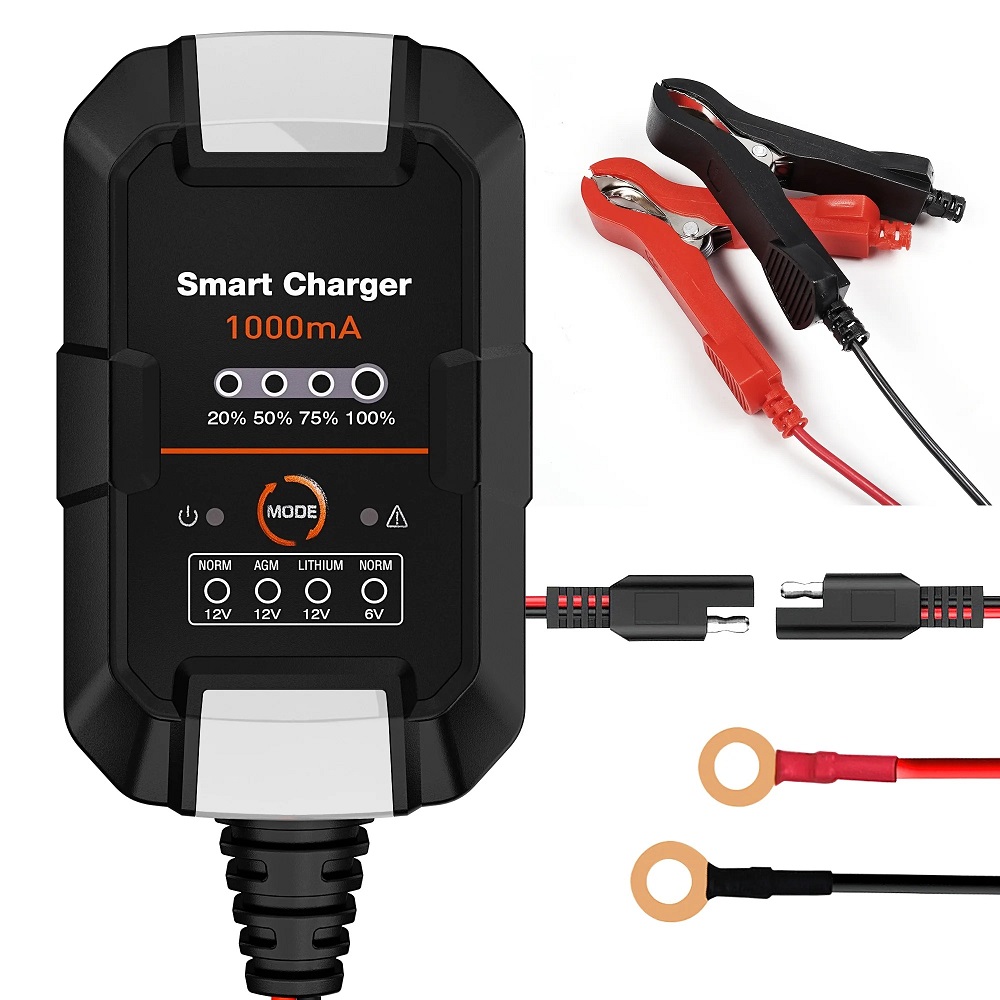
Trickle chargers are designed to be compatible with various battery types, including lead-acid and AGM (Absorbent Glass Mat) batteries. However, always verify that the charger is suitable for your motorcycle’s specific battery. Using the wrong charger can lead to inefficiencies or even damage to the battery.
Benefits of Using a Trickle Charger
Extended Battery Life
One of the primary benefits of using a trickle charger is that it can significantly extend the life of your motorcycle battery. Regular charging helps to prevent sulfation, a common issue with lead-acid batteries. Sulfation occurs when lead sulfate crystals form on the battery plates, leading to reduced capacity. By maintaining a full charge with a trickle charger, riders can keep their batteries healthy and functional for longer.
Being Ready to Ride
A well-maintained battery ensures that your motorcycle is always ready when you are. There’s nothing worse than preparing for a long ride only to discover that the battery is dead. Using a trickle charger keeps the battery charged and ready, eliminating the anxiety of failed starts. This convenience is especially beneficial for riders who only use their motorcycles seasonally or infrequently.
Cost-Effective Solution
Investing in a trickle charger is a cost-effective solution for battery maintenance. The expense of a good charger is minimal compared to the cost of replacing a dead battery. Additionally, extended battery life means fewer replacements over time, leading to savings in the long run. Proper maintenance often pays for itself, both in saved costs and improved performance.
Choosing the Right Trickle Charger
Assessing Your Needs
When selecting a trickle charger, consider your specific needs. Factors such as battery type, charging speed, and features should influence your decision. Riders with multiple motorcycles may want a charger that can handle various battery types and sizes. Take into account the age of your battery and how often you ride your motorcycle to find the best fit.
Important Features to Look For
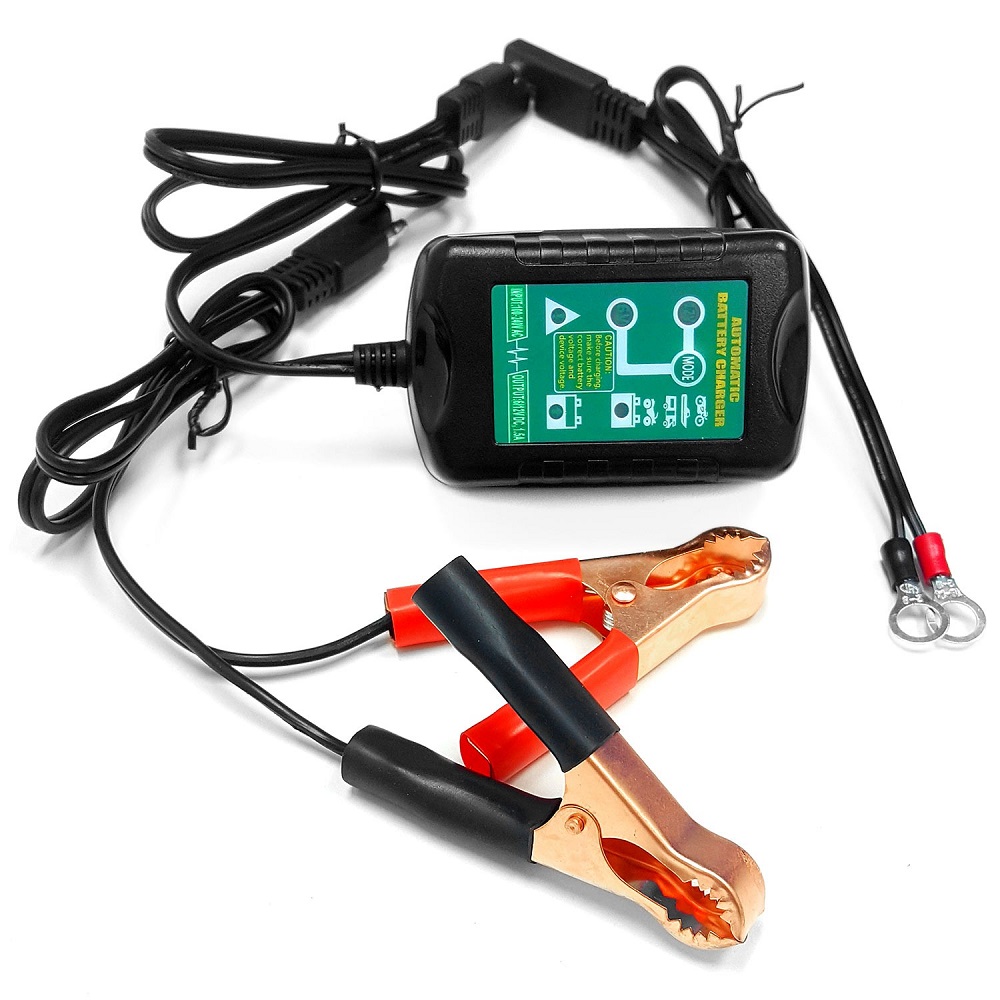
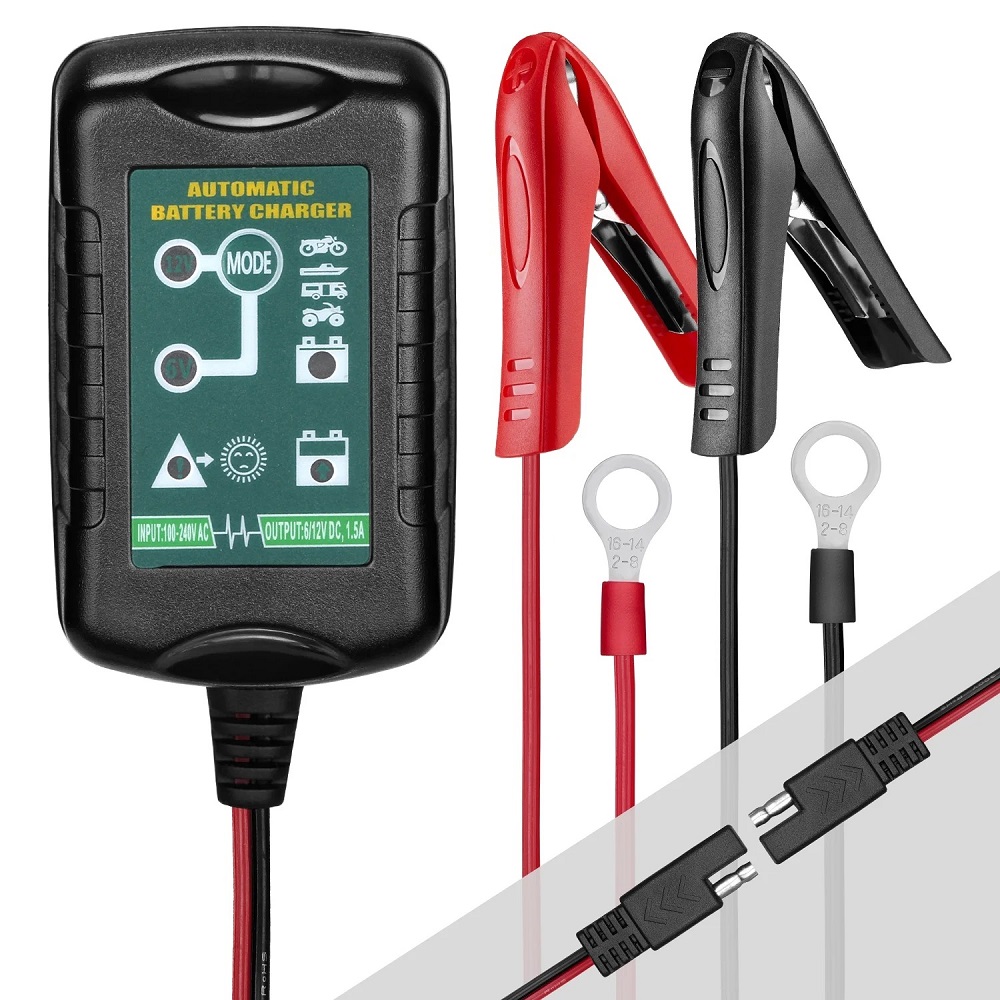
Several features can enhance your experience with a trickle charger. Look for automatic shut-off functions to prevent overcharging. Some models also include LED indicators that display charging status, allowing you to monitor the process easily. Consider chargers with built-in safety features, such as reverse polarity protection, which prevents damage if the cables are connected incorrectly.
Brand Reputation
Research reputable brands before making your purchase. Established brands typically offer reliable products backed by positive customer reviews. Read testimonials and expert reviews to find a charger that aligns with your requirements. A well-regarded brand often guarantees quality and performance, providing peace of mind with your investment.
Setting Up Your Trickle Charger
Initial Set-Up
Setting up a trickle charger is straightforward. Start by ensuring your motorcycle is parked in a well-ventilated area. Then, locate the battery and determine the best way to connect the charger. Consult the manufacturer’s instructions to ensure correct installation. Following proper guidelines helps ensure safety and effectiveness during the charging process.
Connecting the Charger
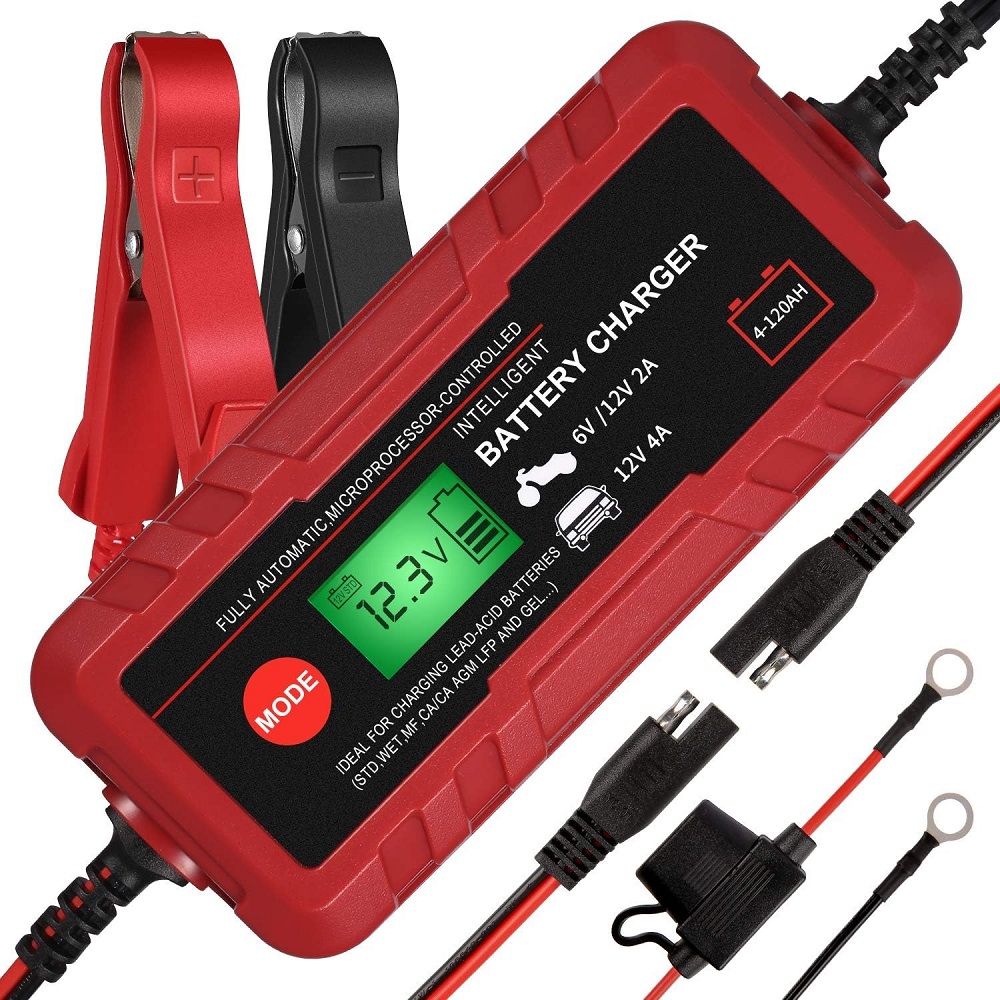
When connecting the trickle charger, start by attaching the red positive cable to the battery’s positive terminal. Then, connect the black negative cable to the battery’s negative terminal. Double-check the connections to ensure they are secure. Many modern chargers are equipped with clamps designed to provide a solid connection, reducing the risk of accidents.
Activating the Charger
After making the connections, plug the charger into a power outlet to activate it. Ensure that the outlet is functional and not overloaded with other devices. Most chargers have an indicator light that shows when they are working. Pay attention to these indicators to confirm that the battery is receiving a charge.
Best Practices for Using a Trickle Charger
Regular Monitoring
Even though trickle chargers are designed for long-term use, it’s essential to monitor their operation periodically. Check the charger’s performance and the battery’s condition. If you notice any issues, such as an unusually hot battery or unusual noises, disconnect the charger and conduct further inspection. Regular checks ensure the longevity of both your battery and the charger.
Disconnecting the Charger
After the battery is fully charged, it’s critical to disconnect the charger properly. Start by unplugging the charger from the electrical outlet. Then, remove the negative (black) cable followed by the positive (red) cable. This sequence helps prevent any accidental short-circuiting. Proper disconnection is vital for maintaining the integrity of both the battery and the charger.
Seasonal Considerations
During the winter months or extended periods of disuse, a trickle charger can be invaluable. Cold weather can negatively impact battery performance, leading to decreased starting capacity. Keeping your battery on a trickle charger during the off-season ensures it remains fully charged and ready when the riding season resumes.
Troubleshooting Common Issues
Signs of a Failing Battery
Even with proper maintenance, batteries can eventually show signs of wear. If you notice cranking issues when starting your motorcycle or dim lights, your battery may be losing capacity. Regularly monitor battery health by checking for these warning signs. Addressing issues early can help prevent unexpected failures.
Charger Malfunctions
Sometimes, the trickle charger itself may encounter problems. If it does not seem to be charging the battery, double-check all connections for security. Inspect the power outlet to ensure it’s functioning. If everything appears in order but the charger still isn’t working, consult the manufacturer’s support options or warranty services. They can often provide troubleshooting advice or replacement solutions.
Battery Maintenance Beyond Charging
While using a trickle charger is crucial, don’t overlook other aspects of battery maintenance. Regularly clean the battery terminals to prevent corrosion. Make sure that connections are tight and secure during each use. Proper maintenance routines go hand in hand with trickle charging for optimal results.
Best Times to Use a Trickle Charger
Off-Season Charging
For riders who put their motorcycles away during the colder months, a trickle charger is ideal. As previously mentioned, cold weather can drain batteries quickly. By using a trickle charger throughout the winter, you ensure that your battery is maintained and ready for spring riding.
Between Rides
For those who ride infrequently, consider using a trickle charger between rides. If you don’t use your motorcycle every day, keeping it on a charger can help maintain its battery’s charge. This practice can prevent the inconvenience of a dead battery when you decide to take it out for a spin.
When Storing Long-Term
If you plan to store your motorcycle for an extended duration—such as several weeks or months—a trickle charger is highly recommended. It keeps your battery topped off even in inactive states. Long-term storage without adequate charging can lead to sulfation and internal battery damage. Using a trickle charger helps you avoid these costly outcomes.
FAQ:
- How does a trickle charger work?
- A trickle charger connects to the motorcycle battery and delivers a controlled amount of charge. It monitors the battery’s voltage and automatically adjusts the charging rate, ensuring the battery remains at optimal charge levels without risk of damage.
- Why should I use a trickle charger for my motorcycle battery?
- Using a trickle charger helps prevent battery depletion during periods of inactivity, especially in colder months or if the motorcycle is stored for an extended time. It can extend the lifespan of the battery and ensure that your motorcycle starts reliably when you’re ready to ride.
- Can I leave a trickle charger connected to my motorcycle battery all the time?
- Yes, most modern trickle chargers are safe for continuous use as they are designed to switch to a maintenance mode once the battery reaches full charge. However, always consult the manufacturer’s guidelines to confirm compatibility with your specific charger and battery.
- What type of motorcycle batteries are compatible with trickle chargers?
- Trickle chargers are generally compatible with most lead-acid battery types, including conventional, AGM (Absorbent Glass Mat), and gel batteries. Always check the charger’s specifications to ensure it suits your battery type.
- How do I connect a trickle charger to my motorcycle battery?
- To connect a trickle charger, first ensure the motorcycle is turned off and the charger is unplugged. Connect the positive (red) clamp to the positive terminal of the battery and the negative (black) clamp to the negative terminal. Plug in the charger to a power source and turn it on, following any specific instructions provided by the manufacturer.
Conclusion
The Role of Trickle Chargers
In conclusion, trickle chargers play an essential role in motorcycle battery maintenance. They help extend battery life, ensure reliability, and save riders money over time. A proactive approach to battery care can significantly enhance your riding experience.
Choosing Wisely
By carefully selecting the right trickle charger and following best practices for use, motorcycle owners can enjoy peace of mind. Understanding the operational features and potential issues associated with trickle charger motorcycle ensures informed decisions.
Embracing Maintenance
Ultimately, embracing battery maintenance through the use of a trickle charger, especially the best trickle chargers for motorcycle batteries, contributes to a more enjoyable motorcycle experience. Riders can rest easy, knowing that their batteries are healthy and ready for whatever journeys lie ahead. By committing to regular maintenance, you’ll keep your motorcycle in optimal condition and ready to ride at any moment.
Leave a Reply