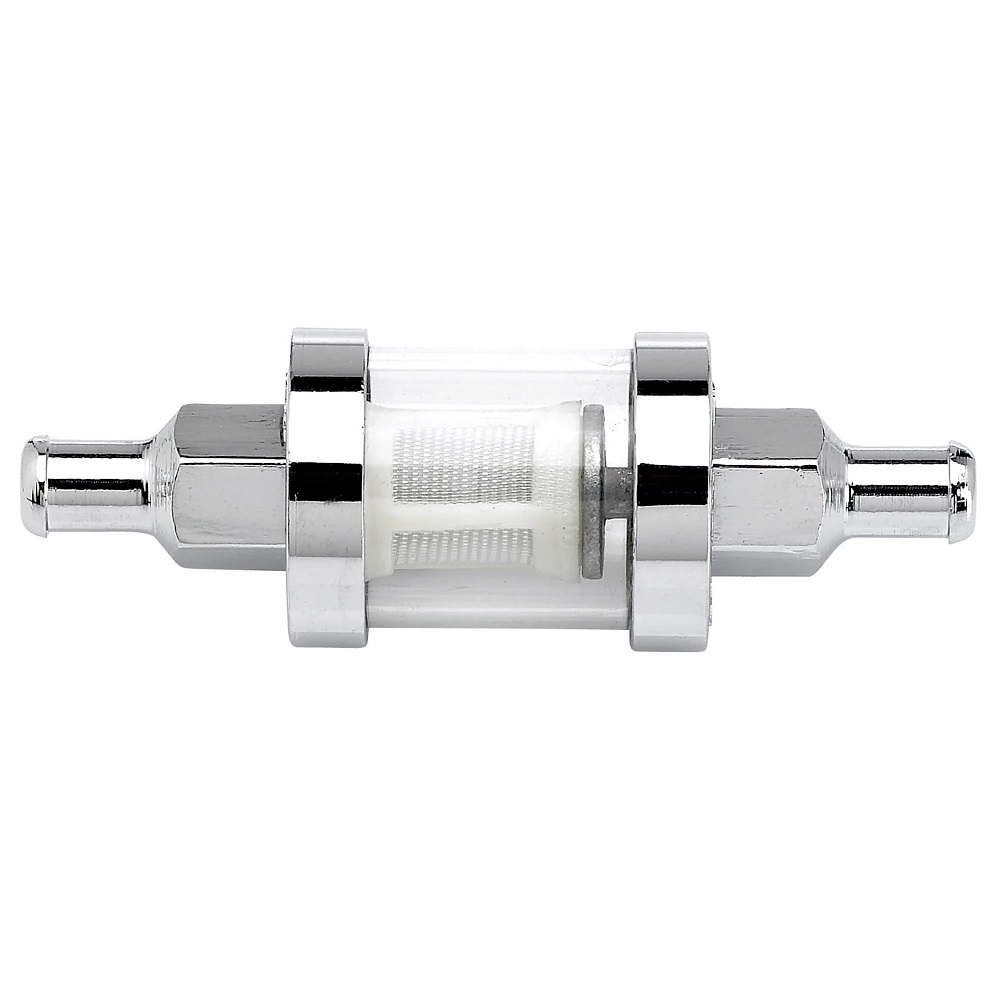
The proper functioning of a motorcycle relies on many components, and the fuel filter is one of the most critical. It plays a significant role in ensuring that fuel flows smoothly and that harmful contaminants do not reach the engine. A high-quality fuel filter protects your motorcycle’s engine and contributes to its overall performance. This article will guide you through everything you need to know about motorcycle fuel filters, including how to choose the right one for your ride.
Understanding the Fuel Filter
What is a Fuel Filter?
A fuel filter is a device that removes dirt and contaminants from the fuel before it reaches the engine. It protects the fuel injectors and other critical components by ensuring that only clean fuel enters the combustion chamber. Fuel filters can vary in design depending on the motorcycle model and the type of fuel system in use.
The Function of a Fuel Filter
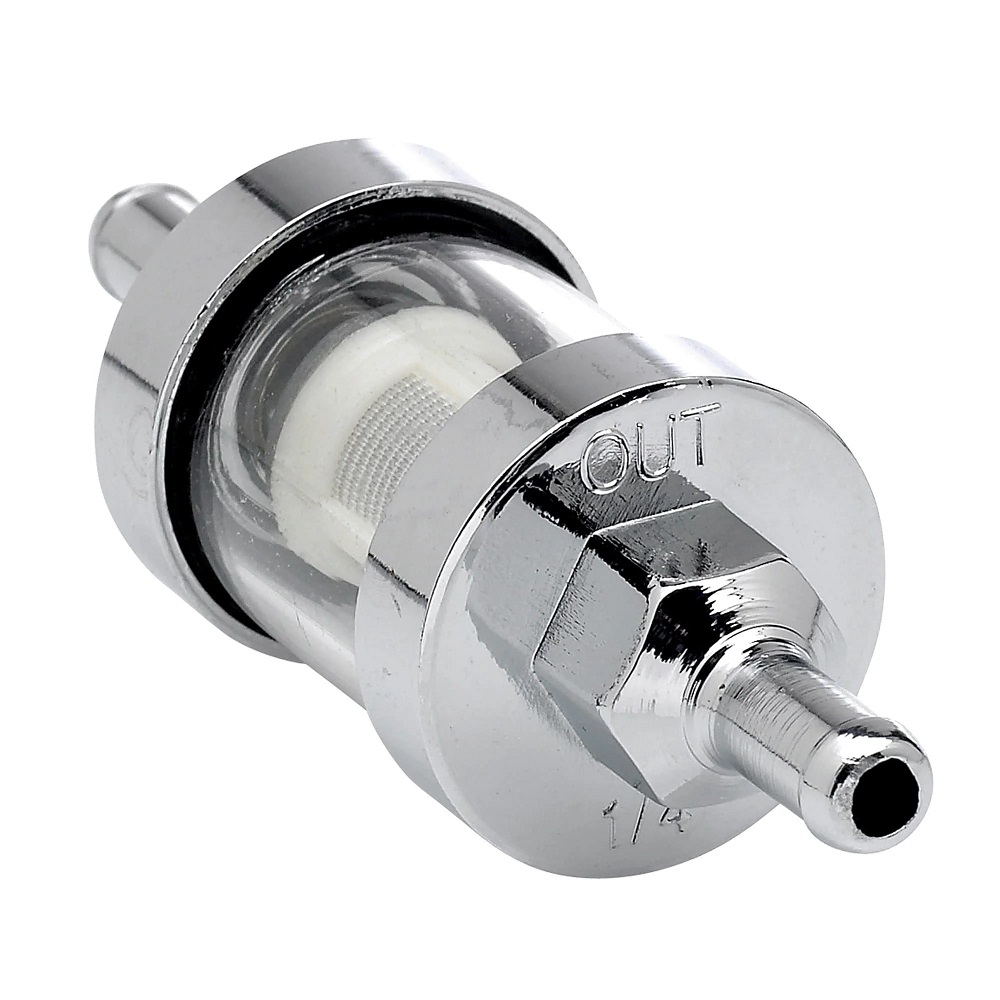
The primary function of a motorcycle fuel filter is to trap impurities and prevent them from mixing with the fuel. Dirt, rust, and debris can accumulate in the fuel tank and find their way into the fuel system. By filtering these particles out, the fuel filter helps maintain engine efficiency, prolongs the lifespan of the fuel injectors, and minimizes the risk of engine damage.
Importance of Regular Maintenance
Regular maintenance of your motorcycle’s fuel filter is crucial for optimal performance. A clogged or dirty fuel filter can restrict fuel flow, leading to decreased power and performance issues. Additionally, if not replaced regularly, contaminants can reach the engine and cause severe damage. It’s essential to check and replace the fuel filter according to your motorcycle manufacturer’s recommendations.
Types of Fuel Filters
Inline Fuel Filters
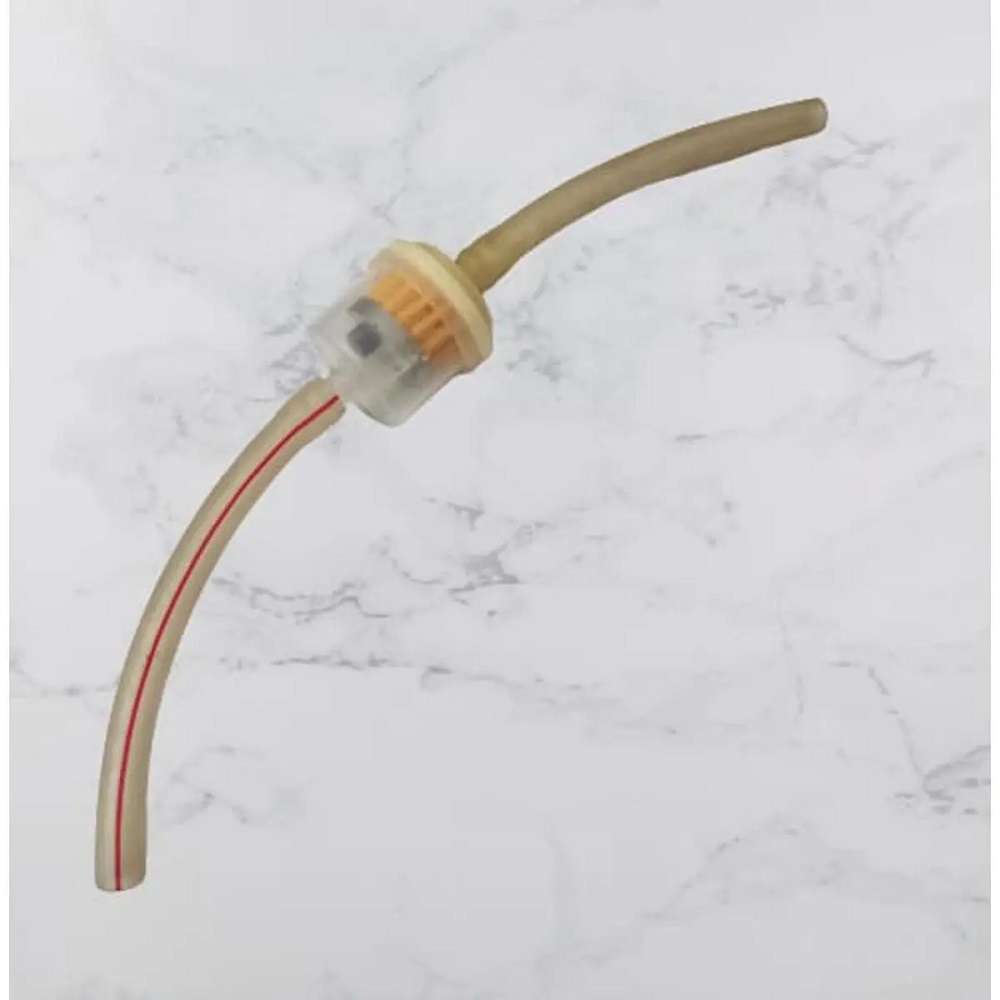
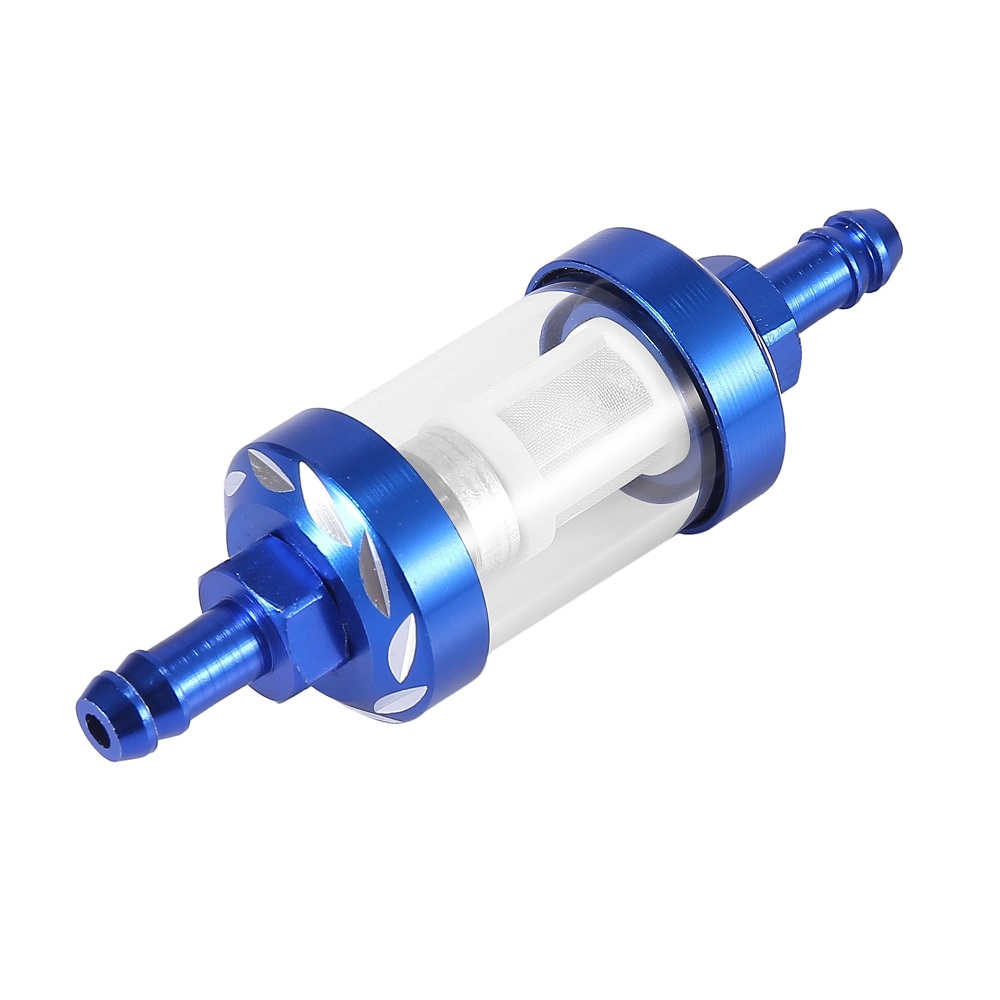
Inline fuel filters are among the most common types found in motorcycles. They are typically installed within the fuel line, making them easily accessible for maintenance. Inline filters effectively trap dirt and debris while allowing fuel to flow through easily. They can be found in both glass and metal designs, with glass filters allowing for visual inspection of contaminants.
Canister Fuel Filters
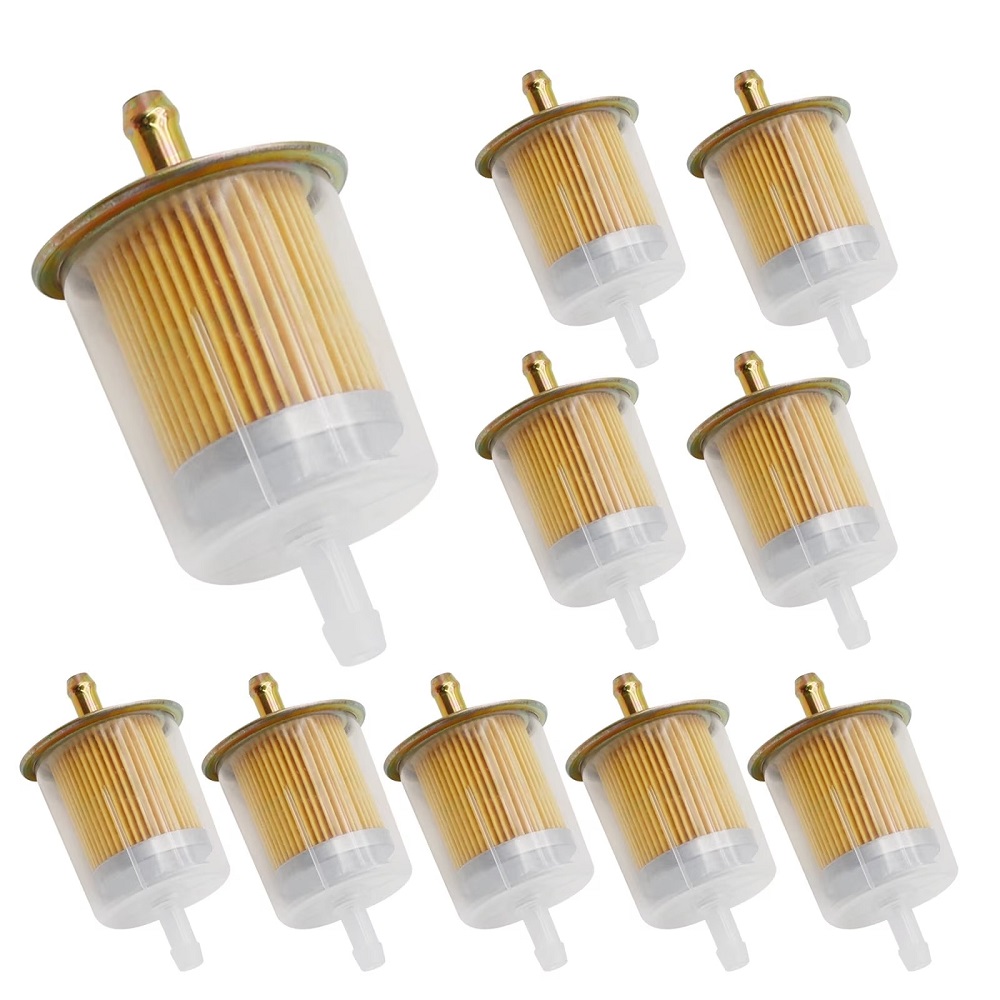
Canister fuel filters are usually more sophisticated and commonly found in modern motorcycles. They feature a cylindrical design and often include additional filtration media. Canister filters provide excellent filtration capabilities and are designed to handle larger volumes of fuel. These filters usually require professional installation, but their effectiveness justifies their complexity.
Integrated Fuel Filters
Some motorcycles come with integrated fuel filters that are built into the fuel pump assembly. This type is convenient as it often requires less maintenance. However, when it becomes clogged, it may require the replacement of the entire fuel pump. Integrated filters can offer effective filtration, but their replacement can be more costly and complicated.
Choosing the Right Fuel Filter
Compatibility with Your Motorcycle
When selecting a fuel filter, it’s essential to ensure compatibility with your specific make and model of motorcycle. Different motorcycles have different fuel systems and filtration requirements. Always consult your owner’s manual or speak to a knowledgeable mechanic to determine the best options for your bike.
Filter Quality
Quality should be a primary factor when selecting a fuel filter. Investing in a high-quality filter can provide better filtration and a longer lifespan. Look for filters from reputable brands that have a proven track record in the motorcycle industry. Quality filters help prevent engine damage and improve overall performance.
Filtration Efficiency
Filtration efficiency indicates how effectively a fuel filter traps contaminants. The higher the filtration efficiency, the more dirt and impurities will be removed before reaching the engine. When comparing different filters, consider the micron rating. A filter with a lower micron rating usually indicates better filtration capability. Look for filters that capture particles as small as 10 to 15 microns for optimal performance.
Installation Considerations
DIY vs. Professional Installation
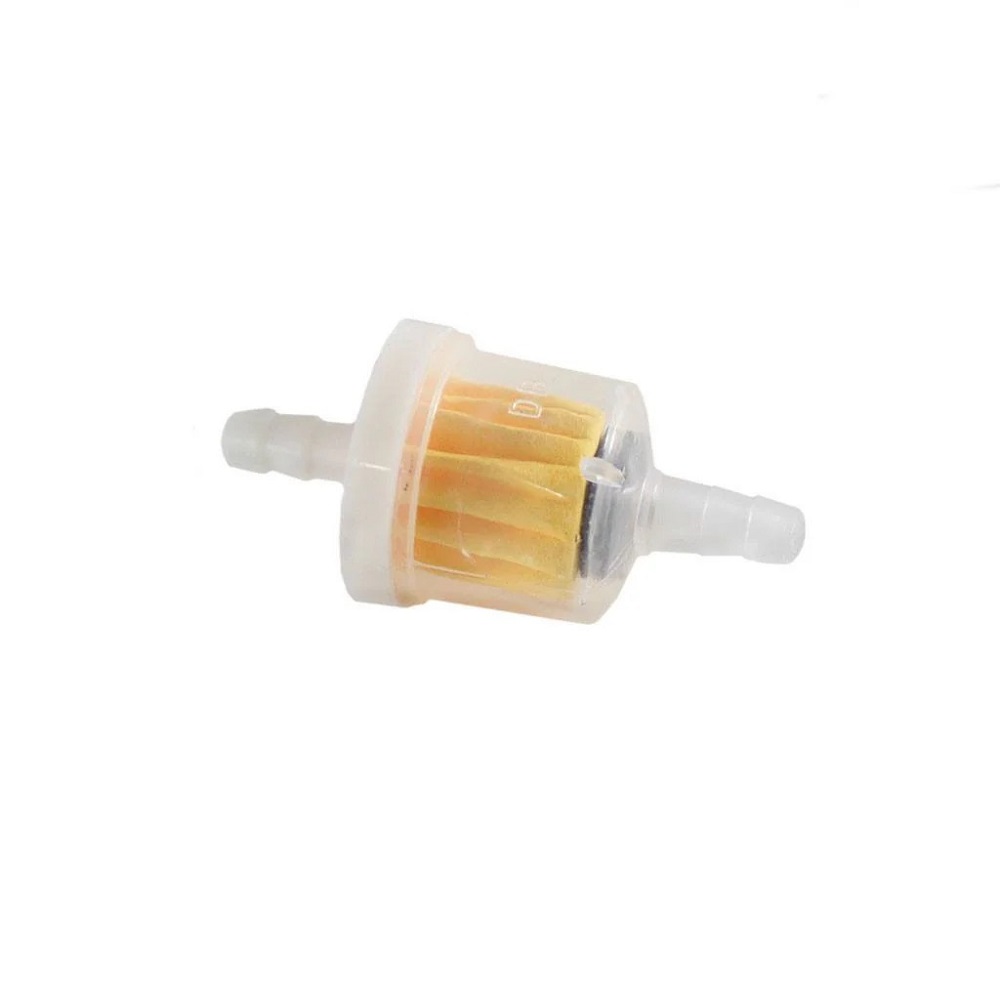
Installing a fuel filter can be a DIY task if you have automotive knowledge and tools. However, if you are unsure about the installation process, it’s wise to seek professional assistance. Improper installation can lead to fuel leaks or other issues. If you do choose to install the filter yourself, take your time to follow manufacturer guidelines carefully.
Fuel Line Management
When replacing a fuel filter, pay close attention to the fuel lines. Make sure that they are not kinked or damaged, as this can impede fuel flow. Use new fuel line clamps if necessary to ensure a secure fit. Properly managing fuel lines will help maintain optimal fuel flow and prevent leaks.
Safety Precautions
Safety should be your top priority when working with fuel systems. Always wear safety goggles and gloves to protect yourself from fuel spills and vapors. Work in a well-ventilated area to minimize inhalation of harmful fumes. Additionally, be cautious when handling fuel to avoid accidents.
Signs of a Failing Fuel Filter
Decreased Engine Performance
One of the first signs of a failing fuel filter is a noticeable decrease in engine performance. If your motorcycle struggles to accelerate or experiences hesitation, it may indicate that the filter is clogged. Reduced performance can affect your riding experience and could lead to further engine problems.
Difficulty Starting
If you find that your motorcycle has difficulty starting or requires multiple attempts to ignite, a clogged fuel filter may be the culprit. Insufficient fuel flow can prevent the engine from starting properly. If this issue persists, it is essential to inspect and possibly replace the fuel filter.
Unusual Noises
Unusual noises from the motorcycle, such as sputtering or knocking sounds, can also indicate a problem with the fuel system. These noises may occur when the engine struggles due to poor fuel delivery. If you notice any unusual sounds, it is advisable to have your bike checked by a mechanic to identify the source of the problem.
Maintenance of the Fuel Filter
Regular Inspection
Routine inspection of your fuel filter is essential for preventive maintenance. Depending on your motorcycle and usage, it may be necessary to check the filter every few months. Look for signs of dirt accumulation or damage. If you detect any issues, it may be time for a replacement.
Replacement Schedule
Following a replacement schedule can help ensure optimal performance. Most motorcycle manufacturers provide recommendations regarding when to replace the fuel filter; typically, this is every 12,000 to 15,000 miles. However, this can vary based on riding conditions, usage, and the type of filter used. Always consult your owner’s manual for specific guidance.
Cleaning vs. Replacement
Some riders may wonder if cleaning a fuel filter is a viable option. While some inline filters can be cleaned, many modern filters are designed for one-time use. Cleaning may not provide the same effectiveness as using a new filter. In many cases, it is better to replace the filter to ensure the best performance.
The Impact of a Quality Fuel Filter on Performance
Improved Fuel Efficiency
A high-quality fuel filter can have a noticeable impact on your motorcycle’s fuel efficiency. By preventing contaminants from entering the engine, a clean filter ensures that fuel burns efficiently. This can lead to better mileage and lower operating costs over time.
Enhanced Engine Life
Using the right fuel filter can extend the life of your motorcycle’s engine. By blocking harmful particles from reaching critical components, a fuel filter plays a vital role in reducing wear and tear. Investing in a quality filter is an excellent long-term strategy for maintaining your motorcycle’s health.
Smoother Engine Operation
A reliable fuel filter promotes smoother engine operation. By providing consistent fuel flow to the engine, it helps maintain optimal performance. Riders often notice improved throttle response and acceleration when their fuel system is functioning correctly. A smooth-running engine contributes to an enjoyable riding experience.
FAQ:
- How do I know which fuel filter is right for my motorcycle?
- Check your motorcycle’s owner manual for manufacturer recommendations regarding fuel filter specifications, including type, size, and compatibility with your make and model.
- What are the different types of motorcycle fuel filters?
- Common types include inline filters, in-tank filters, and cartridge filters. Each type varies by installation location and design but serves the same purpose of filtering fuel.
- How often should I replace my motorcycle fuel filter?
- Generally, it is recommended to replace the fuel filter every 10,000 to 15,000 miles or as indicated in your owner’s manual. Regular checks help ensure efficient engine performance.
- What are the signs that my motorcycle fuel filter needs replacing?
- Indicators include poor engine performance, difficulty starting, reduced fuel efficiency, or stalling during operation. If you notice these issues, have your fuel filter inspected.
- Can I clean and reuse my motorcycle fuel filter?
- Some filters, particularly metal ones, can be cleaned and reused, but it’s usually recommended to replace them as they may not function as effectively after cleaning.
Conclusion: Choosing the Right Fuel Filter for Your Ride
In conclusion, selecting the right motorcycle fuel filter is essential for ensuring optimal performance and longevity of your engine. Understanding the types of fuel filters, key features to consider, and the signs of a failing filter will help you make an informed decision. Regular maintenance and timely replacements will lead to a more efficient and reliable riding experience.
Investing in quality fuel filters not only improves performance but also enhances your motorcycle’s overall health. By following best practices for installation and care, you can keep your fuel system in excellent condition. Prioritize safety and proper handling when working with fuel components to prevent accidents.
As you ride, remember that the choices you make regarding your motorcycle fuel filter and the fuel filter replacement steps will significantly impact your bike’s functionality. Enjoy your journey on the road with the peace of mind that comes from knowing you’ve chosen the right fuel filter for your beloved ride. Happy travels, and ride safely!
Leave a Reply