Riding a dual sport motorcycle is a thrilling experience that combines the best of both worlds: on-road and off-road adventures. However, safety must be a top priority, and selecting the right helmet is crucial. A dual sport motorcycle helmet serves as a reliable protective gear that needs proper fitting and maintenance to maximize its effectiveness. This article will provide comprehensive tips to ensure you get the right fit for your dual sport helmet and maintain it for optimal use.
Understanding Dual Sport Helmets
Before diving into fitting and maintenance, it’s essential to understand what a dual sport helmet is and how it differs from other styles.
Definition and Design
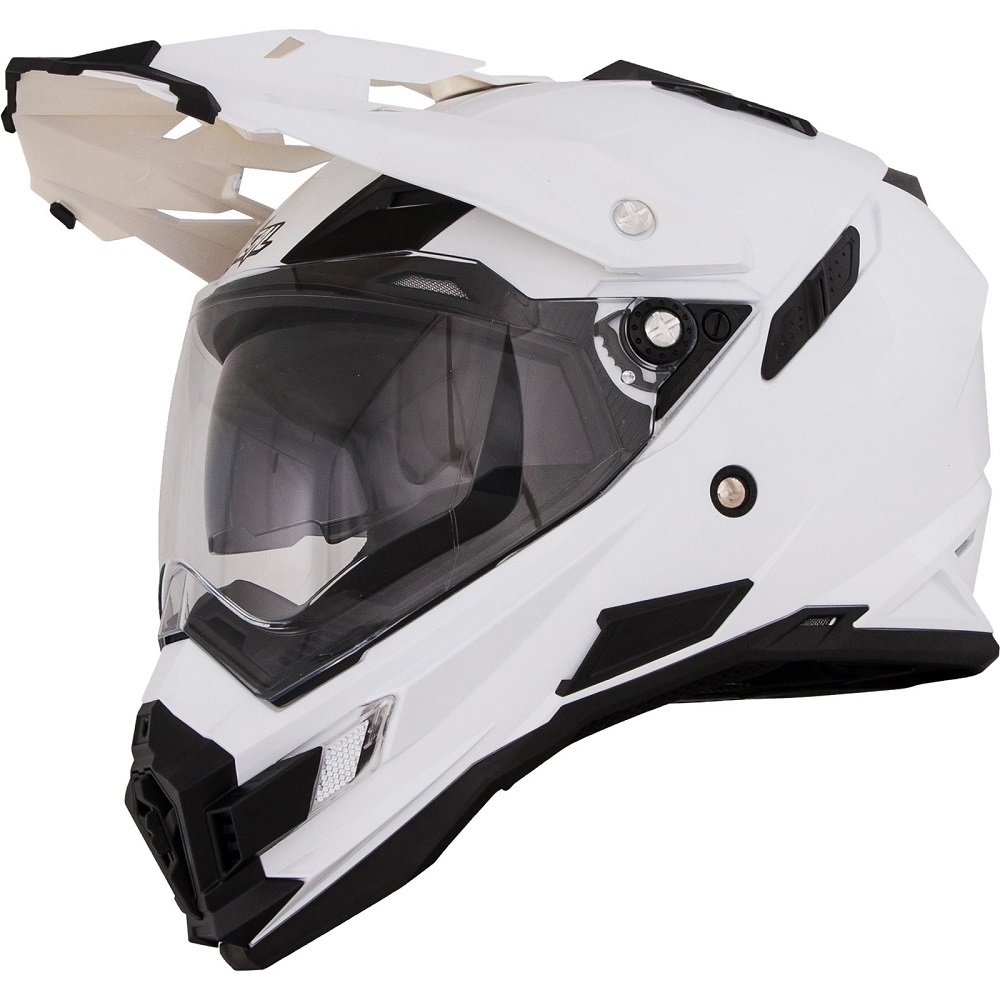
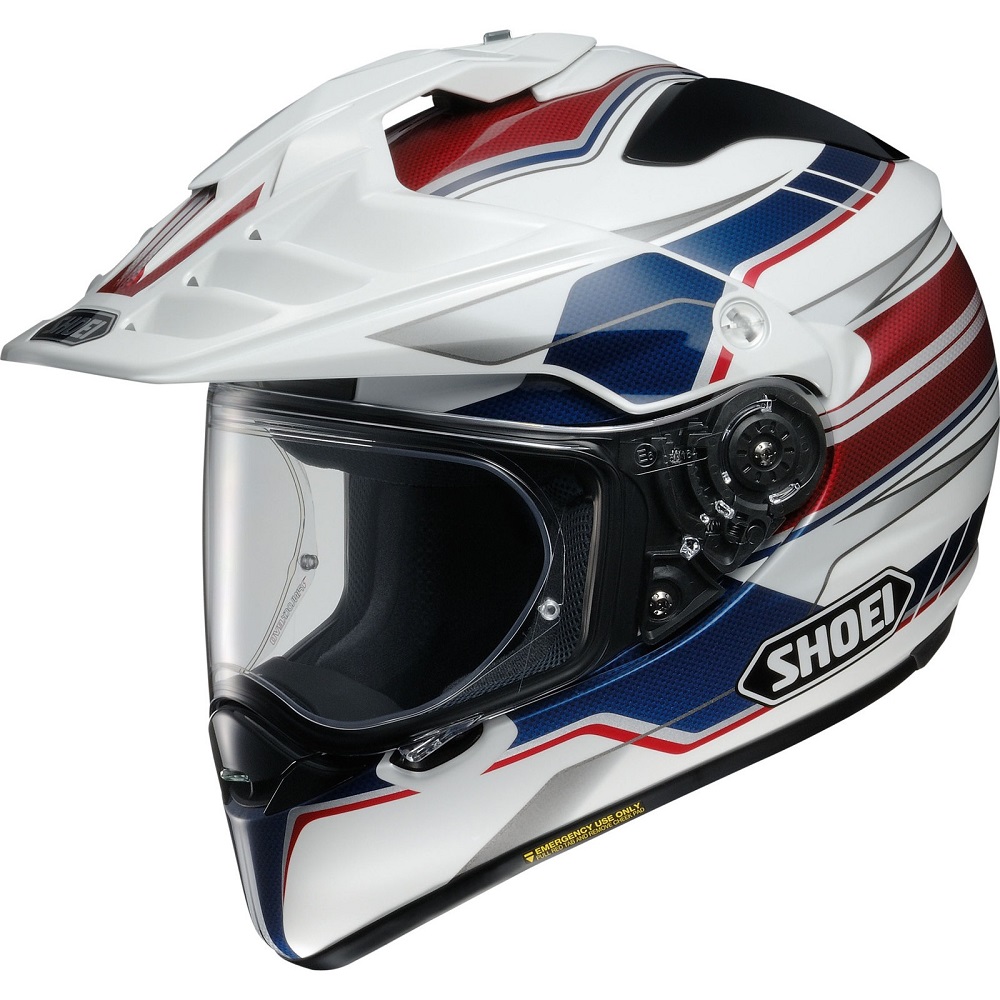
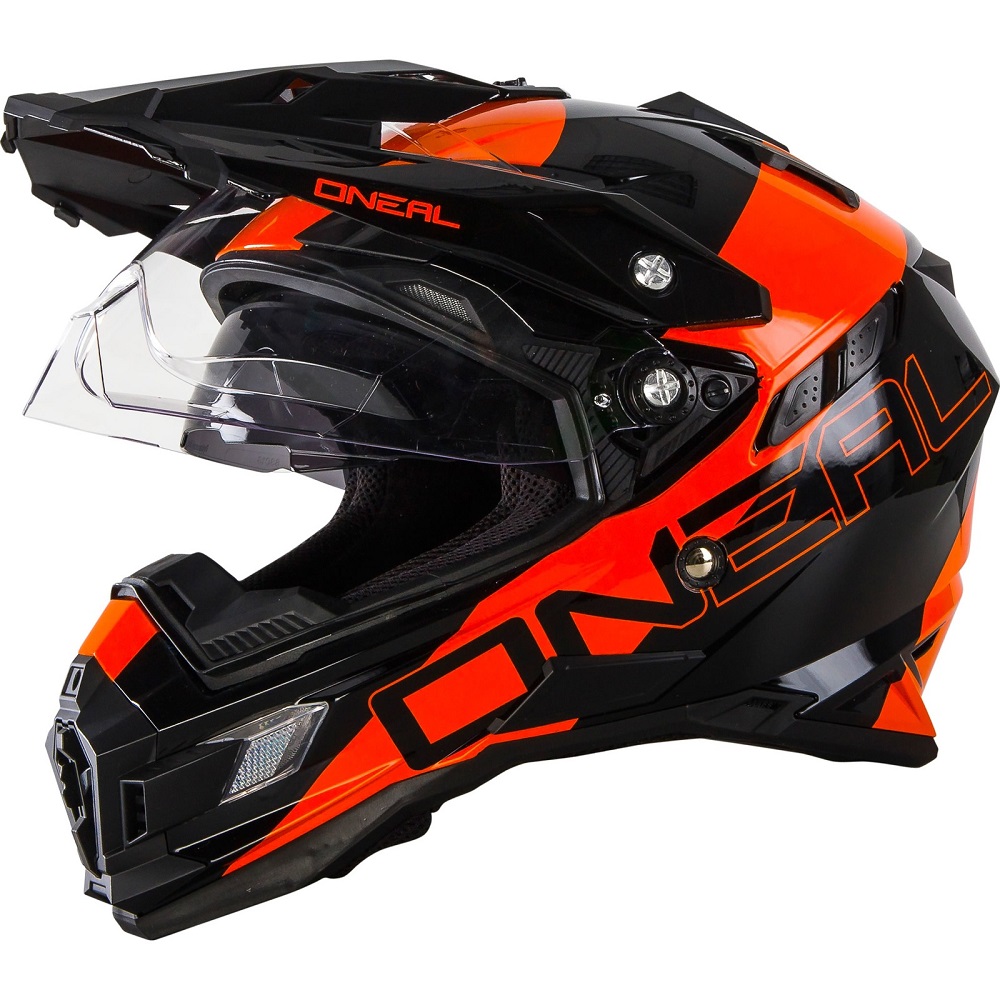
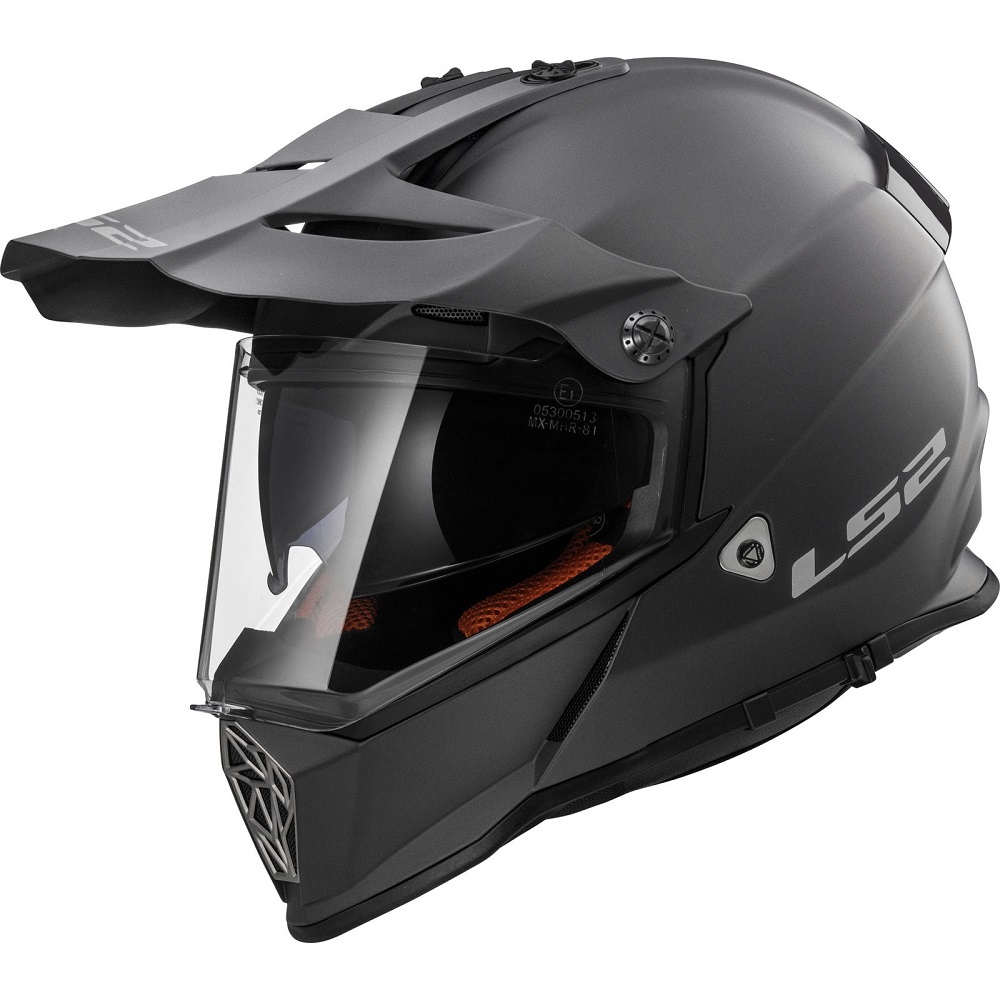
A dual sport motorcycle helmet is designed for versatility. It combines features from both full-face helmets and open-face helmets, making it suitable for various riding conditions. The helmet usually includes a visor for sun protection, which is especially useful when riding off-road.
Versatility and Use
The dual sport helmet is ideal for riders who frequently switch between street and dirt riding. Its aerodynamic shape and comfortable padding ensure a secure fit on both types of terrain. Additionally, the lightweight design allows for ease of wear during extended rides.
Safety Standards
When selecting a dual sport helmet, ensure it meets safety standards such as DOT (Department of Transportation) or Snell certifications. This ensures that the helmet has been tested for impact resistance and other safety features. Choosing a certified helmet is crucial for your safety while riding.
How to Measure for a Proper Fit
Achieving the right fit for your dual sport helmet is essential for both comfort and safety. Here’s how to measure your head correctly.
Gathering Materials
To measure your head accurately, you will need a soft measuring tape. If you don’t have one, you can use a piece of string and a ruler as an alternative. These tools will help you determine the correct size for your helmet.
Measuring Technique
Start by positioning the measuring tape around your head. Place it just above your eyebrows and ensure it sits level. Make sure the tape is snug but not too tight, as it should not compress your skin. Record the measurement where the tape overlaps. This number will help you find your helmet size.
Referencing Size Charts
Once you have your head measurement, refer to the manufacturer’s size chart. Each brand may have slightly different sizing, so it is vital to check the specific chart for the dual sport helmet you are considering. This reference will guide you in selecting the best size for your head shape.
Trying on the Helmet
Measuring is just the first step. It’s essential to try on the helmet before finalizing your purchase to ensure the best fit.
Proper Fit Check
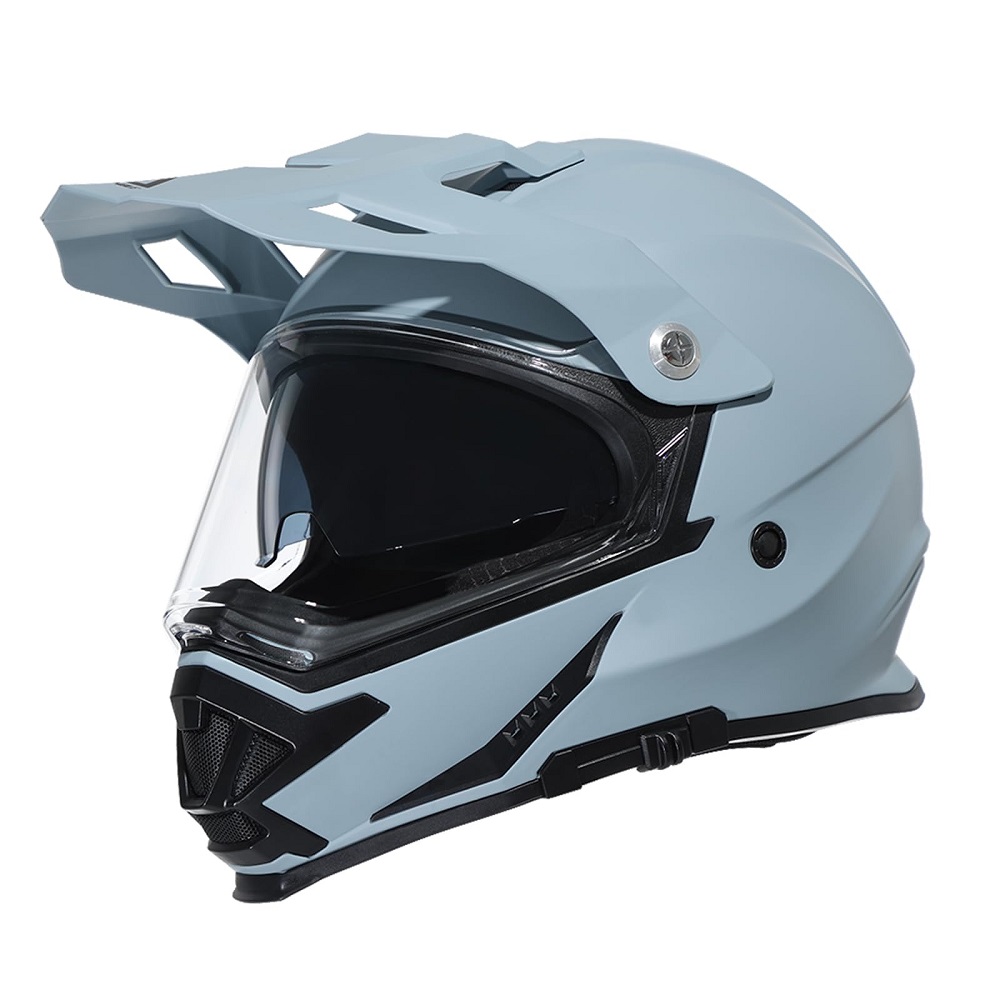
When trying on the helmet, it should feel snug but not uncomfortable. A properly fitted helmet should not move when you shake your head. Pay particular attention to the areas around your forehead and cheeks, ensuring there are no pressure points that could cause discomfort during long rides.
Checking Visibility
Put the helmet on and fasten the chin strap. Look around to ensure that your field of vision is adequate and unobstructed. Good visibility is crucial for safe riding, so make sure to check that your peripheral vision isn’t compromised.
Securing the Chin Strap
The chin strap should be adjustable and fit snugly without causing discomfort. You should be able to fit one finger between the strap and your chin. This snugness prevents the helmet from shifting during a ride, ensuring safety.
Features to Consider
Several features can enhance the usability and safety of your dual sport motorcycle helmet. Understanding these elements helps in making an informed decision.
Ventilation System
A good ventilation system is essential for comfort. Look for helmets that have adjustable vents allowing airflow during rides. Proper ventilation helps to reduce heat buildup inside the helmet, keeping you cool during warm weather and longer rides.
Weight of the Helmet
The weight of the helmet can significantly impact comfort, especially during extended rides. Opt for a lightweight helmet made of high-quality materials such as polycarbonate or carbon fiber. These materials offer strength without unnecessary bulk.
Sun Visors and Shields
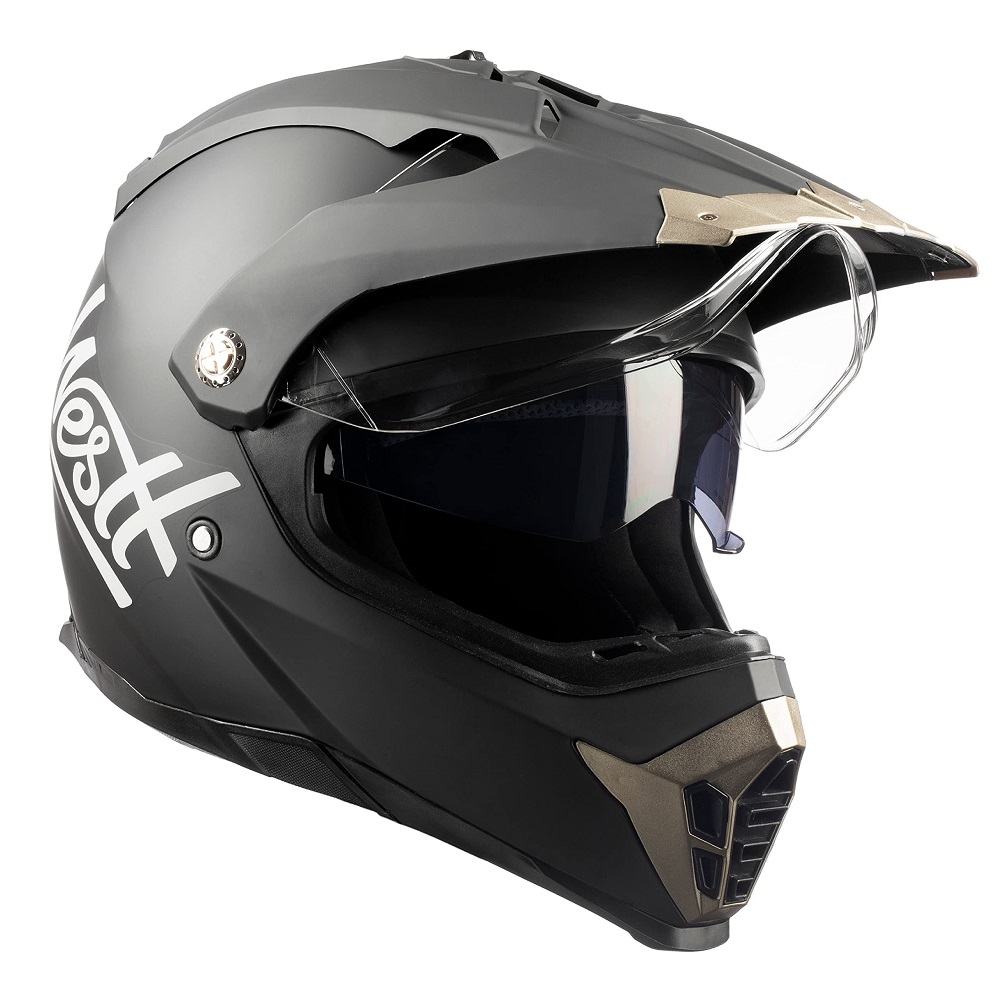
Many dual sport helmets come with built-in sun visors or shields. These visors add an extra layer of protection against sun glare, enhancing your visibility while riding. When choosing a helmet, consider whether it has a drop-down sun visor or if you’ll need to purchase one separately.
Maintenance Tips for Dual Sport Helmets
Proper maintenance of your dual sport helmet is crucial for its longevity and performance. Following these tips will ensure that your helmet remains in great condition.
Regular Cleaning
After each ride, it is important to clean your helmet. Use a damp cloth to wipe down the exterior, removing dirt, grime, and bugs. To clean the visor, avoid using harsh chemicals that can damage the surface. Instead, use a cleaner specifically designed for helmet visors to keep it clear without scratches.
Inspect for Damage
Regularly inspect your helmet for signs of wear and tear. Check for cracks, dents, or loose components that may indicate a need for replacement. If you notice significant damage, it’s best to replace the helmet rather than risk safety while riding.
Storing Properly
When not in use, store your helmet in a cool, dry place away from direct sunlight. Avoid placing it in a location where it can be subjected to extreme temperatures. Use a helmet bag for protection against dust and scratches when storing it.
Safety Gear Compilation
In addition to a dual sport motorcycle helmet, wearing other safety gear is crucial for comprehensive protection while riding. Here is essential gear to consider.
Protective Clothing
Wearing protective clothing, such as jackets and pants, designed for motorcycle riding is essential. Look for items made from durable materials like leather or specialized textile blends. These materials can provide additional protection against abrasions during a fall.
Gloves for Grip
Motorcycle gloves are another vital piece of safety gear. They offer grip on the handlebars while protecting your hands in case of an accident. Look for gloves that provide insulation and flexibility, allowing for a comfortable grip without sacrificing feel.
Boots for Ankle Support
Invest in sturdy motorcycle boots that offer ankle support. Proper footwear protects your feet and enhances stability on the bike. Boots should be comfortable for riding while also providing sufficient protection from impacts and weather conditions.
Engaging with the Motorcycle Community
Connecting with other motorcycle enthusiasts can enhance your experience, providing insights and valuable information about riding safety.
Local Riding Clubs
Consider joining local motorcycle clubs or groups. These communities foster camaraderie among riders and often host group rides, events, and workshops. Joining a club can provide opportunities to share experiences and learn from more seasoned riders.
Online Forums
Participating in online forums allows you to engage with riders worldwide. These platforms often discuss different helmet brands, safety tips, and maintenance advice. Engaging in these discussions can enhance your understanding of best practices.
Workshops and Social Events
Look for motorcycle workshops or social events in your area. Many local shops organize sessions covering maintenance, safety, and gear. Attending these events expands your knowledge and strengthens your connection to the motorcycle community.
Staying Informed About Safety Regulations
Motorcycle safety regulations can change, so it’s essential to stay informed about the latest rules and requirements. Being aware of regulations can help you ensure that you are following safety guidelines.
Check Local Laws
Different states and countries have specific laws regarding helmet safety standards. Familiarize yourself with these regulations to ensure that your helmet meets all legal requirements for riding. Riding without a compliant helmet can lead to fines and increased risks.
Follow Manufacturer Guidelines
Always check the manufacturer’s recommendations regarding helmet use and maintenance. This includes safety standards, recommended cleaning practices, and replacement intervals. Adhering to these guidelines helps ensure optimal use of your helmet.
Update Yourself on New Technologies
Stay informed about new developments in helmet technology. Manufacturers are consistently evolving their designs to enhance safety features. New options may include better ventilation systems, integrated communication devices, or advanced impact materials.
FAQ:
- How do I measure for the right size dual sport helmet?
- To measure for the right size, use a flexible tape measure to gently wrap it around the widest part of your head, just above the eyebrows and ears. Record the measurement in inches or centimeters and refer to the helmet manufacturer’s sizing chart to find the appropriate size.
- What should I look for in a properly fitting dual sport helmet?
- A properly fitting helmet should fit snugly around your head without creating pressure points. It should sit level on your head, with minimal movement when you shake your head. You should be able to fit one finger between the chin strap and your chin, and the visor should not obstruct your line of sight.
- How do I maintain my dual sport helmet to ensure longevity?
- To maintain your dual sport helmet, clean it regularly using mild soap and water. Avoid harsh chemicals that can damage the material. Store it in a cool, dry place away from direct sunlight, and check for wear on the padding and straps. Replace the helmet if it shows significant signs of damage or after any impact.
- Can I use a dual sport helmet for both motocross and street riding?
- Yes, a dual sport helmet is designed for versatility, making it suitable for both motocross and street riding. It provides the necessary protection and features to handle the demands of both environments, although some riders may prefer specific designs tailored to each style.
- What safety standards should I check for in a dual sport helmet?
- Look for certifications such as DOT (Department of Transportation) and ECE (Economic Commission for Europe), which indicate that the helmet meets specific safety standards. Additional certifications, like SNELL, may provide further assurance of quality and protection.
Conclusion: The Importance of Choosing the Right Helmet
In conclusion, a dual sport motorcycle helmet is an essential piece of equipment for any rider. Ensuring a proper fit and understanding maintenance practices will enhance your safety and comfort while riding.
By following the tips outlined in this article, you can navigate the process of choosing a helmet and keeping it in great condition. Your helmet is crucial for safeguarding your head in case of an accident, so take the time to invest in quality and proper fit.
In addition to maintaining your helmet, consider the importance of other safety gear, as well as engaging with the motorcycle community. The connections you make can provide ongoing support as you explore the exciting world of motorcycling.
Embrace the thrill of riding with confidence, knowing you are well-equipped with a properly fitted dual sport motorcycle helmet, highlighting the importance of proper fit in dual sport helmets for safety. Enjoy your journeys while prioritizing protection and safety, ensuring a fulfilling riding experience.
Leave a Reply