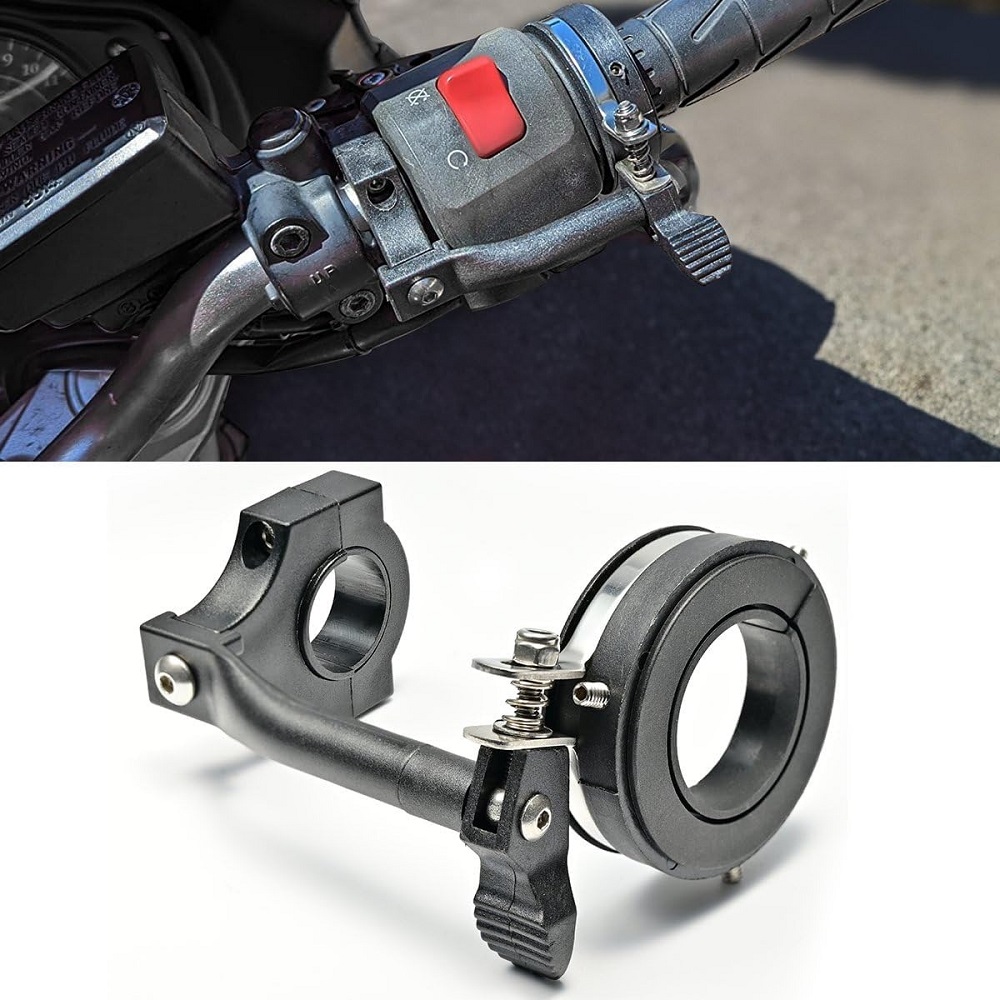
Introduction: The Evolution of Motorcycle Technology
Understanding Motorcycle Cruise Control
Cruise control has been a staple in automotive technology for many years. However, its integration into motorcycles is a more recent development. Initially designed for cars, cruise control provides drivers with a way to maintain a steady speed without constant throttle input. For motorcycle riders, this feature offers a similar benefit. It enhances the overall riding experience by reducing fatigue and allowing riders to focus more on the road.
The Advantages of Modern Technology
Modern motorcycles are equipped with advanced technology that improves various aspects of riding. From enhanced safety features to better engine performance, technology continues to shape the riding experience. Cruise control is part of this evolution, providing added convenience for long-distance travelers. As riders seek comfort and practicality, the demand for cruise control systems in motorcycles has increased significantly.
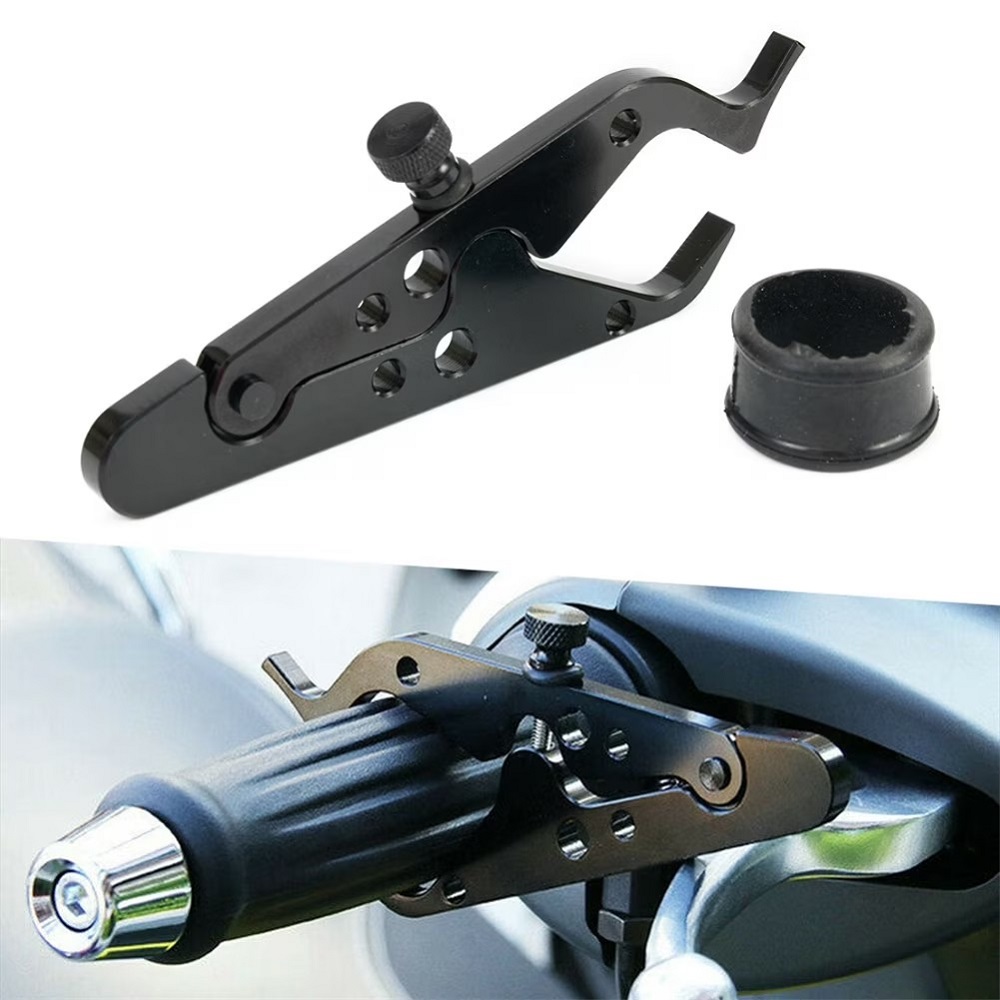
Purpose of This Article
This article aims to explore the benefits of motorcycle cruise control. We will discuss how it works, its advantages for different riding styles, and the best models that incorporate this technology. By the end, you will understand how cruise control can enhance your riding experience and make your journeys more enjoyable.
How Motorcycle Cruise Control Works
The Mechanism Behind Cruise Control
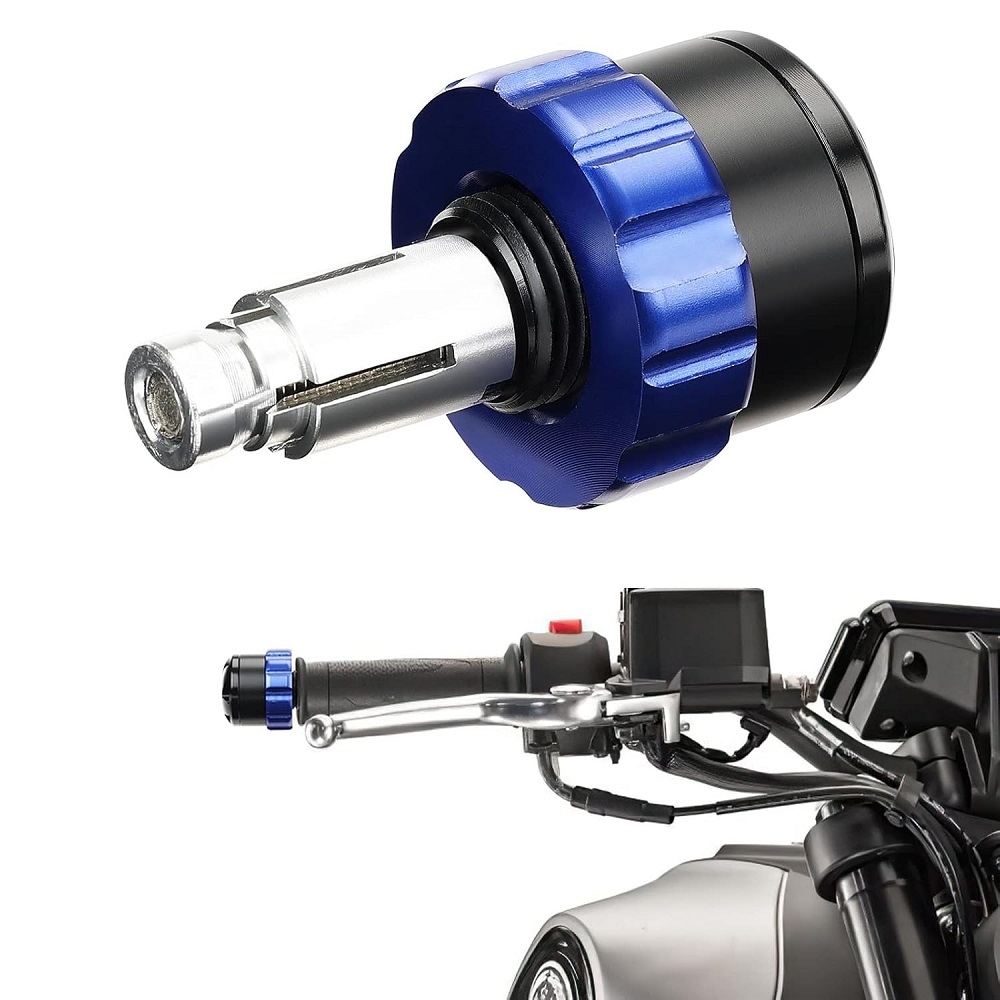
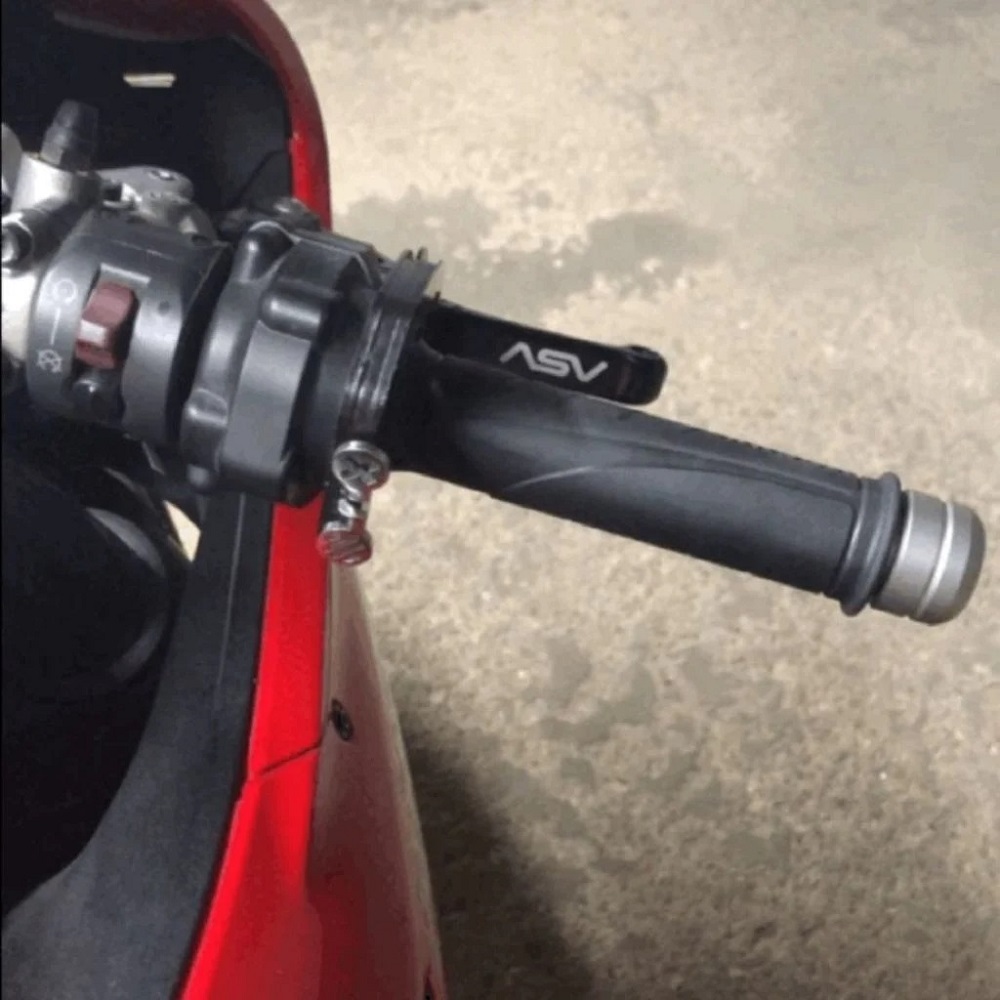
Motorcycle cruise control typically operates through an electronic throttle control system. When activated, the system sets and maintains a specific speed without constant pressure on the throttle grip. Advanced cruise control systems allow for adjustments, letting riders increase or decrease speed as needed. Most systems incorporate buttons or switches on the handlebar to control their settings.
Types of Cruise Control
There are two main types of cruise control systems used in motorcycles: basic and adaptive. Basic cruise control allows riders to set a speed that remains constant until changed manually. Adaptive cruise control, on the other hand, uses sensors to detect the distance from other vehicles. This type automatically adjusts the speed to maintain a safe following distance, making it safer for varied traffic conditions.
Safety Features
Cruise control systems often come with built-in safety features. For instance, riders can deactivate the system by simply pulling in the clutch or applying the brakes. This provides an immediate response in critical situations. Some modern motorcycles even feature automatic disengagement if certain conditions are met, enhancing safety during the ride.
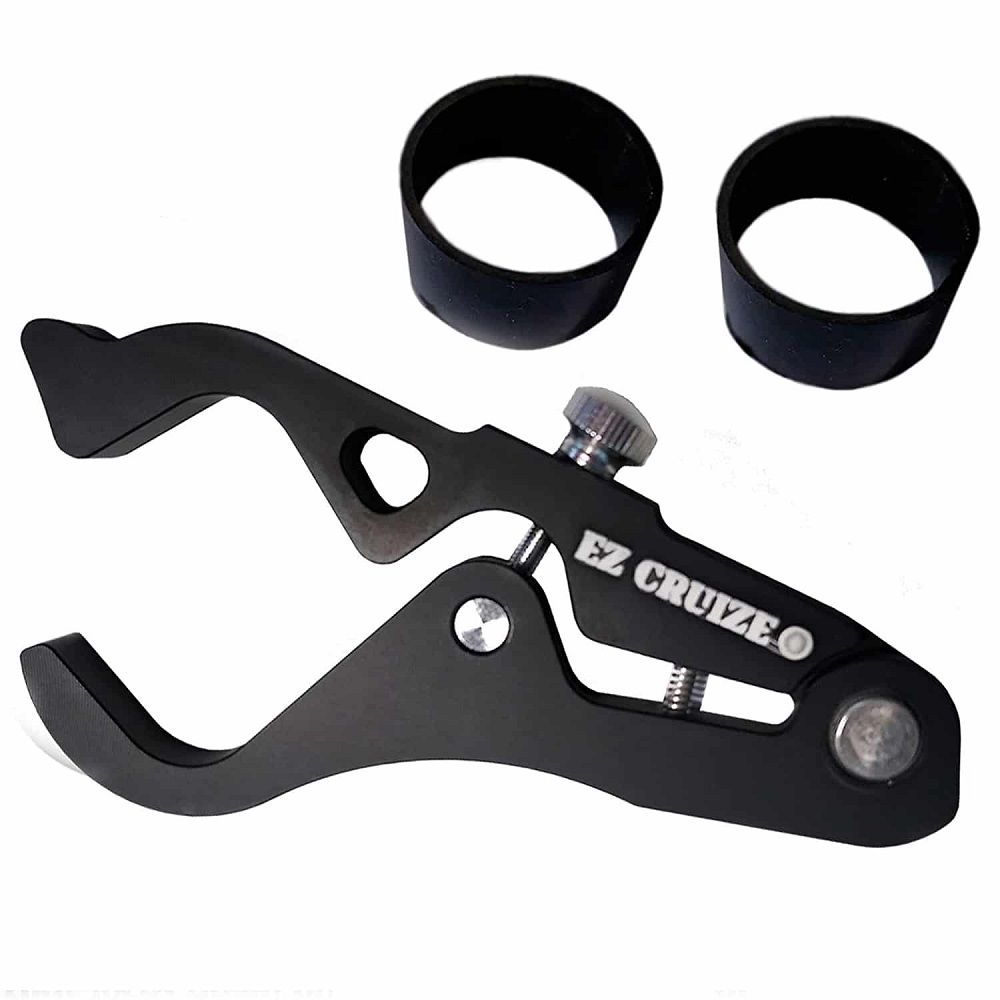
Benefits of Using Cruise Control
Reducing Rider Fatigue
One significant advantage of motorcycle cruise control is its ability to reduce rider fatigue. On long rides, constant throttle management can lead to discomfort in the wrist and hand. Engaging cruise control allows riders to maintain a steady speed and relax their grip. This added comfort can make a long journey more enjoyable and less tiring.
Improved Fuel Efficiency
Using cruise control can improve fuel efficiency. By maintaining a consistent speed, the motorcycle uses fuel more efficiently than when the rider continually accelerates and decelerates. This is especially beneficial during highway riding, where speeds can be stable for long periods. Riders can save money on fuel and enjoy longer trips before needing to refuel.
Enhanced Comfort for Long Rides
Long-distance riders often seek added comfort during their journeys. Cruise control allows riders to focus on their surroundings rather than the throttling. This creates a more relaxing experience, allowing for enjoyment of the scenery and freedom of the ride. With less focus on maintaining speed, riders feel less stressed and more connected to the experience.
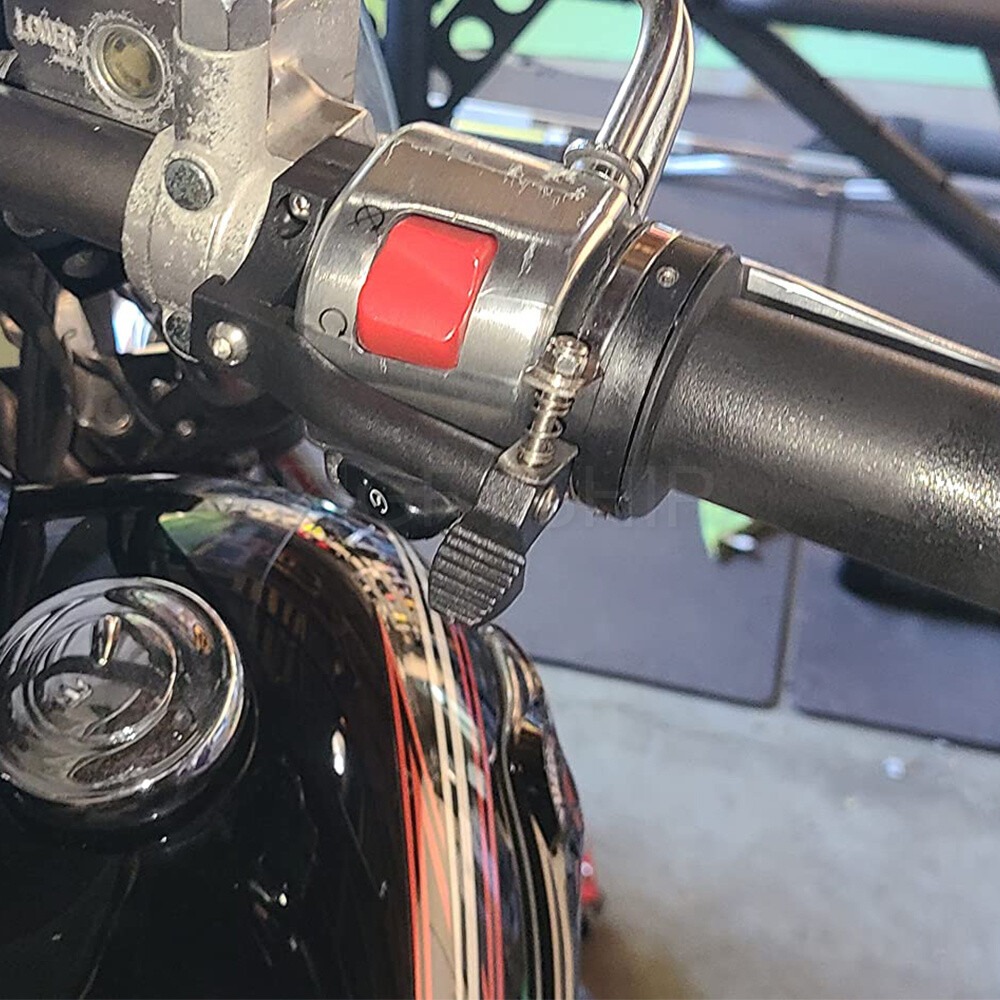
Choosing the Right Motorcycle with Cruise Control
Popular Models with Cruise Control
Several motorcycle models come equipped with cruise control features. Some popular options include the Honda Gold Wing, BMW R1250GS, and Harley-Davidson Touring models. Each of these motorcycles offers unique features that cater to long-distance riders, including advanced cruise control systems. Exploring these options can help you find the perfect cruiser for your needs.
Evaluating Your Riding Style
When choosing a motorcycle with cruise control, consider your riding style. If you mostly ride long distances or enjoy touring, look for models known for comfort and stability. On the other hand, if you prefer sport riding, ensure the bike’s cruise control system meets your performance expectations. Evaluating your riding habits can help you select the best motorcycle model for your needs.
Test Riding Before Buying
Always take the motorcycle for a test ride before making a purchase. Test riding allows you to evaluate comfort, handling, and cruise control functionality. Pay attention to how the cruise control system operates during the ride. Familiarizing yourself with the bike will help ensure that you make an informed decision.
Riding with Cruise Control
Activating Cruise Control
Activating cruise control on a motorcycle is typically straightforward. Once the motorcycle reaches your desired speed, press the cruise control button or switch. Many systems will have an indicator light to confirm that the cruise control is activated. Understanding how to engage and disengage this feature will make your rides more enjoyable.
Adjusting Speed While in Use
While riding with cruise control, adjusting your speed is quick and easy. Most systems allow you to increase or decrease speed using buttons on the handlebar. This functionality means that you can adjust your speed without removing your hands from the handlebars. Riding remains safe and comfortable while you maintain control over your motorcycle.
Staying Vigilant on the Road
Even with cruise control engaged, staying vigilant on the road is essential. Always be aware of your surroundings, including traffic conditions and road hazards. Cruise control should be used as a convenience rather than a replacement for attentive riding. Being alert ensures safety and allows for quick reactions when necessary.
Safety Considerations
Understanding Limitations
While cruise control offers several benefits, it has limitations. It is not suitable for all riding conditions. Avoid using cruise control in heavy traffic, adverse weather, or on winding roads. In these situations, manual control is often better for maintaining safety. Being aware of your riding environment is crucial for safe motorcycle operation.
Regular Maintenance Checks
Regular maintenance of your motorcycle can ensure that the cruise control system functions correctly. Check the throttle and brake systems periodically to avoid malfunctions. Keeping your motorcycle in good condition enhances both performance and safety. Regular service checks can prevent issues and keep you safe on the road.
Training and Familiarization
Riders should consider training or courses that educate them about cruise control and motorcycle safety. Many organizations offer riding classes that cover various aspects of motorcycle operation, including safe use of cruise control. Engaging in educational opportunities enhances your skills and builds confidence in your riding abilities.
The Cultural Impact of Cruise Control Motorcycles
Representing Freedom and Adventure
Cruise control motorcycles symbolize freedom and adventure for many riders. They empower riders to explore without the stress of constantly managing the throttle. The ability to travel long distances becomes more enjoyable, allowing riders to embrace the journey. This sense of freedom encourages more people to engage with motorcycle culture.
Building a Community of Riders
The motorcycle community is vibrant and inclusive. Riders who utilize cruise control often come together in clubs and groups to share their experiences. This community fosters connections among individuals who share a passion for riding. Engaging with other riders enhances the experience and cultivates friendships.
Influencing Future Riders
Witnessing others ride motorcycles with cruise control can inspire those who haven’t yet taken the plunge. New and experienced riders are often drawn to the comfort and convenience of modern motorcycles. By promoting the benefits of these systems, existing riders can encourage more people to enjoy the thrill of motorcycling.
The Future of Cruise Control for Motorcycles
Technological Advancements
As technology advances, expect to see continued innovations in motorcycle cruise control systems. Newer models may feature adaptability systems that adjust speed based on traffic conditions. Innovations could bring even better integration with navigation systems, enhancing the overall riding experience.
Sustainability Considerations
Sustainability is becoming a key factor in motorcycle manufacturing. Future models may focus on eco-friendly materials and innovative designs that improve fuel efficiency. Riders will likely see cruise control systems paired with electric or hybrid motorcycles, offering a more sustainable riding experience.
Personalization and Customization
As the market grows, brands may offer more customization options for motorcycle features, including cruise control. Riders will have the opportunity to tailor systems to their preferences and riding habits. This shift toward personalization will allow for an enhanced riding experience that fits individual needs.
FAQ:
- How does cruise control work on motorcycles?
- Cruise control on motorcycles typically uses electronic throttle control to maintain speed. The rider activates the cruise control, sets their desired speed, and the system adjusts throttle input to keep the motorcycle at that speed.
- Can all motorcycles have cruise control?
- No, not all motorcycles come equipped with cruise control. It is generally found on touring, sport-touring, and some cruiser motorcycles. Many manufacturers offer cruise control as an optional feature or as part of a premium package on certain models.
- Is it safe to use cruise control on a motorcycle?
- While cruise control can enhance safety and comfort, riders should use it judiciously. It’s essential to remain attentive to road conditions and traffic, and to disengage cruise control when navigating turns, stops, or heavy traffic.
- How do I activate and deactivate cruise control on my motorcycle?
- Activating and deactivating cruise control can vary by model, but generally, it involves using a switch on the handlebars. Most systems allow you to set the speed, and you can disengage it by applying the brakes, hitting the clutch, or pressing a designated button.
- What are the benefits of having cruise control on a motorcycle?
- The benefits of cruise control on a motorcycle include reduced rider fatigue on long rides, improved fuel efficiency, consistent speed management, and increased comfort during highway travel. It allows riders to relax their throttle hand, making for a more enjoyable long-distance experience.
Embrace the Thrill of Riding with Cruise Control
A Valuable Feature for Riders
In conclusion, cruise control is a valuable feature for modern motorcycles. It enhances comfort and allows riders to enjoy the thrill of the open road. The benefits of cruise control for motorcycle make long rides more enjoyable, reducing fatigue while maintaining safety.
Explore Your Options
If you are considering a motorcycle with cruise control, take the time to explore different models and features. Understanding your riding preferences will help you make an informed decision. The right motorcycle can enhance your experience and allow for greater adventures.
Ready for Adventure
With the best cruise control systems for motorcycles, you are ready to embrace the adventures that await. Whether cruising down scenic highways or exploring new towns, the thrill of riding is amplified. Enjoy the freedom that comes with every ride, and let cruise control be a part of your journey into the exhilarating world of motorcycling!
Leave a Reply