Introduction to Motorcycle Engine Parts
Understanding the Motorcycle Engine
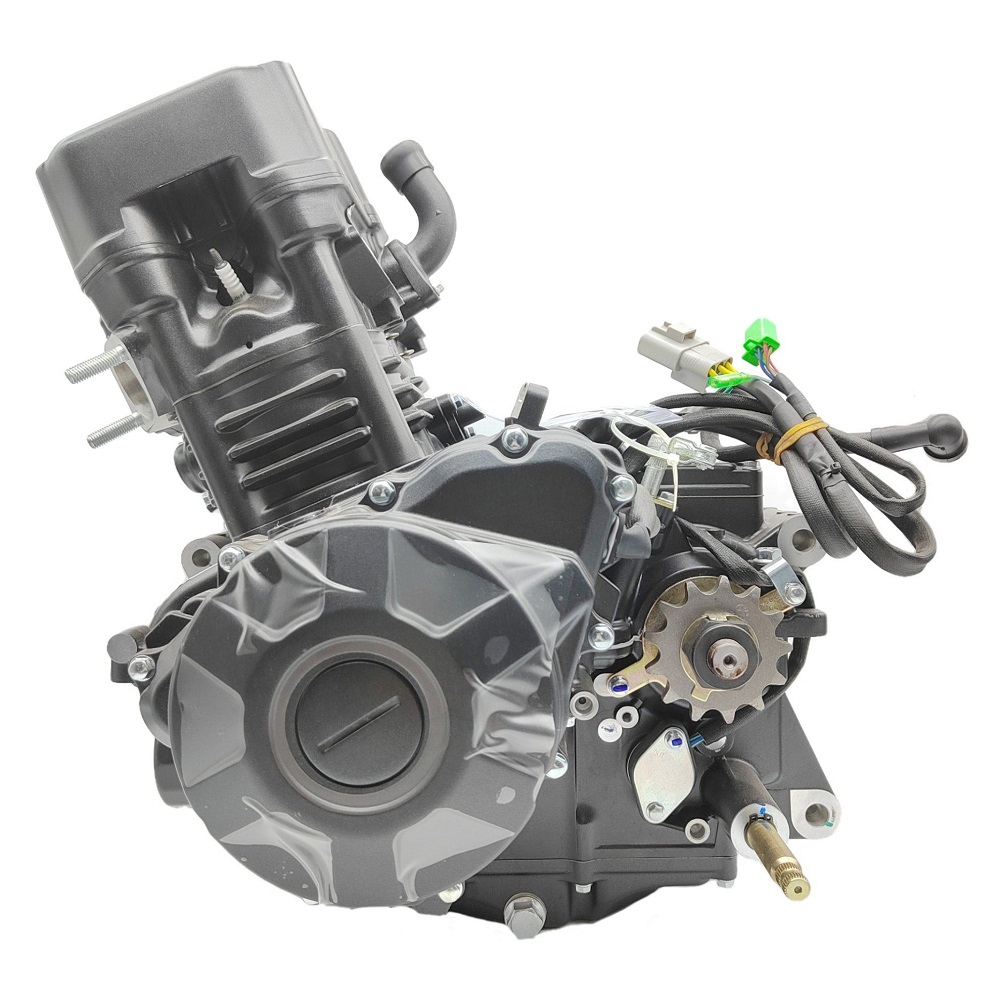
The motorcycle engine is the heart of the bike. It provides the power required for movement and plays a crucial role in the overall performance and efficiency of the motorcycle. Understanding how different parts of the engine work together helps in maintaining the bike in optimal condition. A well-maintained engine not only enhances performance but also extends the life of the motorcycle.
Importance of Regular Maintenance
Regular maintenance of the engine is essential for preventing common issues. Like any mechanical device, motorcycles require routine checks and maintenance to keep them running smoothly. Ignoring maintenance can lead to larger, more costly problems down the road. Regular tune-ups, engine checks, and inspections can help identify issues before they become significant repairs, saving time and money.
Purpose of This Guide
This guide aims to highlight common issues related to motorcycle engine parts and provide troubleshooting tips. Diagnosing engine problems early can lead to effective and efficient repairs. By the end of this article, you will have practical knowledge about engine components and how to address potential issues.
Common Motorcycle Engine Components
Engine Block and Cylinder Head
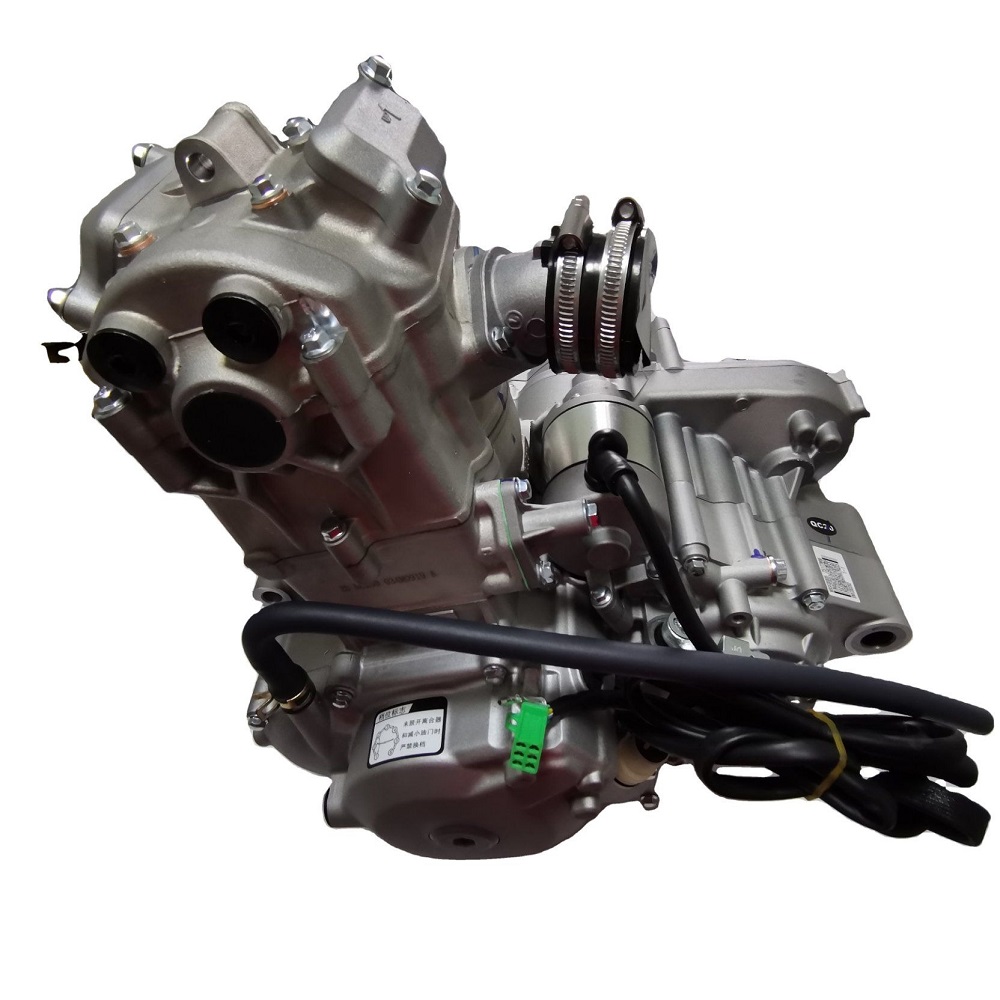
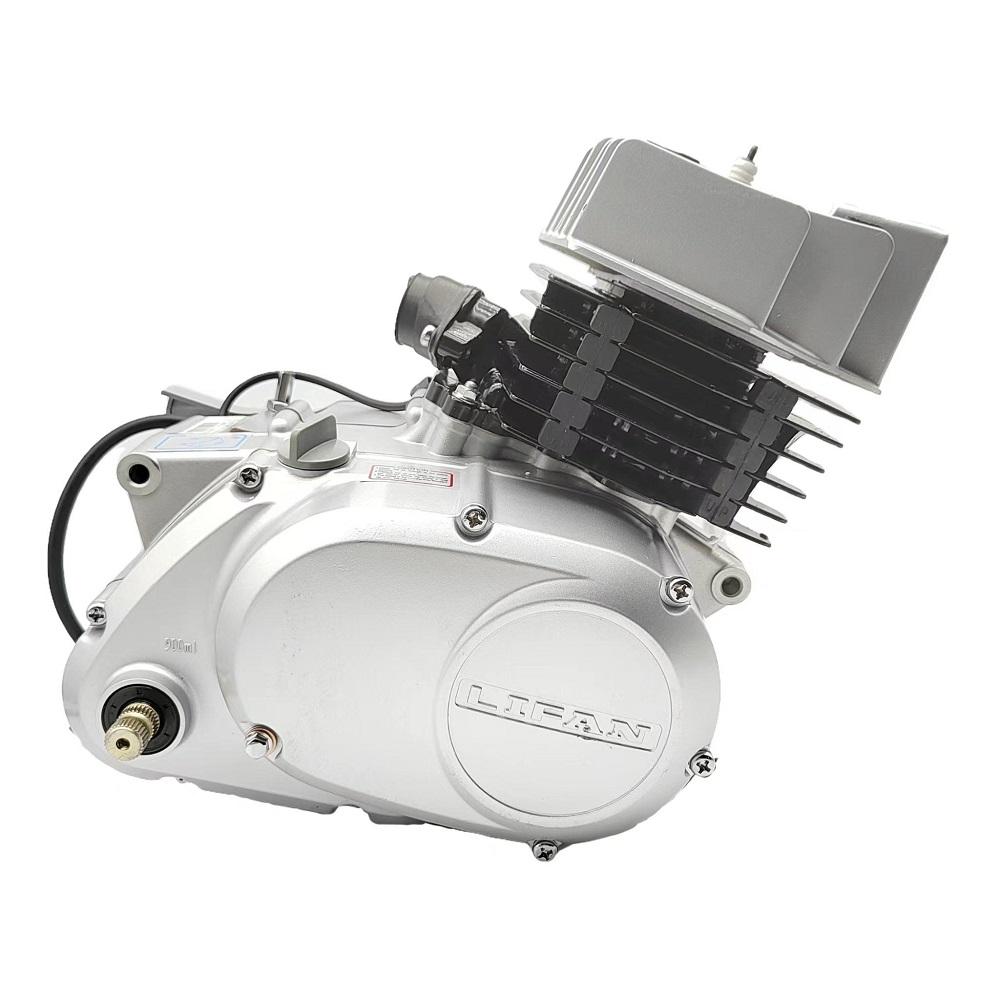
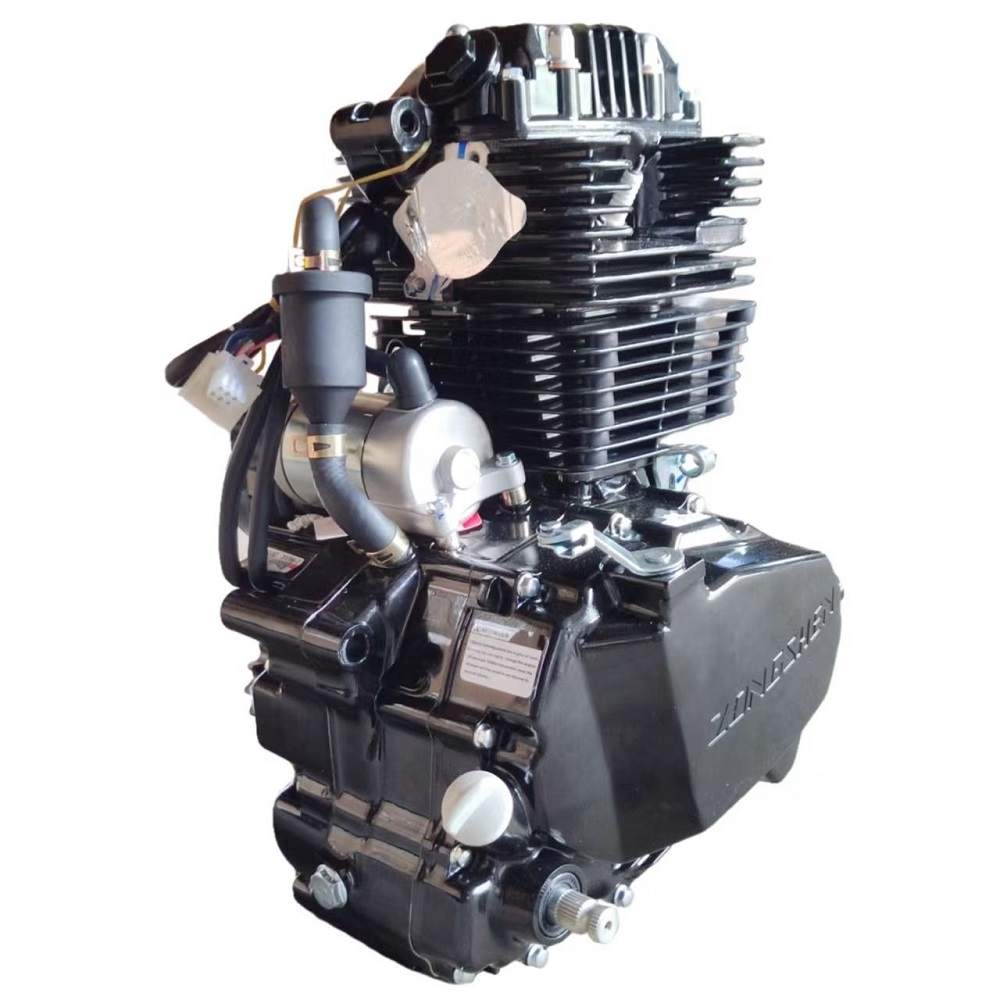
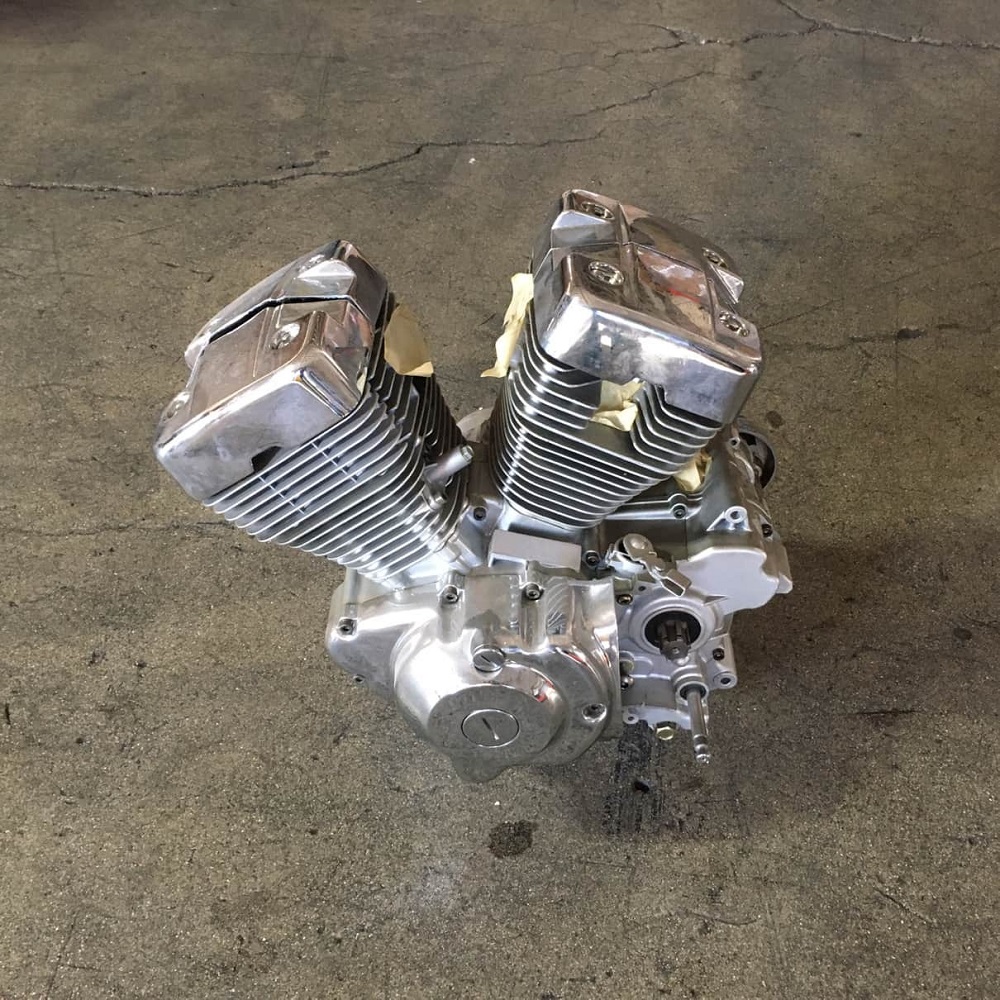
The engine block is the main structure of the engine. It houses the cylinders where combustion occurs. The cylinder head sits atop the engine block and contains critical components such as valves and spark plugs. Understanding how these parts function is crucial when diagnosing engine problems.
Valves and Timing Mechanism
The valves control the intake of air and fuel and the exhaust of gases after combustion. The timing mechanism ensures that valves open and close at precise intervals, crucial for engine efficiency. A malfunctioning valve or timing issue can lead to poor performance, increased emissions, and potential engine failure.
Crankshaft and Connecting Rods
The crankshaft converts the upward motion of the pistons into rotational motion, which powers the motorcycle. The connecting rods link the crankshaft to the pistons, allowing for smooth operation. Any issues with these components can lead to significant mechanical problems, affecting the engine’s overall performance.
Common Issues with Motorcycle Engine Parts
Engine Overheating
One of the most common issues riders face is engine overheating. Several factors can cause overheating, including low coolant levels, a malfunctioning thermostat, or blocked cooling passages. An overheating engine can lead to severe damage, so it is essential to address the issue promptly.
Symptoms of Overheating
Common symptoms of overheating include a rising temperature gauge and engine warning lights. Additionally, riders may notice steam coming from the engine. If any of these signs occur, it is vital to stop riding immediately to prevent irreversible damage to the engine.
Troubleshooting Overheating
If the engine is overheating, check the coolant levels first. If low, refill the coolant and monitor the levels closely. Inspect the coolant hoses for leaks or blockages. If the problem persists, consult a mechanic to examine the thermostat and cooling system. Regularly inspecting the cooling system can prevent overheating issues and maintain optimal engine performance.
Starting and Stalling Problems
Difficulty Starting the Engine
Issues with starting the engine can result from several factors, including a weak battery, faulty ignition, or fuel delivery problems. If the motorcycle struggles to start or makes clicking sounds, it can create frustration for riders.
Symptoms to Watch For
Symptoms of starting issues include the engine turning over slowly, clicking sounds, or no response at all when the ignition is turned on. Additionally, if the engine starts but then stalls shortly after, it could indicate a fuel supply problem.
Troubleshooting Starting Issues
For difficulty starting, check the battery first. Ensure it is fully charged and properly connected. If the battery is fine, inspect the ignition system and wiring for faults. Also, examine the fuel lines and filter for blockages. Regular maintenance of the fuel system can help prevent starting problems in the first place.
Loss of Power
Identifying Power Loss
A sudden loss of power while riding can be alarming. This issue may stem from several causes, such as a clogged air filter, fuel issues, or electrical system malfunctions. Addressing a power loss issue is crucial to ensure safe riding conditions.
Signs of Power Loss
Common signs of power loss include sluggish acceleration, decreased top speed, or stalling during acceleration. Riders may notice a lack of response when twisting the throttle, indicating a potential underlying problem.
Troubleshooting Power Loss
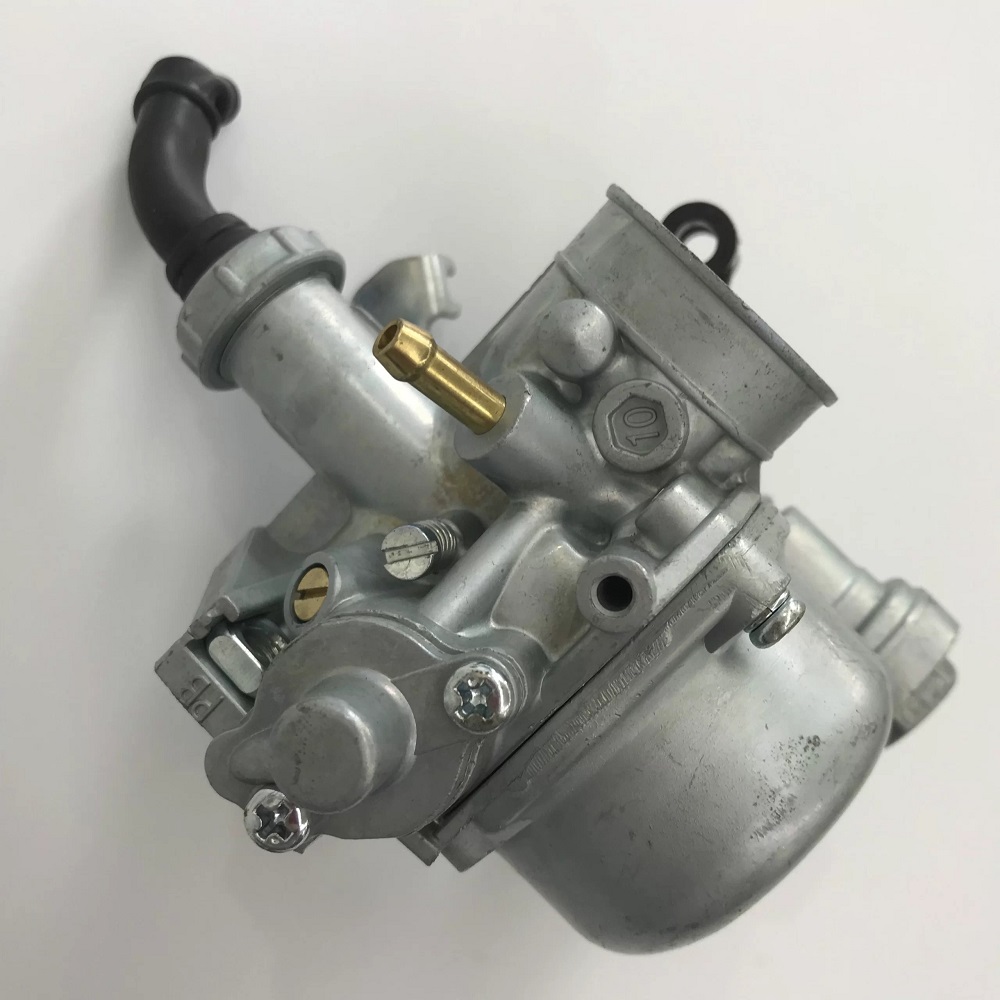
To troubleshoot power loss, start with the air filter. A dirty or clogged air filter can restrict airflow, leading to performance issues. Also, inspect the fuel system, ensuring that fuel lines and filters are clean. Fine-tuning the carburetor or checking fuel injectors can resolve further fuel-related problems.
Frequent Stalling
Understanding Stalling Issues
Frequent stalling can frustrate riders and create dangerous situations on the road. Stalling can occur due to fuel delivery problems, electrical malfunctions, or improper throttle input. Understanding the reasons behind stalling can help riders address the issue.
Symptoms of Stalling
Inconsistent idling, sudden loss of power, or the engine cutting out while riding are common symptoms of stalling. If a motorcycle stalls frequently, it becomes difficult to control, increasing the risk of accidents.
Troubleshooting Stalling Problems
To address stalling, start with a thorough inspection of the fuel system. Make sure that the fuel lines are free from obstructions and that the fuel filter is clean. If everything appears to be in order, check the ignition system. Worn-out spark plugs may need replacement, ensuring a strong spark for combustion.
Engine Noises
Identifying Unusual Sounds
Unusual engine noises can indicate internal issues that require attention. Sounds such as knocking, pinging, or excessive vibration can signal serious problems. Identifying the type of noise is essential for proper diagnostics.
Common Causes of Noises
Knocking noises may indicate issues with the bearings or the crankshaft. Pinging may arise from improper fuel or ignition timing. Additionally, excessive vibration could stem from loose components or misaligned parts. Listening closely to these sounds is crucial to identifying their origin.
Troubleshooting Noises
If your motorcycle engine produces unusual noises, start by checking the oil levels. Low or dirty oil can lead to increased friction and noise. Ensure that the oil filter is clean and that oil has been changed according to the manufacturer’s recommendations. If noises persist, consulting a mechanic is advisable to investigate internal components for wear or damage.
Fuel System Problems
Clogged Fuel Filters
A clogged fuel filter can hinder fuel delivery to the engine. This issue may result in poor performance and can cause starting problems. Ensuring that the fuel filter is clean is crucial for smooth operation.
Symptoms of Fuel System Issues
Symptoms of fuel system problems include poor acceleration, stalling, or the engine misfiring. Riders may notice a decrease in performance or unusual sounds when the motorcycle runs. Recognizing these signs can help you identify a fuel-related issue.
Troubleshooting Fuel System Issues
To troubleshoot fuel system problems, locate and inspect the fuel filter. If clogged, replace the filter to restore proper fuel flow. Check the fuel lines for any kinks or leaks that may contribute to delivery issues. Regular maintenance of the fuel system helps prevent lasting problems.
Electrical System Failures
Understanding Electrical Components
The electrical system in a motorcycle is vital for ignition, lighting, and accessories. Problems with the electrical system can lead to starting issues, dim lights, or malfunctioning gauges. Understanding how these components work is essential for troubleshooting.
Common Electrical Problems
Common issues include blown fuses, faulty batteries, or worn wiring. If any electrical component fails, it can impact overall performance. Riders should pay attention to signs of electrical trouble to avoid being stranded on the road.
Troubleshooting Electrical Issues
For electrical issues, start by checking the battery connections and ensuring they are tight. Test the battery voltage to determine if it is holding a charge. If you notice blown fuses, identify the cause of the short circuit. Regularly inspect wiring for damage, especially in critical areas.
Popular Brands of Motorcycle Parts
OEM vs. Aftermarket Parts
When replacing engine components, riders often face the choice between OEM (original equipment manufacturer) and aftermarket parts. OEM parts are designed specifically for the motorcycle model, ensuring compatibility and quality. Aftermarket parts may offer more affordable options or performance upgrades but could vary in quality.
Trusted Brands
Some reputable brands for motorcycle parts include Denso, NGK, and Champion for spark plugs; K&N for air filters; and Yoshimura for exhaust systems. Researching and choosing reliable brands ensures that you are getting quality components for your motorcycle.
Specialty Shops
Many motorcycle enthusiasts also frequent specialty shops for parts and accessories. These shops often carry a curated selection of performance upgrades and stylish enhancements. Connecting with knowledgeable staff can also lead to valuable recommendations for maintaining your motorcycle.
Understanding Cost Considerations
Evaluating Budget for Repairs
When diagnosing and fixing engine issues, understanding the costs is essential. Repairs can vary significantly based on the problem, the parts needed, and labor costs. Establishing a budget before proceeding with repairs allows you to prioritize what needs attention.
Shopping for Parts
When purchasing replacement or upgrade parts, compare prices across different retailers. Shop online or visit local motorcycle shops to explore options. Consider checking for sales or promotions to save money on necessary components.
Balancing Quality and Affordability
While budget is essential, never compromise on quality. Investing in quality parts can lead to better performance and longer-term savings. Cheaper parts may save money upfront but often require more frequent replacements, ultimately costing more over time.
FAQ:
- How can I diagnose a motorcycle engine that won’t start?
- To diagnose a non-starting engine, check the battery charge, inspect the fuel system for blockages or leaks, test the ignition system, and ensure all electrical connections are secure. A systematic approach will help identify the root cause.
- What should I do if my motorcycle engine overheats?
- If your engine overheats, turn off the bike immediately and let it cool down. Check the coolant level, inspect for any leaks, and ensure the radiator is functioning properly. Regular maintenance, like flushing the cooling system, can help prevent overheating.
- Why is my motorcycle engine making a knocking noise?
- A knocking noise can be caused by various issues, including low oil levels, worn bearings, or valve train problems. It’s important to address this immediately, as it could indicate serious engine damage if left unchecked.
- How can I prevent oil leaks in my motorcycle engine?
- To prevent oil leaks, regularly check and change your oil, inspect gaskets and seals for wear, and ensure that oil filters are properly installed. Keeping the engine clean can also help identify any potential leaks early on.
- What are the signs of a worn motorcycle engine?
- Signs of a worn engine include decreased performance, excessive oil consumption, unusual vibrations, and increased exhaust smoke. If you notice these symptoms, it may be time to perform an in-depth inspection or consider engine rebuilding or replacement.
Conclusion: Riding with Confidence
Emphasizing the Importance of Maintenance
In conclusion, understanding common issues with motorcycle engine parts is key to safe and enjoyable riding. Recognizing symptoms early allows for timely repairs and maintenance, ensuring a smoother and more reliable riding experience. By staying on top of regular inspections and addressing issues promptly, riders can avoid larger problems down the road.
Embracing the Rider’s Experience
Motorcycling is more than just a mode of transport; it’s a lifestyle that brings joy and freedom. By taking the time to learn about your motorcycle’s engine and components, you become an empowered and informed rider. Enjoy the journey of learning and grow in confidence as you navigate the roads.
Connecting with the Community
Lastly, consider engaging with fellow riders to share experiences and advice. Whether online or at local meetups, connecting with others can enhance your knowledge and appreciation for motorcycling. Building relationships within the community fosters camaraderie and offers support on your riding journey.
By prioritizing maintenance and understanding your motorcycle’s engine parts, along with utilizing a motorcycle engine parts troubleshooting guide, you can ensure that every ride is enjoyable and safe. Embrace the adventures ahead and ride confidently, armed with the knowledge and tools needed to maintain your motorcycle effectively!
Leave a Reply