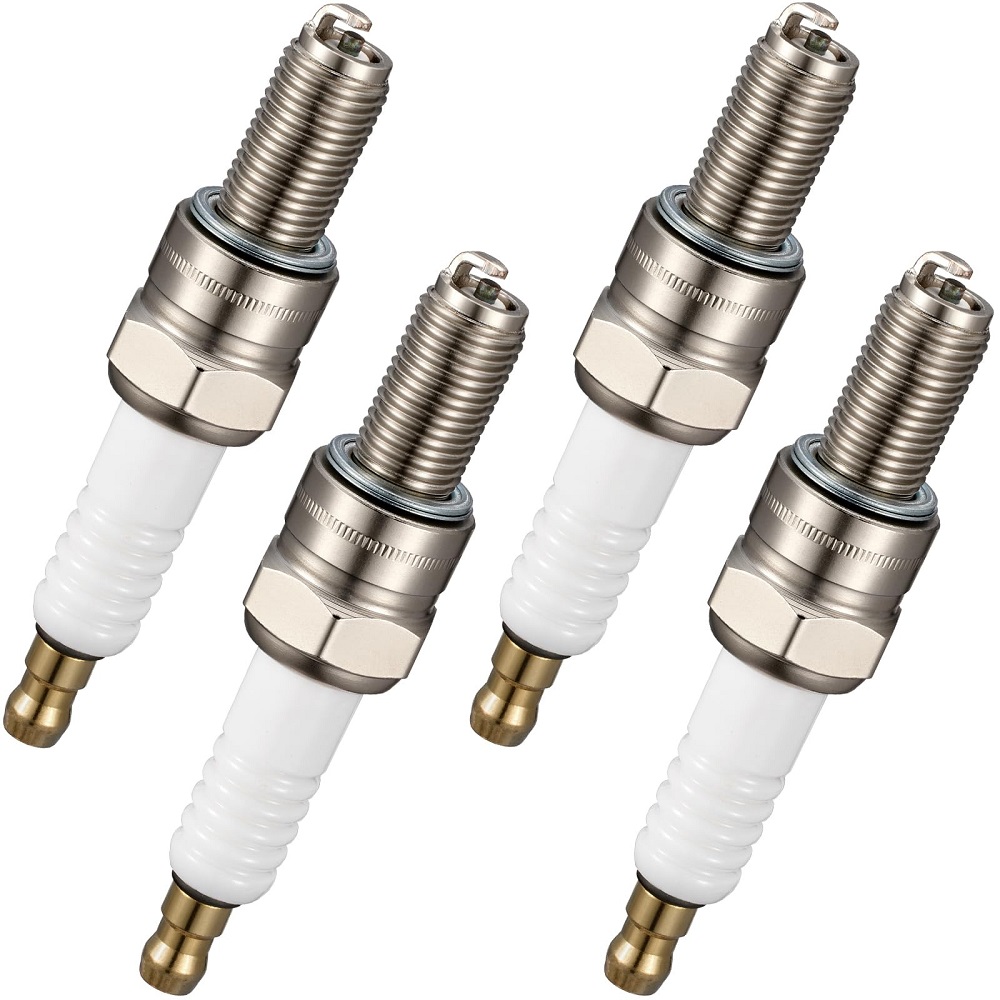
Motorcycle spark plugs are essential components that keep your bike running smoothly. They ignite the air-fuel mixture in the engine’s combustion chamber, providing the power needed for acceleration and speed. Proper installation and maintenance of spark plugs are crucial for optimal performance, fuel efficiency, and overall engine health. In this article, we will explore how to install and maintain motorcycle spark plugs, ensuring that your bike remains in top condition.
Understanding Spark Plugs: The Basics
The Role of Spark Plugs
Spark plugs serve a critical role in the ignition system of your motorcycle. They produce a spark that ignites the air-fuel mixture in the combustion chamber. This ignition is what drives the engine and powers the bike forward. Without properly functioning spark plugs, your motorcycle may experience misfires, poor acceleration, and overall reduced performance.
Types of Spark Plugs
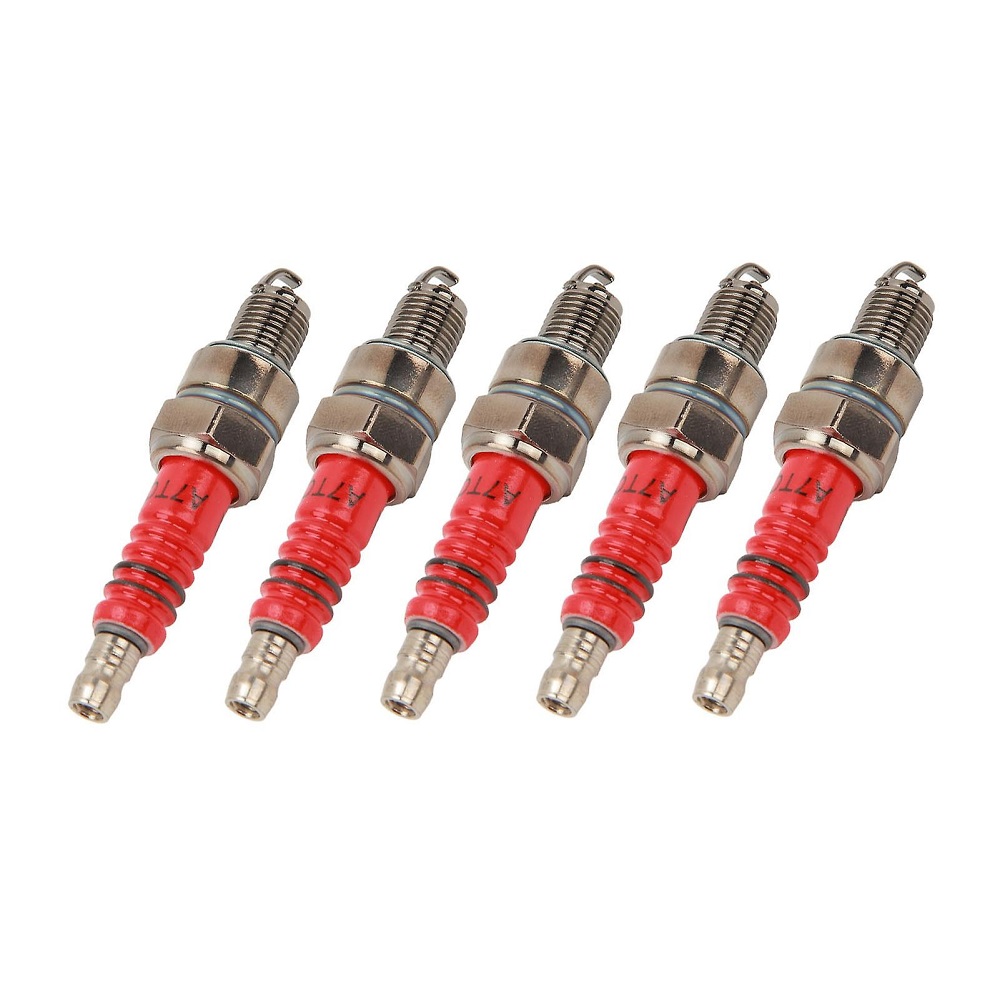
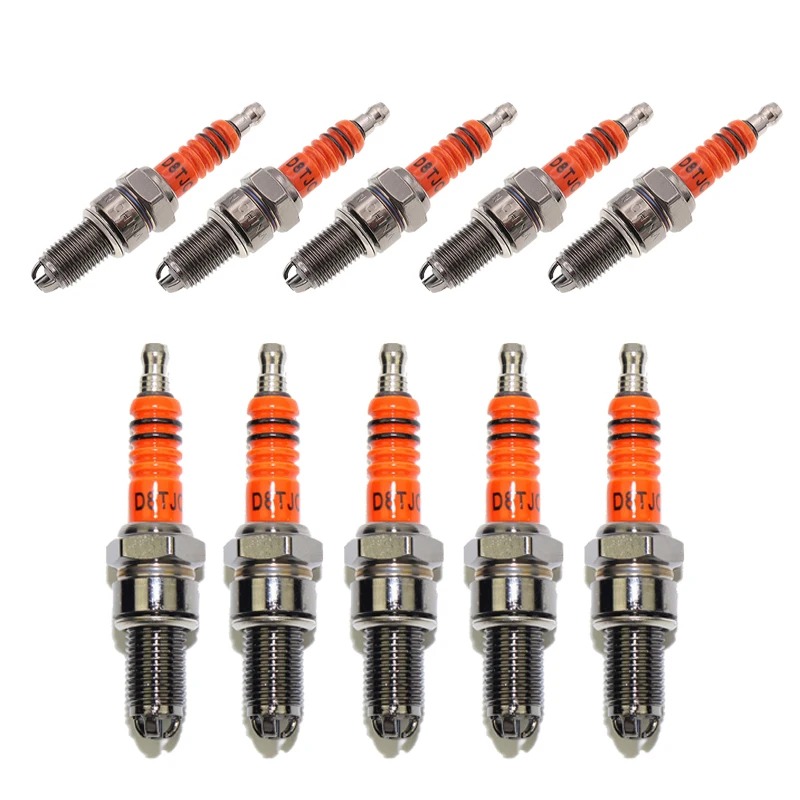
There are various types of spark plugs available for motorcycles. The most common types include copper, platinum, and iridium. Copper spark plugs are cost-effective and work well for many motorcycles, but they wear out faster than other types. Platinum and iridium spark plugs last longer and offer better performance, making them ideal for high-performance engines. Understanding the differences can help you choose the right spark plug for your bike.
Identifying the Right Spark Plug
To find the correct spark plug for your motorcycle, consult the owner’s manual or a trusted motorcycle parts retailer. Each motorcycle model has specific requirements for spark plugs, including size and heat range. Using the wrong type can lead to engine problems and decreased performance. Make sure to select plugs that match your bike’s specifications for optimal results.
Tools Needed for Installation
Essential Tools
Before you begin the installation process, gather the necessary tools. You will need a socket wrench, a spark plug socket, a torque wrench, and possibly a flathead screwdriver. Having the right tools on hand will make the process smoother and more efficient.
Cleaning Equipment
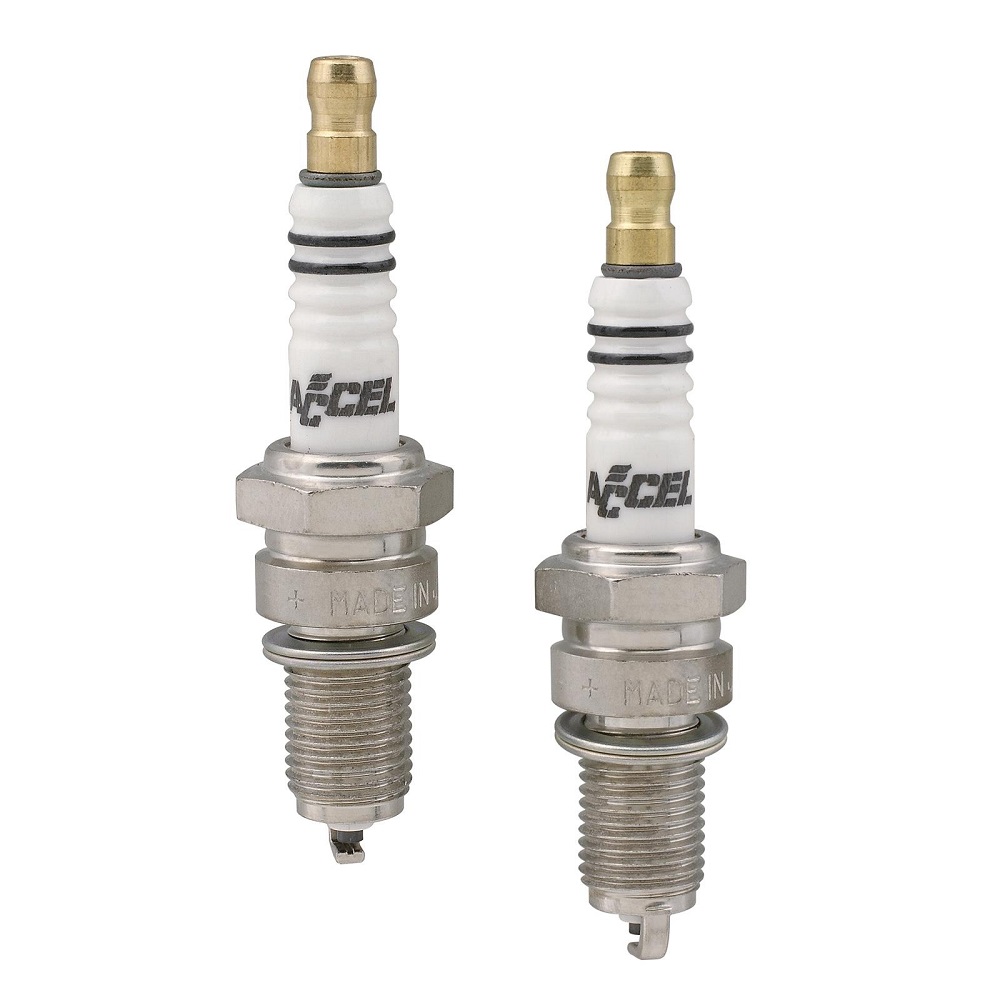
Additionally, clean shop towels or rags will be beneficial for keeping the workspace tidy. A wire brush can be useful for cleaning the cylinder head where the spark plugs are installed. Proper cleaning prevents dirt and debris from entering the engine during installation.
Safety Gear
Because you will be working on your motorcycle, make sure to wear appropriate safety gear. Gloves can protect your hands from dirt and sharp edges, while goggles shield your eyes from debris. Safety should always be a priority during any maintenance task.
Removing Old Spark Plugs
Engine Cooling
Before you start, allow your motorcycle engine to cool down completely. Working with hot components can cause burns or injuries. It’s essential to prioritize safety, so give the engine ample time to return to a comfortable temperature.
Accessing the Spark Plugs
Depending on your motorcycle model, you may need to remove other components to access the spark plugs. This may include the seat, gas tank, or side panels. Follow your owner’s manual for guidance, as each bike is different. Ensure that you have all necessary components removed before proceeding to the next step.
Unscrewing the Spark Plugs
Using the socket wrench, carefully unscrew each spark plug. Turn counterclockwise to remove them from the engine. Be cautious not to drop any debris into the combustion chamber as you work. Once removed, inspect the old plugs for wear and damage.
Inspecting Old Spark Plugs
Signs of Wear
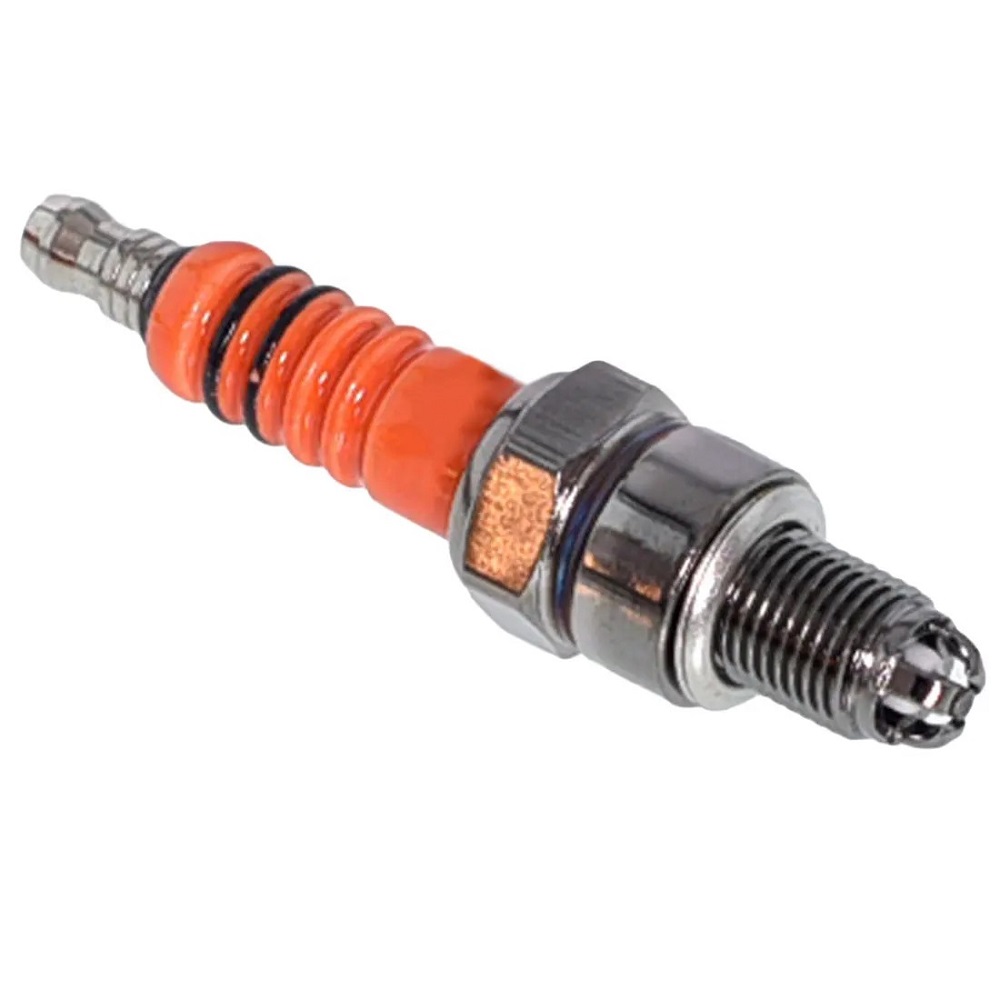
Once you have removed the old spark plugs, take a close look at them. Signs of wear can include dark carbon deposits, a worn electrode, or a cracked insulator. Each of these issues can indicate problems in your engine. Noticing these signs early helps prevent further engine damage down the line.
Cleaning Sparking Tips
If the old spark plugs are still in acceptable condition, you may be able to clean and reuse them. A wire brush can help remove carbon buildup, but this method is not always recommended for certain types of plugs. If in doubt, it is best to replace them entirely. Spending a little extra on new plugs can extend the life of your engine.
Checking the Gap
Another critical factor to inspect is the gap between the electrodes. This gap affects the quality of the spark and, consequently, engine performance. Use a gap tool to measure and ensure that the gap is within the manufacturer’s specifications listed in the owner’s manual.
Installing New Spark Plugs
Preparing the New Plugs
After selecting the correct spark plugs, prepare them for installation. Apply a small amount of anti-seize lubricant to the threads of each plug. This will help prevent them from seizing in the engine over time, making future removal easier.
Hand-Tightening
Screw the new spark plugs into the cylinder head by hand initially. This helps to avoid cross-threading, which can damage both the plug and the engine. Once you have them hand-tightened, you can proceed to use a socket wrench for the final tightening.
Torque Specifications
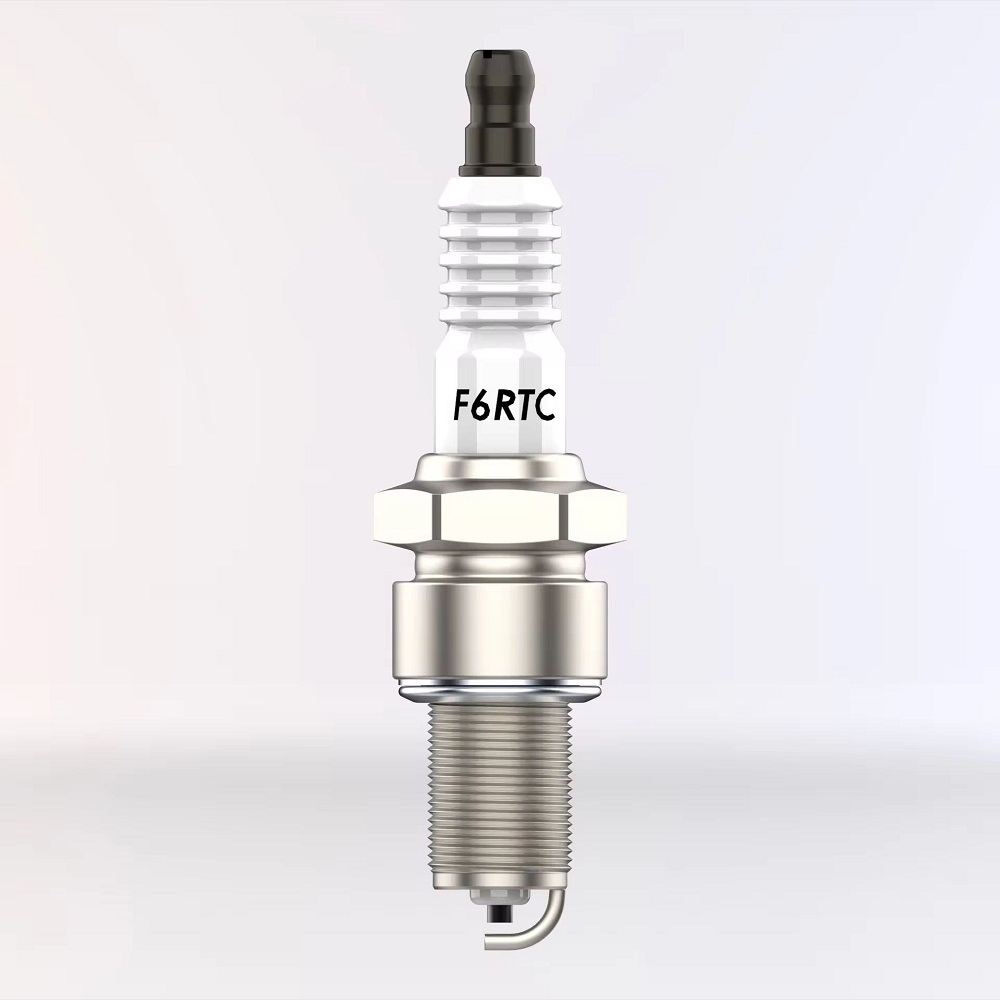
Using a torque wrench, tighten the spark plugs to the manufacturer’s specifications. Over-tightening can damage the threads of the cylinder head or break the spark plug. Ensuring proper torque is vital for maintaining engine integrity.
Reassembling the Motorcycle
Reattaching Components
After successfully installing the new spark plugs, reattach any components you previously removed. This might include the gas tank, seat, or side panels. Be sure to secure each component properly to avoid rattling or shifting while riding.
Checking Connections
As you reassemble, check electrical connections and hoses to ensure they are properly seated. Loose connections can lead to misfires or other engine problems. A thorough inspection can save you time and troubleshooting later.
Final Checks
Once everything is back in place, double-check your work. Make sure all tools are removed from the engine area and that nothing is left disconnected. A quick inspection now can prevent potential issues and lead to a safer riding experience.
Maintaining Spark Plugs: Routine Checks
Regular Inspection
Once you have new spark plugs installed, it’s essential to maintain them with regular inspections. Depending on your riding habits, consider checking your spark plugs every 5,000 to 10,000 miles. Regular maintenance will ensure they function as intended and help you identify any issues early.
Cleaning and Replacing
Over time, even the best spark plugs will accumulate carbon deposits and dirt. If you notice performance issues, consider cleaning the plugs first. If cleaning does not improve performance, it may be time to replace them. Use this opportunity to examine the condition of your motorcycle’s engine as well.
Keeping Records
Keeping a maintenance log can help you track when spark plugs were last replaced, along with other maintenance tasks. Having this information handy allows for better planning and more informed decisions regarding your bike’s upkeep. Staying organized contributes to a well-functioning motorcycle.
Professional Help: When to Seek Assistance
Recognizing Limitations
While many motorcycle enthusiasts enjoy working on their bikes, there may be instances where professional assistance is necessary. If you feel uncertain about any part of the spark plug installation or maintenance process, do not hesitate to seek help. Knowing your limits is essential for ensuring the longevity of your motorcycle.
Choosing the Right Technician
If you decide to seek professional help, choose a technician who specializes in motorcycles. Look for reviews and recommendations from fellow riders. A qualified mechanic will have the expertise and tools needed to address any issues effectively.
Cost Considerations
While professional help incurs additional costs, consider it an investment in your bike’s health. A qualified technician can quickly identify and resolve issues that may cause further damage if left unattended. Weigh the costs against potential damage to your motorcycle to make an informed choice.
Enhancing Overall Performance
Benefits of Proper Maintenance
Regular maintenance, including spark plug checks, can significantly enhance your motorcycle’s overall performance. Well-maintained spark plugs lead to smoother ignition cycles, improving throttle response and fuel efficiency. Keeping up with these checks can help you enjoy a better riding experience.
Fuel Efficiency
Properly functioning spark plugs also contribute to better fuel efficiency. A clean spark plug enables the optimal combustion of the air-fuel mixture, reducing waste and enhancing mileage. Over time, this can yield significant savings at the pump, justifying the time spent on maintenance.
Engine Longevity
Regularly checking and maintaining spark plugs can ultimately increase the longevity of your engine. The ignition process is crucial for engine health, and ensuring that spark plugs are in top condition minimizes wear and tear. Invest time in maintenance now, and your motorcycle will reward you with years of quality performance.
FAQ:
- What tools do I need to install motorcycle spark plugs?
- To install motorcycle spark plugs, you typically need a spark plug socket, a ratchet handle, a torque wrench, and possibly a gap gauge to ensure the electrode gap is correct.
- What is the correct gap for motorcycle spark plugs?
- The correct gap for motorcycle spark plugs varies by make and model. Always refer to the owner’s manual or manufacturer specifications to determine the proper gap before installation.
- Can I clean motorcycle spark plugs instead of replacing them?
- Yes, you can clean motorcycle spark plugs using a wire brush or a specific cleaner, but it’s often more effective to replace them, especially if they show significant wear or damage.
- Is it necessary to use anti-seize on motorcycle spark plugs?
- It is generally recommended to use a small amount of anti-seize compound on the threads of the spark plug to prevent seizing, especially in aluminum cylinder heads, but be careful not to apply it to the electrode.
- How often should I check or replace my motorcycle spark plugs?
- You should check your motorcycle spark plugs every 5,000 to 10,000 miles, or as specified in your owner’s manual. Replacement intervals can vary based on the type of spark plug used, so consult the manual for specific recommendations.
Conclusion: Spark Plug Importance
In conclusion, motorcycle spark plugs play a crucial role in your bike’s performance and engine health. Proper installation and maintenance of spark plugs can drastically improve not just fuel efficiency, but also overall ride quality. Regular inspections and cleanings will further extend their lifespan and protect your engine. No matter your level of expertise, take the time to learn about spark plugs and prioritize their care.
By following the steps outlined in this article, you can confidently install and maintain spark plugs, including choosing from the best motorcycle spark plugs for performance, to ensure your motorcycle runs smoothly for years to come. Remember, a well-maintained bike leads to a safer and more enjoyable riding experience, making your journeys more memorable. Taking care of your motorcycle’s spark plugs is an investment in its performance, so get started today and keep your bike in prime condition for all your adventures on the road.
Leave a Reply