Introduction: Understanding the Importance of the Choke System
What is a Motorcycle Choke?
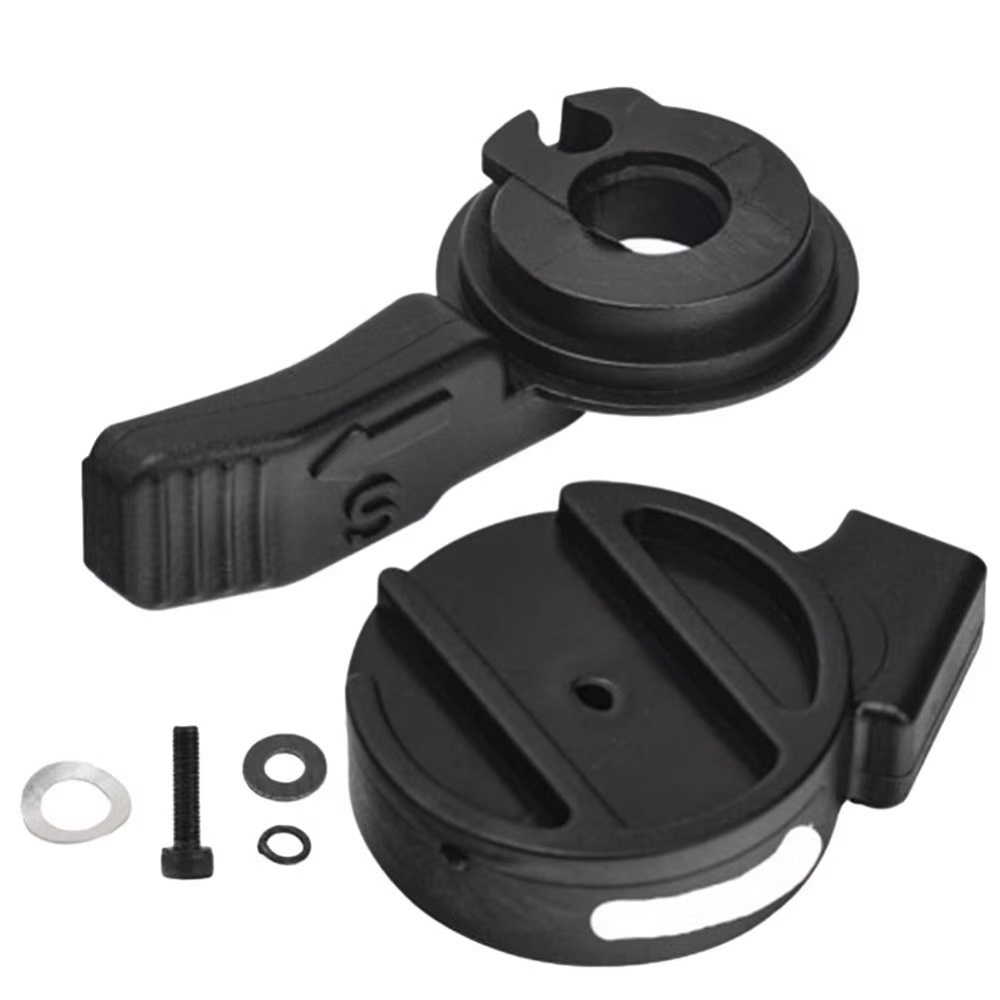
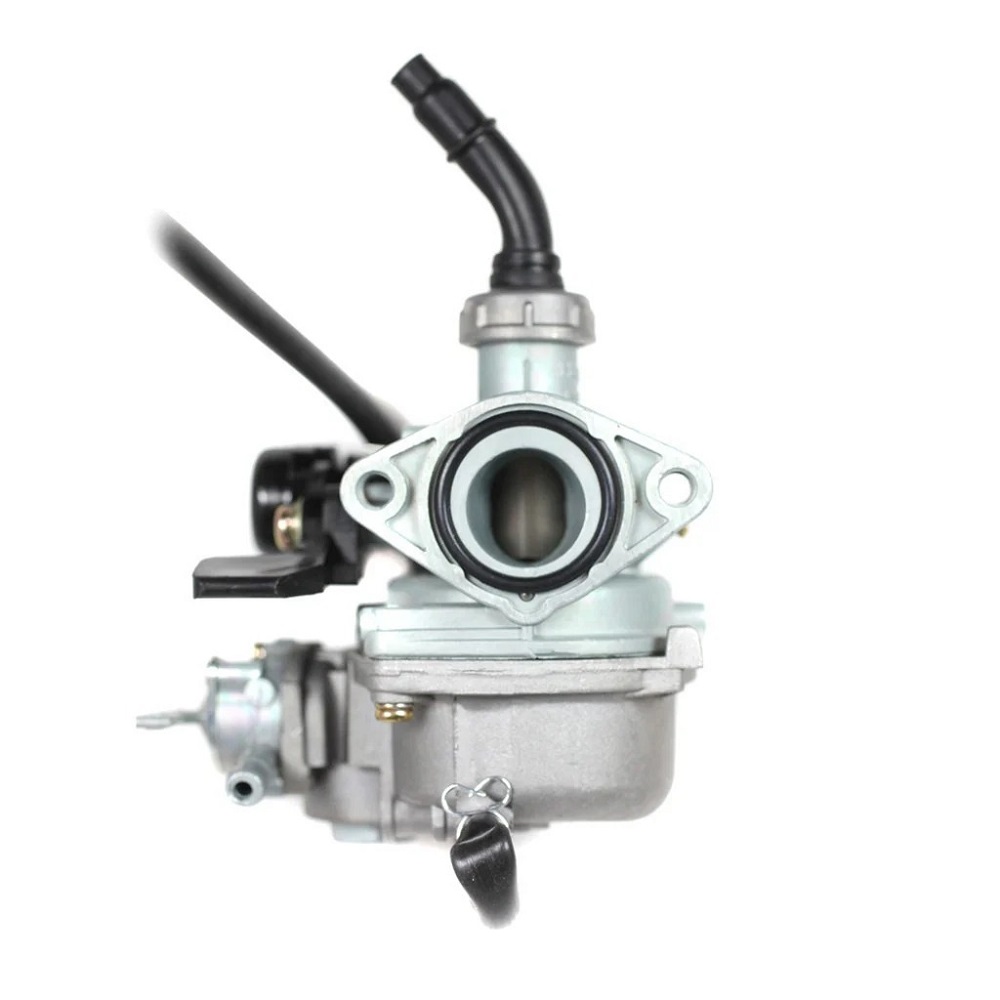
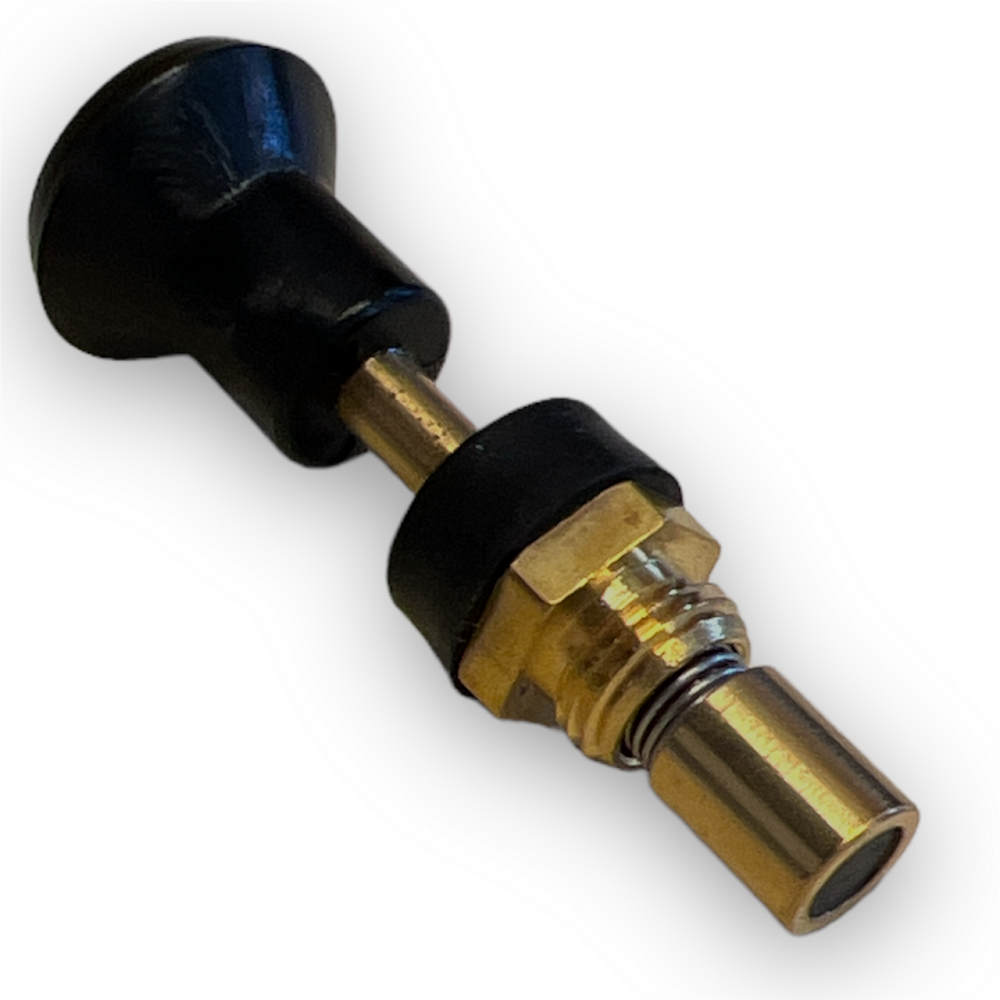
The motorcycle choke is an essential component of the fuel system. It helps start the engine, particularly in cold weather conditions. When the choke is engaged, it restricts the airflow entering the carburetor or fuel injection system. This action creates a rich fuel mixture, making it easier to start the engine. Understanding how the choke works is vital for any motorcycle owner.
The Role of the Choke in Starting the Engine
The choke plays a crucial role in the starting process, especially when the bike has been sitting for extended periods. A choke enriches the air-fuel mixture, providing the needed fuel for combustion. Without the choke, starting can be difficult in cold weather, which is why it is essential to know how and when to use it. A properly functioning choke ensures that you have a smooth start every time you jump on your bike.
Why Choke Issues Occur
While the choke is essential, it can also be a source of problems for many riders. Issues may arise from wear and tear, incorrect adjustments, or fuel system problems. When the choke malfunctions, it can lead to difficulties in starting, stalling, or poor engine performance. Knowing what to look for can help you troubleshoot these issues and keep your motorcycle running smoothly.
Common Choke-Related Issues
Difficulty Starting the Motorcycle
One of the most prevalent issues riders encounter with the choke is difficulty starting. This often occurs when the choke lever is stuck or not engaging correctly. If your bike struggles to start in cold weather, it may indicate a choke problem. Understanding the signs of choke malfunction is crucial. If you find yourself cranking the engine multiple times, it may be time to examine the choke system closely.
Stalling After Starting
Another common issue is stalling shortly after starting the motorcycle. If your bike starts but then dies after a few moments, it may indicate that the choke is stuck in the open position. When this happens, the engine receives too much air and not enough fuel, leading to stalling. Recognizing this issue early can save you time and frustration. Proper adjustment of the choke can help ensure a smooth running engine.
Rough Idling
Rough idling is a noticeable sign that there could be an issue with the choke. If your motorcycle vibrates excessively or sounds uneven when idling, the choke may not be functioning correctly. A rich or lean air-fuel mixture can cause these symptoms. If the choke is stuck or improperly adjusted, it’s important to address this issue. Properly tuning the choke can lead to smoother idling and better performance.
Troubleshooting Tips for Motorcycle Choke Issues
Inspecting the Choke Cable
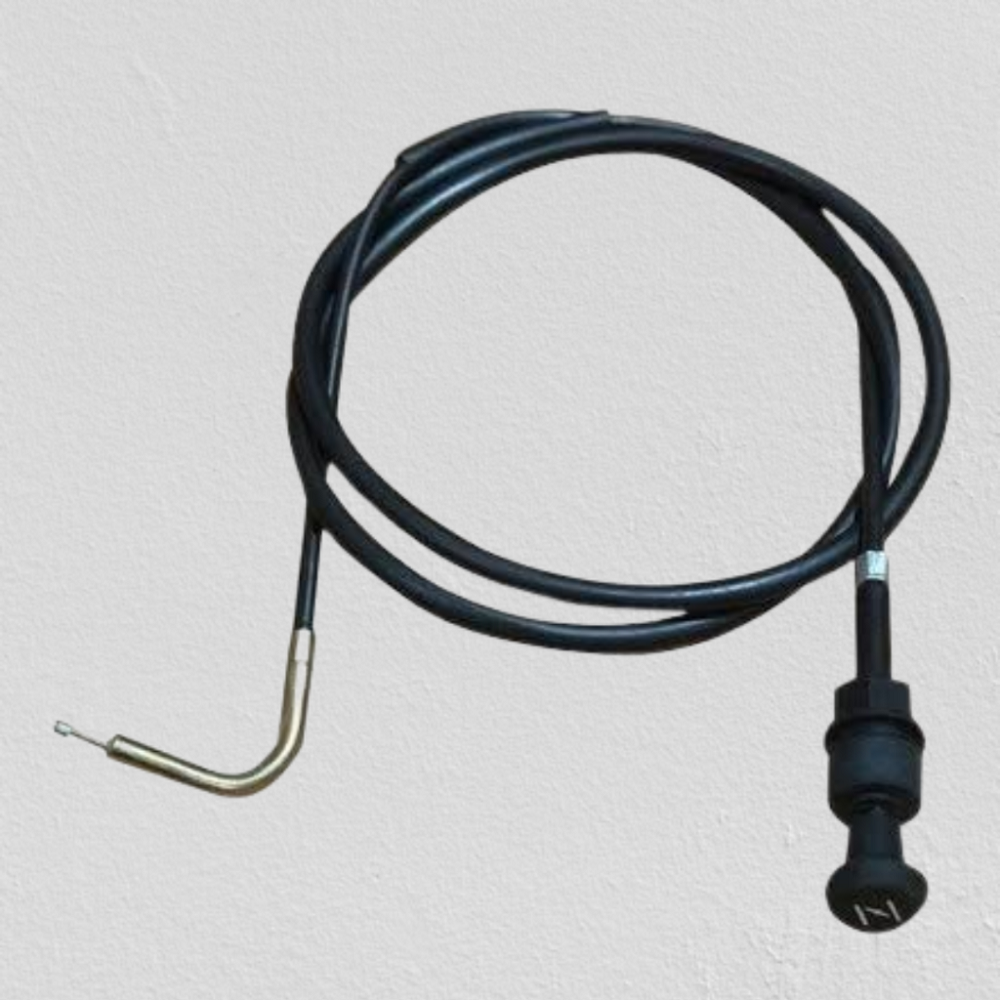
Start your troubleshooting process by inspecting the choke cable. The cable should move freely when the lever is engaged. If it’s frayed, kinked, or stuck, it may need replacement. Check the cable from the lever to the choke mechanism for any visible damage. A damaged cable can hinder the proper operation of the choke, making it essential to address this issue before proceeding with repairs.
Checking the Choke Lever
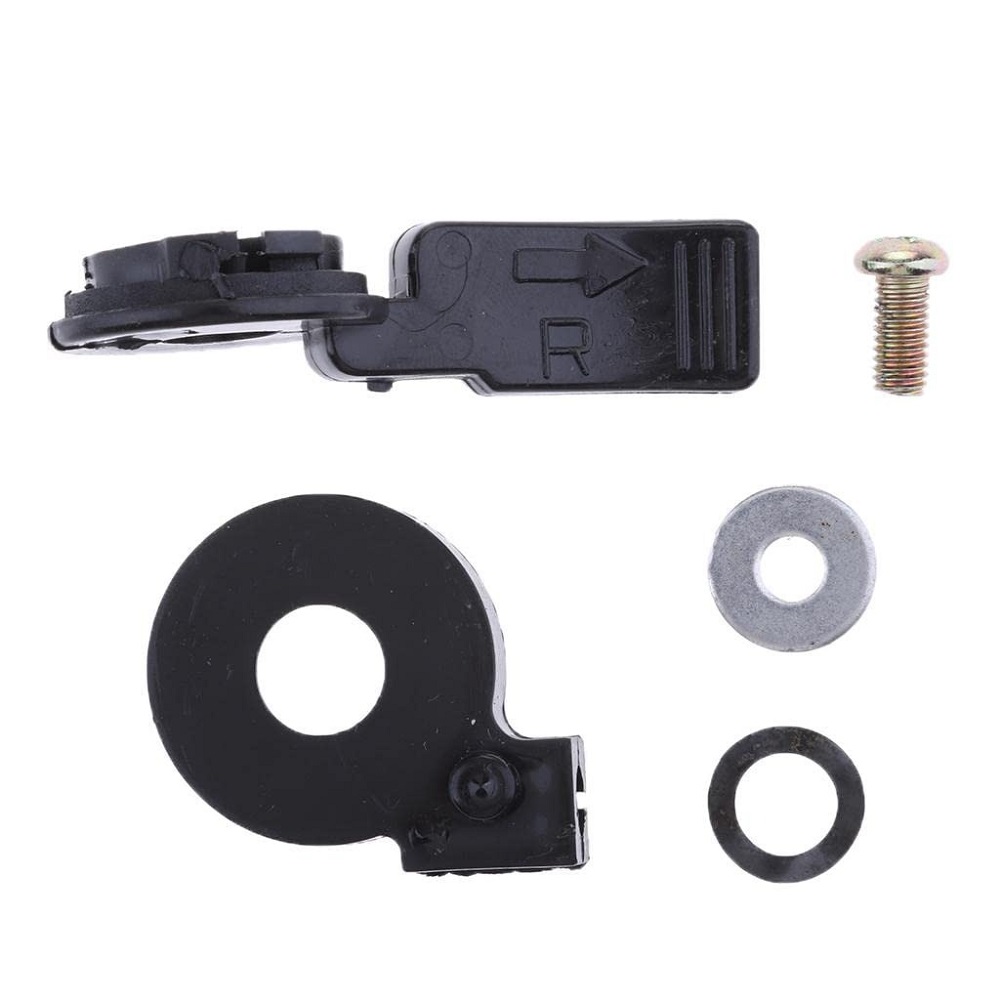
Next, examine the choke lever itself. Ensure it moves smoothly and returns to its original position without sticking. Sometimes, dirt or debris can accumulate around the lever, causing it to bind. If you discover any obstructions, clean the area to ensure smooth operation. A functioning choke lever is crucial for optimal performance.
Assessing Fuel Flow and Carburetor Function
Another important aspect to inspect is the fuel flow to the engine. If your motorcycle is not starting properly, ensure that fuel is reaching the carburetor or fuel injectors. Start by checking the fuel lines for blockages or leaks. If there is a fuel blockage, it can hinder the performance of the choke. Ensuring proper fuel flow is vital for successful engine starting.
Additional Choke Adjustments
Setting the Correct Choke Position
Setting the correct choke position is crucial for proper engine function. When starting the motorcycle, the choke should be fully engaged in cold weather. However, as the engine warms up, gradually releasing the choke is necessary. Refer to your owner’s manual for specific guidelines regarding choke settings. Adjusting the choke correctly will give you a smoother start and better overall engine performance.
Checking Carburetor Settings
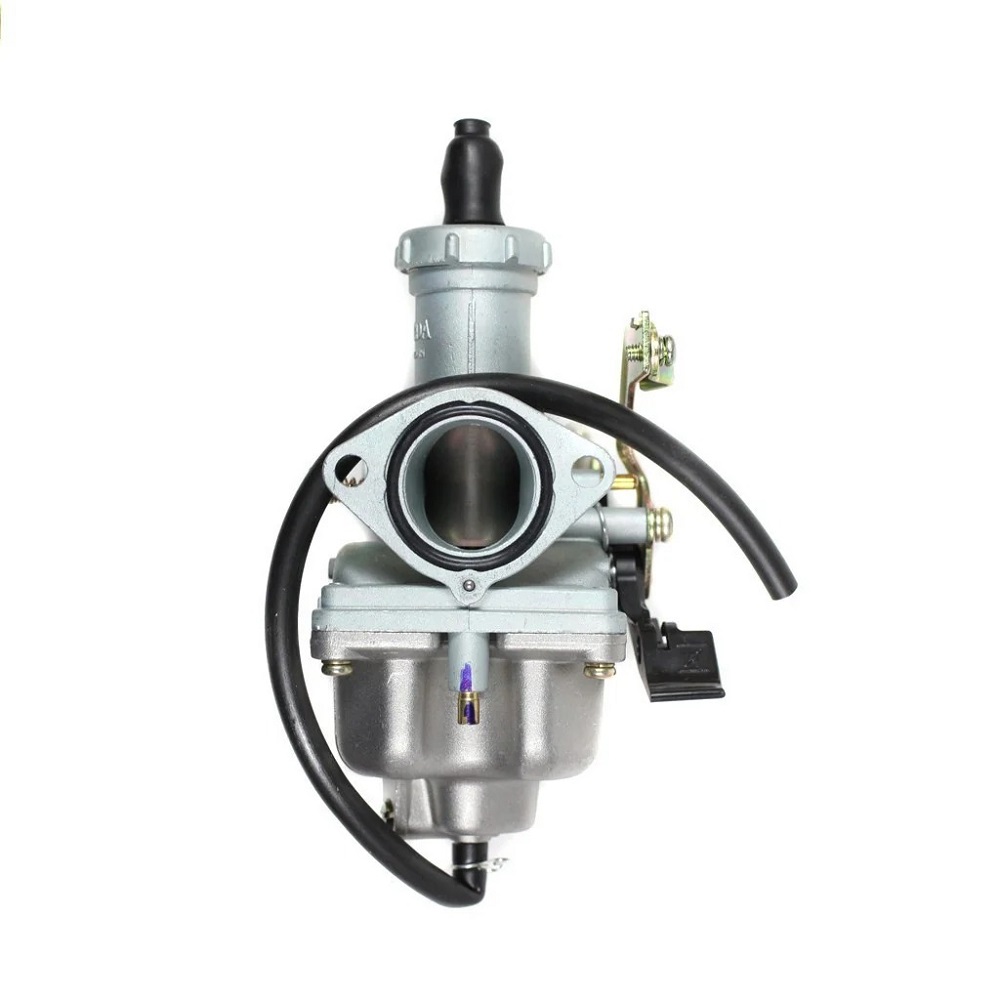
If issues persist, consider examining the carburetor settings. The air-fuel mixture needs to be correct for optimal functioning. Adjusting the carburetor to match your choke settings can enhance performance. Ensuring that the right mixture reaches the engine allows for optimal combustion. Take the time to check these settings as they can significantly affect starting and running conditions.
Regular Maintenance of the Choke System
Routine maintenance of the choke system is vital for prolonging its life. Regular cleaning of the choke and its components helps prevent issues from developing. Make sure to inspect the choke mechanism for any debris or rust that could interfere with its operation. Keeping it clean and well-lubricated ensures a smooth and reliable performance, enhancing the overall functionality of your motorcycle.
Seasonal Considerations for Motorcycle Choke Use
Preparing for Colder Months
As winter approaches, preparing your motorcycle for colder weather is essential. Cold temperatures can make starting more difficult if the choke isn’t functioning well. Ensure that your choke is in good condition before the cold sets in. Consider using a fuel stabilizer to prevent issues during long periods of inactivity. Preparing your motorcycle for winter can significantly improve starting reliability.
Adjusting to Temperature Variations
Be aware that temperature variations can affect choke operation. In hot weather, the choke may not need to be engaged as much as it would in colder months. Understanding how the choke should operate in different temperatures is critical for successful starts. Each rider should familiarize themselves with their bike’s behavior in various conditions to improve overall functionality.
Managing Humidity Effects on Motorcycle Performance
Humidity can also influence choke performance. In humid conditions, it’s possible for the engine to flood if the choke is left open for too long. Pay attention to local weather conditions when starting your motorcycle and adjust your choke accordingly. Being aware of these environmental factors can help you achieve reliable performance.
The Importance of Community Resources
Connecting with Other Riders
One of the best ways to learn about motorcycle maintenance, including choke care, is to connect with other riders. Joining local motorcycle clubs or online communities can provide valuable insights and experiences. Fellow riders can share tips and tricks that they’ve learned over the years. Building connections within the motorcycle community can enhance your knowledge and improve your skills as a rider.
Utilizing Online Resources
The internet is filled with resources specifically designed to support motorcycle maintenance. Various forums offer discussions about everything from the carburetor to the choke system. Participating in these discussions allows you to learn from more experienced riders. Many blogs and websites provide detailed tutorials on troubleshooting and maintenance tips. Leveraging these resources can enrich your understanding of motorcycle care.
Attending Workshops and Events
Workshops and events focused on motorcycle maintenance can also be valuable. Many retailers and community centers host events that cover various aspects of motorcycle care. Attending these workshops can provide hands-on experience and expert advice. They allow you to learn directly from professionals who can answer specific questions you may have about your motorcycle and its components.
The Cultural Impact of Motorcycle Choke Systems
Representing Motorcycle Tradition
The choke system represents an essential aspect of motorcycle tradition. It showcases the evolution of technology in ensuring reliable engine performance. Many riders appreciate the history behind choke systems, as they reflect earlier designs of motorcycles that are still relevant today. Embracing this tradition enriches the experience of being a motorcycle enthusiast.
Impact on Popular Culture
The portrayal of motorcycle riding in films and music often highlights the importance of maintaining these machines. The long-standing image of the rugged biker makes it relatable for many audiences. Choke systems, although often overlooked, are a critical part of motorcycle culture and functionality. This representation in popular culture underscores the significance of understanding motorcycle mechanics.
Fostering Community Among Enthusiasts
As riders learn about choke systems and maintenance, they can build a sense of community. Sharing knowledge and experiences fosters camaraderie among motorcycle enthusiasts. Riders often gather in clubs or online groups to discuss shared interests and concerns regarding their bikes. Connections made through these conversations can enhance the overall experience of being part of the motorcycle community.
FAQ:
- How much should I spend on my first motorcycle?
- For a budget-friendly first motorcycle, aim to spend between 3,000and7,000. This range allows you to find reliable and manageable bikes without overspending, providing good value for new riders.
- What should I consider when choosing a budget motorcycle?
- When choosing a budget motorcycle, consider factors such as the bike’s size and weight, fuel efficiency, maintenance costs, and safety features. Additionally, check for insurance rates as they can vary based on the motorcycle model.
- Is it better to buy a new or used budget motorcycle?
- Buying a used budget motorcycle can be more cost-effective, as new bikes depreciate quickly. Look for well-maintained pre-owned models with good service history and verify their condition through a mechanic if possible.
- What maintenance should I expect with a budget motorcycle?
- Expect routine maintenance such as oil changes, tire checks, and brake inspections. Budget motorcycles generally have lower maintenance costs, but staying on top of these tasks will ensure safety and longevity.
- Can I finance a budget motorcycle?
- Yes, many dealerships offer financing options for budget motorcycles. Check with local dealers and credit unions to find competitive interest rates. Be sure to calculate the total cost, including insurance, maintenance, and gear, to ensure it fits your budget.
Mastering Motorcycle Choke Maintenance for a Smooth Ride
Prioritize Understanding Your Choke System
Grasping the function and importance of the choke system is essential for every motorcycle rider. Familiarize yourself with how it operates and the adjustments needed for different conditions. By prioritizing this knowledge, you will enhance your overall riding experience. Proper choke maintenance allows for an easier, more enjoyable connection with your motorcycle.
Celebrate the Joy of Riding
Embrace the joy and freedom that comes with riding your motorcycle. A reliable choke system can transform potentially frustrating starts into gratifying riding adventures. Take pride in your bike and the skills you develop as a rider. Celebrate the connection between you and your motorcycle, fostering a sense of satisfaction while on the road.
Enjoy Your Riding Journey
As you navigate the open road on your motorcycle, remember the impact of proper choke maintenance and be aware of the signs of a faulty motorcycle choke. Enjoy the adventures and experiences that come with riding, knowing you have taken the time to prepare your bike for every journey. The road awaits you with endless possibilities, so gear up, and ride with confidence on your well-maintained motorcycle!
Leave a Reply