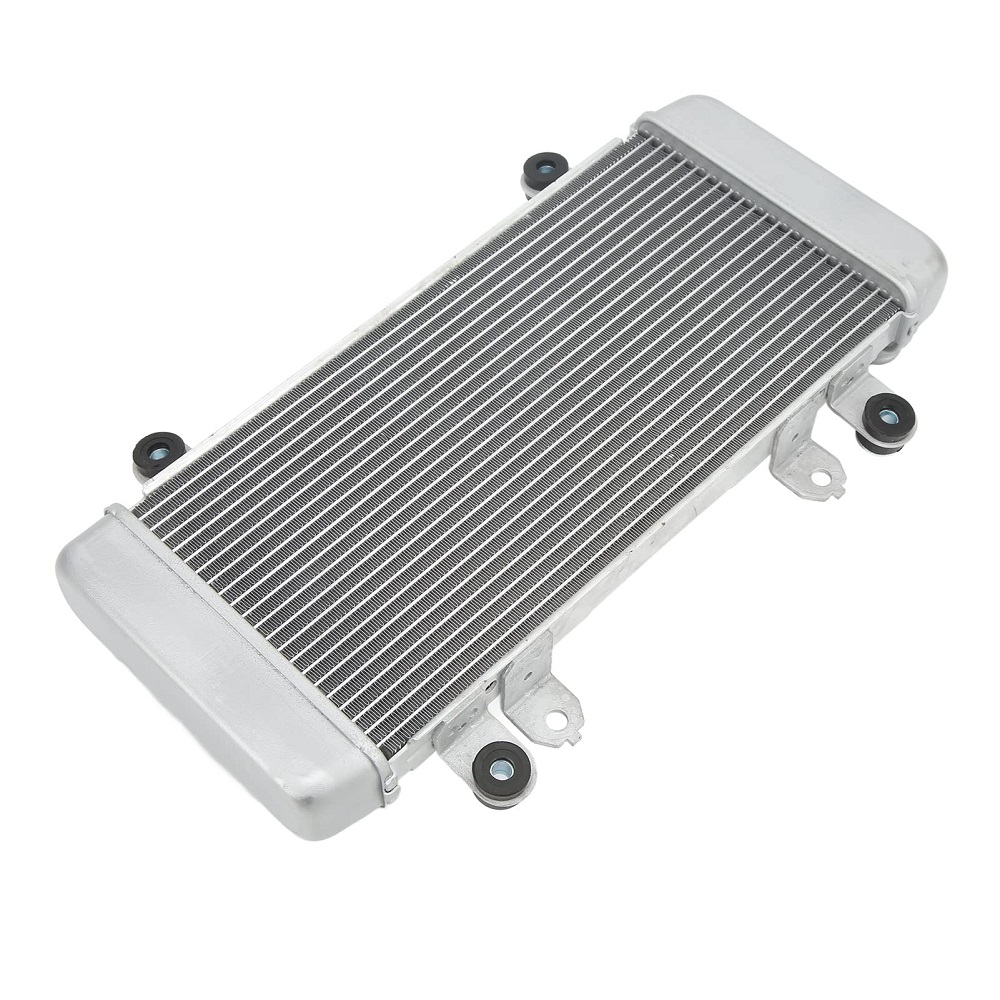
Introduction to Motorcycle Radiators
Understanding the Role of a Motorcycle Radiator
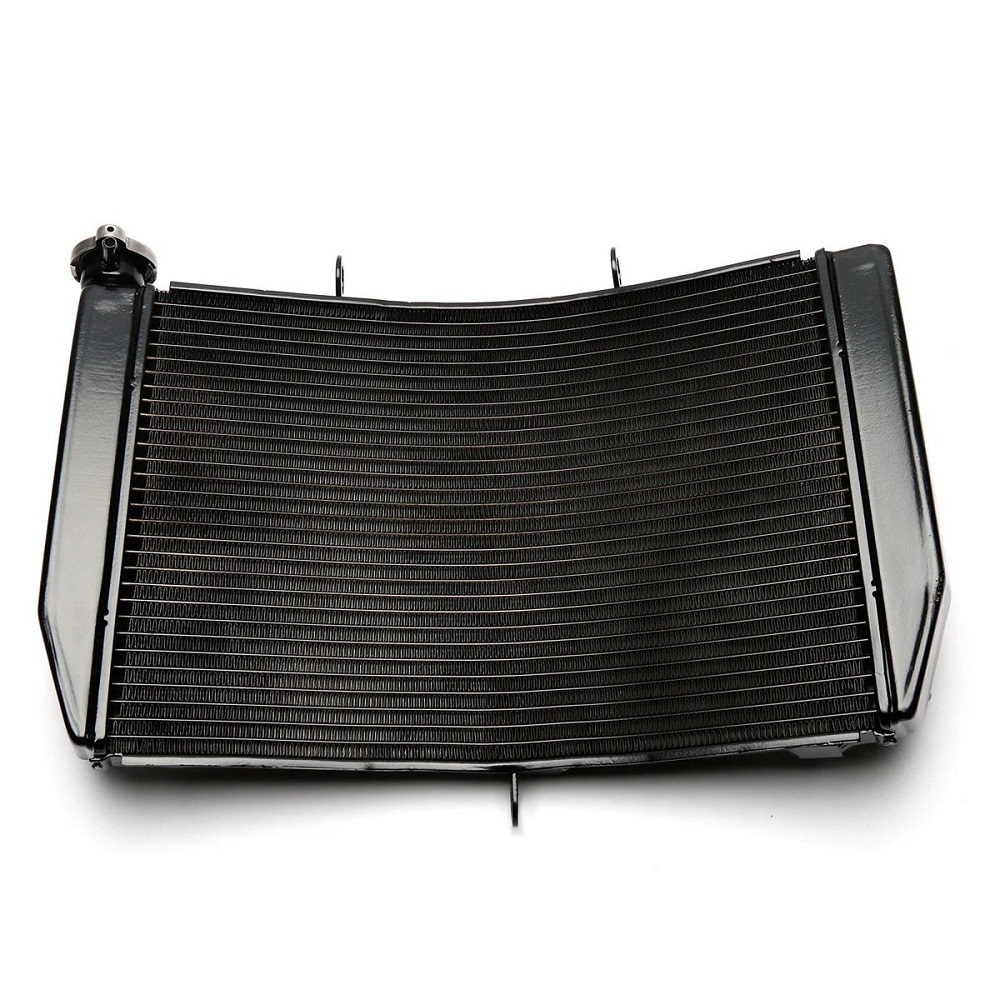
The radiator is a critical component of a motorcycle’s cooling system. It helps regulate the engine temperature by dissipating heat generated during combustion. By maintaining an optimal temperature, the radiator prevents overheating and potential engine damage. Understanding the functioning of the motorcycle radiator is vital for any motorcycle owner. Proper maintenance ensures your bike runs efficiently and extends its lifespan.
Importance of Regular Maintenance
Regular maintenance of the radiator is crucial for the overall health of your motorcycle. Neglecting this component can lead to serious problems, including overheating. An overheated engine can suffer from reduced performance and even catastrophic failure. Routine checks and maintenance are essential to prevent costly repairs down the line. Keeping your motorcycle radiator in good condition significantly contributes to the longevity of your bike.
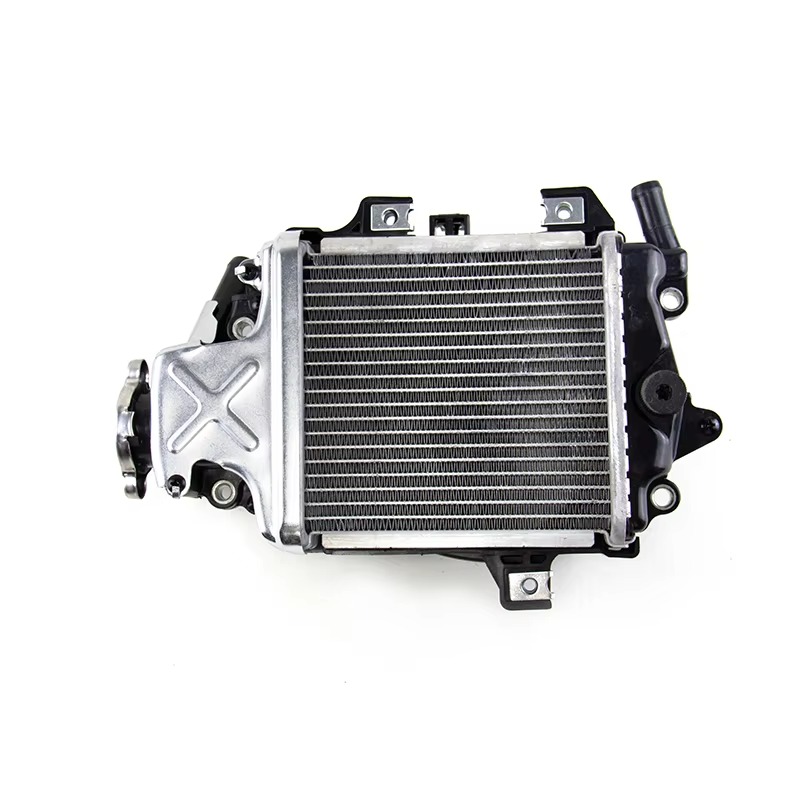
Signs of a Failing Radiator
Recognizing the signs of a failing motorcycle radiator is important for timely intervention. Common indicators include coolant leaks, overheating, and a fluctuating temperature gauge. If you notice any of these issues, it’s essential to address them promptly. Ignoring these signs can lead to severe damage to the engine. Being proactive can save you time and money while ensuring your motorcycle remains in optimal shape.
Inspecting the Radiator
Visual Inspection
Performing a visual inspection of your motorcycle radiator is the first step in maintenance. Check for any signs of coolant leaks around the radiator and hoses. Look for corrosion, damage, or physical obstructions in the radiator fins. Ensure that the fins are not bent or clogged with debris, as this can hinder airflow and cooling efficiency. A thorough visual inspection can identify potential problems early.
Checking Coolant Levels
Monitoring the coolant level is essential for radiator maintenance. The coolant reservoir should be filled to the recommended level as indicated in the owner’s manual. Low coolant levels can lead to overheating and impaired performance. If the coolant is low, fill it with the recommended type of coolant. This proactive measure can prevent overheating issues in the future.
Assessing the Condition of the Hoses
The hoses connected to the motorcycle radiator also require regular inspection. Check for any cracks, splits, or signs of wear. Hoses that are in poor condition may leak coolant, leading to overheating. Ensure that clamps holding the hoses are secure and that there are no visible leaks. Replacing damaged hoses promptly can save you from complications later on.
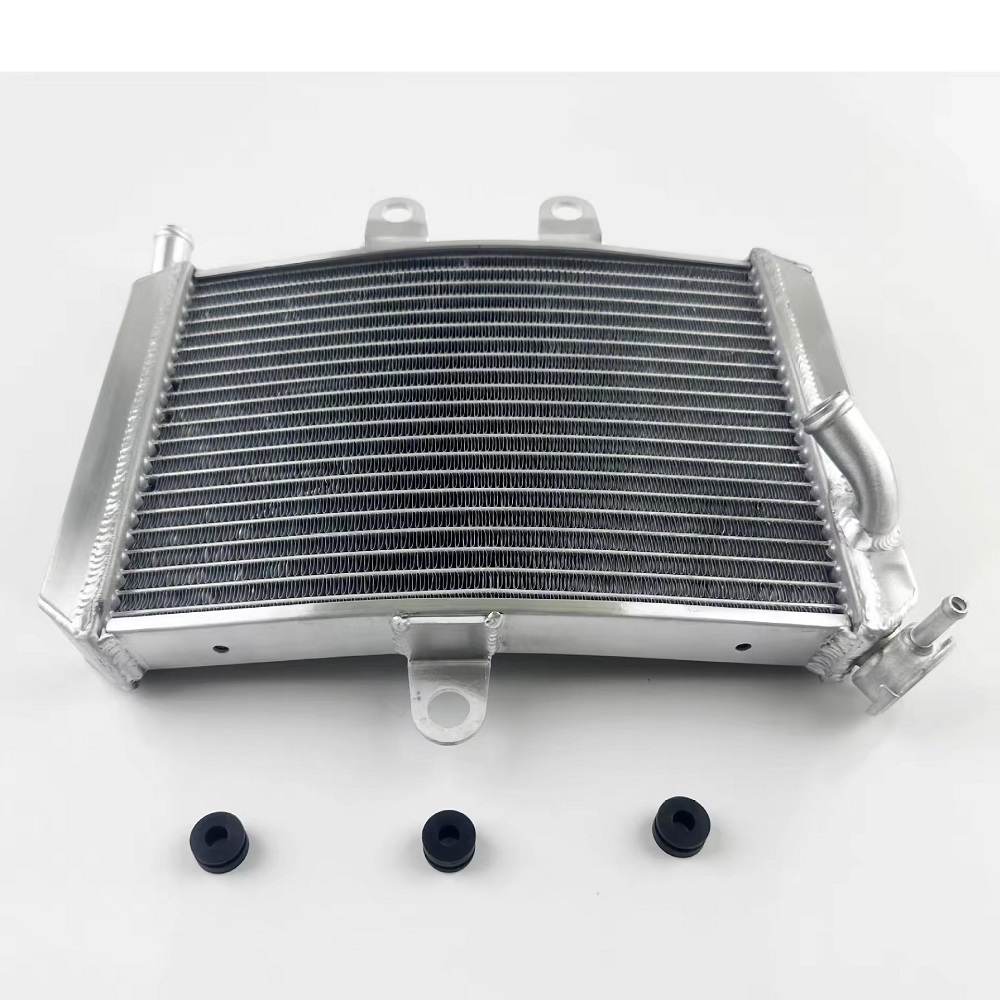
Cleaning the Radiator
Removing Debris and Dirt
Over time, your motorcycle radiator can accumulate dirt, dust, and debris. This buildup can block airflow and reduce cooling efficiency. Cleaning the radiator regularly helps maintain optimal performance. Use a soft brush or compressed air to gently remove loose debris from the radiator fins. This simple cleaning can enhance airflow and improve cooling efficiency.
Flushing the Cooling System
Flushing the cooling system is a more thorough cleaning process that should be performed periodically. It removes old coolant and any contaminants that may have built up over time. To flush the system, drain the old coolant completely and refill it with a flushing agent. Running the engine for a designated period allows the flushing agent to clean out the system. Follow the manufacturer’s instructions for the specific flushing procedure.
Refilling with Proper Coolant
After flushing the system, it is essential to refill it with the correct type of coolant. Consult your motorcycle’s manual for the recommended coolant specifications. Using the wrong type of coolant can lead to corrosion or inadequate cooling performance. Once you refill, run the engine briefly and check for any leaks before closing everything up. This ensures everything is functioning effectively.
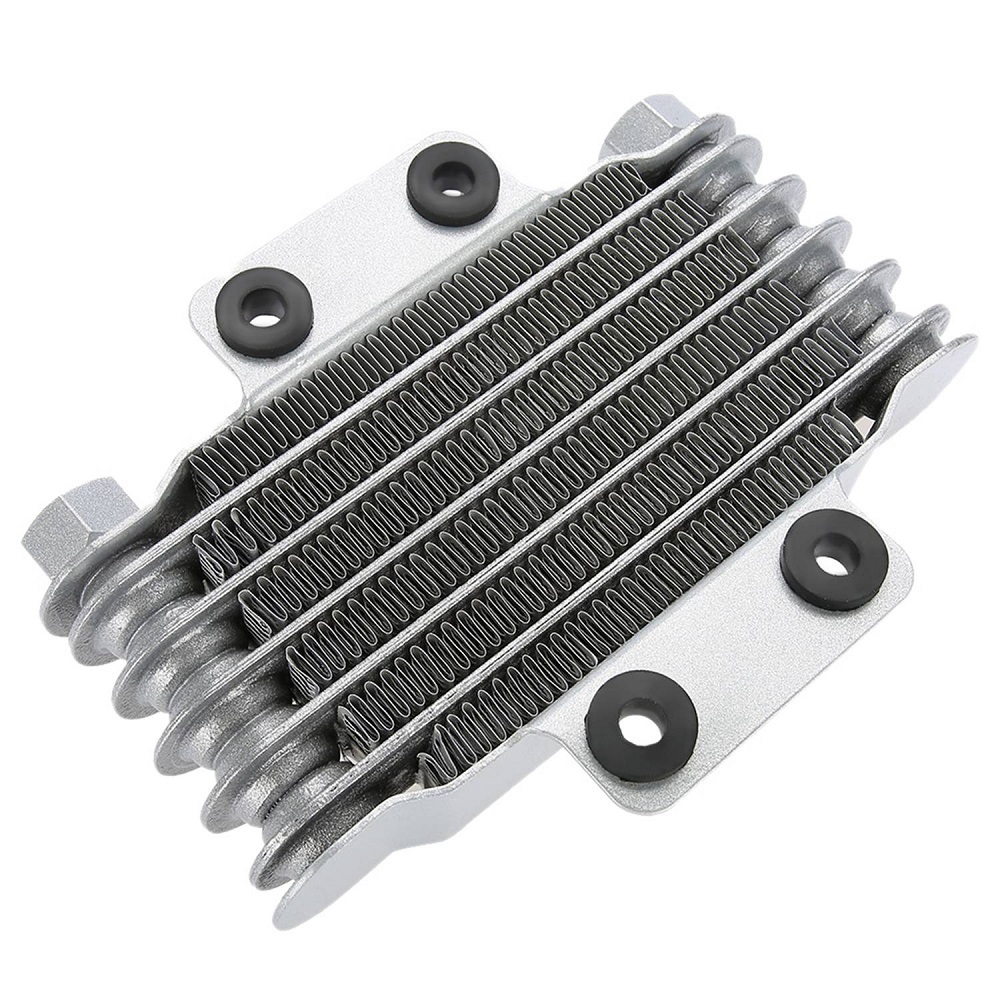
Monitoring Engine Temperature
Using the Temperature Gauge
Most motorcycles have an engine temperature gauge that provides essential information. Properly monitoring this gauge allows you to identify potential overheating issues. If the gauge indicates high temperatures, take immediate action to cool down the engine. Continued high temperatures can lead to severe engine damage. Regular checks can help you stay informed about your bike’s performance.
Understanding Normal Operating Temperature
Familiarizing yourself with your motorcycle’s normal operating temperature range is crucial. Typically, most motorcycles operate between 160°F and 220°F (70°C to 104°C). Refer to the owner’s manual for the specific range for your bike. Understanding this range enables you to act quickly if temperatures rise beyond these levels. Staying aware of your motorcycle’s temperature promotes better maintenance practices.
Addressing Overheating Issues
If your motorcycle frequently overheats, identifying the root cause is essential. Common reasons for overheating include low coolant levels, radiator blockages, or a malfunctioning water pump. Addressing these issues can prevent further engine damage. If you cannot diagnose the problem yourself, consider consulting a professional mechanic for assistance. Prompt action can save you time and money.
Checking and Maintaining Additional Components
Radiator Fan Functionality
Most motorcycles equipped with radiators also have cooling fans to assist with temperature control. Checking that your radiator fan operates correctly is vital for preventing overheating. If you suspect a malfunctioning fan, test it by running the engine and observing whether it engages when temperatures rise. A non-functioning fan can lead to severe overheating problems.
Examining the Water Pump
The water pump circulates coolant throughout the engine and radiator. It is essential to check that the water pump is functioning properly. Look for any signs of leaks or unusual noises coming from the pump area. If you notice any issues, have the water pump inspected and repaired by a professional. Ensuring the water pump is in good condition is crucial for efficient cooling.
Inspecting the Thermostat
The thermostat plays a key role in regulating engine temperature by controlling coolant flow. If the thermostat is stuck open or closed, it can negatively impact performance. Regularly inspect the thermostat for signs of malfunction. If you notice fluctuations in temperature or that the engine takes too long to heat up or cool down, consider replacing the thermostat. Ensuring proper functioning can enhance overall engine efficiency.
Understanding Radiator Upgrades
Upgrading to a Performance Radiator
For serious riders, upgrading to a performance radiator may be beneficial. Performance radiators offer improved cooling efficiency and enhanced durability. These radiators are typically larger and designed to handle higher temperatures. If you regularly ride in extreme conditions or push your bike to its limits, investing in a performance radiator can be a worthwhile upgrade.
Choosing the Right Size
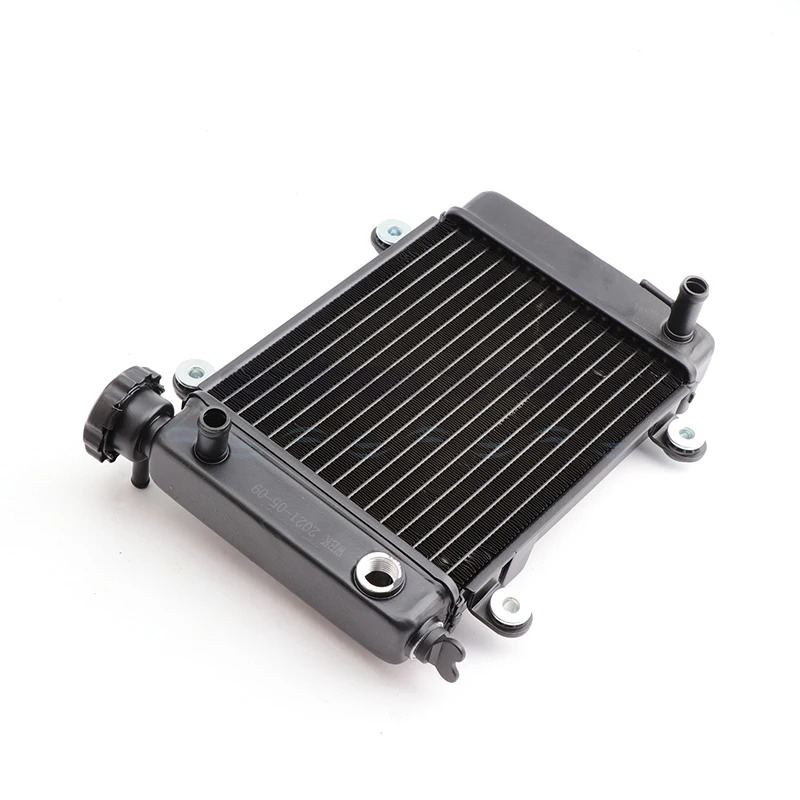
When considering a new radiator, size is a critical factor. Ensure that the chosen radiator fits your motorcycle model. A radiator that is too large may not fit well, while one that is too small may not provide adequate cooling. Research and consult your motorcycle’s specifications to determine the correct size for optimal performance.
Installation Considerations
If you decide to upgrade your radiator, following a proper installation process is essential. Some riders may choose to tackle this as a DIY project. However, if you’re unsure, seeking help from a professional is a good idea. Proper installation ensures that the radiator functions effectively and reduces the likelihood of future issues.
Common Mistakes to Avoid
Ignoring Cooling System Maintenance
One of the most significant mistakes riders make is neglecting the cooling system. Failing to regularly inspect and maintain the radiator can lead to serious problems. Always prioritize your maintenance schedule. Taking the time to check coolant levels and inspect components can prevent overheating and costly repairs.
Using the Wrong Coolant
Using incorrect or inferior quality coolant can result in damage to your motorcycle’s cooling system. Always refer to the owner’s manual for recommended coolant specifications. Stick to reputable brands known for quality products. The wrong coolant can lead to corrosion or reduced effectiveness. Ensuring you use the right coolant maintains your motorcycle’s longevity.
Delay in Addressing Issues
Another common mistake is delaying repairs when problems arise. Whether it’s overheating, coolant leaks, or any unusual noises, addressing issues promptly is essential. Ignoring these signs can lead to further complications and expensive repairs. Stay alert to your motorcycle’s behavior, and take action as soon as you notice something amiss.
FAQ:
- How do I know if my motorcycle radiator is working properly?
- Signs of a properly functioning radiator include stable engine temperatures, no leaks in and around the radiator, and the absence of coolant discoloration or debris. If the engine overheats, coolant levels drop significantly, or you notice coolant leaks, the radiator may need inspection or maintenance.
- How often should I check my motorcycle radiator?
- It is recommended to check your motorcycle radiator before each ride as part of your pre-ride inspection. Additionally, you should inspect the radiator and coolant levels regularly during routine maintenance, such as oil changes, to identify any potential issues early.
- What are some common maintenance tips for motorcycle radiators?
- Key maintenance tips include regularly checking coolant levels, cleaning the radiator fins to remove dirt and debris, inspecting for leaks or corrosion, and flushing the cooling system periodically with fresh coolant to prevent buildup and ensure optimal performance.
- How do I clean my motorcycle radiator?
- To clean your motorcycle radiator, start by ensuring the engine is cool. Use compressed air or a soft brush to gently remove debris from the radiator fins. For a more thorough cleaning, you can use a mixture of water and mild detergent, rinsing thoroughly afterward. Be careful not to damage the fins.
- What should I do if my motorcycle radiator is leaking?
- If you notice a leak in the radiator, it’s essential to stop riding immediately to prevent overheating. Assess the leak’s location and size; if it’s minor, a radiator sealant may temporarily fix it. However, major leaks or damage usually require professional repair or replacement to ensure safe operation.
Conclusion: Keep Your Motorcycle Radiator in Top Shape
Prioritize Routine Maintenance
In conclusion, maintaining your motorcycle radiator is essential for the health and longevity of your bike. Regular inspection and cleaning can prevent overheating and ensure optimal performance. Understanding the functions and potential issues related to your radiator can empower you as a rider. Staying proactive can save you time and money in the long run.
Invest in Quality Parts
Investing in quality parts and materials is necessary when it comes to motorcycle maintenance. Whether selecting coolant, hoses, or a new radiator, prioritize reputable brands. This ensures efficiency and extends the life of your motorcycle components. Quality parts enhance your riding experience and give you peace of mind on the road.
Enjoy Peace of Mind on Your Rides
Ultimately, maintaining your motorcycle radiator and focusing on improving motorcycle radiator efficiency allows you to ride with confidence. Knowing that your bike is equipped to handle the heat can significantly improve your experience. Embrace the thrill of riding while ensuring that your essential components are well-maintained. With proper care, you can enjoy every ride and take on the open road without concern.
Leave a Reply