What Are 3-Wheeled Motorcycles?
Definition and Basic Features
3-wheeled motorcycle, often called trikes, are motor vehicles with three wheels. They are designed for stability and comfort. Unlike traditional two-wheeled motorcycles, trikes feature either one rear wheel or two wheels at the front. These vehicles often come with enhanced safety features. They are equipped with advanced braking systems, wider tires, and stable frames. Many models include spacious seating and added storage. Riders often choose them for long-distance travel and leisure rides. Their unique design makes them ideal for various conditions, offering a secure ride for many users.
Differences Between Two-Wheeled and Three-Wheeled Motorcycles
The most apparent difference is the number of wheels. Two-wheeled motorcycles rely heavily on rider balance. By contrast, 3-wheeled motorcycles offer increased stability. Trikes are easier to handle for beginners or older riders. They provide more comfort, with larger seats and roomier designs. In terms of maneuverability, two-wheelers are generally more agile than trikes. Three-wheelers can struggle on tight turns compared to their two-wheeled counterparts. However, trikes are perfect for steady, long journeys. Their heavier build and unique suspension systems ensure a smoother ride. Trikes also typically include features aimed at convenience and comfort for riders.
Popular Types of 3-Wheeled Motorcycles
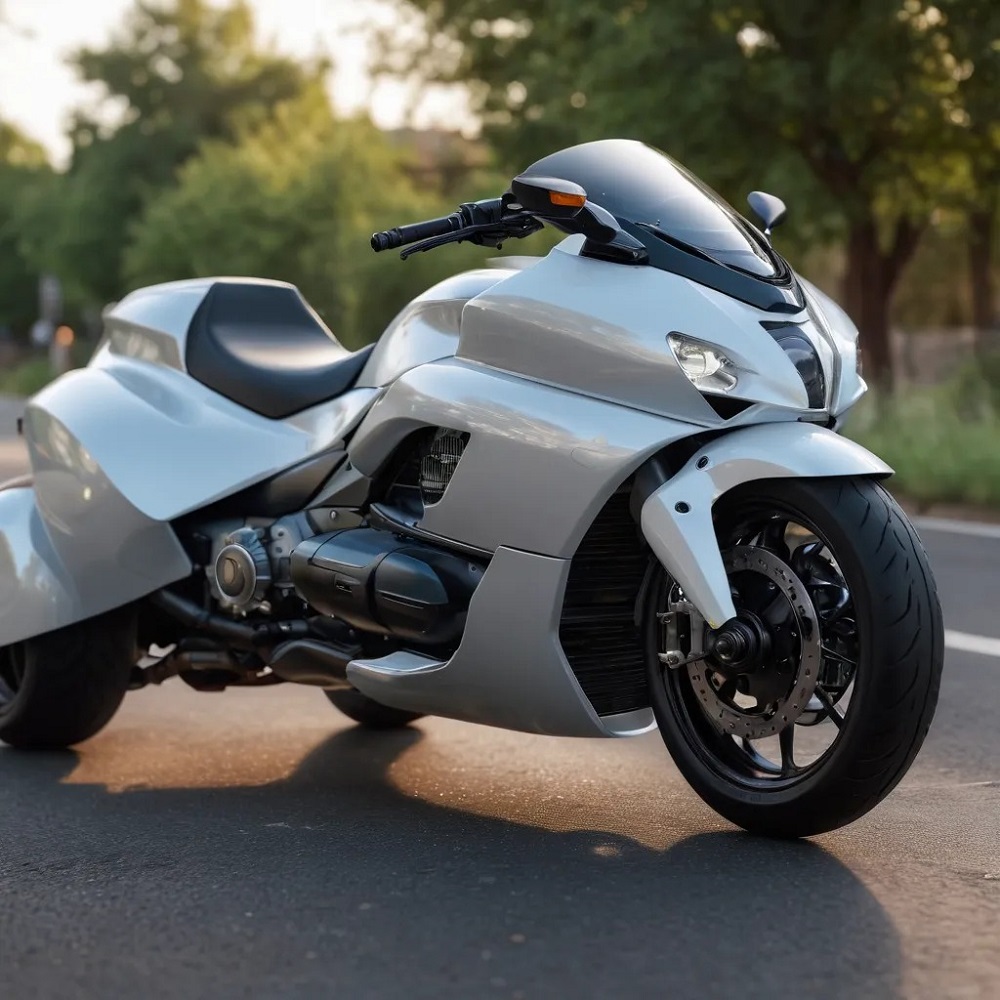
3-wheeled motorcycles come in various designs, aimed at meeting different rider needs and preferences. Understanding the main types helps you choose the model that best aligns with your requirements.
Trikes (Traditional 3-Wheeled Motorcycles)
Trikes are the classic style of 3-wheeled motorcycles. They feature one wheel in front and two wheels at the back. This configuration offers excellent stability and ease of handling. Trikes are favored by riders seeking comfort for extended journeys. Many models include spacious seats, storage compartments, and powerful engines. They are a popular choice for those wanting a relaxing and steady ride.
Reverse Trikes (Two Wheels in the Front)
Reverse trikes have two wheels in front and one at the back. This design provides enhanced forward stability and superior braking systems. The dual front wheels offer better grip, especially while turning or navigating uneven roads. Reverse trikes are known for their sporty look and performance. They often attract riders seeking modern aesthetics and dynamic control.
Electric 3-Wheeled Motorcycles
Electric 3-wheeled motorcycles are gaining popularity due to their eco-friendly nature. They run on electric batteries, making them quieter and more energy-efficient. These motorcycles are ideal for city commutes and short-distance trips. They come with advanced technological features like reduced emissions and cost-effective maintenance. The rise of electric trikes marks a shift toward sustainable transportation options.
Advantages of 3-Wheeled Motorcycles
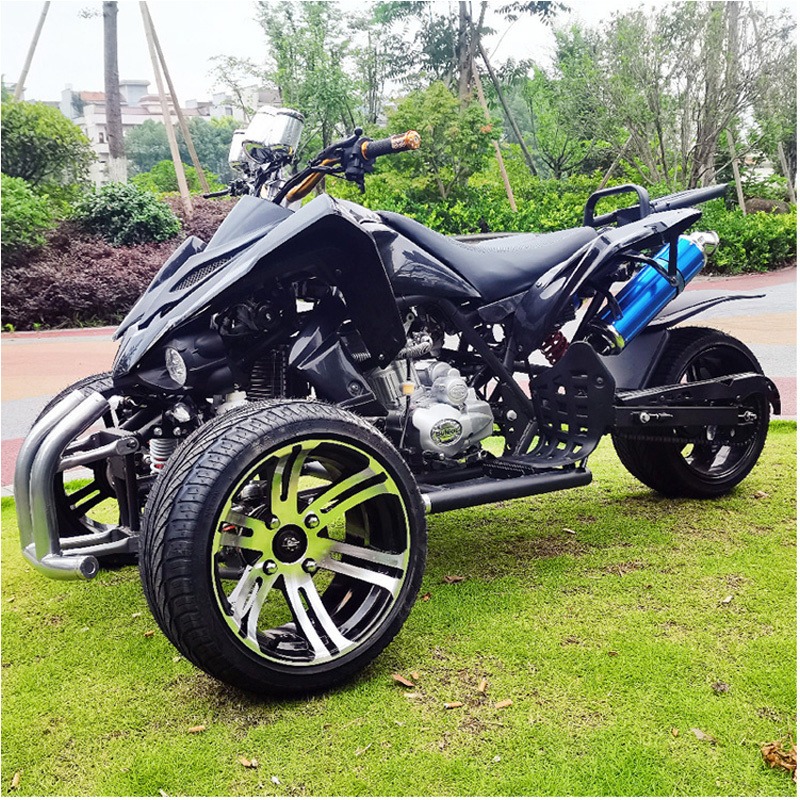
Three-wheeled motorcycles offer various benefits, making them a popular choice among riders of all experience levels.
Increased Stability and Safety
3-wheeled motorcycles are significantly more stable than traditional motorcycles. The added wheel provides balanced support, reducing the risk of tipping over. They are ideal for bumpy roads and unpredictable weather conditions. Advanced braking systems enhance stopping power, even during sudden stops. Wider tires and sturdy frames make them safer than two-wheelers.
Comfort for Long Rides
Comfort is a key advantage of 3-wheeled motorcycles. Their larger seats provide space for a relaxed ride. Many models include backrests and ergonomic designs for added support. Storage compartments allow riders to carry luggage with ease during journeys. Suspension systems reduce vibrations, ensuring smooth rides on long-distance travel. Riders can enjoy leisure trips without feeling exhausted.
Accessibility for New or Older Riders
3-wheeled motorcycles are beginner-friendly and easier to handle. Their stable design minimizes balancing challenges. Older riders appreciate the reduced physical strain they require compared to two-wheel motorcycles. Riders with mobility concerns often find these motorcycles manageable. Clutchless models further simplify riding for first-timers or those with limited strength.
Disadvantages of 3-Wheeled
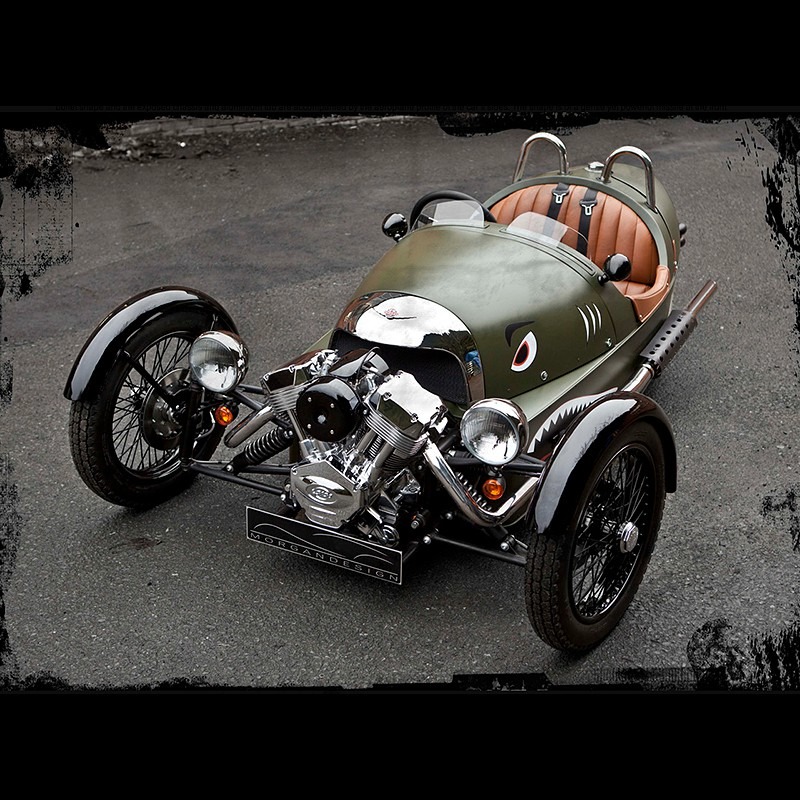
While 3-wheeled motorcycles offer many advantages, they also come with certain drawbacks. These factors should be understood before deciding to invest in a trike.
Limited Maneuverability
3-wheeled motorcycles are less agile compared to traditional motorcycles. Their larger size and weight make them harder to maneuver. Tight corners and narrow spaces can pose challenges for riders. Unlike two-wheelers, they require more effort to navigate winding roads. This limitation is especially noticeable in urban traffic and crowded areas. While stability is a strong point, it sacrifices some quick-handling abilities.
Higher Cost Compared to Traditional Motorcycles
3-wheeled motorcycles are generally more expensive than two-wheel motorcycles. Advanced technology, larger frames, and added features contribute to the cost. Maintenance and repair expenses are also higher due to specialized parts and systems. Insurance premiums may be elevated, given their unique design and features. These factors can make ownership less affordable for budget-conscious riders. Buyers should consider total cost, including long-term expenses, before purchasing.
Parking and Storage Concerns
Parking and storing a 3-wheeled motorcycle can be more challenging than a smaller bike. They require more space due to their wide structure. Standard motorcycle parking spots may not accommodate them properly. Finding a garage or covered area for storage can be difficult. Their bulkier size might not fit in tight parking areas, especially in urban settings. Riders need to plan parking and storage solutions carefully to avoid inconvenience.
Best 3-Wheeled Brands in the Market
Choosing the right 3-wheeled motorcycle highly depends on the brand and its specific offerings. Leading brands offer reliable designs, advanced features, and excellent performance. Below are some of the most popular and trusted brands in the market.
Can-Am Spyder
Can-Am Spyder is a top choice for many riders. Its reverse trike design ensures stability and control. The dual front wheels provide superior grip and smoother turns. Models feature advanced safety systems, such as traction control and ABS brakes. Can-Am Spyder also integrates cutting-edge technology, like semi-automatic transmissions. Riders appreciate its sporty appearance and powerful engines. It’s ideal for leisure use and long-distance travel.
Harley-Davidson Trike
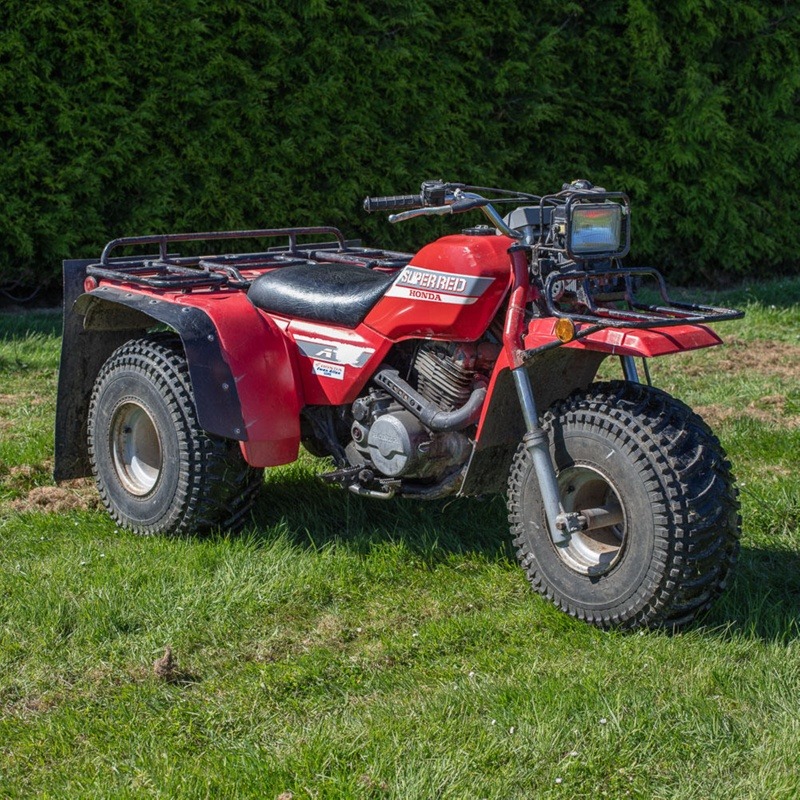
Harley-Davidson Trike combines classic style with robust performance. This brand is known for its traditional trike configuration. The two rear wheels enhance balance, making it perfect for stable rides. Harley-Davidson offers models with large, comfortable seats and ample storage. Riders often praise its iconic design and strong engine reliability. This brand is especially favored by fans of long road trips. Its reputation for durability and quality puts it among the top-tier 3-wheeled motorcycles.
Polaris Slingshot
Polaris Slingshot stands out for its unique and futuristic design. It uses a reverse trike layout with one rear wheel. The brand focuses heavily on high performance and sports-like handling. Polaris Slingshot motorcycles are known for their open-air riding experience. They include advanced infotainment systems and enhanced driver controls. Riders looking for excitement often turn to Polaris due to its bold aesthetics. Its powerful engine options make it ideal for thrill-seekers and modern riders.
Key Considerations Before Buying a 3-Wheeled
Choosing the right 3-wheeled motorcycle requires careful thought. Several factors influence your purchase decision. It’s essential to match the motorcycle’s features with your needs and preferences.
Pricing and Budget
Budget is a critical factor when buying a 3-wheeled motorcycle. These motorcycles often cost more than two-wheelers. Prices vary based on brand, model, and features. Advanced safety systems, storage space, and tech add to the cost. Also, factor in additional costs like taxes, insurance, and accessories. Create a budget to guide your purchase and prioritize the features you need most.
Performance and Ride Quality
Performance should align with your riding needs. Check for engine power, suspension system, and braking efficiency. Test ride the motorcycle to evaluate handling and comfort. Long-distance travelers should seek smooth suspension and ergonomic seating. For city rides, responsive braking and lightweight models work better. Reverse trikes may suit riders seeking sporty control. Assess ride quality on varied terrains before finalizing your choice.
Maintenance and Repair Costs
Maintenance is crucial for long-term ownership. 3-wheeled motorcycles often require specialized parts and service. Factor in repair costs, availability of spare parts, and service center accessibility. Regular upkeep like oil changes and tire checks adds to expenses. Some brands have higher maintenance costs due to complex technology. Research models with reliable track records to minimize unexpected costs. Keeping a maintenance plan avoids costly repairs over time.
By considering these factors, you can make a confident and informed purchase decision.
Licenses and Legal Requirements for 3-Wheeled
Operating a 3-wheeled motorcycle requires compliance with licensing and insurance rules. Below, we explain the key legal aspects to consider before hitting the road.
License Types Needed
To ride a 3-wheeled motorcycle, you need the correct license type. This requirement varies by location. In many places, a standard motorcycle license is sufficient. However, some regions offer specific trike licenses or endorsements. For example, in the U.S., a motorcycle endorsement on your driver’s license may work. Some states allow riders to use a standard car license for trikes. Always check with local Department of Motor Vehicles (DMV) offices for clarity. Completing a safety and skills course is often recommended. Courses teach vital riding skills and ensure confidence on the road. Some jurisdictions even make these courses mandatory for licensing.
Insurance Requirements
Just like any vehicle, 3-wheeled motorcycles require insurance coverage. The insurance helps protect you and others during accidents. Basic liability coverage is the minimum standard in most regions. This covers damage or injury caused to others in an accident. Many riders also opt for comprehensive or collision coverage for added protection. Comprehensive plans cover theft, vandalism, and natural damages. Collision coverage handles repair costs regardless of fault. Insurance costs vary by location, brand, model, and rider age. Some companies offer discounts when bundling with car or home insurance. Comparing insurance policies ensures you get the protection you need at the best price.
By ensuring proper licensing and insurance, you can enjoy stress-free riding on your 3-wheeled motorcycle.
Tips for Maintaining Your 3-Wheeled Motorcycle
Proper maintenance extends the life and performance of your 3-wheeled motorcycle. Regular upkeep minimizes unexpected breakdowns and ensures smooth rides. Below are helpful tips for maintaining your motorcycle efficiently.
Regular Maintenance Schedule
- Check Tires Frequently: Inspect tire pressure and tread wear monthly. Proper tires improve safety and handling.
- Inspect Brake Systems: Check brake pads, fluid levels, and functions regularly. Strong brakes improve stopping power.
- Oil Changes Are Vital: Change engine oil as recommended by the manufacturer. Clean oil prevents system damage.
- Monitor Battery Performance: Test battery charge periodically. Weak batteries can disrupt engine ignition.
- Clean Air Filters Often: Dirty air filters reduce engine efficiency. Replace filters every few thousand miles.
- Lubricate Moving Parts: Check chains, joints, and suspension components. Proper lubrication reduces wear and tear.
- Follow Manufacturer Guidelines: Stick to the recommended service intervals for specific motorcycle models.
Common Issues and How to Address Them
- Starting Difficulties: Check the battery and ignition system immediately. Replace weak batteries to restore engine start.
- Brake Problems: Inspect brake fluid levels and pads for wear. Refill fluid or replace pads when needed.
- Engine Overheating: Ensure coolant levels are sufficient and clean. Address radiator blockages promptly.
- Uneven Tire Wear: Realign wheels and check tire pressure. Replace tires if the tread becomes uneven or thin.
- Noise from the Suspension: Check for loose bolts or worn-out parts. Tighten bolts and replace damaged components.
- Electrical Failures: Examine wiring and fuses frequently. Repair damaged wires to avoid electrical system failure.
By following these maintenance tips, you can enjoy safer and more reliable rides. Careful upkeep reduces repair costs and preserves performance over time.
The Community of 3-Wheeled Riders
Social Groups and Organizations
3-wheeled motorcycle riders share a sense of community, with numerous social groups and organizations dedicated to their interests. Local chapters often host events, rides, and gatherings. These activities provide opportunities for riders to connect and share experiences. Engaging with these groups can enrich the riding experience and establish lasting friendships.
Online Forums and Resources
Online forums and social media groups also serve as platforms for 3-wheeled motorcycle enthusiasts. These platforms allow riders to exchange tips, discuss models, and showcase their customized trikes. The collective knowledge found in these communities can enhance ownership and riding pleasure.
Events and Rallies
Various events and rallies are held throughout the year that focus specifically on 3-wheeled motorcycles. Attending these events allows riders to meet other enthusiasts while exploring new models and technologies. The ambiance of such gatherings fosters a sense of camaraderie and shared passion for riding.
Conclusion: Embrace the Thrill of 3-Wheeled Motorcycling
Summary of Key Points
In conclusion, 3-wheeled motorcycle offer a thrilling alternative to traditional bikes, blending stability and excitement perfectly. Their unique design appeals to a broad range of riders, including beginners and seasoned motorcyclists. Understanding the various types, benefits, and models available can help potential riders make informed decisions.
The Future of Riding
The future for 3-wheeled motorcycles looks promising. With continuous advancements in technology and design, more riders are expected to embrace these vehicles. More manufacturers are investing in trikes, expanding options for consumers and adapting to evolving rider needs.
Join the Fun
If you are considering exploring the world of 3-wheeled motorcycles, now is the time to dive in. Whether you seek adventure, comfort, or the joy of riding, trikes offer something unique for everyone. Embrace the journey and enjoy every ride on your 3-wheeled motorcycle!
Leave a Reply