Overview of a Car Engine
Car engine piston is engineering marvels that power vehicles through controlled explosions. They work by converting fuel into mechanical energy. This process involves many critical components working seamlessly together.
Key Components of an Internal Combustion Engine
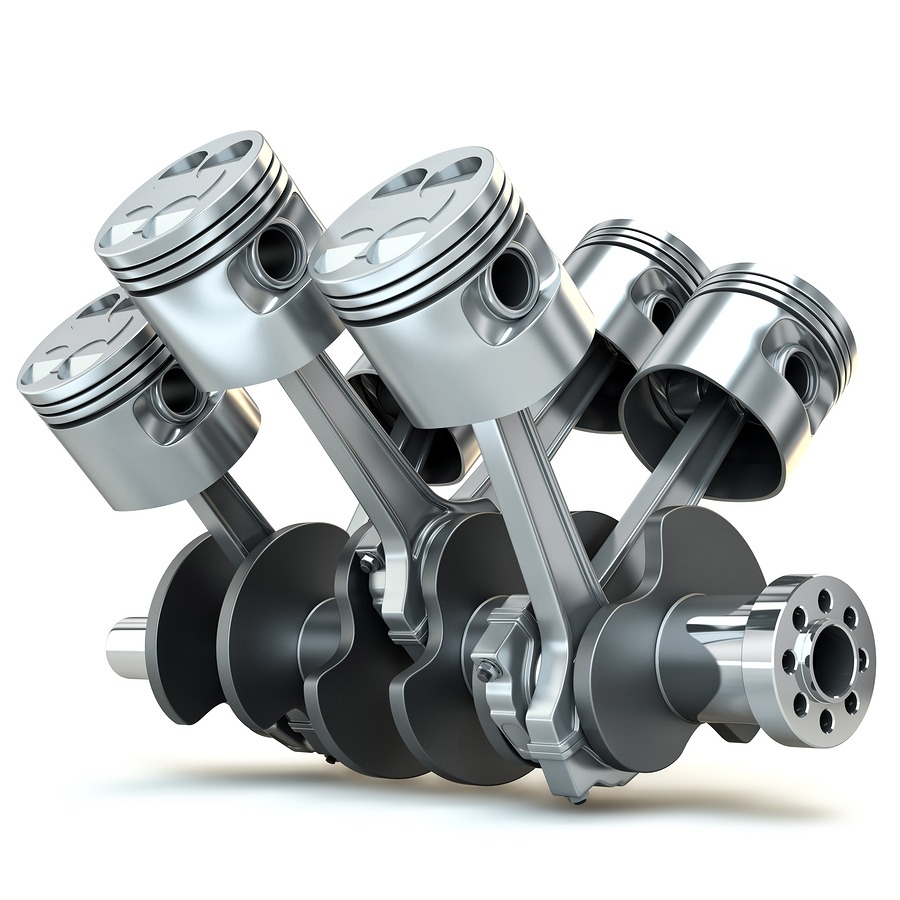
An internal combustion engine relies on several key components:
- Cylinders: Cylinders house the pistons and play a central role in energy conversion.
- Pistons: Pistons move up and down inside the cylinders, driving the crankshaft.
- Crankshaft: The crankshaft converts the pistons’ linear motion into rotational energy.
- Spark Plugs: Spark plugs ignite the air-fuel mixture in gasoline engines.
- Valves: Valves control the intake of air-fuel and exhaust gas release.
- Connecting Rod: Connecting rods link the pistons to the crankshaft.
Each part has a specific function, ensuring optimal performance.
Role of Pistons in Engine Functionality
Pistons are integral to engine performance. They compress the air-fuel mixture for combustion. After ignition, the explosion forces the piston downward. This motion is converted into rotational power by the crankshaft.
Pistons also help regulate engine compression. Their movement directly impacts horsepower and fuel efficiency. High-quality pistons ensure smooth and efficient engine operation.
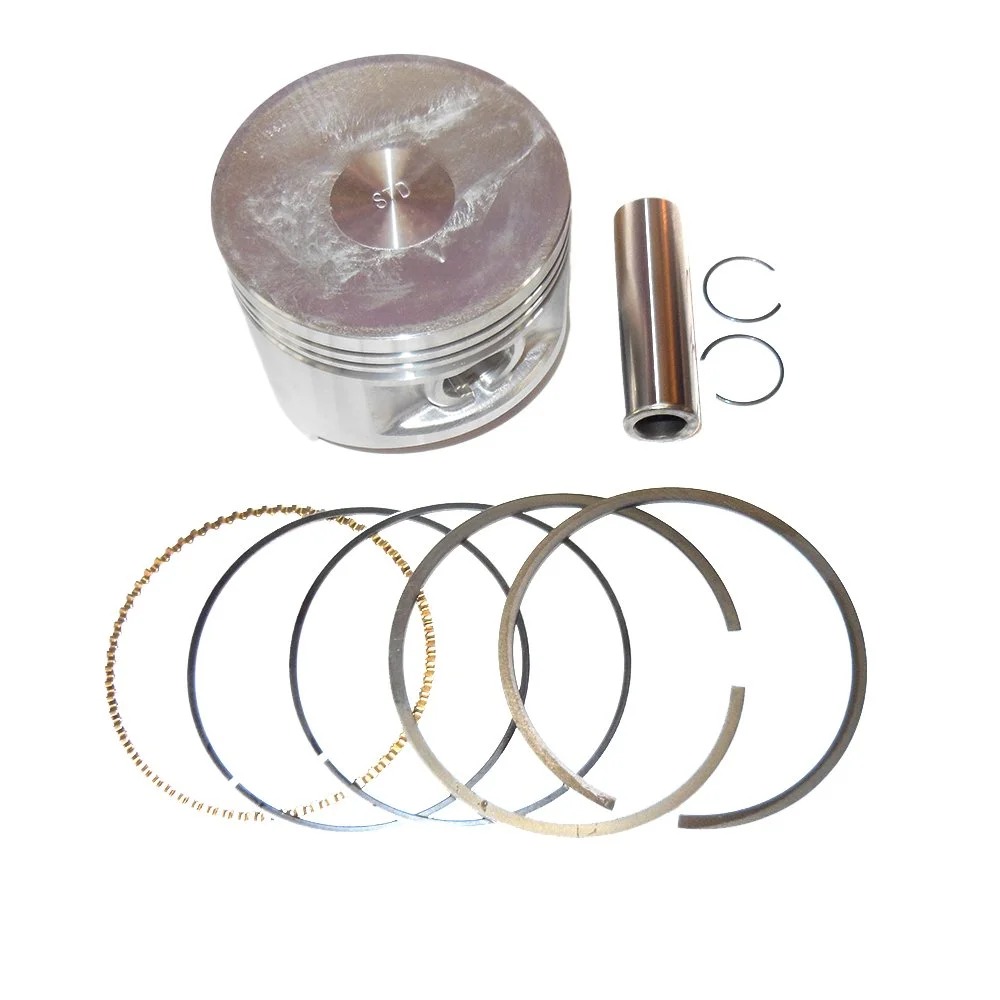
Anatomy of a Car Engine Piston
Car engine piston is vital to the engine’s operation. Their design and material choices ensure efficiency and durability. Understanding their anatomy helps in appreciating their role in the engine.
Materials Used in Piston Manufacturing
Pistons are made from materials that can withstand heat, pressure, and wear. Common materials include:
- Aluminum Alloys: Lightweight and good at dissipating heat, common in modern engines.
- Cast Iron: Durable but heavier, used in older or high-stress engines.
- Steel: Suitable for performance engines due to its high strength and resistance.
Material selection impacts the engine’s weight, heat resistance, and longevity. Lightweight materials improve performance and fuel efficiency.
Design Features and Shapes
Pistons have unique designs tailored to the engine’s needs. Common features include:
- Cylindrical Shape: Fits snugly within the cylinder for smooth motion.
- Flat-Top Surface: Ensures even compression in combustion chambers.
- Domed or Dished Surface: Alters compression ratio and combustion efficiency.
- Reinforcements: Strengthen areas prone to high stress.
Precision in piston design is critical. It enables better combustion, higher power output, and smooth motion.
Piston Rings and Their Purpose
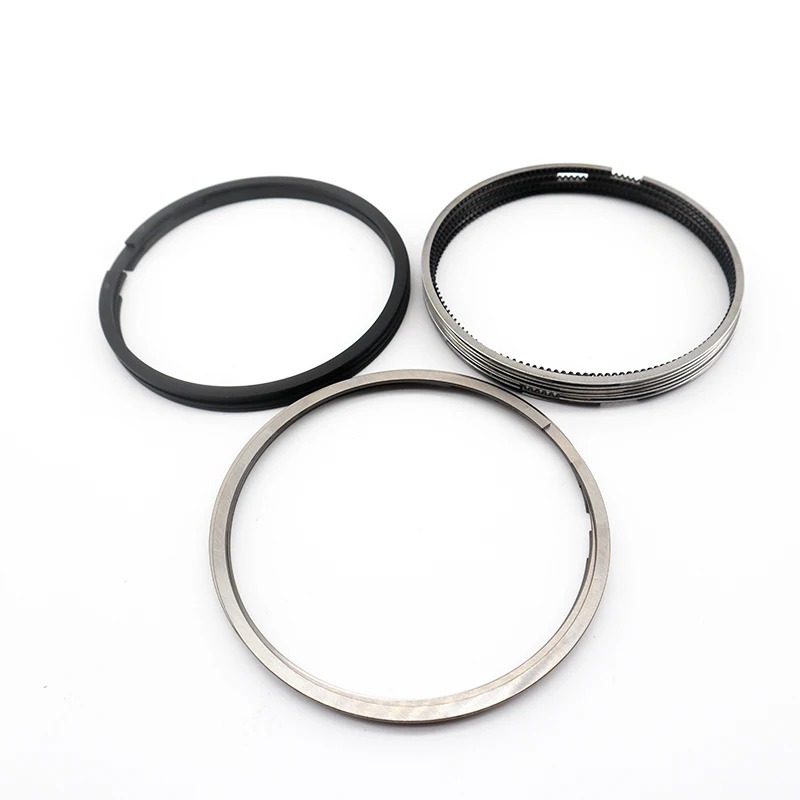
Piston rings are small but essential. They have three primary purposes:
- Seal the Combustion Chamber: Prevents gases from escaping during combustion.
- Control Oil Usage: Ensures the cylinder wall stays lubricated.
- Transfer Heat: Moves heat from the piston to the cylinder.
Typically, pistons have three rings: the compression ring, wiper ring, and oil control ring. Properly functioning rings maintain engine efficiency and reduce wear.
By understanding materials, designs, and piston rings, you appreciate how pistons function effectively in a car engine piston.
How Pistons Contribute to Engine Performance
Pistons play a vital role in engine performance. They impact combustion, compression, and fuel efficiency. Understanding their functions helps in appreciating how engines achieve power and efficiency.
The Combustion Process and Piston Movement
Pistons are key players in the combustion process. Here’s how they work:
- Air-Fuel Compression: Pistons compress the air-fuel mixture inside the cylinder before ignition.
- Explosion Impact: The spark from the plug ignites the mixture, creating a powerful explosion.
- Piston Movement: The force from the explosion pushes the piston downward with high energy.
- Crankshaft Rotation: Pistons transfer motion to the crankshaft, converting linear force into rotational power.
This cycle repeats continuously, providing the energy required to move the vehicle. Pistons must operate smoothly to maintain optimal engine performance.
Compression Ratio and Power Output
Compression ratio directly impacts power output and efficiency. Key points to remember:
- High Compression Ratio: Engines with higher ratios produce more power by utilizing the fuel mixture more efficiently.
- Piston’s Role: Pistons control compression by ensuring tight sealing within the cylinder.
- Performance Link: The precision of piston movement and sealing affects horsepower and torque.
Maintaining proper compression ensures peak engine performance and longevity.
Pistons and Fuel Efficiency
Efficient pistons contribute to better fuel economy. Here’s why:
- Heat Transfer: Pistons transfer heat to surrounding components, preventing engine overheating.
- Less Leakage: Proper piston rings ensure no fuel or gases escape unnecessarily.
- Controlled Combustion: Precise compression leads to complete and efficient combustion of fuel.
Choosing high-quality pistons can improve mileage and reduce environmental impact. Their design and maintenance are essential for balancing power and efficiency.
Types of Car Engine Pistons
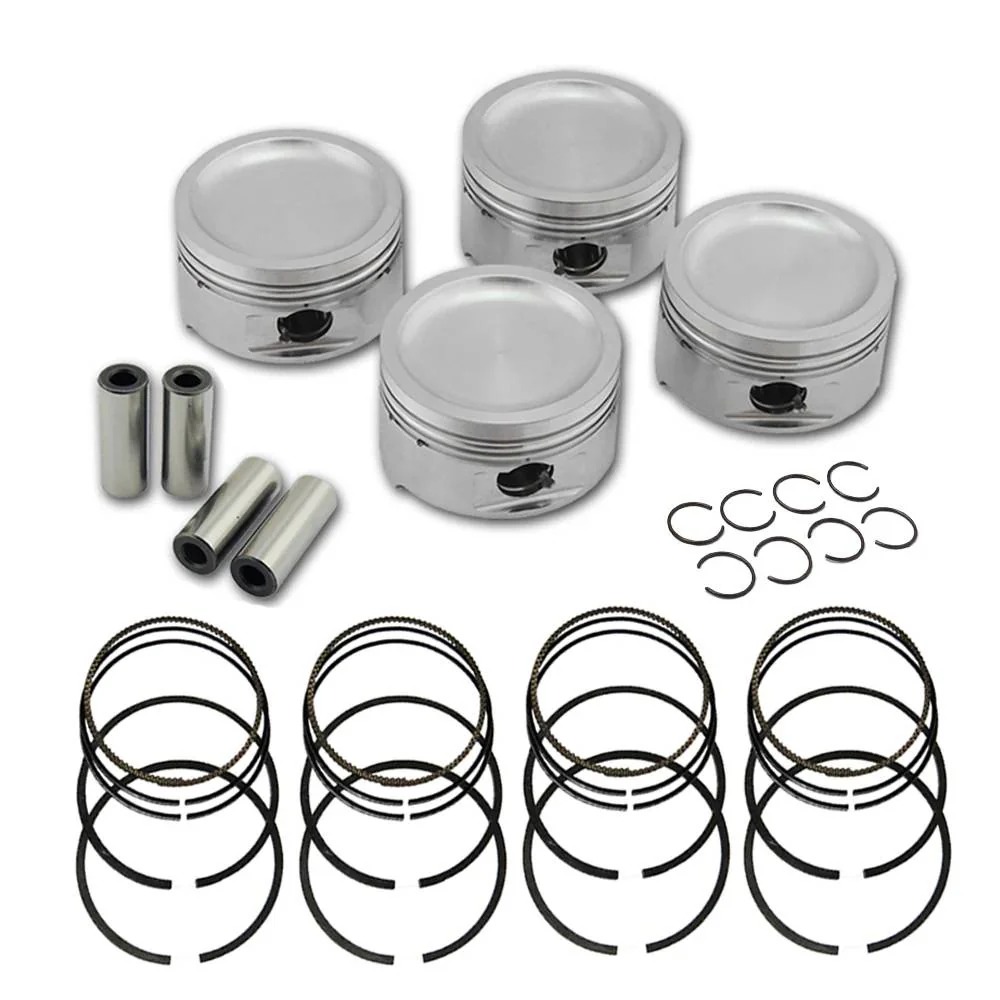
Car engine pistons come in various types, each designed to meet specific performance needs. Understanding these types helps in choosing the right piston for an engine.
Cast vs. Forged Pistons
Cast and forged pistons differ in manufacturing processes and applications. Here’s how:
- Cast Pistons:
- Made using molten aluminum poured into a mold.
- Lightweight and affordable, ideal for regular vehicles.
- Less durable under high stress or extreme temperatures.
- Forged Pistons:
- Formed by shaping solid aluminum under high pressure.
- Stronger, denser, and more resistant to stress.
- Commonly used in performance and heavy-duty engines.
Choosing between cast and forged pistons depends on vehicle usage and engine demands. Forged pistons are ideal for racing, while cast pistons suit daily driving.
Flat-top, Dome, and Dish Pistons
Piston shapes play a key role in combustion and engine performance. Here are the common types:
- Flat-Top Pistons:
- Feature a flat surface on top.
- Provide balanced compression, suitable for many engines.
- Help achieve efficient combustion and smooth operation.
- Dome Pistons:
- Have a raised surface to increase compression.
- Used in high-performance engines for greater power.
- Require precise tuning to avoid knocking.
- Dish Pistons:
- Feature a concave or hollowed-out surface.
- Reduce compression, ideal for turbocharged engines.
- Prevent detonation in forced induction systems.
Each shape impacts compression ratio, combustion efficiency, and engine output. Choosing the right piston shape ensures optimal engine performance.
Common Issues with Engine Pistons
Engine pistons are crucial for smooth engine operation. However, they can face various issues over time.
Piston Wear and Tear
Piston wear and tear happens as pistons endure stress, friction, and high temperatures. Common causes include:
- Friction: Constant movement within cylinders creates wear on piston surfaces.
- Heat Damage: Excessive combustion heat can weaken piston materials over time.
- Debris: Contaminants from poor oil filtration may scratch or erode pistons.
Regular maintenance prevents excessive wear and prolongs piston life.
Piston Damage and Its Causes
Piston damage can severely impact engine performance. Frequent causes include:
- Knocking and Detonation: Uncontrolled combustion creates high pressure, cracking or deforming pistons.
- Overheating: Insufficient cooling systems lead to piston warping or melting.
- Oil Starvation: Lack of lubrication causes friction and accelerates damage.
- Misfires: Missed ignitions affect combustion balance, damaging pistons over time.
Quick inspection and repairs can reduce the risk of severe damage.
Signs of a Faulty Piston
Spotting piston problems early prevents engine failure. Common signs of faulty pistons include:
- Excessive Smoke: Burning oil due to worn piston rings leads to visible exhaust smoke.
- Reduced Power: Damaged pistons affect engine compression, lowering performance.
- Knocking Noises: Unusual sounds in the engine may indicate piston or ring problems.
- Higher Oil Consumption: Improper sealing increases oil usage and leaks.
If symptoms appear, consult a mechanic immediately to prevent further damage.
Maintenance and Care for Engine Pistons
Proper maintenance can prolong the lifespan of car engine piston. Regular care ensures optimal engine performance while reducing repair costs. Neglect can lead to damage, resulting in costly replacements.
Best Practices for Prolonging Piston Life
Follow these practices to maintain pistons and enhance their durability:
- Use High-Quality Oil: Use manufacturer-recommended engine oil for lubrication and thermal efficiency.
- Change Oil Regularly: Replace oil on time to prevent contaminants from damaging pistons.
- Clean Fuel System: Ensure a clean fuel system to avoid debris entering the engine.
- Limit Overloading: Avoid putting excessive stress on the engine by driving within its limits.
- Check Cooling Systems: Ensure the cooling system is working properly to prevent overheating.
Consistent care ensures pistons operate smoothly and contributes to overall engine health.
Importance of Regular Engine Inspections
Regular engine inspections help identify potential piston issues early. Benefit from these practices:
- Detect Wear and Tear: Inspect pistons for scratches and erosion caused by friction.
- Spot Ring Issues: Check piston rings for signs of damage or wear.
- Check Cylinder Wall Condition: Look for irregularities on the cylinder walls.
- Monitor Compression Ratio: Ensure the engine is maintaining appropriate compression levels.
Prompt inspections reduce repair costs and help maintain engine efficiency over time.
When to Repair or Replace Pistons
It’s essential to know when pistons need repairs or replacement. Consider these scenarios:
- Visible Cracks or Damage: Replace pistons showing cracks or deformation from detonation or overheating.
- Worn Rings: Fix or replace pistons if damaged rings can’t seal properly.
- Excessive Smoke: Large amounts of exhaust smoke indicate piston or ring failures.
- Reduced Engine Power: Poor compression due to piston issues may warrant replacement.
Consult a professional for accurate diagnosis and timely repairs to avoid further damage.
Innovations in Piston Technology
Advancements in technology have greatly influenced the design and function of car engine piston. Modern innovations are focused on enhancing efficiency, durability, and overall engine performance.
Advances in Materials and Manufacturing
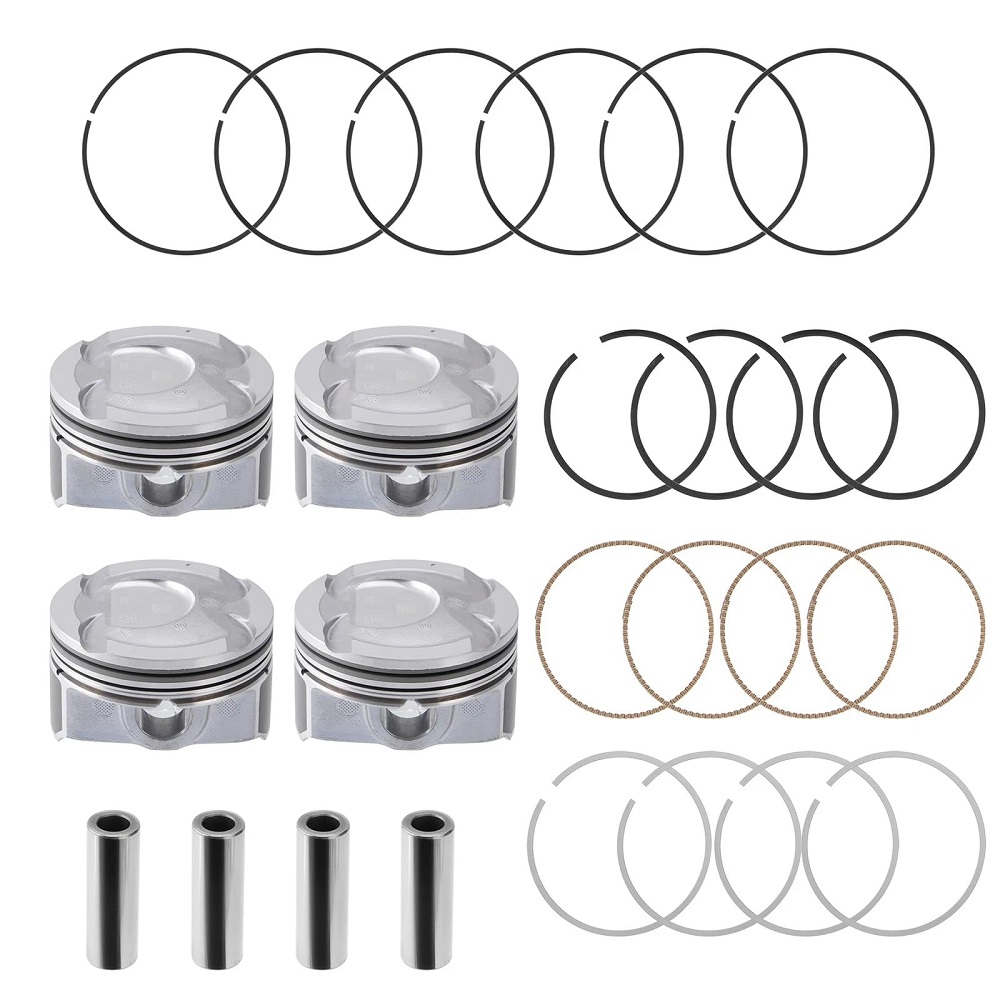
Modern pistons benefit from cutting-edge materials and manufacturing techniques. These advances lead to stronger and more durable components.
- Advanced Alloys: Pistons now use reinforced aluminum alloys and titanium for added strength and heat resistance.
- Ceramic Coatings: Ceramic-based coatings improve heat dissipation and reduce wear on piston surfaces.
- 3D Printing: Additive manufacturing enables custom piston designs with complex shapes for optimized performance.
- Forging Improvements: Enhanced forging processes produce lighter and denser pistons, improving strength without compromising weight.
- Composite Materials: Some pistons now integrate carbon composites, reducing weight while maintaining rigidity.
These materials and techniques ensure pistons operate more efficiently under the extreme conditions of modern engines.
Impact on Modern Engine Efficiency
Innovative piston technologies play a critical role in improving engine power, fuel efficiency, and emissions.
- Optimized Combustion: Advanced piston designs promote better fuel-air mixing, ensuring efficient combustion.
- Reduced Friction: Coatings and precise engineering lower friction, leading to higher fuel savings and performance.
- Increased Compression Ratios: Modern pistons allow for higher compression ratios, boosting engine power and efficiency.
- Lower Emissions: Improved sealing and combustion reduce harmful exhaust gases, meeting stricter environmental standards.
- Enhanced Durability: High-tech materials enable pistons to withstand higher pressures and temperatures, reducing long-term wear.
These advancements solidify pistons as a crucial component in the evolution of modern engines, driving performance and efficiency to new heights.
Comparing Petrol vs. Diesel Engine Pistons
Petrol and diesel engines have unique piston designs reflecting their operational differences. Understanding these variations helps in appreciating their specific roles.
Differences in Design and Performance
- Material Strength: Diesel engine pistons need stronger materials to endure high pressures and heat. Petrol pistons, on the other hand, prioritize lightweight design.
- Compression Ratio: Diesel engines have higher compression ratios, requiring sturdier pistons to maintain durability. Petrol engines have lower ratios and more relaxed piston designs.
- Additional Reinforcements: Diesel pistons often feature thicker walls and reinforced areas. Petrol pistons can depend on simpler designs due to lower operating stress.
- Combustion Process: Diesel pistons must handle direct fuel injection and self-ignition. Petrol pistons are designed for spark ignition systems.
- Shape and Size: Diesel pistons may have complex designs for efficient airflow during combustion. Petrol pistons typically use simpler shapes.
These differences ensure each piston type performs effectively for its respective engine.
Longevity and Maintenance Factors
- Wear Resistance: Diesel pistons last longer due to stronger materials but require more frequent inspections due to high stress.
- Heat Dissipation: Petrol pistons are better at dissipating heat, reducing wear and maintenance needs.
- Lubrication Requirements: Diesel pistons need superior lubrication because of their heavier load and higher operating temperatures.
- Fuel Quality Sensitivity: Petrol pistons are more sensitive to gasoline impurities. Diesel pistons rely heavily on clean diesel fuel.
- Operational Lifespan: Diesel engine pistons are built for heavy-duty and extended operation, while petrol pistons suit more casual, everyday use.
Proper care and maintenance can extend the life of both petrol and diesel engine pistons. However, diesel pistons generally require more robust handling to match their engine demands.
The Essential Role of Piston Mechanics
The car engine piston is a remarkable component that plays a vital role in the internal combustion process. Understanding its mechanics, design, and importance is essential for anyone interested in motorcycle performance. From the basic functionality of the piston to its influence on engine power output, each aspect contributes to the overall riding experience.
Engaging in regular maintenance ensures the longevity and efficiency of the piston. By connecting with fellow motorcycle enthusiasts, you can deepen your passion for riding and enhance your experience. With ongoing advancements and a commitment to innovation, the future of pistons in engine technology looks promising.
So, whether you’re a seasoned rider or a newcomer to the world of motorcycles, appreciate the intricacies of your engine’s piston. Embrace the excitement of the open road and the joy of mastering your motorcycle. Understanding the mechanics behind your engine’s performance will ensure a fulfilling and thrilling riding experience for years to come.
Leave a Reply