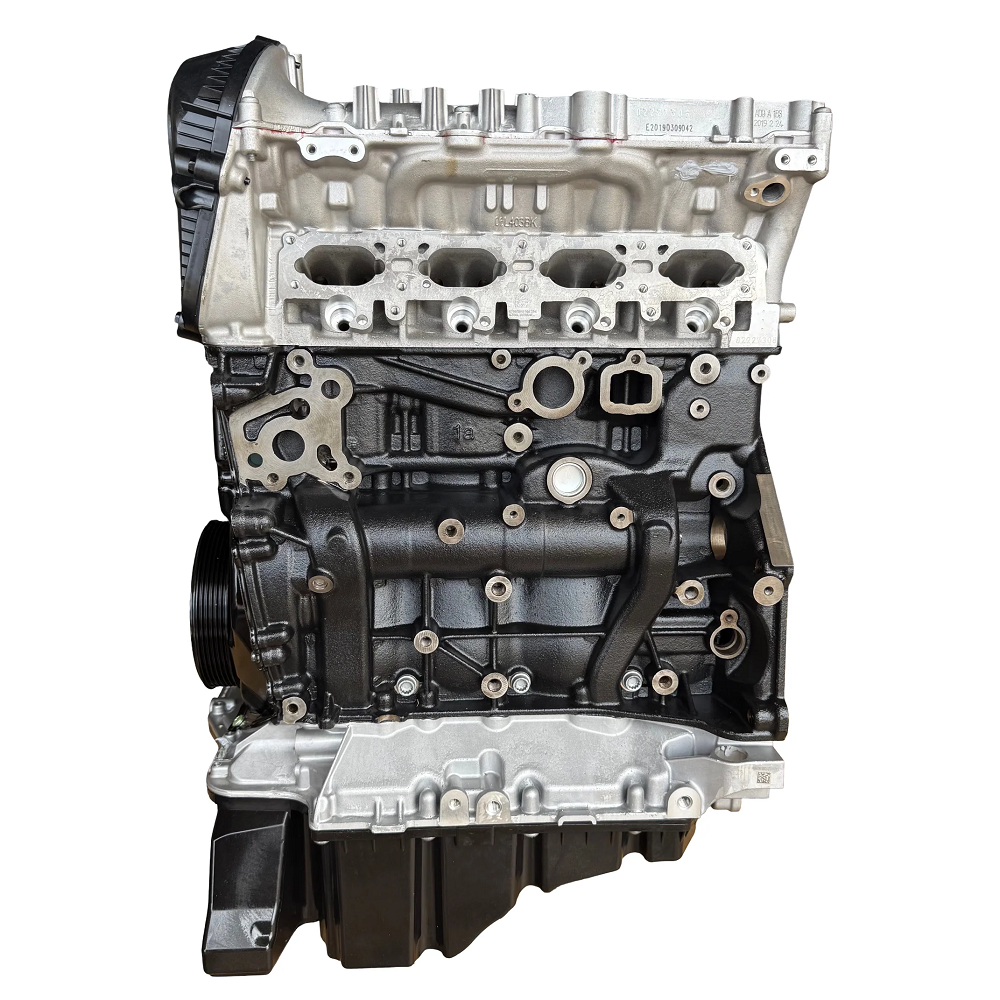
What is a 2.0 4-Cylinder Engine?
A 2.0 4-cylinder engine is a compact and efficient internal combustion engine. It features a displacement of 2.0 liters, signifying the volume of all its cylinders combined. The engine consists of four cylinders, each responsible for burning fuel and producing power. Typically, these cylinders are arranged in a line or horizontally opposed.
This type of engine is popular for offering a balance between power and efficiency. It is versatile and widely used in various vehicle types, including sedans, SUVs, and sports cars. The engine provides reliable performance while being relatively lightweight compared to larger engine configurations.
Modern 2.0 4-cylinder engines often incorporate advanced technologies like turbocharging and direct fuel injection. These enhancements improve power output and fuel economy without increasing the engine’s size. Car manufacturers often use these engines to meet environmental standards and customer demands for energy efficiency.
In summary, the 2.0 4-cylinder engine is known for its practicality, efficiency, and adaptability in today’s automotive industry.
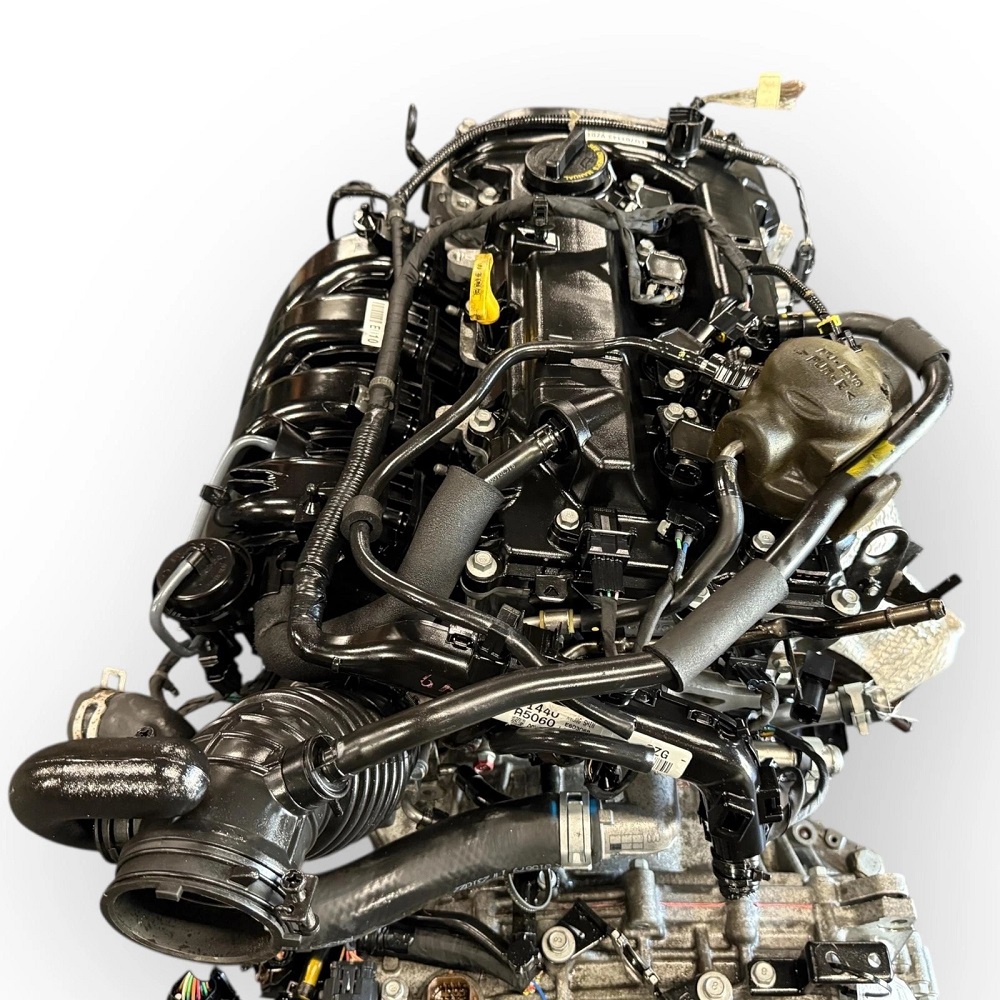
History and Development of 2.0 4-Cylinder
The history of the 2.0 4-cylinder engine dates back to the early 20th century. Early automotive manufacturers sought efficient and compact engine designs. Four-cylinder engines became popular for their simplicity and reliability. Over time, engineers refined these engines for better performance and fuel efficiency.
In the mid-20th century, advancements like overhead camshafts and improved combustion chambers emerged. These innovations increased power and reduced fuel consumption. By the 1980s and 1990s, the 2.0 4-cylinder engine saw further development. Manufacturers began integrating electronic fuel injection systems for enhanced precision.
Modern versions of the 2.0 4-cylinder engine feature advanced technologies. Turbochargers became common, providing more power without increasing engine size. Direct fuel injection also improved efficiency by optimizing fuel delivery. Additionally, materials like aluminum reduced engine weight, improving performance and fuel economy.
The 2.0 4-cylinder engine also gained popularity as environmental concerns grew. Manufacturers focused on reducing emissions and meeting stricter regulations. Many hybrid and plug-in hybrid vehicles now incorporate 2.0 4-cylinder engines for their balance of power and efficiency.
Today, the 2.0 4-cylinder engine continues to evolve. It remains a core component in various vehicles, from compact sedans to performance sports cars. These engines represent a perfect example of how innovation marries practicality in modern automotive engineering.
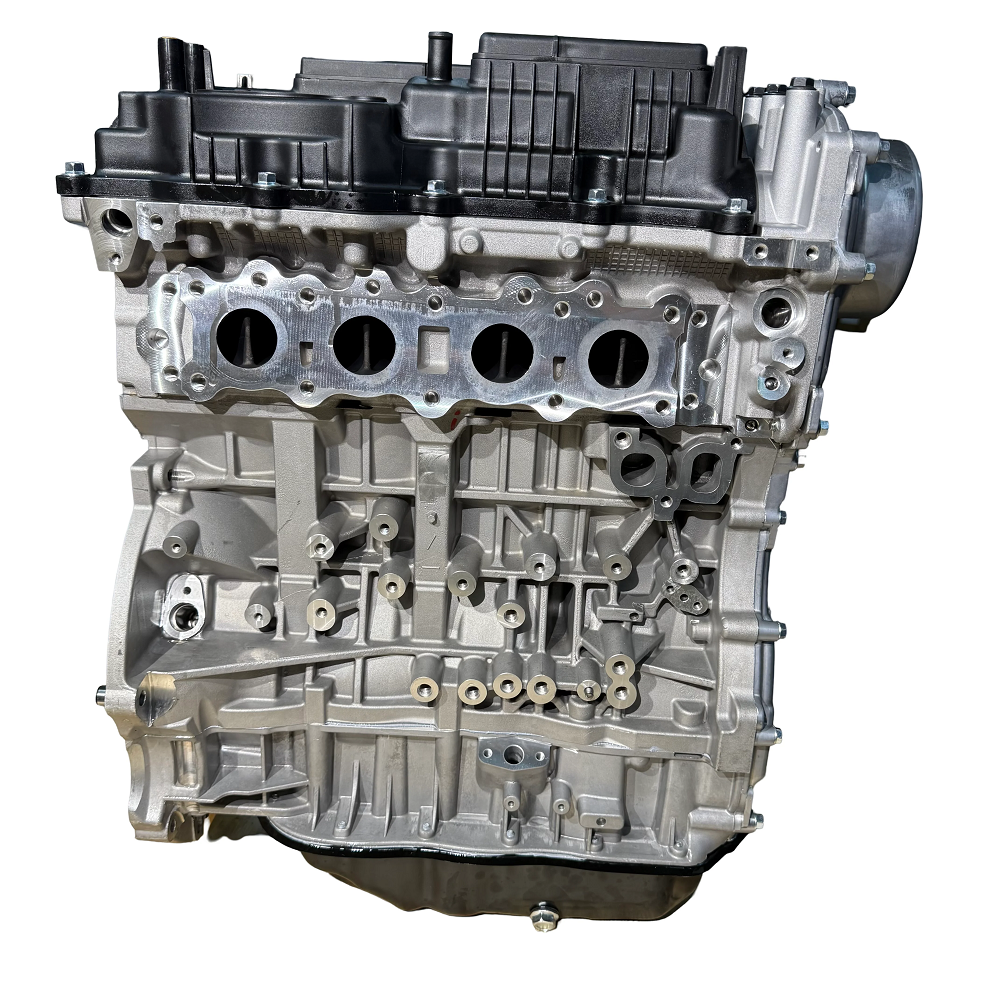
Key Features of a 2.0 4-Cylinder
The 2.0 4-cylinder engine is a remarkable piece of engineering. Its features combine efficiency, performance, and reliability. Below are the key features that make this engine popular:
- 2.0-Liter Engine Displacement: The engine has a displacement of 2.0 liters. This refers to the combined volume of its four cylinders. It balances power and fuel efficiency, suitable for various vehicle types.
- Four-Cylinder Configuration: The engine includes four cylinders, often placed in a straight or inline arrangement. This design enhances smooth operation and reduces vibration compared to larger engines.
- Compact and Lightweight Design: The 2.0 4-cylinder engine is compact and usually made of lightweight materials like aluminum. This reduces the overall vehicle weight, improving performance and fuel economy.
- Turbocharging: Many models feature a turbocharger, which boosts air intake for extra power. Turbocharged versions offer acceleration and performance comparable to larger engines without extra fuel consumption.
- Direct Fuel Injection (DFI): A common feature in modern 2.0 4-cylinder engines. DFI ensures precise fuel delivery directly into each cylinder. This improves combustion efficiency and reduces emissions.
- Variable Valve Timing (VVT): Helps optimize engine performance at different speeds and load conditions. It ensures a smooth power output and reduces fuel consumption.
- High Fuel Efficiency: These engines are designed for reduced fuel usage while maintaining performance. Fuel economy makes this engine a preferred choice for daily commuting and long drives.
- Lower Emissions: Advanced technology in these engines helps meet strict environmental regulations. They produce fewer harmful emissions compared to larger, less efficient engines.
To summarize, the 2.0 4-cylinder engine offers a perfect mix of power, efficiency, and advanced technology. Features like turbocharging, direct fuel injection, and lightweight materials make it a versatile choice for many drivers.
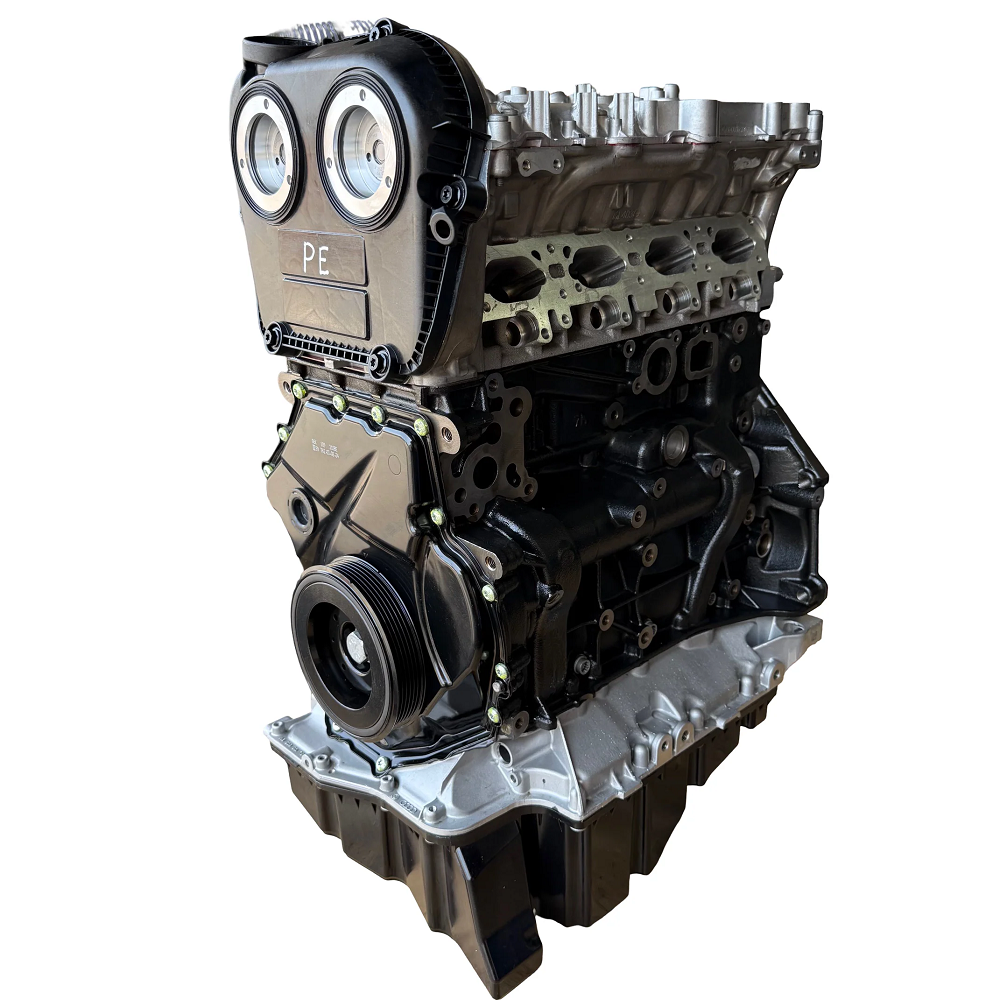
Benefits of a 2.0 4-Cylinder
The 2.0 4-cylinder engine offers numerous benefits that appeal to both drivers and manufacturers. Below are the key advantages:
- Fuel Efficiency: These engines consume less fuel than larger engines. They deliver excellent mileage, saving money on fuel costs.
- Cost-Effective Maintenance: This engine is straightforward in design, resulting in lower repair and maintenance costs.
- Compact Size: Its small size allows manufacturers to design lightweight and space-saving vehicles.
- Environmental Friendliness: The engine produces fewer emissions, meeting modern environmental standards efficiently.
- Power and Performance: With technologies like turbocharging and direct fuel injection, it balances power and efficiency.
- Versatility: It suits various types of vehicles, from everyday sedans to sporty cars.
- Reliability: The 2.0 4-cylinder engine is known for consistent performance over many years.
- Smooth Operation: The four-cylinder configuration minimizes vibrations, ensuring a more comfortable driving experience.
- Enhanced Durability: With regular maintenance, these engines deliver long-lasting and trouble-free performance.
In conclusion, the 2.0 4-cylinder engine combines efficiency, power, and reliability. Its compact form and advanced features make it a go-to choice in modern vehicles.
Performance Capabilities of 2.0 4-Cylinder
The 2.0 4-cylinder engine delivers an impressive combination of power and efficiency. Its performance capabilities suit a wide variety of vehicles, from compact cars to sports sedans. Here, we explore the factors that contribute to its performance and its real-world benefits.
Quick Acceleration
Many 2.0 4-cylinder engines are turbocharged, which significantly boosts power and acceleration. Turbocharging increases air intake, improving combustion and enabling faster acceleration. This feature allows smaller engines to rival the performance of larger ones.
High Horsepower Output
Despite its compact size, the 2.0 4-cylinder engine achieves a remarkable horsepower output. Depending on the make and model, these engines often deliver up to 200 horsepower or more. This makes them suitable for drivers seeking both speed and efficiency.
Superior Torque Delivery
Modern technologies, like turbocharging and direct fuel injection, optimize torque delivery. This ensures powerful pull at low RPMs, making the engine more responsive during city driving or when overtaking on highways.
Balanced Power and Efficiency
The 2.0 4-cylinder engine provides balanced performance. It blends reasonable power output with excellent fuel economy. Most models achieve exceptional miles per gallon ratings, saving fuel without compromising driving enjoyment.
Advanced Handling and Stability
The engine’s lightweight and compact design help improve vehicle handling and balance. Reduced weight allows for better weight distribution, enhancing stability and maneuverability. This feature makes the engine ideal for vehicles requiring precise handling.
Versatile for Multiple Applications
This engine is versatile enough for different vehicles, including economy cars, SUVs, and sporty models. Automakers often tune engines differently, tailoring performance for specific driving needs.
Smooth Driving Experience
The four-cylinder configuration minimizes engine vibrations, offering smoother and quieter rides. This enhances the overall driving experience, especially on long journeys.
High-End Durability
Quality materials boost the engine’s ability to handle extreme conditions. Proper maintenance helps sustain its performance over many years, even in demanding situations.
Overall, the 2.0 4-cylinder engine combines agility, efficiency, and power. Its versatility and advanced technology make it a preferred choice for daily commuting and dynamic driving. Car enthusiasts and everyday drivers often praise its impressive performance characteristics.
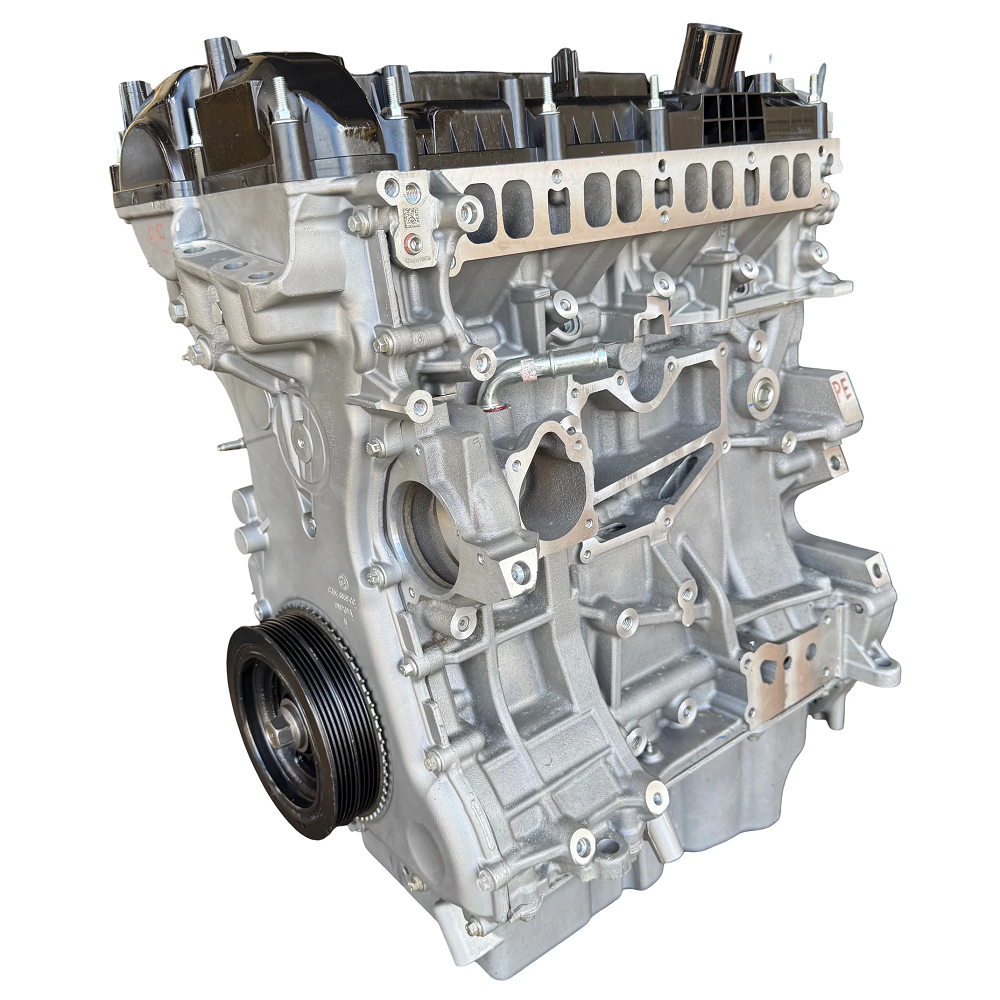
Popular Car Models Equipped with a 2.0 4-Cylinder
The 2.0 4-cylinder engine powers many popular and reliable vehicle models. Its balance of performance and efficiency makes it a favorite choice for manufacturers. Below are some widely recognized car models equipped with this engine.
Honda Civic
The Honda Civic is famous for its durability and fuel efficiency. Models featuring a 2.0 4-cylinder engine deliver smooth performance and responsive acceleration. Its lightweight design contributes to excellent handling, ideal for city driving.
Ford Escape
The Ford Escape compact SUV benefits from a 2.0 4-cylinder turbocharged engine. This engine offers a great mix of fuel efficiency and power, essential for SUVs. Drivers enjoy a comfortable ride and advanced handling capabilities.
Subaru Forester
Subaru equips the Forester with a reliable 2.0 4-cylinder flat engine design. This offers stability and smooth operations. Its durability and efficiency align perfectly with Subaru’s focus on long-lasting vehicles.
Hyundai Elantra
The Hyundai Elantra compact sedan features a 2.0 4-cylinder engine for urban and long-distance driving. It provides high fuel economy, making it affordable to operate daily. With modern technologies, it ensures low emissions and consistent performance.
Volkswagen Golf GTI
Volkswagen pairs its iconic Golf GTI with a turbocharged 2.0 4-cylinder engine. It offers sporty driving dynamics and lively acceleration. This model has earned a reputation for delivering a thrilling driving experience.
Mazda CX-5
The Mazda CX-5 compact SUV comes equipped with a 2.0 4-cylinder engine. Known for its agile handling and excellent fuel efficiency, it appeals to drivers seeking both comfort and sporty performance.
Toyota Corolla
The Toyota Corolla, a favorite among commuters, also utilizes a 2.0 4-cylinder engine. It is known for reliability, low maintenance costs, and high fuel economy—especially important for daily driving.
Kia Soul
Kia Soul combines a 2.0 4-cylinder engine with a unique and versatile design. This compact SUV offers a comfortable driving experience and decent efficiency.
Audi A4
Luxury meets efficiency in the Audi A4, featuring a turbocharged 2.0 4-cylinder engine. Drivers enjoy its refined performance, premium interiors, and superb handling.
These vehicles highlight the adaptability of the 2.0 4-cylinder engine. It serves various needs, from luxury sedans to sporty hatchbacks. This widespread application underlines the engine’s importance in modern automotive design.
Maintenance Tips for 2.0 4-Cylinder
Proper maintenance is essential for keeping your 2.0 4-cylinder engine running efficiently. Regular care extends the engine’s life and prevents costly repairs. Here are practical maintenance tips to ensure optimal performance:
1. Follow the Manufacturer’s Maintenance Schedule
Always adhere to the recommended maintenance schedule in your vehicle owner’s manual. It outlines essential services like oil changes, filter replacements, and system checks for the 2.0 4-cylinder engine.
2. Change Engine Oil Regularly
Ensure the engine oil is changed at regular intervals. Clean oil maintains lubrication and prevents wear on engine components. Use the manufacturer-recommended oil type and grade for best results.
3. Replace Air Filters
Clogged air filters reduce engine efficiency. Inspect and replace them as advised by the manufacturer.
4. Check and Replace Spark Plugs
Worn-out spark plugs can hurt engine performance. Replace them periodically for smooth operations.
5. Monitor the Cooling System
Ensure the cooling system is functioning correctly. Check coolant levels regularly for optimal engine temperature control.
6. Inspect Belts and Hoses
Examine belts and hoses for any signs of wear, cracks, or leaks. Replace them if needed.
7. Keep the Fuel System Clean
Use high-quality fuel to prevent carbon buildup. Consider periodic fuel injector cleaning for best performance.
8. Monitor the Exhaust System
Check for unusual noises, odors, or increased emissions. Address exhaust system issues promptly.
9. Avoid Engine Overheating
Prevent prolonged idling and ensure the radiator fan is working properly to avoid overheating.
10. Use Reliable Diagnostics
Invest in diagnostic tools or visit a trusted mechanic for regular engine checks. This helps identify potential issues early.
By following these maintenance tips, your 2.0 4-cylinder will perform efficiently for years. Proper care also ensures improved fuel efficiency and reduced emissions, benefiting both your wallet and the environment.
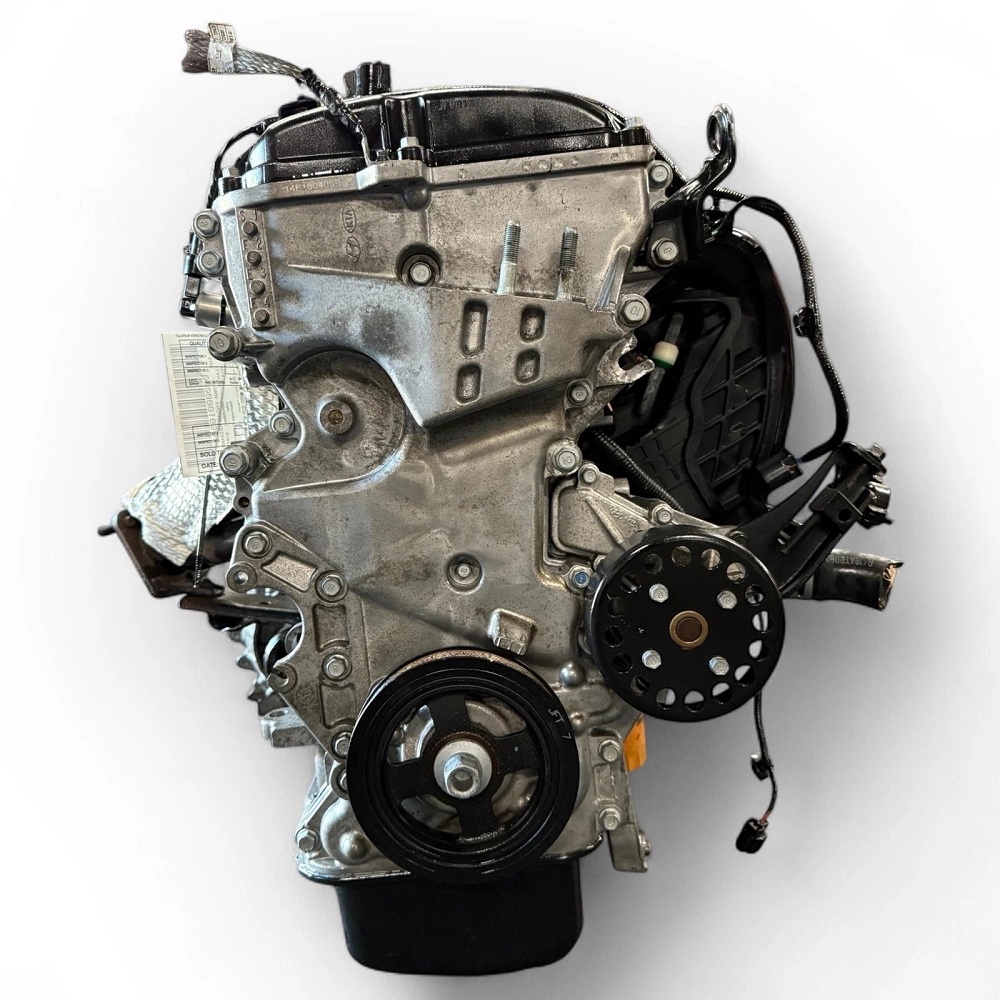
Common Issues and Troubleshooting for 2.0 4-Cylinder
The 2.0 4-cylinder engine is reliable, but issues can occur over time. Understanding common problems and how to address them can save time and money. Here are some frequent issues and troubleshooting steps:
1. Engine Overheating
- Problem: Overheating can result from low coolant, a faulty thermostat, or radiator issues.
- Solution: Check coolant levels, inspect the radiator, and replace a malfunctioning thermostat.
2. Reduced Fuel Efficiency
- Problem: Dirty fuel injectors or air filters can lower gas mileage.
- Solution: Clean or replace the fuel injectors and air filters periodically.
3. Knocking or Pinging Noise
- Problem: This may signal pre-ignition, bad spark plugs, or low-quality fuel.
- Solution: Replace spark plugs and ensure you use the recommended fuel.
4. Engine Misfire
- Problem: Faulty ignition coils, bad spark plugs, or clogged fuel injectors can cause misfires.
- Solution: Inspect and replace ignition parts or clean fuel injectors.
5. Timing Belt or Chain Failure
- Problem: A worn-out timing belt or chain can damage engine components.
- Solution: Replace timing belts or chains according to manufacturer guidelines.
6. Oil Leaks
- Problem: Oil leaks can result from worn gaskets, seals, or a damaged oil pan.
- Solution: Inspect and repair leaks promptly to avoid engine damage.
7. Rough Idling
- Problem: This could indicate a dirty throttle body or malfunctioning sensors.
- Solution: Clean the throttle body and check sensors for faults.
8. Check Engine Light
- Problem: The light can illuminate due to various issues, including oxygen sensors or engine misfires.
- Solution: Use a diagnostic tool to identify and address errors promptly.
9. Poor Acceleration
- Problem: Dirty mass airflow sensors or clogged catalytic converters can reduce engine performance.
- Solution: Clean or replace affected components for smoother acceleration.
10. Excessive Oil Consumption
- Problem: Worn piston rings or valve seals may cause the engine to burn oil.
- Solution: Inspect and repair these components if oil levels drop frequently.
Regular maintenance is key to preventing these issues in your 2.0 4-cylinder engine. Following the manufacturer’s guidelines and addressing problems quickly will help maintain performance and extend your engine’s lifespan.
Leave a Reply