
Introduction to Ford EcoBoost Engines
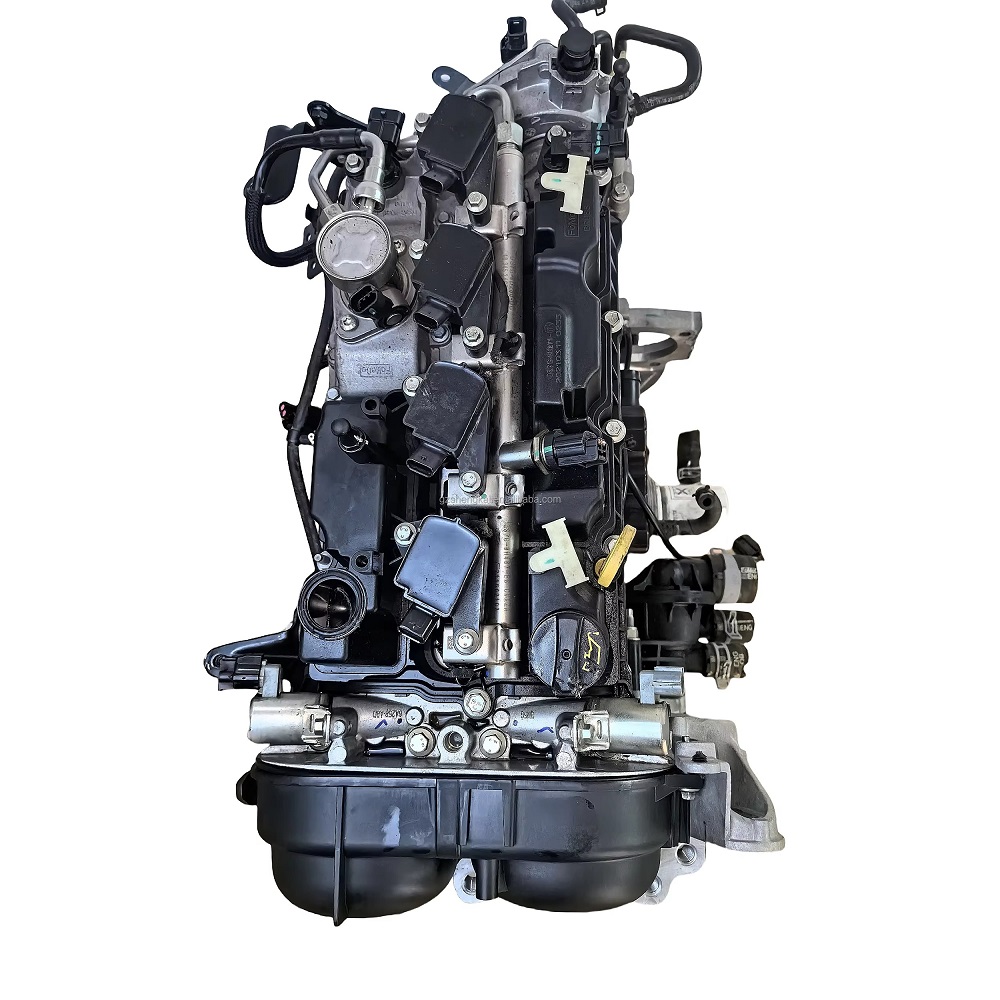
Ford EcoBoost engine 4-cylinder is designed to enhance performance while improving fuel efficiency. These engines combine turbocharging, direct fuel injection, and advanced design to create a powerful and efficient driving experience. With a wide range of applications, they deliver the perfect balance of power and eco-friendliness. Their benefits appeal to both eco-conscious drivers and those seeking enhanced engine performance.
What is the EcoBoost technology?
EcoBoost technology combines three core innovations. Turbocharging increases the engine’s power by forcing more air into the combustion chamber. Direct fuel injection delivers fuel precisely where it is needed, improving efficiency. Advanced engine design optimizes the size and weight of the components. This technology allows smaller engines, like the 4-cylinder Ford EcoBoost engine, to deliver impressive power without compromising fuel economy. It represents a significant leap forward in engine development, offering both strong performance and cleaner emissions.

Benefits of EcoBoost engines
EcoBoost engines provide several key advantages. First, they offer exceptional fuel efficiency compared to traditional engines. This is achieved through a combination of turbocharging and precise fuel management. Second, they deliver impressive power output for their size, making them suitable for a wide range of vehicles. Third, EcoBoost engines produce lower emissions, supporting environmental sustainability. Additionally, their compact design creates more space under the hood, allowing for innovative vehicle designs. These advantages make 4-cylinder Ford EcoBoost engines a popular choice in modern automotive engineering.
Overview of 4-Cylinder Ford EcoBoost Engines
The 4-cylinder Ford EcoBoost engines stand out for their balance of power and efficiency. Smaller yet powerful, these engines are engineered to maximize performance while minimizing fuel consumption. They are highly versatile and suitable for a range of vehicles, delivering reliability and innovation in modern automotive engineering.
Key features of 4-cylinder EcoBoost engines
- Turbocharged performance: Turbocharging dramatically boosts the engine’s power by increasing airflow into the cylinders. This results in stronger acceleration and a more dynamic driving experience.
- Direct fuel injection technology: Precise fuel delivery enhances efficiency and ensures optimal combustion, reducing fuel waste and maximizing output.
- Compact design: The smaller footprint of 4-cylinder EcoBoost engines frees up space under the hood, allowing for improved vehicle architecture and lightweight designs.
- Fuel efficiency: These engines are designed to deliver exceptional mileage without sacrificing power.
- Durability: Built with advanced materials and engineering, they promise longevity and reliability for everyday use.
Comparison of EcoBoost variants
Ford EcoBoost engines come in different cylinder configurations, including 3-cylinder, 4-cylinder, and larger versions.
- Power output differences: While the 4-cylinder variant provides a great balance of power and efficiency, larger variants like the 6-cylinder offer higher horsepower and torque suitable for bigger vehicles.
- Fuel efficiency: Smaller EcoBoost engines, such as the 3-cylinder, excel in fuel economy. The 4-cylinder provides optimal efficiency while maintaining impressive performance.
- Application versatility: 4-cylinder EcoBoost engines are commonly found in mid-size cars and SUVs. Larger EcoBoost variants are more suited for trucks and high-performance cars.
- Emission levels: Regardless of their size, EcoBoost engines help lower harmful emissions compared to traditional engines, making them environmentally friendly.
The 4-cylinder EcoBoost engine remains the most popular choice for its balance of efficiency, power, and versatility. These engines highlight Ford’s commitment to innovative technological solutions that meet modern driving needs.

Performance and Efficiency of 4-Cylinder EcoBoost Engines
Ford’s 4-cylinder EcoBoost engines are known for their impressive performance and efficiency. They offer the ideal blend of power output and fuel consumption, delivering a thrilling and practical driving experience. Let’s explore their fuel efficiency, power output, and how EcoBoost technology improves performance.
Fuel efficiency and power output
The 4-cylinder Ford EcoBoost engine excels in both fuel efficiency and power. Turbocharging and direct fuel injection optimize the combustion process, achieving remarkable mileage without compromising performance. This design allows smaller engines to deliver power akin to larger ones, making them suitable for diverse driving needs.
Key points on fuel efficiency and power output:
- Turbocharging advantage: Boosts engine power by increasing air intake, resulting in better acceleration.
- Smart fuel injection: Precise fuel delivery enhances efficiency and minimizes wastage.
- Optimal balance: Provides sufficient horsepower while maintaining excellent fuel economy.
These innovations make the EcoBoost engine a top choice in its segment.
How EcoBoost enhances performance
EcoBoost engines are engineered for dynamic performance. The combination of turbocharging and advanced engine design ensures responsive acceleration and a smoother driving experience. High torque availability at lower RPMs contributes to this remarkable capability.
Key points on enhanced performance:
- Turbocharged boost: Increases torque, delivering a quicker and stronger drive.
- Compact design benefits: Less weight means agile handling and improved speed.
- Innovative engineering: Advanced materials increase durability and output.
These technologies exemplify Ford’s commitment to innovation, making 4-cylinder EcoBoost engines reliable for both casual and high-performance drivers.
Applications in Ford Vehicles
The 4-cylinder Ford EcoBoost engines are celebrated for their versatility and practicality. They offer a combination of power, fuel efficiency, and eco-friendliness, making them ideal for various vehicle models. Ford has widely incorporated these engines throughout its lineup, enhancing the driving experience while reducing environmental impact.
Vehicles equipped with 4-cylinder EcoBoost engines
Ford has installed 4-cylinder EcoBoost engines in many of its vehicles, ranging from compact cars to SUVs. Some of the most popular models featuring these engines include:
- Ford Escape: The 4-cylinder EcoBoost engine powers this SUV, delivering fuel efficiency and excellent performance for city and highway driving.
- Ford Fusion: This sedan benefits from the EcoBoost engine’s combination of power and fuel savings.
- Ford Mustang (EcoBoost variant): The 4-cylinder engine in the Mustang EcoBoost offers sporty performance with impressive fuel efficiency.
- Ford Edge: A midsize SUV with the EcoBoost engine for balanced performance and reduced emissions.
- Ford Explorer: This iconic SUV employs the 4-cylinder EcoBoost engine in some variants for better mileage.
- Ford Maverick: This new compact pickup truck uses the EcoBoost engine to deliver versatile performance and efficiency.
These models exemplify Ford’s commitment to providing customers with innovative options across its vehicle range.
Best models utilizing the EcoBoost technology
While many Ford vehicles showcase the 4-cylinder EcoBoost engine, some models stand out for their success with this technology:
- Ford Mustang EcoBoost: Known for blending thrilling performance with everyday practicality, this model is highly praised. Its turbocharged engine offers a satisfying driving experience without sacrificing fuel economy.
- Ford Escape: As a family-friendly SUV, it highlights how EcoBoost engines can transform a compact design into a powerful and efficient vehicle.
- Ford Maverick: The Maverick’s EcoBoost engine enhances its role as a multitasking compact pickup. It’s efficient yet powerful, suitable for daily work and leisure.
- Ford Fusion: This vehicle demonstrates how the EcoBoost technology turns a mid-size sedan into a fuel-efficient powerhouse.
These models reflect Ford’s ability to achieve cutting-edge performance and eco-conscious engineering. The widespread application of the 4-cylinder EcoBoost engine underscores its success as a key player in modern transportation solutions.
Maintenance and Reliability of EcoBoost Engines
Proper maintenance is key to ensuring the reliability of 4-cylinder Ford EcoBoost engines. With regular care, these engines can deliver consistent performance and longevity. Despite their advanced technology, they require attention to specific components due to their turbocharged design and direct injection system.
Common maintenance practices
Routine maintenance helps maintain the efficiency and reliability of EcoBoost engines. Key practices include:
- Regular oil changes: Turbocharged engines subject oil to high stress. Use the recommended oil and replace it every 5,000 to 7,500 miles.
- Inspect the air filter: A clean air filter improves engine performance. Replace it as per the vehicle’s maintenance schedule.
- Turbocharger care: Let the engine idle for a minute after driving to cool the turbocharger. It prevents premature wear.
- Spark plug replacement: Change spark plugs at regular intervals for optimal engine performance.
- Fuel system cleaning: Use fuel system cleaners occasionally to prevent carbon buildup in direct injection engines.
By adhering to these practices, you can enhance engine durability and reduce the risk of costly repairs.
Known issues and solutions
While reliable, 4-cylinder EcoBoost engines may face certain issues over time. Awareness of these problems helps with timely solutions:
- Carbon buildup: Direct injection can cause carbon deposits on intake valves. Regular fuel system cleaning helps manage this.
- Coolant leaks: Some engines may develop coolant leaks. Regular inspections can help detect and address leaks early.
- Timing belt wear: Over time, the timing belt can wear down. Replace it as recommended by the owner’s manual.
- Turbo lag: Turbochargers may experience lag. Regular maintenance ensures the turbocharger functions effectively.
- Overheating risks: Efficient cooling system maintenance prevents overheating.
It’s essential to take proactive care of these potential issues to avoid significant mechanical failure. Prompt response to warning signs like engine misfires, reduced power, or fluid leaks ensures a long-lasting, reliable engine performance.
Upgrading and Tuning 4-Cylinder EcoBoost Engines
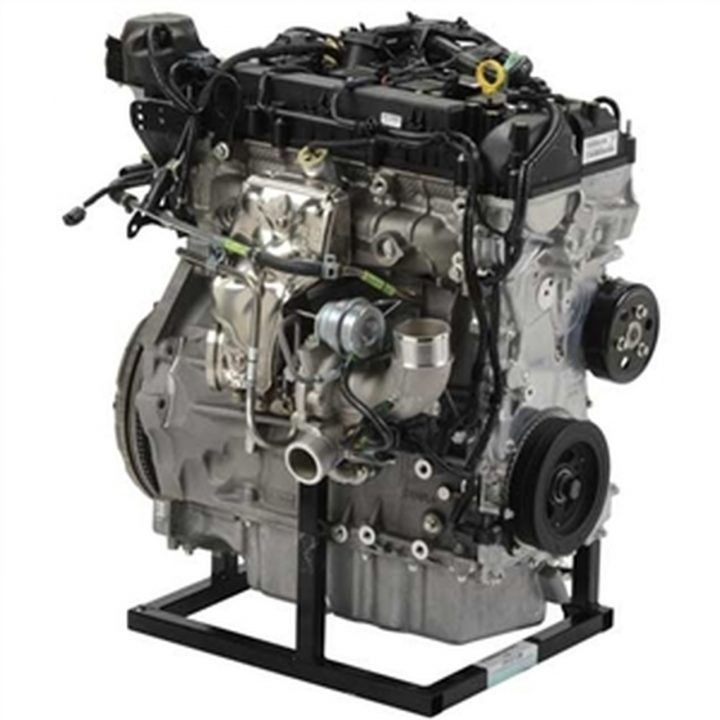
The 4-cylinder Ford EcoBoost engine is a remarkable blend of efficiency and power. Enthusiasts often seek to enhance their EcoBoost engines for even better performance. With the right upgrades and tuning techniques, these engines can deliver superior speed, power, and fuel efficiency.
Tips for tuning EcoBoost engines
Tuning a 4-cylinder Ford EcoBoost engine requires a methodical approach. Here are some essential tips to follow:
- Choose the right tuner: Use an experienced tuner who knows the specifics of EcoBoost engines.
- Use quality parts: Invest in reliable performance parts for successful and enduring upgrades.
- Upgrade the ECU: Custom tuning the Engine Control Unit (ECU) increases power output safely.
- Maintain proper cooling: Upgraded engines often generate more heat. Install a high-performance radiator.
- Monitor engine health: Use monitoring tools to track engine performance and prevent damage.
- Use high-octane fuel: Premium fuel supports optimal performance for tuned EcoBoost engines.
Applying these practices ensures efficient and safe tuning, allowing you to make the most of your engine’s potential.
Performance upgrades and modifications
Performance upgrades can dramatically enhance the capabilities of your 4-cylinder Ford EcoBoost engine. Here are popular modifications to consider:
- Cold air intake: Improves airflow to the engine, boosting horsepower and torque.
- Upgraded turbocharger: Increases power output and acceleration capacity.
- High-flow exhaust system: Reduces backpressure, enhancing engine performance and sound.
- Intercooler upgrade: Lowers intake air temperature, improving overall efficiency and power.
- Performance tuning chips: Optimize the ECU for higher performance outputs.
- Improved fuel injectors: Provide better fuel delivery for additional power.
- Stronger internal components: Upgrade pistons, rods, and gaskets for better durability.
These upgrades require careful selection and professional installation. When done right, they can significantly improve your vehicle’s performance.
Upgrading and tuning your Ford EcoBoost engine 4-cylinder opens the door to enhanced speed, power, and efficiency. Always prioritize safety and reliability when exploring modifications.
EcoBoost Engines and Environmental Impact
The Ford EcoBoost engine 4-cylinder demonstrate significant benefits for the environment. They reflect Ford’s commitment to creating cleaner and greener vehicles.
EcoBoost’s contribution to reducing emissions
Ford’s EcoBoost engines are designed to minimize harmful emissions without sacrificing performance. Here’s how they achieve it:
- Optimized combustion process: Direct fuel injection ensures efficient fuel use, reducing wasted fuel and lowering emissions.
- Smaller engine size: These engines produce less carbon dioxide compared to larger conventional engines.
- Improved fuel efficiency: The fuel-saving features of the 4-cylinder EcoBoost engine result in reduced greenhouse gas emissions.
- Turbocharging benefits: Turbochargers enhance power without increasing engine displacement, reducing fuel consumption and emissions.
- Reduced dependency on larger engines: Despite their smaller size, they offer performance comparable to larger engines while remaining eco-friendly.
These features make the EcoBoost engines an environmentally conscious choice for drivers who care about the planet.

Comparison with traditional engine technologies
When compared to traditional engines, 4-cylinder EcoBoost engines stand out for their environmental and performance advantages:
- Higher fuel economy: Traditional engines are less efficient in converting fuel into energy, resulting in higher consumption.
- Lower emissions: Standard engines emit more harmful pollutants, while EcoBoost technology reduces carbon output.
- Smaller carbon footprint: Traditional engines typically consume more resources and produce more waste over their lifecycle.
- Modern design advantages: EcoBoost engines are more advanced, leading to fewer harmful byproducts during operation.
- Support for sustainable driving: By combining stronger performance and lower emissions, EcoBoost engines are tailored for a greener lifestyle.
These advantages highlight the sustainable engineering of Ford’s 4-cylinder EcoBoost engines, making them a considerable choice for eco-conscious drivers. Ford is paving the way for a future that prioritizes environmental health while delivering efficient automotive performance.
Leave a Reply