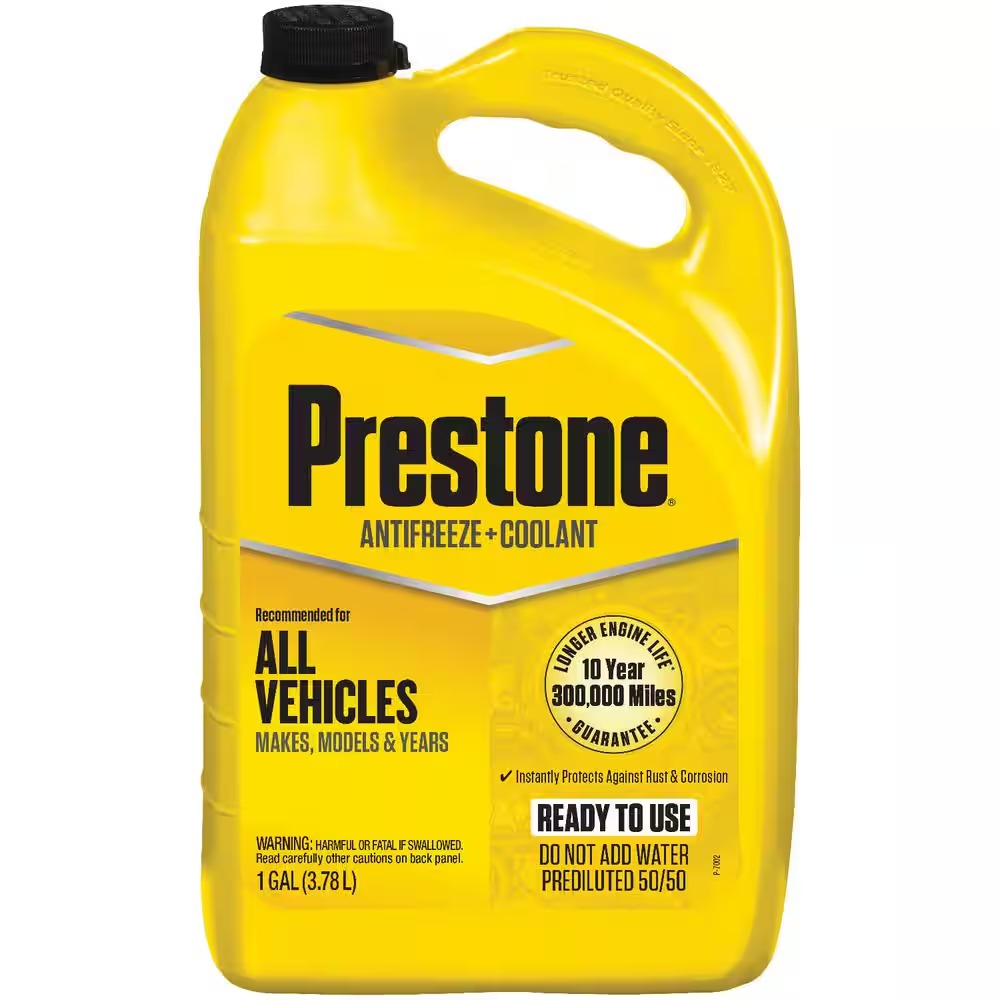
What is Coolant and Its Role in a Car?
Definition and composition of coolant
Coolant is a fluid used in a car’s cooling system. It helps regulate engine temperature and prevents overheating. Coolant car is typically a mix of water and chemical compounds, such as ethylene glycol or propylene glycol. These compounds lower the freezing point and raise the boiling point of the fluid. Some coolants also include additives to prevent rust, corrosion, and scaling in the engine and cooling system.
How coolant works in maintaining engine temperature
The coolant circulates through the engine and absorbs heat generated during operation. It then passes through the radiator, where the heat dissipates into the air, cooling the fluid again. This process maintains an optimal temperature in the engine. Coolant keeps the engine from overheating in hot conditions and prevents freezing in colder weather. By efficiently transferring heat away from the engine, coolant ensures the vehicle runs smoothly and prevents damage.
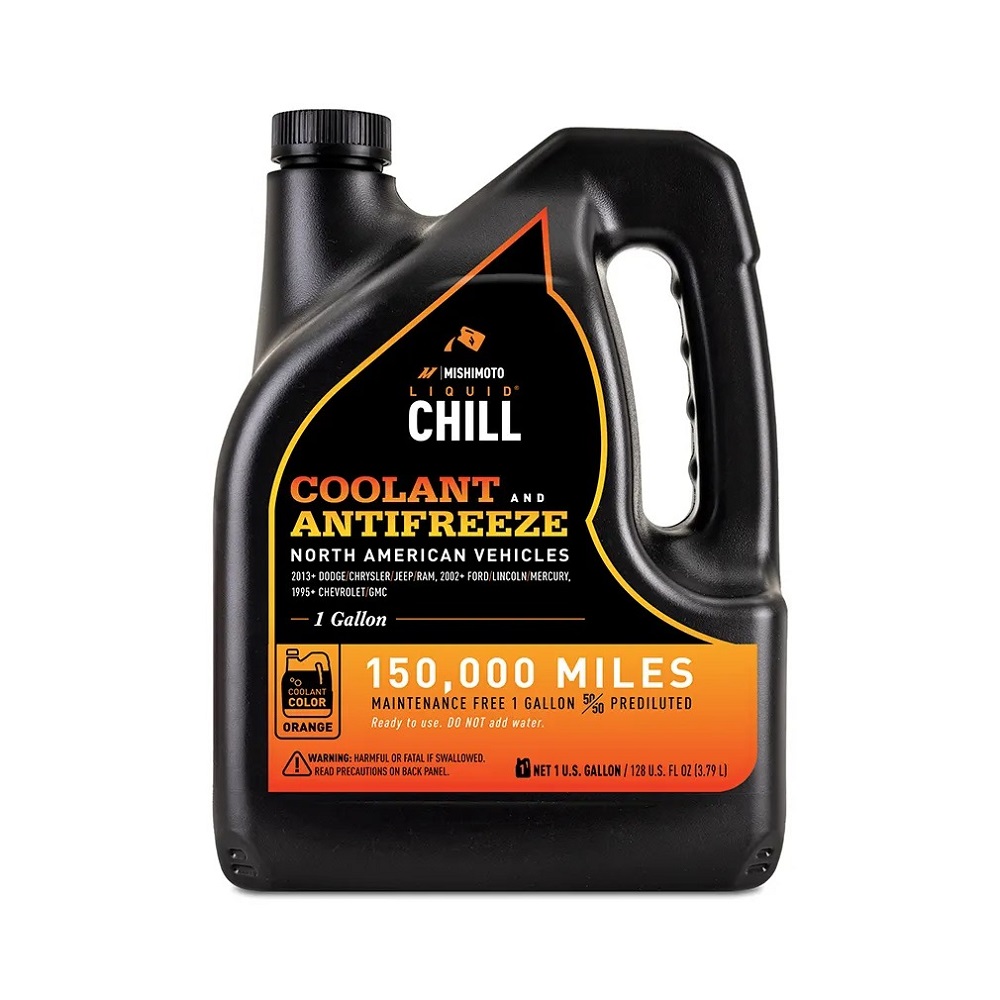
Why Coolant is Essential for Your Car?s Performance
Coolant plays a vital role in ensuring your car operates efficiently and reliably. Without proper coolant, your car’s performance and engine longevity can be severely impacted. Below are three key reasons why coolant is essential:
Preventing engine overheating
Coolant helps prevent engine overheating, especially during hot weather or while driving long distances. The engine generates extreme heat during operation, which can damage components if not managed. Coolant absorbs and transfers this heat to the radiator, where it dissipates into the air. A well-maintained cooling system ensures your engine stays at a safe and optimal temperature.
Avoiding corrosion and rust in the cooling system
Quality coolant contains additives that prevent rust and corrosion inside the cooling system. Rust and corrosion can damage vital components like the radiator, water pump, and hoses. Over time, these issues can lead to leaks or blockages, which reduce the efficiency of the cooling system. Using the right type of coolant ensures the cooling system remains free of harmful buildup.
Enhancing engine efficiency
A properly cooled engine operates more efficiently, consuming less fuel and producing fewer emissions. Coolant ensures the engine maintains a stable temperature, which allows it to function optimally. By keeping the engine cool, the coolant also helps reduce wear and tear, extending the life of the engine and other components. Efficient cooling contributes to smoother and more economical driving.
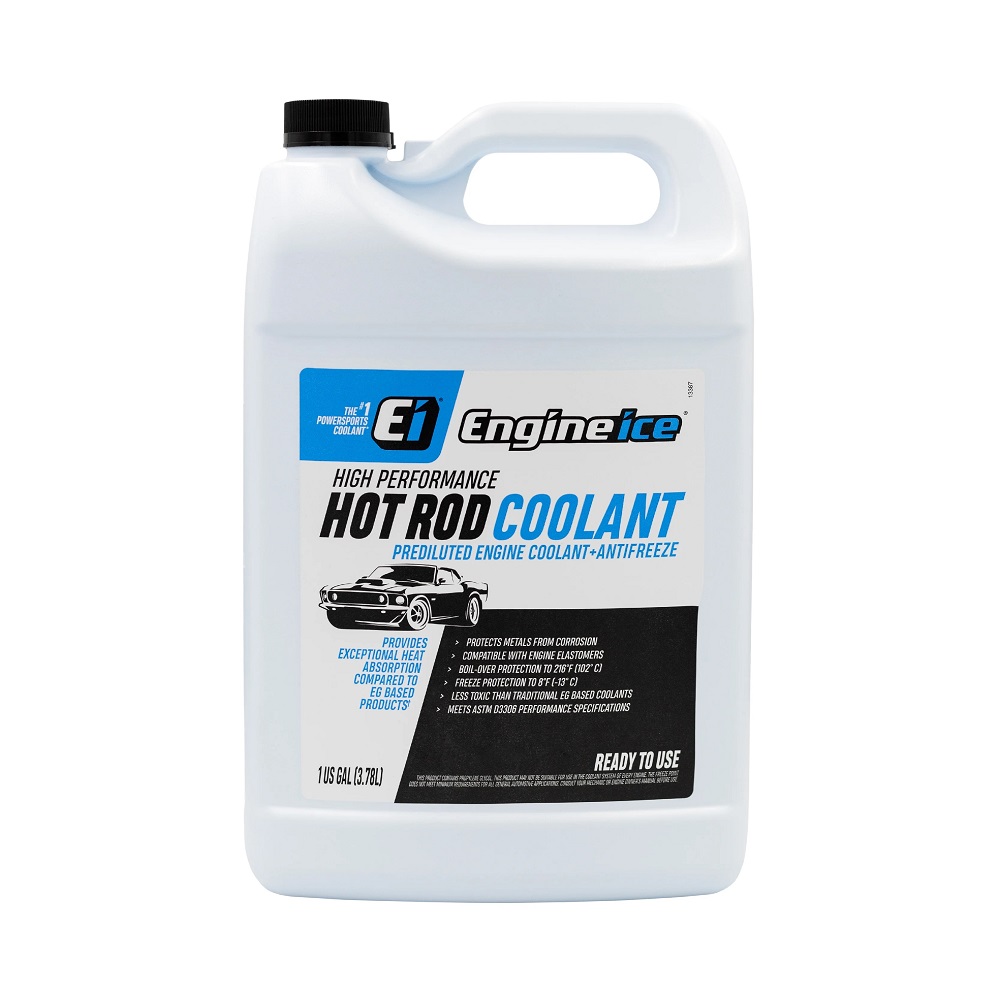
Types of Coolants Available for Cars
Coolant comes in various types, each designed to meet specific vehicle requirements. Choosing the right coolant is crucial to ensure optimal performance and durability of your car’s engine.
Traditional vs. Organic Coolants
Traditional Coolants:
- These are usually made from inorganic additives like silicates, phosphates, or nitrates.
- They are effective at preventing rust and corrosion in metal components.
- Typically used in older vehicles equipped with copper or aluminum parts.
- Require frequent replacements compared to organic coolants.
- Commonly referred to as Inorganic Additive Technology (IAT).
Organic Coolants:
- Known as Organic Acid Technology (OAT).
- Contain organic acids that provide better corrosion protection for modern engine materials.
- Suitable for newer cars made with aluminum and lighter metals.
- More durable and have extended replacement intervals.
- Typically used in vehicles designed for advanced cooling systems.
Hybrid Coolants:
- Mix of traditional and organic technology. Often called Hybrid Organic Acid Technology (HOAT).
- Provide balanced protection against corrosion and wear.
- Compatible with a wider range of vehicle models.
- Generally last longer than traditional coolants.
Understanding Coolant Colors and Their Significance
Coolants come in various colors, which signify their type and chemical composition. Here’s what you need to know:
- Green: Commonly represents traditional IAT coolants, used in older car models.
- Orange: Indicates OAT coolants, frequently used in newer vehicles.
- Yellow or Gold: Specifies HOAT coolants, typically seen in a variety of car models.
- Pink or Red: May represent specialized organic coolants found in specific brands.
- Blue: Sometimes associated with premium coolants designed for specific cars.
When selecting a coolant, it’s essential to understand your vehicle manufacturer’s requirements. Mixing incompatible coolant types can damage the engine and cooling system. If unsure, consult your vehicle’s manual or seek professional advice.
By understanding the types and colors of coolants, car owners can make informed decisions. The right choice keeps your car running efficiently while protecting its critical components.
How to Check and Maintain Your Car?s Coolant Levels
Proper maintenance of your car’s coolant system is crucial for optimal engine performance. Monitoring coolant levels and ensuring the cooling system operates efficiently can help prevent overheating and potential damage. Below are key aspects to keep in mind.
Frequency of checking coolant levels
- Check coolant levels regularly: Check the coolant every one to two months or before long trips.
- Follow the car manual: Refer to the owner’s manual for specific recommendations on inspection frequency.
- Seasonal checks: Pay extra attention during extreme weather conditions, such as summer or winter.
Maintaining appropriate coolant levels ensures the engine runs at the right temperature, avoiding unnecessary strain.
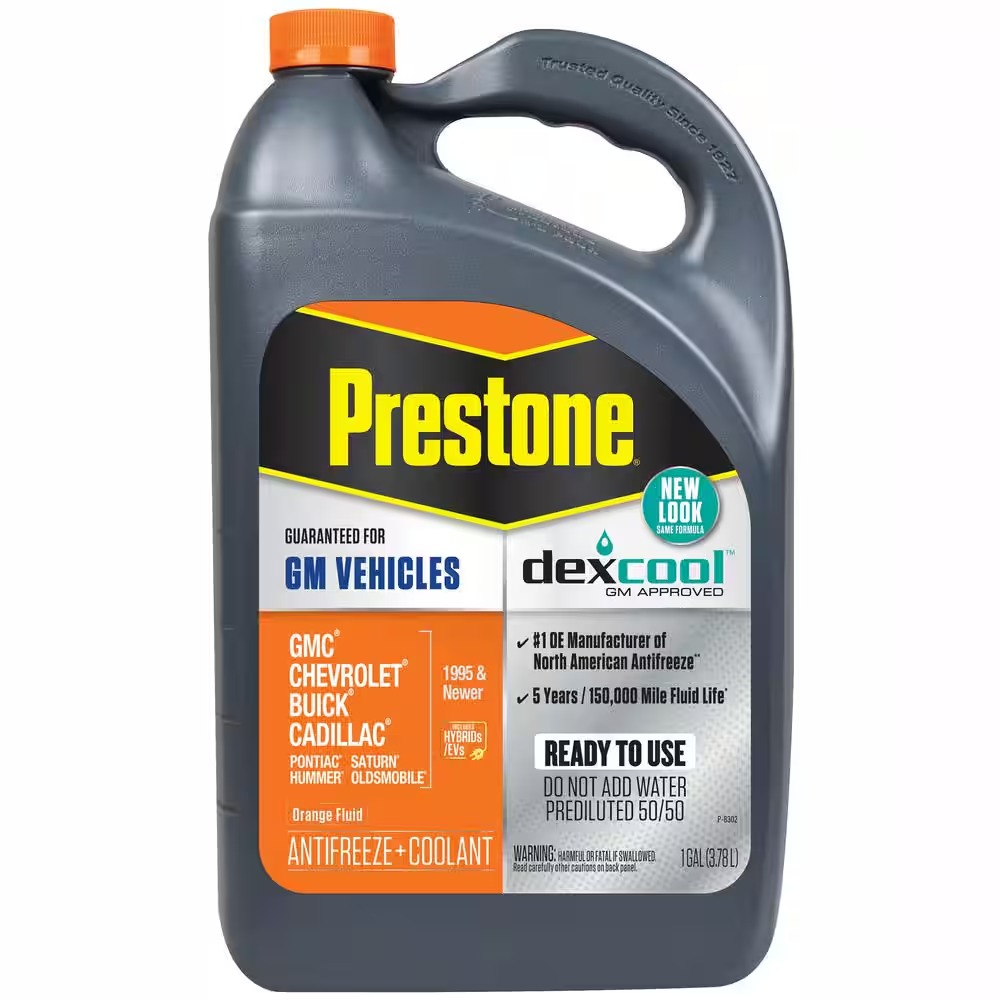
Steps to check coolant levels safely
Checking coolant levels is simple, but safety precautions are important to prevent injuries.
- Start with a cool engine: Wait for the engine to cool down completely before opening the radiator cap.
- Locate the coolant reservoir: Find the clear plastic reservoir marked with “MIN” and “MAX” levels.
- Inspect the levels: Ensure the coolant is between the “MIN” and “MAX” marks.
- Add coolant if needed: If the level is low, top it off with the correct type of coolant.
- Close the cap securely: Ensure the radiator or reservoir cap is tightly closed to prevent leaks.
Always use the specified coolant for your car to avoid damaging the cooling system.
Signs of a coolant issue in your car
Identifying coolant problems early can save you from costly repairs. Look out for these signs:
- Overheating engine: A temperature gauge in the red zone indicates overheating.
- Low coolant levels: Frequent drops in coolant levels may suggest leaks.
- Coolant leaks: Puddles under your car, often green, orange, or pink, signal a leakage.
- Rusty or dirty coolant: Discolored coolant indicates contamination that reduces effectiveness.
- Steam from the engine: Steam escaping shows that the engine is overheating or the coolant is boiling.
Addressing these issues promptly ensures your cooling system functions efficiently and prevents engine damage.
By regularly checking and maintaining coolant levels, you can enhance your car’s performance and avoid unexpected breakdowns.
The Consequences of Using Inadequate or Old Coolant
Using inadequate or old coolant can have significant negative effects on your vehicle’s performance and longevity. Let’s explore how it can impact key components of your car.
Potential damage to the engine
- Overheating risks: Old or low-quality coolant fails to effectively regulate engine temperature. This can lead to overheating, causing severe damage to the engine. Overheated engines are prone to warped or cracked components like the cylinder head and engine block.
- Engine wear and tear: Degraded coolant loses its anti-corrosion properties. This increases the risk of rust and scaling inside the engine, which can lead to clogs and uneven heat distribution. These issues contribute to faster wear and reduce the engine’s lifespan.
- Combustion chamber problems: An overheated engine can lead to issues like pre-ignition or engine knocking. Prolonged knocking can cause permanent damage to internal components such as pistons and valves.
Impact on the radiator and cooling system
- Clogging and blockage: Old coolant can accumulate contaminants, leading to clogging in the radiator and cooling system. This reduces coolant flow, making it harder to manage engine temperature effectively.
- Rust and corrosion: Inadequate or degraded coolant fails to protect metal components. Corrosion weakens the radiator, water pump, and hoses, potentially causing leaks and failures.
- Reduced efficiency of the cooling system: When the coolant becomes old, it loses its thermal and chemical properties. This reduces the efficiency of heat transfer, compromising the entire cooling system.
- Coolant leaks: Old coolant may cause rubber seals in the cooling system to degrade, leading to leaks. Leaking coolant means a loss of the necessary fluid to regulate engine temperature.
Using the wrong type or old coolant can lead to preventable damage. Regularly check and replace your car’s coolant as per the manufacturer’s recommendations. Always use the right coolant to avoid costly repairs and keep your car running efficiently for a long time.
Choosing the Right Coolant for Your Vehicle
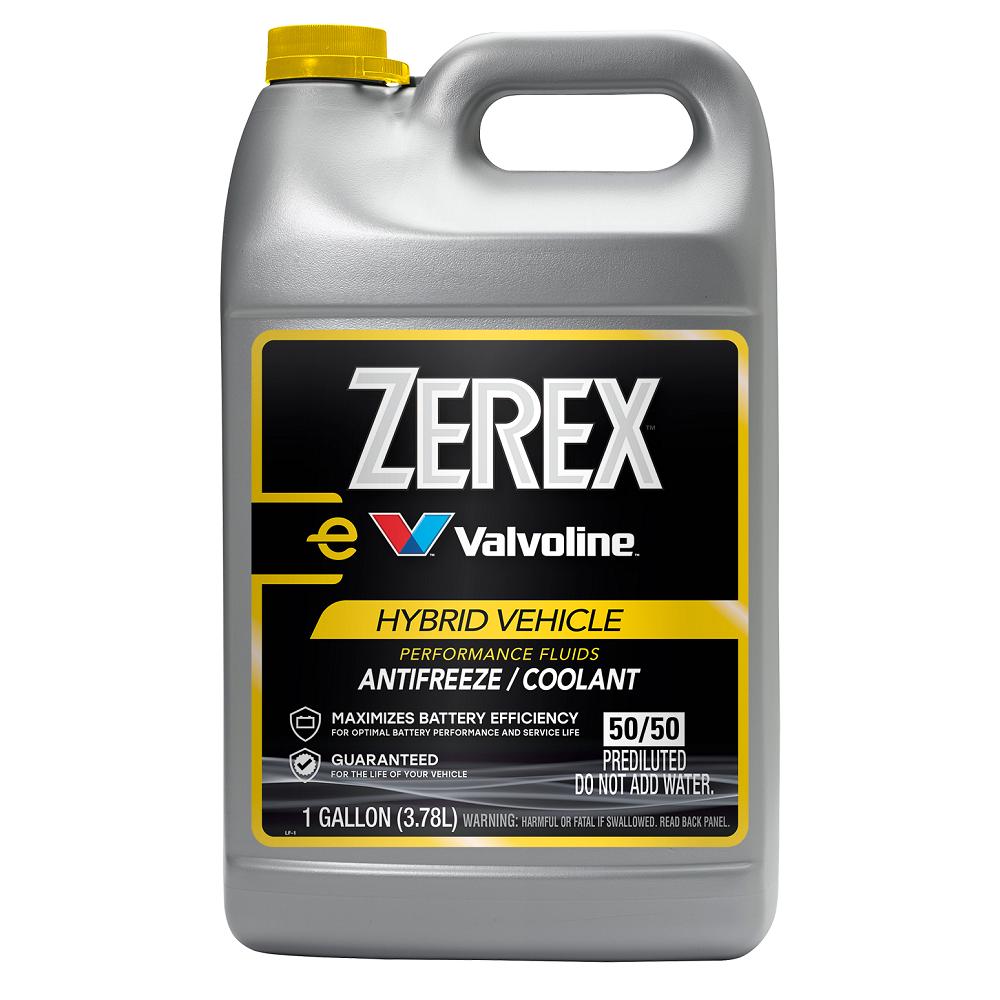
Selecting the correct coolant is crucial to keep your car running efficiently. It ensures proper engine cooling and prevents potential damage to your vehicle’s cooling system. Knowing the right factors to consider and following vehicle manual guidelines can save time and money while enhancing your car’s performance.
Factors to consider when selecting a coolant
When choosing a coolant for your car, consider these important factors:
- Manufacturer specifications: Always use the coolant type recommended by your car manufacturer. This ensures compatibility and effective performance.
- Vehicle age: Older cars often require traditional inorganic additive coolants (IAT), while newer models are designed for organic acid technology (OAT) or hybrid organic acid technology (HOAT) coolants.
- Climate conditions: In extremely cold or hot climates, a coolant with better temperature protection is necessary to maintain engine performance.
- Material compatibility: Ensure the coolant works well with the materials in your car’s engine, such as aluminum or cast iron.
- Additives: Check for additives that prevent rust, scaling, and corrosion in the cooling system.
- Mixing ratios: Some coolants require mixing with water, while others come pre-mixed for direct use. Read the label carefully to avoid improper concentration.
Importance of consulting the vehicle manual
The vehicle manual provides exact details about the coolant requirements for your car. Here’s why it matters:
- Specifies coolant type: It will indicate the right type of coolant (IAT, OAT, or HOAT) for your car.
- Provides mixing instructions: Some coolants need a specific water-to-coolant ratio. The manual offers precise guidelines.
- Prevents system damage: Following the manual ensures compatibility and avoids issues like corrosion, leaks, or blockages.
- Preserves warranty: Using the incorrect coolant may void your vehicle’s warranty, leading to extra costs.
- Extends engine life: The right coolant ensures optimal engine performance and prevents premature wear and tear.
In short, choosing the right coolant involves understanding your car’s requirements and environmental needs. Consult the owner’s manual for detailed recommendations to avoid potential problems and ensure reliable performance from your vehicle. Always prioritize quality when selecting a coolant for better protection against overheating, corrosion, and overall engine wear.
When to Replace or Flush the Coolant System
Maintaining your car’s coolant system is crucial for its longevity and performance. Replacing and flushing the coolant system at appropriate intervals ensures the system works efficiently and prevents engine damage. Here’s what you need to know.
Recommended intervals for coolant replacement
- Check the vehicle manual: Follow your car manufacturer’s guidelines for coolant replacement intervals.
- Typical replacement time: Generally recommended every 30,000 to 60,000 miles or every 2 to 5 years.
- Frequent short trips: Replace the coolant more often if you drive short distances frequently.
- Visual inspection: Check the color and consistency of the coolant; discolored or thickened coolant needs replacement.
- Notice warning signs: Replace coolant if the engine overheats or you detect leaks in the system.
Regular replacement helps maintain the coolant’s chemical properties and ensures efficient cooling of the engine.
Benefits of replacing or flushing the system
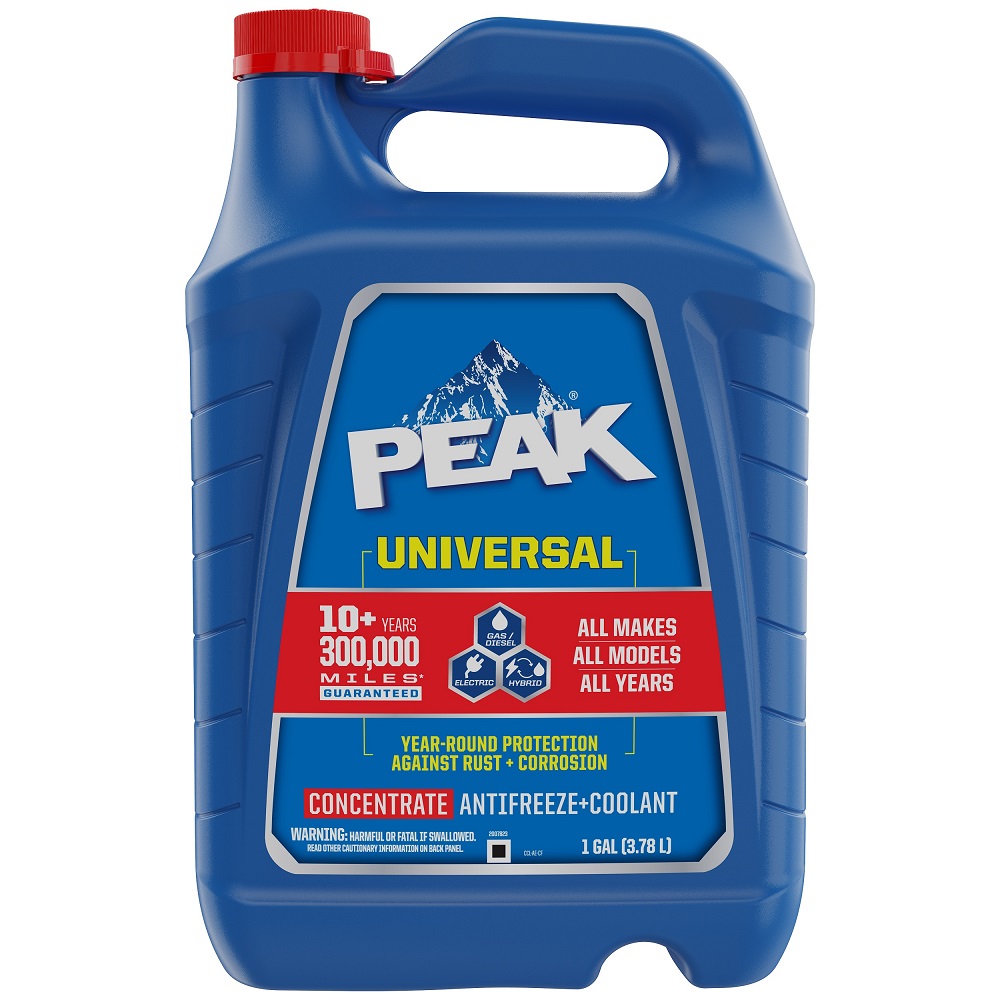
- Prevents overheating: Fresh coolant ensures optimal temperature control and prevents engine overheating.
- Removes contaminants: Flushing removes rust, debris, and deposits that build up in the system over time.
- Restores cooling efficiency: Clean coolant improves heat transfer and maintains stable engine temperatures.
- Enhances engine life: Proper coolant prevents corrosion and wear, extending the engine’s lifespan.
- Avoids costly repairs: Early replacement or flushing prevents major damage to the engine and cooling system.
Replacing or flushing your coolant system at recommended intervals is an essential part of car maintenance. It ensures a smooth-running cooling system and helps you avoid unexpected breakdowns or repairs.
Common Coolant System Problems and How to Solve Them
Your car’s coolant system is essential for maintaining engine temperature. However, problems can arise, and knowing how to address them is critical. Below are common issues and practical solutions to maintain a healthy coolant system.
Leak detection and fixes
Detecting and fixing coolant leaks quickly helps prevent serious damage to your car’s engine.
- Look for visible leaks: Check under your vehicle for puddles of colored liquid, such as green, orange, or pink.
- Inspect the components: Examine the radiator, hoses, water pump, and seals for cracks or damage.
- Monitor coolant levels: Frequent drops in coolant levels suggest a possible leak in the system.
- Use a pressure tester: A pressure tester helps locate leaks in hard-to-reach areas within the coolant system.
- Replace damaged parts: If leaks are found, replace worn-out seals, hoses, or other damaged components promptly.
- Use a stop-leak product: Temporary fixes like stop-leak solutions can seal small leaks but are not permanent.
Regular inspections can help prevent major leaks. Always address leaks immediately to avoid engine overheating or damage.
Dealing with contaminated or low coolant levels
Contaminated or low coolant levels reduce cooling system efficiency and can harm your engine.
- Identify contamination: Check if the coolant appears rusty, discolored, or contains debris. This indicates contamination.
- Flush the system: Drain the old, dirty coolant and flush the system with fresh water to remove debris.
- Add the proper coolant: Refill the system with the right coolant specified for your vehicle.
- Check for frequent drops: If levels keep falling, there may be a leak or underlying issue.
- Inspect for gasket damage: A faulty head gasket can mix engine oil with coolant. Have it checked professionally.
Regularly monitor coolant levels and check its color during routine maintenance. Replacing old coolant can prevent further contamination and safeguard your engine.
Properly addressing coolant car system problems ensures your car remains reliable, efficient, and free from costly repairs.
Leave a Reply