What is a Car Battery Jump Starter?
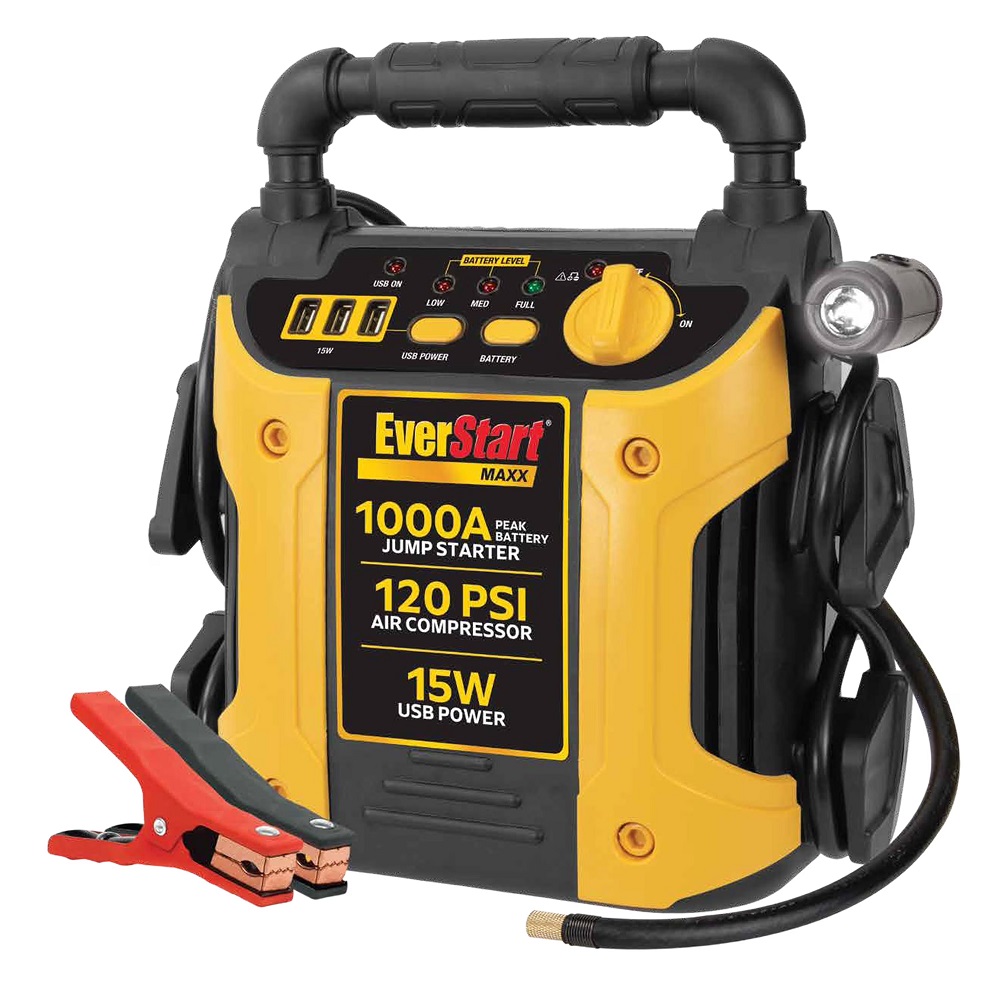
A car battery jump starter is a portable device. It provides the necessary power to start a vehicle when its battery is dead. This handy tool eliminates the need for traditional jumper cables and another vehicle. Instead, it allows you to start your car quickly and efficiently.
Car battery jump starters typically come with built-in batteries. These batteries store energy for emergency use. They are compact, easy to carry, and suitable for various vehicle types. Most modern jump starters also include extra features, such as USB ports, LED flashlights, or air compressors.
There are two main types of these devices: lithium-ion and lead-acid jump starters. Lithium-ion varieties are lightweight and easier to transport. Lead-acid models, while heavier, are often more powerful and suitable for larger vehicles like trucks.
A car battery jump starter is a must-have tool for every vehicle owner. It ensures that you are never left stranded with a dead battery. Whether on a road trip or running errands, it provides peace of mind and convenience. Understanding how it works can help you use it efficiently in emergencies.
Benefits of Owning a Battery Jump Starter
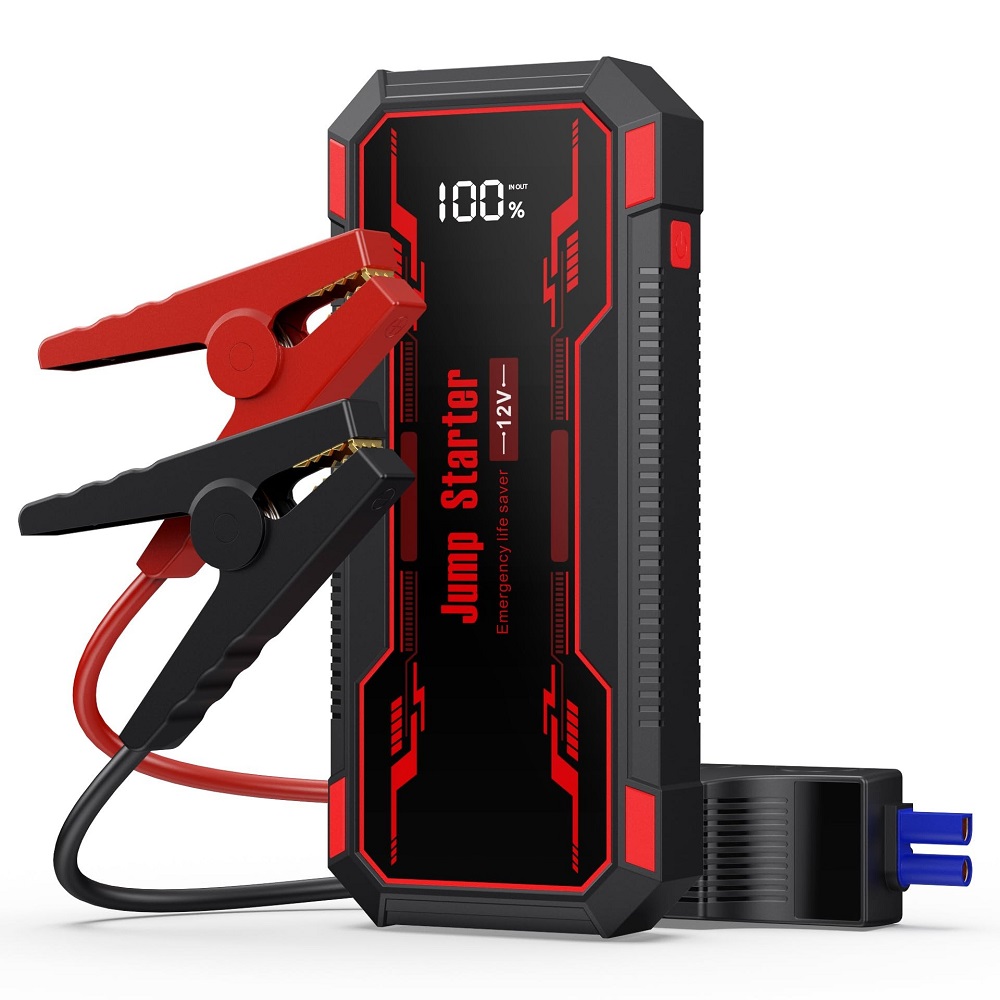
A car battery jump starter offers numerous advantages for every vehicle owner. It is not just about convenience; it also ensures preparedness for unexpected situations. Here are the key benefits to consider:
- Quick Emergency Starts:A car battery jump starter allows you to start your car in minutes. You don’t need to rely on another vehicle or wait for roadside assistance. This is especially helpful in remote areas.
- Portability and Compact Design:Most jump starters are lightweight and compact, making them easy to carry. They fit conveniently in your car’s trunk or even under the seat.
- Versatility Beyond Jump-Starting:Modern jump starters often come with added features. These include USB ports to charge phones, LED flashlights for added visibility, and air compressors for inflating tires. Such versatility makes them valuable in various emergencies.
- All-Weather Reliability:Whether it’s freezing winter or hot summer, a car battery jump starter works in extreme conditions. It ensures you’re not stranded due to temperature fluctuations affecting your battery.
- Independence and Convenience:With a car battery jump starter, you can be self-reliant. No need to ask strangers for help using cumbersome jumper cables.
- Compatible with Multiple Vehicles:High-capacity jump starters can handle a variety of vehicles. These include motorcycles, cars, SUVs, boats, and even trucks.
Owning a reliable car battery jump starter saves time, money, and effort. It’s an essential tool that brings confidence and ensures you’re always ready to handle a dead battery. For any driver, investing in one is a smart decision.
Types of Battery Jump Starters
Understanding the types of car battery jump starters can help you choose the right one for your needs. Jump starters generally fall into two main categories: lithium-ion and lead-acid models. Let’s explore their differences and benefits.
Lithium-Ion Jump Starters
- Lightweight Design: These models are compact and easy to carry or store.
- Quick Charging: They take less time to recharge, ensuring readiness.
- Multiple Features: Many include USB ports, LED lights, and portable power bank options.
- Ideal for Small Vehicles: Best suited for cars, motorcycles, and smaller SUVs.
Lead-Acid Jump Starters
- Powerful Output: These are designed to jumpstart larger vehicles like trucks or boats.
- Durability: Lead-acid jump starters are rugged and long-lasting.
- Heavy Design: They are bulkier, making them less convenient for portability.
- Reliable for Heavy-Duty Use: Perfect for frequent use and extreme conditions.
Choosing between these types depends on your specific needs and vehicle size. If you require a jump starter for smaller vehicles and occasional use, lithium-ion models are ideal. For heavier duty tasks and larger vehicles, lead-acid jump starters are better suited. Both types ensure reliable performance during battery emergencies and are indispensable tools for vehicle owners.
Key Features to Look for in a Battery Jump Starter
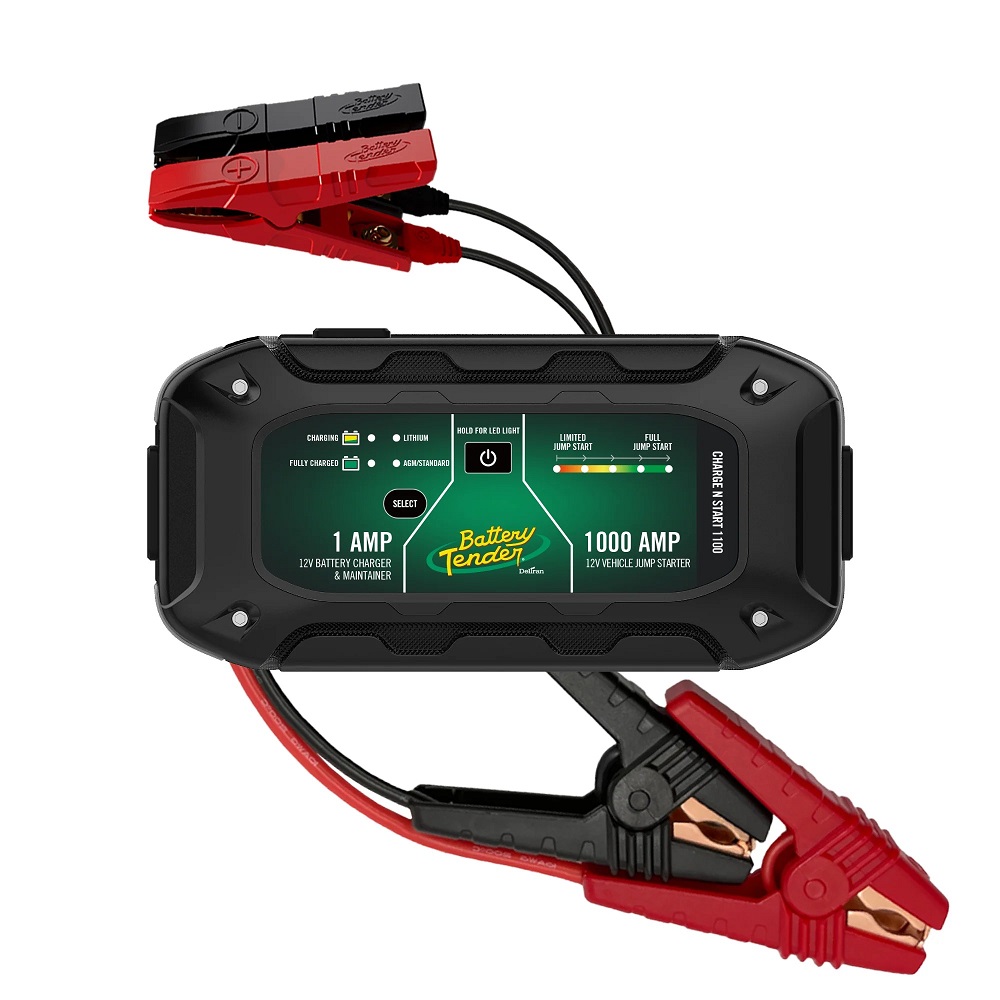
When choosing a car battery jump starter, specific features ensure reliability and functionality. Here are the essential features to consider:
1. Power Output (Amperage)
- Look for a jump starter with enough peak amps to start your vehicle.
- Smaller cars need less power, while trucks or SUVs require higher amperage.
2. Battery Capacity
- Check the battery’s capacity, measured in milliampere-hour (mAh).
- A higher capacity means more jump starts or charges before recharging the device.
3. Portability and Size
- Compact and lightweight options are easier to carry and store in your vehicle.
- Foldable or durable designs add convenience for everyday use.
4. Additional Features
- Many models come with extras like USB charging ports for phones or tablets.
- Built-in LED flashlights are useful for nighttime emergencies.
- Air compressors can inflate tires during unexpected flat situations.
5. Safety Features
- Opt for jump starters with reverse polarity protection to prevent wrong connections.
- Overcharge protection ensures the battery doesn’t get damaged during charging.
- Spark-proof technology minimizes risks while using the device.
6. Durability and Build Quality
- A sturdy and weather-resistant design is crucial for harsh weather conditions.
- Look for models with protective casing to withstand accidental drops.
7. Charging Time
- Faster charging options allow the device to be ready for emergencies quickly.
- Some models also offer features like trickle charging to maintain a full charge longer.
8. Clamp Quality
- Choose heavy-duty, well-insulated clamps for a secure and safe connection.
- Non-slip grips make handling easier, reducing accidents during use.
9. Display and Indicators
- Digital displays show battery levels and operating status clearly.
- LED indicators help monitor charging progress and signal errors.
10. Compatibility
- Ensure the jump starter is suitable for your vehicle type and engine size.
- Check if it works with other devices for added utility.
By paying attention to these features, you can select a car battery jump starter that meets your needs. Investing in the right one directly impacts reliability during emergencies.
How to Use a Battery Jump Starter Safely
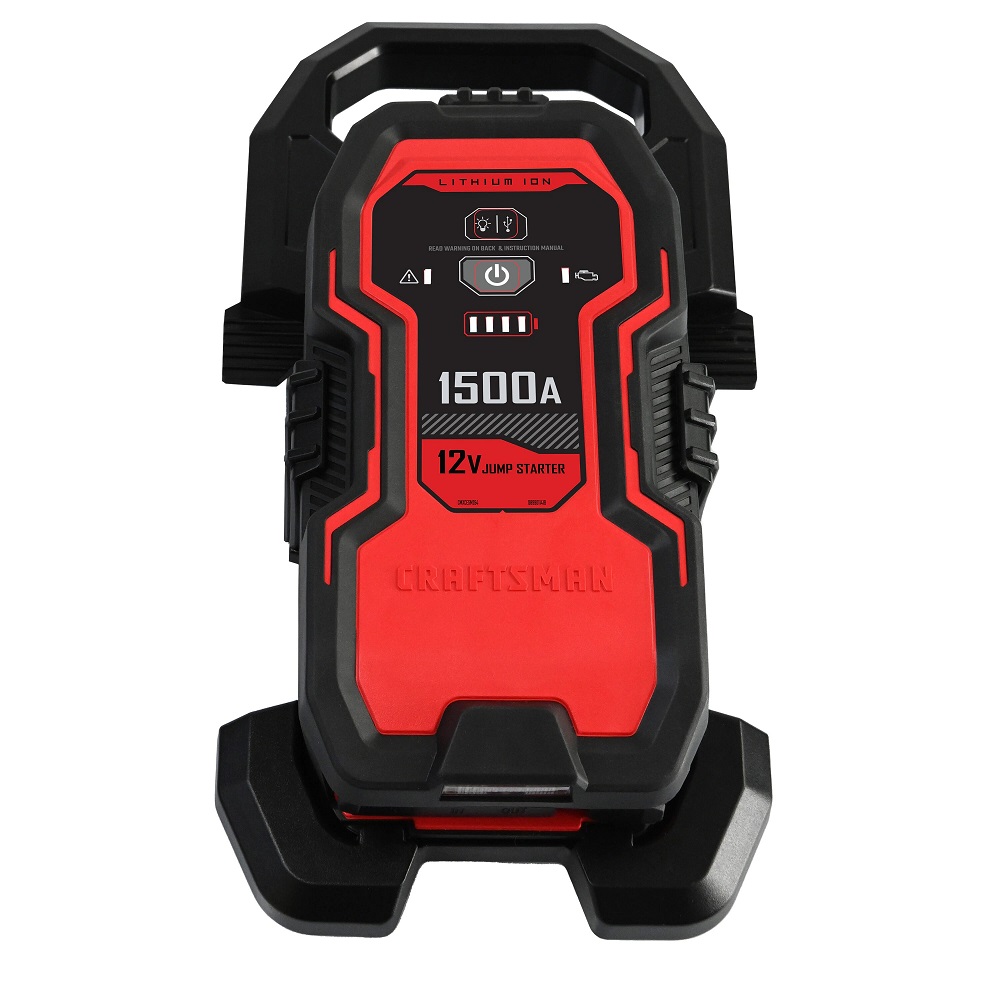
Using a car battery jump starter safely is crucial to avoid accidents or equipment damage. Follow these steps to ensure proper use:
1. Read the Instruction Manual
- Check the user manual for guidelines specific to your jump starter model.
- Familiarize yourself with the features and safety precautions.
2. Inspect the Jump Starter
- Make sure the device is fully charged before use.
- Examine the cables and clamps for any visible damage.
3. Prepare the Vehicle
- Turn off your car and remove the keys from the ignition.
- Ensure the vehicle is parked and the hand brake is engaged.
4. Locate the Battery Terminals
- Open the hood and identify the positive (+) and negative (-) battery terminals.
- Clean the terminals if they are corroded or dirty.
5. Connect the Clamps
- Attach the red clamp to the positive terminal.
- Secure the black clamp to the negative terminal or an unpainted metal surface on the car body.
6. Start the Jump Starter
- Turn on the jump starter by following the instructions.
- Wait for the indicators to confirm the connection.
7. Start Your Vehicle
- Start your car once the jump starter indicates readiness.
- Avoid cranking the engine for more than 10 seconds at a time.
8. Disconnect Safely
- Turn off the jump starter after your car starts.
- Remove the clamps in reverse order: black clamp first, then red clamp.
9. Recharge Your Jump Starter
- Recharge your jump starter immediately after use.
- Store it in a secure, cool, and dry place.
Safety Tips
- Do not touch the clamps together when connected to the battery.
- Use the jump starter in a well-ventilated area to avoid battery gases.
- Avoid using a jump starter if it shows visible damage.
Following these steps ensures a safe and hassle-free jump-starting experience. Proper safety precautions protect you and your car battery jump starter during emergencies.
Top-Rated Battery Jump Starters in the Market
Finding the right car battery jump starter can be overwhelming. Here are highly-rated options to consider:
1. NOCO Boost Plus GB40
- Compact, lightweight, and easy to store.
- Provides 1000 amps for reliable jump-starts.
- Features reverse polarity and spark-proof technology for safety.
- Includes USB ports for charging devices.
- Suitable for gas engines up to 6 liters and diesel engines up to 3 liters.
2. DBPOWER 800A Portable Jump Starter
- Offers 800 peak amps for efficient starts.
- Comes with a high-capacity 18000mAh battery.
- Includes USB ports for charging phones and tablets.
- LED flashlight with emergency modes for nighttime use.
- Supports gas engines up to 7.2 liters and diesel engines up to 5.5 liters.
3. Audew Portable Jump Starter
- Provides 2000 peak amps for heavy-duty applications.
- Designed for trucks, boats, and larger vehicles.
- Equipped with multiple safety protections, including overload and short circuit prevention.
- Portable and sleek with a digital display for monitoring.
- Features USB ports and a built-in flashlight.
4. Beatit BT-D11 800A Peak Portable Jump Starter
- Compact and user-friendly design.
- Delivers 800 amps for reliable jump-starts.
- Integrated USB ports to charge small devices.
- Comes with LED flashlight for emergencies.
- Handles gas engines up to 7 liters and diesel engines up to 5 liters.
5. TACKLIFE T8 Car Jump Starter
- High peak current of 800 amps for starting various vehicles.
- Long-lasting battery capacity of 18000mAh.
- Includes USB ports and a bright LED for emergencies.
- Lightweight and portable design for easy storage.
- Reliable in extreme temperatures and conditions.
Important Considerations
- Ensure the jump starter suits your vehicle’s engine size.
- Look for models with safety features like reverse polarity protection.
- Prioritize high peak amps for larger vehicle requirements.
Review these options carefully to select the best car battery jump starter for your needs. Each of these models provides efficient and reliable performance during emergencies.
Maintenance Tips for Your Battery Jump Starter
Proper maintenance ensures your car battery jump starter lasts longer and performs reliably. Follow these simple tips:
1. Regular Charging
- Keep the jump starter fully charged at all times.
- Charge after every use or regularly if unused.
2. Store in a Suitable Environment
- Place the device in a cool, dry area away from direct sunlight.
- Avoid extreme temperatures; excessive heat or cold can harm the battery.
3. Inspect for Damage
- Check cables and clamps for wear or damage.
- Replace any broken parts immediately to ensure safe use.
4. Clean the Connectors and Ports
- Clean terminals and USB ports periodically to remove dirt or rust.
- Use a soft cloth or contact cleaner for maintenance.
5. Follow Manufacturer Guidelines
- Read and stick to the maintenance recommendations in the user manual.
- Avoid overcharging or prolonged storage without recharging.
6. Test the Device
- Test your jump starter occasionally to ensure it works effectively.
- Practice connecting it to a vehicle for familiarity.
7. Protect from Moisture
- Ensure the device remains dry to avoid corrosion and short circuits.
- Do not store near water or moist areas.
8. Use Genuine Parts
- Replace only with manufacturer-approved parts like clamps and adapters.
- Non-genuine parts can reduce performance or safety.
9. Check Battery Life
- Monitor the battery health, especially if used frequently.
- Replace the battery as needed to maintain efficiency.
10. Avoid Overuse
- Limit frequent use to avoid reducing battery life.
- Recharge after each use for optimum performance.
Consistent care and proper maintenance will keep your jump starter efficient and extend its lifespan. Follow these tips to prevent unexpected failures when you need it most.
What to Do if a Car Battery Jump Starter Fails
A car battery jump starter can fail due to various reasons. Here’s how to handle it:
1. Check the Battery Charge
- Ensure the jump starter is fully charged before using it.
- Connect it to a power outlet and let it charge completely.
- Most devices have indicators; confirm it’s showing full battery.
2. Inspect the Cables and Clamps
- Examine the cables for any visible wear or damage.
- Ensure the clamps are not broken or corroded.
- Tighten loose connections to prevent power loss.
3. Verify Proper Connections
- Check if clamps are connected to the correct terminals: red to positive, black to negative.
- Ensure clamps are secure and making good contact with the terminals.
4. Restart the Jump Starter
- Turn off the jump starter if it’s not working.
- Wait for a few minutes and then restart it.
5. Allow the Device to Cool Down
- Long usage or successive attempts may cause overheating.
- Let the device cool for 15-20 minutes before retrying.
6. Use an Alternative Power Source
- Seek help from another car with jumper cables.
- Call roadside assistance for professional help if needed.
7. Test the Car Battery
- A completely dead battery might not respond to a weak jump starter.
- Use a battery tester or visit a mechanic to check the battery condition.
8. Consider Device Repair or Replacement
- If the jump starter is consistently unreliable, have it inspected.
- Replace it if the battery or components are faulty or worn out.
9. Avoid Frequent Draining
- Don’t let the jump starter run out of charge frequently.
- Proper maintenance is key to its longevity.
10. Keep Manufacturer Support Handy
- Refer to the user manual for troubleshooting tips.
- Contact customer support if issues persist with the device.
By following these steps, you can address common issues with a car battery jump starter efficiently. Proper care and preparedness ensure minimized failures during emergencies.
Leave a Reply