Dead Battery
Why won’t my car start? Car batteries are crucial for starting the engine. A dead battery is a common problem.
Signs of a Dead Battery
- The engine does not crank when you turn the key.
- Dashboard lights are dim or not illuminating.
- Clicking sound is heard instead of engine turnover.
- Electrical systems like radio and lights fail to function.
- Slow cranking or completely no response.
Recognizing these symptoms can help diagnose battery issues quickly.
Causes of Battery Failure
- Age: Batteries lose capacity over time. Most last 3-5 years.
- Weather: Extreme cold or heat diminishes battery performance.
- Parasitic Drain: Faulty electrical components can continuously drain power.
- Lack of Use: Long periods of inactivity can weaken the battery.
- Alternator Problems: A failing alternator cannot recharge the battery effectively.
- Leaving lights or devices on can drain the battery completely.
Understanding these causes can help prevent unexpected battery problems.
Tips for Preventing Battery Issues
- Check battery terminals for corrosion regularly.
- Test battery voltage with a multimeter or during regular servicing.
- Avoid leaving electronic devices or lights on when the car is off.
- Drive the car regularly to keep the battery charged.
- Replace your battery every 3-5 years or when performance drops.
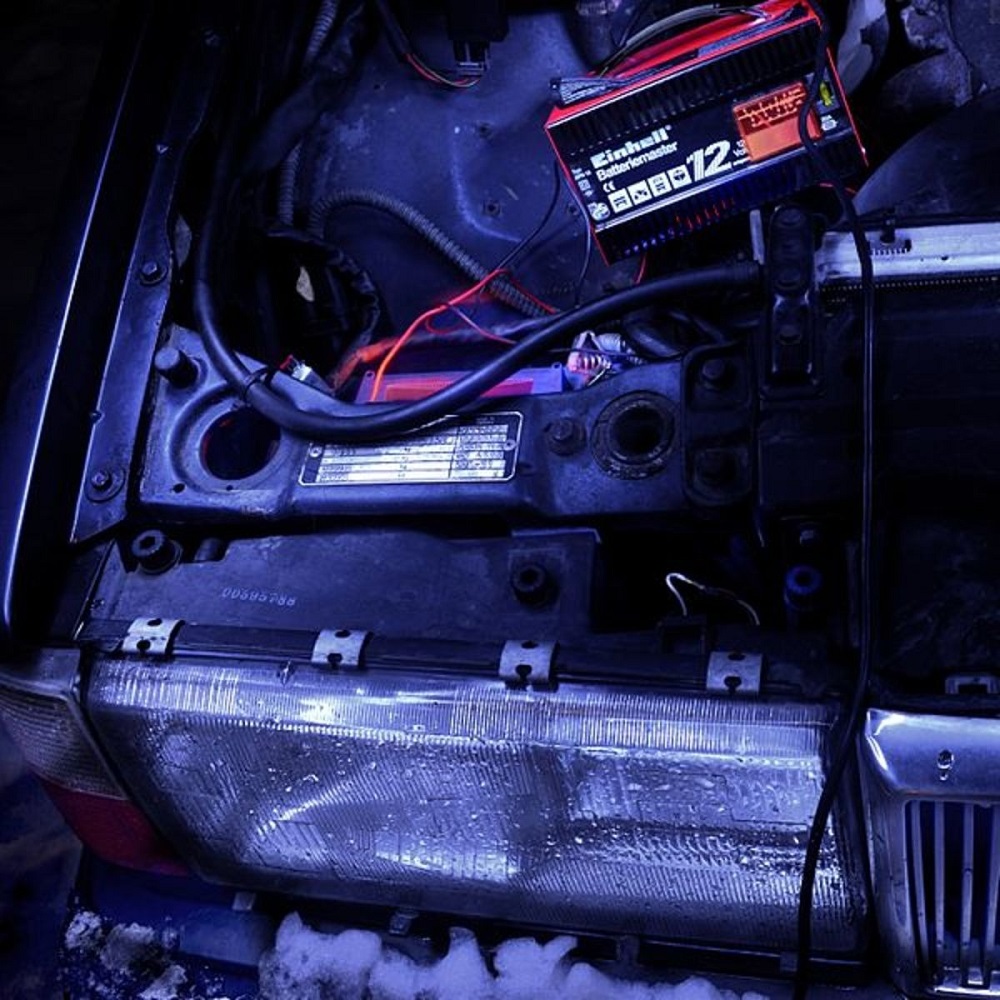
- Use a battery maintainer or trickle charger during long storage periods.
- Shield your car from extreme weather when possible.
Follow these tips to prolong the life of your car battery and prevent starting issues.
Faulty Starter Motor
Why won’t my car start? A starter motor is responsible for starting your car’s engine by engaging the flywheel. When it’s faulty, your car may fail to start despite a good battery. Understanding the signs, causes, and solutions for starter motor problems can help avoid bigger repairs.
Symptoms of a Bad Starter Motor
- Clicking Sound: You might hear a clicking noise when turning the key.
- No Crank: The engine does not crank or start at all.
- Intermittent Starting: The car starts only sometimes, indicating an inconsistent starter.
- Grinding Noise: A grinding sound may indicate worn-out starter gears.
- Smoke or Burning Smell: Overheating in the motor can cause smoke or a burnt smell.
These symptoms are crucial indicators of potential starter motor problems.
Common Causes of Starter Motor Problems
- Worn-Out Brushes: Brushes inside the starter motor wear down with time.
- Damaged Solenoid: A malfunctioning solenoid prevents the motor from engaging properly.
- Electrical Faults: Corroded or loose wiring may disrupt the motor’s operation.
- Faulty Starter Drive Gear: The gear that engages the flywheel may wear out.
- Excessive Heat: Overheating can damage components within the motor over time.
- Old Age: Starter motors generally wear out after years of use.
Understanding these causes can guide you in preventing starter motor failures.
Solutions for Starter Motor Issues
- Inspect Connections: Ensure all electrical connections are tight and free from corrosion.
- Test the Battery: A weak or failing battery can affect the starter motor’s performance.
- Replace Worn Parts: Change brushes or solenoids when they show signs of damage.
- Check the Starter Drive Gear: Replace it if it shows wear or is not engaging properly.
- Visit a Mechanic: For advanced issues, seek professional help to replace the starter motor.
Addressing these issues promptly can save you from more costly repairs later. Regular maintenance is key to keeping your starter motor in good condition and ensuring your car starts without trouble.
Ignition Switch Problems
The ignition switch is crucial for starting your car. Faults in this component can disrupt the ignition system, leading to trouble starting your vehicle. Why won’t my car start? Understanding the symptoms and fixes can help you prevent bigger issues.
How to Identify Ignition Switch Issues
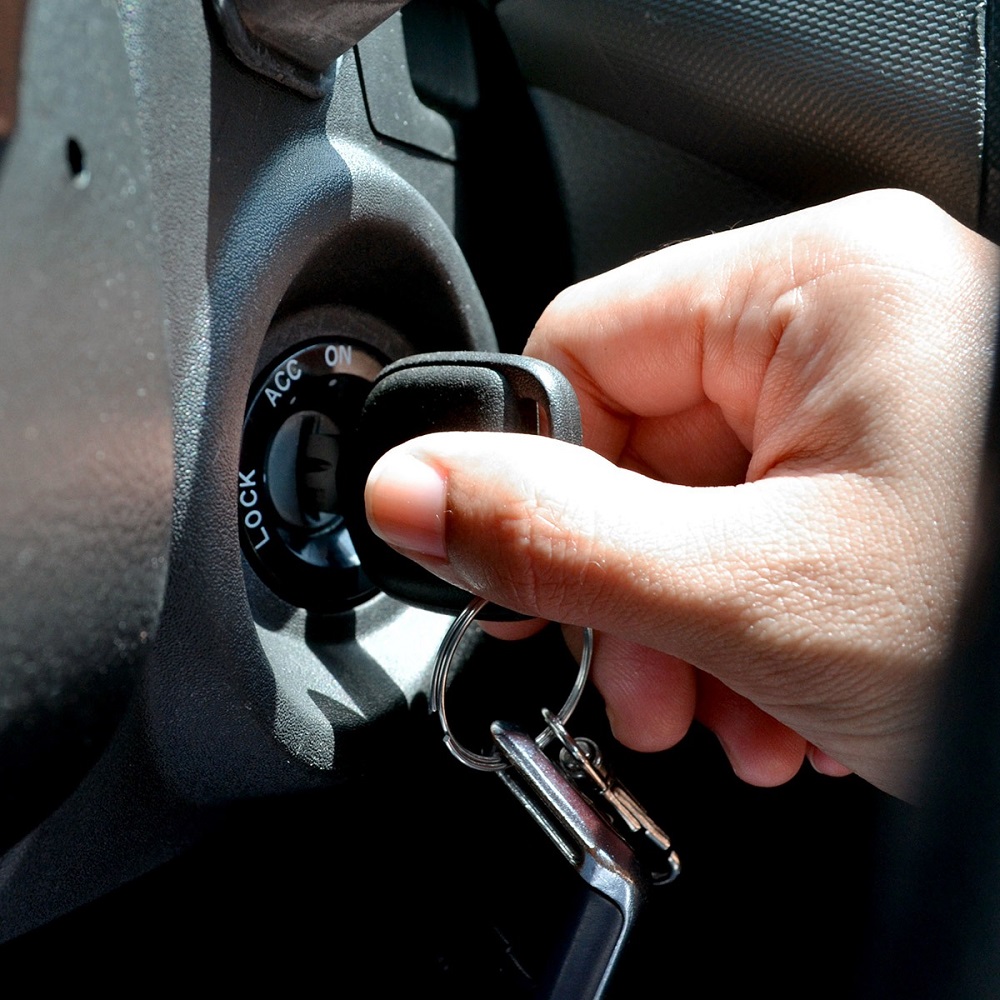
- No Response When Turning the Key: If the engine does not respond or crank, the ignition switch could be faulty.
- Flickering Dashboard Lights: Inconsistent or flickering dashboard lights may indicate switch problems.
- Car Stalls While Running: A malfunctioning switch may cause your car to suddenly stall even during driving.
- Difficulty Starting the Car: If starting the car requires multiple attempts, it points to a failing ignition switch.
- Electrical Problems: Problems in the switch can disrupt electrical systems, including the windows, radio, or headlights.
Recognizing these signs early can help prevent unexpected breakdowns and diagnose ignition-related issues.
Fixing a Faulty Ignition Switch
- Inspect the Ignition Lock Cylinder: Check for physical damage or wear in the ignition lock cylinder.
- Test Electrical Connections: Ensure all wires connected to the switch are tight and corrosion-free.
- Listen for Clicking Sounds: If you hear clicking but the car doesn’t start, the switch may need replacement.
- Replace the Ignition Switch: If necessary, replace the switch. Hire a professional mechanic for correct installation.
- Ensure Proper Maintenance: Regularly check the ignition system during car servicing to avoid future problems.
Timely repairs and maintenance can help ensure your ignition switch performs optimally, keeping your vehicle reliable.
Fuel System Troubles
Fuel system issues can prevent a car from starting or cause poor engine performance. Identifying and addressing these problems quickly can help restore normal function.
Signs of a Fuel Issue
- Engine Fails to Start: If the engine cranks but does not start, it may lack fuel.
- Engine Stalls: The car may start but stall shortly due to inconsistent fuel delivery.
- Poor Fuel Efficiency: Reduced mileage may signal a fuel system problem.
- Surging or Hesitation: The car may jerk or hesitate during acceleration, indicating a fuel supply issue.
- Unusual Sounds: Whining noises from the fuel tank can point to a failing fuel pump.
- Strong Fuel Smell: A gasoline smell may indicate a leak in the fuel system.
Recognizing these signs early can prevent severe engine damage and costly repairs.
Common Fuel System Problems
- Clogged Fuel Filter: Dirt and debris clog the filter, blocking fuel flow.
- Failing Fuel Pump: A weak or malfunctioning pump cannot deliver sufficient fuel to the engine.
- Leaking Fuel Lines: Cracks or punctures in fuel lines cause leaks and reduce pressure.
- Faulty Fuel Injectors: Dirty or damaged injectors disrupt fuel delivery, impacting engine performance.
- Low Fuel Pressure: Malfunctioning pressure regulators can result in inadequate fuel supply.
- Bad Gas: Contaminated fuel can affect the combustion process.
Understanding these problems ensures quick and effective diagnosis of fuel system troubles.
Steps to Resolve Fuel Delivery Problems
- Inspect the Fuel Filter: Check for clogs or dirt and replace if needed.
- Test Fuel Pressure: Use a pressure gauge to confirm proper pressure levels.
- Check for Leaks: Inspect fuel lines for cracks or damage. Replace if necessary.
- Clean Fuel Injectors: Use cleaning solutions or visit a professional for injector maintenance.
- Examine the Fuel Pump: Look for signs of wear or test its performance.
- Drain Contaminated Fuel: If bad gas is the issue, drain the tank and refill with fresh fuel.
Why won’t my car start? Resolving these issues promptly improves performance and ensures the car starts reliably. Regular maintenance of the fuel system helps avoid unexpected problems and keeps your vehicle running efficiently.
Issues with the Alternator
The alternator is a vital component of your car’s electrical system. It generates electricity to charge the battery and powers electrical features while the engine runs. Any problem with the alternator can affect your car’s performance and starting capabilities. Understanding the signs, differences from battery issues, and maintenance tips will help keep your alternator functioning effectively.
Signs of Alternator Failure
- Dim or Flickering Lights: When the alternator fails, headlights and dashboard lights may dim or flicker.
- Weak or Dead Battery: An underperforming alternator fails to recharge the battery properly, causing it to lose power.
- Electrical Malfunctions: Accessories like windows, radio, or air conditioning may stop working correctly.
- Burning Smell: A failed alternator might emit a burning odor due to overheated wires or internal components.
- Warning Light: A battery-shaped warning light or “ALT” may illuminate on the dashboard.
- Unusual Noises: Grinding or whining sounds could indicate worn bearings inside the alternator.
These signs will help you notice alternator problems early and avoid a breakdown.
Differences Between Battery and Alternator Issues
- Battery Issues occur when the car won’t start due to insufficient power for ignition. In contrast, Alternator Problems may emerge while the car is running with electrical failures, dim lights, or stalling.
- When identifying the cause of starting issues, try jump-starting the car. If it starts but later dies, it’s likely an alternator issue.
- A battery losing power despite regular use often signals a bad alternator and not just an old battery.
- Alternator issues are common after significant engine use, whereas battery problems often occur after prolonged inactivity or excessive cold.
Recognizing the difference can prevent misdiagnosis and help resolve the actual issue faster.
Maintenance Tips for Alternators
- Inspect Connections: Check cables and terminals regularly for loose or damaged connections.
- Clean Corrosion: Remove dirt and corrosion on battery terminals to ensure efficient power transmission.
- Monitor Drive Belt Condition: Ensure the alternator’s drive belt is tight and free of wear and tear.
- Check Voltage Output: Use a multimeter to test if the alternator is producing sufficient voltage (usually between 13.5-15 volts).
- Listen to Unusual Noises: Address grinding or whining sounds promptly as they could indicate internal alternator damage.
- Service Regularly: Have your alternator inspected during routine car maintenance to ensure optimal performance.
Proper care and timely inspection of the alternator help avoid unexpected starting problems and keep your vehicle running smoothly. Remember, preventive maintenance is better than costly repairs!
Engine Timing Problems
Engine timing refers to the synchronization of your engine’s components during its operation. Proper timing ensures the engine’s valves open and close at the right moments. This coordination allows the intake of air and fuel and the expulsion of exhaust gases to occur smoothly. When timing is off, it can lead to starting problems and even damage your engine.
How Engine Timing Affects Starting
Engine timing issues can make your car hard to start or stop it from starting altogether. Here’s how:
- Off-Schedule Combustion: If the timing is off, the air-fuel mixture may ignite too early or too late. This disrupts the combustion process, complicating engine ignition.
- Misfiring Engine: Improper timing can cause misfires, making the engine sputter but fail to start.
- Valve Damage: Incorrect timing can lead to the pistons hitting the engine valves, causing mechanical damage.
- Loss of Compression: Poor alignment of the timing belt or chain may lead to a lack of compression, preventing ignition.
- Check Engine Light: A faulty timing mechanism often triggers the check engine light, signaling an issue.
When these signs appear, timing problems may be the root cause of your car’s inability to start.
Addressing Timing Belt or Chain Issues
The timing belt or chain plays a crucial role in maintaining engine timing. If there’s an issue, you should address it promptly. Here’s how:
- Inspect Regularly: Check the belt or chain for signs of wear, cracks, or slack.
- Replace Worn Parts: Replace the timing belt every 60,000 to 100,000 miles or as per the manufacturer’s recommendation.
- Look for Strange Noises: Clicking, tapping, or rattling sounds could indicate a loose or broken timing chain.
- Realign the Timing: Use a timing light or visit a mechanic to properly adjust the engine timing.
- Check Tensioners: Faulty tensioners can loosen the timing belt or chain. Replace worn tensioners as needed.
- Seek Professional Help: If you suspect timing issues, a professional can diagnose and resolve them effectively.
Regular maintenance is crucial for preventing engine timing problems. Always follow your car manufacturer’s guidelines to ensure your vehicle remains in optimal condition. Taking preemptive actions can help avoid major engine damage and costly repairs, ensuring smooth starts every time you turn the key.
Faulty Fuses or Relays
Faulty fuses or relays can prevent your car from starting. They are critical components in the electrical system.
Checking Fuses and Relays
- Locate the fuse box in your vehicle, usually under the dashboard or hood.
- Use the owner’s manual to identify the specific fuse for the starting system.
- Inspect the fuse visually. A blown fuse will have a broken metal filament inside.
- Check relays for corrosion or damage on the terminals.
- Test the relays with a multimeter to measure their functionality.
- Look for any burnt marks or melting signs, which indicate electrical issues.
Proper inspection of fuses and relays can help pinpoint the problem and prevent further damage.
Replacing Damaged Components
- Purchase replacement fuses and relays that match the specifications in the manual.
- Switch off the car and disconnect the battery for safety.
- Remove the faulty fuse or relay using a fuse puller or needle-nose pliers.
- Insert the new fuse or relay securely into its designated slot.
- Reconnect the battery and test if the car starts properly.
- Consider performing routine checks during car maintenance to catch issues early.
Replacing damaged fuses or relays promptly ensures your car starts and runs efficiently. Why won’t my car start? Regular maintenance helps avoid unexpected issues with your vehicle’s electrical system.
Weather-Related Issues
Weather plays a significant role in your car’s performance and ability to start. Extreme cold or heat can impact various components, leading to starting issues. Why won’t my car start? Understanding how weather affects your car can help you take preventive actions and ensure reliable performance.
Impact of Cold Weather on Starting
- Thickened Oil: Cold weather causes engine oil to thicken, making it harder to lubricate engine parts. This increases the effort required by the engine to start.
- Reduced Battery Efficiency: Low temperatures affect battery chemical reactions, leading to less power for starting the engine.
- Fuel Line Freezing: Extremely cold temperatures can freeze fuel lines, restricting fuel flow to the engine.
- Spark Plug Problems: Spark plugs may have trouble igniting the air-fuel mixture in freezing conditions.
- Condensation Issues: Cold temperatures can cause condensation in the fuel tank, potentially freezing and blocking fuel lines.
To mitigate these complications, ensure proper vehicle care during winter months.
Handling Extreme Weather Conditions for Your Car
- Use Engine Block Heaters: Plug in an engine block heater to keep the engine warm during freezing temperatures.
- Check the Battery: Test the battery’s voltage frequently. Replace it if it’s old or undercharged.
- Switch to Winter Oil: Use oil with a lower viscosity rating to prevent thickening in the cold.
- Maintain Fuel Levels: Keep your fuel tank at least half full to reduce the risk of frozen fuel lines.
- Inspect Belts and Hoses: Check for cracks or stiffness in belts and hoses as cold weather can make them brittle.
- Get Winter Tires: They provide better traction and ensure safer starting during icy or snowy conditions.
- Defrost the Fuel Lines: Use an appropriate antifreeze or seek professional help if your fuel lines freeze.
- Garage Your Car: If possible, park your car in a garage to shield it from extreme cold or heat.
- Warm Up Your Car: Let your car idle for a few minutes in freezing conditions before driving.
Why won’t my car start? Taking these precautions during extreme weather will protect your car from starting difficulties. Regular maintenance and weather-specific measures are essential for reliable performance in every season.
Leave a Reply