Introduction to Motorcycle Tire Pressure
The Importance of Proper Tire Pressure
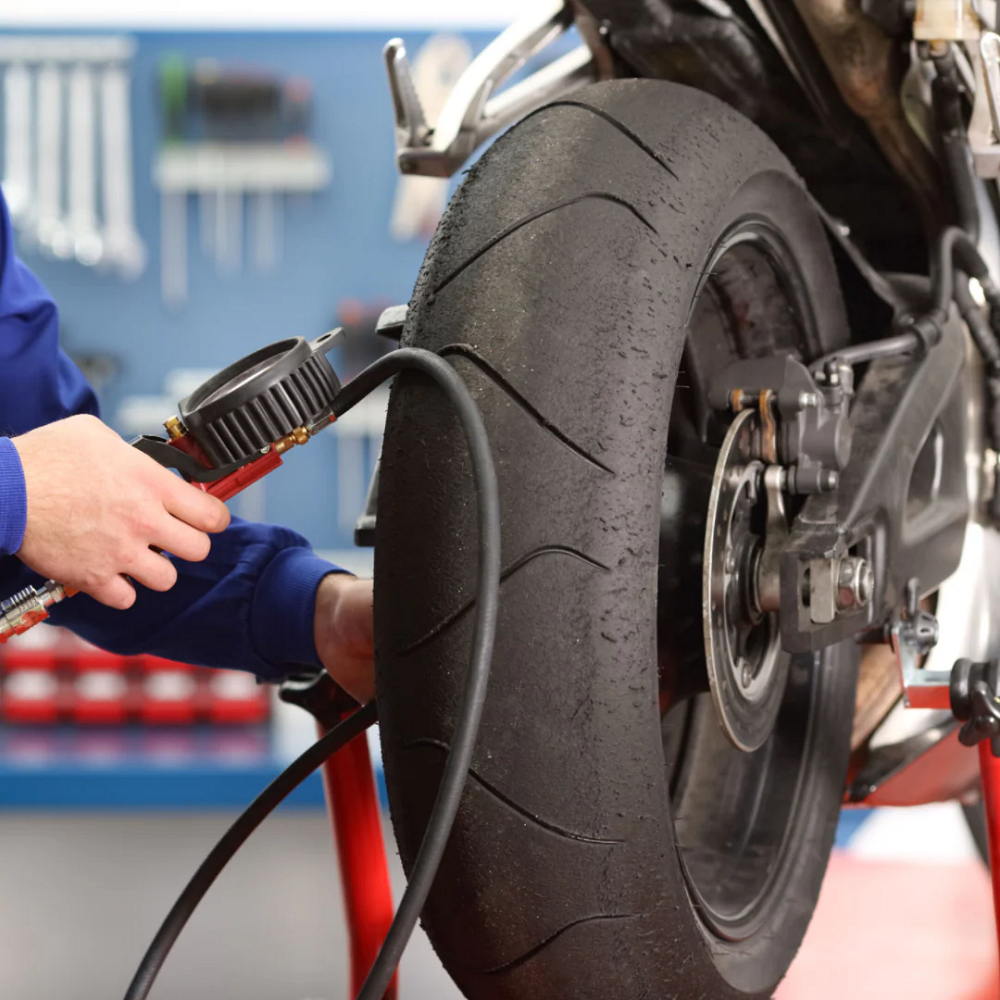
Motorcycle tire pressure plays a crucial role in ensuring optimal performance and safety. Properly inflated tires provide better handling, improved fuel efficiency, and a smoother ride. On the other hand, incorrect tire pressure can lead to various issues, including increased tire wear, reduced grip on the road, and a higher risk of accidents. Understanding the importance of maintaining the correct tire pressure is essential for all motorcyclists, whether you ride for leisure or as a daily means of transportation.
The Science Behind Tire Pressure
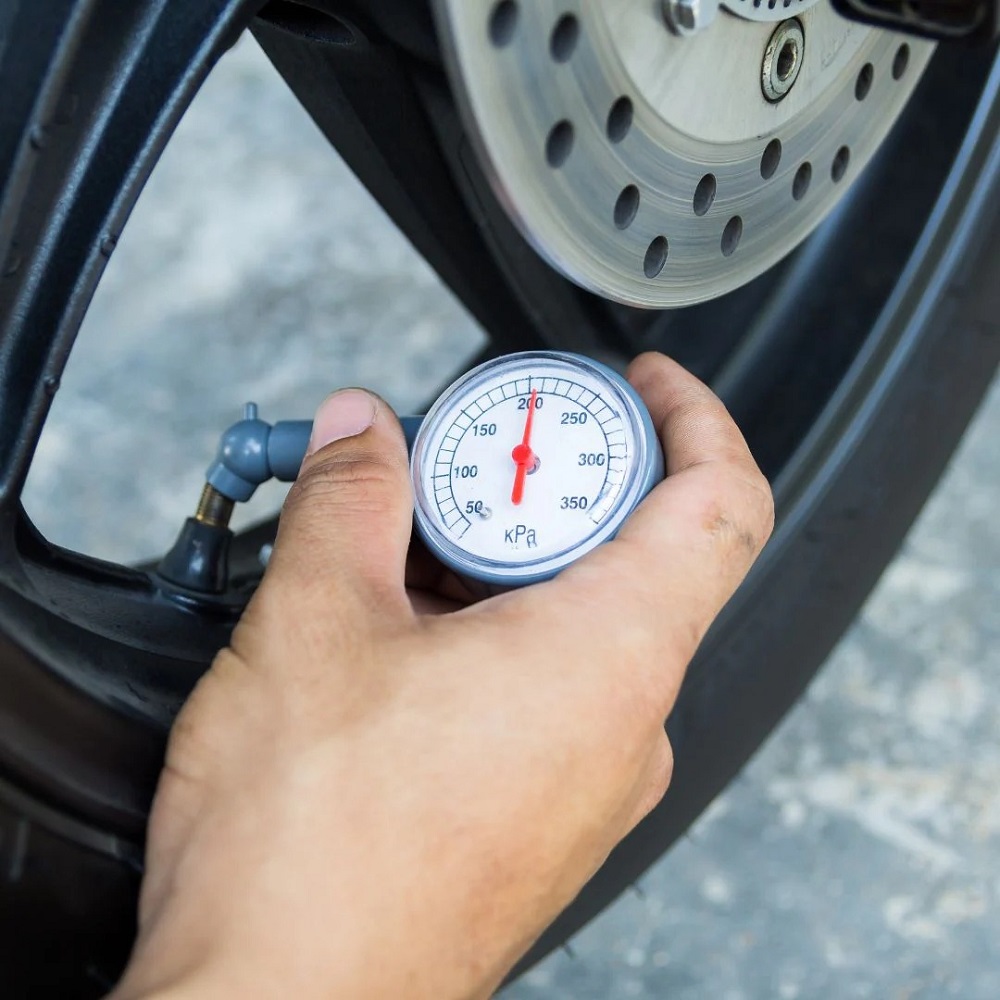
Tire pressure refers to the amount of air inside a tire, measured in pounds per square inch (PSI). This pressure affects how a tire performs on the road. When tires are correctly inflated, they maintain their shape and provide optimal contact with the road surface. This contact is essential for traction, stability, and overall performance. If the pressure is too low, the tire may become under-inflated. This can cause the edges to wear out more quickly than the center, resulting in a less safe riding experience. Conversely, over-inflating tires can reduce the contact area, leading to harder and less comfortable rides.
Purpose of This Guide
This guide will explore the essentials of motorcycle tire pressure, including how to check, adjust, and maintain it for optimal performance. It will discuss the impacts of both under-inflation and over-inflation on motorcycle safety and handling. Furthermore, we will provide tips on when to check your tire pressure and how to ensure your motorcycle is riding smoothly. By the end of this article, you’ll have a comprehensive understanding of motorcycle tire pressure and its significance in your riding experience.
Understanding Recommended Tire Pressure
Consult the Manufacturer’s Guidelines
The first step in maintaining proper tire pressure is to refer to the manufacturer’s guidelines. Every motorcycle model has specific requirements for tire pressure, which are usually indicated in the owner’s manual. You may also find this information on a sticker located near the swing arm or on the motorcycle frame. These recommended pressures are based on extensive testing to ensure performance, safety, and comfort. Following these guidelines will help you achieve the best riding experience.
Seasonal Variations
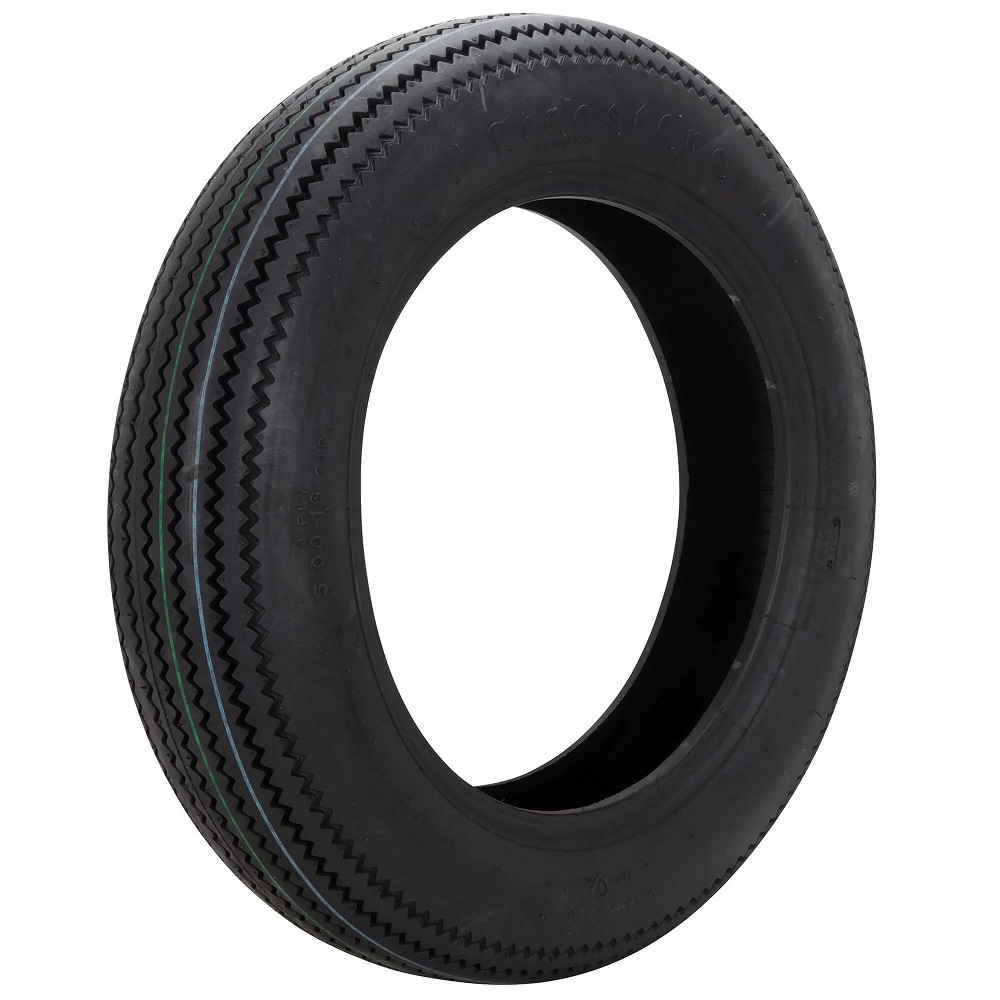
Tire pressure can vary depending on the time of year and the weather conditions. Temperature changes can affect air density, which, in turn, influences tire pressure. As temperatures drop, the air inside tires contracts, leading to lower pressure. Conversely, warmer temperatures can cause the air to expand, increasing the pressure. It is important to check and adjust tire pressure regularly, especially before long rides or during significant seasonal changes. Regular maintenance will ensure that your motorcycle remains safe and reliable throughout different weather conditions.
Load Factors
The load carried by your motorcycle also affects tire pressure. If you frequently ride with a passenger or carry extra gear, the recommended tire pressure may need to be adjusted. Manufacturers provide guidelines for both solo and two-up riding (riding with a passenger). Adapting your tire pressure according to the load will improve handling and safety. Therefore, it’s vital to consider how much weight you’ll carry when checking and adjusting tire pressure.
How to Measure Tire Pressure
Required Tools
Measuring tire pressure is a straightforward process that requires a few essential tools. A reliable pressure gauge is crucial for accuracy. There are several types of gauges available, including digital and analog options. Choose a gauge that fits your preferences and is easy to read. Additionally, having a portable air compressor or access to an air pump can help you quickly adjust pressure as needed. Keeping these tools in your motorcycle toolbox can simplify the process.
Checking Tire Pressure
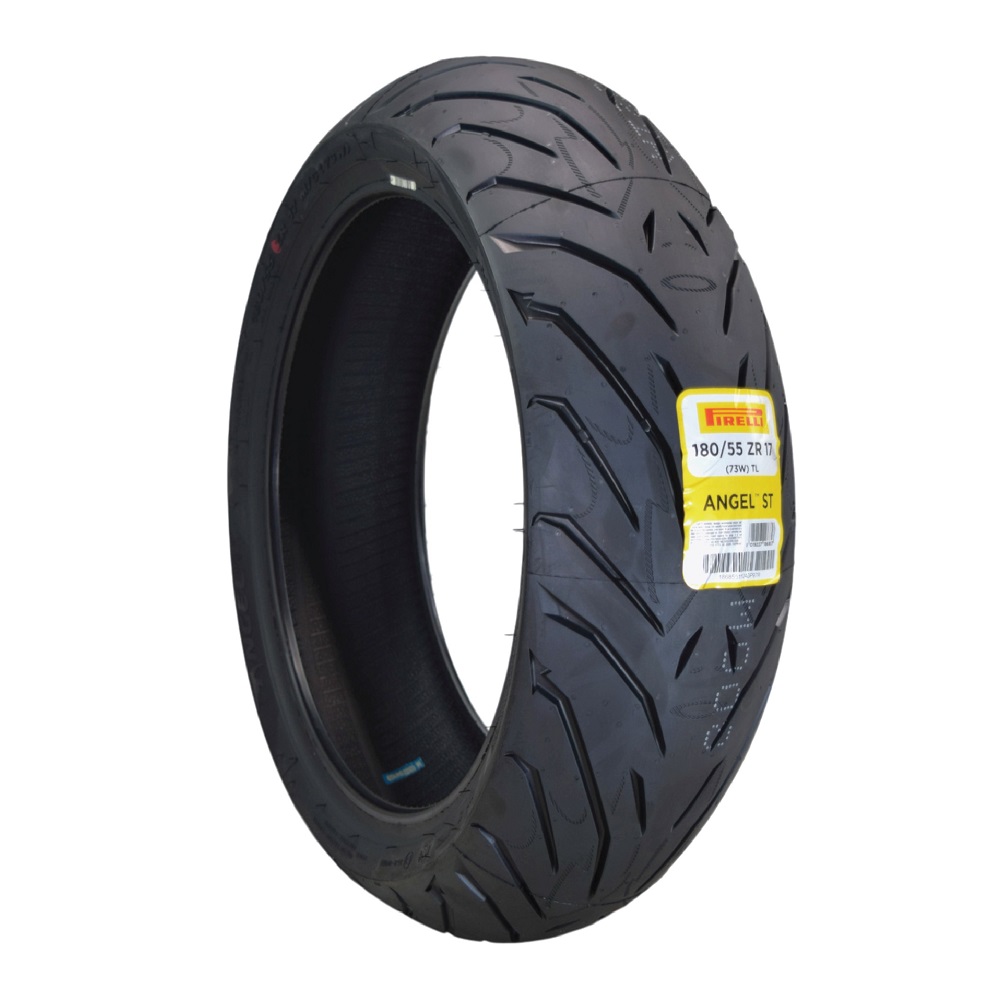
To check the tire pressure, start by ensuring your motorcycle is parked on a flat, level surface. It’s best to measure tire pressure when the tires are cold, ideally before riding or after sitting for several hours. Remove the valve cap from the tire and press the gauge firmly onto the valve stem. The gauge will display the tire pressure reading. Compare this reading to the manufacturer’s recommendation. If the pressure is too low or too high, adjust it using your air compressor or pump. Recheck the pressure after making adjustments to ensure precision.
Importance of Consistency
It’s essential to check tire pressure consistently. Regular checks prevent discrepancies and help maintain optimal performance. Perform pressure checks at least once a month or before embarking on long trips. Keeping a record of your tire pressure readings can help identify any significant changes over time, indicating potential issues with the tires. This proactive approach will enhance your riding experience and ensure that your motorcycle performs reliably.
Adjusting Tire Pressure
When to Inflate or Deflate Tires
Adjusting tire pressure is vital when your measurements are outside the recommended range. If the pressure is lower than suggested, inflate the tire to the correct PSI. If the pressure is too high, release air slowly until it reaches the proper level. It is essential to make small adjustments rather than drastic changes. Checking pressure regularly helps avoid significant fluctuations. Remaining vigilant about tire pressure aids in maintaining safe riding conditions.
Using the Right Equipment
Utilizing the right equipment for tire adjustments is important. Invest in a quality air compressor or pump that suits your needs. Many motorcycle enthusiasts prefer portable air compressors that can be easily stored and transported. Additionally, using a pressure gauge while inflating ensures that you do not over-inflate the tire. Follow the manufacturer’s instructions for your specific equipment to ensure effective use.
Tips for Adjustment
When inflating tires, make gradual adjustments while constantly checking the pressure. Be sure not to exceed the recommended pressure, as this can result in a hard ride and decreased traction. If you notice that tire pressure frequently changes, it may indicate a leak or other issues requiring attention. In such cases, consult a professional for inspection to ensure safety and performance.
Effects of Incorrect Tire Pressure
Consequences of Under-Inflation
Under-inflation can lead to several safety hazards. Tires that are not inflated to the correct pressure can become more prone to blowouts, particularly during long rides. Under-inflation can cause excessive wear on the edges of the tire, reducing overall lifespan. Additionally, lower tire pressure can result in decreased gas mileage, as the motorcycle requires more energy to maintain speed. This inefficiency can add unnecessary costs to your riding experience.
Consequences of Over-Inflation
On the flip side, over-inflated tires can create their own set of problems. Tires that are too inflated lose contact with the road surface, which hampers traction and handling. This reduces control, especially on curves or during inclement weather. Over-inflation also increases the risk of tire damage from road imperfections. Riding on over-inflated tires can be uncomfortable, leading to a bumpy ride that detracts from the overall experience.
Recognizing Signs of Pressure Issues
Learning to recognize signs of tire pressure issues is crucial for motorcycle safety. Regularly check for uneven wear patterns on the tires, as these can indicate incorrect pressure. If the motorcycle feels unstable or the handling changes during rides, it may be time to inspect the tire pressure. Attention to these signs will help you catch problems before they escalate, ensuring a safer ride.
Caring for Your Tires
Regular Inspection
Regular tire inspections are vital for maintaining motorcycle safety. In addition to checking pressure, look for signs of damage or wear. Inspect for cracks, punctures, or bulges in the tire walls. Examine the tread depth to ensure adequate grip on various surfaces. A penny test can help assess tread wear; insert a penny into the tread with Lincoln’s head facing down. If you can see all of Lincoln’s head, it may be time to replace the tire.
Cleaning Tires
Keeping your motorcycle tires clean is essential for performance and longevity. Dirt and debris can accumulate over time, potentially affecting grip and appearance. Use a soft brush and soapy water to clean the tires, ensuring you remove any substance that could hinder performance. Keeping tires clean not only contributes to safety but also maintains the motorcycle’s aesthetics.
Seeking Professional Help
If you notice any significant issues with your tire pressure or overall condition, it’s wise to consult a professional. Regular maintenance checks by a qualified mechanic can help prolong the life of your tires and improve safety. Mechanics can assess tire wear and pressure thoroughly, providing expert advice for repairs or replacements. This proactive approach to care will enhance your motorcycle’s performance and safety.
FAQ:
- How often should I check my motorcycle tire pressure?
- It is recommended to check your motorcycle tire pressure at least once a month or before long rides. Tire pressure can fluctuate due to temperature changes, so it’s important to perform checks regularly to ensure safe and optimal performance.
- What are the effects of riding with incorrect tire pressure?
- Riding with incorrect tire pressure can lead to several issues, including reduced handling and stability, increased tire wear, compromised traction, and a higher risk of tire blowouts. Under-inflated tires can cause sluggish handling, while over-inflated tires can result in a harsh ride and decreased contact with the road.
- How do I properly inflate my motorcycle tires?
- To properly inflate your motorcycle tires, use a reliable and accurate tire pressure gauge. Check the pressure when the tires are cold for the most accurate reading. If adjustments are needed, use an air compressor to inflate the tires to the recommended PSI, and replace the valve cap securely afterward.
- Why does motorcycle tire pressure fluctuate?
- Motorcycle tire pressure can fluctuate due to temperature changes (both ambient and from friction during riding), as well as from air escaping over time. Riding can heat up tires, increasing the pressure, while cooler temperatures can cause the pressure to drop. Regular checks help manage these fluctuations.
- Can tire pressure affect fuel efficiency?
- Yes, tire pressure can significantly affect fuel efficiency. Under-inflated tires increase rolling resistance, which can result in decreased fuel economy. Keeping your tires properly inflated ensures optimal performance and better fuel efficiency, helping to save costs over time.
Conclusion: Prioritizing Tire Pressure for a Safe Ride
A Commitment to Safety
Understanding the importance of maintaining proper motorcycle tire pressure is crucial for any motorcyclist. Taking the time to check, adjust, and care for your tires ensures a safer riding experience. By prioritizing tire pressure, you can significantly reduce the risk of hazards associated with incorrect inflation. This commitment to safety is paramount for enjoying every moment on your motorcycle.
Enhancing Performance through Maintenance
Proper tire maintenance directly correlates with improved motorcycle performance. Riders who actively monitor tire pressure and condition will find that their motorcycles respond better to handling and braking. You may also notice an increase in fuel efficiency and overall comfort during rides. By embracing regular care, you invest in a better and more enjoyable riding experience.
Prepare for Every Adventure
As you hit the road on your motorcycle, remember the essential role of tire pressure in your riding experience and the effects of improper motorcycle tire pressure on performance. With proper attention to maintenance and care, you can enjoy all that your motorcycle has to offer. Equip yourself with the knowledge needed to keep your motorcycle tires in excellent condition. By doing so, you’ll be prepared for every adventure, riding confidently and safely.
Leave a Reply