Introduction to 4 Cylinder Engines
A 4 cylinder engine is one of the most common types of internal combustion engines. It is chosen for its balance between performance and efficiency. Its design consists of four cylinders, typically arranged in a straight line or in-line formation. Each cylinder contains a piston, which drives the engine’s function. This type of engine is widely used in various vehicles and machinery due to its practicality and reliability.
Definition and Basic Concept
A 4 cylinder engine operates using four pistons housed inside cylinders. These pistons move up and down, creating power for the vehicle or machinery. The engine functions through controlled explosions of fuel and air inside the cylinders. These explosions push the pistons, which turn the crankshaft and generate motion. The cycle of intake, compression, combustion, and exhaust is at the core of its operation. This simple, compact design makes it a favorite for many manufacturers.
Popularity and Common Applications
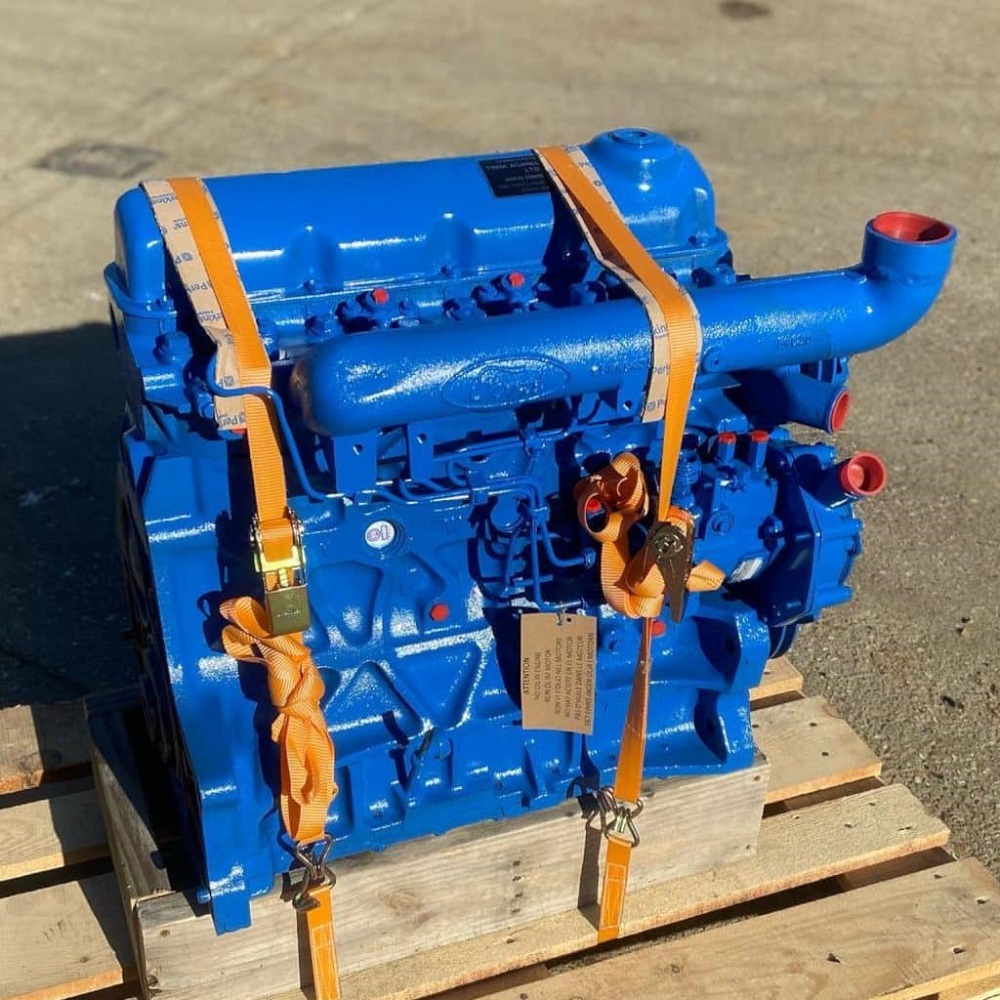
4 cylinder engines are extremely popular in the automotive industry. Many small to medium-sized cars use them for efficiency and reliability. Their compact size reduces vehicle weight, improving fuel economy. Beyond cars, these engines are found in motorcycles, boats, and industrial machinery. For urban commuters, 4 cylinder engines provide an affordable and dependable option. In commercial use, they power tools like generators and farm equipment, showcasing their versatility and practicality.
Anatomy of a 4 Cylinder Engine
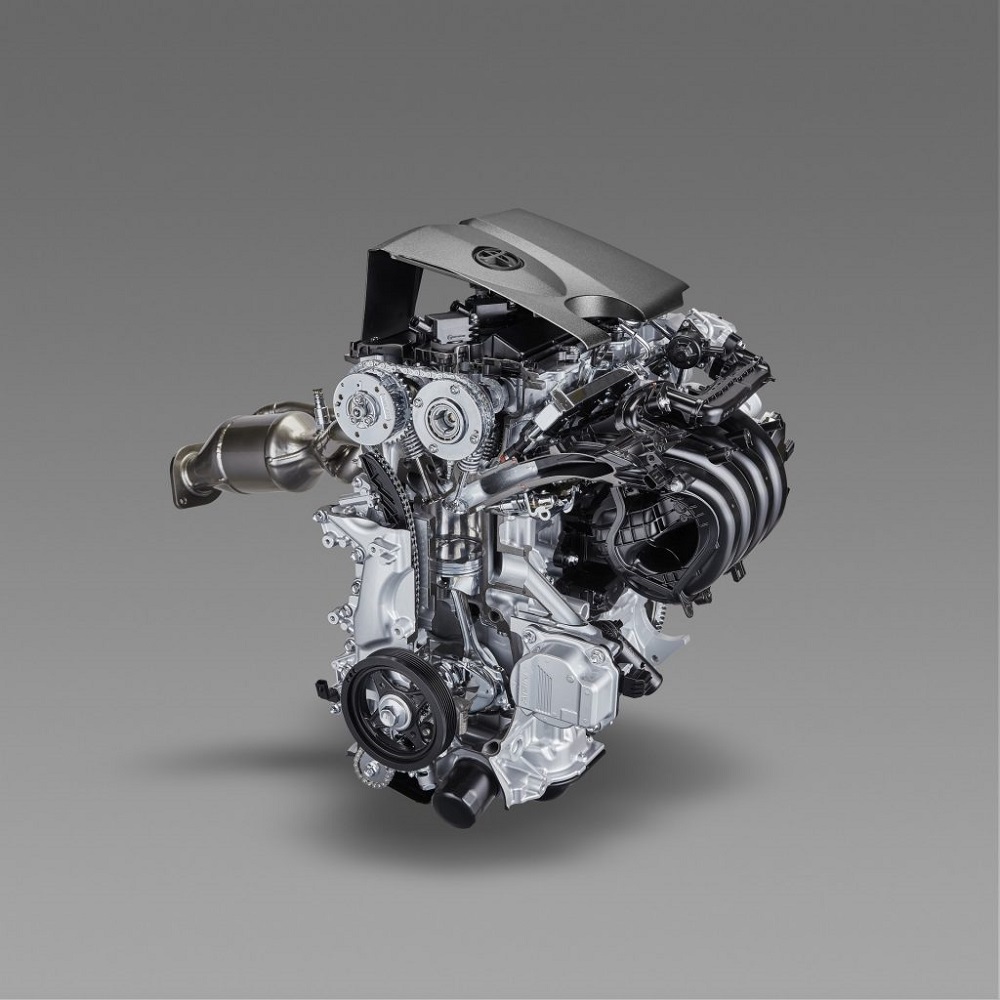
Understanding the anatomy of a 4 cylinder engine helps explain its operation. It comprises several key components that work together to create motion and power. Additionally, the engine’s layout contributes to its efficiency and compact design.
Key Components
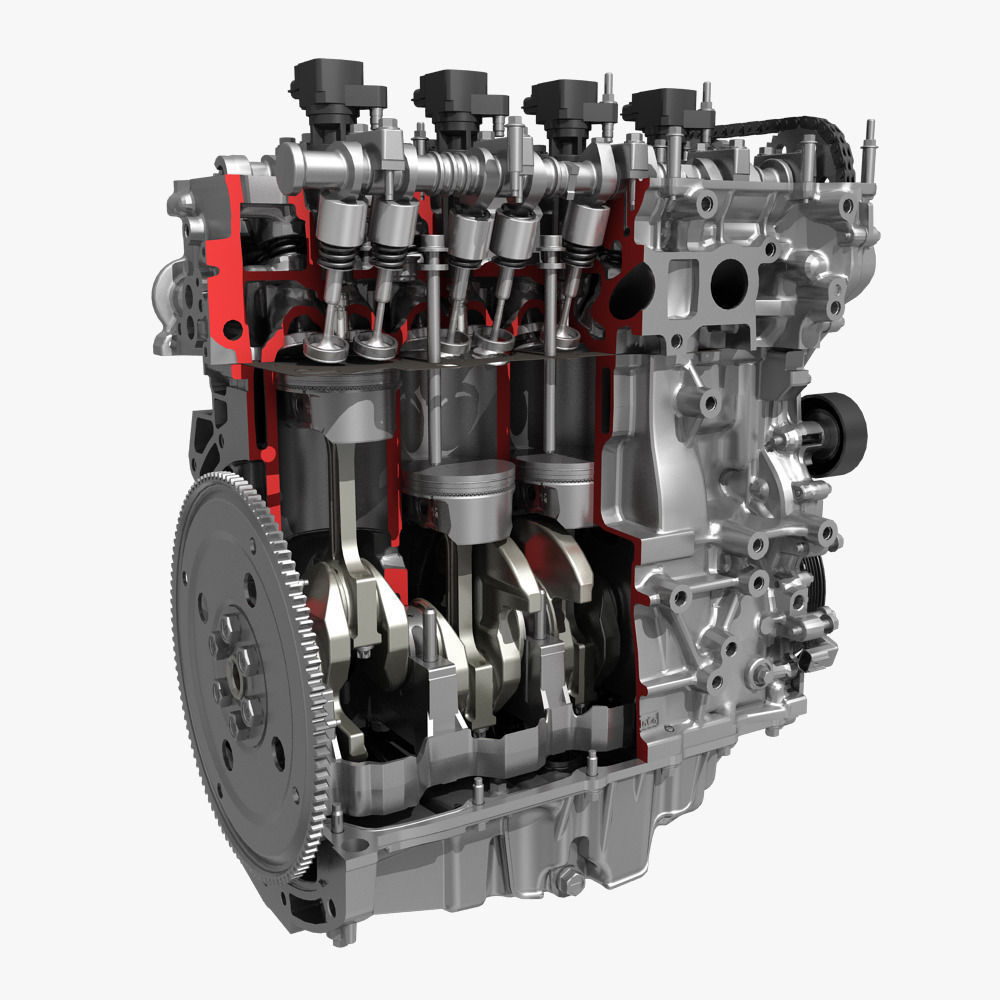
- Cylinders: The heart of the engine, these house the pistons. The engine’s four cylinders are typically arranged in a straight line or V-shaped formation.
- Pistons: These move up and down within the cylinders. Their motion is crucial for generating power.
- Crankshaft: The crankshaft converts the up-and-down motion of the pistons into rotational motion.
- Valves: Valves control airflow in and out of the cylinders. They play a key role in the combustion process.
- Fuel System: Consists of fuel injectors and a pump. It delivers fuel into the cylinders.
- Air Intake System: Supplies air to mix with fuel for combustion. It includes air filters and intake manifolds.
- Exhaust System: Removes gases produced during combustion. Exhaust manifolds and the catalytic converter are part of this system.
- Ignition System: Starts the combustion process with spark plugs, coils, and electronic controls.
These components work together efficiently, making the 4 cylinder engine reliable and versatile.
Engine Layout
The layout of the 4 cylinder engine directly affects performance and space efficiency:
- In-line Configuration: All cylinders are positioned in one straight line. This layout is the most common due to its simplicity and compactness. It allows for easy maintenance and balanced performance.
- V-Shape Configuration: Cylinders are arranged in a V-shape. This layout reduces engine size and weight, improving vehicle balance.
The compact design of these layouts maximizes available space. Smaller engines save weight and improve fuel economy. Engineers often choose the layout based on the vehicle’s needs and design constraints.
How a 4 Cylinder Engine Operates
Understanding how a 4 cylinder engine operates is key to appreciating its efficiency and functionality. This operation is made possible by two critical processes: the combustion process and the power generation cycle.
Combustion Process
The combustion process in a 4 cylinder engine is essential for creating power. It starts with the intake of air and fuel into each cylinder. This mixture is compressed by the piston moving upward, creating high pressure.
A spark plug then ignites the mixture, causing a controlled explosion. This explosion forces the piston downward, producing energy. The exhaust valves then open, allowing gases to exit the cylinders, making way for fresh air and fuel.
This cycle repeats continuously in each of the four cylinders. The process is timed to optimize performance and maintain smooth engine operation. The controlled combustion ensures the engine runs efficiently and generates consistent power.
Power Generation Cycle
The power generation cycle is a four-step process: intake, compression, combustion, and exhaust. This is also known as the four-stroke cycle.
- Intake Stroke: The intake valve opens, and the piston moves downward, drawing air and fuel in.
- Compression Stroke: The piston moves upward, compressing the air-fuel mixture, preparing it for ignition.
- Combustion Stroke: The spark plug ignites the mixture, causing an explosion that pushes the piston downward.
- Exhaust Stroke: Exhaust gases exit the cylinder as the exhaust valve opens, clearing the chamber for the next cycle.
Each cylinder operates in a staggered sequence to ensure continuous power output. This timing eliminates pauses, providing constant and smooth energy for the vehicle or machine. The crankshaft plays a vital role, converting the pistons’ up-and-down motion into rotational motion to propel the vehicle.
By synchronizing these processes, the 4 cylinder engine delivers power efficiently and reliably.
Advantages of 4 Cylinder
A 4 cylinder engine offers multiple advantages, making it a popular choice worldwide. Its design ensures practical benefits in terms of fuel economy and compactness, which are essential in many vehicles and applications.
Fuel Efficiency
Fuel efficiency is a key strength of 4 cylinder engines. These engines are designed to consume less fuel compared to larger engines like V6 or V8. With fewer cylinders, less fuel is required during operation, reducing overall fuel consumption. This makes them ideal for daily commuting and long-distance travel. Additionally, lower fuel usage translates to reduced emissions, making these engines more environmentally friendly. Automotive manufacturers often incorporate advanced technologies like turbocharging in 4 cylinder engines to enhance fuel efficiency without sacrificing performance. These features contribute to cost savings, particularly beneficial during periods of high fuel prices.
Compact Design
The compact design of 4 cylinder engines is another major advantage. Their small size helps save space under the hood, offering more room for other vehicle components. This design reduces vehicle weight, improving handling and fuel economy further. A lighter engine also makes the vehicle easier to maneuver and accelerates faster. The compact layout of 4 cylinder engines fits well in small to medium-sized cars, motorcycles, and boats. This adaptability is one reason why they appeal to various industries. Moreover, the simpler design reduces production costs, making vehicles equipped with these engines more affordable.
In summary, 4 cylinder engines combine efficiency, compactness, and affordability. These strengths have made them a reliable and practical option for a wide range of uses.
Disadvantages of 4 Cylinder
While 4 cylinder engines are efficient and practical, they do come with some downsides. Understanding these limitations helps in assessing if this engine type suits specific needs.
Performance Limitations
4 cylinder engines often lack the power of larger engines, like V6 or V8 counterparts. They produce less horsepower, making them less suitable for high-performance or heavy-duty vehicles. For vehicles requiring towing or rapid acceleration, these engines may struggle to deliver adequate power.
The smaller size also limits torque output. This can impact performance in uphill drives or when carrying heavy loads. While turbochargers can enhance performance, they add complexity and cost to the engine system. For users needing robust power and high speed, 4 cylinder engines may not be the ideal choice.
Noise and Vibration
4 cylinder engines can generate more noise and vibration compared to larger engines. The smaller size provides less inherent smoothness during operation. This can lead to a less comfortable driving experience, especially during high-speed drives.
Manufacturers often include balance shafts or sound insulation to reduce these effects. However, these additions can raise costs or slightly affect engine efficiency. For users prioritizing a quiet and smooth ride, the vibrations might be a drawback.
In conclusion, understanding these disadvantages is essential when considering a vehicle or machine with a 4 cylinder engine. While they excel in efficiency and affordability, they present trade-offs in power and comfort.
Common Uses for 4 Cylinder
4 cylinder engines serve a variety of purposes due to their efficiency and reliability.
Automotive Industry
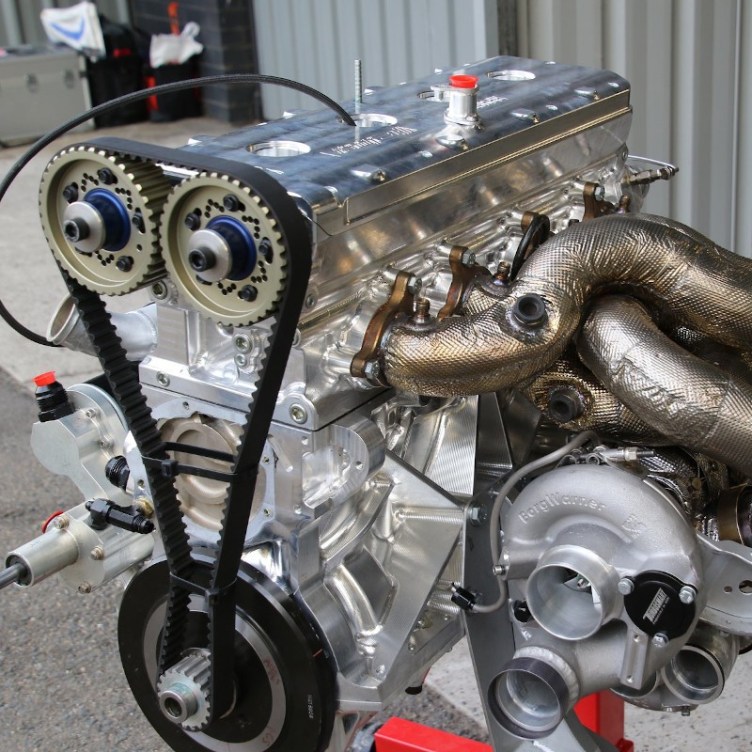
4 cylinder engines are widely used in small and medium-sized cars. They offer great fuel economy for daily commuters. Manufacturers choose these engines for their compact size, which fits well in most car designs. Many modern cars with turbocharged 4 cylinder engines provide excellent performance while saving fuel. They are also common in hybrid vehicles, pairing with electric systems for enhanced efficiency. In addition, 4 cylinder engines are a favored choice for motorcycles due to their light-weight and responsive design.
Other Applications in Machinery
Beyond cars and bikes, 4 cylinder engines are used in various machines. Generators rely on these engines for steady power output. Industrial equipment like compressors and pumps often use them due to their durability. Boats and marine equipment frequently incorporate 4 cylinder engines because of their compact design and reliable performance. In farming, these engines drive tractors and other agricultural tools, making them highly versatile. Their ease of maintenance and affordability further extend their usefulness in different industries.
Overall, the practical features of 4 cylinder engines make them suitable for numerous applications across transportation and machinery.
Maintenance Tips for 4 Cylinder
Regular maintenance keeps 4 cylinder engines running smoothly and extends their lifespan. Following simple tips ensures efficient operation and avoids costly repairs.
Routine Checks
- Inspect Engine Belts: Check for cracks or wear. Replace worn belts immediately to avoid failures.
- Check Fluids: Ensure oil, coolant, and brake fluid levels remain sufficient. Top them off if needed.
- Examine Filters: Clean or replace air and fuel filters regularly to maintain good airflow and fuel delivery.
- Inspect Spark Plugs: Look for signs of wear or damage. Replace faulty plugs to ensure proper ignition.
- Monitor Battery Condition: Clean terminals and check charge levels. Weak batteries affect engine performance.
- Visual Inspections: Look for leaks, rust, or loose connections. Fix issues promptly to prevent damage.
Perform checks monthly or before long trips. Regular inspections improve reliability and safety.
Importance of Proper Lubrication
Lubrication plays a vital role in engine health. It reduces friction and prevents overheating.
- Use the Right Oil: Choose oil recommended by the manufacturer for optimal performance.
- Change Oil Frequently: Drain and replace engine oil every few thousand miles. This avoids sludge buildup.
- Check Oil Levels: Ensure the oil stays within the minimum and maximum markers. Top up if needed.
- Inspect Oil Filter: Replace clogged filters during oil changes to maintain smooth lubrication.
Neglecting lubrication causes wear and tear. Proper lubrication keeps the engine efficient and durable.
By following these maintenance tips, owners can enjoy a reliable and long-lasting 4 cylinder engine.
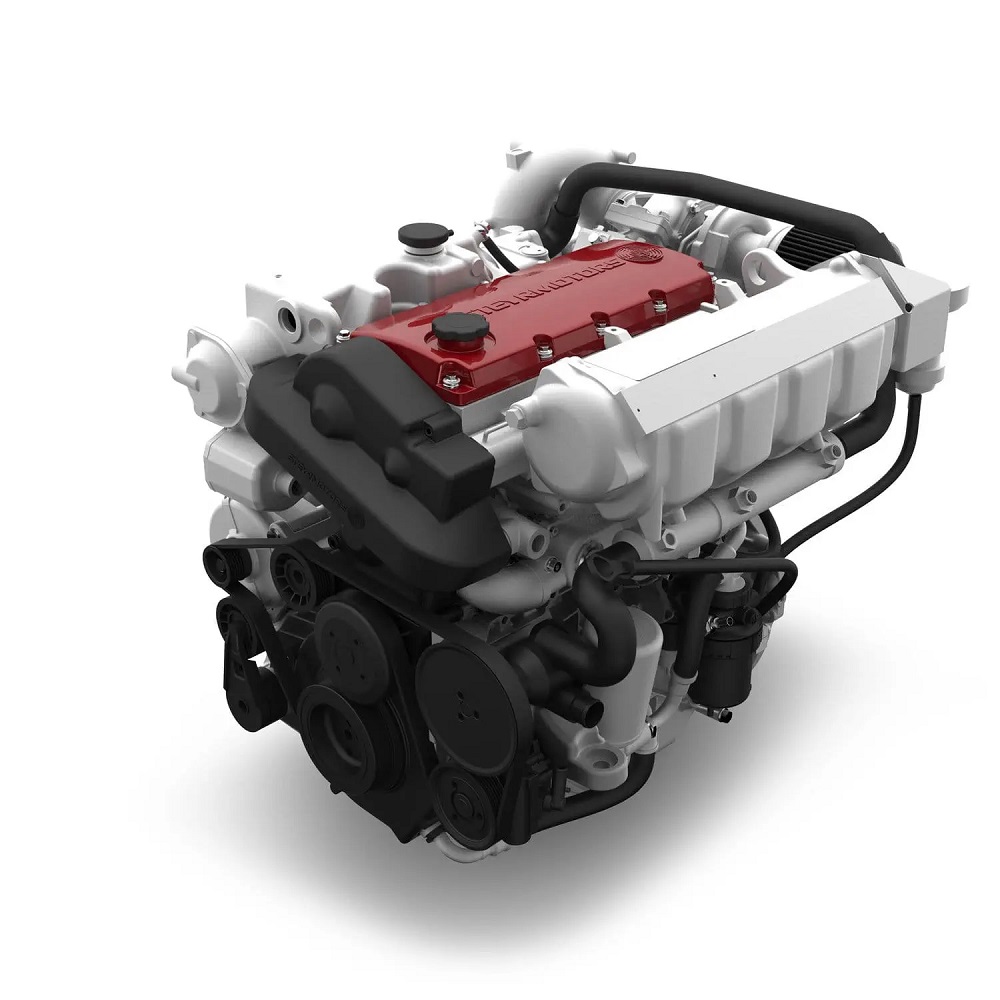
Future of 4 Cylinder Engine Technology
The future of 4 cylinder engine technology promises significant advancements. Engineers continue to focus on efficiency and adaptability. The rise of electric vehicles is also shaping engine development strategies.
Innovations in Efficiency
Leading manufacturers are improving the efficiency of 4 cylinder engines. New technologies like advanced turbocharging are boosting power output while preserving fuel economy. Engineers are refining direct fuel injection to optimize combustion, reducing wasted energy.
Hybrid integration is another innovation. Pairing 4 cylinder engine with electric systems allows vehicles to achieve greater efficiency. Lightweight materials are replacing traditional parts, lowering engine weight for improved performance and fuel savings.
Cylinder deactivation is gaining popularity. This means fewer cylinders operate under low demand, cutting down fuel usage. Variable valve timing is also being used to enhance airflow control during the engine’s operation. Together, these advancements promise cleaner, more efficient engines.
Impact of Electric Vehicles
Electric vehicles (EVs) are changing the automotive landscape. As EVs grow popular, traditional engines face competition. However, 4 cylinder engines are evolving to meet this challenge.
Manufacturers are blending engine technology with electric drivetrains. Hybrid systems keep engines relevant by combining their strengths with electric power. Smaller, more efficient engines remain valuable in plug-in hybrid designs.
The focus on reducing environmental impact drives innovation. Engineers are designing engines with lower emissions to meet stricter regulations. As EVs gain traction, 4 cylinder engines will adapt or become specialized for niche markets.
In conclusion, 4 cylinder engine will not disappear but coexist with electric alternatives. Innovations are making them efficient while adapting their role in modern technology.
In summary, the four-cylinder engine is a remarkable example of automotive engineering. Understanding its inner workings and benefits can enhance your appreciation for this essential vehicle component. With numerous configurations, technologies, and advancements, these engines continue to evolve, providing drivers with reliable and efficient options.
When considering a vehicle purchase, evaluate your driving needs and preferences while exploring the diverse array of four-cylinder engines. With proper maintenance and care, these engines can deliver an enjoyable driving experience for years to come. Embrace the innovations in the automotive industry and enjoy the journey ahead, from city commutes to exciting road trips. The right four-cylinder engine can enhance your driving adventure and help you navigate the roads confidently.
Leave a Reply