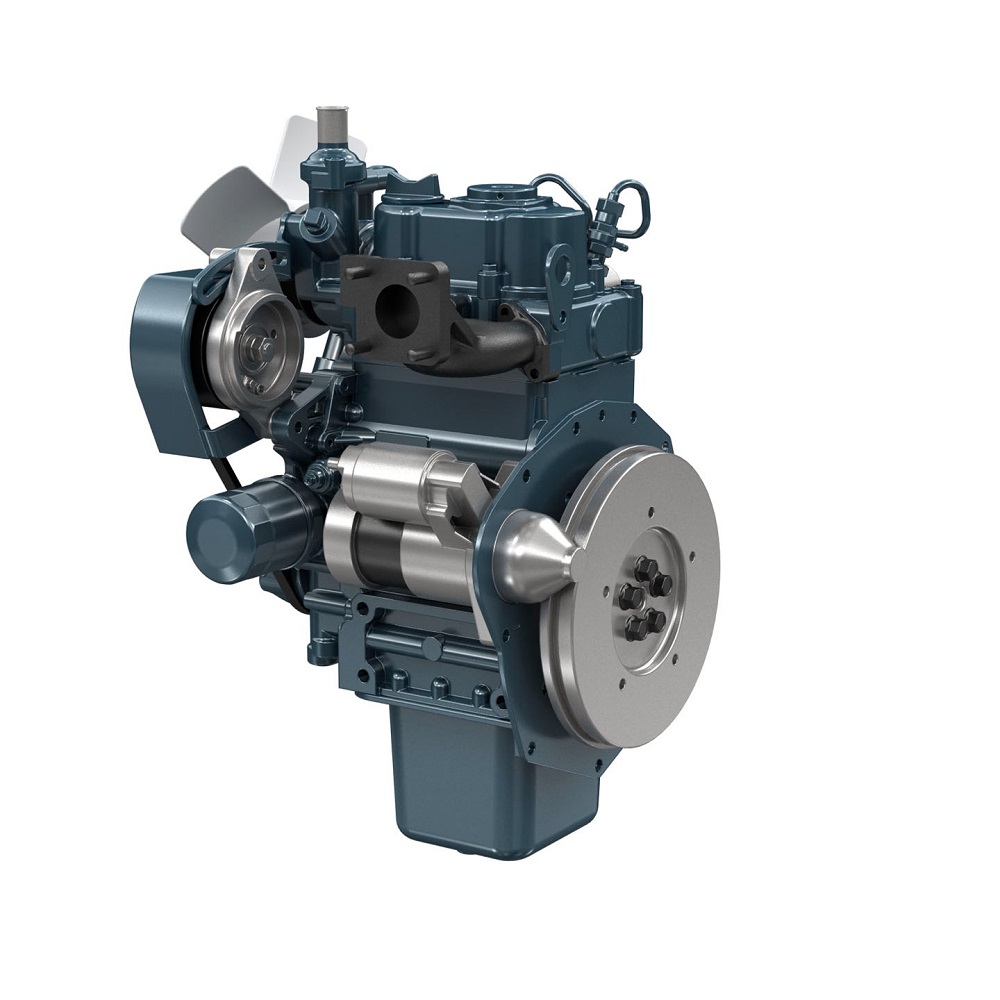
Introduction to 2 Cylinder Engines
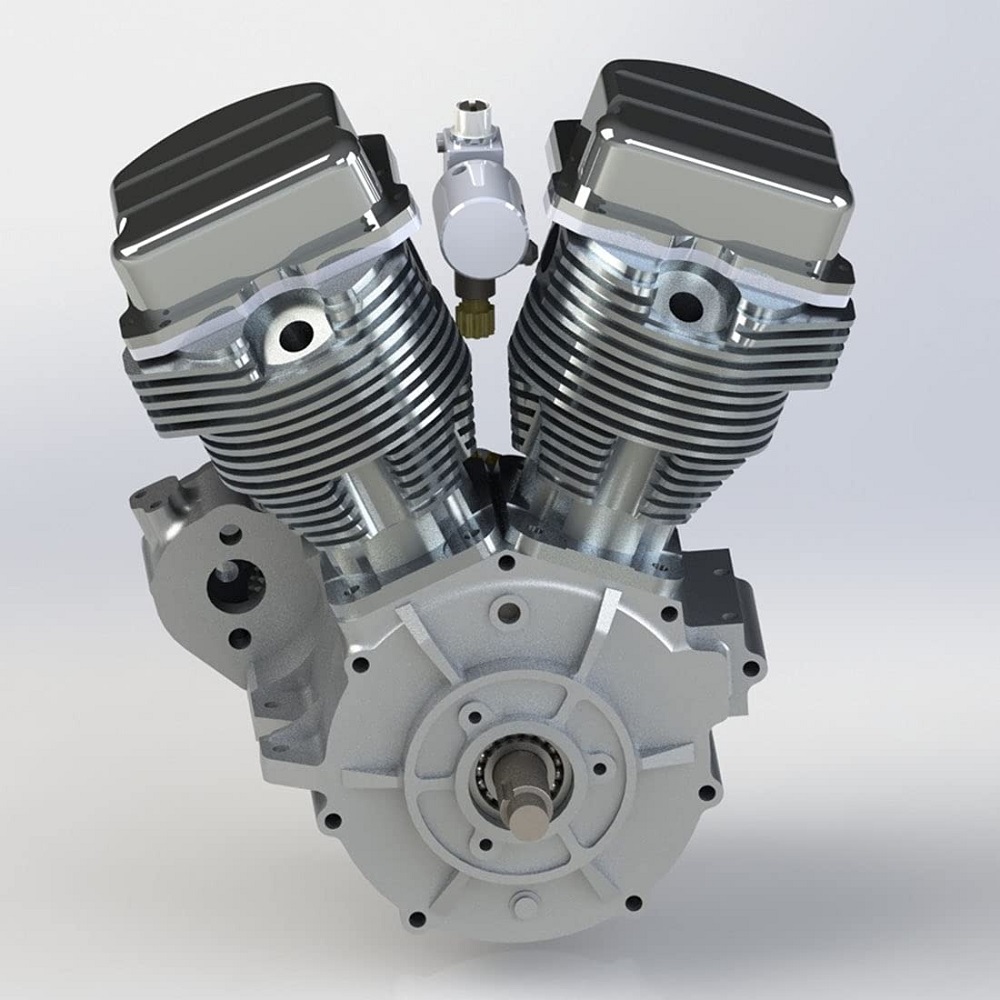
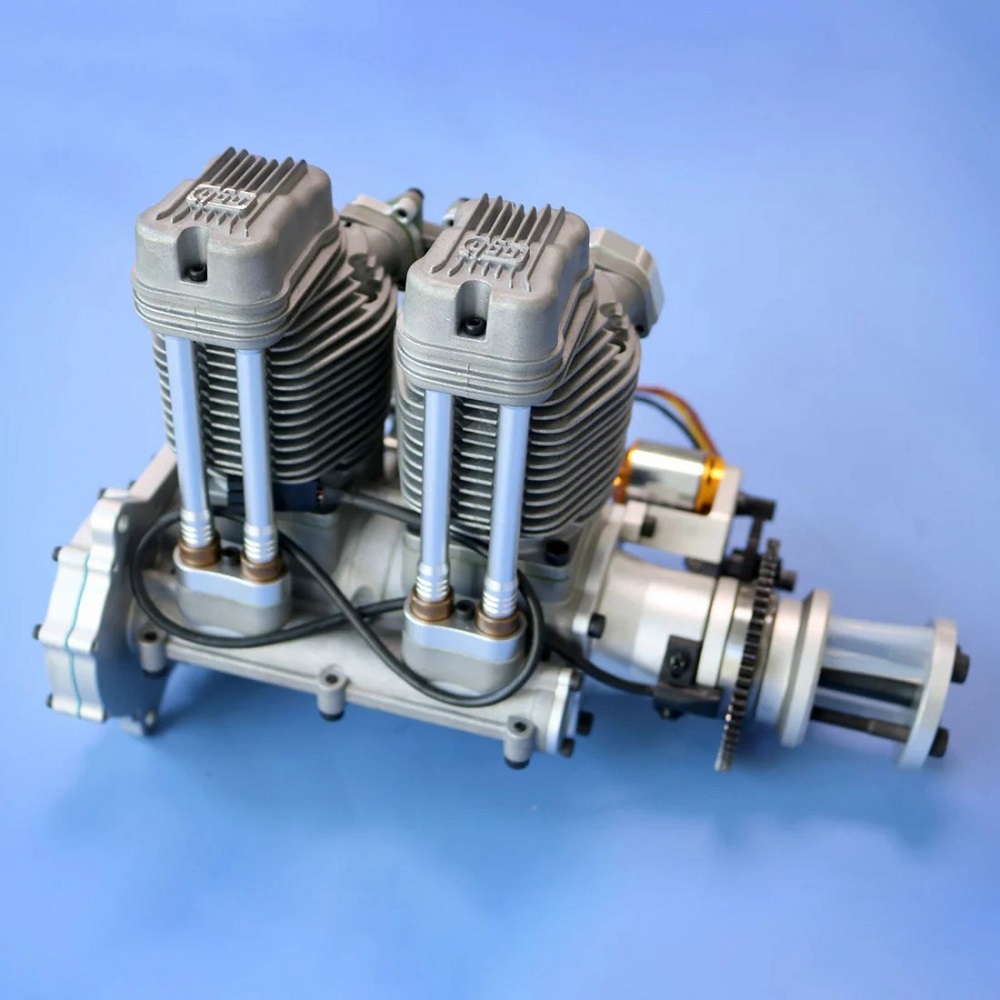
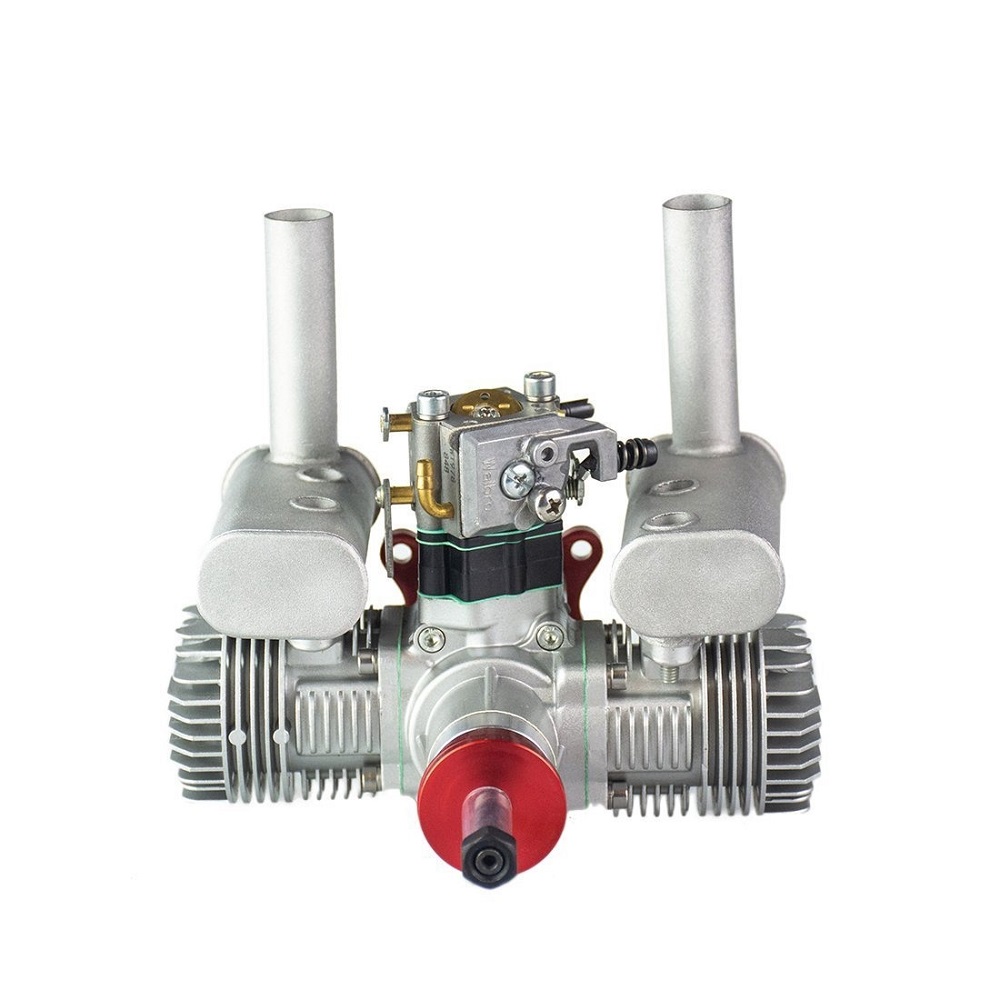
A 2 cylinder engine is a type of internal combustion engine. It features two cylinders that create power for a vehicle or machine. These cylinders are typically arranged side by side, in parallel, or in a V-shape configuration.
Key Characteristics
- Compact Design: 2 cylinder engines are smaller and lighter than larger engines.
- Simple Structure: Fewer components make maintenance easier.
- Affordable Cost: They are generally less expensive to manufacture.
How It Works
- Intake: Air and fuel enter the cylinder.
- Compression: The mixture is compressed by the piston.
- Power: The spark plug ignites the mixture, creating energy.
- Exhaust: Exhaust gases exit through the valve.
Applications
2 cylinder engines are commonly used in motorcycles, ATVs, boats, and compact cars. Their small size suits lightweight machines.
Popularity
These engines are favored for their efficiency and reliability. Though smaller, they deliver adequate power for many applications.
Understanding the basics of a 2 cylinder engine helps appreciate its simplicity and effectiveness.
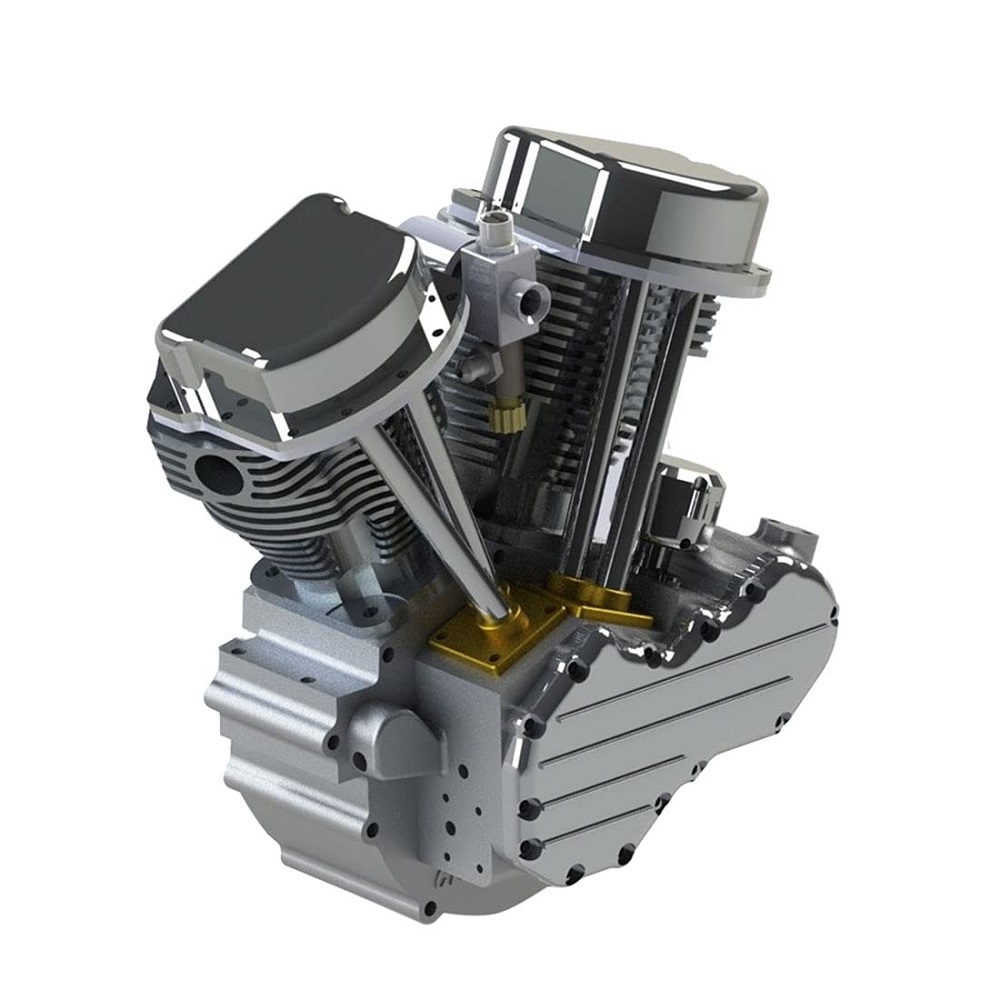
Components of a 2 Cylinder Engine
Understanding the components of a 2 cylinder engine helps appreciate its design and functionality. Let’s dive into key parts that make this engine operate efficiently.
Cylinders
Cylinders are the core of the engine. They house pistons that move to generate power. In a 2 cylinder engine, there are typically two cylinders arranged in parallel or a V-shape pattern. These ensure balanced and compact operation.
Pistons
Pistons move up and down inside the cylinders. They perform critical tasks of compressing air-fuel mixture, resulting in combustion. This moving force powers the engine.
Crankshaft
The crankshaft converts the vertical movement of pistons into rotational energy. This rotational energy is transferred to move the vehicle or machine.
Spark Plugs
Spark plugs are responsible for igniting the air-fuel mixture within the cylinders. This ignition releases energy in the form of heat and pressure.
Valves
Valves control the flow of air and fuel into the cylinders. They also manage exhaust gases exiting the engine. Proper functioning of valves ensures efficient engine performance.
Camshaft
The camshaft synchronizes the opening and closing of valves. It ensures each stage of the combustion cycle occurs properly.
Connecting Rods
Connecting rods link pistons to the crankshaft. They transfer the pistons’ motions to the crankshaft to create power.
Engine Block
The engine block is the main structure holding cylinders and other components. It provides structural support and houses elements of the combustion process.
Lubrication System
The lubrication system ensures smooth movement of engine parts. It applies oil to reduce wear and tear, extending engine lifespan.
By knowing these components, users can better understand how 2 cylinder engines work smoothly and efficiently.
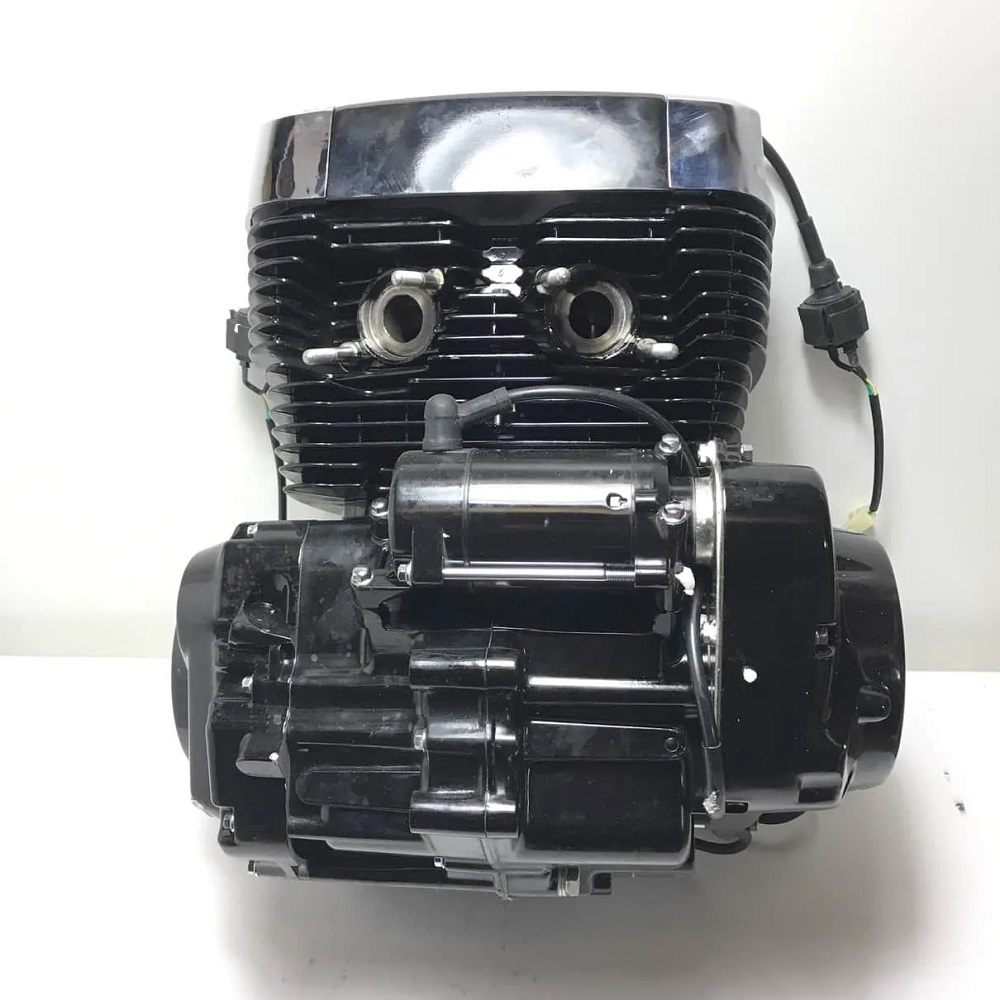
Mechanism of Operation in 2 Cylinder
Understanding the operation of a 2-cylinder engine involves exploring its power cycle and synchronization. Let’s break down the steps of how it works.
The Four-Stroke Cycle
A 2-cylinder engine typically follows the four-stroke cycle. Each cylinder goes through four main stages:
- Intake Stroke: The intake valve opens. A mixture of air and fuel enters the cylinder.
- Compression Stroke: The piston moves up. It compresses the air-fuel mixture tightly.
- Power Stroke: The spark plug ignites the mixture. Combustion occurs, creating energy.
- Exhaust Stroke: The exhaust valve opens. Burnt gases exit the cylinder.
This cycle repeats continuously to produce power for the engine.
Dual Cylinder Synchronization
In 2-cylinder engines, the cylinders fire alternately. Proper synchronization ensures smooth operation. The crankshaft plays a key role here, connecting both pistons and managing their movement.
- Parallel Twin Configuration: Cylinders are side by side. Both pistons may move together, firing alternately.
- V-Twin Configuration: Cylinders form a V-shape. They fire at different angles for balanced performance.
Role of Key Components
Certain components ensure the engine operates effectively:
- Camshaft: It manages the timing of valve operations during each cycle.
- Pistons and Connecting Rods: Convert combustion energy into mechanical energy.
- Crankshaft: Transfers rotational force to power the vehicle or machine.
- Spark Plugs: Provide the spark for ignition, creating the necessary power output.
Coordination of Movements
Each cylinder works together with the other. This coordination delivers consistent and efficient power. The simplicity of 2-cylinder engines allows for a balance between performance and reliability.
By understanding the working mechanism, users can better appreciate the benefits of 2-cylinder engines. Their straightforward design ensures dependable and efficient operation.
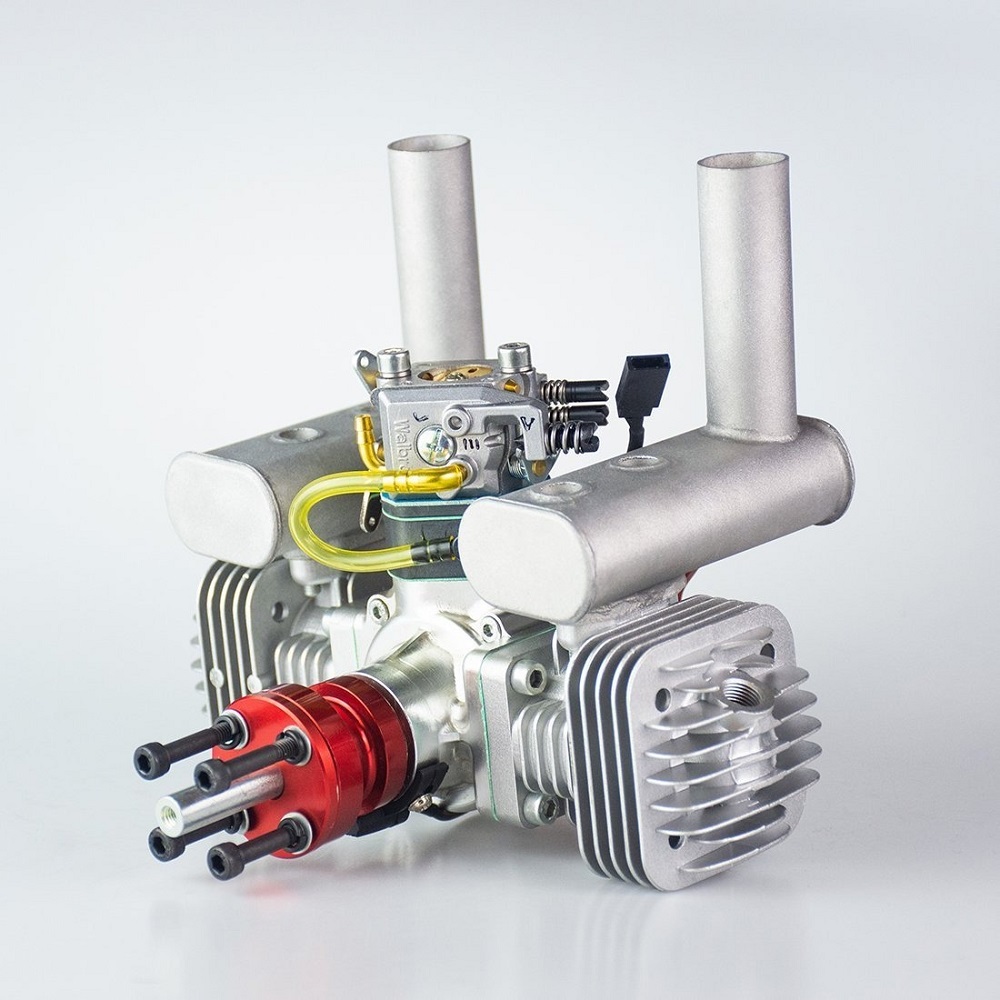
Advantages of 2 Cylinder
Compact Size and Lightweight Design
2 cylinder engines are smaller and lighter than larger engine types. Their compact design fits into tight spaces easily. This makes them ideal for motorcycles, ATVs, and small boats.
Simplicity in Construction
Compared to engines with more cylinders, 2 cylinder engines have fewer parts. This simplifies their operation and reduces the risk of mechanical issues. Repairs and maintenance are quicker and more affordable.
Cost Efficiency
Manufacturing 2 cylinder engines is less expensive due to fewer components. Buyers benefit from lower purchase and maintenance costs.
Smooth Performance
With proper synchronization, 2 cylinder engines deliver stable and balanced operation. Their coordinated movements ensure reliable power delivery during use.
Energy Efficiency
These engines consume less fuel compared to larger engines. Their energy-efficient design contributes to lower operating costs and reduced emissions.
Versatility
2 cylinder engines can adapt to different uses, from vehicles to machinery. Their flexible application enhances their popularity in various industries.
Low Noise Levels
The smaller size and compact design help reduce noise during operation. This ensures smoother and quieter performance compared to larger engines.
Reliability
The straightforward design of 2 cylinder engines leads to dependable and consistent functionality. This makes them a trusted choice for long-term use.
In summary, the compact, simple, and efficient features of 2 cylinder engines offer great advantages across various applications.
Common Applications of 2 Cylinder
2 cylinder engines are versatile, powering a variety of machines and vehicles efficiently. Here are their most common applications:
Motorcycles
Motorcycles frequently use 2 cylinder engines due to their compact size and lightweight design. These engines provide sufficient power for high-speed travel while keeping the motorcycle lightweight and maneuverable.
All-Terrain Vehicles (ATVs)
ATVs rely on 2 cylinder engines for their balance of power and efficiency. Their compact build makes them ideal for vehicles that navigate rough terrains.
Boats
2 cylinder engines often power small boats, offering reliability and smooth operation on water. They are favored for their energy efficiency and ability to fit into tight engine compartments.
Lawnmowers
Compact 2 cylinder engines are commonly integrated into lawnmowers. Their simplicity supports efficient cutting while reducing maintenance requirements.
Compact Cars
Some small cars utilize 2 cylinder engines for lightweight performance. These engines help deliver fuel efficiency and reduce production costs while maintaining necessary power.
Generators
Generators use 2 cylinder engines to produce electricity for homes or worksites. These engines are compact yet provide consistent power output.
Snowmobiles
Snowmobiles benefit from the balance of power and lightweight offered by 2 cylinder engines. They are ideal for gliding smoothly over snow.
Industrial Equipment
Various industrial machines use 2 cylinder engines for dependable and efficient operation. Their small size suits diverse applications in manufacturing and agriculture.
These applications show the versatility of the 2 cylinder engine. Its simplicity, efficiency, and reliability make it suitable for a wide range of uses.
Comparison of 2 Cylinder with Other Engine Types
Understanding how 2 cylinder engines compare to other types is essential. Each engine type offers unique benefits and features. Here’s a detailed comparison based on size, performance, cost, and efficiency.
Size and Weight
- 2 Cylinder Engines: Compact and lightweight, suitable for small machines and vehicles.
- 4 Cylinder Engines: Larger and heavier, providing more power for medium-sized cars.
- 6 and 8 Cylinder Engines: Bulky and significantly heavier, mostly used in heavy-duty vehicles.
Power Output
- 2 Cylinder Engines: Adequate power for motorcycles, ATVs, and compact machines.
- 4 Cylinder Engines: More powerful, fitting medium-range vehicles like sedans.
- 6 and 8 Cylinder Engines: High power output, ideal for trucks and performance cars.
Fuel Efficiency
- 2 Cylinder Engines: Consume less fuel, making them highly energy efficient.
- 4 Cylinder Engines: Consume moderate fuel, balancing power and efficiency.
- 6 and 8 Cylinder Engines: Require more fuel, offering higher performance but less energy efficiency.
Cost Comparison
- 2 Cylinder Engines: Cheaper to manufacture and maintain, accessible for budget-friendly machines.
- 4 Cylinder Engines: More costly but reasonable for medium-range cars.
- 6 and 8 Cylinder Engines: Expensive to produce and repair, suitable for high-end vehicles.
Applications
- 2 Cylinder Engines: Used in motorcycles, boats, small generators, and snowmobiles.
- 4 Cylinder Engines: Power sedans, SUVs, and small trucks.
- 6 and 8 Cylinder Engines: Commonly found in pickup trucks, sports cars, and industrial machines.
Noise Levels
- 2 Cylinder Engines: Operate quietly due to compact design.
- 4 Cylinder Engines: Produce moderate noise levels during operation.
- 6 and 8 Cylinder Engines: Typically louder, suitable for heavy-duty performance.
Maintenance
- 2 Cylinder Engines: Simple structure, requiring minimal maintenance.
- 4 Cylinder Engines: Frequent, moderate maintenance needed for smooth operation.
- 6 and 8 Cylinder Engines: Complex, requiring skilled maintenance.
In conclusion, 2 cylinder engines excel in simplicity, efficiency, and affordability. They suit lightweight and budget-friendly applications. Larger engines provide more power but at the cost of increased fuel consumption and complexity. Choosing the right engine depends on the specific needs and preferences of the user.
Maintenance Tips for 2 Cylinder
Proper maintenance ensures a 2 cylinder engine operates efficiently and lasts longer. Here are essential tips:
Regular Oil Changes
- Replace engine oil according to manufacturer guidelines.
- Use high-quality oil suited to your engine’s specifications.
- Check oil levels frequently to prevent engine wear.
Clean or Replace Air Filters
- Inspect air filters regularly for dirt and debris.
- Replace clogged filters to maintain airflow and engine performance.
Spark Plug Maintenance
- Check spark plugs for damage or carbon buildup.
- Replace faulty spark plugs for a smooth ignition process.
Check Fuel System
- Ensure the fuel tank is clean and free from debris.
- Use good quality fuel to prevent clogging and damage to components.
Inspect Belts and Hoses
- Check for signs of wear like cracks or fraying.
- Replace damaged belts and hoses promptly to avoid engine problems.
Maintain Cooling System
- Monitor coolant levels to prevent overheating.
- Regularly clean and inspect the radiator and cooling fan.
Keep Bolts and Fasteners Tight
- Inspect bolts and fasteners regularly for looseness.
- Tighten them to prevent vibrations and damage during operation.
Check for Unusual Noises
- Listen for odd sounds like knocking or rattling.
- Investigate and fix causes promptly to avoid larger issues.
Perform Routine Inspections
- Inspect the engine for leaks or cracks.
- Look at overall cleanliness and remove dirt or debris.
Follow the Manufacturer’s Manual
- Adhere to specific maintenance suggestions provided by the manufacturer.
- Stick to recommended timelines for service and part replacements.
Consistent care ensures your 2 cylinder engine runs smoothly and prolongs its lifespan effectively.
Enhance Your Driving Experience
Adjusting to Different Driving Conditions
One of the appealing aspects of 2-cylinder engines is their adaptability to various driving conditions. They perform well in city traffic, providing enough torque for quick starts and smooth acceleration. At the same time, they can handle highway speeds efficiently due to their power-to-weight ratio. Whether navigating through urban environments or cruising on open roads, 2-cylinder engines offer a comfortable and confident driving experience. The ease of handling contributes to a positive experience for both novice and experienced drivers alike.
Exploring New Technologies
As automotive technology advances, new features are being integrated into vehicles with 2-cylinder engines. Manufacturers are developing advanced electronic control systems that optimize engine performance and fuel efficiency. Technologies like variable valve timing and direct fuel injection can enhance driving characteristics without sacrificing power. These innovations help maintain the relevance of 2-cylinder engines, making them increasingly appealing to consumers. As these features become more commonplace, drivers can enjoy enhanced performance while adhering to efficiency standards.
Rider Engagement and Interaction
Driving a vehicle equipped with a 2-cylinder engine offers an engaging experience. The sound produced by a 2-cylinder engine is distinct and often more exhilarating than that of larger engines. Many drivers appreciate the feedback and responsiveness of smaller engines, making them feel more connected to the vehicle. This sense of engagement adds to the overall enjoyment of driving, allowing enthusiasts to appreciate the nuances of their machines. Whether on a scenic drive or a spirited ride, the emotional connection to your vehicle enhances the experience.
Emphasizing Community and Lifestyle
Joining Enthusiast Groups
Owning a vehicle with a 2-cylinder engine often leads to connections with fellow enthusiasts. By joining local motorcycle or automotive clubs, you can share experiences and learn more about your vehicle. These communities often host ride-outs, events, and meet-ups, creating a sense of camaraderie among members. Building friendships and engaging with others who share similar interests can deepen your appreciation for your vehicle while expanding your knowledge.
Sharing Your Passion
Having a 2-cylinder engine vehicle allows you to share your passion with others. Participate in local events, car shows, or riding days to showcase your vehicle. Attending these gatherings provides opportunities to meet fellow enthusiasts and discuss modifications, experiences, and preferences. Sharing stories and advice can enhance your connection with the community, building relationships that last well beyond the ride.
Celebrating the Joy of Riding
Ultimately, owning a vehicle with a 2-cylinder engine is about celebrating the joy of riding or driving. The freedom of the open road, the thrill of acceleration, and the sense of adventure define the rider’s experience. As you embrace this passion, cherish each moment spent on the road. Whether you’re commuting, exploring new routes, or attending events, make the most of every journey while connecting with vehicles and people who inspire you. Your 2-cylinder engine is not just a machine; it is a companion on countless adventures.
Leave a Reply