
What is a 12 Cylinder Engine?
A 12 cylinder engine is a powerful internal combustion engine. It has 12 cylinders in total. These cylinders are arranged in specific configurations for optimal functionality. This type of engine has been celebrated for its performance and balance.
Overview of cylinder configurations
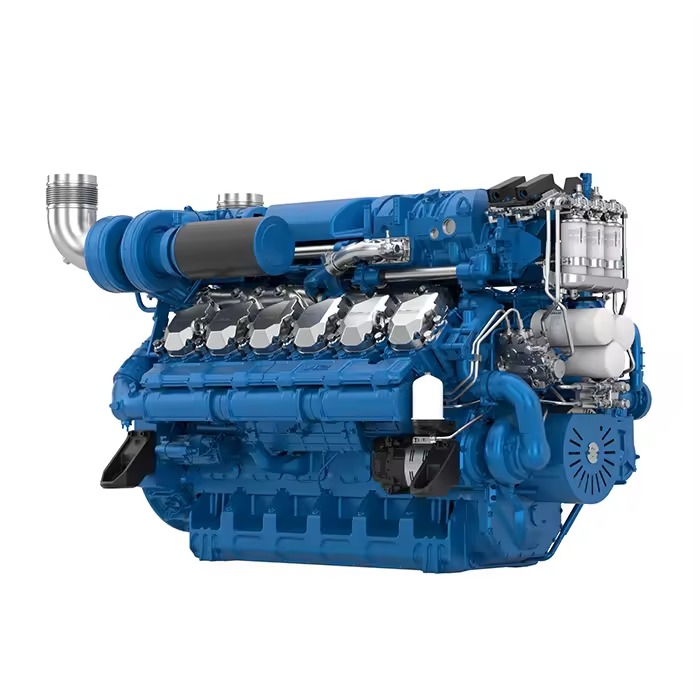
12-cylinder engines can come in various configurations. Common designs include V12, flat-12, and W12 arrangements. The V12 configuration is the most popular one. Its cylinders are arranged in two banks of six. They form a “V” shape. This design optimizes power delivery and smooth running. Flat-12 engines, on the other hand, have cylinders positioned horizontally. They are compact but have limited use due to design constraints. The W12 engine has three banks of cylinders in a “W” shape. It combines power with space efficiency.
How a 12-cylinder engine operates
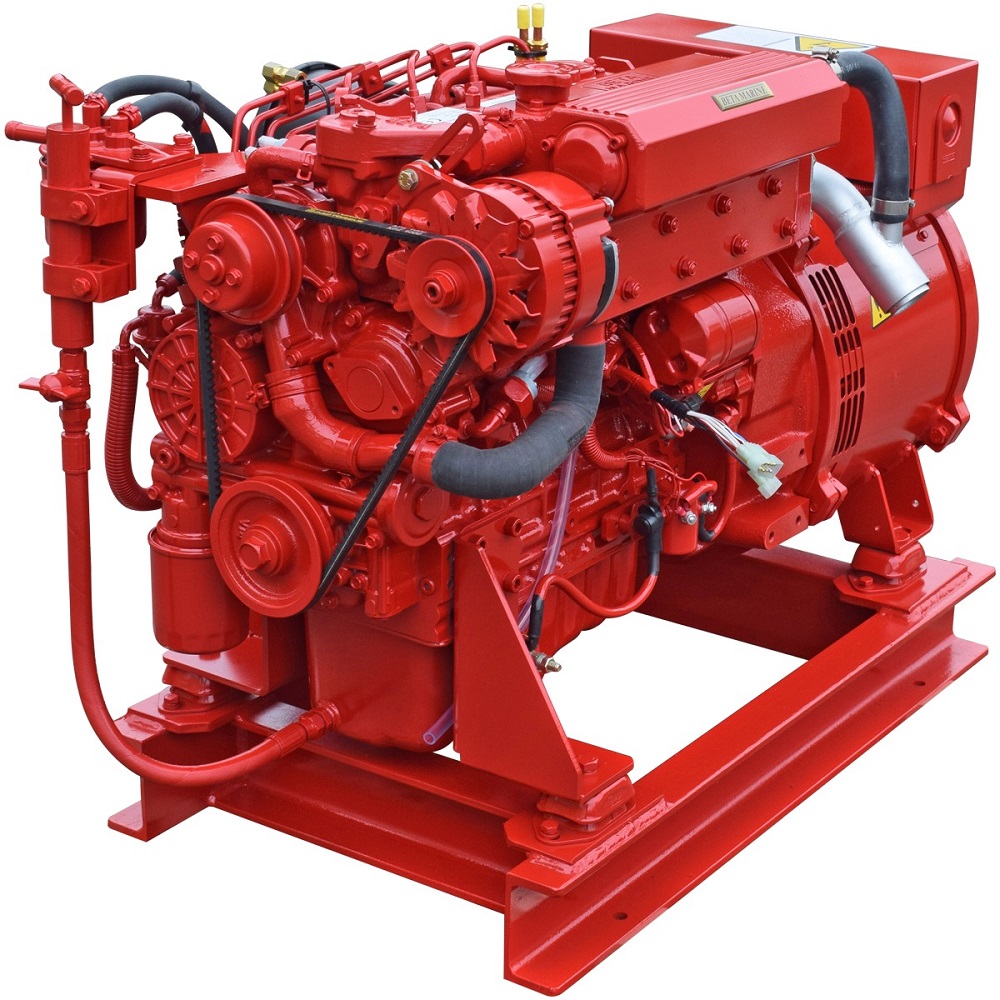
A 12-cylinder engine works by utilizing combustion within each cylinder. Pistons are inside the cylinders, moving up and down due to explosions created by burning fuel. This movement powers the crankshaft to produce rotational energy. The large number of cylinders allows for smoother power delivery. Firing of each cylinder is evenly spaced for balance and reduced vibration. The engine also ensures high power output for speed and performance. Its complexity demands precision in operation and manufacturing.
History of 12 Cylinder Engines
12-cylinder engines have a fascinating history, steeped in innovation and engineering marvels. These engines have evolved over the decades, moving from experimental designs to becoming symbols of power and luxury. Let’s explore their origins and advancements in the automotive world.
Origins and early designs
The concept of a 12 cylinder engine dates back to the early 20th century. Aircraft were among the first industries to explore these engines. Engineers developed them for their ability to generate high power and smooth operation. In 1904, French engineer Alexandre Darracq designed one of the first 12-cylinder engines. This early design was used in speedboat and aeronautical applications.
During World War I, 12-cylinder engines were widely adopted. The Liberty L-12, an American aircraft engine, became a notable example. It showcased the immense potential of such engines for aviation performance. These engines were admired for their smooth power delivery and reliability.
Evolution of 12-cylinder engines in automobiles
The 1920s marked the introduction of 12-cylinder engines in automobiles. Manufacturers like Packard and Cadillac introduced them in luxury cars. Packard’s “Twin Six” in 1915 is considered the first production V12 car engine. It offered refined performance and smoothness unmatched at the time.
As automotive technology advanced, 12-cylinder engines became associated with high-end brands. Companies like Ferrari, Lamborghini, and Rolls-Royce refined these engines for race cars and luxury vehicles. Their engineering evolved to deliver more power, better efficiency, and enhanced durability.
By the 1990s and early 2000s, 12-cylinder engines were a hallmark of elite cars. Examples include the Ferrari 599 and Lamborghini Aventador. These engines combined raw power with cutting-edge engineering, thrilling enthusiasts and collectors alike.
Benefits of 12 Cylinder
12-cylinder engines are renowned for their exceptional abilities and engineering precision. They combine remarkable power, smooth operation, and durability to deliver unparalleled performance.
Performance advantages
A 12-cylinder engine is a powerhouse. It generates incredible amounts of horsepower and torque. This leads to faster acceleration and superior speed. For instance, sports cars with these engines often dominate racetracks. Their performance is aided by the even firing sequence of the cylinders. This reduces vibration and enhances efficiency. The smooth power delivery supports better handling and control during high-speed driving.
Another advantage is the engine’s ability to sustain performance under demanding conditions. Whether on a long drive or during a performance test, these engines excel. They provide consistent output, making them ideal for vehicles focused on speed and power.
Smooth power delivery
Smooth operation is a key feature of 12-cylinder engines. The large number of cylinders ensures balanced performance. Cylinders fire in an evenly spaced sequence, minimizing vibration. This leads to seamless and uninterrupted power delivery. Whether idling or at full throttle, the engine operates with elegance.
This balance also contributes to comfort. Luxury cars use these engines to ensure a quiet and refined ride. Drivers and passengers experience smooth transitions and controlled responses. The engine’s operation makes it highly desirable for premium vehicles.
Longevity and durability
Durability is another hallmark of 12-cylinder engines. Built with precision and high-quality materials, they are designed to last. The balanced firing reduces wear on internal components. This enhances the engine’s lifespan significantly.
Regular maintenance helps these engines remain reliable over time. They handle demanding tasks and rough conditions without compromising performance. Automotive engineers craft them to withstand stress and heavy usage. This combination of strength and longevity makes 12-cylinder engines worth the investment, especially for luxury and performance vehicles.
Popular Cars Featuring 12 Cylinder
12-cylinder engines are synonymous with power and luxury. Many iconic cars have showcased their capabilities. These engines are the pride of luxury and supercar manufacturers, setting benchmarks for performance.
Examples of luxury and supercars
Luxury and supercars featuring 12-cylinder engines exhibit unmatched performance and style. Manufacturers like Rolls-Royce and Bentley integrate these engines into their flagship models. For example, the Bentley Continental GT utilizes a W12 engine, delivering smooth and refined power.
In the realm of supercars, Ferrari and Lamborghini dominate the scene. The Ferrari 812 Superfast is a prime example. Powered by a naturally aspirated V12 engine, it achieves high speed and precision handling. Lamborghini’s Aventador series also features a V12 engine, emphasizing raw power and thrilling acceleration.
Other elite cars, such as the Mercedes-Benz S-Class S600 and Aston Martin DB11, harness 12-cylinder engines. They balance luxury with dynamic performance, appealing to enthusiasts and collectors.
Iconic models with 12-cylinder engines
Several iconic cars have left a mark with their 12-cylinder engines. The Ferrari Testarossa, with its flat-12 engine, earned fame for its performance and design. It represents innovation in sports car engineering during the 1980s.
The McLaren F1, often called the world’s first hypercar, is equipped with a mighty V12 engine. BMW designed its engine specifically for unmatched speed and endurance.
Rolls-Royce Phantom is another notable model. Its V12 engine ensures a smooth and luxurious experience, defining elegance in motion. Lamborghini Miura, hailed as the first supercar, also boasts a V12 engine. It revolutionized the automotive world with its design and power.
12-cylinder engines continue to power cars that symbolize status, sophistication, and thrilling performance. These models highlight engineering excellence and timeless appeal.
Technical Challenges of 12 Cylinder
12-cylinder engines are engineering masterpieces, but they come with certain challenges. These issues stem from their intricate design and high-performance demands. Understanding these problems helps in better utilizing and maintaining these engines.
Design complexities
The design of a 12-cylinder engine is highly complex. It requires precision in every component and assembly. More cylinders mean more moving parts, increasing the chances of mechanical issues. Engineers spend significant time ensuring every cylinder works seamlessly.
One major complexity is in balancing the engine. Uneven firing sequences can create vibrations, leading to reduced efficiency. Designers must carefully arrange the cylinders to maintain balance and optimize power delivery.
Another challenge is size and weight. 12-cylinder engines are large, which can limit their application in compact vehicles. Their heavy construction also affects overall vehicle weight, impacting fuel efficiency.
Cooling these engines is another critical concern. The high number of cylinders produces intense heat. Advanced cooling systems are required to prevent overheating and ensure engine durability.
Maintenance and repair considerations
Maintaining 12-cylinder engines demands expertise and regular care. Their complexity often means higher maintenance costs compared to smaller engines. Specialized tools are needed for repair, making servicing expensive.
Each cylinder must work perfectly for the engine to perform as designed. A single malfunction can disrupt the system, requiring immediate attention. Mechanic workshops often lack experience with these engines, adding to the difficulty.
Repairing a 12-cylinder engine can take significant time. Mechanics must inspect multiple components before diagnosing issues. Replacement parts for these engines are often rare and costly.
Regular maintenance schedules are crucial for the engine’s reliability. Ignoring routine checks can lead to severe damage and performance loss. Engine owners must ensure detailed servicing to keep the vehicle running smoothly.
Understanding these technical challenges is essential for managing and preserving 12-cylinder engines. Their complexity demands precision and care, but their performance rewards outweigh the effort.
Application in Different Industries
12-cylinder engines are known for their power and versatility. They are used across various industries where performance and reliability are critical. Let’s examine how these engines find applications in the automotive, aviation, and marine sectors.
Automotive industry uses
In the automotive world, 12-cylinder engines are synonymous with luxury and speed. Many high-performance sports cars and luxury vehicles employ these engines to stand out. They provide exceptional power, smoothness, and unmatched driving experiences.
Luxury car manufacturers like Rolls-Royce, Bentley, and Aston Martin use 12-cylinder engines in their flagship models. These engines offer a seamless and refined ride, a crucial feature for premium vehicles. For example, the Rolls-Royce Phantom utilizes a V12 engine to deliver smooth, quiet power.
In sports cars, 12-cylinder engines enhance acceleration and handling. Brands like Ferrari and Lamborghini rely heavily on them. These engines ensure extreme performance, making these cars popular on racetracks and in the supercar market. For instance, the Lamborghini Aventador and Ferrari 812 Superfast are powered by beastly V12 engines.
Additionally, their balanced power delivery suits long-distance driving. These engines maintain consistent performance without compromising comfort, making them ideal for grand tourer vehicles.
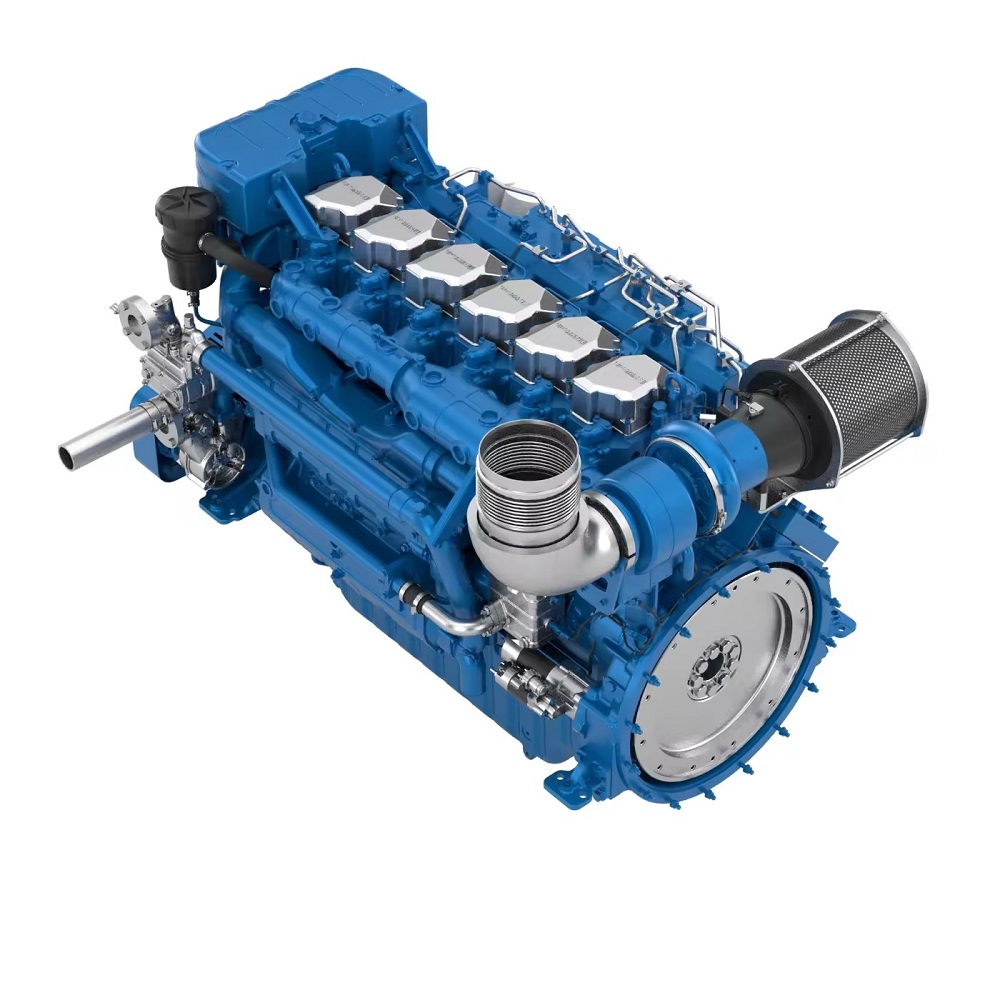
Application in aviation and marine
The aviation industry was an early adopter of the 12-cylinder engine. In the early 20th century, these engines powered many aircraft. Their smooth power delivery and high output made them ideal for early planes. Notable examples include the Liberty L-12 engine, widely used during World War I.
In modern times, 12-cylinder engines still see limited application in aviation. Some private and custom aircraft use them for their reliability and performance in varied conditions.
In the marine industry, these engines power high-speed boats and luxury yachts. 12-cylinder engines are designed for endurance and power, making them perfect for navigating difficult waters. These engines enable vessels to travel at high speeds over long distances while maintaining efficiency.
Overall, 12-cylinder engines remain iconic across industries. Their robust performance, reliability, and versatility make them invaluable for specialized applications.
Future of 12 Cylinder Engines
The future of 12-cylinder engines is evolving with technological and environmental advancements. As car manufacturers innovate, these engines face changes to maintain relevance in a modernized industry.
Trends towards hybridization
Hybridization is a key trend for 12-cylinder engines. Combining traditional engines with electric motors improves efficiency. Hybrid systems reduce fuel consumption while maintaining high performance.
Manufacturers like Ferrari and Lamborghini are adopting hybrid technology. For instance, Ferrari introduced hybrid V12 setups to meet stricter emission standards. Hybrid systems also provide instant torque, enhancing acceleration and overall responsiveness.
This trend ensures 12-cylinder engines remain viable amidst increasing environmental demands. By blending electrification with raw engine power, manufacturers preserve the legacy of these engines while adapting to stricter regulations.
Balancing performance with environmental concerns
Balancing performance with environmental concerns is a challenge for 12-cylinder engines. These engines are powerful, but they consume high amounts of fuel and produce more emissions.
To address this, carmakers are developing advanced materials and technologies. Lightweight components minimize energy loss and improve fuel efficiency. Improved combustion systems and turbocharged designs also enhance energy utilization.
Some manufacturers are exploring synthetic fuels as an alternative energy source. These fuels lower carbon footprints while ensuring high power output. Innovations like these help 12-cylinder engines align with global sustainability goals.
In summary, the future of 12-cylinder engines lies in innovation. Hybrid systems and greener technologies ensure their continued evolution while meeting environmental standards.
Conclusion
The Appeal of the 12 Cylinder Engine
In summary, the 12 cylinder engine represents a perfect combination of power and performance. Its advanced engineering allows for excellent power delivery and smooth operation. While there are challenges, the benefits often outweigh the drawbacks for many enthusiasts. The engine is ideal for luxury sports cars, supercars, and high-performance vehicles, catering to those who seek a thrilling driving experience.
Embracing Technological Advances
As technology continues to progress, the 12 cylinder engine is poised to evolve. Innovations will likely enhance efficiency, performance, and environmental sustainability. Riders and drivers can anticipate exciting developments that redefine the experience of driving a vehicle equipped with this powerhouse engine.
Preparing for the Road Ahead
As you explore your options, consider the advantages and characteristics of a 12 cylinder engine. Understanding how this engine can enhance your driving experience prepares you for informed decisions. Enjoy the thrill of driving and the power that a 12-cylinder engine provides. Embrace the journey that lies ahead, ensuring you have the right vehicle for your adventures. The experience of riding with this level of performance can be truly exhilarating, and every ride becomes an unforgettable experience.
Leave a Reply