What is an Inline 4 Cylinder Engine?
Definition and configuration
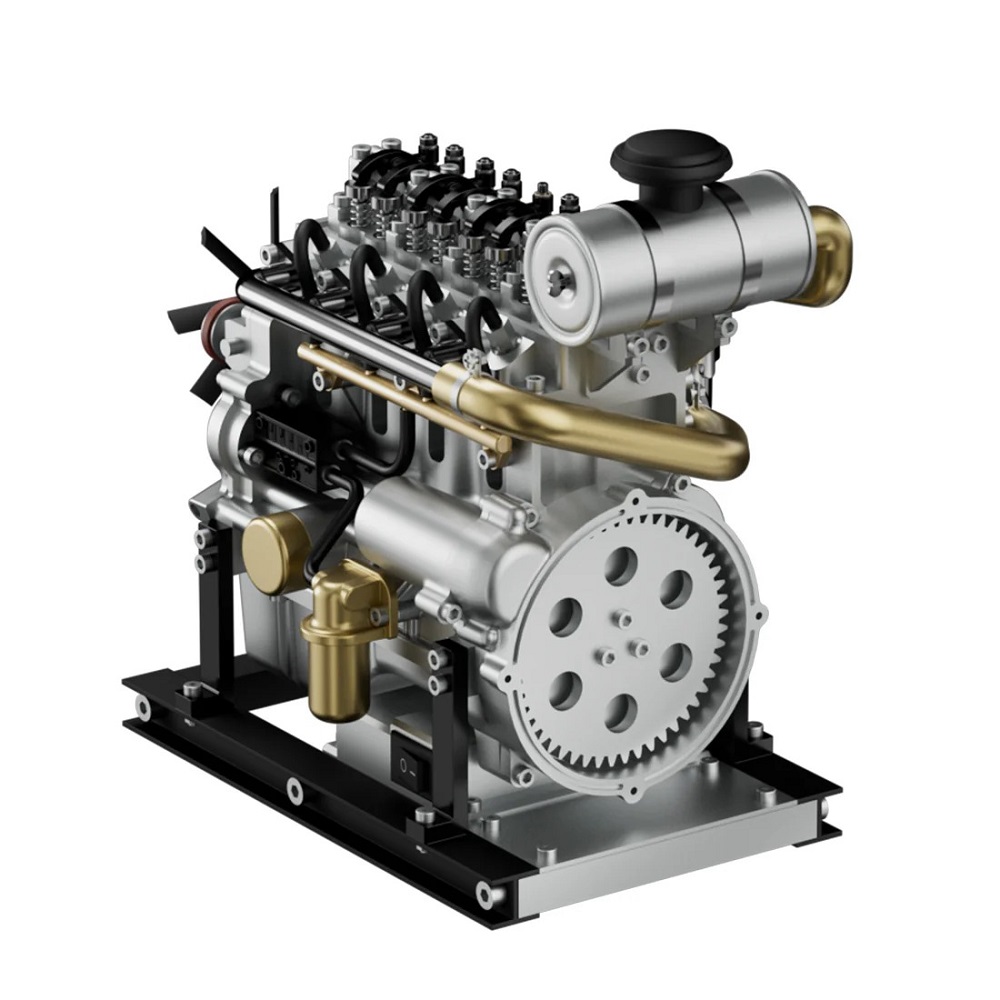
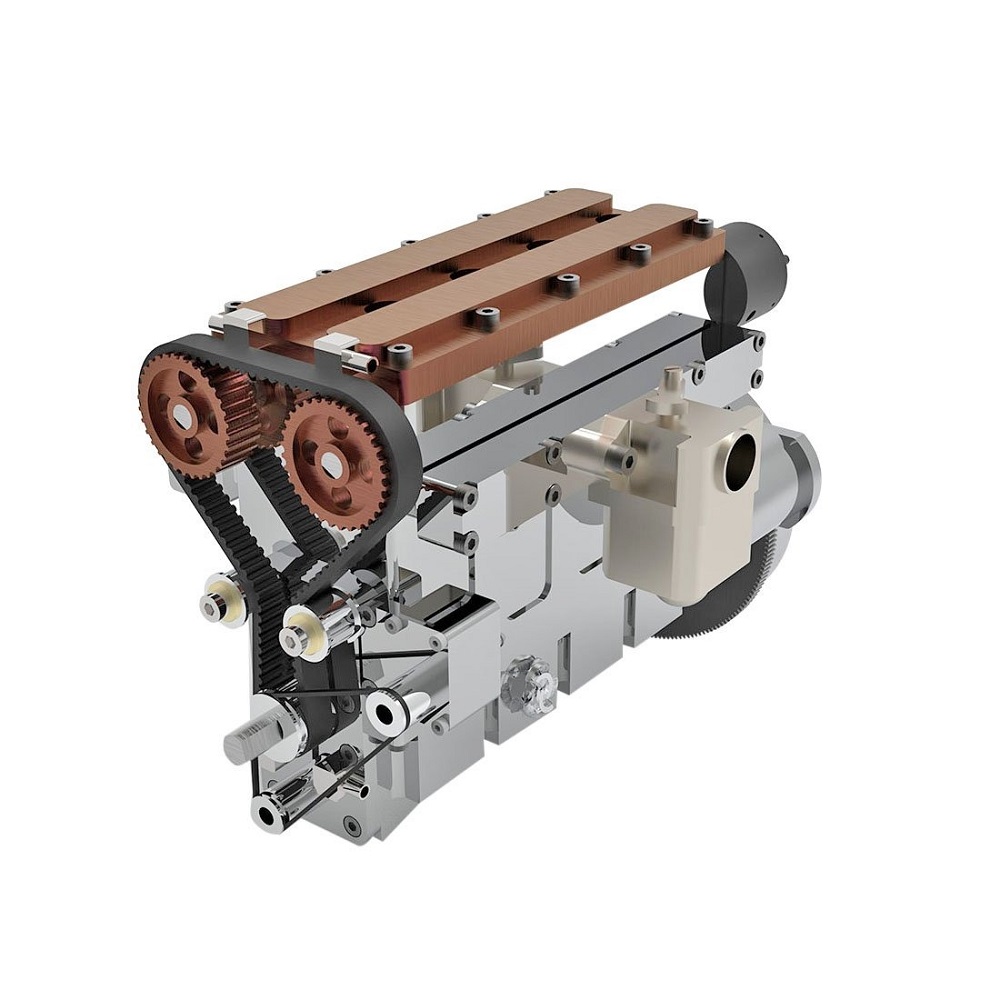
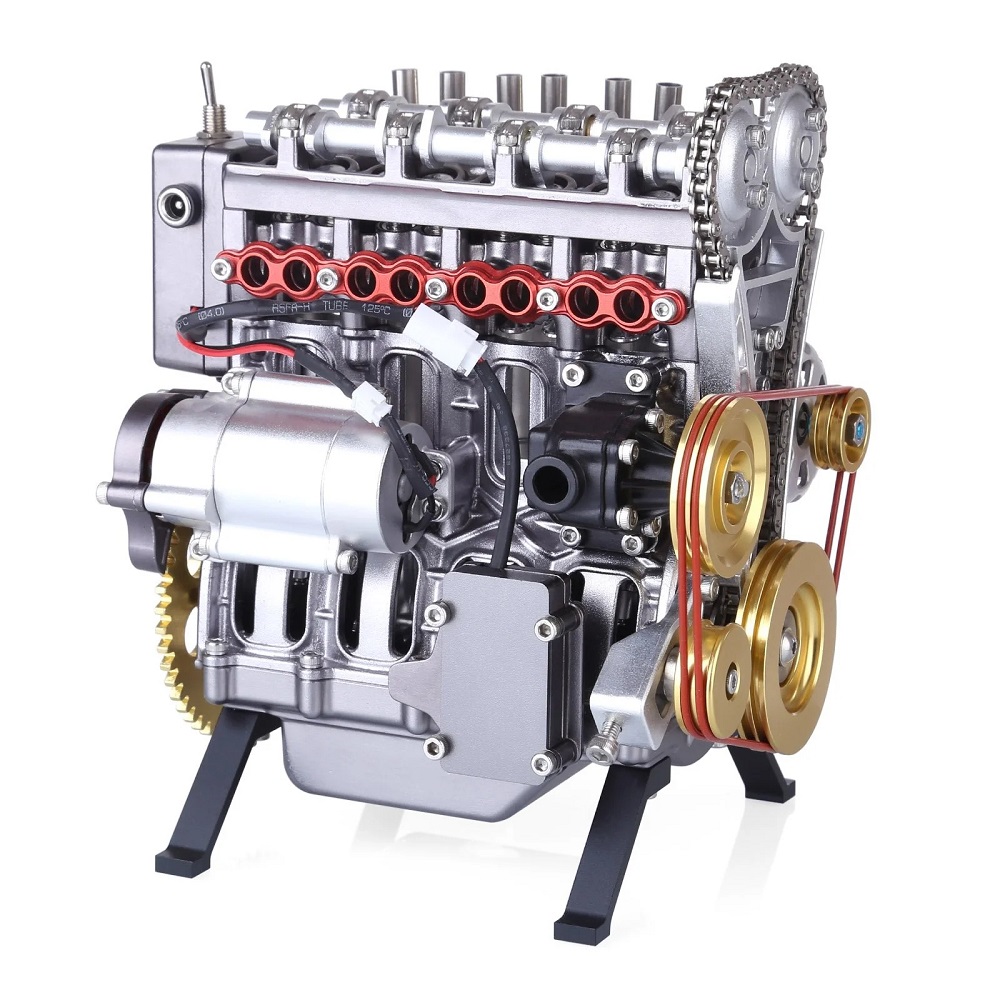
An inline 4 cylinder engine is a type of internal combustion engine. It features four cylinders aligned in a straight line, set along a single plane. This layout is the most common engine configuration in the automotive world. Each cylinder operates on its cycle phase: intake, compression, power, and exhaust. The inline design optimizes space, making it suitable for various vehicles. Compact and efficient, this engine layout is widely used in both cars and motorcycles.
Key components and characteristics
The primary components of an inline 4 cylinder engine include:
- Crankcase: Houses the crankshaft and supports the engine.
- Cylinders: Four chambers where fuel combustion occurs.
- Pistons and rods: Move within the cylinders, transferring energy to the crankshaft.
- Cylinder head: Contains valves, spark plugs, and the intake/exhaust ports.
- Crankshaft: Converts piston movement into rotational power.
- Timing system: Manages engine valve operations for precise timing.
Characteristics of an inline 4 cylinder engine include a compact size, smooth operation, and reliable durability. These traits make it a preferred choice for manufacturers seeking a balance of performance and efficiency. It also has fewer moving parts compared to larger engine layouts, simplifying maintenance and reducing costs.
Advantages of Inline 4 Cylinder
Compact and lightweight design
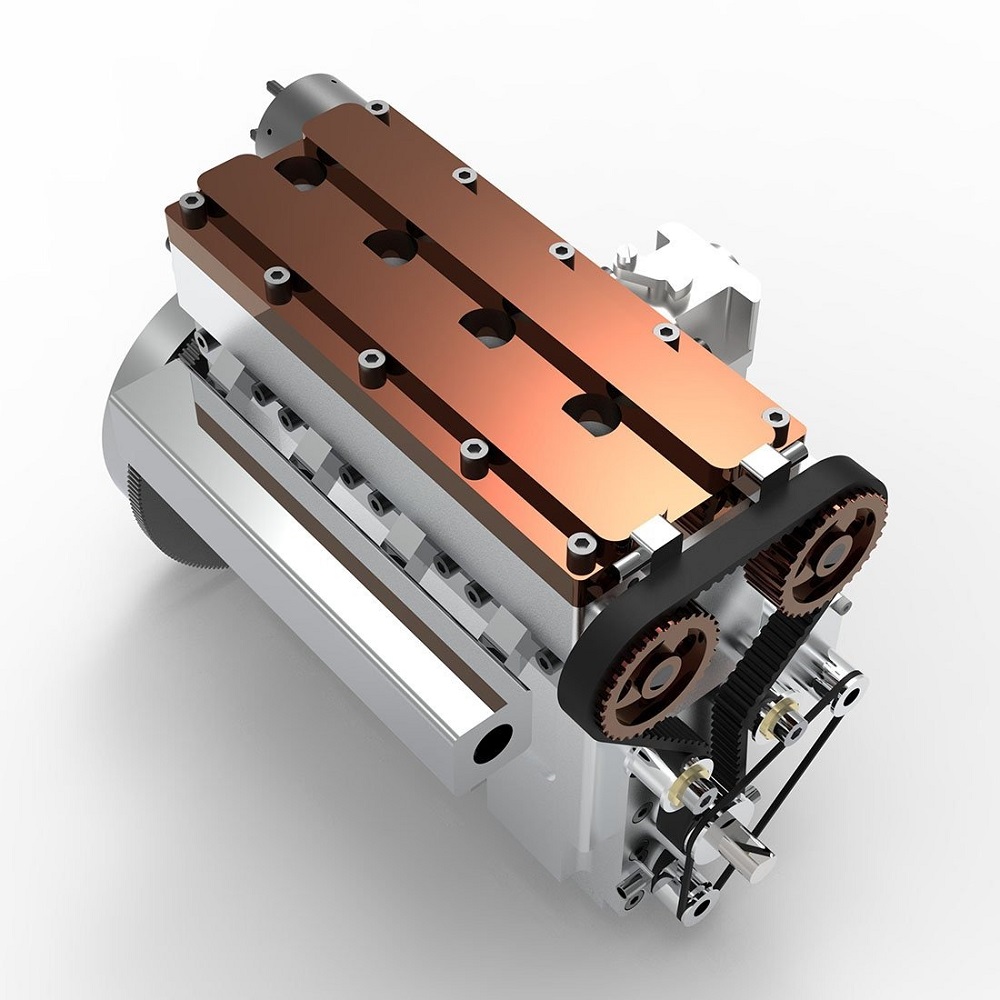
The inline 4 cylinder engine has a compact and lightweight structure. Its design efficiently uses space, making it ideal for smaller vehicles. This layout reduces the engine’s weight, improving overall vehicle handling and efficiency. A lighter engine also contributes to better fuel economy by lowering the load on the vehicle. Additionally, the smaller size of this engine allows for easier placement in tight engine bays. This flexibility makes it suitable for various automotive applications.
Fuel efficiency
The inline 4 cylinder engine is well-known for its fuel efficiency. Its smaller size and lighter weight reduce fuel consumption. The engine’s simplified design also ensures better thermal efficiency during operation. The fewer moving parts in an inline 4 engine lower friction, further boosting fuel savings. This makes it a popular choice for drivers who prioritize affordable and efficient travel.
Cost-effectiveness
The inline 4 cylinder engine is cost-effective in both manufacturing and maintenance. Its simple design requires fewer materials, reducing production expenses for manufacturers. Additionally, its fewer components mean easier and cheaper maintenance for vehicle owners. Replacement parts are more accessible and generally less expensive. Its combination of performance, efficiency, and affordability makes it one of the most economical engine options available.
Performance Capabilities
Horsepower and torque potential
The inline 4 cylinder engine offers impressive horsepower and torque for its compact size. It provides sufficient power output for everyday driving needs. Designers optimize its engine cycle for efficient energy conversion. While smaller than larger engine types, it delivers reliable performance for lightweight vehicles. Modern enhancements in design and materials further boost its power output.
Smooth operation and balance
The inline 4 configuration ensures smooth operation and natural engine balance. Its aligned cylinders minimize mechanical vibrations, leading to quiet performance. This layout promotes stability and reduces engine wear. Engineers focus on improving engine mounts and damping systems to enhance balance further. The result is an engine that operates efficiently and offers superior driving comfort.
Versatility across different vehicles
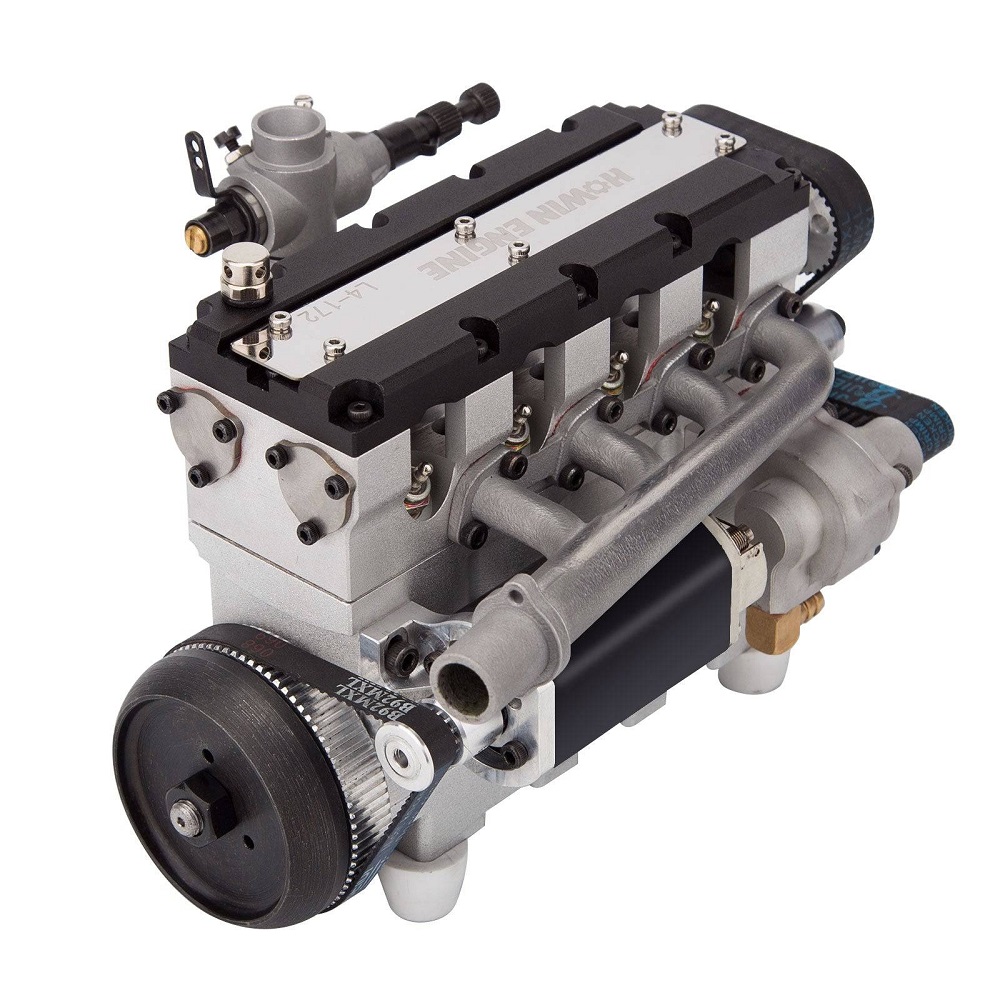
The inline 4 cylinder engine is ideal for a wide range of vehicles. Manufacturers use it in cars, motorcycles, and utility vehicles due to its adaptability. Its small size makes it suitable for compact vehicles requiring tight engine bays. It also integrates easily into hybrid and electric vehicle systems. Its versatility and efficiency make the inline 4 engine popular across multiple automotive sectors.
Applications of Inline 4 Cylinder
Inline 4 cylinder engines are versatile and widely used across various industries. This section highlights their applications in different sectors.
Cars and motorcycles
Inline 4 cylinder engines are common in cars and motorcycles. Their compact size suits small vehicles perfectly. Manufacturers prefer them for their balance of power, efficiency, and affordability. In cars, these engines provide reliable power for daily commuting and compact SUVs. They are ideal for lightweight motorcycles, offering agility and adequate horsepower. Riders enjoy their smooth operation and quiet performance on roads.
Marine and small utility applications
Marine vessels and small utility machines benefit from inline 4 engine designs. Boats often use inline 4 engines for steady, reliable performance on water. Their lightweight nature makes them suitable for smaller craft. In small utility applications, like lawnmowers and generators, these engines provide efficient, durable solutions. Their straightforward design ensures dependable operation in demanding environments.
Hybrid and electric vehicle integration
Modern hybrid and electric vehicles integrate inline 4 cylinder engines seamlessly. These engines serve as range extenders for hybrids, providing supplemental power when needed. Their compact structure fits into tight spaces alongside electric drivetrains. Manufacturers use them to enhance the efficiency and versatility of eco-friendly vehicles. This integration boosts vehicle performance while maintaining lower emissions and fuel consumption.
Comparisons to Other Engine Configurations
Inline-4 vs V6 engines
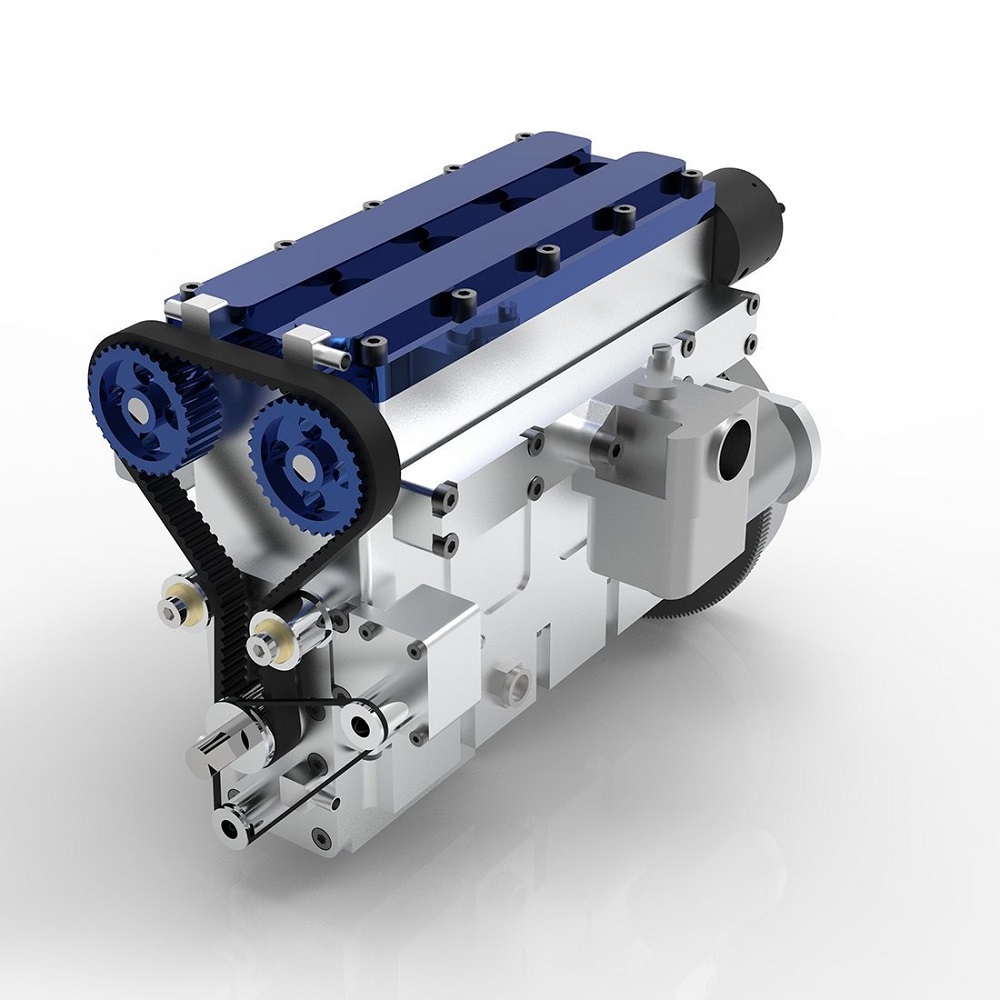
Inline 4 cylinder engines differ significantly from V6 engines. The inline-4 engine has four cylinders aligned in a straight line, while a V6 has six cylinders arranged in a “V” shape. Inline-4 engines are lighter, more compact, and more fuel-efficient. They are also cheaper to manufacture and maintain.
V6 engines, however, offer greater power and torque, making them suitable for larger vehicles and performance needs. The inline-4 is preferable for compact cars and motorcycles, while the V6 suits SUVs and trucks better. The choice often depends on whether efficiency or power is the priority.
Inline-4 vs Inline-6 engines
Inline-6 and inline-4 engines share a similar straight-cylinder arrangement, but they differ in size and efficiency. Inline-4 engines are smaller and lighter, making them ideal for compact vehicles and motorcycles. They consume less fuel, contributing to lower running costs.
Inline-6 engines are longer due to the additional two cylinders. They offer more power and smoother performance, with higher torque output. However, they are heavier and take up more space, making them less viable for small cars. Each has unique advantages based on the desired balance of size, weight, power, and efficiency.
Inline-4 vs other small engine types
The inline 4 cylinder engine stands out when compared to other small engine types like inline-3 or flat engines. Inline-4 engines are more balanced than inline-3 engines, as the additional cylinder ensures smoother operation and reduces vibrations. They also provide more power than smaller configurations like the inline-3, making them suitable for a broader range of vehicles.
Compared to flat engines, inline-4 engines are usually more compact and easier to maintain. However, flat engines offer a lower center of gravity, improving stability and handling. Overall, the inline-4 engine strikes a balance between size, efficiency, and performance, making it a versatile choice.
Challenges and Limitations
Potential for power output limits
Inline 4 cylinder engines are compact and efficient, but they have power limitations. Their smaller size restricts their ability to produce high horsepower compared to larger engines. For drivers seeking extreme performance, these engines may not deliver sufficient output. This limits their use in high-performance sports cars and heavy vehicles where more powerful engines are preferred. Despite technological improvements, their power output remains a compromise for efficiency.
Noise and vibration concerns
Noise and vibration are common issues with inline 4 cylinder engines. Their compact structure can cause imbalance during high-speed operation. Engineers use counterweights and damping systems to minimize these effects, but they cannot eliminate them entirely. At higher RPMs, drivers may notice increased engine noise and vibrations, affecting driving comfort. This limitation makes these engines less desirable for luxury vehicles focused on smooth and quiet operation.
Maintenance considerations
Inline 4 cylinder engines, although simpler, require consistent maintenance. Their smaller components can wear faster under high stress. Regular care, such as oil changes and part inspections, is necessary to maintain efficiency. Neglecting maintenance can lead to issues like overheating or reduced engine lifespan. While they are easier to repair compared to more complex layouts, improper handling can increase repair frequency and costs. Proper upkeep is key to ensuring long-term performance.
Maintenance Tips for Inline 4 Cylinder
Maintaining your inline 4 cylinder engine is essential for better performance and long lifespan. Regular care helps prevent costly repairs and ensures the engine runs efficiently. Simple maintenance practices can save time and money.
Regular oil changes
Oil changes are essential for keeping the engine lubricated and running smoothly. Dirty oil can cause friction, reducing efficiency and causing wear on components. Change the oil at regular intervals as recommended by the manufacturer. Always use high-quality oil suitable for your inline 4 cylinder engine. Proper oil maintenance reduces engine heat and improves overall performance.
Timely inspection of engine components
Regular inspections help detect potential problems early and avoid unexpected breakdowns. Check the spark plugs, belts, and filters for any signs of wear or damage. Replace air and fuel filters to maintain optimal engine efficiency. Inspect the timing system and valves to ensure precision. A thorough inspection can improve engine reliability and safety.
Addressing wear and tear issues
All engines experience wear and tear over time. Addressing these issues promptly prevents further damage. Monitor the engine for unusual noises or vibrations, as these may indicate underlying problems. Replace worn-out parts, such as belts, hoses, or gaskets, to avoid failures. Regular maintenance helps extend the life of an inline 4 cylinder engine. Keeping a maintenance log can assist in tracking and planning future repairs.
Future Prospects of Inline 4 Cylinder Engines
Technological advancements
Inline 4 cylinder engines are experiencing new technological advancements. Engineers are enhancing their efficiency and output. Modern materials are reducing engine weight and improving durability. Advanced fuel injection systems boost power and minimize fuel usage. Turbocharging is another innovation increasing horsepower without affecting compact design. These developments aim to address efficiency demands and performance expectations. Smart engine management systems optimize operations for better energy use and reduced emissions. Such technologies maintain the relevance of inline 4 cylinder engines in modern automotive design.
Environmental considerations
Environmental concerns are influencing automotive designs, including inline 4 cylinder engines. These engines are being modified to reduce carbon emissions. Manufacturers are integrating eco-friendly systems like start-stop technology to save fuel. Inline 4 engines work well with hybrid configurations, reducing dependence on fossil fuels. Their fuel-efficient design supports global goals to combat climate change. Lightweight and energy-efficient, these engines offer a sustainable choice for eco-friendly vehicles. Continuous improvements focus on minimizing their environmental footprint while meeting performance standards.
Their role in the automotive industry
Inline 4 cylinder engines remain vital to the automotive sector. They power a wide range of vehicles, from cars to motorcycles. Their compact design suits the evolving demand for smaller, efficient vehicles. Manufacturers use them heavily in hybrid systems for enhanced versatility. Inline 4 engines are cost-effective, reliable, and adaptable, making them popular choices. As technology grows, they will support future vehicle innovations. Their role as efficient, dependable engines ensures their continued importance in automotive advancements.
Choosing the Right Vehicle with an Inline 4 Cylinder Engine
Assessing Personal Driving Needs
When considering a vehicle with an inline 4 cylinder engine, it is essential to assess your personal driving needs. Think about how you intend to use the vehicle—will it primarily be for commuting, family outings, or weekend adventures? Understanding your lifestyle will help you choose the right model. For example, compact cars with inline 4-cylinder engines are ideal for city driving, while sportier options may appeal to those who enjoy spirited driving on winding roads.
Exploring the Vehicle Options
With the growing popularity of inline 4-cylinder engines, numerous manufacturers offer various models. Brands like Honda, Toyota, Ford, and Nissan have made significant advancements in their engine technology. Explore your options by test-driving vehicles that suit your preferences. Each make and model will provide different performance characteristics, so take the time to compare. Research vehicle reviews that highlight the benefits and experiences of other owners to gain insights into your potential choices.
Making an Informed Decision
The purchase decision is an important one. Weigh all the factors, including fuel efficiency, power output, and price. Consider overall value and how each vehicle fits your lifestyle. Being informed about the benefits of inline 4-cylinder engines will help you make a well-rounded decision. Once you have aligned your preferences with the right vehicle, you can confidently enjoy the advantages that come with cutting-edge engine technology.
Conclusion
The Benefits of Inline 4 Cylinder Engines
The inline 4 cylinder engine delivers impressive benefits, making it a popular choice among drivers. From enhanced fuel efficiency to responsive performances, these engines offer a well-rounded driving experience. Their compact design lends itself to a variety of vehicles, appealing to a diverse set of consumers.
The Future of Engine Innovation
As technology continues to advance, the inline 4-cylinder engine will evolve. Innovations in turbocharging, hybrid integration, and enhanced performance will shape the futures of these engines. With a growing focus on sustainability and efficiency, inline 4-cylinder engines are poised to maintain their status as a relevant and practical option for years to come.
Embracing Modern Driving
Choosing a vehicle equipped with an inline 4 cylinder engine is an investment in modern driving. You gain a reliable mode of transportation that balances performance and efficiency. Embrace the journey ahead, celebrating the technological advancements that provide a comfortable and enjoyable driving experience. As you drive, remember the benefits of your inline 4-cylinder engine and enjoy every moment behind the wheel!
Leave a Reply