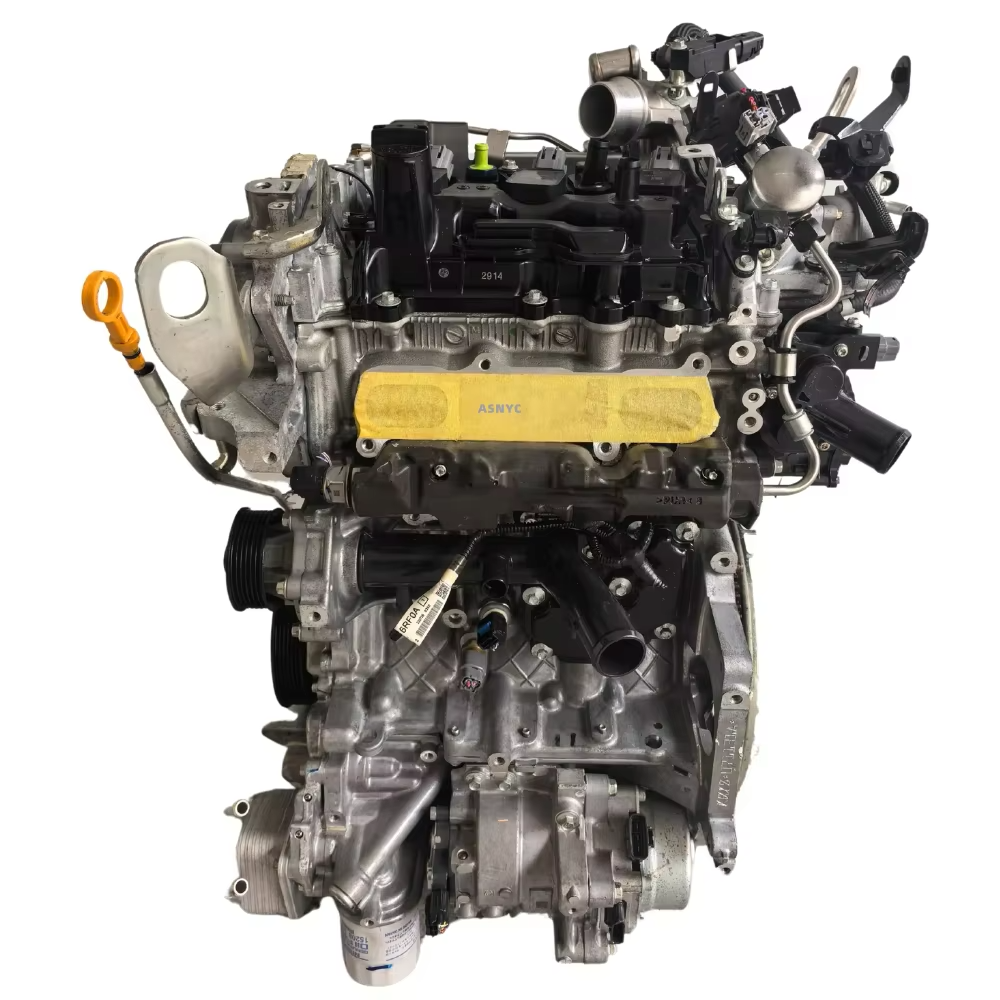
Introduction to the Three Cylinder Engine
A three cylinder engine is a type of internal combustion engine. It has three cylinders aligned in a row. This engine type is smaller and lighter than engines with four cylinders. It is commonly used in compact cars and motorcycles. Manufacturers focus on these engines to improve fuel efficiency and reduce emissions.
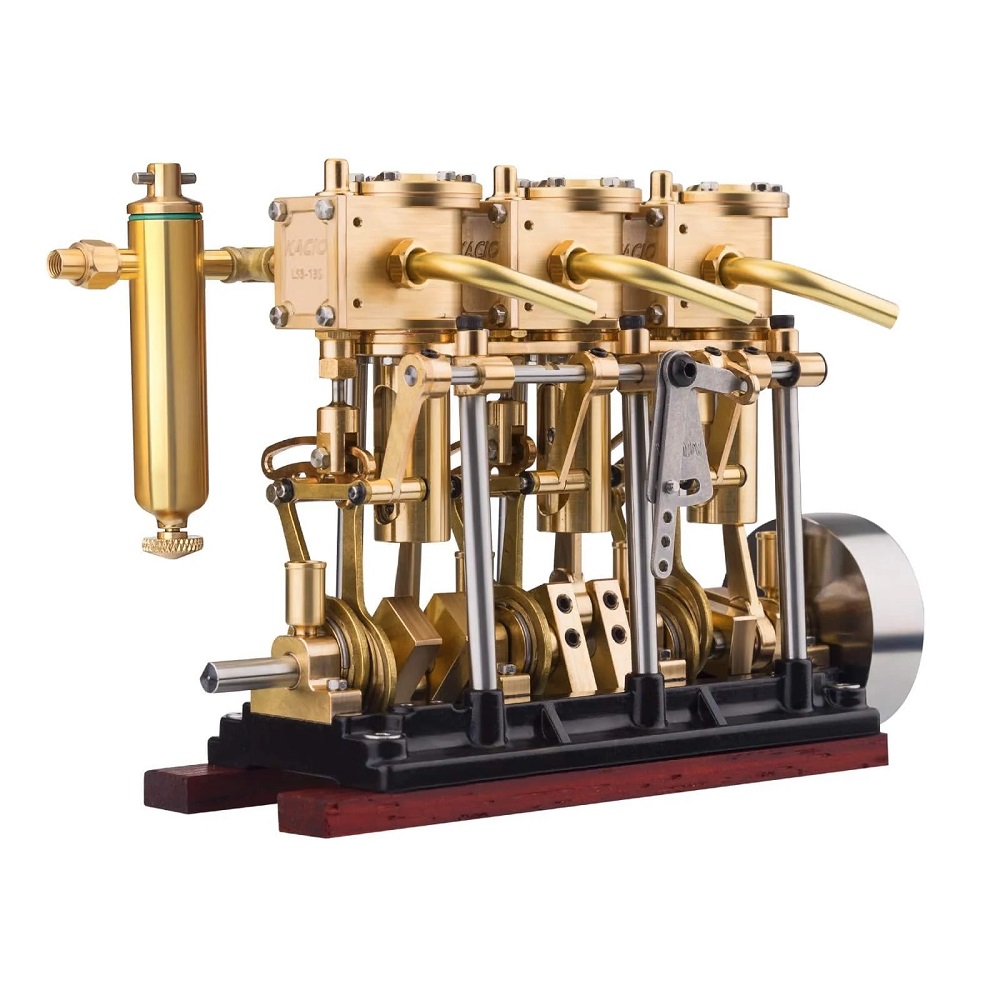
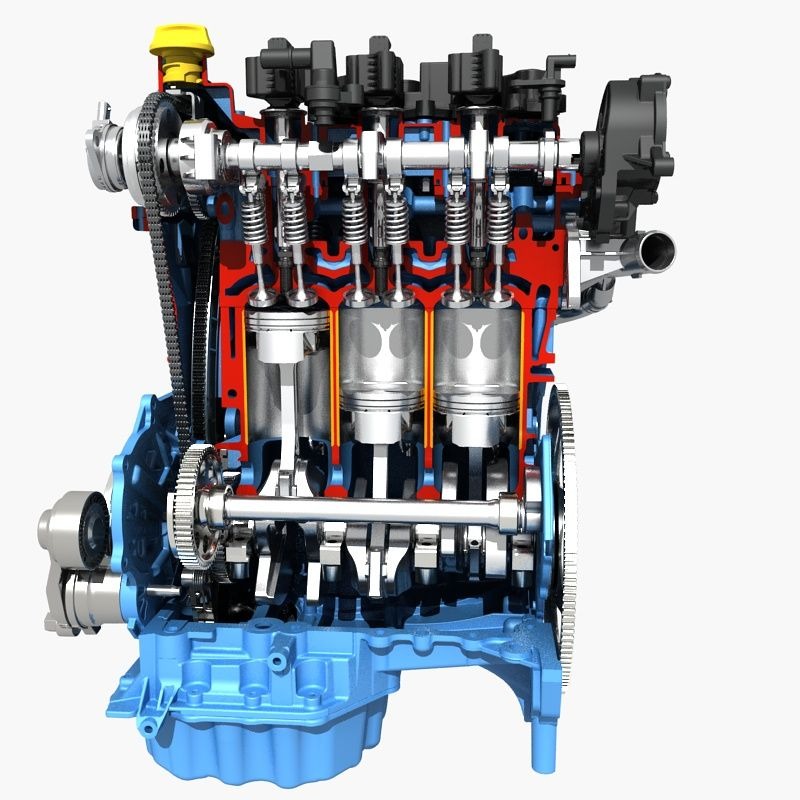
The structure of a three cylinder engine is compact but effective. It consists of three pistons connected to a crankshaft. The arrangement offers smoother operation compared to single or two-cylinder engines. However, it’s not as balanced as a four-cylinder engine.
Thanks to advancements in engineering, the small size of a three cylinder engine doesn’t compromise its performance. Modern designs use turbocharging technology to enhance power. They also include advanced materials to reduce engine weight and noise.
Overall, this engine serves both performance-focused and eco-friendly purposes. It combines fuel savings with lower environmental impact. Its innovation continues to attract attention in the automotive industry.
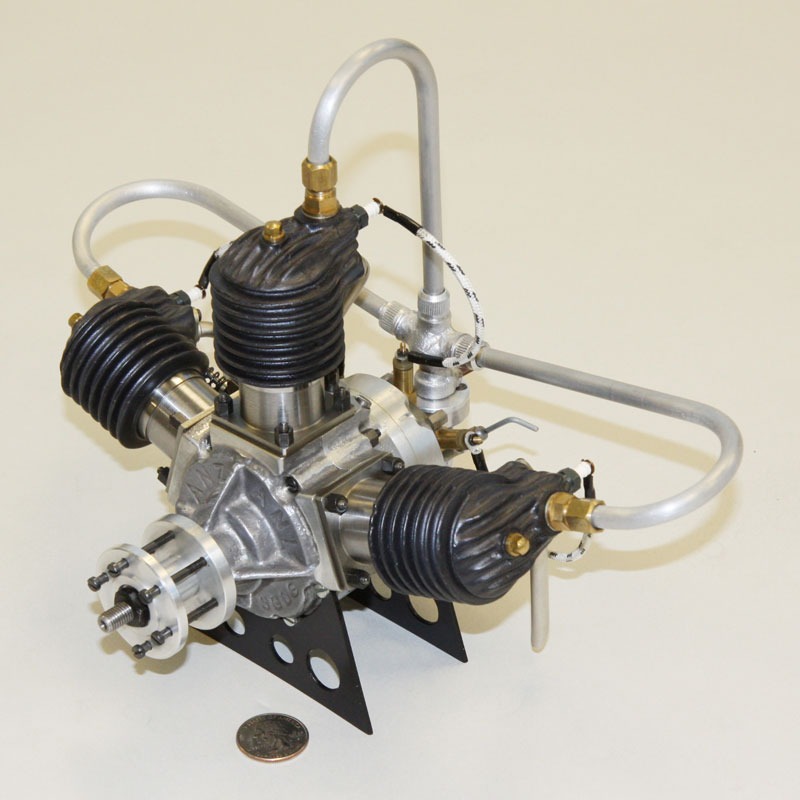
Key Features of Three Cylinder Engines
Understanding the key features of a three cylinder engine helps highlight its uniqueness. These features determine its efficiency, performance, and appeal in the automotive market. Below are the main characteristics:
Compact Design
Three cylinder engines are small and lightweight. Their compact size makes them ideal for compact cars and motorcycles. This design helps save space and reduces the overall weight of the vehicle.
Fuel Efficiency
A three cylinder engine uses less fuel compared to larger engines. This feature makes it eco-friendly and cost-effective. It suits those who prioritize fuel savings and low emissions.
Turbocharging Capability
Many modern three cylinder engines use turbochargers to enhance power. Turbocharging boosts performance and compensates for the engine’s smaller size. This ensures good power output without compromising efficiency.
Reduced Friction
These engines have fewer moving parts. Reduced components minimize friction, leading to less energy loss. This results in better fuel economy and smoother performance.
Lower Emissions
Due to their efficient combustion process, three cylinder engines produce fewer emissions. Manufacturers focus on this feature to meet strict environmental regulations.
Noise and Vibration Improvements
Modern engineering advancements address noise and vibrations. Enhanced balancing technology and materials reduce engine noise and vibrations. This improves driving comfort and vehicle refinement.
Cost-Effective Production
Three cylinder engines are cheaper to produce. They use fewer parts compared to larger engines. This reduces manufacturing costs, making them affordable for consumers.
These features collectively make the three cylinder engine a practical choice. Its compact size, efficiency, and adaptability suit various needs in the automotive industry.
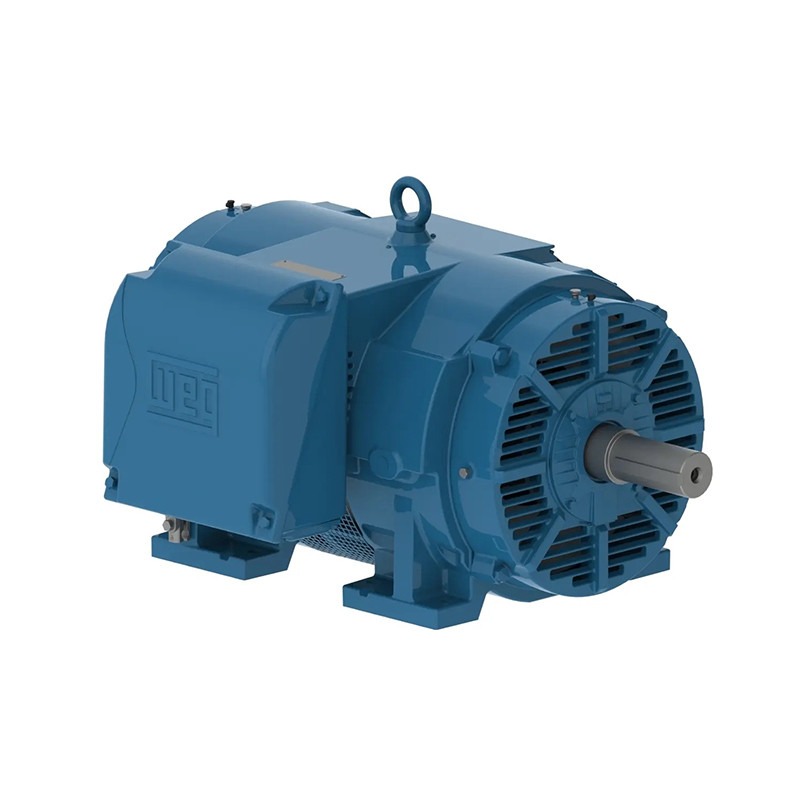
Advantages of Three Cylinder
Lightweight and Compact Design
Three cylinder engines are smaller and lighter than traditional engines. Their compact design saves space under the hood. This reduced weight improves vehicle handling and fuel efficiency.
Fuel Efficiency for Eco-Friendly Driving
Three cylinder engines consume less fuel compared to larger engines. Their efficient design helps reduce carbon emissions. They offer a cost-effective choice for environmentally conscious drivers.
Turbocharging for Enhanced Power
Modern three cylinder engines often use turbochargers. Turbocharging boosts power output without compromising efficiency. This technology allows these engines to perform well in various driving conditions.
Reduced Friction and Energy Loss
With fewer moving parts, three cylinder engines experience less friction. Reduced friction leads to minimal energy loss and better fuel economy. This feature supports smoother and quieter operation.
Lower Production Costs
Three cylinder engines require fewer parts, reducing manufacturing costs. This makes them more affordable for automakers and consumers. Their simplicity contributes to budget-friendly production.
Compliance with Emission Standards
Three cylinder engines produce fewer emissions due to their efficient combustion process. This helps meet strict environmental regulations globally. They are a sustainable choice for future automotive designs.
Improved Noise and Vibration Levels
Advancements in engineering have minimized noise and vibrations in three cylinder engines. Better balancing technology improves comfort during driving. This feature enhances vehicle refinement and user experience.
Three cylinder engines excel in offering a balance between performance, efficiency, and affordability. Their advantages continue to attract manufacturers and consumers alike, shaping the industry toward more sustainable solutions.
Challenges and Limitations of Three Cylinder
Three cylinder engines come with several challenges and limitations. These factors may influence their performance and user experience. Below are the main points to consider:
Reduced Smoothness Compared to Four Cylinder Engines
Three cylinder engines have fewer cylinders than four-cylinder engines. This can result in less balanced operation. Vibrations are often more noticeable, especially in older models.
Lower Peak Power Output
The smaller size of the engine limits its peak power. It generally delivers less output compared to larger engines. This can be a concern for performance-focused drivers.
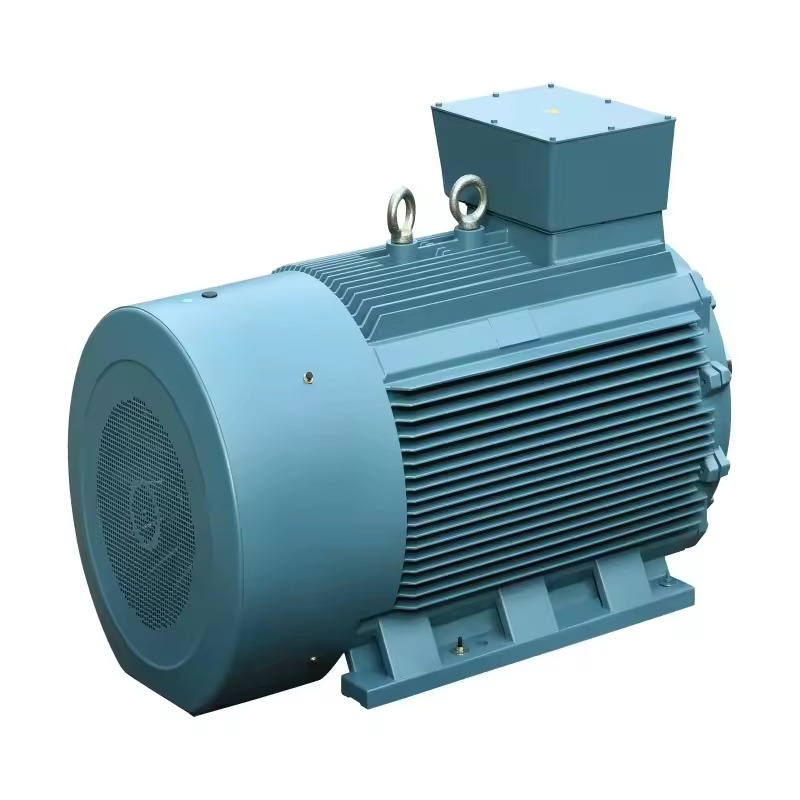
Increased Noise Levels
Despite modern advancements, three cylinder engines can still produce more noise. Engine vibration and combustion contribute to higher sound levels.
Turbocharger Dependency
To compensate for their small size, many engines use turbochargers. Turbochargers can add complexity and potential for mechanical issues. They may also require additional maintenance.
Compatibility Issues for Larger Vehicles
These engines are typically built for compact cars and motorcycles. They lack the capacity to power larger vehicles efficiently. Larger cars might need stronger engines for better performance.
Limited Popularity in Some Markets
Three cylinder engines may not appeal to all regions. Some markets still prioritize larger engines with higher power capabilities. This limits their reach and consumer demand.
Understanding the limitations helps set realistic expectations. These challenges justify their focus on compact, fuel-efficient vehicles. While modern technology addresses some issues, these engines may not fit all automotive needs.
Comparison: Three Cylinder vs Four Cylinder Engines
Understanding the difference between three cylinder and four cylinder engines is essential. These engine types meet various automotive needs and have unique traits.
Size and Weight
Three cylinder engines are smaller and lighter than four cylinder engines. This size saves space under the hood and reduces vehicle weight. Four cylinder engines, due to an additional cylinder, are bulkier and heavier.
Power and Performance
Four cylinder engines provide higher peak power due to an extra cylinder. They suit drivers who prioritize speed and performance. Three cylinder engines, however, deliver sufficient power for compact cars and motorcycles, especially with turbocharging.
Fuel Efficiency
Three cylinder engines consume less fuel compared to four cylinder engines. Their smaller size and fewer moving parts improve energy usage. Four cylinder engines may use more fuel, especially in high-performance models.
Smoothness and Balance
Four cylinder engines operate smoother due to equal balance in cylinder arrangement. Three cylinder engines can experience more vibrations due to uneven firing sequences. Modern technology minimizes these vibrations in three cylinder designs.
Noise Levels
Three cylinder engines may produce more noise compared to their four cylinder counterparts. Four cylinder engines generally offer quieter operation due to smoother balance and combustion.
Cost
Three cylinder engines are cheaper to produce owing to fewer parts and simpler design. Four cylinder engines incur higher production and maintenance costs due to complexity.
Applications
Three cylinder engines are often used in compact cars and motorcycles. They excel in urban driving and short commutes. Four cylinder engines suit larger vehicles and performance-oriented models, offering greater versatility.
Each engine type has unique benefits and drawbacks. Choice depends on usage, driving preferences, and budget considerations.
Applications and Popular Cars with Three Cylinder
Three cylinder engines are widely used in various vehicles. Their lightweight design and efficiency make them ideal for specific applications.
Compact Cars and Hatchbacks
Three cylinder engines are perfect for compact cars and hatchbacks. These engines save space under the hood and reduce vehicle weight. Popular models featuring a three cylinder engine include Ford Fiesta, Toyota Yaris, and Volkswagen Polo. These cars are well-suited for urban driving and short commutes.
Motorcycles
Motorcycles benefit from the compact and lightweight nature of three cylinder engines. Their design allows for smoother operation and better handling. Examples of motorcycles using three cylinder engines include Triumph Trident and Yamaha MT-09. Enthusiasts prefer them for their balance between power and agility.
Hybrid Vehicles
Three cylinder engines are also a great fit for hybrid vehicles. They complement electric motors, offering fuel efficiency and reduced emissions. Some hybrid cars with three cylinder engines include Toyota Prius Hybrid and BMW i8. These vehicles showcase advanced engineering and sustainability.
Small SUVs
Three cylinder engines power some small SUVs too. Their lower weight enhances maneuverability without compromising fuel efficiency. Popular options include Nissan Juke, Ford EcoSport, and MINI Countryman. They provide a mix of practicality and performance.
Emerging Markets
Three cylinder engines are increasingly popular in emerging markets. Their affordability and efficiency attract buyers looking for cost-effective options. Compact cars like Suzuki Alto and Renault Kwid are prime examples.
Three cylinder engines support diverse automotive needs. Their wide applications range from compact cars to hybrids and motorcycles. Consumers choose these engines for their efficiency and versatility.
Maintenance Tips for Three Cylinder
Proper maintenance ensures your three cylinder engine runs smoothly and efficiently. Follow these tips to keep it in good condition:
Regular Oil Changes
Change the engine oil periodically as recommended by the manufacturer. Clean oil reduces wear and improves engine performance. It keeps the engine components lubricated for smoother operation.
Inspect Spark Plugs
Faulty spark plugs affect engine ignition and power. Inspect and replace them as needed. Ensure proper spacing and clean any debris for optimal combustion.
Check Air Filters
A clean air filter improves fuel efficiency and reduces engine strain. Inspect air filters regularly and replace dirty ones to maintain optimal air circulation.
Monitor Coolant Levels
Maintain proper coolant levels to avoid overheating. Check for leaks and top up coolant when necessary. This prevents engine damage and ensures a stable temperature.
Examine Belts and Hoses
Inspect belts and hoses for wear or damage. Replace worn components to avoid breakdowns. Ensure proper tension on belts for efficient engine operation.
Turbocharger Maintenance
If your engine has a turbocharger, clean and check it regularly. Monitor for unusual noises or reduced power. Proper maintenance enhances performance and prevents costly repairs.
Regular Tune-Ups
Schedule engine tune-ups based on the manufacturer’s guidelines. Regular service improves performance and identifies potential issues early. Tune-ups ensure long-term reliability.
Fuel System Care
Use quality fuel to prevent deposits in the system. Clean fuel injectors occasionally for better combustion. Regular fuel system checks keep engine power consistent.
Address Noise or Vibrations
Monitor for unusual noise or vibration during operation. Identify and fix issues promptly to avoid further damage. Modern materials and balancing technology help minimize excessive vibrations.
Follow Manufacturer Recommendations
Always follow maintenance guidelines provided by your engine’s manufacturer. Stick to recommended service intervals and use approved parts for repairs.
Maintaining a three cylinder engine is simple and effective with regular care. These practices ensure reliability, efficiency, and longevity of your engine.
Future of Three Cylinder Engine Technology
The future of three cylinder engines looks promising with ongoing advancements in technology. Manufacturers are continuously developing these engines to meet dynamic automotive demands and environmental expectations.
Improved Efficiency
Future engines will likely feature better fuel efficiency than current models. Enhanced combustion technologies can reduce fuel consumption further. This makes them ideal for eco-friendly driving.
Integration with Hybrid Systems
Three cylinder engines are perfect candidates for hybrid vehicles. They offer compact size and reduced emissions. Developers aim to integrate these engines seamlessly with electric motors for hybrid systems.
Advanced Material Usage
Using lighter, stronger materials will improve engine durability and performance. Modern materials also reduce engine weight, boosting handling and efficiency.
Electric Turbocharging
Traditional turbochargers may be replaced by electric turbochargers. These innovative systems offer faster response and improved power output. They can enhance driving performance while maintaining efficiency.
Noise Reduction Innovations
Future models will likely address noise and vibration issues more effectively. Advanced engineering and better balancing technology will make engines quieter. This improves driver comfort and refinement.
Wider Vehicle Applications
Three cylinder engines may find applications in more vehicle types. Larger cars and heavy-duty vehicles could use improved designs for tailored performance. This expands market reach significantly.
Adaptability to Emerging Regulations
As emission standards tighten globally, future engines will comply with stricter regulations. With efficient combustion and cleaner technologies, these engines ensure sustainable automotive solutions.
Research on Engine Alternatives
Ongoing research explores alternatives for traditional internal combustion engines. Innovations like hydrogen or bio-fuel powered three cylinder engine may emerge. This diversification can lead to greener industry solutions.
Focus on Cost-Effectiveness
Development will continue prioritizing affordability. Manufacturers aim to produce economical engines without compromising on quality and efficiency. This balances consumer affordability with sustainability.
Three cylinder engine will undoubtedly evolve to meet future automotive needs. Technical enhancements and environmental focus drive their promising trajectory.
Leave a Reply