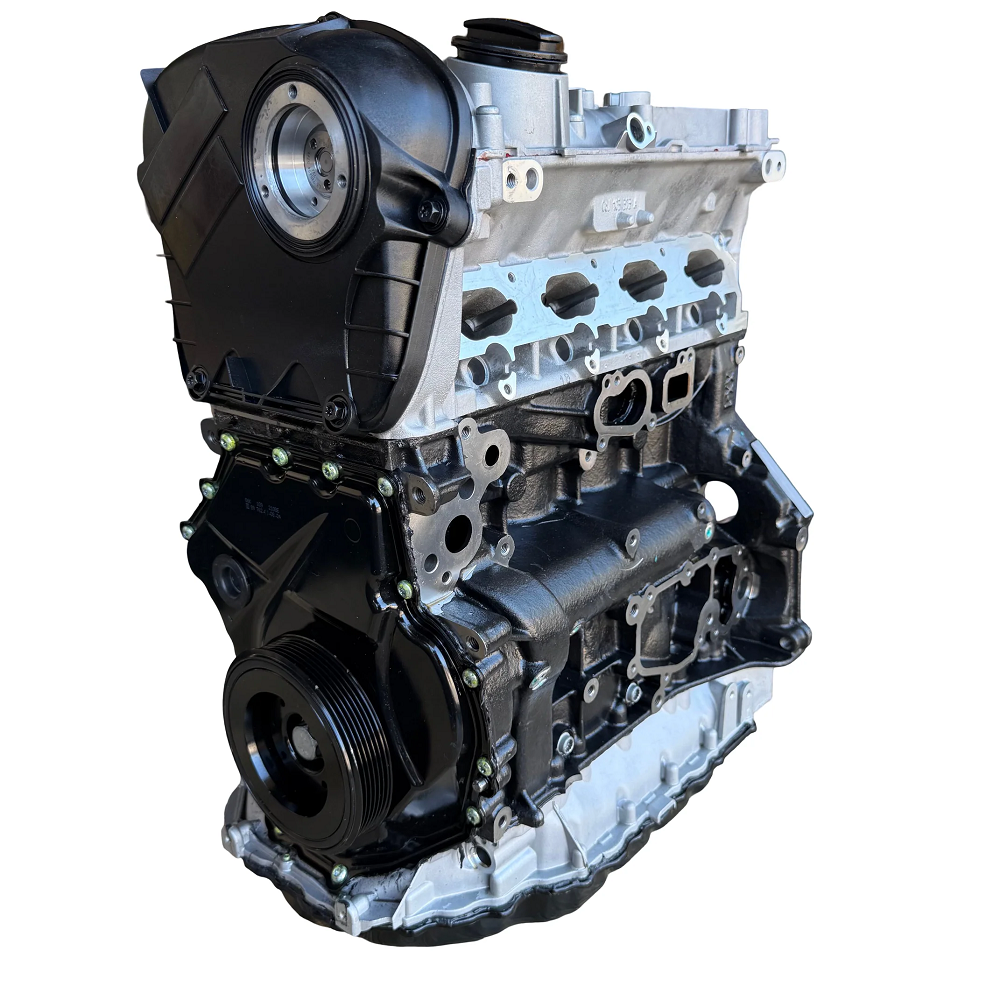
What is a 2.0L 4-Cylinder Engine?
The 2.0L 4-cylinder engine is a popular choice for many vehicles worldwide. It is known for its balance of performance, efficiency, and reliability. This engine type is commonly found in compact cars, SUVs, and even sporty models due to its versatility.
Definition and Basic Structure
The 2.0L 4-cylinder engine refers to a motor with four cylinders and a total displacement of 2.0 liters. The displacement indicates the combined volume of all the cylinders within the engine. These cylinders are arranged in a straight line or an inline configuration.
Each cylinder contains a piston that moves up and down to create power. The engine uses a combination of fuel and air to generate combustion. This process drives the pistons and creates the necessary energy for movement.
This engine design is compact, lightweight, and ideal for delivering efficient performance. It is simpler compared to larger engines, which helps reduce its manufacturing cost.

How It Differs from Other Engine Types
The 2.0L 4-cylinder engine is distinct from smaller engines like the 1.5L or 3-cylinder designs. Smaller engines generally offer higher fuel efficiency but less power output. A 2.0L engine strikes a balance between adequate power and good fuel economy.
Compared to larger engines, such as 6-cylinder or V8 engines, the 2.0L is more efficient and lighter. Larger engines provide increased power but often consume more fuel, making them less economical for daily use.
Additionally, the 2.0L 4-cylinder engine often incorporates advanced technology like turbocharging to enhance power output. It fits various vehicle types, from budget-friendly cars to sports models, providing versatility unmatched by more specialized engine types.
Its combination of size, efficiency, and adaptability makes the 2.0L 4-cylinder engine a preferred choice among many manufacturers and drivers.
Key Features of the 2.0L 4-Cylinder Engine
The 2.0L 4-cylinder engine stands out for its remarkable balance of performance, economy, and dependability. Below, we delve into its key features that make it a preferred choice for many motorists.
Performance Characteristics
The 2.0L 4-cylinder engine delivers smooth and consistent performance. It offers a good blend of speed and power suitable for various driving conditions. Many models include turbocharging, boosting power without sacrificing efficiency. Despite its compact design, it provides sufficient torque for daily driving and occasional spirited acceleration. This makes it suitable for urban commutes and long highway journeys alike.

Fuel Efficiency and Economy
A major feature of the engine is its impressive fuel efficiency. This engine balances fuel consumption and power output effectively. Modern versions often utilize advanced fuel injection systems to optimize fuel usage. Compared to larger engines, it consumes less fuel, translating to lower running costs. Drivers seeking economic daily use will find this engine a smart choice. The smaller size also ensures less energy wastage during operation.
Power Output and Reliability
The 2.0L 4-cylinder engine generates sufficient horsepower for most driving needs. Its design ensures durability and consistent operation over time. Advanced technologies, such as turbochargers and reduced friction components, enhance engine reliability. With proper maintenance, it performs reliably without frequent mechanical issues. Manufacturers frequently test it to withstand different road and weather conditions. As a result, it has gained trust among both casual drivers and automotive enthusiasts.
The 2.0L 4-cylinder engine consistently proves its adaptability and efficiency, making it a valued choice worldwide.
Benefits of the 2.0L 4-Cylinder Engine
The 2.0L 4-cylinder engine offers several benefits that appeal to drivers and manufacturers. Its design focuses on practicality, efficiency, and adaptability, making it a popular choice globally.
Cost Efficiency
One of the major benefits of the 2.0L 4-cylinder engine is its cost efficiency. This engine consumes less fuel compared to larger engines. This leads to reduced fuel expenses for daily driving. Its compact size also minimizes manufacturing costs. Replacement and repair parts for this engine are cheaper and more accessible. Additionally, its design requires less energy during operation, lowering overall running costs. These factors make the engine an economical choice for budget-conscious drivers.
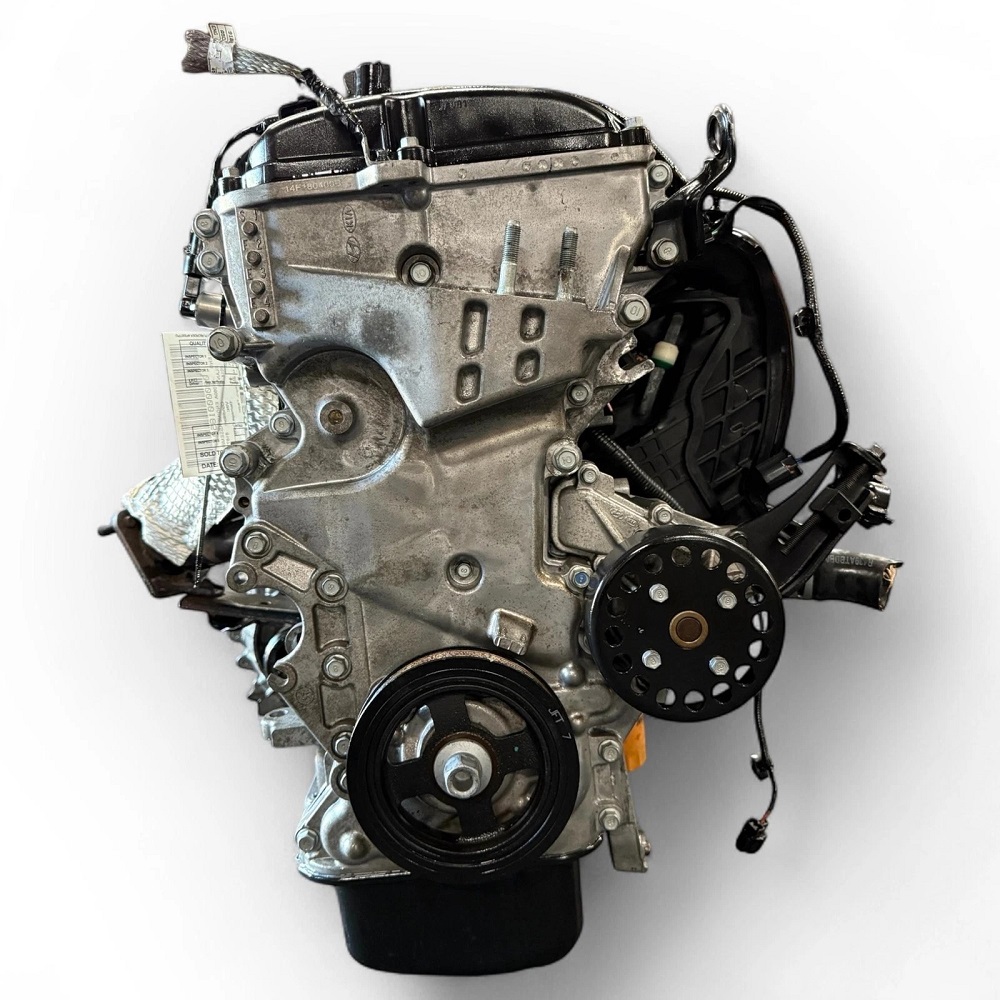
Environmental Advantages
The 2.0L 4-cylinder engine is environmentally friendly due to its reduced emissions. Smaller engines produce fewer pollutants compared to larger counterparts. Advanced technologies, like fuel injection systems, enhance clean combustion. This reduces the carbon footprint associated with driving. Manufacturers often design these engines to meet strict environmental regulations. Drivers choosing this engine contribute to a greener and more sustainable future.
Versatility in Vehicle Types
The adaptability of the 2.0L 4-cylinder engine is another key benefit. It fits a wide range of vehicles, including compact cars, SUVs, and sports models. Its lightweight design makes it suitable for small, fuel-efficient vehicles. Turbocharging options allow its use in high-performance sports cars. The engine balances power, economy, and efficiency for different driving needs. Automakers rely on this engine for its compatibility with diverse vehicle designs. This versatility supports its widespread use across different market segments.
In conclusion, the 2.0L 4-cylinder engine combines affordability, eco-friendliness, and adaptability. These benefits ensure its popularity among drivers of varied preferences and needs.
Common Vehicles Equipped with 2.0L 4-Cylinder Engines
The 2.0L 4-cylinder engine is widely used in vehicles. Its balance of power and efficiency makes it popular. It caters to diverse models, including compact cars, SUVs, and sports vehicles. Let’s explore each category:
Compact Cars
Compact cars frequently feature the 2.0L 4-cylinder engine. These engines offer effective power and great fuel efficiency. Affordable models, like the Honda Civic and Toyota Corolla, often use this engine type. In these vehicles, it supports economical commutes and light performance needs. Its smaller size helps maximize space and reduce vehicle weight. This combination makes it perfect for urban driving and easy parking.
SUVs and Crossovers
Many SUVs and crossovers rely on the 2.0L 4-cylinder engine. It balances efficiency with sufficient power for larger vehicles. Common models include the Mazda CX-5, Hyundai Tucson, and Ford Escape. The engine performs well under heavier loads, enabling reliable road trips and family commutes. Turbocharged versions provide extra power, ideal for tackling steep inclines or towing light loads. With this engine, these vehicles maintain practicality without excessive fuel consumption.
Sports and Performance Models
Sports and performance models also utilize the 2.0L 4-cylinder engine. Turbocharged versions deliver exceptional power for thrilling drives. Cars such as the Volkswagen Golf GTI and Subaru WRX feature this engine. It allows enthusiasts to enjoy quick acceleration and responsive handling. These vehicles balance sporty performance with reasonable running costs. Thus, the 2.0L engine shines in this category, showcasing its versatility and capability.
From city rides to high-performance vehicles, the 2.0L 4-cylinder engine fits seamlessly. Its adaptability makes it a favorite among manufacturers and drivers. This engine continues to be a reliable and efficient choice globally.
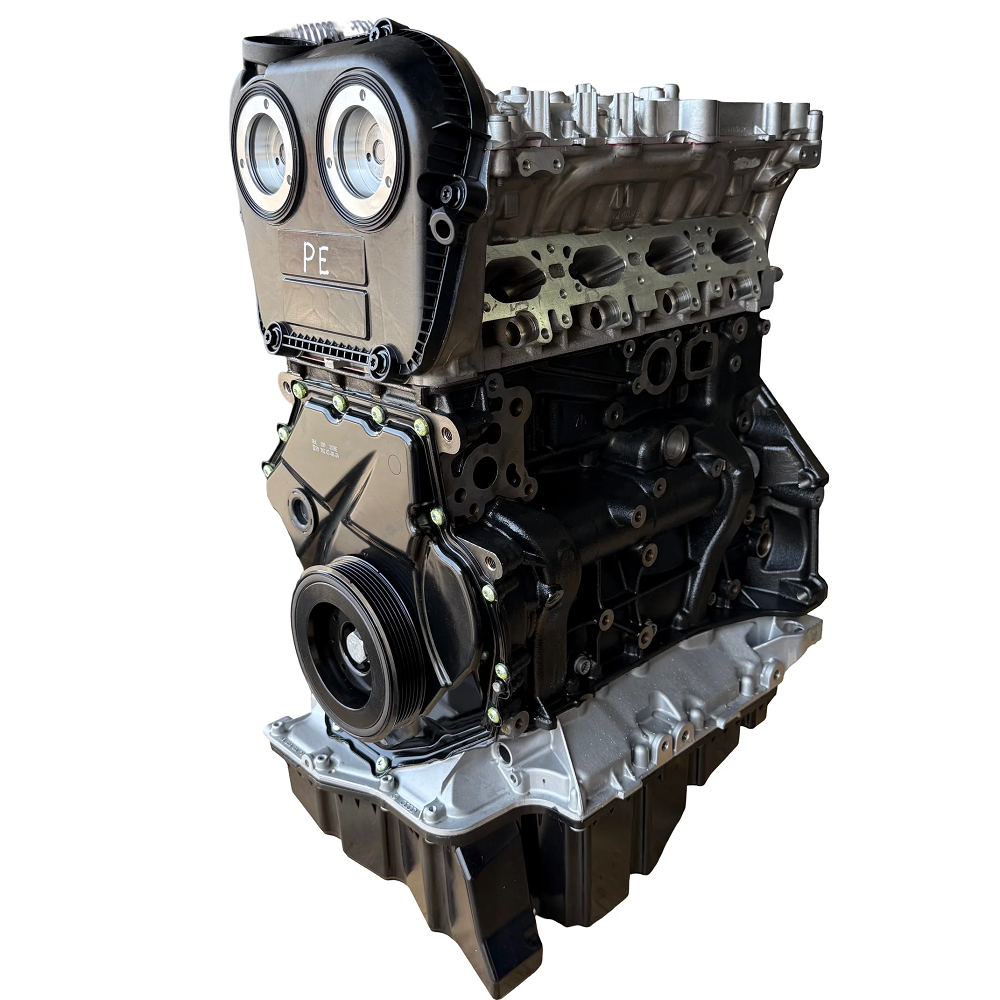
Maintenance Tips for 2.0L 4-Cylinder Engines
Proper maintenance is vital for the longevity of a 2.0L 4-cylinder engine. Regular care ensures optimal performance and prevents costly repairs. Below are essential tips to keep your engine in top condition.
Regular Oil Changes
Oil changes are crucial for engine health. Use high-quality oil recommended by the manufacturer. Replace the oil and oil filter every 5,000 to 7,500 miles. Clean oil reduces friction and prevents engine wear. It also ensures consistent performance and prolongs the engine’s lifespan. Neglecting oil changes can lead to sludge buildup and engine damage.
Monitoring Fuel and Air Systems
Keep the fuel and air systems clean and functional. Replace the air filter every 12,000 to 15,000 miles or as specified in your vehicle’s manual. A clean air filter improves combustion and boosts fuel efficiency. Inspect the fuel injectors regularly to ensure there is no clogging. Use fuel additives periodically to clean the fuel system. This maintains smooth fuel delivery and prevents deterioration.
Common Maintenance Concerns
Watch for signs of engine trouble, such as rough idling or unusual noises. Check for oil leaks under the car or excessive smoke from the exhaust. Regularly inspect spark plugs and replace them as suggested by the manufacturer. Over time, carbon deposits on spark plugs may affect engine performance. Always make sure the coolant levels are adequate to prevent engine overheating. Lastly, ensure that belts and hoses are free of cracks or wear. Timely replacements can avoid unexpected failures and breakdowns.
Carrying out these maintenance steps efficiently will keep your 2.0L 4-cylinder engine running smoothly. A well-maintained engine delivers better performance and a longer vehicle life.
Modifications and Upgrades for the 2.0L 4-Cylinder Engine
The 2.0L 4-cylinder engine is an adaptable and popular choice. Drivers can modify and upgrade it to tailor their vehicle’s performance and features. Below, we explore various options to enhance this engine’s capabilities.
Performance Enhancements
Performance upgrades can significantly boost engine output and efficiency.
- Turbocharger Upgrades: Adding or upgrading a turbocharger increases horsepower and torque. This improves acceleration and overall power.
- Performance Exhaust Systems: Upgrading the exhaust system can enhance airflow. Better airflow reduces engine strain and increases efficiency.
- Cold Air Intakes: Installing a cold air intake supplies cooler air to the engine. Cooler air improves combustion and boosts overall performance.
- Lightweight Components: Replacing heavier parts with lightweight materials reduces strain and enhances speed capabilities.
These enhancements can improve driving experience and optimize the engine for different conditions.
Tuning Options
Engine tuning boosts efficiency and tailors performance features to personal preferences.
- ECU Remapping: Remapping the electronic control unit (ECU) adjusts fuel and air mixtures. It optimizes engine output for better fuel consumption and power.
- Fuel System Tweaks: Adjusting fuel injectors or adding performance fuel filters maximizes combustion efficiency.
- Gear Ratio Changes: Modifying the gear ratios fits the engine’s performance to specific needs like high-speed driving or towing.
- Dyno Testing and Fine-Tuning: Regular dyno testing helps refine engine performance. It ensures optimal operation under varied conditions.
Proper tuning enhances the engine’s power, responsiveness, and reliability.
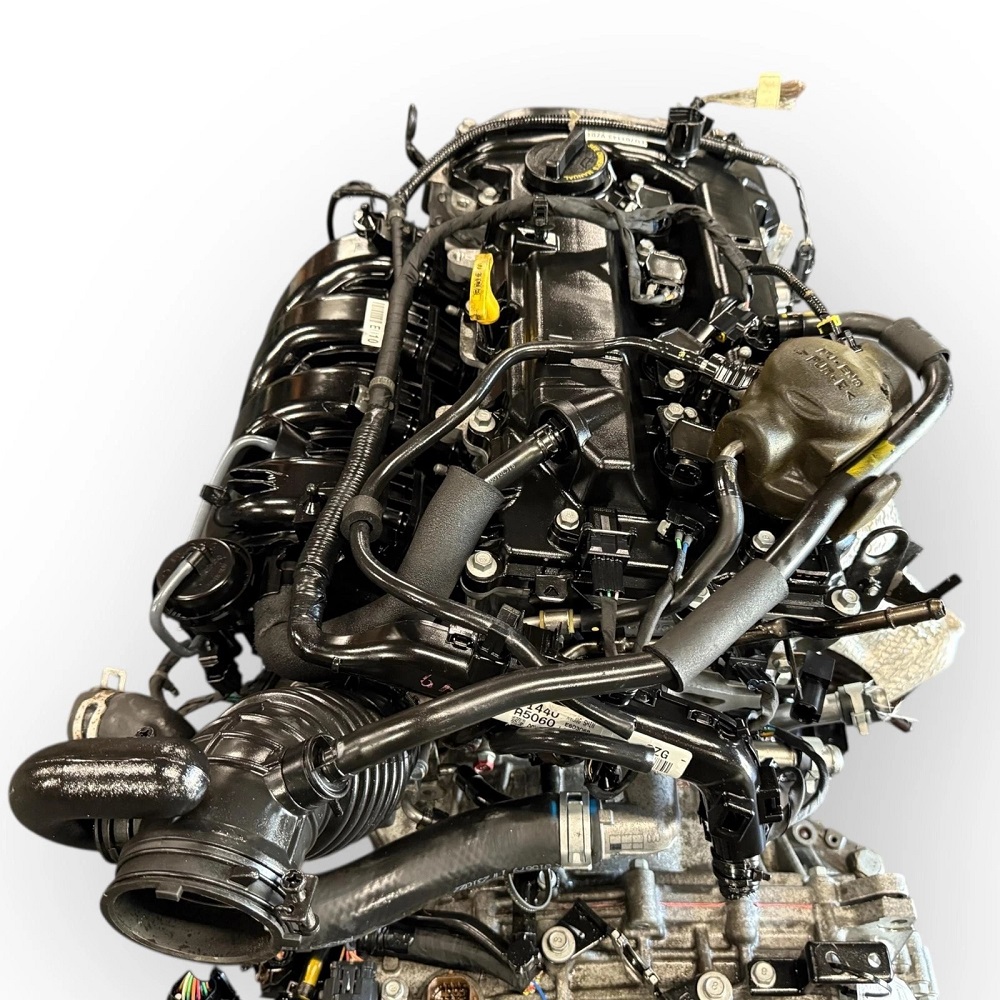
Popular Aftermarket Upgrades
Many aftermarket products exist to improve the 2.0L 4-cylinder engine.
- High-Performance Pistons and Rings: These increase horsepower and durability while reducing engine wear. They ensure optimal combustion levels.
- Intercoolers: Larger intercoolers paired with turbochargers cool compressed air for a more efficient boost.
- Oil Catch Cans: These prevent oil contaminants from entering combustion chambers, improving engine cleanliness and longevity.
- Performance Clutches: Upgraded clutches manage higher torque levels for smoother power delivery.
With these aftermarket upgrades, owners can customize their 2.0L engine to match their driving needs.
Upgrading a 2.0L 4-cylinder engine enhances its utility and driving experience. Ensure professional installation and regular maintenance for lasting performance.
Comparing the 2.0L 4-Cylinder Engine to Other Engine Sizes
2.0L vs. Smaller Engines
The 2.0L 4-cylinder engine offers more power than smaller engines like the 1.5L or 1.0L. Smaller engines typically focus on maximizing fuel efficiency. However, they struggle to deliver the power needed for demanding tasks, such as highway driving or carrying heavier loads.
Additionally, smaller engines may face increased strain when used in larger vehicles. The 2.0L engine successfully balances power with fuel economy, making it more versatile. While smaller engines may slightly outperform in miles per gallon, the 2.0L compensates with better overall performance.
2.0L vs. Larger Engines
When compared to larger engines like V6 or V8 models, the 2.0L engine is lighter and more efficient. Larger engines produce greater power and excel in high-performance situations or towing needs. However, they consume significantly more fuel, increasing operational costs.
Moreover, larger engines often require more maintenance due to their complex structure. The 2.0L 4-cylinder engine, on the other hand, offers adequate power while maintaining better fuel efficiency. Its straightforward design results in lower maintenance costs and a reliable performance for daily use.
Advantages of Choosing the 2.0L Engine
The 2.0L 4-cylinder engine stands out with its excellent balance of power, efficiency, and affordability. Its compact size allows plenty of applications, from compact cars to SUVs and sporty models.
The addition of technologies like turbocharging enhances its versatility, offering both power and fuel-saving potential. It supports a broad range of driving needs, from city commutes to long highway trips. Overall, the 2.0L engine is a top choice for those seeking performance, efficiency, and reliability in one package.
Future Trends and Innovations in 2.0L 4-Cylinder Engines
The world of automotive technology is evolving at a rapid pace. The 2.0L 4-cylinder engine is no exception. Let’s examine the future trends shaping this engine’s evolution, making it smarter and more efficient.
Advancements in Technology
Technological advancements are enhancing the performance and efficiency of 2.0L 4-cylinder engines.
- Advanced Engine Management Systems: New systems optimize fuel injection and air intake for better efficiency.
- Direct Injection Improvements: Enhanced injection methods increase fuel combustion quality and engine power output.
- Variable Valve Timing (VVT): VVT systems improve engine efficiency by adjusting valve operation based on driving conditions.
- Lightweight Materials: Manufacturers use lightweight yet strong materials like aluminum, reducing engine weight and fuel wastage.
These innovations help the engine deliver more power while maintaining better fuel efficiency and durability.
Sustainability and Hybrid Integration
Sustainability is a key focus for the future of 2.0L 4-cylinder engines.
- Hybrid Systems: Many manufacturers incorporate 2.0L engines into hybrid vehicles. Hybrid systems pair the engine with electric motors for improved efficiency.
- Reduced Emissions: Future engines aim to meet stricter emission laws by cutting greenhouse gas emissions significantly.
- E-Fuels Compatibility: Advances are making these engines compatible with e-fuels, an eco-friendly alternative to gasoline.
- Recyclable Components: Use of recyclable and greener materials minimizes environmental impacts during production and disposal.
These trends are reshaping the 2.0L engine, making it a sustainable choice for modern and future vehicles.
The Role of Turbocharging and Efficiency Improvements
Turbocharging technology continues to play a critical role in enhancing these engines.
- Improved Turbo Designs: New turbochargers minimize turbo lag while boosting engine power and responsiveness.
- Downsizing with Power: Turbocharged 2.0L engines deliver the power of larger engines without higher fuel consumption.
- Energy Recovery Systems: Upcoming designs recover waste energy to further improve efficiency and performance.
- Smarter Cooling Systems: Advanced cooling reduces heat buildup, improving reliability and engine lifespan.
Turbocharging, paired with other innovations, ensures the 2.0L 4-cylinder engine remains powerful and fuel-efficient.
In conclusion, future 2.0L 4-cylinder engines will be smarter, cleaner, and more adaptable. These innovations ensure their continued relevance in the evolving automotive landscape.
Leave a Reply