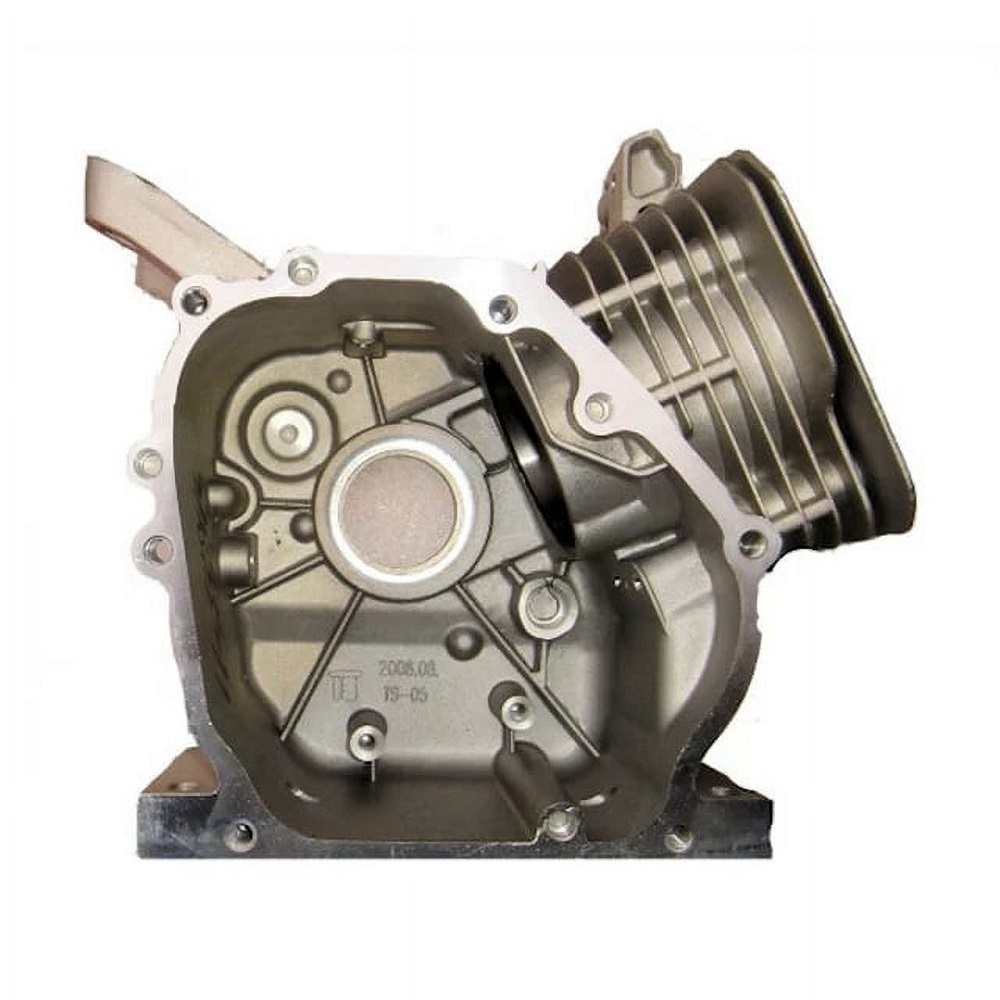
Overview of Cylinder Block Engine
A cylinder block is the central portion of an engine. It houses crucial components like cylinders, pistons, and crankshafts. The design of a cylinder block engine directly affects engine performance and reliability. Cylinder blocks are critical in converting fuel energy into mechanical power during combustion.
Definition and Purpose of a Cylinder Block
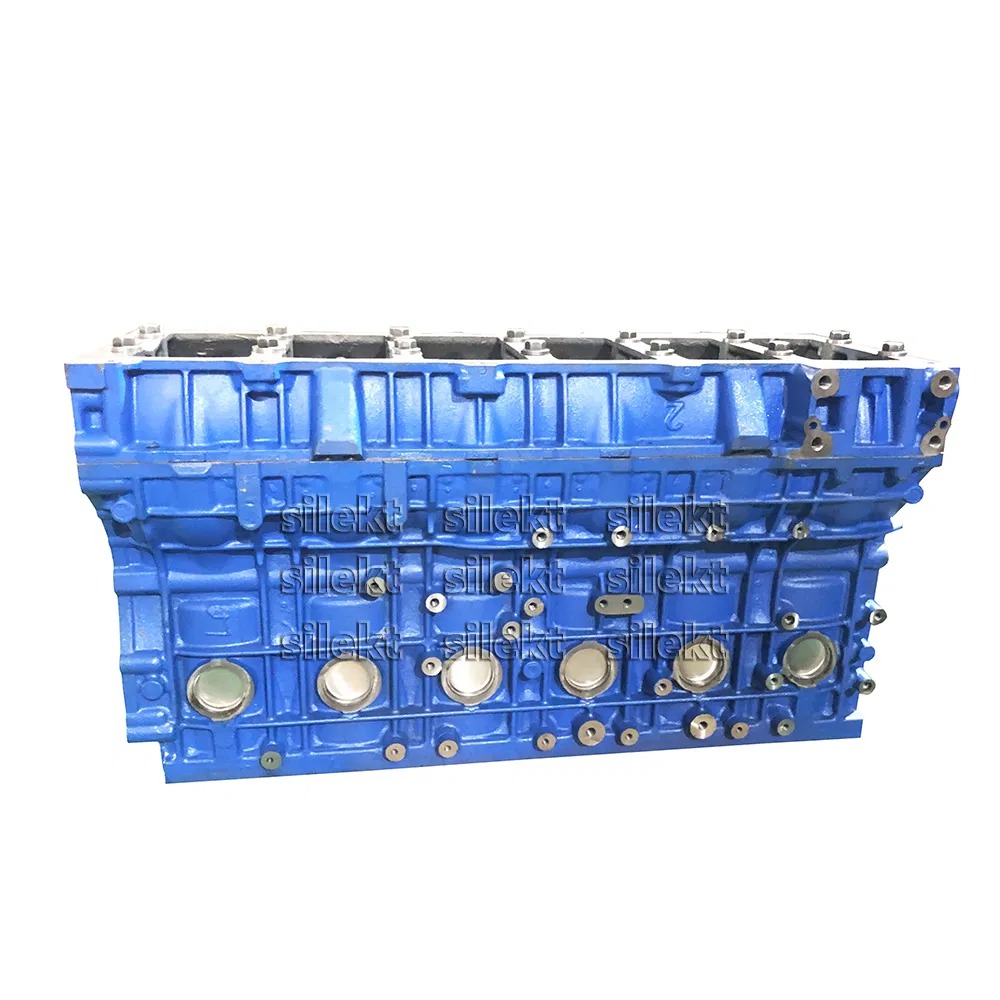
The cylinder block is the foundation of an engine. It forms the main structure that supports other engine components. Inside the block, the cylinders serve as chambers where fuel mixes with air and burns. Pistons move within these cylinders, producing the motion required to drive the vehicle. The block also houses passageways for oil and coolant, ensuring lubrication and temperature control. Its primary purpose is to provide a robust and heat-resistant structure for engine operations.
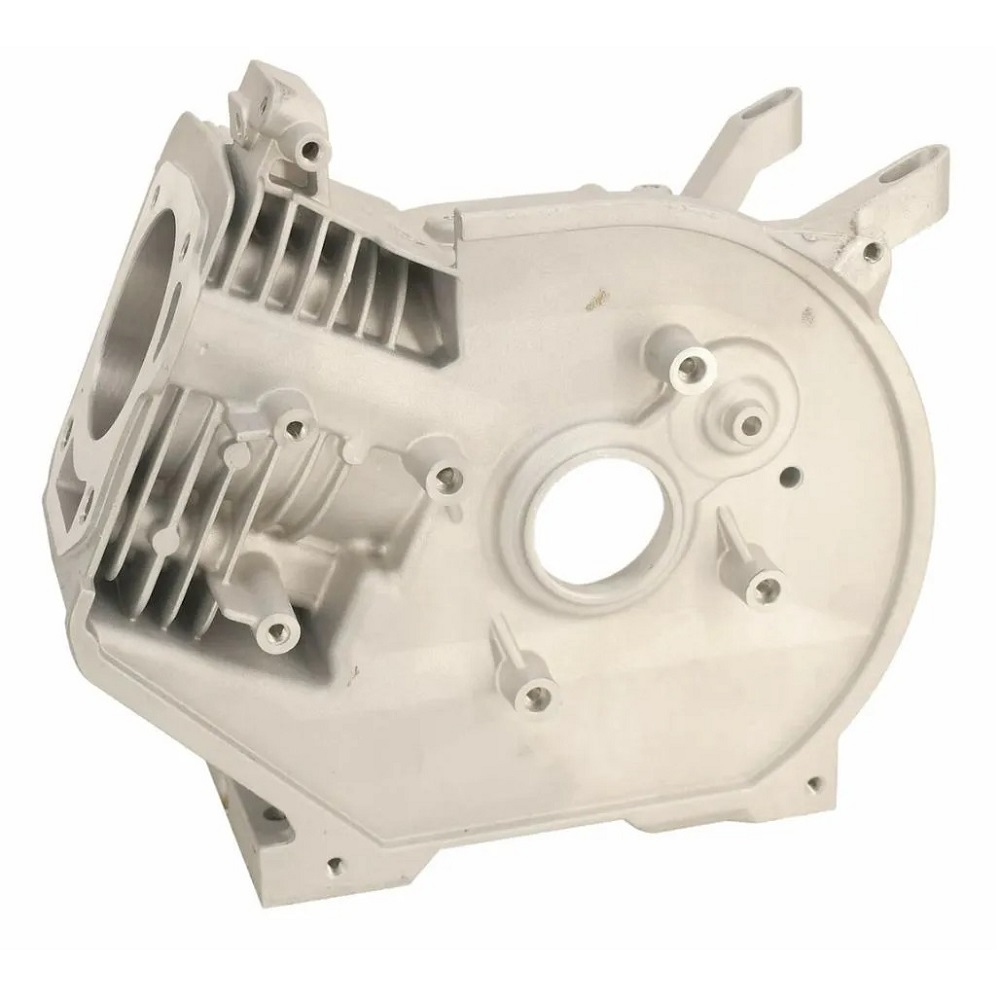
Importance in Internal Combustion Engines
The cylinder block plays a vital role in internal combustion engines. It ensures stable and efficient combustion, directly impacting engine performance. The block helps manage heat produced during combustion and maintains engine stability under stress. A well-designed cylinder block improves fuel efficiency and reduces emissions. Without it, an engine cannot function properly.
Types of Cylinder Blocks
Cylinder blocks come in several configurations, each offering unique benefits for engines. The design impacts engine efficiency, size compatibility, and smoothness.
Inline Cylinder Blocks
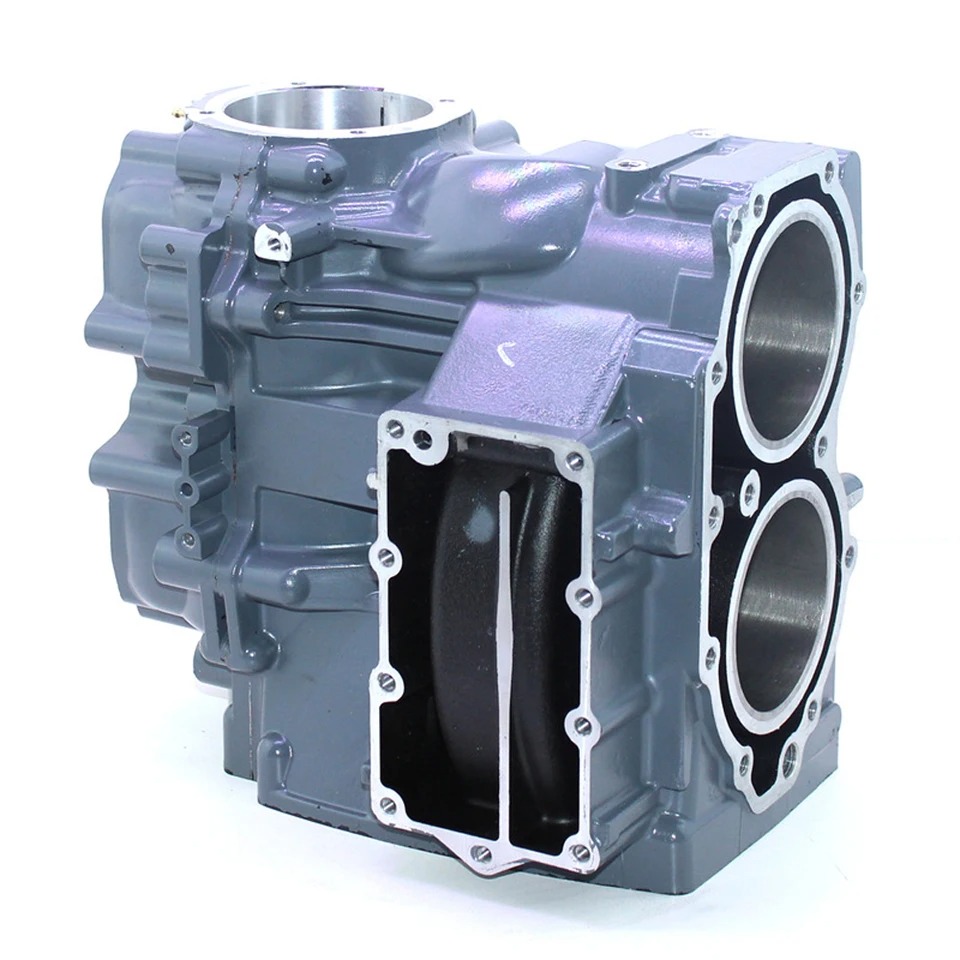
Inline cylinder blocks, also known as straight blocks, have cylinders arranged in a single line. They are simple in design, hence lightweight and compact. This configuration is common in small cars and motorcycles. Inline engines provide a balanced operation and are easy to repair. However, they may become longer and limit engine placement in larger vehicles.
V-Type Cylinder Blocks
V-type cylinder blocks feature two angled rows of cylinders forming a ‘V’ shape. This design allows for a shorter and more compact engine. It produces greater power and is typically used in sports cars and large vehicles. The V layout ensures better weight distribution and higher performance. However, it may require more advanced manufacturing and maintenance.
Opposed or Flat Cylinder Blocks
Opposed or flat cylinder blocks have cylinders laid flat and directly opposite each other. Sometimes called “boxer engines,” they provide lower centers of gravity. This configuration offers excellent vehicle stability and smoother operation. It’s frequently used in sports cars and some motorcycles. The design reduces vibrations but can increase the overall engine width.
Each cylinder block type has specific applications and tradeoffs. Choosing the right one depends on engine requirements and vehicle design.
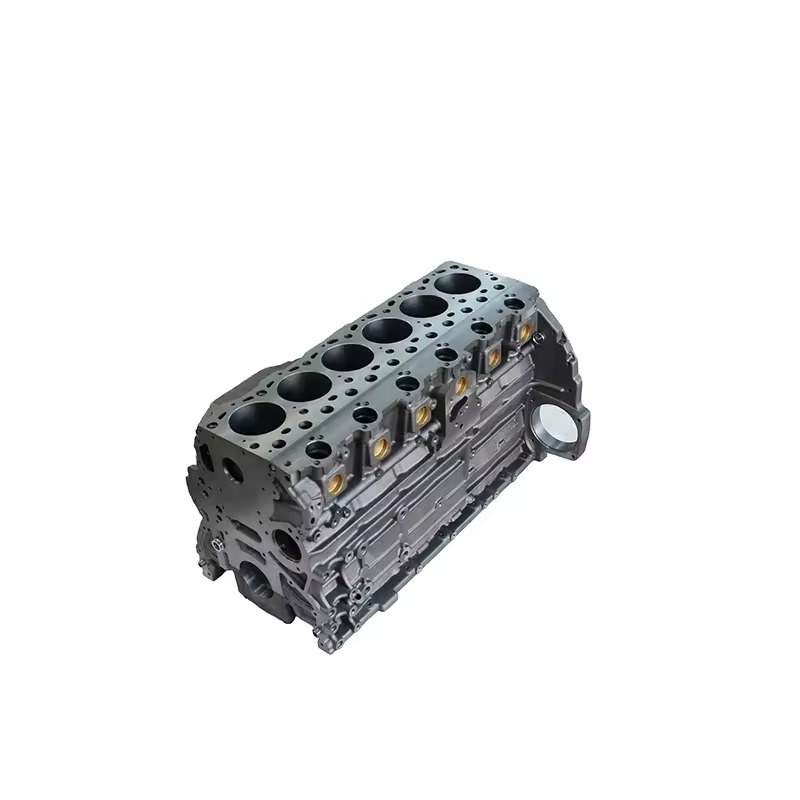
Materials Used in Cylinder Block Manufacturing
The materials used in cylinder block manufacturing significantly affect their durability and performance. Each material has its unique benefits and applications in various engine designs. Let’s explore the commonly used materials and advancements in material technology.
Cast Iron Cylinder Blocks
Cast iron cylinder blocks are highly durable and strong. They are widely used in older engines and heavy applications. Cast iron has excellent thermal conductivity, ensuring efficient heat transfer. It also offers high wear resistance, making it suitable for long-term engine use. The material is cost-effective and easy to fabricate, making it popular in manufacturing. However, cast iron blocks are heavier compared to other materials, which can impact fuel efficiency and speed.
Aluminium Alloy Cylinder Blocks
Aluminium alloy cylinder blocks provide a lightweight alternative to cast iron. They reduce overall engine weight, improving vehicle performance and fuel efficiency. Aluminium’s high thermal conductivity enhances cooling performance, preventing engine overheating. It offers better corrosion resistance, increasing engine longevity. Aluminium blocks are commonly used in modern cars, focusing on sustainability and efficiency. However, they tend to be more expensive and require advanced manufacturing techniques.
Advancements in Material Technology
Advancements in material technology have revolutionized cylinder block manufacturing. New composite materials combine the strengths of cast iron and aluminium alloys. These materials offer reduced weight while maintaining durability and heat resistance. Researchers are also exploring ceramic composites for enhanced thermal management. Nano-materials are being tested for improving structural integrity and wear resistance. These innovations aim to meet the demands of modern and future engines, focusing on efficiency and environmental impact.
Materials play a key role in cylinder block design and functionality. The right selection depends on engine requirements, application, and performance goals.
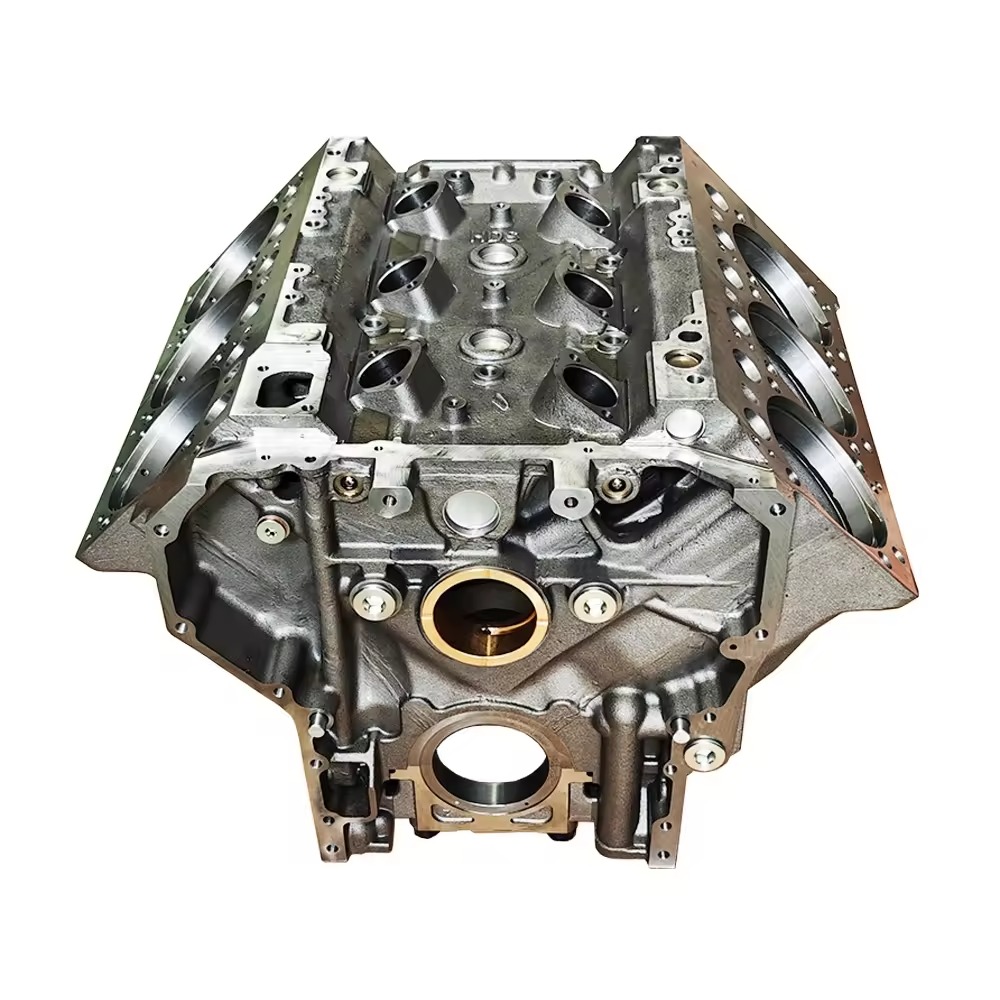
Key Components of a Cylinder Block
The cylinder block is a critical part of an engine, housing vital components. Understanding its key components helps in recognizing their roles in efficient engine performance.
Cylinders
The cylinders are at the heart of the cylinder block engine. They serve as sealed chambers where fuel and air combine and ignite. Pistons move up and down inside these cylinders to create power. Cylinder quantity and arrangement determine engine power and smoothness. Cylinder bores must be sturdy and precisely manufactured to withstand high pressure and heat. Proper lubrication and cooling in cylinders help prevent wear and ensure long engine life.
Cooling Passages
Cooling passages are integral to temperature regulation within the cylinder block. These passages channel coolant throughout the engine to manage the heat generated during combustion. Efficient heat dissipation ensures the engine doesn’t overheat. The design of cooling passages greatly influences thermal efficiency. Advanced designs help reduce hotspots, improving overall engine stability.
Oil Passages
Oil passages ensure lubrication of the engine’s moving parts. They distribute oil to reduce friction and wear in crucial areas. Adequate lubrication prevents damage to the pistons, crankshaft, and other components. Oil passages also help carry away heat from contact surfaces. Any blockage in oil passages can lead to engine malfunctions or failures. Regular maintenance checks are essential for smooth operation.
The key components of a cylinder block play interdependent roles in ensuring engine performance. Understanding them helps in designing durable, efficient engines.
Cylinder Block Design Features
The design of a cylinder block has a significant impact on engine performance and durability. Effective design features ensure efficient operation, reduced wear, and optimized output for various engine applications.
Structural Considerations
Structural integrity is critical in a cylinder block design. A well-designed block provides stability to the engine. It must handle stresses from combustion and engine components under operation. The block’s strength depends on material selection and manufacturing processes. Ribbing and reinforcements enhance durability and resistance to deformation. Precise machining ensures alignment of components, reducing wear and improving reliability. Designers focus on compact structures for lighter designs and better energy efficiency.
Thermal Efficiency and Heat Dissipation
Managing heat is vital for cylinder block performance. Efficient heat dissipation prevents engine overheating during combustion. Cooling passages play a central role in thermal regulation. Their placement ensures uniform cooling and minimizes hotspots in the block. Materials like aluminium enhance thermal efficiency due to their high conductivity. Advanced cooling designs improve transfer rates, resulting in better performance. Engineers continuously optimize thermal management for longevity and reduced energy loss in modern engines.
Noise and Vibration Optimization
Noise and vibration reduction is crucial in cylinder block design. Vibrations result from combustion forces and moving engine parts. Designers use damping techniques to minimize noise and vibration impact. Balanced cylinder arrangements enhance smoothness in operation. Thicker walls and reinforced sections lower vibration transfer to vehicle parts. Special coatings and composite materials absorb excessive sound. Optimized designs improve driving comfort and engine longevity.
Cylinder block design features determine its effectiveness and suitability for specific applications. Engineers focus on structural integrity, heat management, and noise control to develop reliable engines.
Common Cylinder Block Manufacturing Processes
The manufacturing processes of cylinder block engines are vital for their performance and reliability. These processes ensure accurate construction, durability, and compliance with modern engine requirements. Let’s explore the primary methods.
Casting Techniques
Casting techniques form the foundation of cylinder block production. They shape raw materials into sturdy engine structures.
- Sand Casting: This traditional method uses molds made from sand. It is cost-effective and suitable for low-production volumes. Sand casting allows for complex designs but may result in rough surfaces and less precision.
- Die Casting: Die casting uses steel or iron molds and is common for aluminum cylinder blocks. It provides better accuracy, smoother finishes, and consistent quality. This method is ideal for high-volume production but requires significant initial investment.
- Centrifugal Casting: This technique is used for manufacturing specific parts like cylinder liners. It involves rotating molds, creating dense and uniform components. Centrifugal casting enhances durability and heat resistance.
Choosing the right casting method depends on the material and design requirements.
Machining Processes
Machining ensures the precision necessary for engine performance. It refines the block after casting.
- Boring and Honing: Boring creates the cylinder holes, and honing ensures smooth surfaces for better piston movement. Both are critical for reducing wear and maintaining efficiency.
- Milling: Milling machines flatten surfaces and ensure accurate dimensions. This process also prepares mounting spots for other components.
- Drilling and Tapping: Drilling creates holes for oil and cooling passages, while tapping prepares threads for fasteners. These steps ensure functional pathways and secure assembly.
Precision machining is essential for efficiency, fuel economy, and durability of cylinder block engines.
Inspection and Testing Methods
Inspection and testing ensure quality and reliability in cylinder block manufacturing. These processes detect flaws and verify compliance with standards.
- Non-Destructive Testing (NDT): NDT techniques like X-rays and ultrasonic testing identify internal defects without damaging the block. They help detect cracks, porosity, or inconsistencies.
- Dimensional Inspection: This checks component dimensions against design specifications. Tools like coordinate measuring machines (CMM) ensure accurate measurements.
- Pressure Testing: Pressure testing ensures the block can withstand operating stress. It checks for leakage in cooling and oil passageways.
- Thermal Testing: This examines the block’s heat management capabilities, ensuring proper operation under thermal loads.
Combined, these methods guarantee high-quality cylinder blocks, capable of meeting performance expectations.
Manufacturing processes, from casting to testing, play a crucial role in cylinder block engine design. Proper techniques ensure strength, efficiency, and reliability for long-term use.
Cylinder Block Maintenance and Repairs
Proper maintenance and timely repairs of a cylinder block are crucial for engine durability and performance. Neglecting maintenance can lead to serious engine failures and costly repairs.
Common Issues in Cylinder Blocks
Cylinder blocks, despite being durable, can develop issues over time. Here are some common problems:
- Cracks in the Cylinder Block: Cracks may occur due to overheating or extreme pressure. These cracks can lead to coolant and oil leaks, affecting engine performance.
- Cylinder Wear and Scoring: Regular friction and heat can cause the cylinder walls to wear or develop scars. This leads to poor compression and reduced efficiency.
- Overheating Issues: Clogged cooling passages can cause ineffective heat dissipation, leading to overheating and potential thermal damage.
- Oil Leaks: Blocked or damaged oil passages can result in leaks and ineffective lubrication. This causes higher friction and damage.
It is essential to detect and address these issues early to prevent further damage.
Tips for Maintenance
Regular maintenance can prevent costly repairs and prolong the lifespan of your cylinder block engine. Follow these tips:
- Change Oil Frequently: Regular oil changes ensure proper lubrication and minimize wear on engine parts.
- Monitor Coolant Levels: Always maintain the right coolant level. Check for leaks in the cooling system frequently.
- Inspect for Wear: Regularly check cylinder walls for wear and scoring. Early detection can prevent further damage.
- Clean the Engine Block: Remove dirt and grime buildup to ensure smooth operation and prevent overheating.
- Check Temperature Gauges: Monitor engine temperature while driving to detect overheating early.
Following these simple steps can save you from expensive repairs in the long run.
Repair Procedures and Solutions
When issues arise, timely repairs are essential. Below are common repair procedures and solutions:
- Welding Cracks: Small cracks can be welded to restore the block’s integrity. In severe cases, replacement may be necessary.
- Cylinder Honing or Reboring: For worn or scratched cylinder walls, honing or reboring restores the surface for smooth piston motion.
- Gasket Replacement: Damaged gaskets should be replaced. This prevents oil and coolant from leaking.
- Cooling Passage Cleaning: Use cleaning agents to flush out any blockages in the cooling passages.
- Inspection Tools: Non-destructive testing methods like ultrasonic inspection can detect hidden issues accurately.
Regular maintenance and addressing common issues promptly can extend the life of your cylinder block engine, ensuring optimal performance and safety.
Future Trends in Cylinder Block Technology
The future of cylinder block engine design focuses on improving efficiency, performance, and sustainability. Innovations in materials, cooling, and integration of technologies are shaping the next generation of engines.
Lightweight Materials
Lightweight materials are a major focus in modern cylinder block manufacturing. These materials reduce engine weight significantly. Reduced weight improves fuel efficiency and vehicle performance. Aluminium alloys have already become standard in many engines. Researchers are now exploring magnesium alloys and carbon composites. These materials are lighter and enhance corrosion resistance and heat dissipation. Additionally, advanced manufacturing methods like 3D printing allow for custom lightweight designs. Lighter cylinder blocks support eco-friendly and high-performance engines.
Improved Cooling Solutions
Effective cooling enhances engine performance and longevity. New designs focus on optimized coolant passage placements. These enhancements better distribute heat across the cylinder block. Advanced materials, such as ceramic composites, improve thermal conductivity and heat resistance. Active cooling systems are being developed. They adjust coolant flow based on engine temperature for more precise temperature control. Improved cooling solutions keep engines consistent, efficient, and protected against overheating.
Integration of Advanced Technologies
The integration of advanced technologies is transforming cylinder block designs. Smart sensors are being embedded in cylinder blocks. These sensors monitor temperature, pressure, and vibrations in real-time. Data collected helps improve engine performance and predict potential failures. 3D printing allows engineers to create intricate designs that were once impossible. AI and machine learning systems are used for optimizing designs and manufacturing processes. These technologies enhance precision, efficiency, and innovation in cylinder block engine.
The shift toward advanced materials, cooling solutions, and smart technologies marks the future of cylinder blocks. These innovations promise stronger, lighter, and more efficient engines.
Leave a Reply