What Are Motorcycle Specifications?
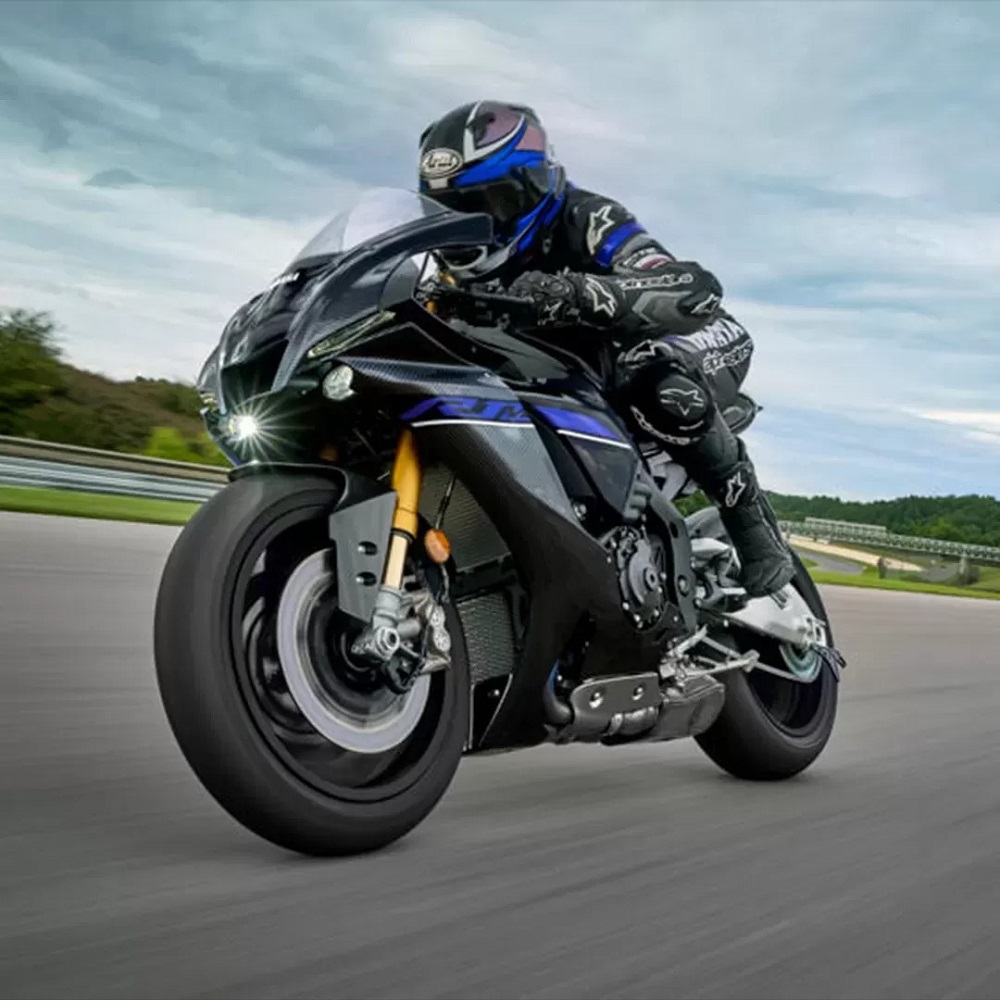
Motorcycle specs are detailed technical information about a motorcycle’s design and performance. They allow riders to understand the bike’s capabilities, features, and mechanics. These motorcycle specs are essential for comparing bikes, choosing the right one, or customizing it to fit specific needs.
Key areas of motorcycle specifications include:
- Engine Details: Specs cover engine type, capacity, and configuration, such as single-cylinder or V-twin.
- Horsepower and Torque: They define the power output and pulling strength of the motorcycle.
- Weight and Frame Materials: These specs reveal the bike’s construction and its impact on handling.
- Suspension Systems: Descriptions focus on features for smooth riding and shock absorption.
- Brake Systems: Information includes the design of brakes for safety and control.
- Tire Size and Type: Specs offer insights into tires’ dimensions and suitability for different terrains.
- Fuel Tank Capacity: Details show range and efficiency based on tank size and mileage.
Understanding motorcycle specs is vital for choosing a bike that matches your riding style and needs. By analyzing these specifications, riders can make informed decisions regarding performance and comfort.
Engine Types and Configurations
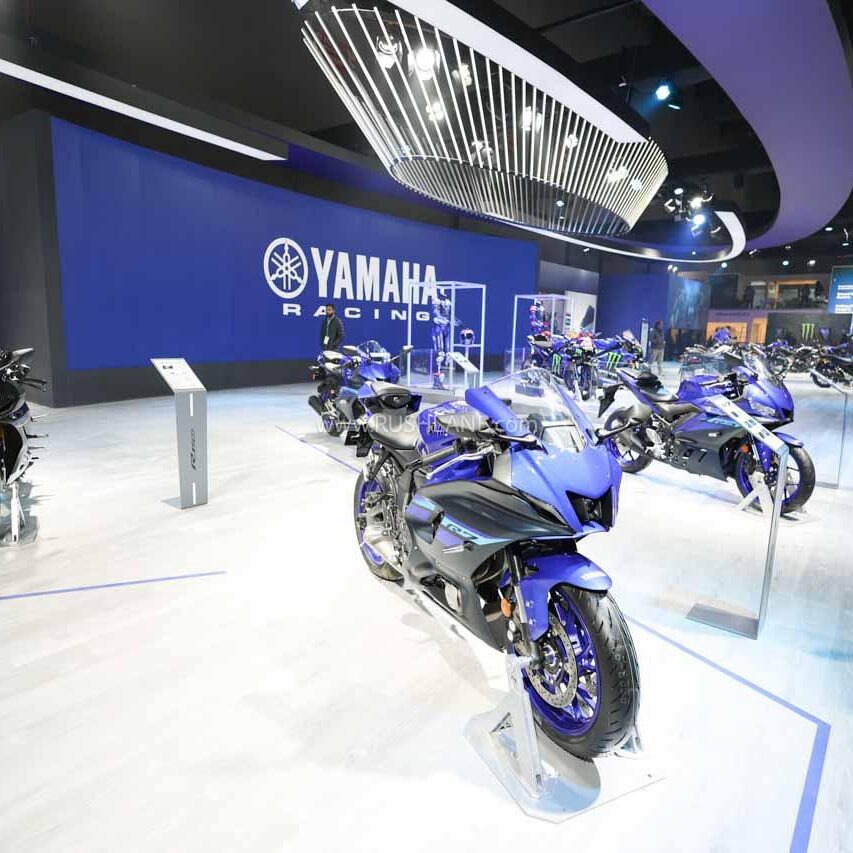
Motorcycles come with various engine types and configurations. These define their performance and overall riding feel.
Common Engine Types
- Single-cylinder Engines:
- Compact and lightweight.
- Common in dirt bikes and entry-level motorcycles.
- Provide good fuel efficiency but lower power output.
- Parallel Twin Engines:
- Include two cylinders placed side by side.
- Offer a smooth power delivery.
- Popular for touring and budget-friendly bikes.
- V-Twin Engines:
- Cylinders arranged in a “V” shape.
- Deliver strong low-end torque.
- Found in cruisers and custom motorcycles.
- Inline Four-cylinder Engines:
- Strong power at high speeds.
- Known for smoothness and refined performance.
- Common in sport bikes and high-performance machines.
- Boxer Engines (Flat-Twin):
- Cylinders opposed horizontally.
- Provide excellent balance and low vibrations.
- Seen in some touring bikes.
Key Engine Configurations
- Displacement (cc): Indicates engine size. Larger displacement usually means more power.
- Two-stroke vs. Four-stroke:
- Two-stroke engines are simpler and lighter but need frequent maintenance.
- Four-stroke engines are durable, efficient, and better for most riders.
Why Engine Type Matters
The engine type affects a bike’s performance, efficiency, and riding experience. Choosing the right engine is critical when analyzing motorcycle specs. Understand your needs—be it commuting, touring, or off-road riding—to select the right engine configuration.
Horsepower and Torque: What Do They Mean?
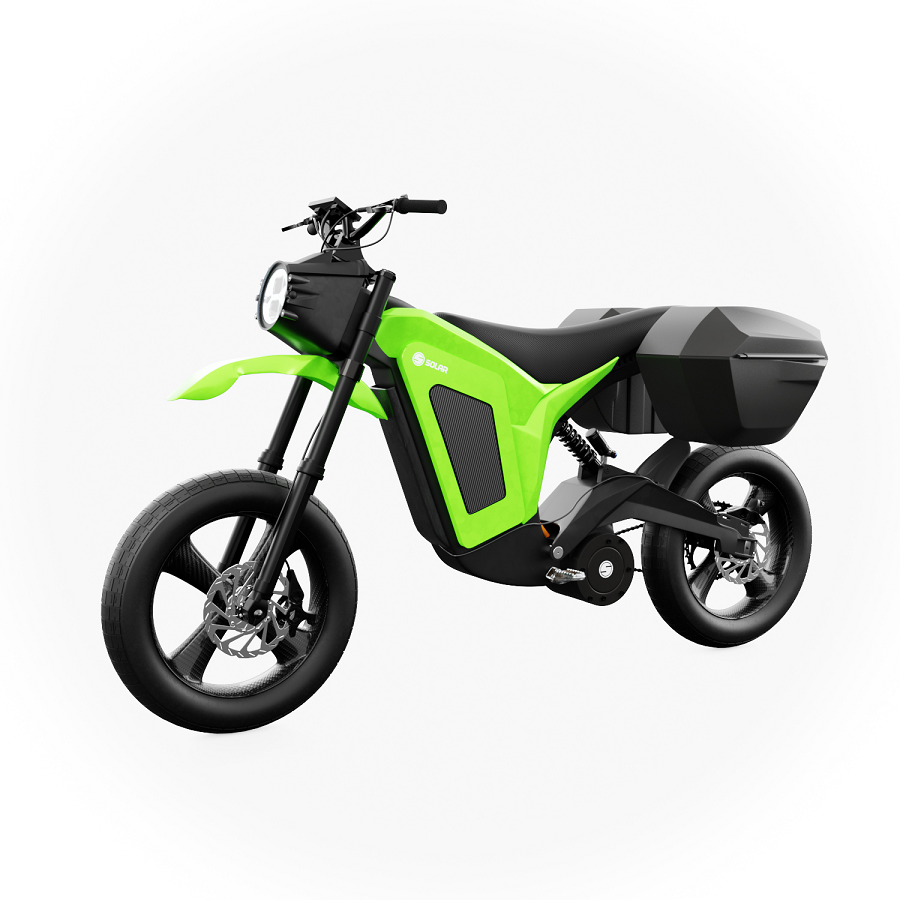
Horsepower and torque are key components of motorcycle specs. They define a bike’s performance attributes.
Horsepower
- What It Is:
- Horsepower shows the engine’s power output.
- It measures the rate at which the bike performs work.
- Why It Matters:
- Higher horsepower means faster acceleration and higher top speeds.
- It’s ideal for sport bikes and performance-focused riders.
Torque
- What It Is:
- Torque measures the rotational force of the engine.
- It impacts pulling power and overall strength.
- Why It Matters:
- Higher torque delivers better low-speed power and strong acceleration.
- Perfect for cruisers, touring bikes, and off-road motorcycles.
The Balance Between Horsepower and Torque
- Balancing horsepower and torque is crucial for varied riding needs.
- Sport bikes need higher horsepower for speed.
- Cruisers benefit from more torque for relaxed, powerful rides.
Analyzing these specs helps riders choose bikes that match their style and riding preference.
Motorcycle Weight and Frame Materials
Motorcycle weight and frame materials heavily influence riding experience and performance.
How Weight Affects Performance
- Impact on Maneuverability:
- Lightweight bikes are easier to handle.
- Ideal for beginners and city riders.
- Effect on Speed:
- Heavier bikes may compromise speed and acceleration.
- Lightweight models enhance agility and speed.
- Stability and Comfort:
- Heavier motorcycles offer more stability at high speeds.
- Suitable for touring and long-distance travel.
Common Frame Materials Used
- Steel Frame:
- Durable and affordable.
- Adds weight but increases stability.
- Aluminum Frame:
- Lightweight and resistant to corrosion.
- Preferred for sport and touring bikes.
- Carbon Fiber Frame:
- Extremely light yet strong.
- Often used in high-performance motorcycles.
- Titanium Frame:
- Lightweight and durable.
- Costly but ideal for top-tier bikes.
Why Weight and Frame Materials Matter
- Weight impacts handling, speed, and rider experience.
- Frame material determines durability and performance.
- These specs are vital for choosing a bike that fits your needs.
Suspension and Handling Features
Suspension systems play a major role in motorcycle performance and rider comfort. They ensure smooth rides and support the bike’s stability.
Key Components of Motorcycle Suspension
- Front Suspension (Forks):
- Absorbs bumps and uneven surfaces.
- Provides better handling and braking control.
- Rear Suspension (Shock Absorbers):
- Improves riding comfort and stability.
- Adjusts based on rider weight and terrain.
- Swingarm:
- Connects the rear suspension to the motorcycle’s frame.
- Enhances stability during turns and rough rides.
Types of Suspension Systems
- Telescopic Forks:
- Most common for front suspension.
- Durable and easy to maintain.
- Mono-shock Systems:
- Found in high-performance bikes.
- Improves agility and control.
- Dual-shock Systems:
- Ideal for cruisers and budget bikes.
- Offers reliability on uneven ground.
Importance of Suspension for Handling
- Supports rider comfort by minimizing vibrations.
- Enhances grip and response during turns.
- Works with tires for safe rides on various terrains.
How to Choose Based on Specs
- Consider Your Riding Style:
- Commuters need durable but simple systems.
- Off-road riders require high-performance suspension.
- Analyze Adjustability Options:
- Adjustable systems cater to different weights and surfaces.
- Look for preload and damping features.
Choosing the right suspension system ensures better handling and overall riding satisfaction.
Brake Systems and Their Importance
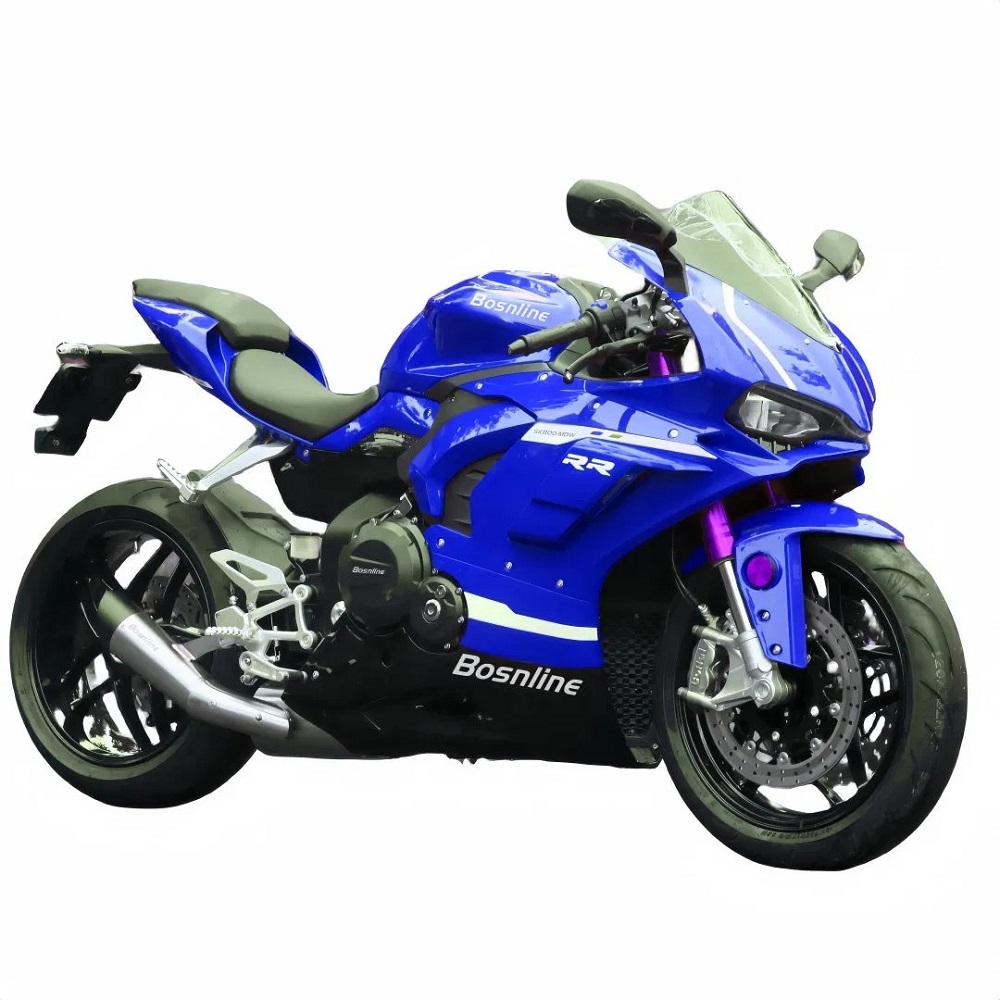
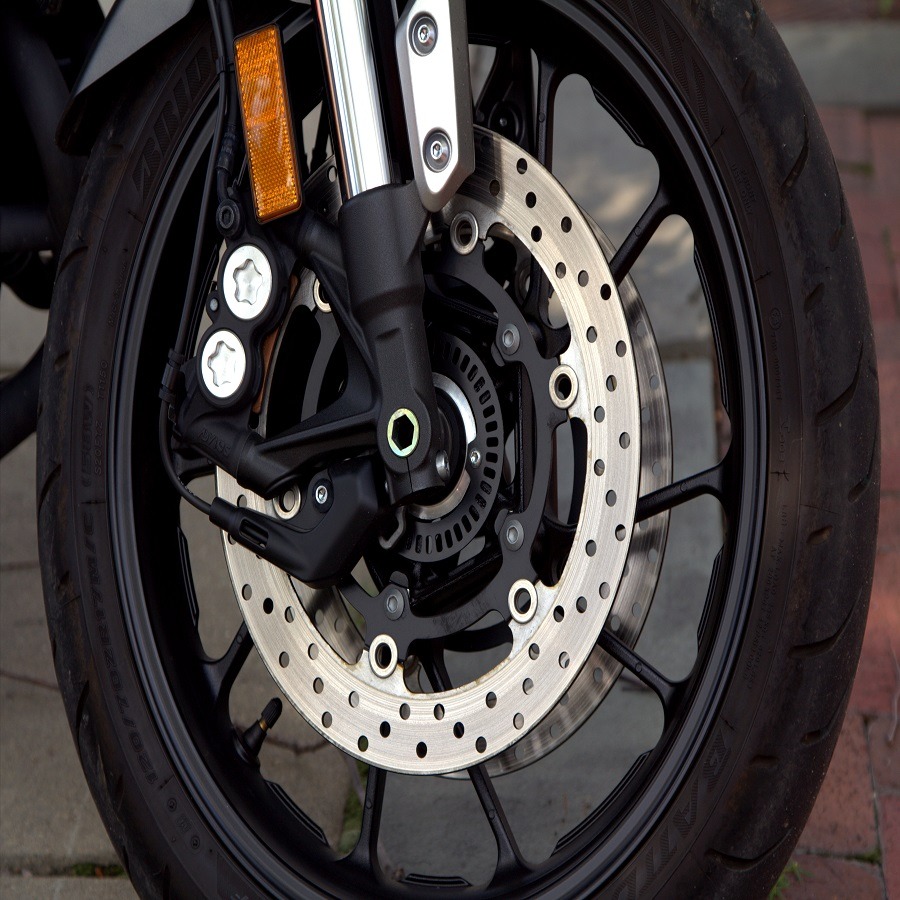
Brake systems are vital for safety and control while riding motorcycles. Proper functioning brakes ensure the bike can stop reliably under various conditions. Understanding brake systems helps riders choose suitable bikes and maintain them effectively.
Types of Motorcycle Brake Systems
- Disc Brakes:
- Popular for their strong stopping power and consistency.
- Feature rotors connected to the wheels, with calipers squeezing pads against them.
- Common on most modern motorcycles due to high performance and reliability.
- Drum Brakes:
- Use a drum and brake shoes for braking action.
- Often seen in older and budget-friendly motorcycles.
- Less effective than disc brakes, especially in wet conditions.
- Anti-lock Braking Systems (ABS):
- Prevent wheels from locking during braking.
- Enhance control in emergency stops.
- Required on many newer motorcycles for safety compliance.
Why Brake Systems Matter
- Ensure Rider Safety:
- Good brakes reduce accident risks by providing controlled stops.
- They work effectively across terrains and weather conditions.
- Improve Riding Comfort:
- Efficient braking increases confidence and riding comfort.
- Smooth operation prevents sudden jolts during stops.
- Adaptability to Conditions:
- ABS and modern systems handle wet or slippery roads well.
- Riders can depend on their brakes in emergencies.
Choosing the Right Brake System
- Match Your Riding Style:
- For commuting, basic disc brakes may suffice.
- High-performance bikes benefit from advanced ABS systems.
- Maintenance Considerations:
- Regular checks keep brakes safe and responsive.
- Choose a system that’s easy to service and maintain.
Brake systems are a critical part of motorcycle specs. Riders should prioritize safety and performance when analyzing brake features.
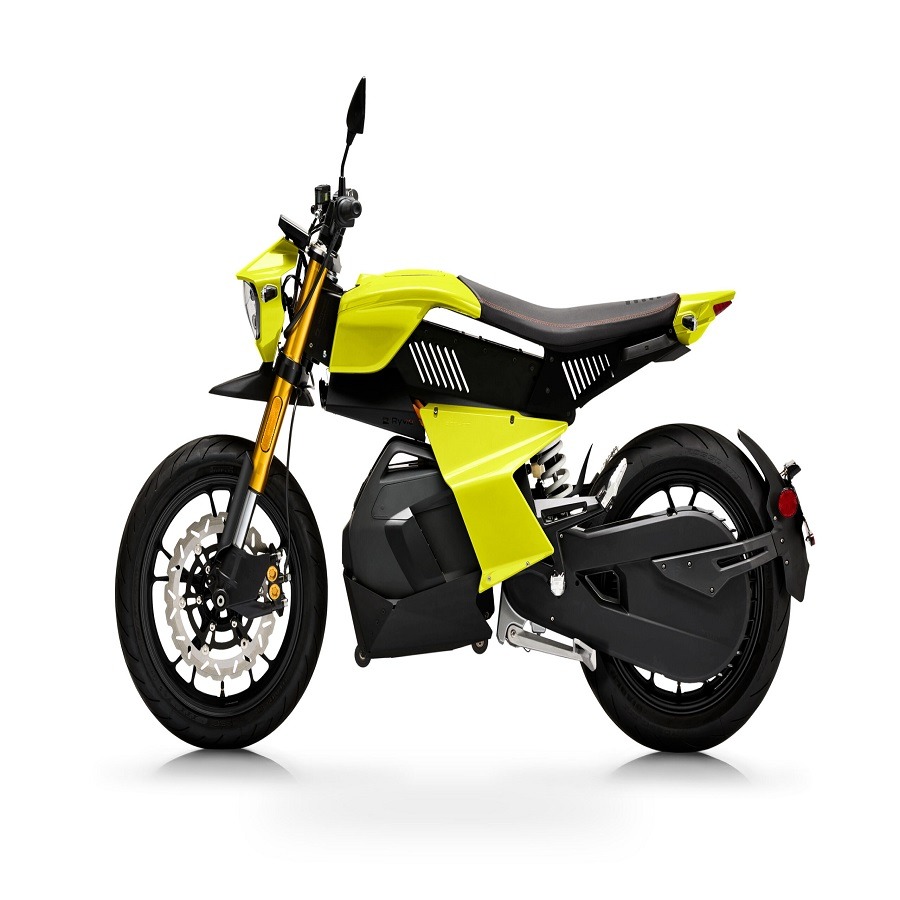
Tire Sizes and Types for Motorcycles
Tires are crucial components of motorcycle specs. They directly impact handling, stability, and riding comfort.
Understanding Tire Sizes
- How Tire Size Is Measured:
- Width, aspect ratio, and rim diameter define tire size.
- Numbers like 120/70-ZR17 explain width, height ratio, and wheel size.
- Why Width Matters:
- Wider tires provide more grip and stability.
- Best for touring and high-speed rides.
- Aspect Ratio Explained:
- Lower aspect ratios mean stiffer tires and better cornering.
- Higher ratios improve comfort on rough tracks.
Types of Motorcycle Tires
- Street Tires:
- Designed for paved roads.
- Provide a smooth and quiet ride.
- Touring Tires:
- Built for durability and long-distance comfort.
- Offer balanced performance across various road conditions.
- Sport Tires:
- Perfect for high-speed agility and cornering grip.
- Used in high-performance and racing bikes.
- Off-road Tires:
- Suitable for dirt trails and rugged terrain.
- Aggressive tread patterns enhance grip.
- Dual-sport Tires:
- Perform well on both road and off-road surfaces.
- Ideal for adventure riders.
Choosing the Right Tires for Your Motorcycle
- Consider Terrain:
- Match tire type to road or trail surfaces.
- Ensure stability and longevity.
- Analyze Riding Style:
- Sport riders need grip-focused tires.
- Commuters prefer street or touring tires.
- Check Compatibility:
- Tire size must match the motorcycle’s wheel.
- Incorrect sizing affects handling.
Why Tire Specs Matter
Tires influence safety, performance, and comfort. Choosing the right size and type can enhance riding satisfaction.
Fuel Tank Capacity and Efficiency
The fuel tank capacity and fuel efficiency are crucial aspects of motorcycle specs. They determine how far you can ride before refueling and significantly impact your riding experience.
Understanding Fuel Tank Capacity
- What Is Fuel Tank Capacity?
- The fuel tank capacity refers to the amount of fuel a motorcycle can store.
- Measured in liters or gallons, it varies based on the bike’s type and purpose.
- Variations by Bike Type:
- Small capacity tanks (10-15 liters): Common in sport or commuter motorcycles.
- Medium capacity tanks (15-20 liters): Found in touring and adventure motorcycles.
- Large capacity tanks (20+ liters): Suitable for long-distance riders.
Factors That Impact Fuel Tank Efficiency
- Engine Size and Type:
- Larger engines typically consume more fuel, reducing overall efficiency.
- Smaller, fuel-efficient engines can maximize the mileage per liter.
- Rider’s Style:
- Aggressive riding, like high speeds, reduces fuel efficiency.
- Smooth, steady riding optimizes fuel usage.
- Motorcycle Weight:
- Heavier bikes require more power, impacting fuel consumption.
- Lighter motorcycles tend to be more fuel-efficient.
- Maintenance:
- A well-maintained engine and tires improve fuel efficiency.
- Poor maintenance can increase fuel consumption.
Choosing the Right Tank for Your Needs
- For Daily Commuting:
- Opt for bikes with moderate fuel efficiency and medium tank size.
- For Long-Distance Riding:
- Larger tanks offer better range and fewer stops on long trips.
- For Off-road Adventures:
- Consider extra fuel storage or a dual-purpose bike with optimized capacity.
Why It Matters
- Convenience:
- A larger tank reduces frequent refueling stops.
- Cost Management:
- High fuel efficiency lowers day-to-day operating costs.
- Enhanced Planning:
- Knowing your tank’s capacity helps plan longer journeys.
Fuel tank capacity and efficiency are critical for any rider. They ensure balance between range, comfort, and cost-effectiveness. Always align these specs with your riding habits and travel goals.
The Community and Culture of Motorcycling
Finding Your Motorcycle Tribe
As you navigate the world of motorcycling, connecting with others who share your passion is rewarding. Local and online motorcycle communities provide insight, advice, and camaraderie. Whether you join a local riding group or participate in social media forums, these connections can enhance your riding journey. Engaging with fellow enthusiasts helps deepen your understanding of motorcycle culture.
Participating in Group Rides
Participating in organized group rides is an excellent way to immerse yourself in the community. These events often include scenic routes, meals, and shared experiences among riders. Group rides allow you to meet new people, exchange tips, and enjoy the camaraderie that comes from a shared love for motorcycles. Riding with others can create lasting bonds and contribute to a sense of belonging.
Involvement in Motorcycle Events
Many cities host motorcycle events that welcome riders of all backgrounds. Events such as rallies, shows, and competitions provide opportunities to showcase your motorcycle and learn new skills. Participating in these activities can offer inspiration, inform you about new products or techniques, and create cherished memories. Engaging in motorcycle events allows you to stay connected to the broader motorcycling community and enrich your riding experience.
Conclusion: Make the Most of Your Motorcycling Experience
In conclusion, selecting the right motorcycle involves understanding specifications and assessing your riding needs. With the right knowledge, you can find a model that strikes a balance between comfort, performance, and style. Whether you’re a novice or an experienced rider, taking the time to research and test various motorcycles will greatly enhance your riding experience.
Celebrate Each Ride
Every motorcycle journey is an adventure waiting to unfold. Celebrate the freedom and excitement that comes with riding, knowing that you have selected the best motorcycle suited to your needs. A well-chosen bike will not only provide comfort but also enhance your overall enjoyment of each ride.
Embed Yourself in the Community
As you embark on your journeys, embrace the motorcycle community that surrounds you. The connections you make and the experiences you share can enhance your journey significantly. Riding is often more enjoyable when shared with others, so seek out fellow enthusiasts to build lasting friendships.
Prepare for New Adventures Ahead
With a well-equipped motorcycle and a network of fellow riders, the road ahead is filled with possibilities. Embrace the excitement that comes with each new adventure. The joy of riding extends beyond just the motorcycle; it’s about the experiences, friendships, and memories you create along the way. Select your motorcycle wisely, gear up, and ride confidently into the thrilling world of motorcycling!
Leave a Reply