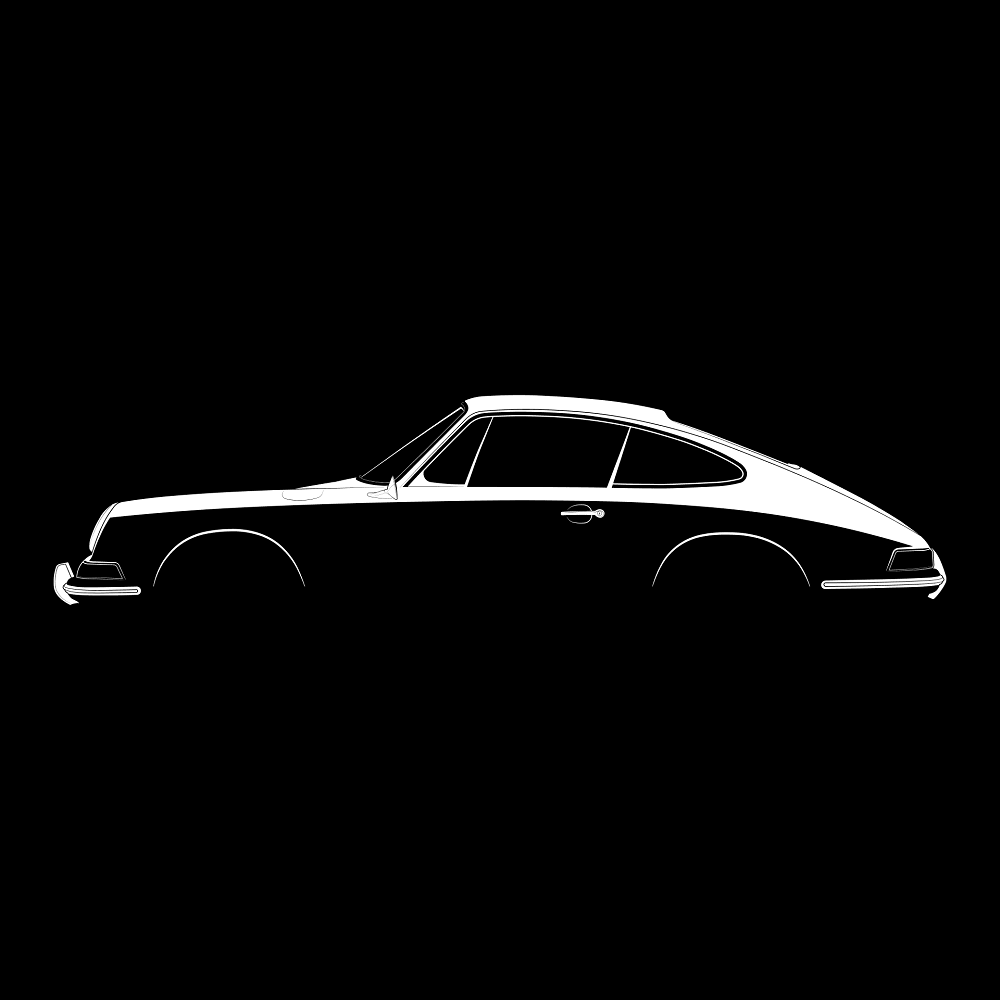
Introduction to Car Silhouette Design
Car silhouette design is crucial in shaping a vehicle’s overall aesthetics. It focuses on the car’s outer contours, ensuring a perfect balance of form and function. The silhouette often defines the first impression a vehicle makes.
A silhouette highlights key features, including the roofline, windows, and body flow. Designers pay close attention to proportions, ensuring that every curve connects seamlessly. This process enhances a vehicle’s appeal and aerodynamics.
Designers aim to create unique car silhouettes that stand out. A distinctive silhouette can greatly influence brand recognition and customer preference. For instance, sports cars often have sleek and low silhouettes, while SUVs feature taller and robust profiles.
Car silhouette design also involves studying market trends and user preferences. Designers often draw inspiration from architecture, nature, and older vehicle models. The goal is to fuse tradition with innovation, creating timeless and classy designs.
In summary, car silhouette design plays a key role in automotive styling. Mastering this art helps designers craft vehicles that draw attention and satisfy customers.
Importance of Silhouette in Automotive Design
The silhouette of a car impacts its visual appeal and identity. It defines the car’s basic shape and presence. A strong silhouette helps communicate the purpose of the vehicle.
A well-designed silhouette ensures harmony between form and function. It supports aerodynamic efficiency and enhances driving dynamics. The shape affects wind resistance, stability, and fuel efficiency.
Automotive brands leverage silhouettes to define their uniqueness. A distinctive silhouette strengthens brand recognition and loyalty. For example, the curvy silhouette of a Porsche and the boxy design of a Jeep represent their brand identities.
The silhouette also influences customer perception of the vehicle. Smooth silhouettes often suggest elegance and speed. On the other hand, bold silhouettes signal strength and durability. Designers carefully blend these traits based on target users.
In summary, the silhouette is not just an aesthetic element but a functional choice. It balances style, performance, and brand identity to create memorable automotive designs.
Key Elements of Car Silhouette
Understanding the key elements in car silhouette design is essential for creating stunning vehicles. Several aspects contribute to the shape and flow of a car’s silhouette. These include:
- Roofline: The curve or slope of the roofline defines the car’s overall character. It can evoke sportiness with a low roofline or strength with a taller design.
- Windows: Window shapes and placements influence how sleek or bold a car appears. Larger windows often make a vehicle feel open, while smaller windows add a dynamic look.
- Wheelbase: The distance between the front and rear wheels impacts the silhouette’s proportions. A longer wheelbase provides an elegant stance, while shorter ones boost compactness.
- Body Curves: Smooth and flowing curves enhance aerodynamics and give a sense of motion. Sharp angles create a dramatic and edgy appearance.
- Front and Rear Profiles: The outline of the car’s nose and tail shapes its identity. A sharp front end can look aggressive, while rounded edges add friendliness.
- Overall Proportion: Balancing all elements ensures harmony. Designers carefully adjust lengths, heights, and curves to match the car’s function and target audience.
By mastering these elements, car designers can craft silhouettes that are visually appealing and functional. These details determine not only the car’s style but also its performance features and consumer appeal. Every detail contributes to the cohesive look and purpose of the finished vehicle.
Types of Car Silhouettes
Car silhouettes vary depending on the vehicle’s purpose, design, and audience. Understanding these types helps designers create effective and appealing cars.
Sedans
Sedan silhouettes feature a balanced and streamlined design. They offer sleek curves and functional proportions. Ideal for everyday use, sedans combine style with practicality.
Coupes
Coupes highlight sporty and aerodynamic profiles. They usually have two doors and a sloping roofline. Their bold designs appeal to customers seeking speed and elegance.
SUVs
SUVs showcase taller and boxy silhouettes. These robust designs prioritize space, strength, and versatility. Popular among families, SUVs handle diverse terrains efficiently.
Hatchbacks
Hatchbacks feature compact shapes and shorter rear profiles. Their designs focus on space-saving and functionality. They are practical for urban driving and smaller parking spaces.
Sports Cars
Sports cars have low, sleek silhouettes. These agile designs promote speed and aerodynamics. Sports cars strongly emphasize performance and style.
Pickup Trucks
Pickup trucks have strong and rectangular silhouettes. Their designs prioritize utility and durability. They cater to work-related needs and adventurous activities.
Convertibles
Convertibles feature flexible silhouettes that adapt with their retractable roofs. They provide open-air driving and a dynamic style.
Station Wagons
Station wagons offer elongated silhouettes with increased rear space. They combine practicality and family-focused design.
Electric Vehicles (EVs)
Electric vehicles often feature modern, futuristic silhouettes. Designers focus on aerodynamics and innovative proportions.
Different car silhouettes cater to various niches and customer preferences. Selecting the right silhouette type ensures harmony between design and functionality.
Techniques for Creating Unique Car Silhouettes
Creating a unique car silhouette requires combining creativity with technical knowledge. Designers use various techniques to develop designs that stand out while meeting functional requirements. These approaches help brands establish a distinct visual identity in the competitive automotive market.
Sketching and Concept Design
Begin with rough sketches to visualize ideas. Sketching enables quick experimentation with shapes and proportions. Creatively explore rooflines, curves, and details. Designers refine these sketches into detailed concept designs.
Study Market Trends
Understanding current trends is essential. Analyze popular car silhouettes and consumer preferences. Designers often blend trending styles with innovative features to create timeless designs.
Experiment with Proportions
Adjust proportions carefully to achieve balance. Explore unique combinations of lengths, heights, and curves. For example, a short overhang can add a sporty feel.
Use Inspiration from Nature and Architecture
Nature and architectural elements inspire car designs. Curves of mountains or sleek building outlines can lead to creative silhouettes. Translating these influences into cars makes designs more distinct.
Focus on Aerodynamics
Aerodynamic efficiency plays a major role. Streamlined silhouettes improve fuel efficiency and enhance performance. A well-shaped roofline and precise body curves reduce air resistance effectively.
Emphasize Brand Identity
Stick to brand philosophies to ensure consistency. Use signature design elements while introducing fresh ideas. This approach creates recognizable silhouettes that reinforce brand loyalty.
Collaborate Across Teams
Team collaboration enhances creativity and feasibility. Designers work closely with engineers, ensuring unique aesthetics align with technical specifications.
Use Advanced Software
Employ cutting-edge design tools for precision. CAD software allows detailed modeling and simulation. These tools help refine shapes and optimize practicality.
Test and Refine Prototypes
Prototyping ensures designs are functional and appealing. Conduct tests to evaluate aerodynamics, stability, and proportions. Refine based on feedback to perfect the silhouette.
When designing car silhouettes, attention to every detail is crucial. Combining creativity, research, and technology helps designers deliver standout designs that balance style and performance.
Examples of Iconic Car Silhouettes
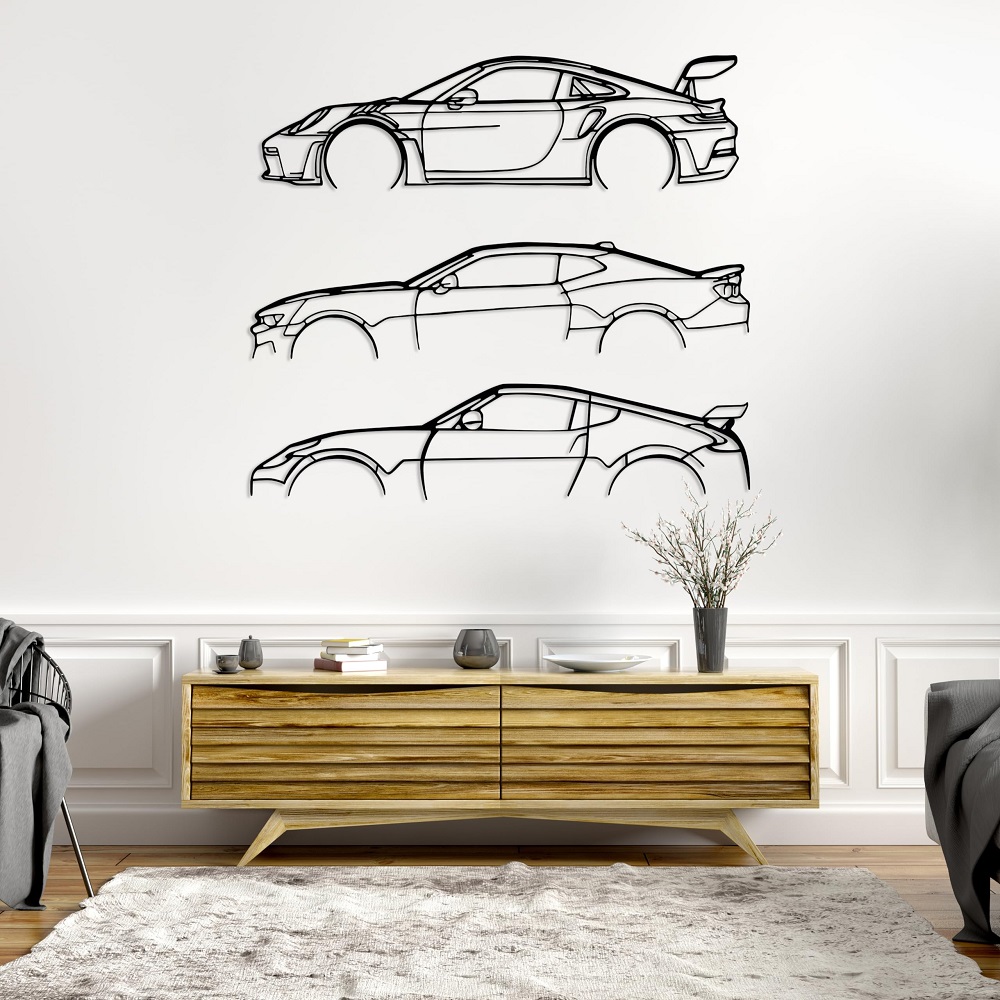
Iconic car silhouettes have shaped the automotive industry and defined brands over the years. These examples showcase how unique designs have captured the imagination of car enthusiasts and influenced market trends.
Porsche 911
The Porsche 911 is known for its legendary curvy silhouette. Its smooth roofline and compact design exude elegance and speed. Over decades, its iconic shape has remained timeless and highly recognizable.
Ford Mustang
The Ford Mustang is celebrated for its bold, muscular silhouette. Its strong front end and sleek side profile convey power and performance. It set a standard for American muscle cars.
Volkswagen Beetle
The Volkswagen Beetle features a rounded and friendly silhouette. Its compact and distinctive design reflects approachability. This timeless silhouette has enjoyed global popularity across generations.
Jeep Wrangler
The Jeep Wrangler stands out with its rugged, boxy silhouette. It symbolizes adventure and utility. Its upright design supports off-road capabilities and makes it an all-terrain favorite.
Tesla Model S
The Tesla Model S showcases a futuristic and aerodynamic silhouette. Its smooth lines and modern curves emphasize efficiency. The design represents innovation in electric vehicle styling.
Ferrari F40
The Ferrari F40 embodies a low, aggressive silhouette. Its sharp edges and elongated proportions highlight performance. This supercar silhouette remains iconic for car enthusiasts globally.
Mini Cooper
The Mini Cooper’s compact and playful silhouette is easily identifiable. Its short proportions and retro charm evoke personality. The design focuses on urban mobility while retaining classic appeal.
Lamborghini Countach
The Lamborghini Countach is famous for its angular and dramatic silhouette. It revolutionized supercar design with sharp lines. This silhouette symbolizes luxury and cutting-edge style.
BMW E30
The BMW E30 boasts a clean, balanced silhouette. Its strong yet simple lines provide a timeless look. This classic design continues to inspire automotive trends.
Iconic car silhouettes transcend time and trends. They showcase innovation, brand identity, and emotional connection, making them legendary.
Tools and Software for Designing Car Silhouettes
Designing car silhouettes demands precision, creativity, and technical tools. Advanced software plays a vital role in streamlining this complex process. Here are key tools and software that empower designers:
Computer-Aided Design (CAD)
CAD software is essential for car silhouette design. It allows detailed 3D modeling and visualization. Designers create and test car shapes accurately. Popular CAD tools like AutoCAD and SolidWorks are widely used in the industry.
3D Rendering Software
Rendering software enhances visualization. Programs like KeyShot or Blender provide realistic images of silhouettes. Designers use these tools to evaluate how different shapes interact with light and surroundings.
Sketch and Illustration Tools
Sketching tools enable quick visualization of concepts. Software like Adobe Illustrator or SketchBook helps refine shapes and proportions. Designers use them for early-stage ideation and exploration.
Virtual Reality (VR) Tools
VR tools are emerging as game-changers. They give designers an immersive experience to view car silhouettes in real scale. Applications like Gravity Sketch allow interaction with models in a 3D environment.
Aerodynamics Analysis Software
Aerodynamics tools focus on functionality. Software like Ansys evaluates air flow and resistance around silhouettes. They ensure the car design meets efficiency standards.
Simulation Tools
Simulation tools check the practicality of designs. Programs like Siemens NX simulate stress and vehicle dynamics. This ensures the car silhouette works well under real-world conditions.
Collaborative Platforms
Collaboration tools ensure teamwork among designers and engineers. Cloud-based platforms like Autodesk Fusion 360 streamline sharing and updates. Teams can work efficiently to refine car silhouettes together.
Data Analysis Tools
Market research tools analyze trends influencing contours and shapes. Insights help designers tailor car silhouettes to customer preferences. Tools like Tableau or Power BI are often used.
Software applications simplify design processes while improving accuracy and creativity. They support designers in crafting car silhouettes that are functional, appealing, and innovative.

Trends in Modern Car Silhouette Design
Modern car silhouettes are evolving to match innovation and sustainability trends. Designers focus on blending aesthetic appeal with practicality to meet consumer demands. Several key trends are defining the direction of car silhouette design:
Sustainability and Eco-Friendly Designs
Car silhouette now prioritize eco-conscious choices. Electric vehicles (EVs) feature streamlined shapes that improve efficiency. Lightweight materials and aerodynamic designs reduce energy consumption. These changes help meet environmental goals.
Futuristic and Minimalistic Forms
Manufacturers are embracing clean and futuristic silhouettes. Simplicity in design creates a modern look. Smooth lines and minimal curves dominate, giving cars a sophisticated feel.
Compact and Space-Efficient Shapes
Urbanization drives the need for compact silhouettes. Hatchbacks and small EVs cater to city-based users. These designs maximize functionality in tight spaces without compromising style.
Integration of Technology
Technology has influenced car silhouettes immensely. Advanced sensors and cameras demand space for integration. Sleek designs now hide these technologies seamlessly while preserving aesthetics.
Cross-Segment Blending
Blended silhouettes combine features from different car types. SUV-coupe hybrids and sporty sedans reflect this trend. Designers use creative proportions to appeal to diverse preferences.
Personalized and Custom Designs
Brands are offering custom elements in silhouettes. User preferences like roof height or body curves are considered. This personalization enhances customer loyalty.
Emphasis on Aerodynamic Efficiency
Aerodynamics remains central to silhouette design philosophy. Cars with lower drag reduce fuel consumption also enhance speed. Silhouettes emphasize smooth, uninterrupted flow.
Bold and Distinctive Profiles
Bold silhouettes aim for a striking visual impact. Sharp edges or dramatic curves create unique identities. These designs attract customers seeking standout vehicles.
Modern car silhouette trends balance style, innovation, and efficiency. Designers adapt creatively to market needs, ensuring that new silhouettes captivate and perform effectively.
Leave a Reply