What is a Car Dent Puller?
A car dent puller is a tool designed to fix dents in vehicle surfaces. It helps restore the car’s body without costly repairs. These pullers use suction or adhesive methods to remove dents effectively.
Car dent pullers come in various types and sizes. They are easy to handle and often save time and money. They work by attaching to the dent and pulling it outward. This process often results in a smoother surface, minimizing the visibility of dents.
Car dent pullers are ideal for minor dents caused by light impacts. They are commonly used by car owners and professionals for quick repairs. Using them correctly ensures they deliver good results without damaging the paint.
Understanding how a car dent puller works is useful for all car owners. Knowing its purpose ensures you use it effectively to repair your car.

Types of Car Dent Pullers
Car dent pullers come in two main types: suction-cup dent pullers and glue-based dent pullers. Each type has its specific use, advantages, and drawbacks. Knowing the difference between these can help you choose the right tool for your needs.
Suction-Cup Dent Pullers
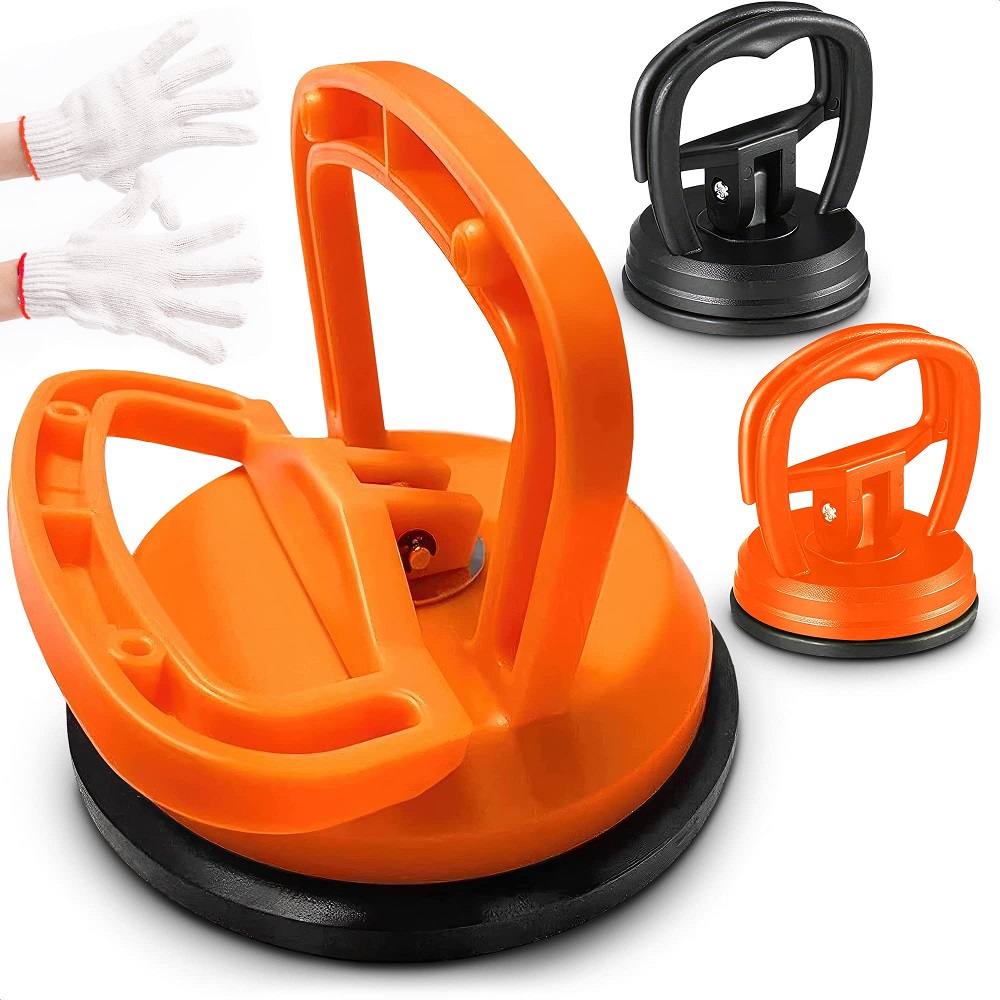
Suction-cup dent pullers are the most common type of car dent pullers. They use a strong suction force to lift dents from the car’s surface. Here’s how they work:
- First, you press the suction cup firmly onto the dented area.
- Then, you pull the handle outward to lift the dent.
Suction-cup dent pullers are best for shallow dents. They work well on smooth, flat surfaces. However, they may not be effective for deep or creased dents. These pullers are affordable, easy to use, and don’t require heat or chemicals.
Glue-Based Dent Pullers
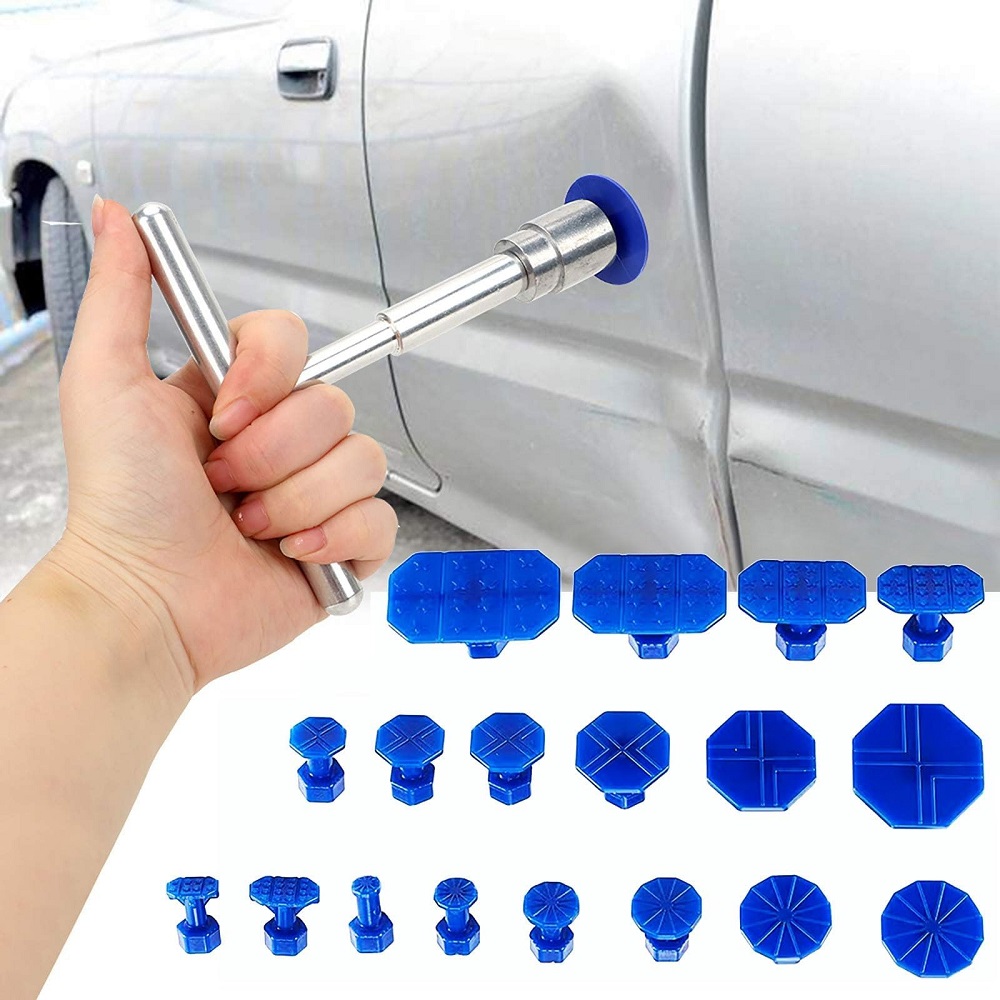
Glue-based dent pullers use adhesive glue to attach a pulling tab to the dent. These work well for more stubborn dents. The process involves the following steps:
- Apply strong adhesive glue to a pulling tab.
- Stick the tab firmly onto the dent.
- Use a pulling device to lift the tab and remove the dent.
Glue-based pullers are versatile and work on a variety of dent sizes. They require more preparation than suction-cup models. It’s important to use the right glue that safely comes off the surface without damaging the paint. Glue-based pullers can often deliver more precise results than suction-cup pullers.
By understanding these types of car dent pullers, you can pick the right tool for effective dent removal.
Benefits of Using a Dent Puller
Using a car dent puller offers multiple benefits for car owners seeking affordable repairs.
Cost-effective Solution
Car dent pullers help reduce repair costs. Professional dent repairs can be expensive, but DIY tools save money. They allow you to fix minor dents without hiring professionals.
Time-saving Tool
Car dent pullers work quickly. They help fix dents in minutes. There’s no need to wait for long repair appointments. This makes them ideal for minor damage repair.
Easy to Use
These tools are user-friendly. Both suction-cup and glue-based pullers have simple instructions. Even beginners can use them effectively. Their straightforward design ensures easy handling.
Paint-safe Repairs
Car dent pullers are designed to avoid damaging paint. They use gentle methods for dent removal. Proper use prevents scratches or peeling, maintaining your car’s original look.
Maintenance of Vehicle Appearance
Removing dents enhances your car’s appearance. Dents can make vehicles look old or uncared for. Using pullers restores the car body, keeping it looking smooth and fresh.
Independence in Repairs
Car dent pullers empower owners for self-repair tasks. You eliminate dependency on repair shops. Learning their use equips car owners with handy skills.
Environmentally Friendly Option
Dent pullers reduce waste. They don’t involve replacing parts or using chemicals. This makes them a safer, eco-friendly choice for minor repairs.
Versatile Applications
Car dent pullers suit various dent types and sizes. From minor dings to medium-sized dents, they offer flexible solutions. Their versatility makes them a diverse tool for car dent removal.
Using a car dent puller can bring these benefits, making it a valuable tool to fix car dents effectively and conveniently.
Step-by-Step Guide: How to Use a Dent Puller
Car dent pullers are useful tools for fixing dents efficiently. Using them correctly ensures the best results without damaging your vehicle. Follow these simple steps to repair dents and maintain your vehicle’s appearance.
Preparing the Surface and Tools
- Clean the Area: Wash the dented area thoroughly with soapy water to remove dirt and grease.
- Dry the Surface: Use a clean cloth to dry the area completely.
- Check the Dent: Inspect the size and depth of the dent to identify which puller type to use.
- Prepare Your Tools:
- For suction pullers, ensure the suction cup is clean and undamaged.
- For glue-based pullers, prepare the pulling tabs and adhesive glue.
- Safety Measures: Wear gloves and ensure proper ventilation if using glue-based pullers.
Removing Dents with a Suction Dent Puller
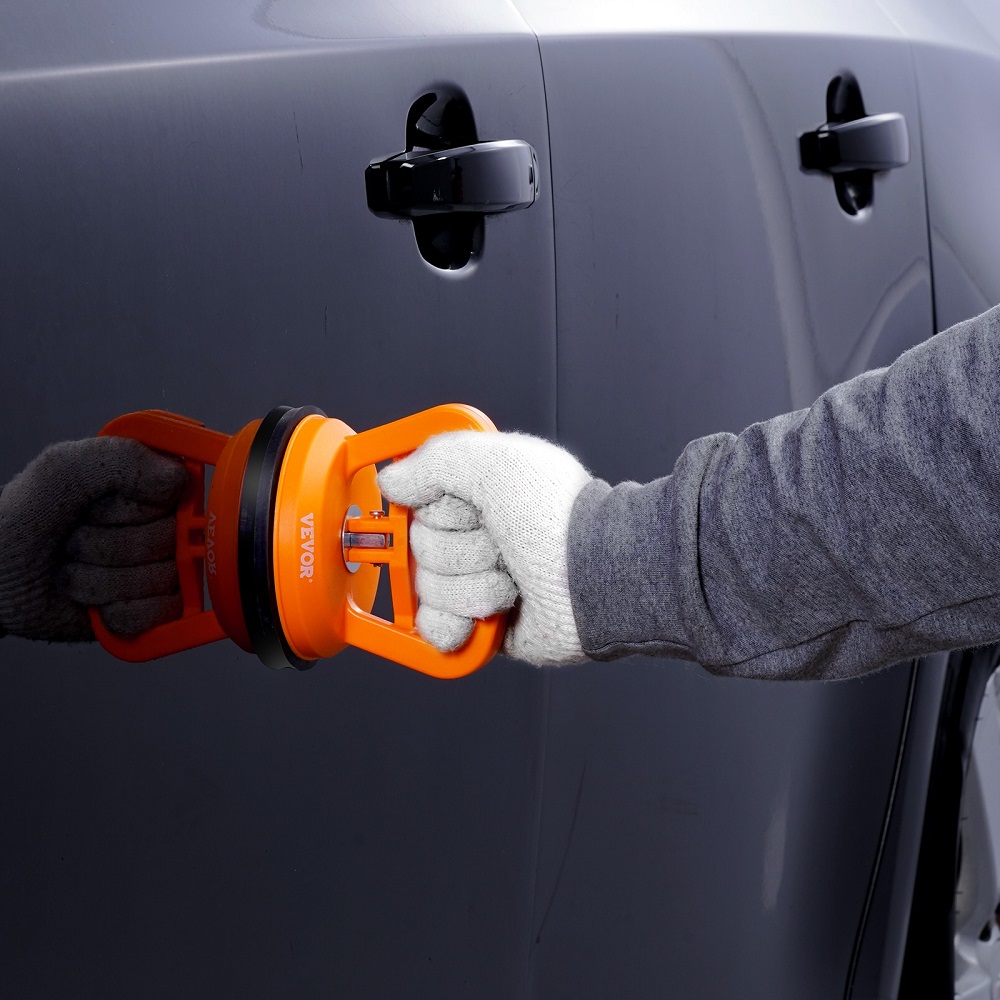
- Positioning the Suction Cup: Place the suction cup over the dent.
- Secure the Suction: Press firmly to ensure a strong hold on the surface.
- Pull the Handle: Pull the handle outward to lift the dent. Use steady force.
- Check the Result: If the dent remains, repeat the process until satisfied.
- Clean the Area Again: Wipe the surface to remove any residue.
Removing Dents with a Glue-Based Dent Puller
- Apply Adhesive Glue: Apply glue to the bottom of the pulling tab.
- Attach the Pulling Tab: Firmly press the tab onto the center of the dent. Wait for the glue to dry.
- Use the Pulling Device: Attach the pulling device to the tab and gently pull the dent outward.
- Remove the Tab: Use an appropriate solvent to dissolve the glue and safely remove the tab.
- Check the Surface: Inspect the area and repeat the process if needed.
- Clean Residue: Remove leftover glue carefully without damaging the paint.
By following these steps, you can repair your car effectively with a car dent puller. Always choose the right puller for the type of dent for the best results.

Common Mistakes to Avoid When Using a Dent Puller
Using a car dent puller can effectively remove dents from your vehicle. However, improper techniques can lead to poor outcomes or even further damage. To ensure you achieve the best results, here are some common mistakes to avoid:
Using the Wrong Type of Dent Puller
- Always choose the right type: suction-cup pullers work for shallow dents, glue-based pullers for deeper ones.
- Avoid using a suction-cup puller on uneven or sharp dents; it won’t work effectively.
Neglecting to Clean the Surface Properly
- Clean the dented area thoroughly to remove dirt and grease.
- A dirty surface weakens suction or glue adhesion, resulting in ineffective dent removal.
Applying Too Much Force
- Use steady and controlled force while operating the puller.
- Pulling too hard might damage the paint or deepen the dent further.
Not Positioning the Puller Correctly
- Place the puller directly over the center of the dent for best results.
- Incorrect placement can create new problems or make the repair process inefficient.
Using Low-Quality Glue for Glue-Based Pullers
- Use the recommended adhesive for the glue-based puller.
- Low-quality glue might not stick well or could damage the paint during removal.
Skipping the Drying Time for Glue-Based Pullers
- Allow sufficient time for the glue to dry and set before pulling the dent.
- Rushing this step can cause the tab to detach prematurely.
Ignoring Safety Precautions
- Always wear gloves to protect your hands, especially when working with adhesives.
- Ensure proper ventilation when using chemicals or solvent to remove glue residue.
Not Inspecting the Dent Properly
- Check the dent’s depth and shape to determine the appropriate tool and technique.
- Misjudging the nature of the dent can lead to poor or incomplete repairs.
Proceeding Without Reading Instructions
- Follow the car dent puller’s user manual carefully before starting the repair.
- Ignoring instructions can lead to errors and damage to your vehicle.
Avoiding these mistakes ensures successful dent removal and preserves your car’s original appearance. Practice patience, follow the instructions, and use the right tools for effective results.
When to Use a Dent Puller and When to Seek Professional Help
Deciding when to use a car dent puller or seek professional help is important. Minor dents and scrapes can often be handled at home using a car dent puller. However, for deeper or more complex damage, a professional repair might be required.
When to Use a Car Dent Puller
- Small Dents and Dings: Car dent pullers are ideal for minor dents caused by light impacts.
- Shallow Dents: Suction-cup pullers work well on flat dents with no creases.
- Smooth Surfaces: Use pullers on smooth paint without cracks or peeling.
- Quick Repairs: These tools allow for fast fixes without waiting for professional appointments.
- DIY Enthusiasts: Perfect for car owners who want to learn and save money on minor repairs.
If the dented area meets these conditions, you can confidently use a car dent puller. Ensure you follow proper steps and avoid common mistakes for the best results.
When to Seek Professional Help
- Deep or Complex Dents: Professionals handle dents with sharp edges, large size, or severe damage better.
- Paint Damage: Cracked, peeling, or scratched paint may require professional restoration.
- Structural Issues: If a dent affects the car’s frame or functional parts, expert repair is needed.
- Multiple or Overlapping Dents: Large damage areas might need advanced equipment and techniques.
- Time Constraints: If you lack time, professionals can efficiently handle the repairs.
Choose professional help if the dent requires attention beyond what a car dent puller can handle. This ensures the damage is fixed effectively without further complications.
Being mindful about when to use a car dent puller or seek help saves time and money. Understanding the severity of the dent and opting for the right approach ensures your car remains in great condition.
Tips for Maintaining Your Car After Dent Removal
Once you’ve successfully removed dents using a car dent puller, proper maintenance is crucial. This ensures your car remains in great condition and helps prevent future issues. Follow these tips to take care of your car after dent removal:
Clean the Area Thoroughly
- Use a mild car shampoo and water to clean the repaired area.
- Ensure you remove all dirt, glue, or residue from the surface.
- Wipe the area with a soft, microfiber cloth to avoid scratches.
Inspect the Paintwork
- Check for any cracks or peeling in the paint after dent removal.
- If there are any issues, address them immediately to prevent rust or further damage.
Apply a Protective Wax
- Use a high-quality car wax to protect your car’s surface.
- Waxing shields the body from dirt, water, and other environmental contaminants.
- Polish the repaired area gently for a smooth finish.
Regularly Check the Repaired Area
- Monitor the area for any new dents, scratches, or paint damage.
- If new damage appears, take action promptly to prevent rust or further harm.
Park in Safe Areas
- Always park in secure and sheltered locations to avoid unnecessary damage.
- Keep a safe distance from other vehicles in parking lots.
Avoid Harsh Conditions
- Protect your car from extreme weather to maintain its appearance.
- Use a car cover if parking outdoors for extended periods.
Maintain a Cleaning Routine
- Wash your car regularly to remove debris and pollutants from the surface.
- Ensure to clean crevices and hard-to-reach areas to prevent dirt buildup.
Address Issues Promptly
- Do not delay repairs if you notice any new dents or paint flaws.
- Tackling problems early prevents costly long-term damage.
By following these maintenance tips, you can keep your vehicle looking its best after dent removal. Regular care will also preserve its value and protect it from further wear and tear.
Frequently Asked Questions About Car Dent Pullers
1. What is a car dent puller?
A car dent puller is a tool for fixing dents. It works by pulling dents outward. There are two main types: suction-cup and glue-based pullers.
2. Can a car dent puller fix all types of dents?
No, car dent pullers are ideal for small and shallow dents. They are not suitable for deep or complex dents with sharp edges or creases.
3. Are car dent pullers safe for my car’s paint?
Yes, they are designed to avoid damaging your car’s paint. However, improper use can cause scratches or paint damage, so it is important to follow instructions carefully.
4. Do I need any experience to use a car dent puller?
No prior experience is required. Car dent pullers are user-friendly with simple instructions for beginners.
5. Can I reuse a car dent puller?
Yes, both suction-cup and glue-based dent pullers can typically be reused multiple times.
6. How much do car dent pullers cost?
Prices vary. Suction-cup pullers are affordable, while glue-based pullers tend to cost more.
7. What type of glue should I use with glue-based dent pullers?
Use adhesive designed for car body work. Avoid low-quality glue that may damage the paint or fail to stick.
8. How long does it take to remove a dent with a car dent puller?
It usually takes a few minutes to remove a dent, depending on its size and depth.
9. Can I use a car dent puller on any vehicle?
Car dent pullers are best suited for vehicles with smooth, non-damaged paint surfaces. Avoid using them on vehicles with cracked or peeling paint.
10. Should I seek professional help if the dent is large?
Yes, for large or complex dents, it is better to consult a professional to prevent further damage.
11. Can a car dent puller damage my car’s surface?
If used incorrectly, a dent puller can cause scratches or worsen the dent. Always follow the instructions to ensure proper use.
12. Will a car dent puller work in cold weather?
Cold weather may affect the suction or glue adhesion. Use the tool in a clean, dry, and warm environment for the best results.
By understanding these FAQs, you can maximize the efficiency of a car dent puller. Follow instructions carefully for effective and safe repairs.
Leave a Reply