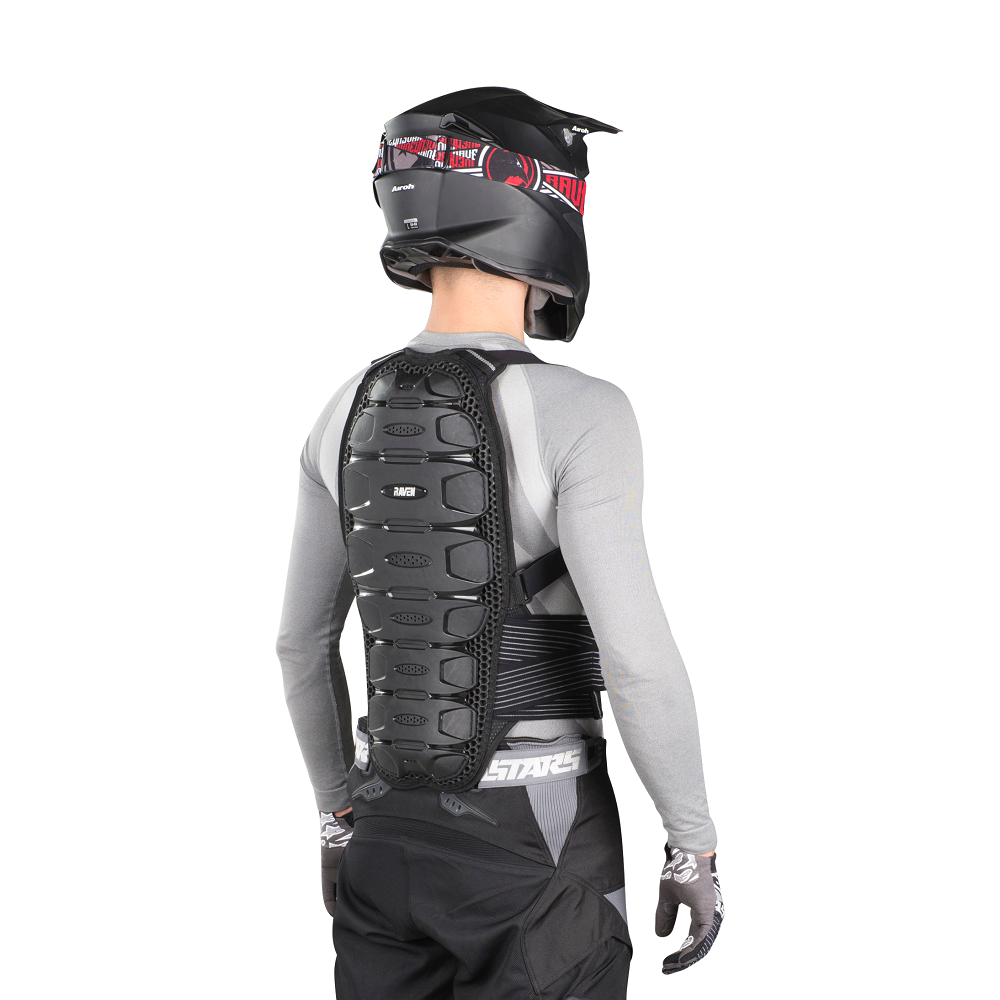
Motorcycling is an exhilarating experience, offering freedom and adventure on the open road. However, it also involves inherent risks, and safety should always be a priority. One essential piece of protective gear that every motorcyclist should consider is a back protector. This specialized equipment is designed to shield the spine and lower back from impacts or injuries during accidents. In this article, we will delve into the importance of motorcycle back protector, their essential features, and tips for selecting the right one for your riding needs.
The Importance of Motorcycle Back Protectors
Understanding the Risks
Motorcycle riding can expose riders to various risks, including falls and collisions. Unlike cars, motorcycles offer limited protection to the rider in the event of an accident. The consequences of such incidents can be severe, especially for the back and spine. This is where back protectors come into play, helping to mitigate injuries and ensure safer riding experiences.
Compliance with Safety Standards
Many modern back protectors comply with international safety standards. These standards define the levels of impact resistance and protection that the gear must provide. When selecting a back protector, look for products that meet or exceed these standards. Compliance not only reflects quality but also gives you confidence in the protector’s effectiveness.
Enhancing Riding Comfort
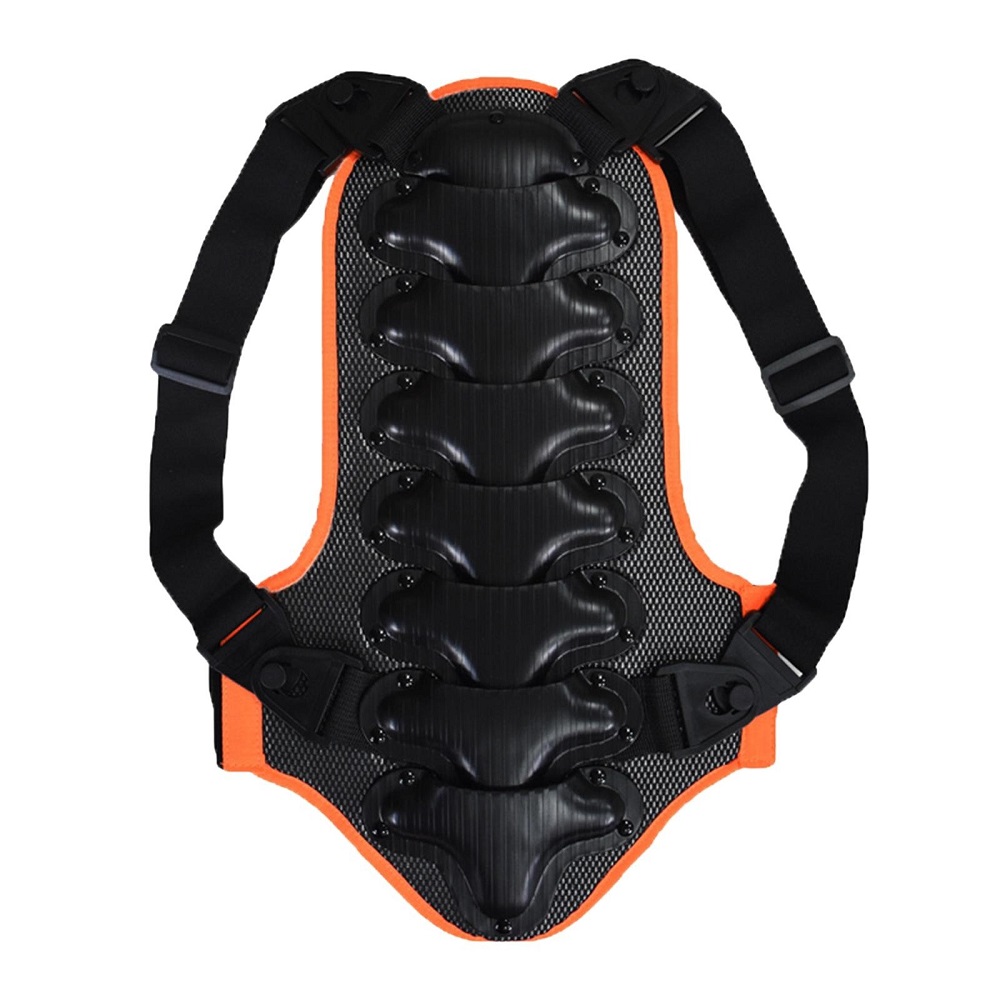
In addition to providing safety, a well-fitted back protector can enhance overall comfort while riding. Many designs are lightweight and ergonomic, ensuring that they do not interfere with your movements. Wearing a back protector allows you to focus on the ride without worrying about potential injuries. This comfort helps contribute to a more enjoyable and relaxing experience.
Key Features to Look for in a Back Protector
Materials Used
The materials used in constructing a back protector significantly affect its performance. Common materials include high-density foam, softshell, and hard shells. High-density foam provides shock absorption while remaining lightweight and flexible. Hard shells, on the other hand, offer rigid protection against impacts but may limit flexibility. Consider materials that balance protection and comfort when making your choice.
Fit and Adjustability
A proper fit is crucial for the effectiveness of a back protector. It should be snug enough to stay in place during rides but not so tight that it restricts movement. Look for adjustable straps or belts that allow you to customize the fit to your body. This ensures that the protector remains securely in position, offering the necessary support when needed.
Certification Levels
Motorcycle back protectors come with varying certification levels, which indicate their capacity to absorb shock during an impact. Common certifications include CE Level 1 and Level 2, with Level 2 providing higher protection levels. When shopping, prioritize back protectors that meet at least CE Level 1 standards for reliable safety. Understanding these certifications will aid you in making an informed decision about your safety gear.
Types of Motorcycle Back Protectors
Insertable Back Protectors
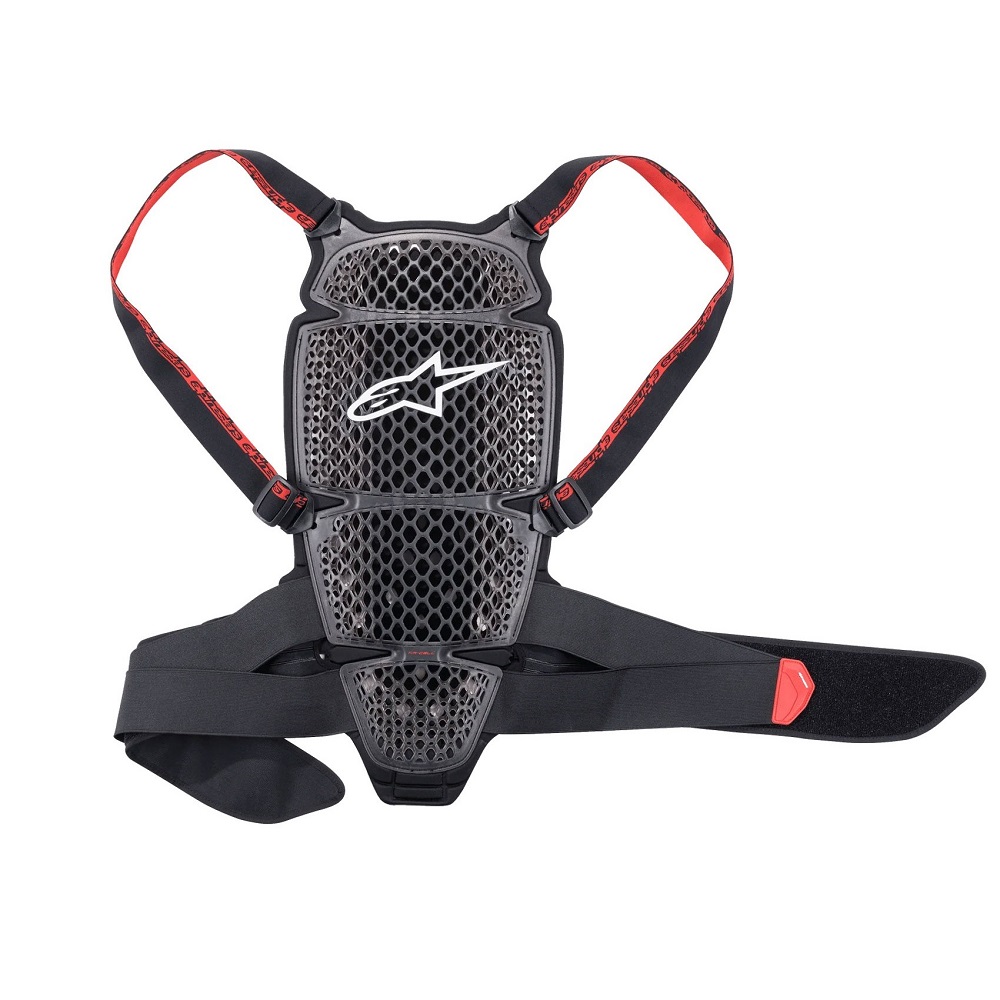
Insertable back protectors are designed to fit into jackets equipped with pockets or compartments for additional protection. This flexibility allows riders to choose jackets that suit their preferences while maximizing safety. Select an insert compatible with your jacket for a streamlined fit. Insertable protectors often allow for a more customized experience.
Standalone Back Protectors
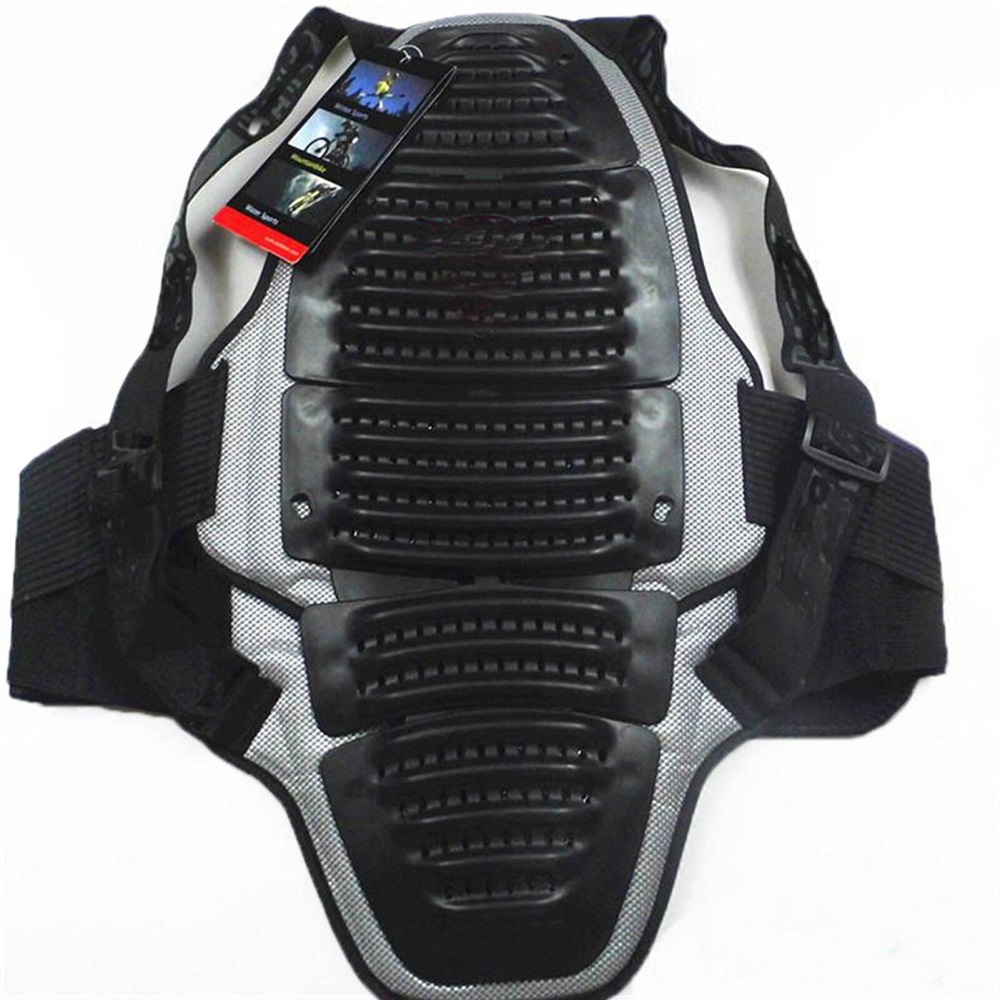
Standalone back protectors are worn independently and secured with straps or a harness. These models are more versatile, as they can be worn with different jackets and gear. Many standalone options come with additional features like ventilation for breathability during long rides. This type of protector is an excellent choice for those who frequently change their riding gear.
Full-Body Armor Systems
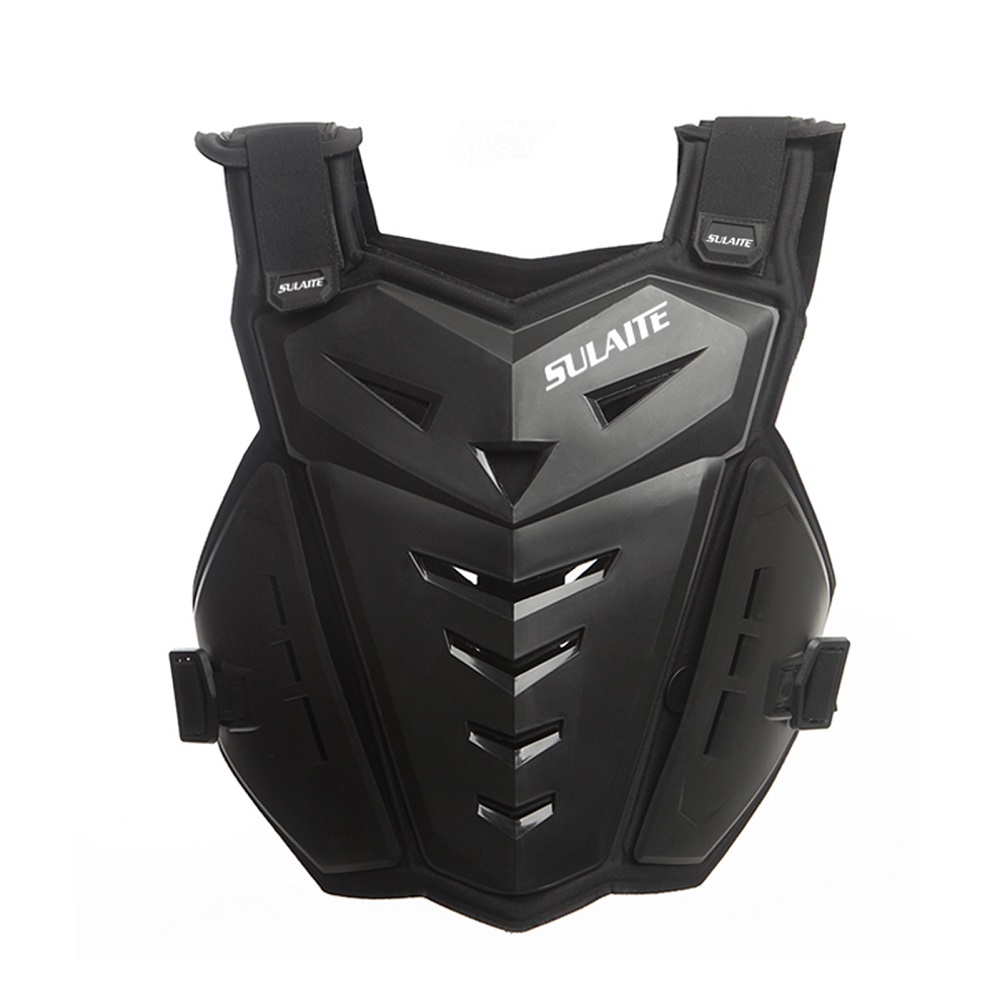
For maximum protection, consider full-body armor systems that include back protection along with other guard areas. These systems provide comprehensive safety and are popular among off-road and adventure riders. However, they may be bulkier than standard back protectors, so ensure you consider comfort and mobility when choosing this option. Full-body protection offers peace of mind for those frequently riding in more challenging environments.
Proper Fit and Usage
Measuring for Size
When selecting a back protector, it’s essential to measure for the right size. Most brands provide sizing charts that indicate appropriate sizes based on your measurements. Measure your torso length and refer to these charts to find the best fit. A properly fitted back protector will offer optimal safety and comfort without impeding movement.
Testing Comfort and Mobility
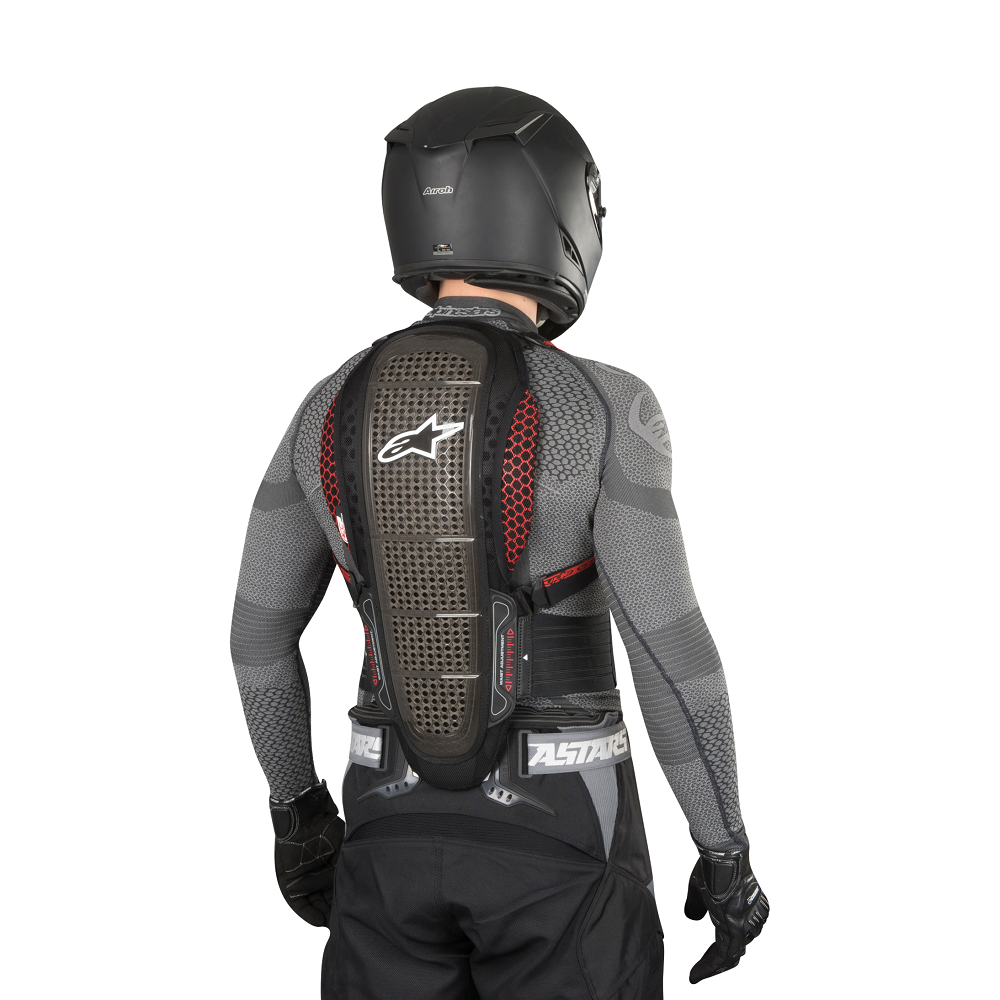
Before committing to a back protector, try it on to assess comfort and mobility. Ensure that it sits snugly against your back without causing discomfort or pain. Move around in it to test flexibility and range of motion. If you feel restricted or uncomfortable, continue searching for a model that better suits your needs.
Regular Adjustments
Once you find a protector that fits well, remember that regular adjustments might be necessary. Body shapes can change over time, and the protector may shift with wear. Be diligent in checking the fit and making adjustments as needed. Maintaining a secure fit is vital for ensuring the protector provides the safety intended.
Caring for Your Back Protector
Cleaning Guidelines
To maintain your back protector’s effectiveness, proper cleaning is essential. Follow the care instructions provided by the manufacturer. Some protectors are machine washable, while others require hand washing. Keep an eye out for dirt and grime that can accumulate over time, especially after long rides. Regular cleaning helps ensure your gear remains fresh and ready for your next adventure.
Storage Practices
When not in use, store your back protector properly to maintain its integrity. Avoid leaving it in extreme heat or direct sunlight, as this can damage the materials. Hang it in a cool, dry area, away from sharp objects or heavy items that could cause compression. Storing it correctly prolongs the lifespan of your protection gear and keeps it in optimal condition.
Regular Inspections
Regularly inspect your back protector for signs of wear and tear. Look for cracks in hard shell protectors or any breakdown of materials. If you notice any damage, consider replacing the protector to ensure continued safety. Regular check-ups prolong its life and provide peace of mind when riding.
The Benefits of Using a Back Protector
Enhanced Safety
The primary benefit of a motorcycle back protector is the added safety it provides. In the event of a fall or collision, a back protector can absorb impact and reduce the risk of serious injury. This addition to your riding gear becomes invaluable, allowing you to ride with confidence knowing that you have an added layer of protection.
Improved Riding Experience
Wearing a back protector can improve overall riding experience. With a focus on safety, riders can concentrate on enjoying the ride without worrying about potential injuries. The peace of mind provided by a quality back protector allows for a more relaxed riding experience, allowing you to take in your surroundings and enjoy the journey.
Confidence Boost
Having a proper back protector boosts your confidence while riding. Knowing that you have the gear to protect against possible accidents can make you feel more secure. This confidence translates into better decision-making while on the road, allowing riders to focus on their skills and enjoy the thrill of motorcycling.
The Community of Riders and Gear
Connecting with Fellow Riders
Engaging with other motorcycle enthusiasts provides a chance to learn about protective gear and safety. Communities often share tips on the best gear, including recommendations for back protectors. Joining local riding groups or online forums can lead to valuable conversations that enhance your riding experience.
Attending Safety Courses
Participating in motorcycle safety courses can also alleviate concerns about gear and riding. Many courses focus on safety practices and the importance of protective gear. Learning from experienced instructors can improve your understanding of how to stay safe on the road while making informed decisions regarding your gear.
Promoting Safety Culture
As you become more knowledgeable about protective gear, consider sharing your insights with others. Encouraging fellow riders to prioritize safety and invest in essential gear like back protectors helps create a culture of safety within the motorcycle community. Sharing your experiences contributes to a collective effort to promote safe riding practices.
FAQ:
- What are the key features to look for in a motorcycle back protector?
- Important features to consider include impact resistance (check for certification ratings like CE Level 1 or Level 2), material (often made from hard plastic or soft foam), comfort and fit, breathability, adjustability, and whether it’s removable for easy cleaning.
- How do I choose the right size for a motorcycle back protector?
- To choose the right size, measure your back length from the base of your neck to your lower back and compare that measurement with the sizing chart provided by the manufacturer. Ensure a snug yet comfortable fit without restricting movement.
- Are motorcycle back protectors comfortable to wear?
- Most motorcycle back protectors are designed with comfort in mind, featuring ergonomic designs, soft padding, and ventilation to reduce sweat. However, personal comfort can vary, so it’s important to try on different styles to find one that suits you best.
- Can I use a motorcycle back protector with any jacket?
- Many motorcycle jackets come with pockets specifically designed to accommodate back protectors. If your jacket does not have this feature, you can still wear a back protector underneath, provided it fits comfortably and does not interfere with the jacket’s closure.
- Do motorcycle back protectors require any special care?
- Motorcycle back protectors generally require minimal care. It’s advisable to clean them regularly according to the manufacturer’s guidelines, often involving wiping with a damp cloth for hard protectors and gentle washing for softer ones. Always check the care label for specific instructions.
Prioritize Safety with a Motorcycle Back Protector
In conclusion, a motorcycle back protector is an indispensable part of any rider’s safety gear. Its ability to provide protection, comfort, and confidence makes it an excellent investment for both novice and experienced riders. By understanding the features to look for, how to maintain your protector, and the importance of safety, you can ensure that your riding experience remains enjoyable and secure.
Embrace the Ride
As you venture onto the open road, embrace the sense of freedom and joy that motorcycling brings. With the right safety gear, including a quality back protector, you can pursue your passion while prioritizing your health. Each ride is an opportunity to explore and conquer new horizons, made even better with the knowledge that you’re prepared for any situation.
Connect with the Community
Engage with fellow motorcycle enthusiasts, share your experiences, and learn from others. Connecting with the community can enhance your knowledge while fostering relationships based on shared interests. Collaboration and conversation empower individuals to grow and improve their riding styles while promoting a culture of safety.
Enjoy Every Moment
Finally, enjoy every moment you spend on your motorcycle. The journey is as important as the destination. With the right precautions in place and the confidence that comes from understanding the benefits of using a motorcycle back protector, you can focus on the thrill of the ride and the beauty of the world around you. Ride safely, explore fearlessly, and cherish the adventures that await you on the open road!
Leave a Reply