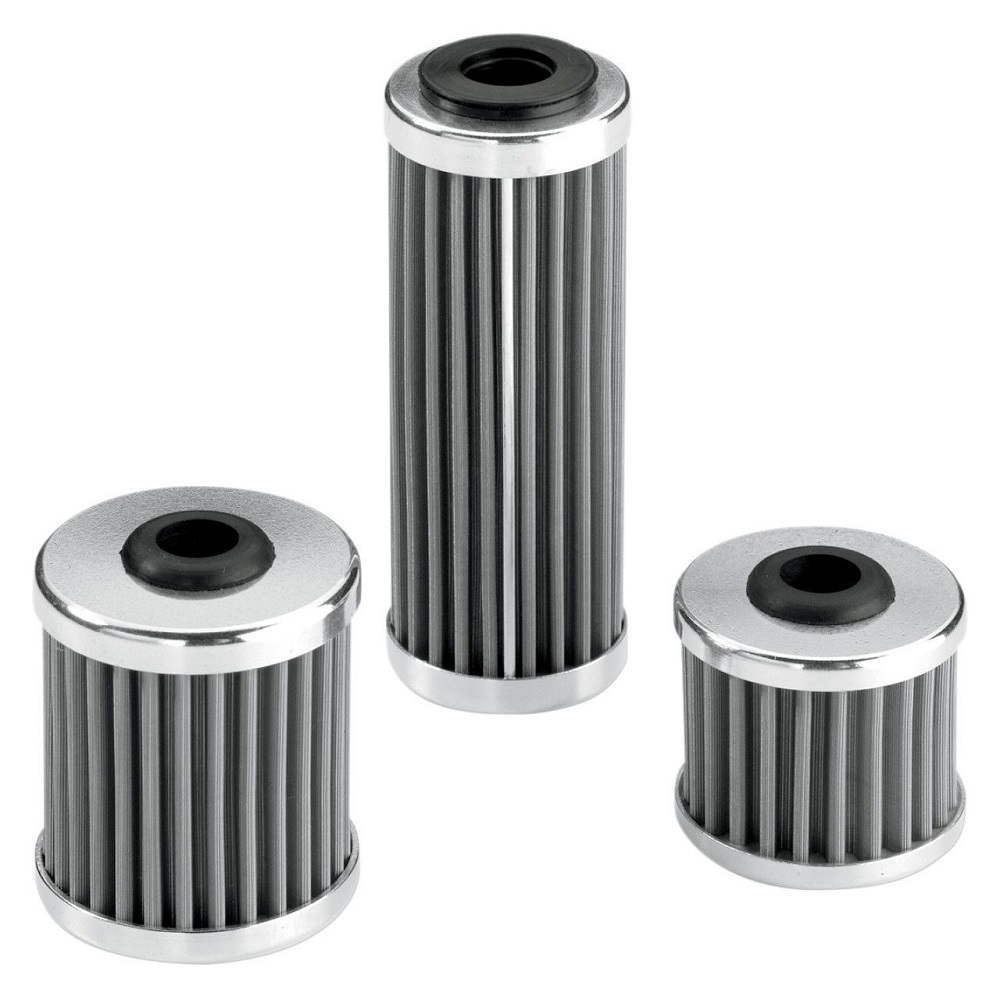
Riding a motorcycle can be an exhilarating experience, but maintaining it properly is crucial for performance and longevity. One essential component that plays a significant role in your bike’s maintenance is the oil filter. The oil filter’s primary function is to ensure that the engine oil remains clean, free from contaminants, and capable of lubricating engine parts effectively. Choosing the right oil filter for your motorcycle is essential for optimal performance. In this article, we will explore the types of motorcycle oil filter, how to choose the right one, and provide tips on maintenance.
Understanding the Importance of Oil Filters
Function of the Oil Filter
The oil filter’s primary purpose is to remove impurities and particles from the oil circulating through your motorcycle’s engine. During the combustion process, dirt, metal shavings, and other contaminants can seep into the oil. If not filtered out, these particles can cause significant damage to engine components over time. A high-quality oil filter ensures that the oil remains clean, promoting efficient engine operation and extending the engine’s life.
Enhancing Engine Performance
A clean oil filter contributes to overall engine performance. When the filter is clogged or dirty, oil flow can become restricted. This can lead to poor oil circulation, reduced lubrication, and increased engine wear. By using the right oil filter, you can help maintain optimal flow, which is crucial for engine efficiency. This, in turn, enhances acceleration and performance while also improving fuel economy.
Preventing Costly Repairs
Using a reliable oil filter can prevent costly repairs down the line. When contaminants in the oil cause wear on engine components, it can lead to engine failures that require expensive repairs or even complete engine replacement. Regularly replacing the oil filter as part of your motorcycle maintenance routine saves you money and promotes the longevity of your bike.
Types of Motorcycle Oil Filters
Standard Oil Filters
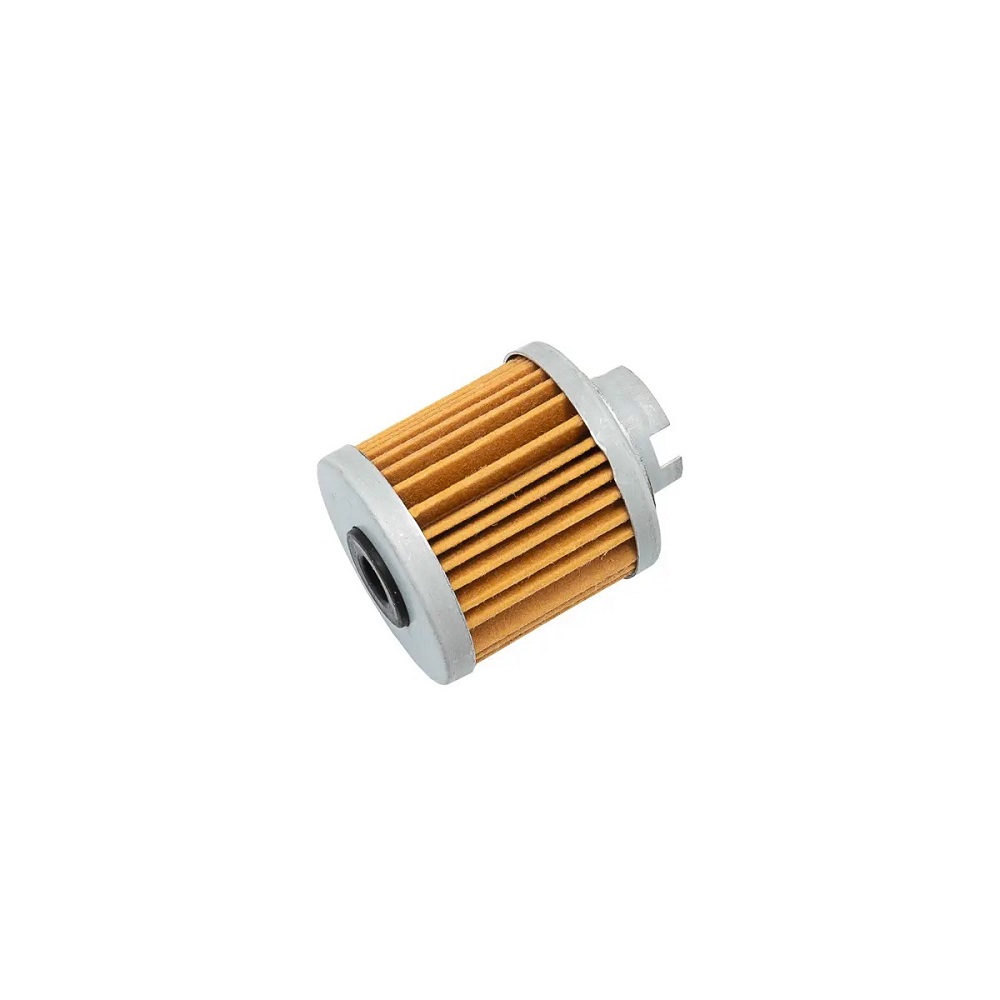
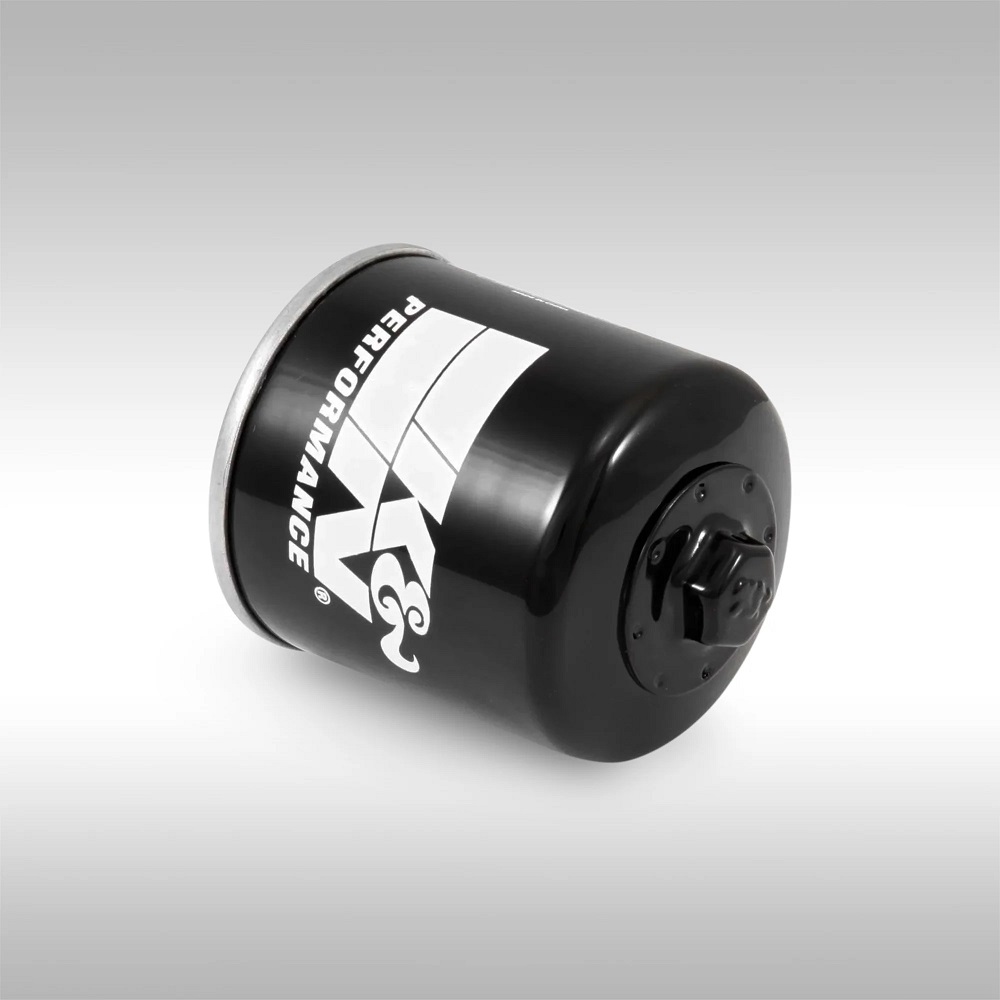
Standard oil filters are the most commonly used type in motorcycles. They utilize a pleated paper element to trap contaminants. These filters are generally affordable and widely available, making them a popular choice for everyday riders. Standard filters provide reliable performance but may not be suitable for high-performance or long-distance riding.
High-Performance Oil Filters
High-performance oil filters are made to provide superior filtration and flow rates. These filters often feature advanced materials that can trap smaller particles more effectively than standard filters. They are particularly beneficial for motorcycles that are used for racing or aggressive riding. If you ride in demanding conditions, investing in a high-performance oil filter may be worth considering.
Cartridge and Spin-On Filters
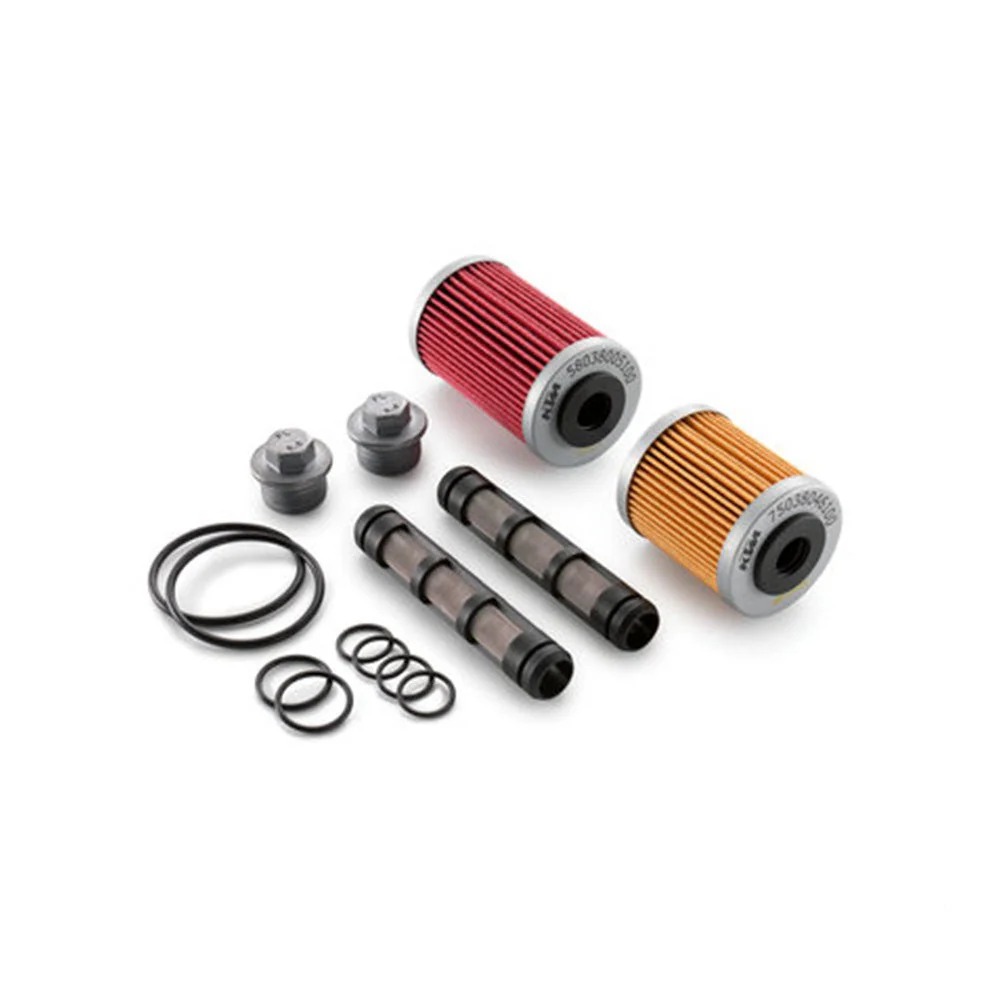
Motorcycles may use either cartridge filters or spin-on filters, depending on their design. Cartridge filters are held in place by a separate housing and typically require more complex installation. Spin-on filters, on the other hand, can be easily screwed onto the engine like a regular oil filter. Understanding the filter type suited for your bike is essential for proper installation and maintenance.
How to Choose the Right Oil Filter
Refer to Manufacturer Recommendations
The first step in choosing the right oil filter is to refer to your motorcycle’s owner manual. Manufacturers often provide specifications for compatible filters that ensure optimal performance. Following these guidelines helps you select a filter specifically designed for your bike’s engine and oil system, providing reliability and efficiency.
Know Your Riding Style
Understanding your riding style plays a crucial role in selecting the proper oil filter. If you primarily ride long distances or on rough terrains, a high-performance oil filter may be necessary to handle increased wear and tear. On the other hand, if you engage in casual, short rides, a standard oil filter may suffice. Assessing your riding habits helps ensure your filter meets the demands of your experience.
Consider the Environment
The environment in which you ride influences the type of oil filter you should choose. If you frequently ride in dusty or wet conditions, opting for a filter designed for such environments is essential. These filters typically offer enhanced filtration capabilities to protect the engine from contaminants present in rough terrains.
Popular Brands of Motorcycle Oil Filters
K&N
K&N is a well-known brand in the world of automotive and motorcycle filters. Their oil filters are designed to provide high performance and durability. K&N filters often feature a heavy-duty canister and enhanced filtration abilities, making them a preferred choice for many riders. They also provide easy installation, making them ideal for those looking for convenience.
HiFloFiltro
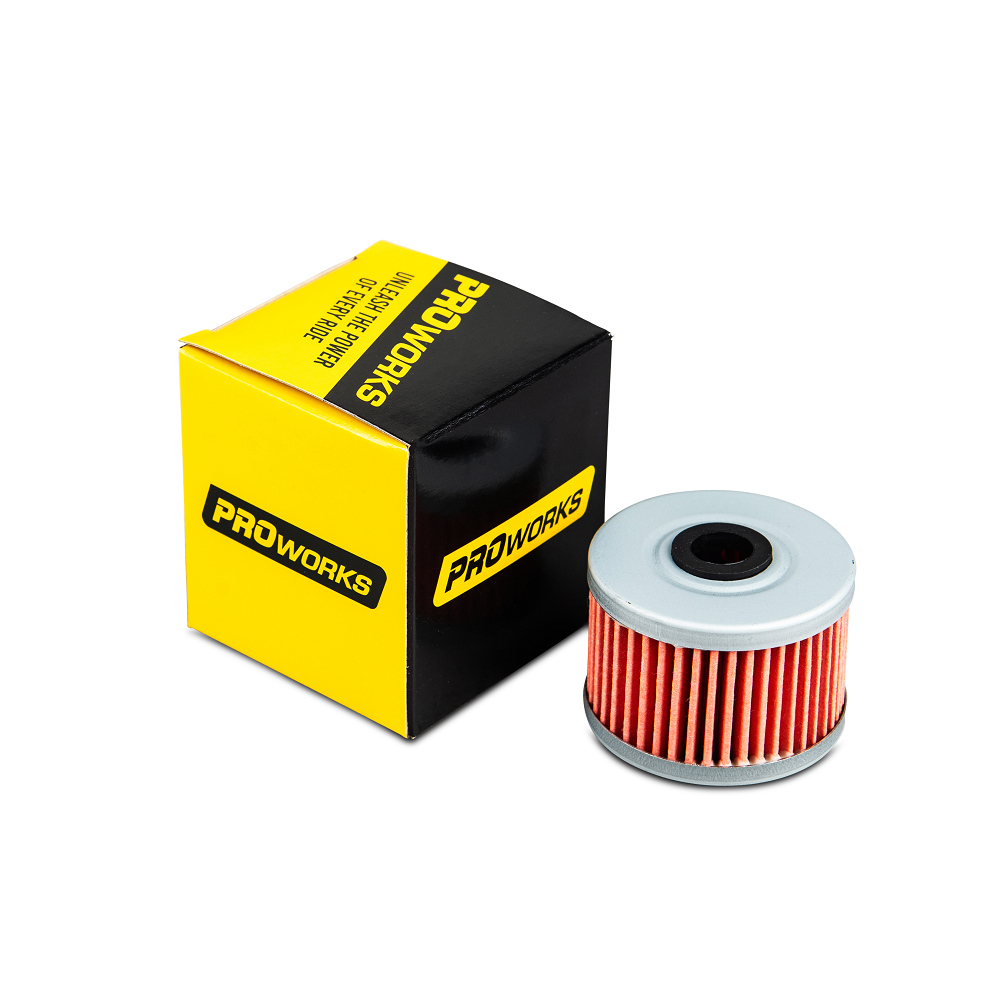
HiFloFiltro is another popular brand of motorcycle oil filters. They are known for their high-quality construction and performance. HiFloFiltro filters are rigorously tested to ensure they meet strict standards, making them reliable choices for various motorcycles. They offer an affordable option without compromising on quality.
OEM Filters
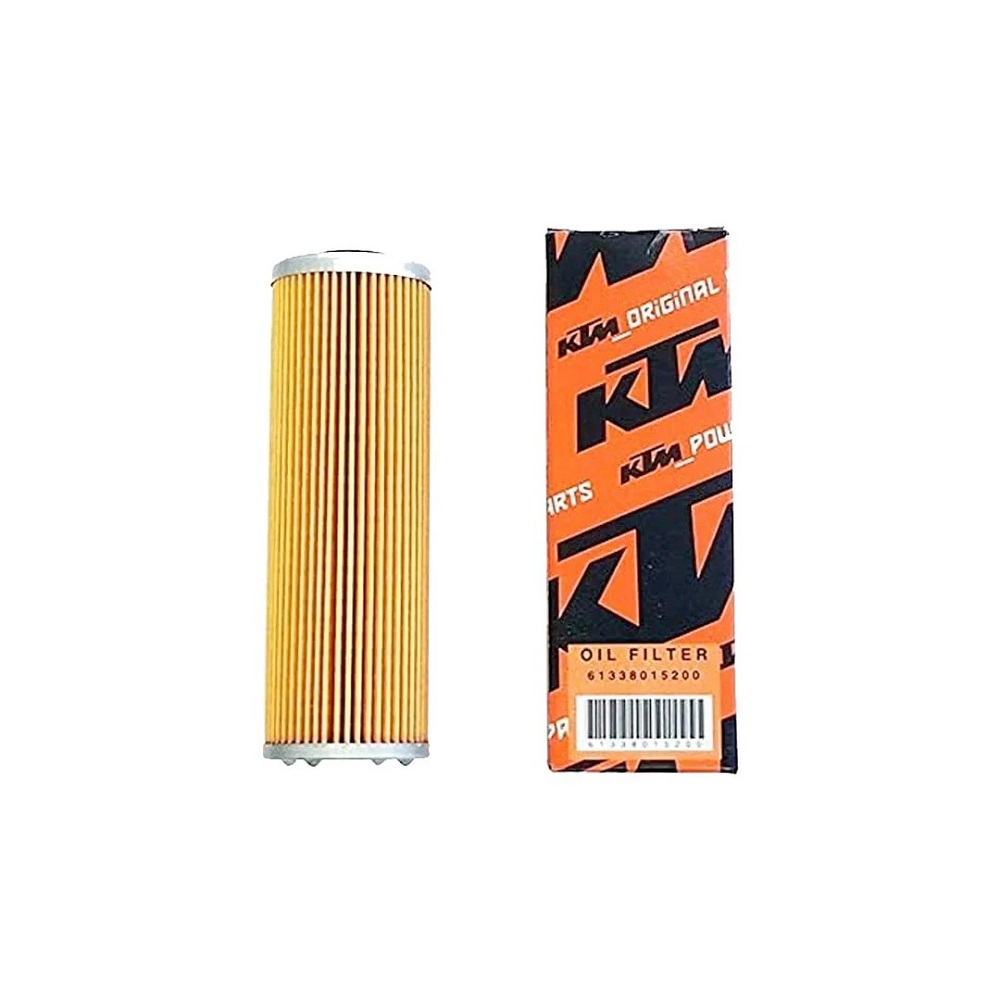
For those who prefer to use Original Equipment Manufacturer (OEM) filters, the manufacturer of your motorcycle provides specific filters designed for your bike. While typically more expensive, OEM filters ensure compatibility and reliability. They are often recommended for maintaining warranty conditions and ensuring the longevity of your motorcycle’s components.
The Installation Process
Preparation Before Installation
Before installing an oil filter, gather necessary tools and supplies. Usually, you will need an oil filter wrench, a clean rag, and fresh engine oil. Ensure you have your new oil filter and make sure it is compatible with your motorcycle. Taking these steps will make the installation process smoother.
Step-by-Step Installation
- Drain the Old Oil: Begin by draining the old oil from your motorcycle’s engine, as this will ensure a clean installation. Refer to your owner’s manual for the correct procedure.
- Remove the Old Filter: Use the oil filter wrench to remove the old oil filter. Be cautious, as there may be residual oil inside.
- Prepare the New Filter: Apply a bit of fresh oil to the rubber gasket of the new filter. This helps create a better seal when installed.
- Install the New Filter: Screw in the new filter by hand until it is snug. Avoid overtightening, as this can lead to leaks.
- Refill with Fresh Oil: After installing the new filter, refill the engine with fresh oil as per the manufacturer’s recommendation.
- Check for Leaks: Start the motorcycle and check for any leaks around the new filter. Ensure everything functions correctly before taking it for a ride.
Regular Maintenance and Replacement
Establish a routine for inspecting and replacing your oil filter. Many experts recommend changing the oil filter every time you change the oil, typically every 3,000 to 5,000 miles, depending on your riding habits. Regular maintenance allows you to catch potential issues early and keeps your engine performing at its best.
Benefits of Using the Right Oil Filter
Improved Engine Efficiency
When using the right oil filter, you contribute to improved engine efficiency. A quality filter prevents contaminants from circulating in the engine, ensuring the oil remains clean and effective. Clean oil provides optimal lubrication, reducing friction between engine components. This efficiency translates into better fuel economy and performance.
Extended Engine Life
Proper oil filtration plays a vital role in extending the life of your motorcycle’s engine. By preventing the buildup of harmful dirt and debris, a quality oil filter helps minimize wear on critical components. This proactive maintenance can lead to significant long-term savings on repairs and replacements, providing peace of mind.
Enhanced Riding Experience
Using the right oil filter contributes to a smoother and more responsive riding experience. With clean oil circulating through your engine, you benefit from optimal engine performance. This responsiveness enhances the overall enjoyment of riding, allowing you to focus on the thrill of the open road rather than worrying about potential mechanical issues.
Understanding Aftermarket Options
The motorcycle accessories market offers a range of oil filter options, including aftermarket products. While many aftermarket filters are reliable, it is crucial to research their quality and performance. Look for reputable brands that have good reviews and are known for producing reliable products. Choosing wisely ensures you get a filter that meets your motorcycle’s needs.
Recognizing Quality Indicators
When exploring the market for oil filters, look for quality indicators. Check for certifications, such as those from the American National Standards Institute (ANSI), which indicate adherence to specific safety standards. Researching brand reputation and customer reviews can also provide insight into the reliability of the filter you are considering.
Seeking Expert Advice
If you are ever uncertain about which oil filter to choose, don’t hesitate to seek expert advice. Mechanics and experienced riders can offer recommendations based on their knowledge and experiences. Consulting those who are familiar with your motorcycle model can help you make an informed decision.
FAQ:
- How do I know which oil filter is compatible with my motorcycle?
- To determine the right oil filter for your motorcycle, refer to the owner’s manual, which typically specifies the correct part number and type. You can also check with the manufacturer or use online resources based on your bike’s make, model, and year.
- What types of motorcycle oil filters are there?
- There are two main types of motorcycle oil filters: spin-on filters, which can be easily removed and replaced, and cartridge filters, which require a specific installation process. Some filters are paper-based, while others use synthetic materials for improved filtration.
- How often should I replace my motorcycle oil filter?
- It is generally recommended to replace the oil filter every time you change the engine oil, typically every 3,000 to 5,000 miles, or as specified in your motorcycle’s maintenance schedule. Regular replacement helps ensure optimal engine performance.
- Can I use a cheap oil filter for my motorcycle?
- While cheaper oil filters may save money initially, they might not provide the same level of filtration and protection as higher-quality filters. Investing in a reputable brand can ensure better engine protection and performance.
- How do I change the oil filter on my motorcycle?
- To change the oil filter, first, ensure the engine is cool. Drain the old oil, locate the oil filter, and remove it using the appropriate tool if necessary. Install the new oil filter according to the manufacturer’s instructions, then refill the engine with fresh oil, making sure to check for leaks.
The Importance of Motorcycle Maintenance
Invest in Quality
Ultimately, investing in a quality motorcycle oil filter is crucial for maintaining your bike’s performance and safety. Choose filters that fit your specific motorcycle model and riding style. Making informed decisions about your motorcycle gear ensures safe and enjoyable rides throughout your journey.
Commit to Regular Maintenance
Regular maintenance, including oil and filter changes, is essential for optimal motorcycle performance. Developing a routine will improve your riding experience and help catch potential issues before they escalate. Spending time on maintenance can save you money in the long run while enhancing the safety of your motorcycle.
Enjoy the Ride With Confidence
As you embark on your motorcycle journeys, remember that proper maintenance matters. Equipped with the right tools and knowledge, including choosing the best motorcycle oil filters for engine protection, you are well on your way to ensuring that your motorcycle remains in peak condition. Ride safely, maintain effectively, and enjoy the freedom that comes from being on two wheels!
Leave a Reply