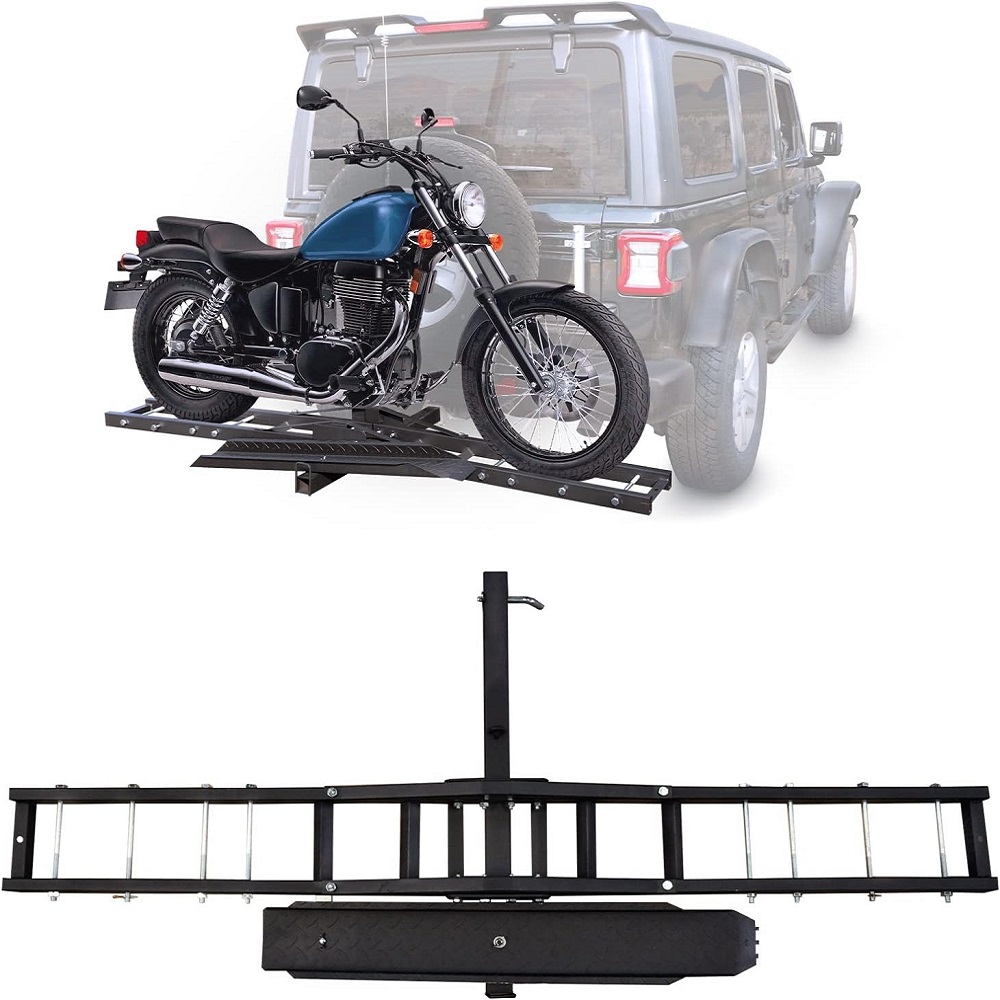
Motorcycling is not just a mode of transportation; it is a passion for many. As motorcycle enthusiasts, there are times when we want to take our two-wheeled companions on adventures far from home. This is where a motorcycle hitch hauler comes into play. A motorcycle hitch hauler simplifies the transportation process, making it easier than ever to carry your bike safely and securely. In this article, we will explore the features of motorcycle hitch haulers, the benefits they bring, and essential tips for choosing the right one for your needs.
Understanding Motorcycle Hitch Haulers
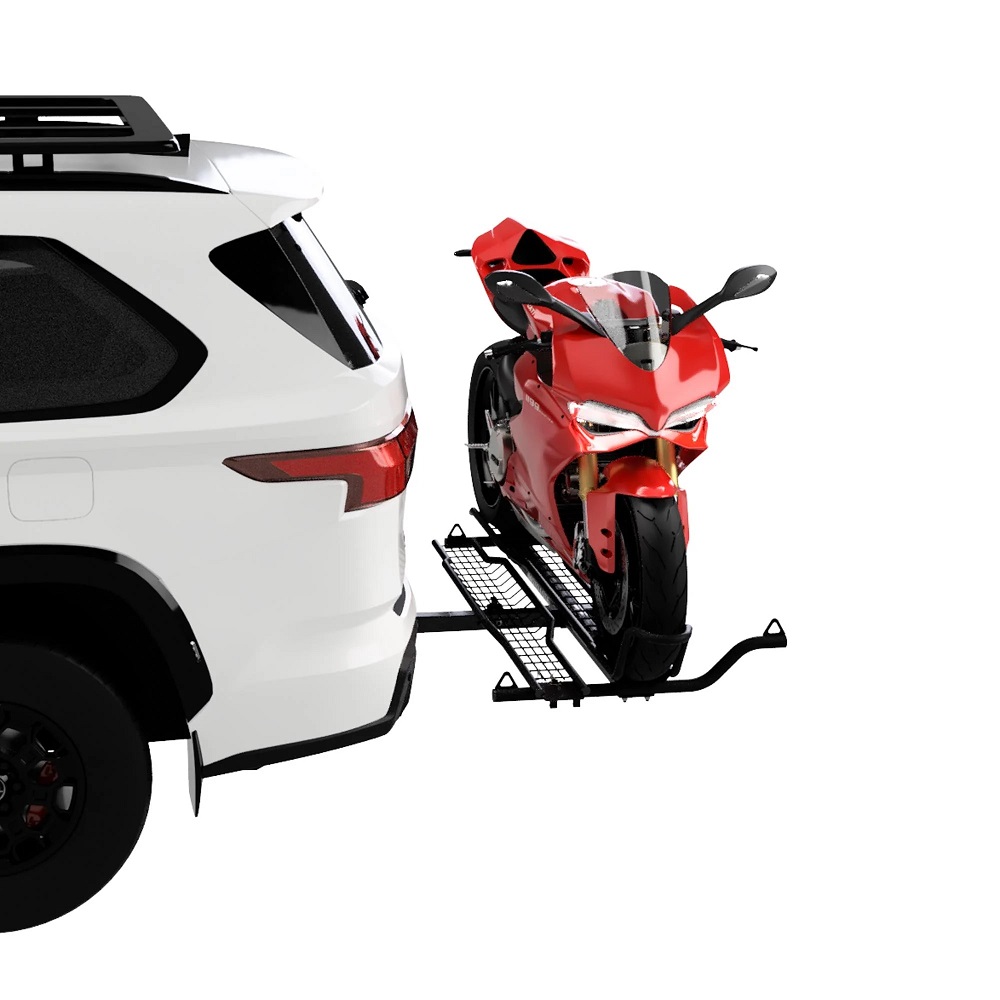
A motorcycle hitch hauler is a device used to transport motorcycles using a vehicle’s hitch. It allows riders to easily load and unload their bikes without the complexities of traditional trailers. The design incorporates a platform or ramp, providing a solid surface to secure the motorcycle during transport.
How It Works
To use a hitch hauler, you need a vehicle with a compatible hitch. The hauler attaches to the hitch, and the motorcycle is then loaded onto the platform. Most designs incorporate tie-down points to secure the bike, ensuring it remains stable during transport.
Types of Hitch Haulers
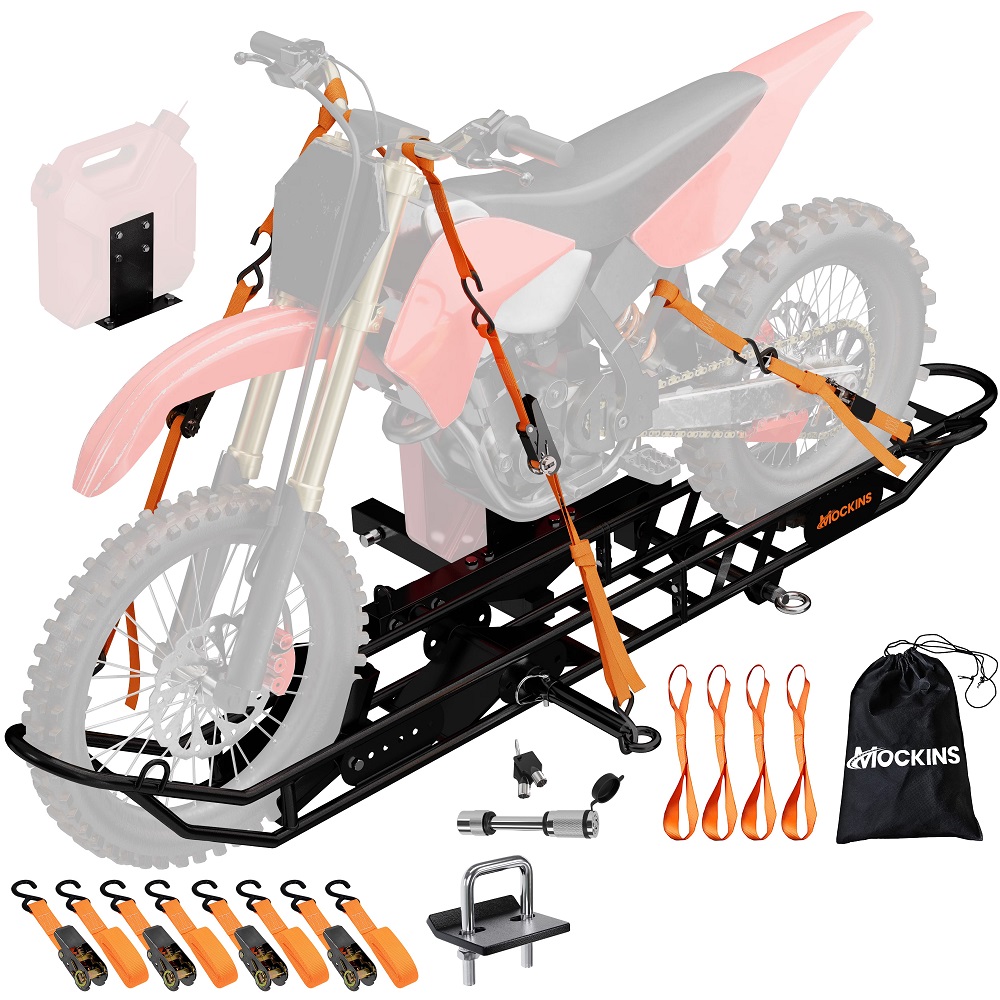
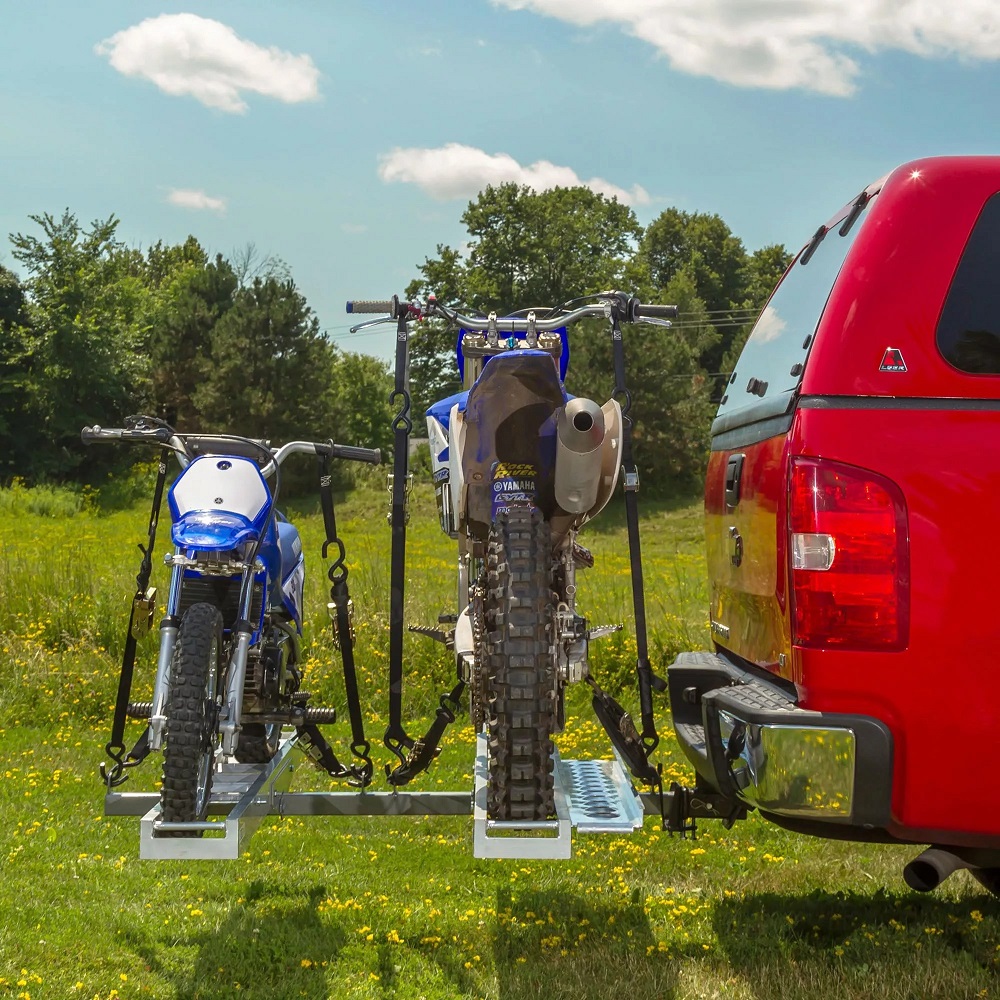
Hitch haulers come in various types and configurations. Some are designed for single motorcycle transport, while others can accommodate two bikes. The choice will depend on your specific needs and preferences. Additionally, some haulers include features like built-in ramps for easier loading.
Benefits of Using a Hitch Hauler
Motorcycle hitch haulers offer numerous advantages over traditional towing methods. Understanding these benefits can help you determine if a hitch hauler is the right solution for you.
Easy Loading and Unloading
One of the prime benefits of a hitch hauler is the ease of loading and unloading. The platform design allows motorcyclists to ride their bikes onto the hauler without needing to maneuver a trailer. This ease saves time and effort, making it an attractive option for riders who frequently travel with their motorcycles.
Compact Storage
Hitch haulers are generally more compact than trailers. Once detached from the vehicle, a hitch hauler takes up less space for storage. Many models can be folded or disassembled easily, allowing for efficient storage in a garage or shed without occupying excessive space.
Cost-Effectiveness
Compared to traditional motorcycle trailers, hitch haulers tend to be more budget-friendly. Their simpler design requires fewer materials, leading to a lower price point. Additionally, they often consume less fuel than trailers due to reduced wind resistance, resulting in savings during travel.
Key Features to Look for
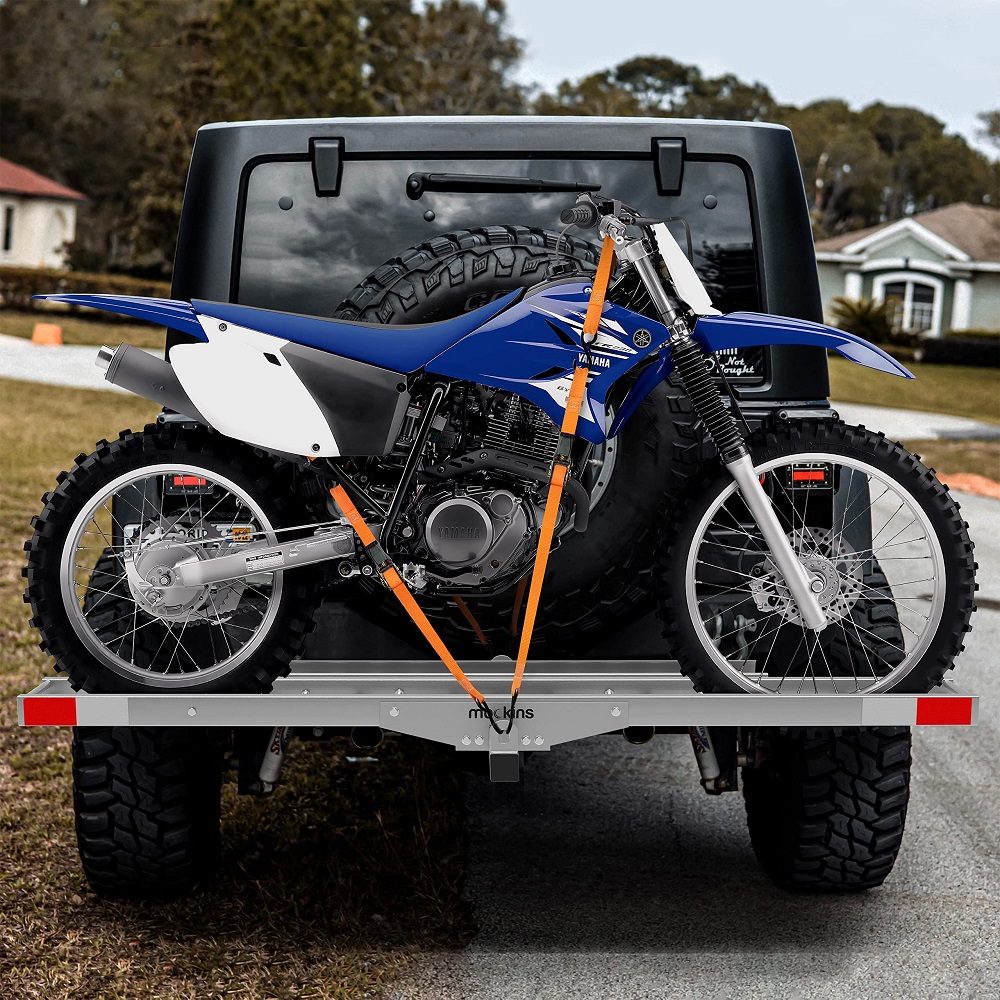
When selecting a motorcycle hitch hauler, specific features can greatly enhance usability and safety. Here are some considerations to keep in mind:
Weight Capacity
Every hitch hauler has a weight capacity that indicates how much weight it can support safely. Knowing your motorcycle’s weight is essential before making a purchase. Ensure that the hitch hauler you choose can accommodate your bike comfortably, leaving room for any additional accessories or gear.
Build Quality
The materials used in the construction of the hitch hauler are crucial for safety and durability. Look for models made from high-quality steel or aluminum. These materials provide strength and resistance to rust or corrosion. A well-built hauler will last for many years of use and offer reliable performance.
Adjustability
Adjustable features on a hitch hauler can enhance its versatility. Many models allow you to change the height or angle of the platform. Some even have adjustable wheel chocks to fit different motorcycle styles. These options make it easy to customize the hauler for your specific bike.
Choosing the Right Hitch Hauler
Selecting the most suitable motorcycle hitch hauler involves careful consideration of your needs and preferences. Several factors can influence your decision.
Compatibility with Your Vehicle
Before purchasing a hitch hauler, ensure that it is compatible with your vehicle’s hitch system. There are different hitch classes, and each class has a specific weight capacity. Match the hitch hauler with the appropriate hitch class to guarantee a secure connection.
Ease of Installation
Consider how easy it is to install and remove the hitch hauler. Some models require tools for installation, while others can be attached easily by hand. Choose a design that is straightforward and user-friendly to facilitate quick loading and unloading.
Reviews and Recommendations
Researching customer reviews can provide insights into the effectiveness and reliability of specific hitch haulers. Look for models with positive feedback regarding performance, durability, and ease of use. Genuine reviews offer first-hand accounts that help inform your decision.
Installing the Hitch Hauler
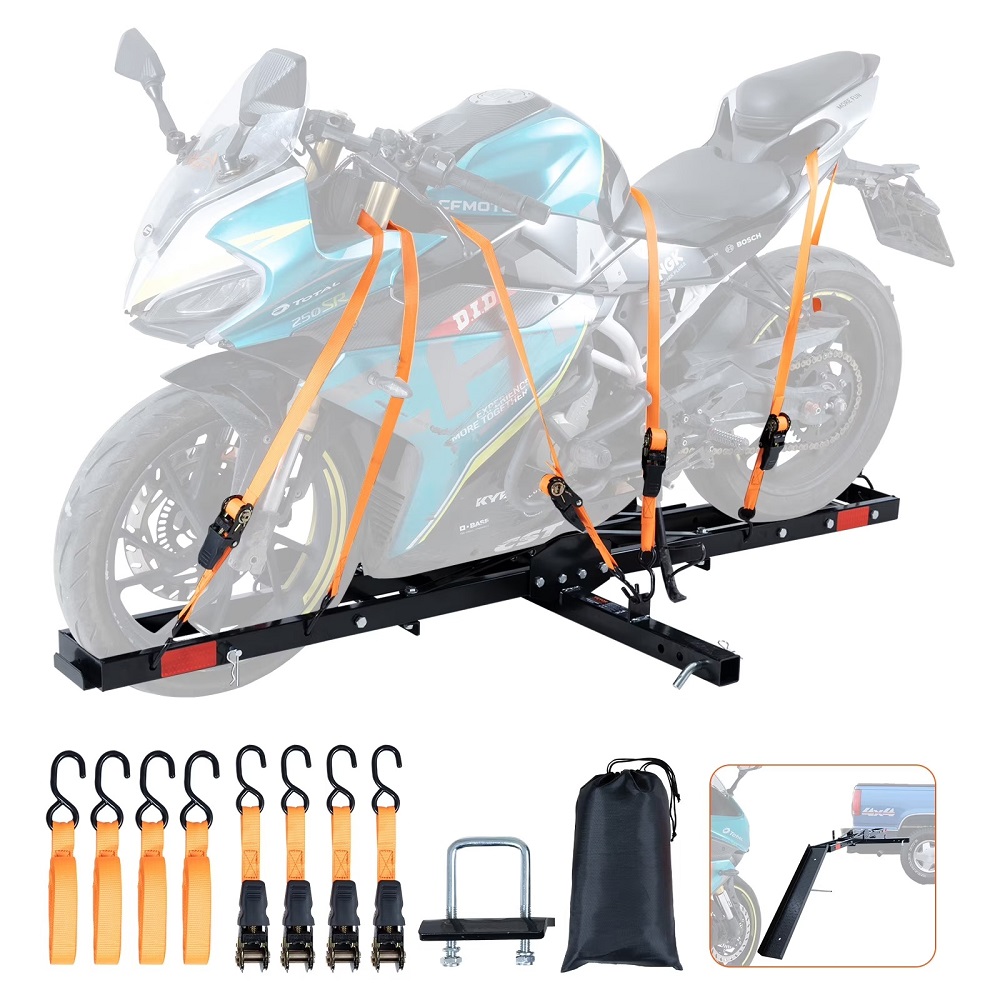
Proper installation is key to ensuring safety when using a hitch hauler. Follow these steps to install your hitch hauler correctly.
Gather Necessary Tools
First, gather all necessary tools for installation. Depending on the model, you may need wrenches, sockets, or other tools. Check the manufacturer’s instructions for specific requirements.
Align the Hauler with the Hitch
Position the hitch hauler near your vehicle’s hitch. Align the mount of the hauler with the hitch receiver. Pay attention to ensure that the hauler is securely connected and properly lined up.
Secure the Hauler
Once aligned, insert the pin or locking mechanism to secure the hauler in place. Double-check that it is firmly attached before loading your motorcycle. If the hauler features additional safety straps, ensure they are connected as well.
Loading Your Motorcycle Safely
Correctly loading your motorcycle onto the hitch hauler is crucial for safety and stability. Here are steps to follow:
Use a Ramp
Most hitch haulers come with a ramp for loading. Lower the ramp and make sure it is securely attached to the hauler. This step allows you to ride your motorcycle on the platform safely. If your hauler does not include a ramp, consider purchasing one separately.
Ride on Carefully
When loading your motorcycle, ride slowly and steadily. Focus on maintaining balance and avoid sudden movements. Riding onto the platform should be done carefully to ensure stability.
Secure the Motorcycle
Once your motorcycle is on the hauler, secure it using tie-down straps. Attach the straps to solid points on the motorcycle frame. Ensure they are tight enough to prevent movement but not so tight that they risk damaging any components.
Road Safety Tips
After loading your motorcycle, keeping safety in mind is crucial during transport. Take the following precautions:
Check Connections
Before hitting the road, double-check all connections and straps. Ensure that the motorcycle is firmly secured and that the hitch hauler is properly attached to your vehicle. This precaution minimizes the risk of accidents during transport.
Monitor Weight Distribution
Ensure that the weight on the hitch hauler is evenly distributed. An unbalanced load can affect stability while driving. If necessary, adjust the positioning of the motorcycle on the hauler to achieve better balance.
Drive Responsively
When transporting a motorcycle, adjust your driving style accordingly. Take turns slowly and avoid sudden stops. Be particularly cautious when driving on highways, where wind resistance can impact your vehicle’s stability.
Common Mistakes to Avoid
As you prepare to use a motorcycle hitch hauler, be aware of common mistakes that can compromise safety.
Overloading the Hauler
Exceeding the weight capacity of the hitch hauler can lead to dangerous conditions. Always double-check the load constraints and ensure that the combined weight of the motorcycle and any additional equipment remains within limits.
Neglecting to Secure the Motorcycle
Failing to properly secure your motorcycle can result in serious accidents. After loading, always take the time to check that all straps are tight and secure. A loose motorcycle can shift during transport, leading to potential hazards.
Ignoring Local Regulations
Be aware of local laws regarding motorcycle transportation. In some areas, specific regulations may pertain to the use of hitch haulers. Familiarizing yourself with these laws will help prevent legal complications during travel.
Emphasizing Maintenance
Maintaining your motorcycle hitch hauler is essential to prolong its life and ensure safe usage. Here are some maintenance tips to follow.
Regular Inspections
Periodically check your hitch hauler for signs of wear or damage. Look for rust, cracks, or loose parts that may require attention. Performing these checks regularly helps maintain function and prevents issues during use.
Clean After Use
After each use, clean the hitch hauler to remove dirt and debris. This practice prevents the buildup of grime that can affect performance. Use soap and water with a soft cloth for cleaning.
Proper Storage
When not in use, store the hitch hauler in a dry place. Keeping it clean and sheltered from the elements will enhance its longevity. Avoid leaving it outside, as exposure to moisture can lead to corrosion.
Creating Community Connections
Using a motorcycle hitch hauler can connect you to other biking enthusiasts. Engaging with fellow riders can enhance your experience on the road.
Online Communities
Join online forums or groups that focus on motorcycling and transporting bikes. These platforms allow you to share experiences and gain insight from other riders. They can offer helpful tips about the best products or practices.
Local Groups
Participating in local motorcycle clubs can build camaraderie. Join fellow enthusiasts during group rides and events. Sharing your experiences about using a hitch hauler can create meaningful connections.
Attending Events
Look for motorcycle events or expos in your area. Attending these gatherings allows you to meet other riders and learn about new products or techniques. Engaging with the motorcycle community enhances your passion and knowledge.
The Future of Motorcycle Hitch Haulers
As technology evolves, motorcycle hitch haulers will likely benefit from innovations that enhance their functionality and safety.
Smart Technology Integration
Expect to see advances such as smart sensors in new models. Features may ensure that the load is secure during transport and may alert drivers if there are any issues. Smart technology can increase safety and convenience.
Enhanced Material Design
Manufacturers may explore new materials that improve lightness and durability. Lightweight yet robust designs can enhance ease of use while improving safety. As technology advances, expect new additions to the hitch hauler market.
Customization Options
Customization is a growing trend across various products, including motorcycle gear. In the future, hitch haulers may offer customizable colors, designs, or accessories that cater to individual preferences. Personal touches can enhance the riding experience.
FAQ:
- How does a motorcycle hitch hauler work?
- The hitch hauler attaches to the vehicle’s hitch receiver, providing a platform on which the motorcycle is placed. Riders load their bike onto the platform and secure it using tie-down straps or wheel chocks for stability during transport.
- What weight capacity should I consider when choosing a hitch hauler?
- It’s important to check the weight capacity of the hitch hauler and ensure it can safely support your motorcycle’s weight. Most hitch haulers have weight capacities ranging from 300 to 600 pounds, but always refer to the manufacturer’s specifications.
- Is it easy to install a motorcycle hitch hauler?
- Yes, most motorcycle hitch haulers are designed for easy installation and can usually be attached to the hitch receiver with minimal tools. Detailed instructions are typically included, but if you’re unsure, consulting a professional can ensure proper installation.
- Can I use a motorcycle hitch hauler with any vehicle?
- Motorcycle hitch haulers require a compatible hitch receiver, so you should ensure your vehicle has the appropriate hitch class (usually Class III or IV) to support the hauler. It’s also essential to check that the hauler matches your vehicle’s towing capacity.
- What safety precautions should I take when using a hitch hauler?
- Ensure that the motorcycle is securely fastened to the hauler with quality tie-down straps. Check all connections before travel, and periodically inspect the hitch hauler and motorcycle during transport. It’s also wise to drive cautiously and avoid rapid acceleration or braking to prevent shifting.
Choose the Right Motorcycle Hitch Hauler for Your Needs
In conclusion, a motorcycle hitch hauler is an essential tool for safely transporting your bike. Understanding the features and benefits of hitch haulers can help you make an informed choice.
When selecting the right hauler, consider factors such as compatibility, weight capacity, and ease of installation. Engage with the motorcycle community to gain insights and recommendations.
By investing in a quality hitch hauler, you ensure that your motorcycle is transported securely and conveniently. Whether you are embarking on new adventures or attending events, having the right equipment enhances your overall experience.
As you enjoy the freedom of the open road, let a well-chosen motorcycle hitch hauler, with its numerous benefits, be the reliable companion for all your riding journeys. Embrace the thrill of motorcycling and explore everything it offers with confidence!
Leave a Reply